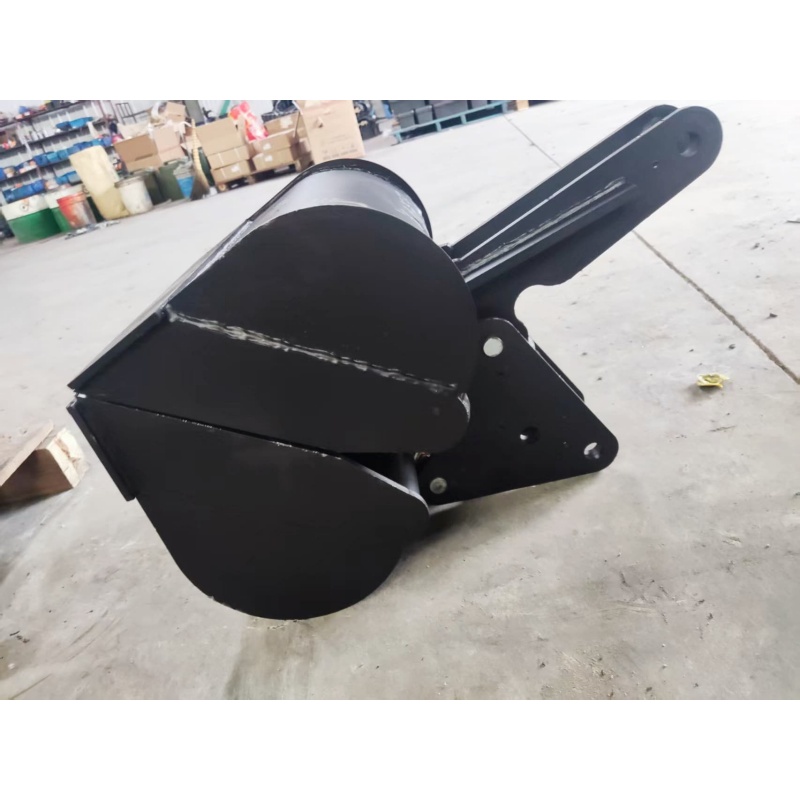
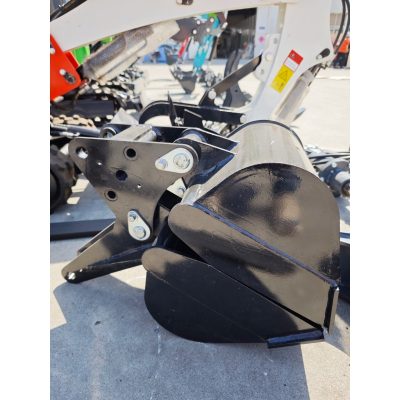
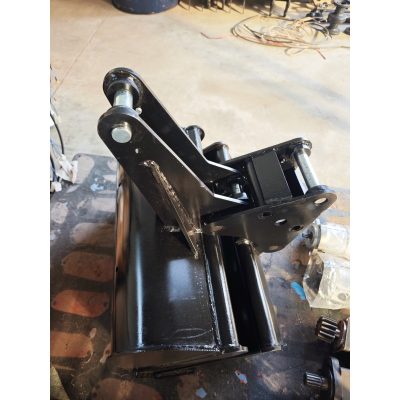
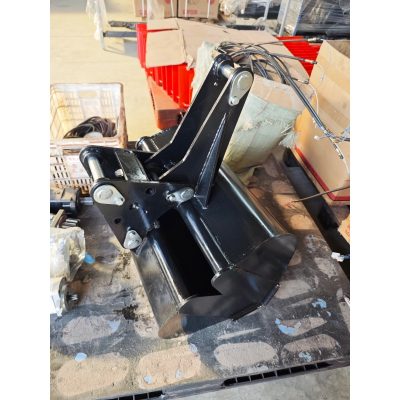
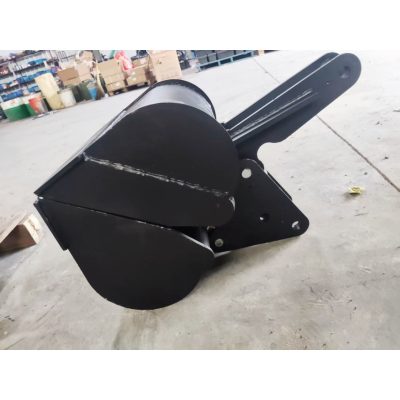
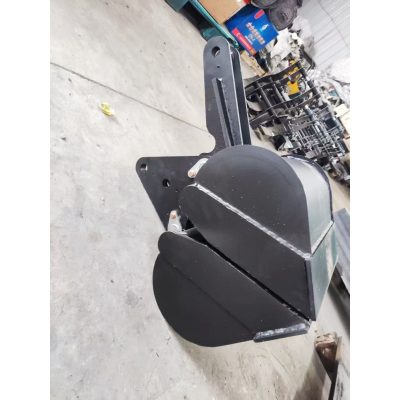
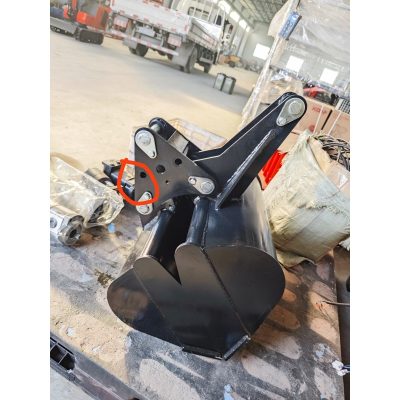
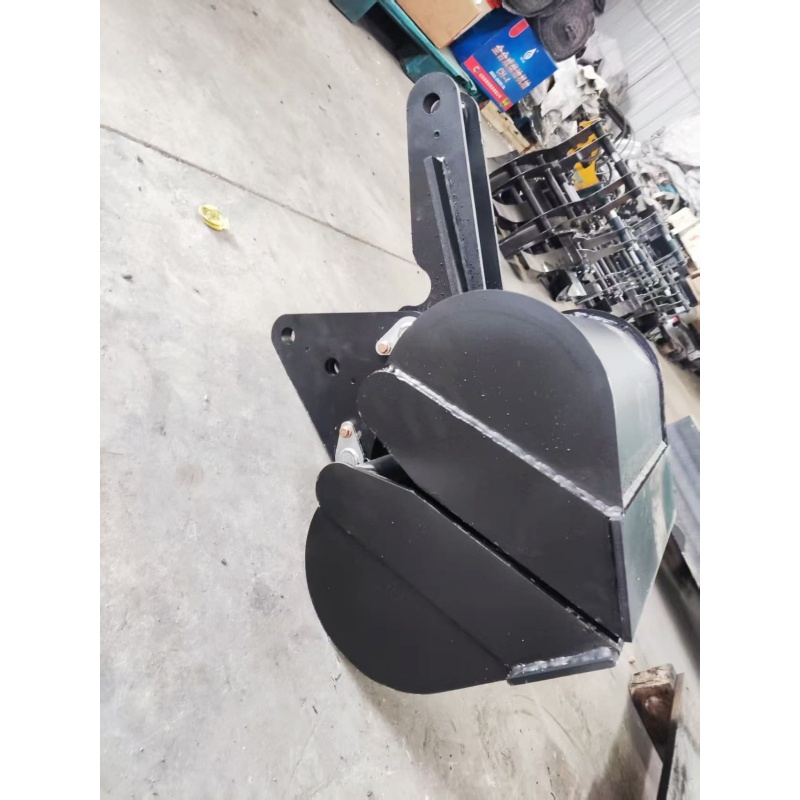
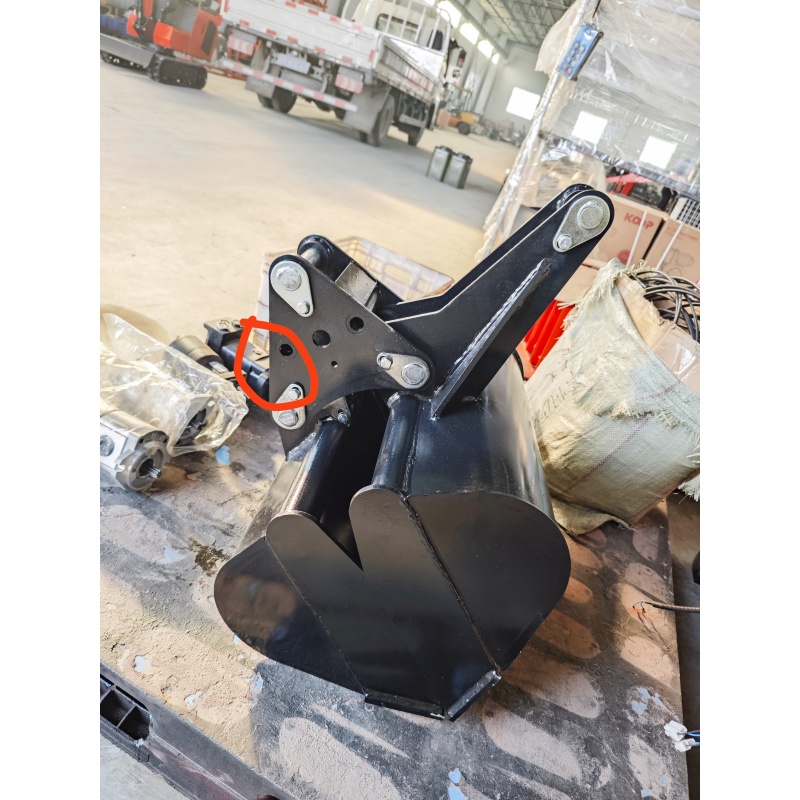
A shell bucket opens and closes to grab, rather than digging in the conventional way. Fitted with a mechanical linkage, it turns a mini excavator into a loading and handling machine for materials the ordinary bucket spills. MINGYI supplies machines ordered with this attachment as part of the build.
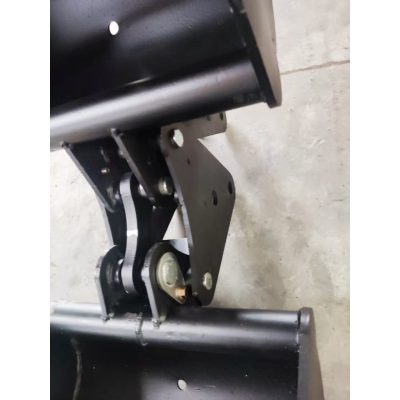
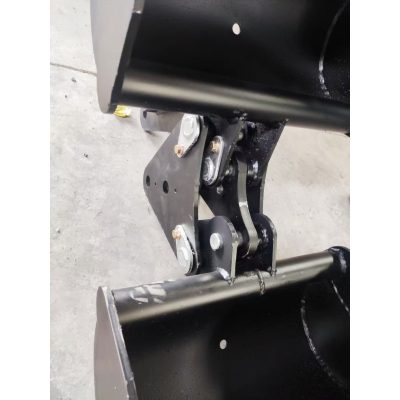
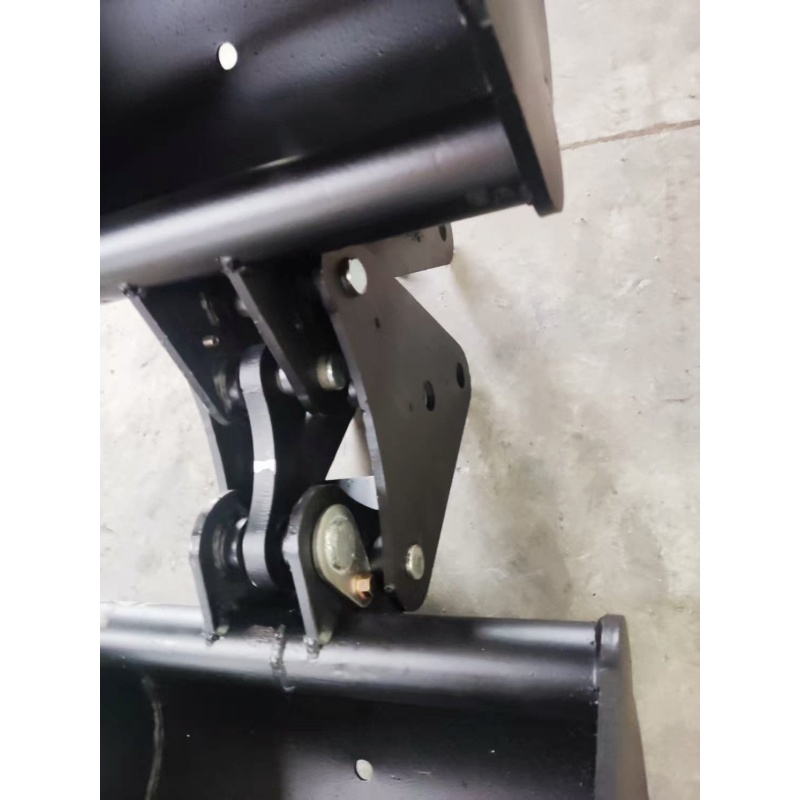
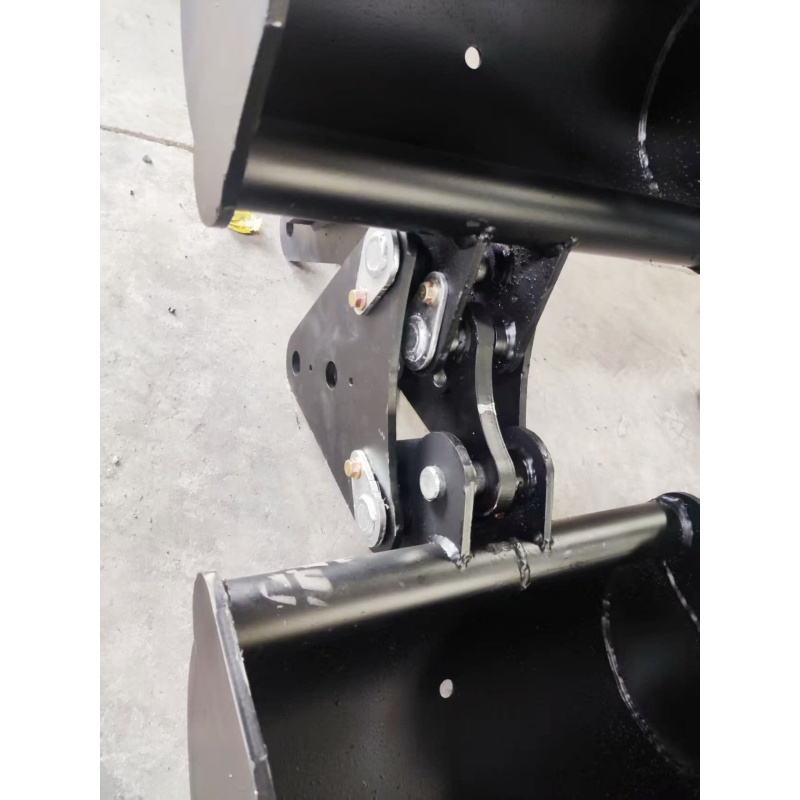
The mechanical version drives the shell from the bucket cylinder arrangement, which keeps the specification simple and the maintenance straightforward. This page covers the work the shell bucket does and how it is specified with the carrier.
Handling work the shell bucket takes on
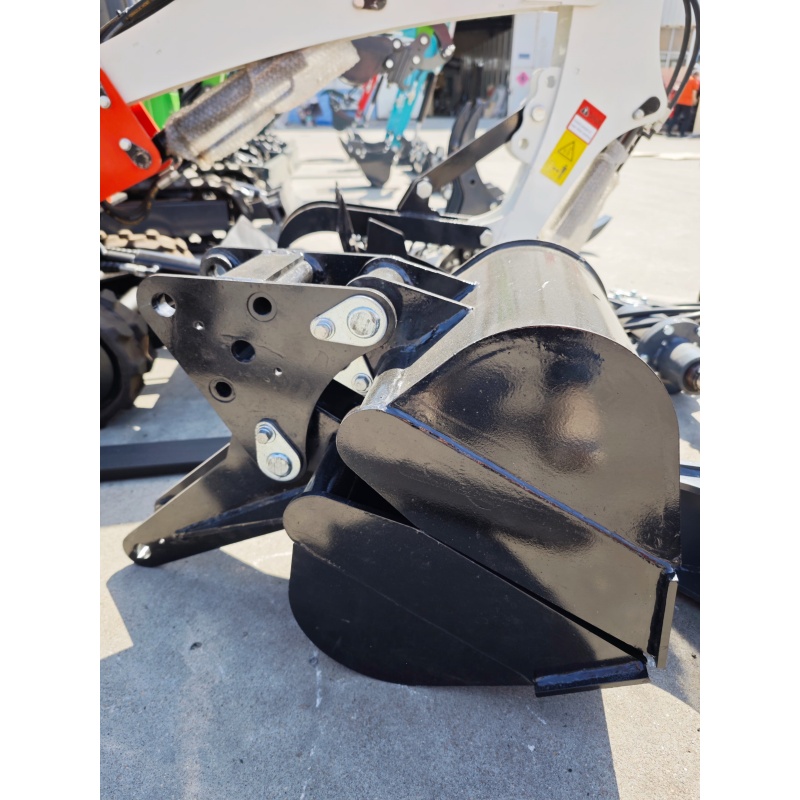
The shell bucket is used for lifting loose material into trucks from stockpiles, cleaning silt from pond beds, loading sand and gravel, and gripping irregular loads that a digging bucket cannot hold. It is also the attachment for cleaning out lined channels where a flat lip would damage the lining.
In maintenance yards it moves brush and debris with a grass rake fitted to the same linkage pattern, and in agriculture it loads root vegetables and stone picked from fields. The common thread is controlled handling rather than aggressive digging.
Specifying the machine and shell together
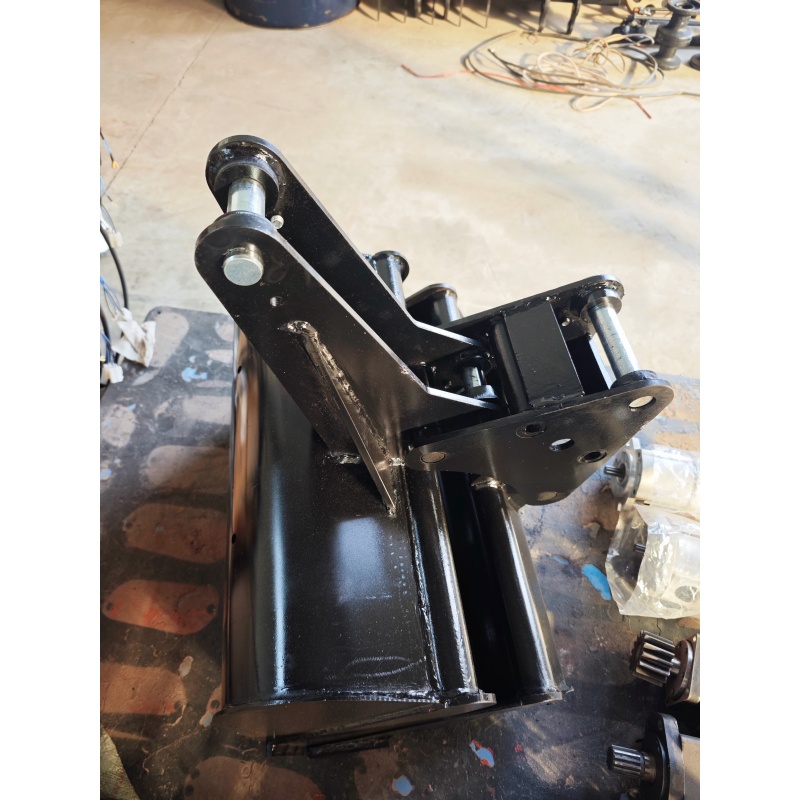
The shell has to be matched to the carrier weight class and linkage, so the pairing is confirmed with MINGYI at the ordering stage. Buyers state the materials they handle and the reach needed over the truck side or pond edge, and the build is recorded against those requirements.
A quick coupler is worth adding at the same time if the machine will swap between the shell and conventional buckets during a shift. The hydraulic and mechanical arrangements are then compatible from the first day of work.
Send a description of the material you handle and the working reach needed, and the shell bucket configuration will be matched to the carrier. Each unit ships with spare parts and the service information for the attachment as well as the machine.
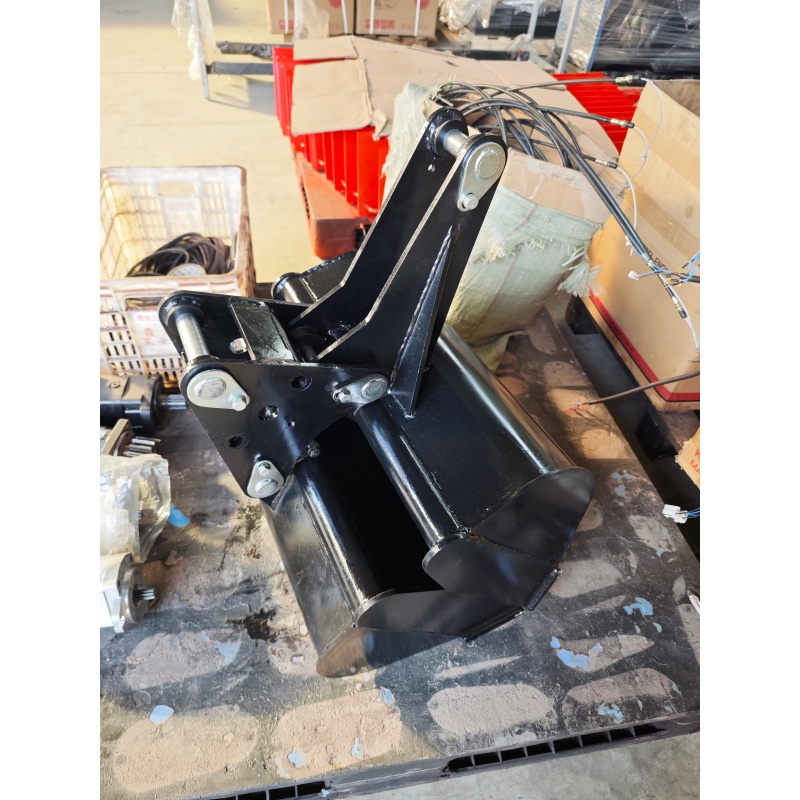
Working on slopes and uneven ground with mechanical shell bucket mini excavator Ground that looks level often is not. The excavator crossing a filled trench, a soft edge or a hidden void behaves differently from one on undisturbed ground, and those are the places worth walking before driving. Planning the direction of travel helps. Working so that the this class of machine is stable under load and not required to turn on a slope is a decision made before the job starts, not a correction made during it. Working near live services with mechanical shell bucket mini excavator Digging near water, gas and cable is a precision job. The unit in daily use is used here because the operator can work in short controlled cuts and because the machine can be positioned without driving over the run being exposed. The risk on utility work is not machine power but machine placement. A machine of this size that fits the working width leaves the surrounding ground undisturbed, which keeps the trench stable and the reinstatement small. Getting mechanical shell bucket mini excavator through a narrow gap Access decides the machine before output does. With the equipment on site the limiting dimension is usually the widest point on the way in, so measuring the gate, the corridor and the turning space first saves a wasted delivery and a second visit. Contractors who buy the machine itself normally have one job in mind that nothing else reaches. The purchase order follows the access measurement, not the other way round, and the build sheet is then settled around it. Noise, dust and working near occupied buildings Enclosure and machine condition both reduce noise. The model in question with intact panels, sound mounts and a maintained exhaust is measurably quieter than the same machine with loose guards, and the difference matters on restricted sites. Dust control is often part of the same conversation. Water, timing and work sequence reduce what leaves the site, and agreeing them in advance keeps the machine in that duty working rather than stopped after a complaint. Trenching work with mechanical shell bucket mini excavator Trench quality depends on the bucket width and the operator, not on machine size. The unit on the job with a narrow bucket and a swing boom cuts a clean run along a boundary without disturbing the ground either side of it. Depth control matters more on service work than speed. A machine built for the work working beside live services is chosen because it can be placed precisely and stopped instantly, which is what the job actually requires. Attachments that turn mechanical shell bucket mini excavator into several machines Attachment lists are best written before delivery. Specifying the equipment in service with the tools the job list needs avoids the work and delay of adding hydraulics later, and a quick coupler makes the swap a few minutes instead of a workshop job. Most of the daily variety on the excavator comes from the attachment rack rather than from the machine itself. Bucket, breaker, auger, ripper, rake and grab cover the large majority of the work a contractor will see. Acceptance checks when this class of machine arrives Delivery day is the best time to find a problem. Checking the specification against the order, the fluid levels, the fasteners and any transport damage while the machine of this size is still on the trailer is faster than claiming later. A function check before the machine goes to work is worth the hour. Running through the controls, the travel and the attachment circuit on the unit in daily use confirms it is set up as specified and ready for the site. Hiring versus owning the equipment on site The choice follows the hours. Work that fills a few weeks a year is usually better hired, while the machine itself that would be on site most weeks starts to justify ownership once the transport and booking time is counted. Availability is part of the decision. Owning the model in question means it is there on the day the ground is ready; hiring means competing for the same machine at the same time as everyone else in the season. Operator technique for the machine in that duty Output on a compact machine comes from placement rather than power. An experienced operator keeps the unit on the job working inside the swing arc, positions once and digs a full run instead of repositioning for every bucket. The second habit is tool discipline. Running a machine built for the work with the right bucket width for the trench means less spoil, less reinstatement and a cleaner job than a wide bucket and a lot of trimming. Orchard, vineyard and farm use of the equipment in service Ditching, fertilising and drainage on farmland suit the excavator because the work is spread over a large area in short bursts. The machine travels behind a pickup and works where it stops. Farms also use this class of machine for general maintenance - clearing a watercourse, repairing a track, loading a spreader. One carrier with a few attachments covers most of the jobs that would otherwise wait for a contractor. Track choice for the unit in daily use Rubber tracks suit paved and landscaped ground because they spread the machine weight and leave the surface intact. Steel tracks with rubber blocks are specified where the ground is rougher or the working day is longer, and the choice can be made per machine rather than accepted as a factory default. Track type changes what the machine can cross and what it leaves behind. Buyers specify rubber for lawns, driveways and municipal work, and steel with rubber blocks for sites where sharp material would cut a rubber belt in a week. Specification data for a machine of this size Where the equipment on site is being specified for a job list, the table below gives the factory figures that matter most: what the machine weighs, how deep and how far it works, and what it measures on a trailer. Figures are factory figures and are confirmed on the build sheet for the machine itself. Where a job sits between two models, the larger machine usually takes less time than the smaller one spends on rework. Machines leave the factory prepared for container or flat rack shipment. The model in question is normally shipped with the attachment set and the spare parts list agreed in advance so the container is planned once. Export documentation, decals and paint are settled before packing. Asking for them with the machine in that duty order avoids a second handling session and keeps the machine on the booked vessel.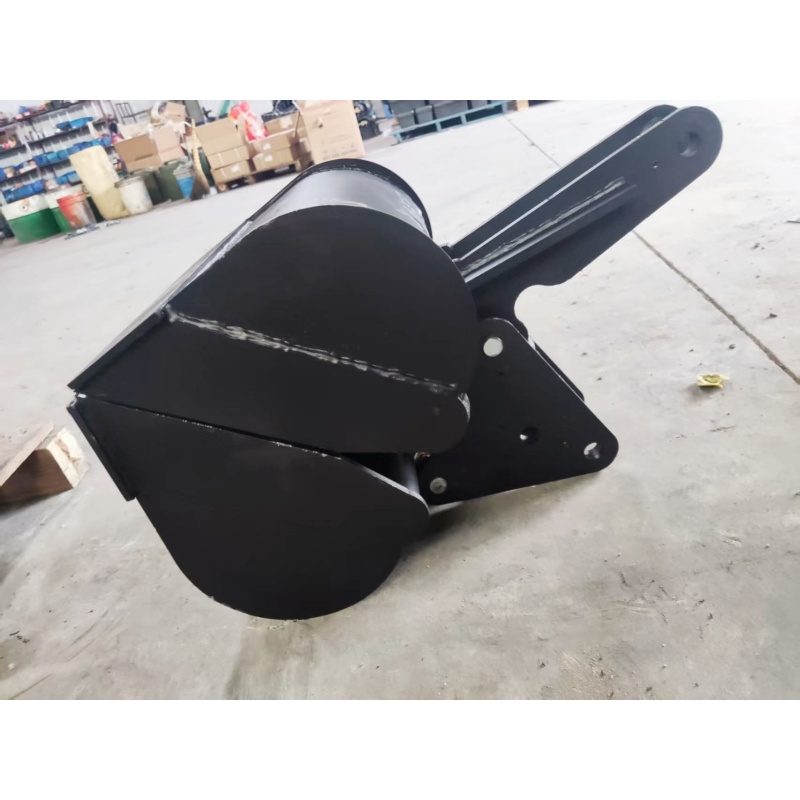
Reference specification — mini excavator range 09W 30-2W 09L 30-2L Operating weight 1100 kg (2425.08 lb) 2700 kg (5952.48 lb) 1100 kg (2425.08 lb) 2400 kg (5291 lb) Transport size (L×W×H) 1800 × 750 × 1970 mm 3000 × 1100 × 2700 mm 2300 × 720 × 1870 mm 2800 × 1500 × 2500 mm Max digging depth 1250 mm (49.21 in) 2200 mm (86.61 in) 1400 mm (55.12 in) 2200 mm (86.61 in) Max digging height 2800 mm (110.24 in) 3000 mm (118.11 in) 2800 mm (110.24 in) 2900 mm (114.17 in) Max dumping height 1700 mm (66.93 in) 2000 mm (78.74 in) 1880 mm (74.02 in) 2100 mm (82.68 in) Max digging radius 2570 mm (101.18 in) 3800 mm (149.61 in) 2490 mm (98.03 in) 3330 mm (131.1 in) Max digging distance 1869 mm (73.58 in) 3050 mm (120.08 in) 2000 mm (78.74 in) 2700 mm (106.3 in) Minimum turning radius 1000 mm (39.37 in) 1750 mm (68.9 in) 1400 mm (55.12 in) 1555 mm (61.22 in) Travel speed 3 km/h (1.86 mph) 7 km/h (4.35 mph) 3 km/h (1.86 mph) 7 km/h (4.35 mph) Gradeability 30° 30° 30° 30° Fuel consumption 1-1.3 L/h (0.264—0.343 gal) 2-3 L/h (0.528—0.793 gal) 1-1.3 L/h (0.264—0.343 gal) 2-3 L/h (0.528—0.793 gal) Fuel tank capacity 8 L (2.11 gal) 16 L (4.23 gal) 8 L (2.11 gal) 16 L (4.23 gal) Hydraulic oil tank 16 L (4.23 gal) 20 L (5.28 gal) 16 L (4.23 gal) 18 L (4.76 gal) Dozer blade lift height 180 mm (7.09 in) 230 mm (9.06 in) 180 mm (7.09 in) 230 mm (9.06 in) Dozer blade drop depth 210 mm (8.27 in) 280 mm (11.02 in) 210 mm (8.27 in) 280 mm (11.02 in)
Q. Who chooses the unit on the job?
A. Attachments turn one carrier into several machines: dig on Monday, grade, lift, mow or drill on Tuesday without the machine leaving site. The quick coupler makes the changeover a minute job at the trench edge, and mechanical tools need no hydraulic lines at all. MINGYI builds the 08, 12 and 18 models covering the 0.8 to 6 tonne class, and a machine built for the work is where that range meets mechanical shell bucket.
Q. How is the attachment fitted and swapped?
A. Through the quick coupler on the dipper: seat the tool, lock it, plug the hydraulics where the design needs them. Mechanical attachments need no lines at all, so a bucket-to-rake change is a minute job at the trench edge.
Q. Can I see the machine before it ships?
A. Inspection is arranged at the factory, in person or by a scheduled video walk-around - the same session covers paint, decals and attachment fitment for the mechanical shell bucket specification, so the machine inspected is the machine that ships.
Packing, loading and shipment of the equipment in service
Export packing is part of the machine, not an afterthought. The excavator is blocked and braced inside the container so that it arrives in the same condition it left, and the load plan is decided by the dimensions rather than by what fits loosely.
Storage and long idle periods for this class of machine
Rubber, seals and hoses age whether the machine works or not. Keeping the unit in daily use out of direct sun and off damp ground slows that, and running it briefly at intervals keeps everything moving.
E-mail : sales@mingycn.com
LINE ( ID ): mingyicn
ni
Related pages
detachable extended boom for mini diggers · detachable extended boom mini excavator · China Wheel Loader Factory Supplier: Range, Spares, Loading · Mini Excavators









