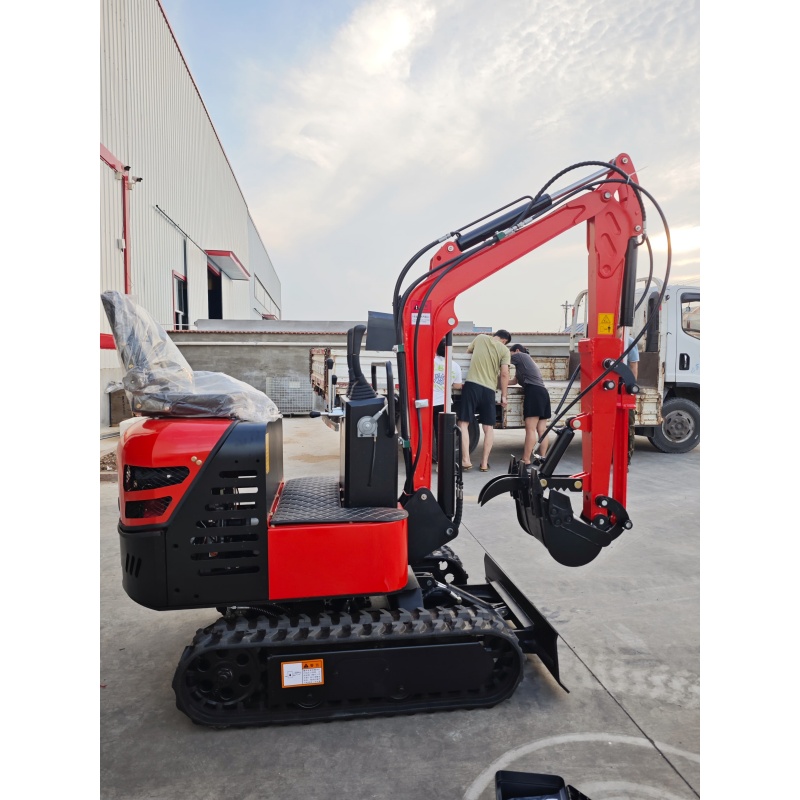
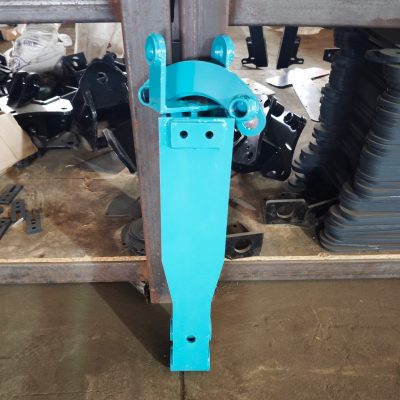
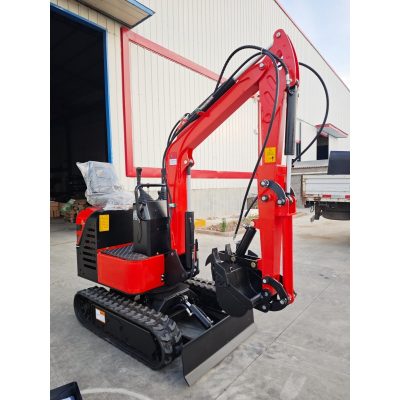
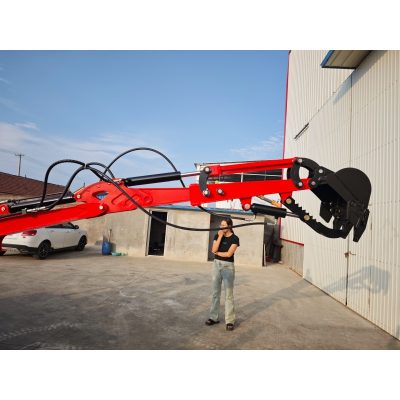
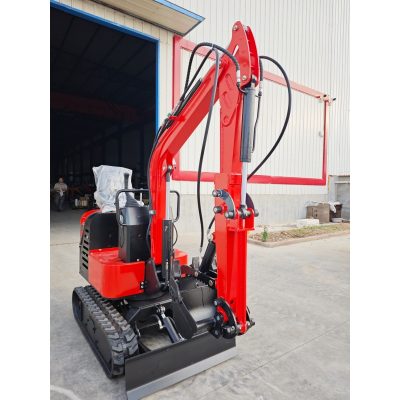
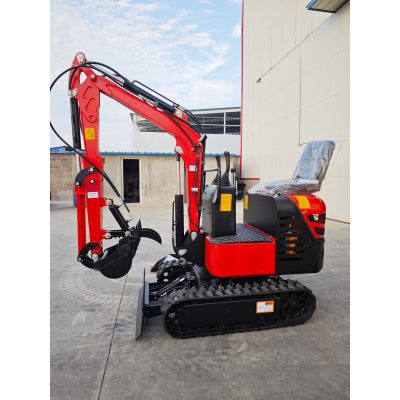
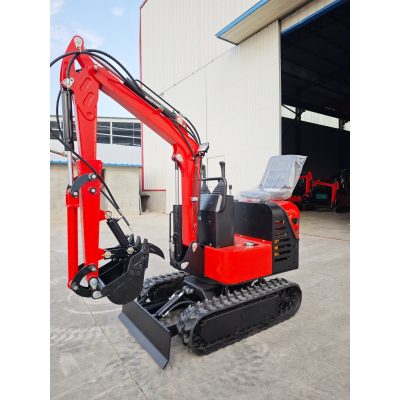
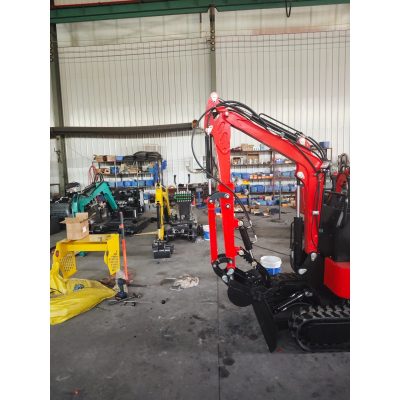
Reach is often the limit on a compact machine. Where the dig is deeper or further from the tracks than a standard boom allows, an extended boom adds that reach without moving up a machine class.
MINGYI offers a detachable extended boom for its mini crawler excavators. Because it can be removed, the machine can work with the standard boom for normal tasks and switch to the extended unit for the deeper or wider dig.
When an extended boom is the right answer
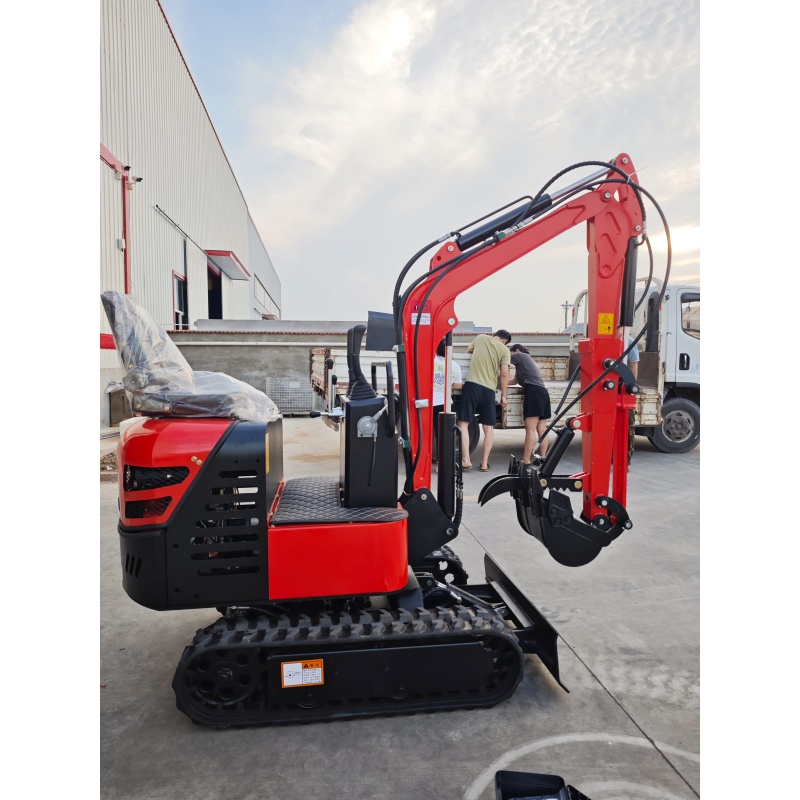
Clean water trenches, deep service runs and ponds often sit at a depth a standard boom cannot reach on a small carrier. The extended boom covers that depth while keeping the machine in the lighter class.
Reach across a bank or a ditch is the other common reason. An extended boom lets the operator place spoil well clear of the work face without repositioning the tracks each time.
Fitting and using a detachable boom
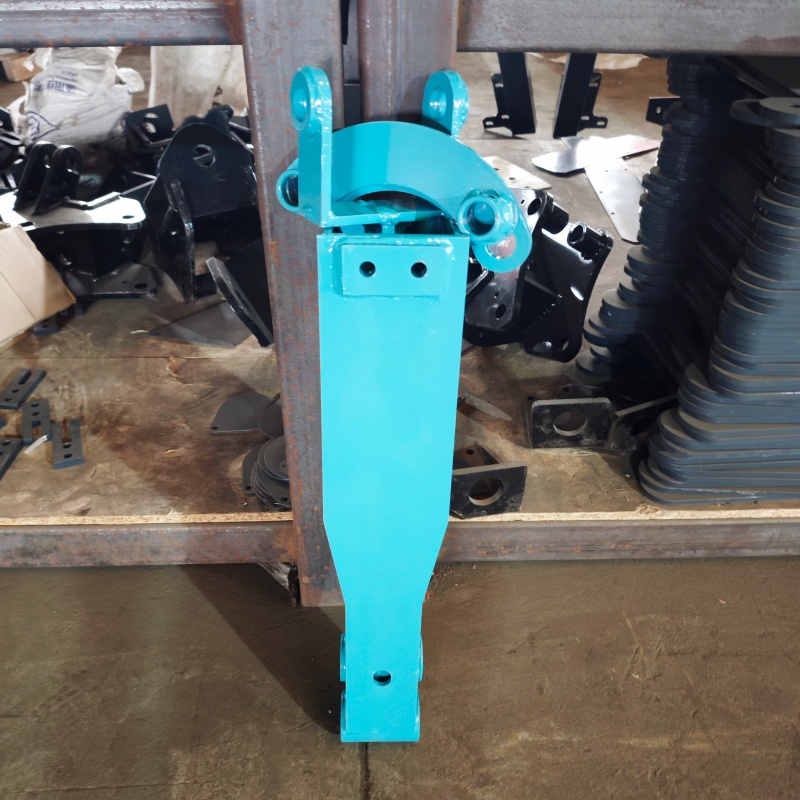
A detachable boom is swapped for the standard unit when the job calls for it, so the machine is not carrying extra length when it is not needed. The change is made to the ordered specification.
Because a longer boom reduces lift capacity, the attachment and load have to be matched to the configuration. That is why the boom and the tools are specified together rather than separately.
Boom option, machine class and attachments are the decisions a reach order depends on. Agreeing them up front means the carrier is built around the depth and span the job actually requires.
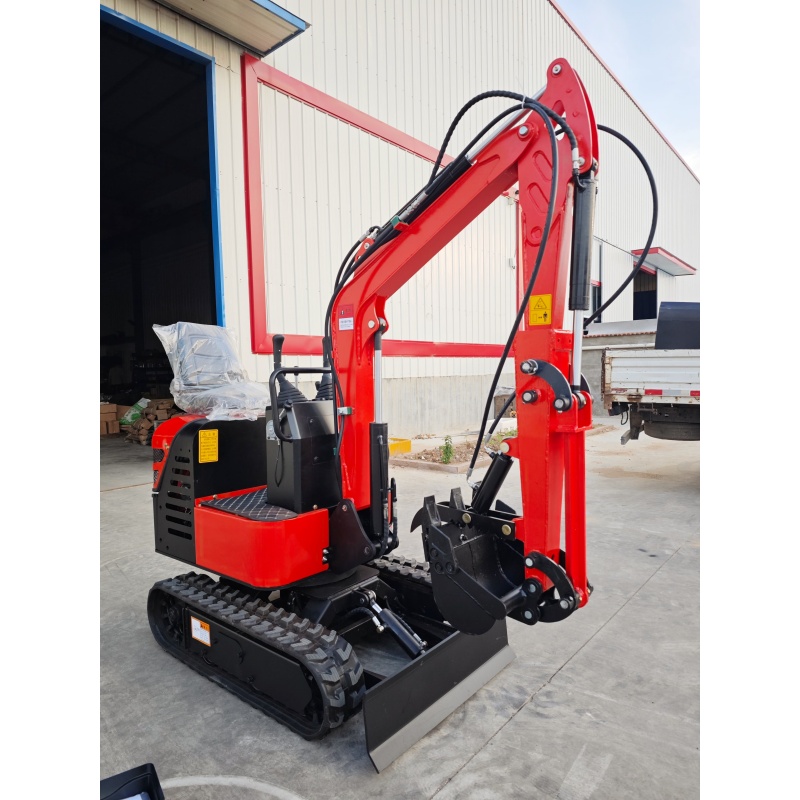
Track choice for detachable extended boom for mini diggers Undercarriage selection is a ground question, not a preference question. The excavator running on finished paving needs rubber; the same machine on demolition rubble or rock wears rubber quickly, so steel with rubber blocks becomes the better answer over a full season. Track type changes what the machine can cross and what it leaves behind. Buyers specify rubber for lawns, driveways and municipal work, and steel with rubber blocks for sites where sharp material would cut a rubber belt in a week. OEM and fleet customisation of detachable extended boom for mini diggers Customisation also covers the specification sheet. A fleet buyer may want every unit in daily use delivered with the same coupler, the same engine and the same tool kit so training and parts stock stay simple. Documentation can be prepared to suit the importer. Manuals, parts books and decal sets for this class of machine can be supplied with the buyer's own branding where the order size justifies it. Matching detachable extended boom for mini diggers to ground conditions Soft ground is a flotation problem, not a power problem. A machine of this size on wide rubber tracks crosses lawn, sand and cultivated soil that would stop a narrower machine or a wheeled unit of the same capacity. Hard and abrasive ground reverses the specification. On rock, demolition rubble or sharp gravel, steel tracks with rubber blocks on the equipment on site survive conditions that cut a rubber belt quickly. Working on slopes and uneven ground with detachable extended boom for mini diggers Slope work is a stability question before it is a traction question. Knowing the gradient the machine itself is rated for, and working across rather than straight up where the ground allows, removes most of the risk. Planning the direction of travel helps. Working so that the model in question is stable under load and not required to turn on a slope is a decision made before the job starts, not a correction made during it. Interior and light demolition with detachable extended boom for mini diggers Interior demolition is an access and a weight question. The machine in that duty that fits through a doorway and works on a suspended floor does jobs that would otherwise be done by hand or by a larger machine that cannot enter. Breaking out a floor slab, a wall footing or a concrete step is routine work for the unit on the job with a breaker. The machine is small enough to work inside and heavy enough to run the tool at a practical rate. Lifting and material handling with a detachable extended boom for mini diggers Stability changes with reach. A load a machine built for the work handles close in becomes a different proposition at full extension, so the working radius belongs in the plan before the lift rather than during it. Ground condition under the machine is part of every lift. Soft or uneven support is the common factor in handling incidents, and checking it takes less time than recovering the equipment in service that has settled. Operator technique for the excavator Output on a compact machine comes from placement rather than power. An experienced operator keeps this class of machine working inside the swing arc, positions once and digs a full run instead of repositioning for every bucket. Stability is the third. The unit in daily use working across the tracks rather than over the corners keeps the machine steady and the undercarriage loaded evenly, which shows up as track life at the end of the season. Parts, service and support for a machine of this size Support after delivery is a parts question. Wearing items for the equipment on site - filters, belts, track components, bucket teeth and pins - are the items a buyer should plan to hold before the first service interval. Remote support is handled by video. The machine itself fault can often be diagnosed on a walk-around call with the panel open, which is faster than waiting for a visit and avoids shipping a part that is not needed. Quick coupler practice on the model in question Couplers are specified early because they affect the arm and the hydraulic kit. Adding one to the machine in that duty after delivery means new pins, new hoses and a fitment session; adding it at build time is a line on the sheet. For a fleet that shares attachments between machines, a common coupler standard matters more than the coupler brand. The unit on the job that picks up the same tools as the larger machines keeps the rack usable across the yard. Engine options behind a machine built for the work Two buyers can order the same the excavator and receive different engines. The decision is rarely about peak power; it is about which parts counter is closest to the site and which engine the local mechanic already knows. Engine choice is also an emissions and documentation question for some markets. Listing the available units with the equipment in service enquiry lets the factory confirm what can be supplied and documented for the destination country. Acceptance checks when this class of machine arrives Delivery day is the best time to find a problem. Checking the specification against the order, the fluid levels, the fasteners and any transport damage while the machine of this size is still on the trailer is faster than claiming later. Documentation should arrive with the machine. Parts list, service schedule and any certificates for the unit in daily use are what the workshop needs later, and they are much easier to obtain at delivery than in month six. Specification data for the equipment on site The figures below are the factory figures for the models most often matched to the machine itself. They are the numbers to check against the site: the depth the work needs, the reach from one position, and the width of the narrowest point on the route in. Figures are factory figures and are confirmed on the build sheet for the model in question. Where a job sits between two models, the larger machine usually takes less time than the smaller one spends on rework. Weather decides which days are productive. Rain turns some ground unusable and cold changes how the machine in that duty starts and warms up, so planning the wet months around maintenance is more useful than planning around output. Heat and dust are as limiting as rain. Air intake condition and cooling cleanliness decide how the unit on the job behaves in a dry season, and both are checked in a minute rather than repaired later.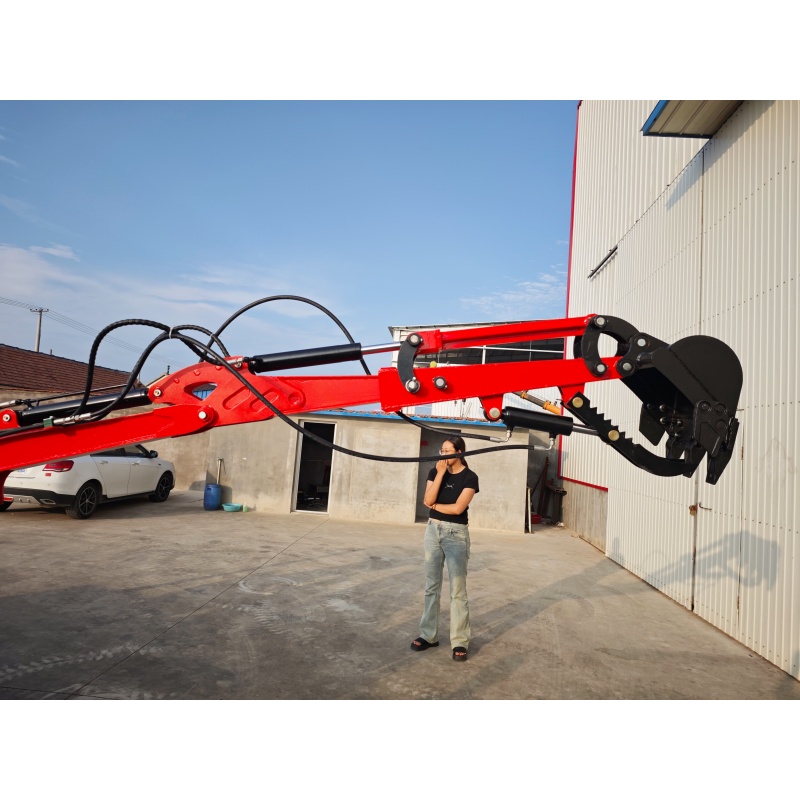
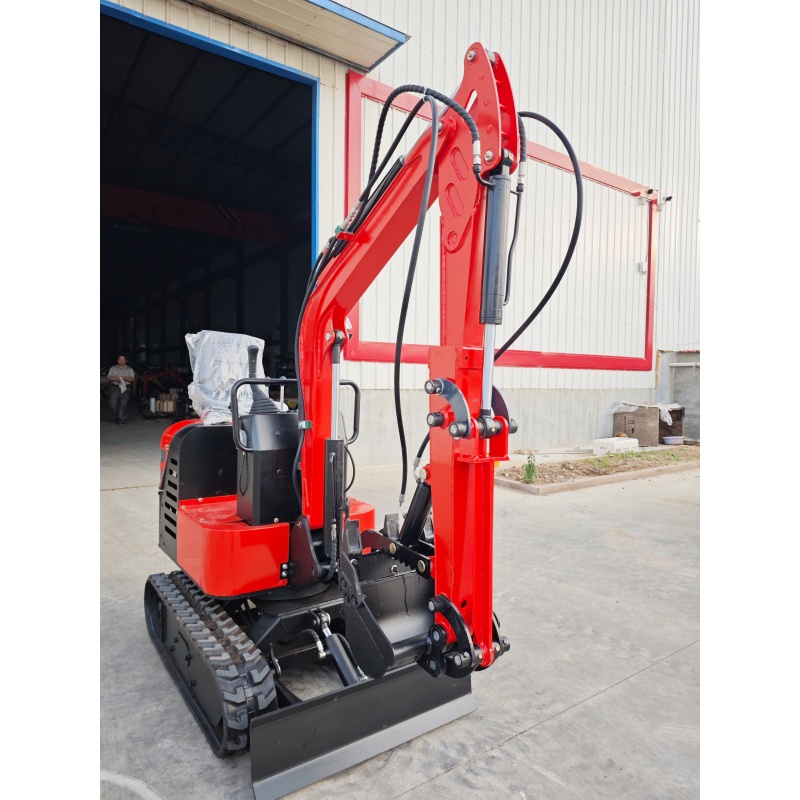
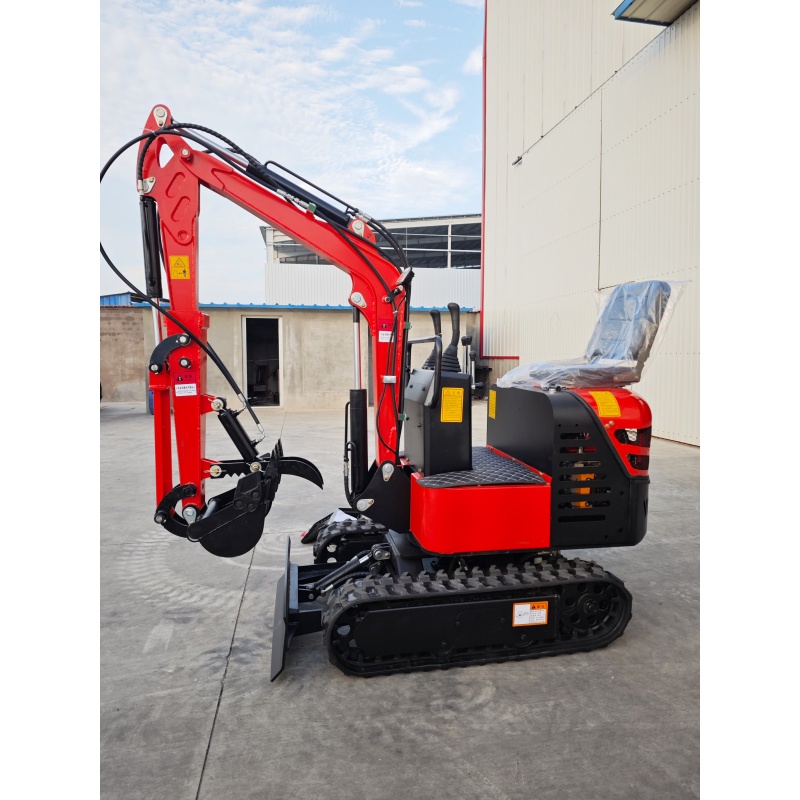
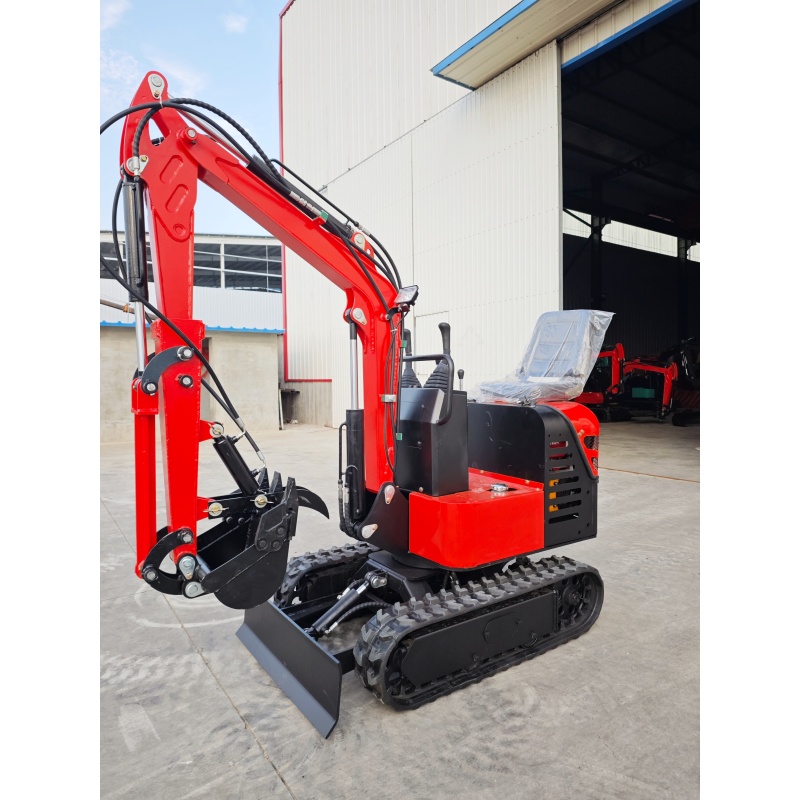
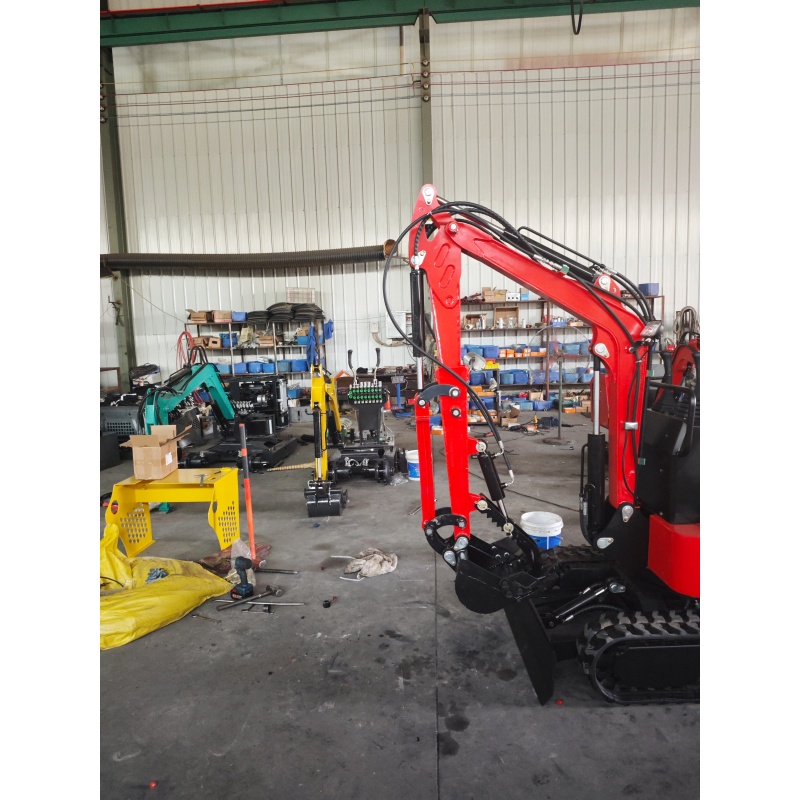
Reference specification — mini excavator range 20-1WL 20-3W 09L 25L Operating weight 1900 kg (4188.78 lb) 1900 kg (4188.78 lb) 1100 kg (2425.08 lb) 2200 kg (4850.17 lb) Transport size (L×W×H) 2550 × 1100 × 2200 mm 2550 × 1100 × 2200 mm 2300 × 720 × 1870 mm 3000 × 1300 × 2700 mm Max digging depth 1800 mm (70.87 in) 1800 mm (70.87 in) 1400 mm (55.12 in) 2300 mm (90.55 in) Max digging height 2820 mm (111.02 in) 2820 mm (111.02 in) 2800 mm (110.24 in) 3100 mm (122.05 in) Max dumping height 2050 mm (80.71 in) 2050 mm (80.71 in) 1880 mm (74.02 in) 2050 mm (80.71 in) Max digging radius 3050 mm (120.08 in) 3050 mm (120.08 in) 2490 mm (98.03 in) 3900 mm (153.54 in) Max digging distance 2300 mm (90.55 in) 2300 mm (90.55 in) 2000 mm (78.74 in) 3100 mm (125.05 in) Minimum turning radius 1450 mm (57.09 in) 1450 mm (57.09 in) 1400 mm (55.12 in) 1800 mm (70.87 in) Travel speed 5 km/h (3.11 mph) 5 km/h (3.11 mph) 3 km/h (1.86 mph) 7 km/h (4.35 mph) Gradeability 30° 30° 30° 30° Fuel consumption 2-3 L/h (0.528—0.793 gal) 2-3 L/h (0.528—0.793 gal) 1-1.3 L/h (0.264—0.343 gal) 2-3 L/h (0.528—0.793 gal) Fuel tank capacity 16 L (4.23 gal) 16 L (4.23 gal) 8 L (2.11 gal) 16 L (4.23 gal) Hydraulic oil tank 18 L (4.76 gal) 18 L (4.76 gal) 16 L (4.23 gal) 18 L (4.76 gal) Dozer blade lift height 180 mm (7.09 in) 180 mm (7.09 in) 180 mm (7.09 in) 230 mm (9.06 in) Dozer blade drop depth 210 mm (8.27 in) 210 mm (8.27 in) 210 mm (8.27 in) 280 mm (11.02 in)
Q. What are the machine built for the work?
A. Boom geometry is the difference between repositioning the machine ten times an hour and digging through from one stable stance. Reach without width is the compact excavator trick: the boom crosses the obstacle while the tracks stay on firm ground. MINGYI builds the 08, 12 and 18 models covering the 0.8 to 6 tonne class, and the equipment in service is where that range meets mini diggers.
Q. When does an extended or detachable boom pay off?
A. Ponds, basement edges, foundation pads and finish grading across obstacles - anywhere the bucket must reach further than the carrier should travel. Detachable designs stow on the trailer, so the machine still passes the narrow gate on the next job.
Q. How do I get a specification?
A. Send the model, the destination and the attachment list by email or LINE - the channels listed just below this section. The reply covers the specification, lead time, packing and freight in one document, with the mini diggers build sheet attached.
A second operator for the excavator
A machine that only one person can use is a single point of failure. Training a second operator on this class of machine takes a day and removes the dependency that otherwise governs holidays, illness and busy weeks.
Documents that travel with the unit in daily use
Documentation should match the machine that was actually built. The sheet supplied with a machine of this size records the configuration as delivered, because the generic catalogue description is not what the customer needs when ordering a part.
Cold weather and winter care for the equipment on site
A cold start is easier when the machine is prepared the night before. The routine that keeps the machine itself working through winter is mostly a matter of fuel, battery and patience in the first ten minutes of the day.
E-mail : sales@mingycn.com
LINE ( ID ): mingyicn
Slope working and stability with detachable extended boom for mini diggers
Rated capacity is measured on level ground, and once the machine works across a gradient the safe figure follows the slope and the load position.
Turning on a side slope is where most instability starts, so the route and the turning points are chosen before the first load is moved.
Related pages
detachable extended boom mini excavator · detachable boom extension · Wheel Loader Manufacturer China: Range, Builds and Export Terms · Mini Excavators









