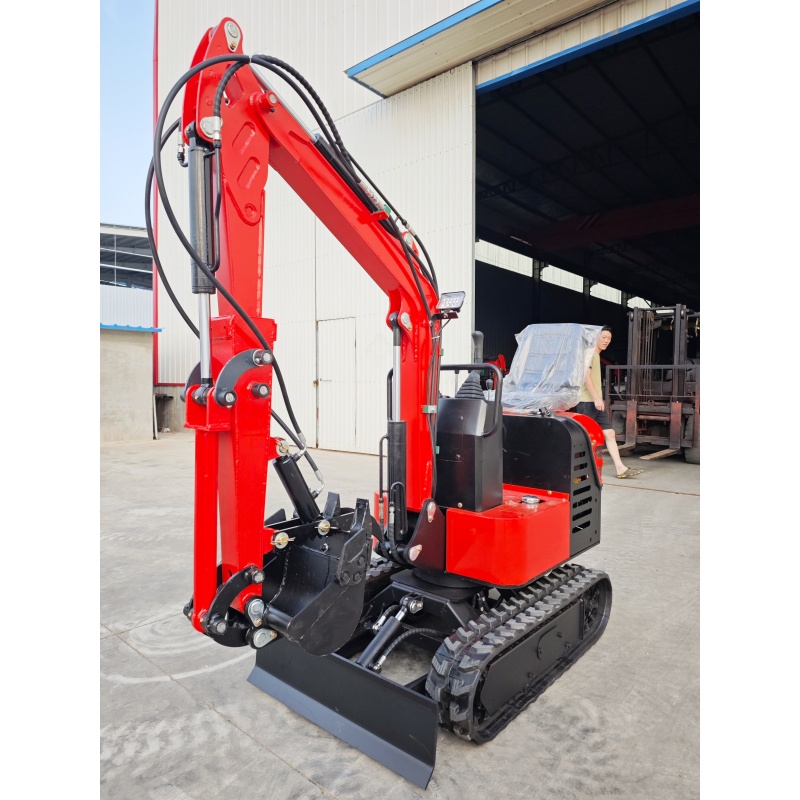
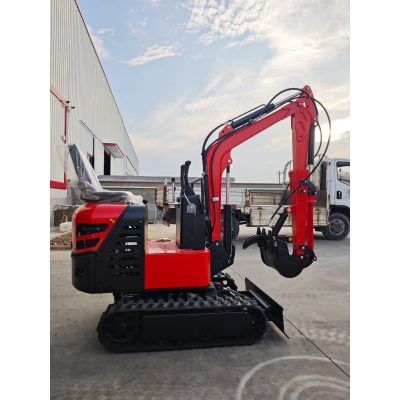
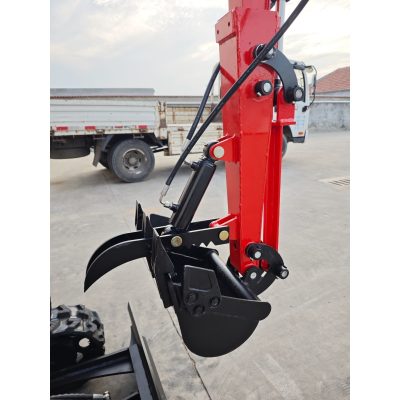
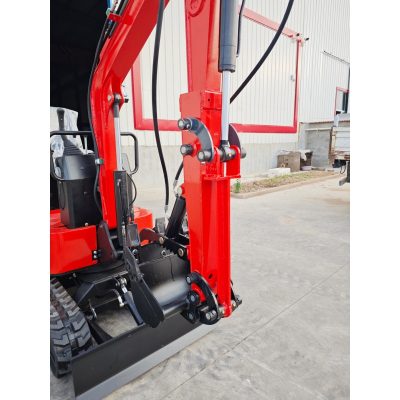
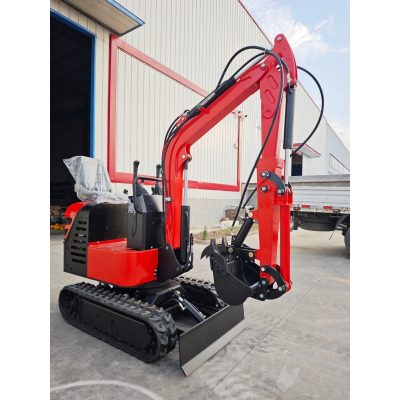
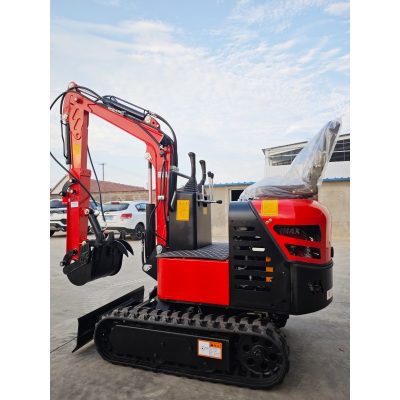
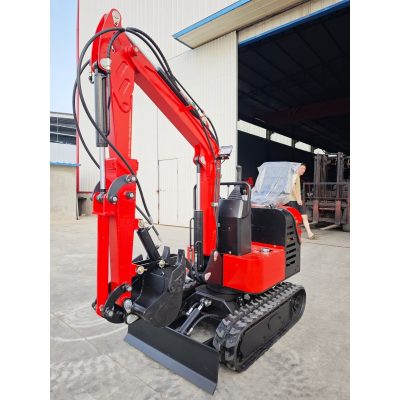
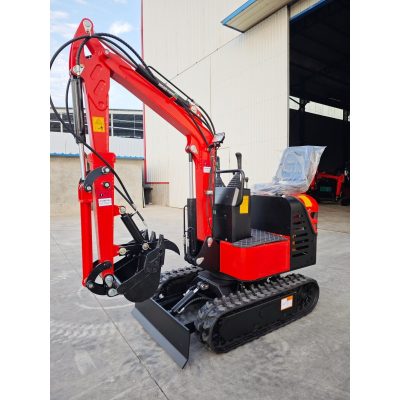
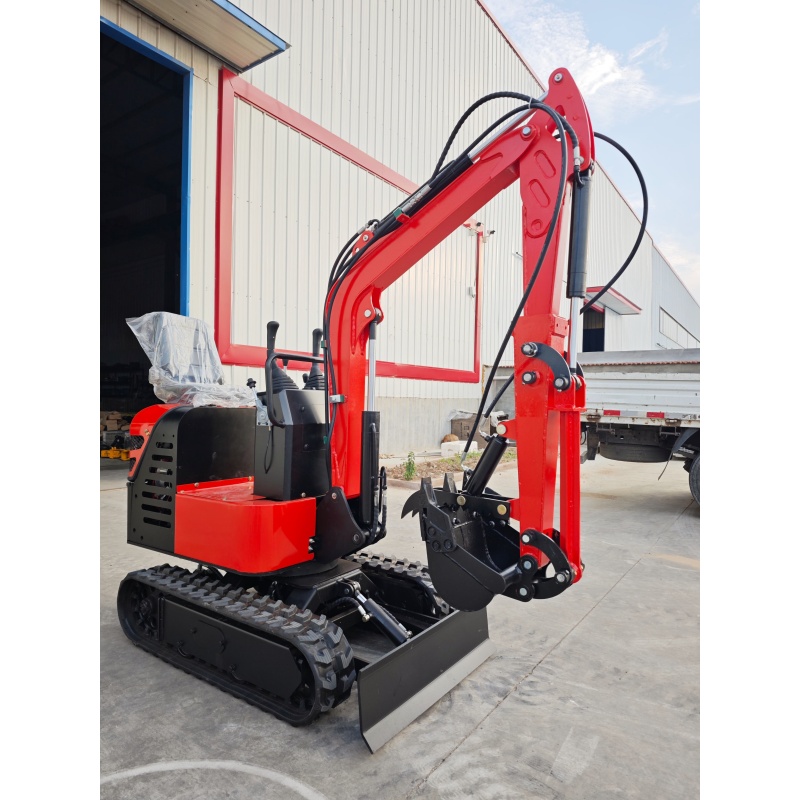
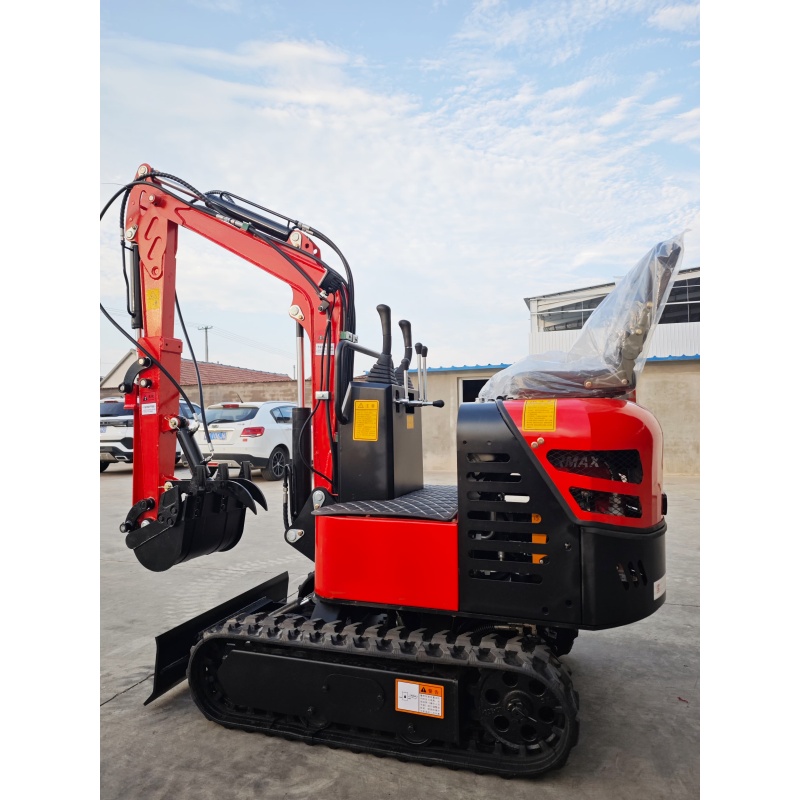
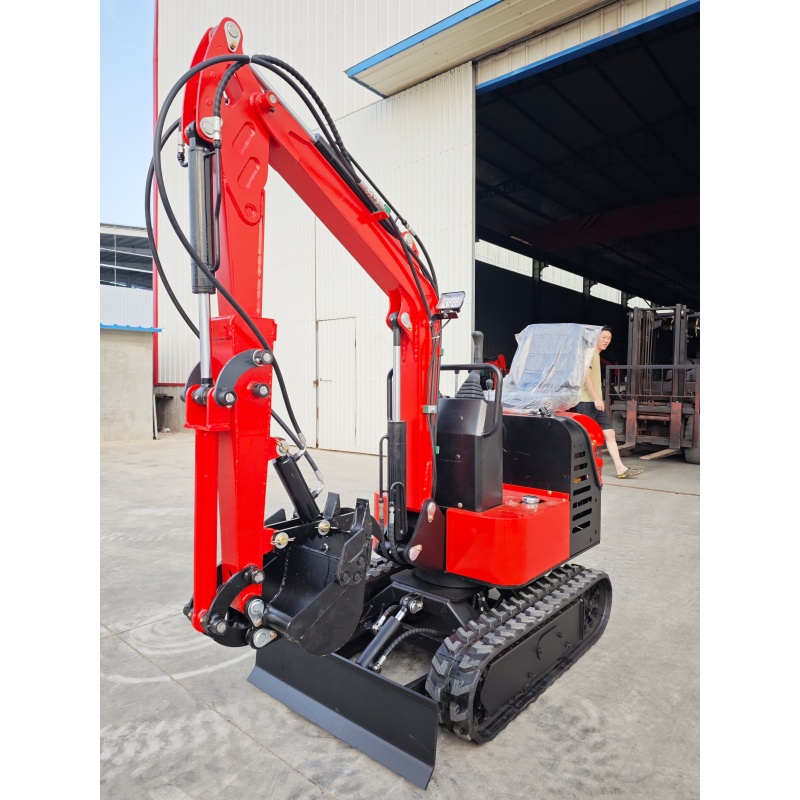
Reach is often the difference between digging a job from firm ground and having to track the machine into soft or restricted areas. The excavator adds length to the arm for deep or distant cuts, then comes off again when the machine needs to work close in.
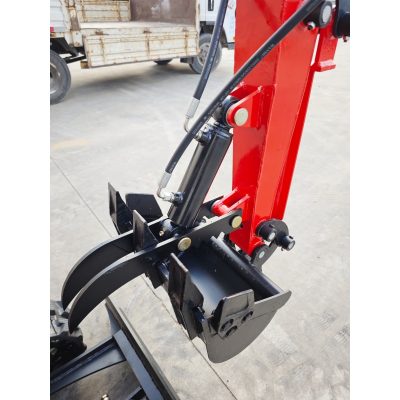
MINGYI supplies boom extensions for its compact excavators as part of the machine order. Because the extension is matched to the boom, the pin sizes, hydraulic routing and mounting are set when the machine is built.
Reach is the argument for an extension; the rest of the decision is how it comes off again.
| Checkpoint | What to settle for this machine |
|---|---|
| Carrier machine | Compact excavators, with matching extensions built to order alongside the machine |
| Work it takes on | Deeper and more distant cuts on drainage runs, pond work and clean-out jobs |
| Ground and material | Firm ground the machine can work from instead of tracking into soft or restricted areas |
| Mounting and hydraulics | Detachable design that returns the machine to standard geometry for transport or confined work |
| Confirmed at order stage | Whether hydraulic tools will be run at the end of the arm, stated when the machine is ordered |
| Handover and upkeep | Build sheet covering engine, attachments, colour and documents; familiarisation that covers the awkward cases |
What a detachable boom extension adds on site
The extension increases the working depth and the horizontal reach of the arm, which helps on drainage runs, pond work and embankment trimming. The machine can stand further back from an unstable edge and still reach the cut.
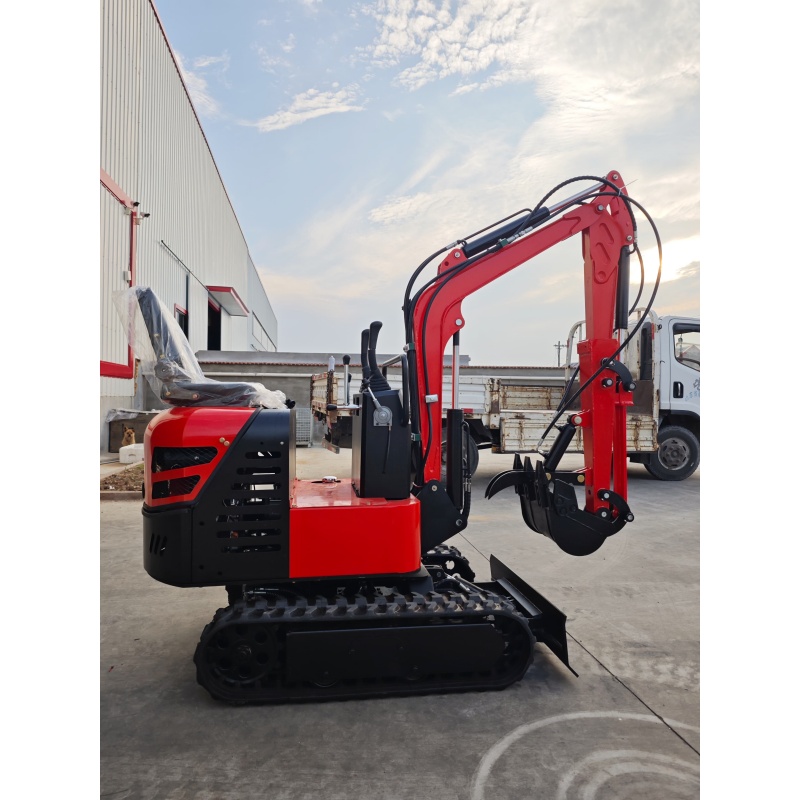
The trade off is lifting capacity. The further the bucket is from the machine, the less it can lift at that distance, so buyers should match the extension to a duty where digging, not heavy lifting, is the main task.
Fitting and removing the boom extension
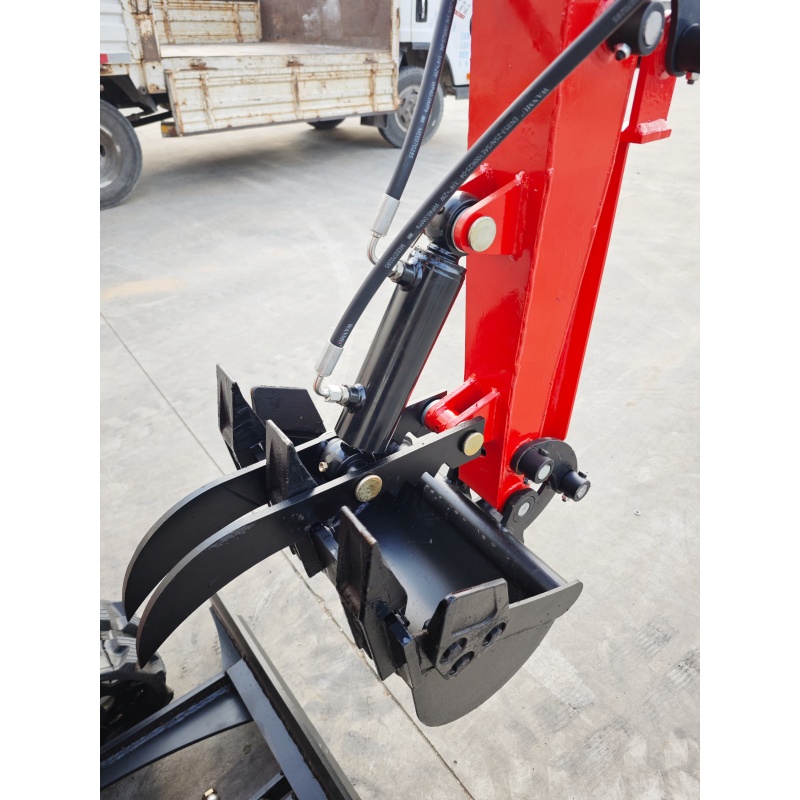
A detachable design lets the operator return the machine to its standard geometry for transport or for work in confined space. The change is made at the boom connection with the same pins used for the standard arm.
Because the extension is part of the original specification, the buyer should state at ordering whether hydraulic tools will be run at the end of the arm. That decides the hose routing along the extension.
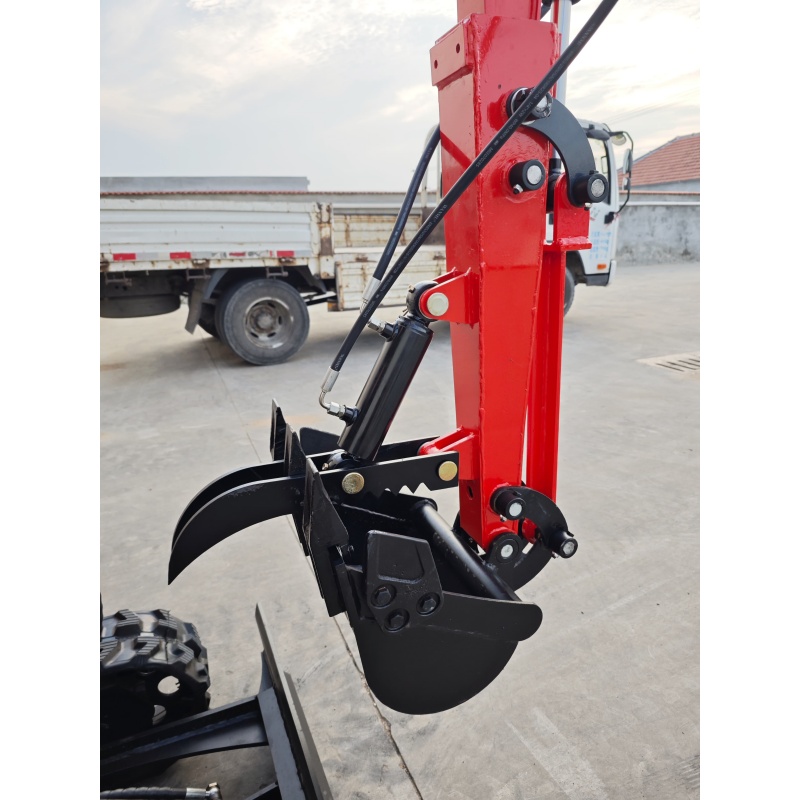
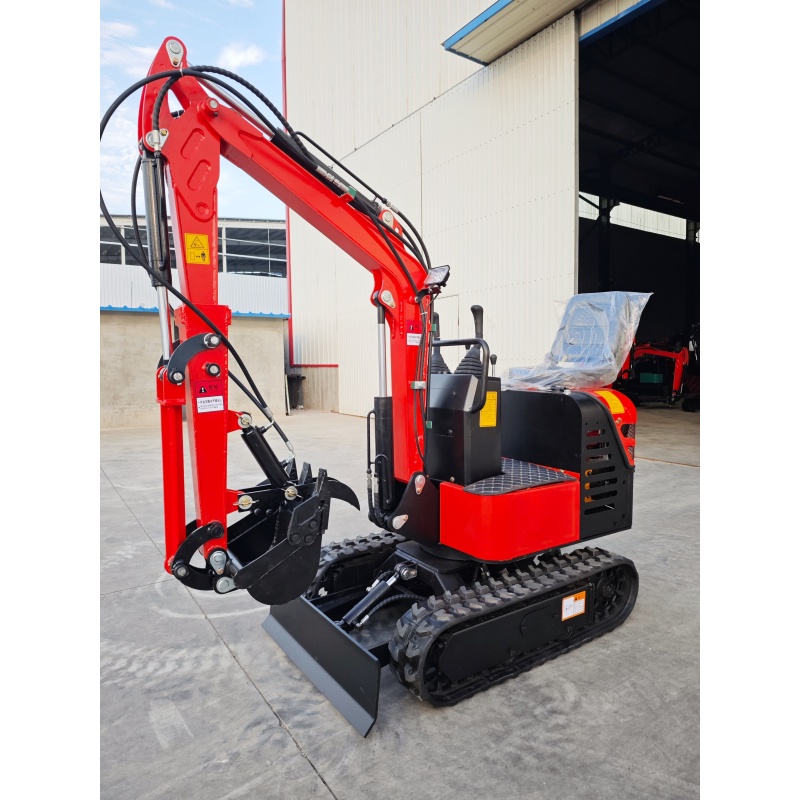
A boom extension is a reach tool that can be removed when it is not needed. MINGYI supplies matching extensions built to order with the compact excavator.
Load, ballast and stability on detachable boom extension Stability follows the load and its position. Knowing the rated capacity of this class of machine at the working radius, rather than at its best case, is what keeps handling predictable and the machine upright. Carrying and travelling with a load needs its own plan. Speed, gradient and surface all matter more once the unit in daily use is loaded, and the safe combination is the conservative one. Fuel use and running demands of detachable boom extension Fuel is usually the largest controllable running demand. Operating style, correct tyre or track condition and a clean air supply all move consumption on a machine of this size by more than most buyers expect. Planning the work to reduce empty movement is free. Fewer repositioning cycles on the equipment on site means less fuel, less wear on the undercarriage or tyres and more of the shift spent on productive work. Specifying detachable boom extension against the job list Buyers who specify the model in question on paper before enquiring get specifications that can be compared. Without that list, two suppliers will propose two different machines and the simpler one is usually the smaller one, not the better value. A written duty list is the simplest part of the purchase. It takes an hour to note the material, the distance, the gradient and the hours per week, and it is what turns the machine itself enquiry into a machine that fits. Operator technique and familiarisation Machine output varies more between operators than between brands. Smooth, planned movements put less load on the structure and use less fuel, and that difference is visible on the hour meter and in the service bills for the machine in that duty. Familiarisation should cover the limits as well as the controls. Knowing where the unit on the job loses stability, how it behaves at full reach, and what the warning lights mean prevents the incidents that are put down to bad luck. Resale value and replacement planning Resale starts at purchase. Specification choices, service records and the condition of wearing parts are what a buyer looks at, and a machine built for the work that has been maintained on schedule is worth more than one that merely looks clean. Replacement timing is a planning decision. Knowing the intended working life of the equipment in service lets an owner sell while the machine still has value rather than after a major repair becomes due. Dust, mud and abrasive conditions around detachable boom extension Cleaning is maintenance, not appearance. Washing the cooling surfaces and clearing packed material from the excavator keeps temperatures where they should be and makes the next inspection quicker and more useful. Sealed points and guarded areas deserve a look in these conditions. This class of machine working in abrasive dust benefits from checked boots, intact guards and clean breathers, all of which are quick to verify. Ordering, lead time and delivery of the unit in daily use Lead time is part of the specification. Confirming build time, shipping method and what is included before ordering a machine of this size prevents the common gap between when the machine is needed and when it can arrive. The order should state the configuration in writing. Engine, attachments, colour, documents and any market requirement are clearer on the build sheet for the equipment on site than in a conversation after delivery. Wear items and life of the machine itself Certain parts are designed to be consumed. Knowing which items on the model in question are wearing parts, and roughly how long they last in the duty the machine sees, turns replacement into a plan rather than a breakdown. Replacing wear items early is usually simpler. Worn components on the machine in that duty load the parts they run against, so a worn part left too long often becomes a major repair. Attachments and working tools for the unit on the job The base machine is only as useful as the tool on the end of it. Matching the attachment to the task - rather than to what arrived with the machine - is what lets one the equipment in service cover several jobs across a week. Most owners find that the second attachment changes how often the machine is used. A machine built for the work that was bought for one task often becomes the general machine on site once a second tool is available. Matching the excavator to ground conditions Ground decides more of the outcome than power does. Soft, wet or loose surfaces call for a wider footprint and lower ground pressure, while hard standing allows a narrower machine that turns in less space and travels faster between tasks. Traction and flotation are two separate questions. This class of machine may have the power for a slope and still not have the grip, so the surface, not the engine rating, is usually what limits the working day. Customisation and build options for the unit in daily use Build options are where a standard machine becomes the right machine. Colour, guarding, lighting, seating and hydraulic provisions can usually be set at build time on a machine of this size, and are far simpler then than as a retrofit. Fleet buyers often want consistency rather than variety. Specifying the equipment on site so that several units share controls, filters and service points reduces training time and keeps the parts shelf small. Warranty, commissioning and early checks Commissioning is the point where most avoidable issues are found. Checking levels, fasteners and function on the machine itself before it goes to work takes an hour and prevents a claim conversation later. Early faults are usually simple. The model in question that behaves differently in its first few hours is more often mis-set than defective, and a call to the supplier at that point usually resolves it the same day. Cold weather and low temperature work with the machine in that duty Batteries and fluids are the parts that notice the cold first. The unit on the job kept on a maintainer through a freezing spell starts on the first turn, while one left standing is the usual cause of a lost morning. Low temperatures also make materials behave differently. Ground that is frozen hard in the morning can be soft by midday, and planning the sequence around that is easier than fighting it with a machine built for the work.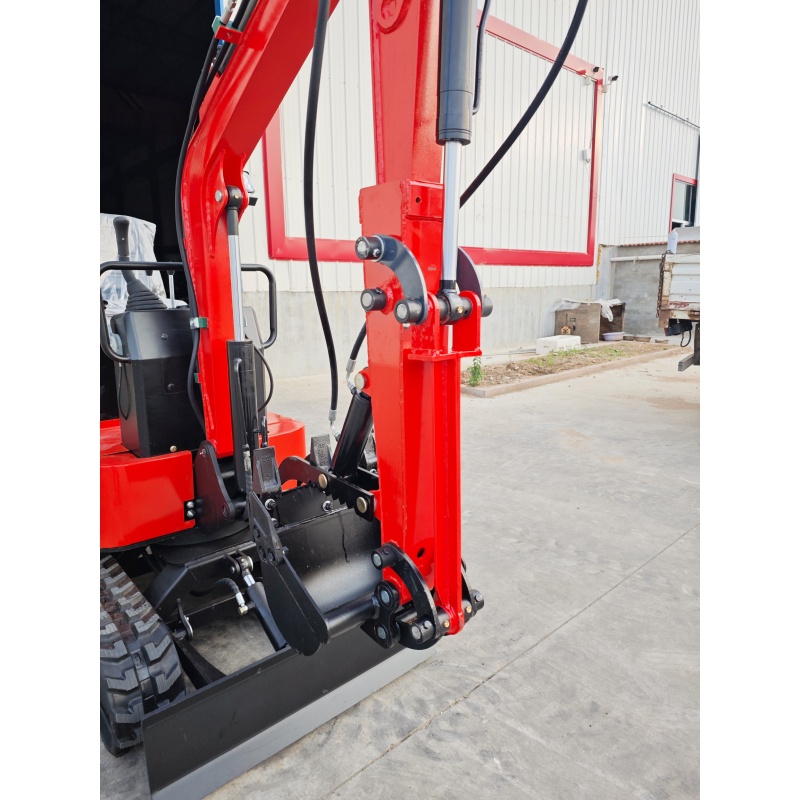
Q. What is the equipment in service used for?
A. Boom geometry is the difference between repositioning the machine ten times an hour and digging through from one stable stance. Reach without width is the compact excavator trick: the boom crosses the obstacle while the tracks stay on firm ground. Read the excavator together with the engine, track and attachment pages: jobs around this class of machine are decided by how those choices line up, not by any single number on the sheet.
Q. Does boom geometry change digging control?
A. It changes the load path, not the precision: longer reach trades some lift at the tooth for working envelope, which is why reach pages are read next to the attachment list before a build is confirmed.
Q. How do I get a specification?
A. Send the model, the destination and the attachment list by email or LINE - the channels listed just below this section. The reply covers the specification, lead time, packing and freight in one document, with the unit in daily use build sheet attached.
Wear items and spares worth holding for a machine of this size
Holding spares is about downtime rather than the shelf itself. The question for the equipment on site is not how large the part is but how long the machine sits while it is found, and a small shelf answers that better than a fast courier.
Keeping a service record for the machine itself
Patterns show up in the record before they show up in the machine. Rising oil consumption or a filter that keeps blocking on the model in question is obvious on paper long before it becomes a failure on site.
A second operator for the machine in that duty
Different operators suit different work. The person who is quickest with the unit on the job on open ground is not always the one who is safest in a confined space, and having both available is a genuine advantage.
Handover and getting familiar with a machine built for the work
A good handover covers the awkward cases, not just the easy ones. Starting the equipment in service on a slope, turning in a confined space and recovering from soft ground are the situations an operator should meet first with someone beside them.
Later additions and retrofits on the excavator
Retrofitting is limited by the base machine. Before anything is added to this class of machine the hydraulic flow, the mounting interface and the stability allowance have to be checked, because those limits are what decide what is sensible.
Reading the early symptoms on the unit in daily use
The symptom is usually not at the fault. A hydraulic function that has become sluggish on a machine of this size may point to a filter, a relief setting or a pump, and starting with the simple checks avoids the wrong guess.
Cold weather and winter care for the equipment on site
A cold start is easier when the machine is prepared the night before. The routine that keeps the machine itself working through winter is mostly a matter of fuel, battery and patience in the first ten minutes of the day.
Storage and long idle periods for the model in question
Rubber, seals and hoses age whether the machine works or not. Keeping the machine in that duty out of direct sun and off damp ground slows that, and running it briefly at intervals keeps everything moving.
Moving the unit on the job between sites
Securing the load is not optional. Lashing a machine built for the work at the points intended for it, checking the tension before the vehicle moves and rechecking after the first kilometres is standard practice rather than extra care.
Commissioning the equipment in service on site
Commissioning is where the specification meets the ground. The settings chosen for the excavator are confirmed against the actual site, and the working pattern is adjusted before the machine is asked for a full day.
Hot, humid and dusty conditions around this class of machine
Humidity attacks the parts that are not used. Storage in a damp climate means the unit in daily use needs the exposed metal protected and the machine run regularly, because standing still does more damage than working.
Fuel, oil and fluid quality for a machine of this size
Contamination is easier to prevent than to cure. Keeping the filler caps sealed, the funnels clean and the containers closed around the equipment on site is unglamorous work that shows up as reliability later.
E-mail : sales@mingycn.com
LINE ( ID ): mingyicn
Related pages
mechanical quick coupler for excavators · hydraulic quick coupler system · Wheel Loader Fork Attachment: Matching Forks to the Boom Section · Mini Excavators









