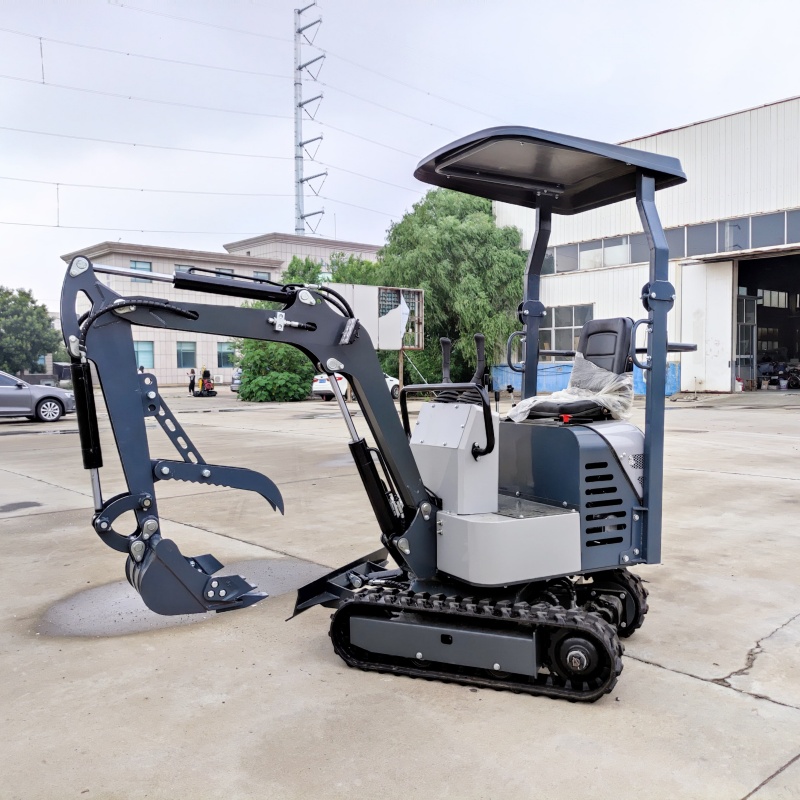
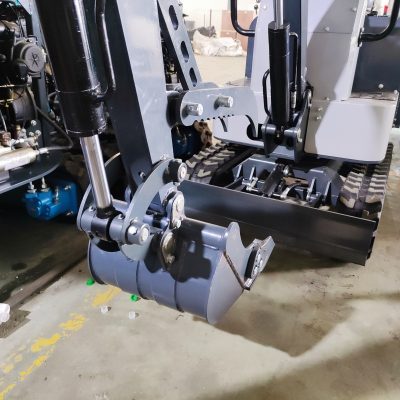
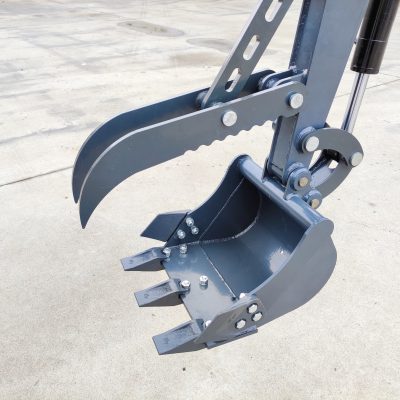
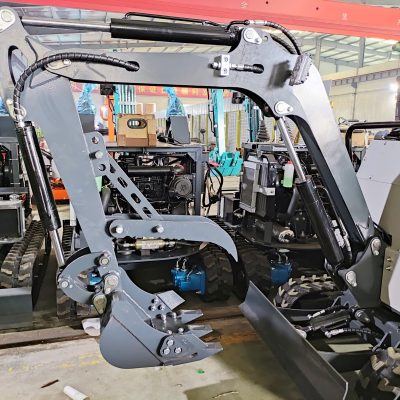
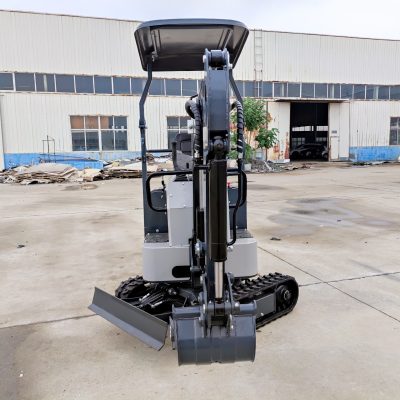
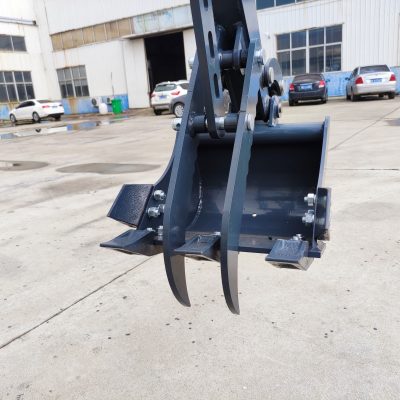
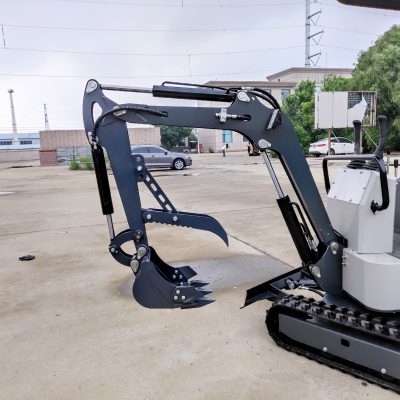
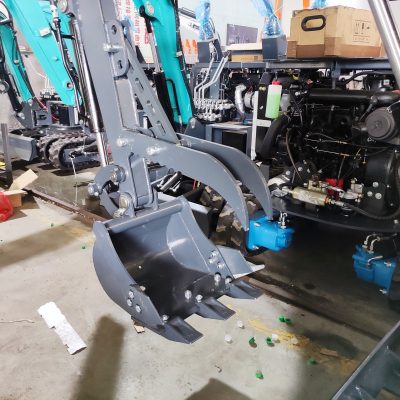
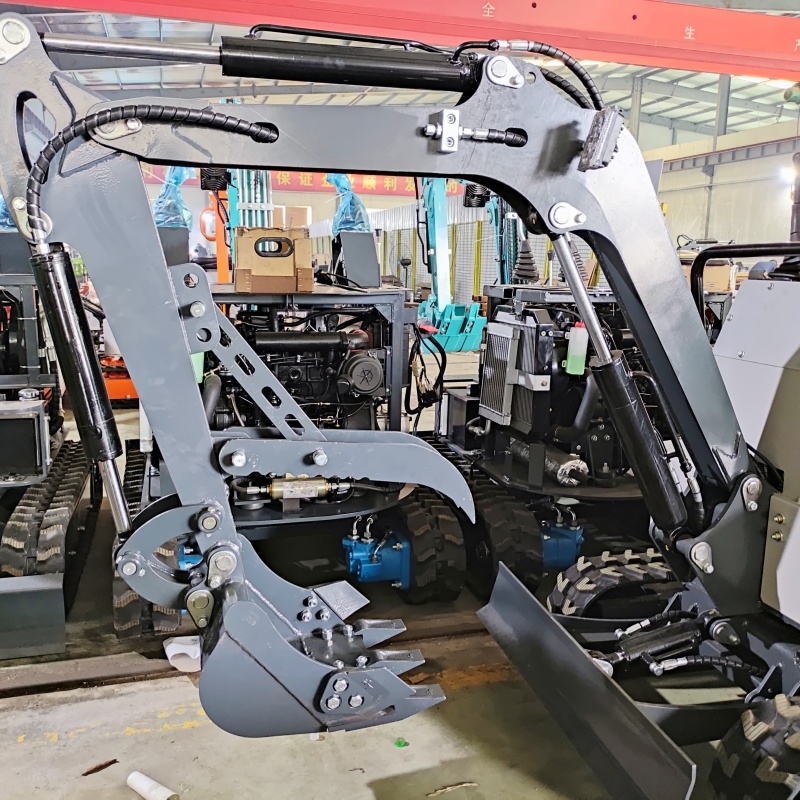
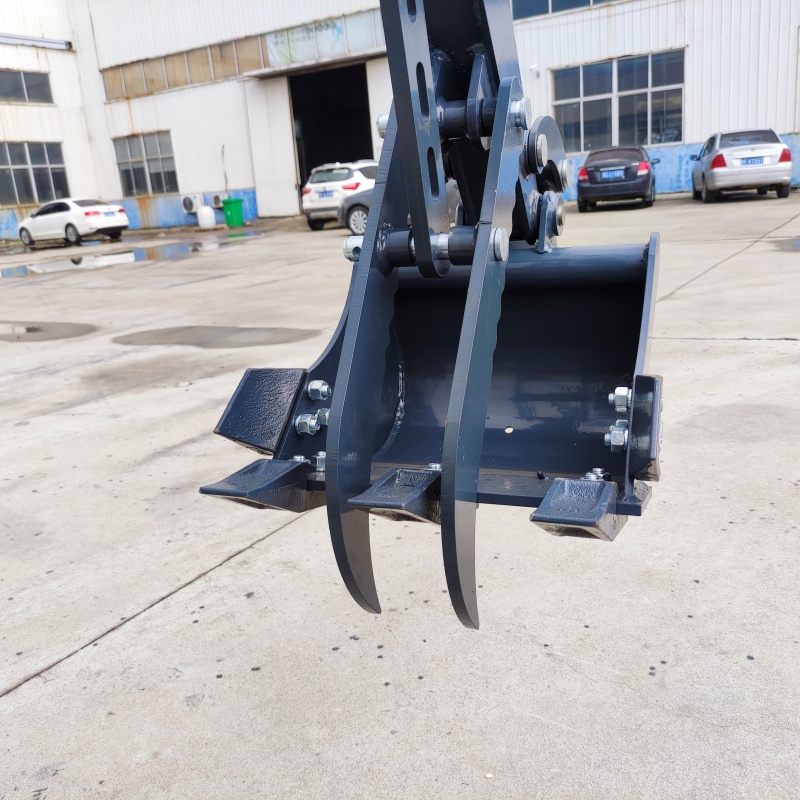
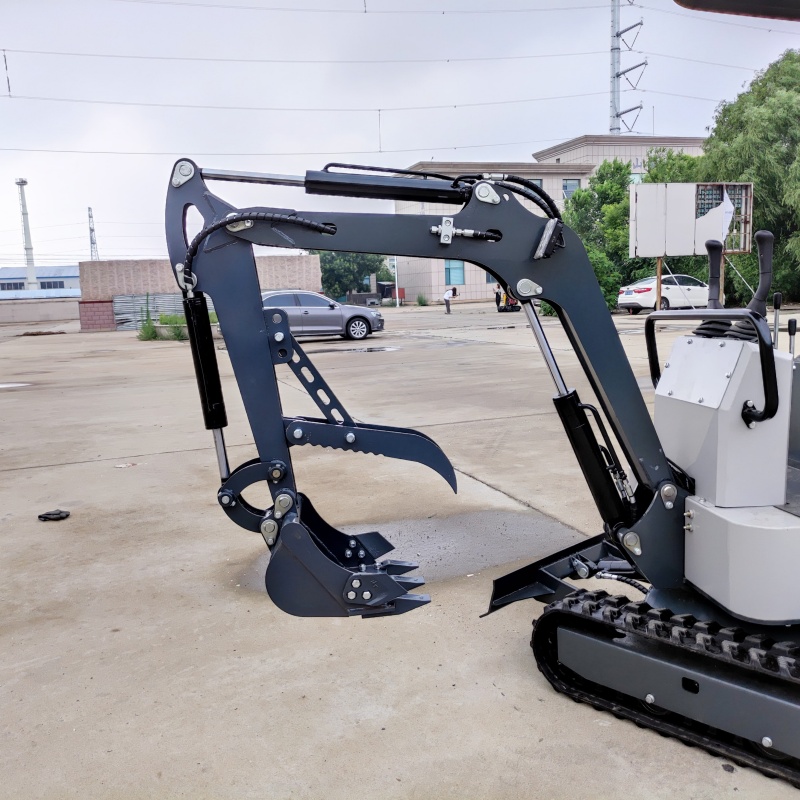
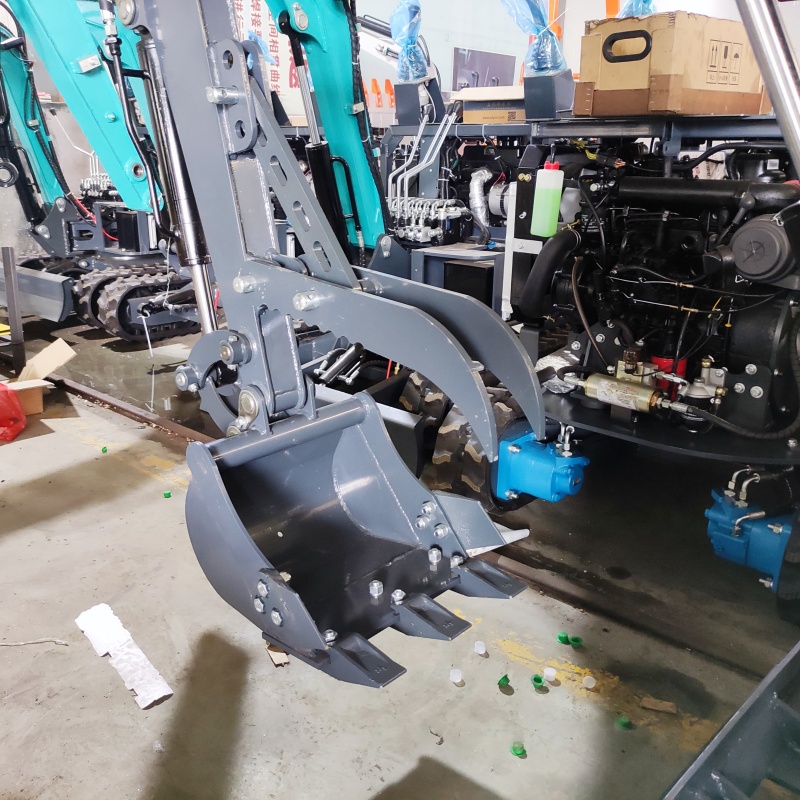
A bucket digs, but it cannot hold: branches, rubble, stones and poles slip from a plain bucket the moment the machine swings. A mechanical thumb bolted to the arm closes against the bucket edge, turning the geometry into a grapple for awkward loads.
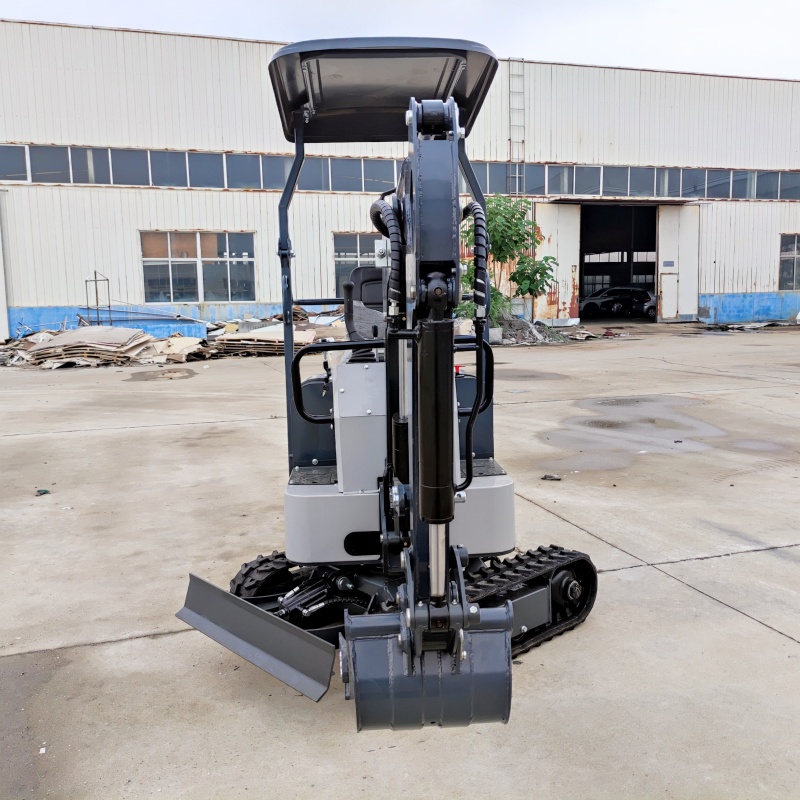
MINGYI supplies mechanical thumb attachments matched to its compact excavators, with the fit pinned to the carrier's arm geometry at specification. Because the thumb is mechanical, it needs no additional hydraulic circuit and no new controls to learn.
A mechanical thumb is only as good as its fit to the arm it hangs on.
| Checkpoint | What to settle for this machine |
|---|---|
| Carrier machine | Compact excavators, with the fit pinned to the carrier arm geometry |
| Work it takes on | Holding branches, rubble, stones and poles that slip from a plain bucket; clearing storm debris and lifting demolition rubble |
| Ground and material | Demolition and clearance sites where the material is irregular |
| Mounting and hydraulics | Fixed or swinging thumb paired with the digging bucket |
| Confirmed at order stage | Carrier model and arm configuration stated at ordering so the thumb is built to the correct geometry |
| Handover and upkeep | Emissions documentation where the destination requires it, and parts support after delivery |
Loads a thumb bucket handles
Typical work includes clearing storm debris and fallen branches, lifting demolition rubble, placing rocks in retaining work, and carrying poles across site. The thumb and bucket act like a hand and palm, gripping loads too irregular for a bucket alone.
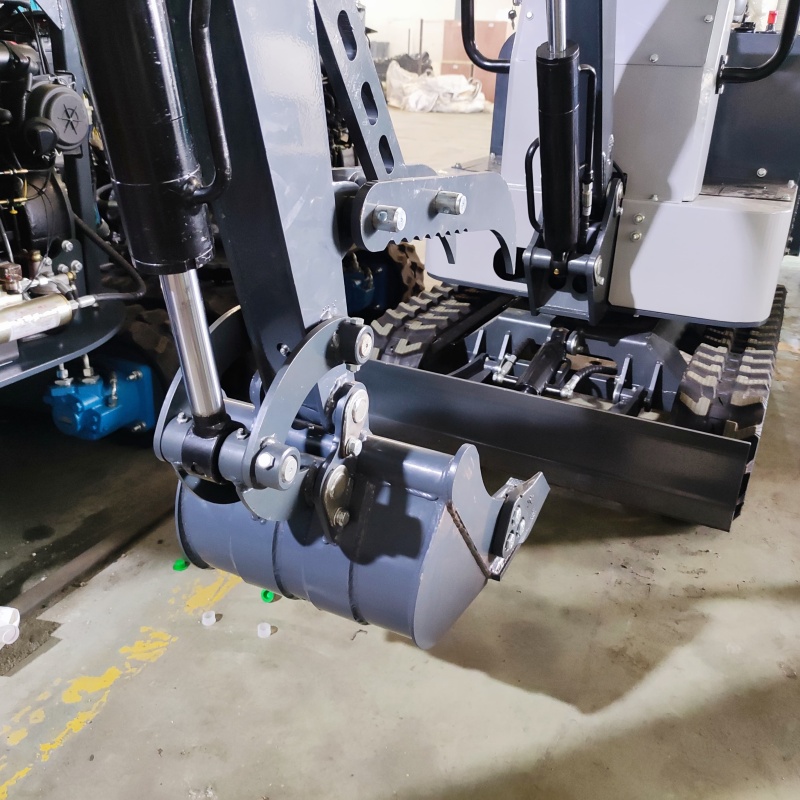
The time saving shows on clean-up jobs: material is picked, carried and loaded directly instead of being pushed into windrows for hand loading. Loading green waste and timber becomes a cycle of grabs rather than a labour line.
Fitting a mechanical thumb to a machine
The thumb pins to the arm and works against the standard bucket, holding set positions to suit the load size. It remains fitted while the machine digs normally, so switching between grabbing and digging is technique rather than workshop time.
When ordering, give the carrier model, such as 08, 12 or 18, and the arm configuration, so the thumb is built to the correct geometry. Where a hydraulic clamp is preferred later, that option exists within the range and can be discussed against the same machine.
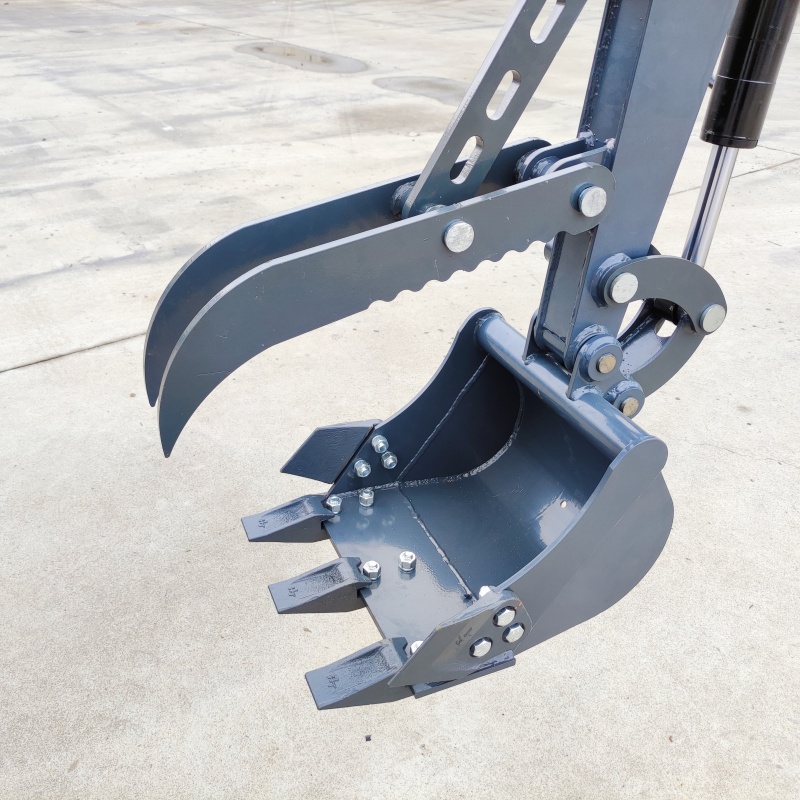
A mechanical thumb is one of the simplest ways to widen a small excavator's day. MINGYI matches the attachment to the carrier at order, so gripping and carrying become part of the routine rather than a separate hire.
Parts, service and support for mechanical thumb bucket attachment Support after delivery is a parts question. Filters, belts, hoses and the wearing items specific to the excavator are what a buyer should plan to hold before the first service interval rather than order after a failure. Parts availability usually decides the engine and the brand. A machine built around components the local network already carries is serviced from stock, which is the difference between a day lost and a week lost. Running mechanical thumb bucket attachment in a mixed fleet Fleet value comes from interchangeability. Operators who can step between machines without retraining, and a workshop that stocks one set of filters, keep utilisation higher than a fleet of individually optimised units. Utilisation matters more than the purchase decision over a few years. This class of machine that sits idle ties up the same yard space standing still as one that earns, so the buying decision should follow the hours the machine will realistically work. Engine and power options behind mechanical thumb bucket attachment Power unit choice is usually a parts question, not a performance one. Two buyers can order the same the unit in daily use and sensibly choose different engines, because the right answer depends on which brand the local workshop already supports. Emissions documentation is part of engine selection for some destinations. Confirming which units can be supplied and documented for the destination country is worth doing at enquiry stage rather than after the build sheet is signed. Transporting mechanical thumb bucket attachment to and between sites Moving the machine is part of owning it. Overall length, width and height decide which trailer or container a machine of this size fits, and a machine that needs a permit or an abnormal load escort is a machine with a delivery delay built in. Shipping dimensions matter as much on export orders as they do locally. Confirming the packed size of the equipment on site before booking avoids re-booking freight after the machine is built. Resale value and replacement planning Replacement timing is a planning decision. Knowing the intended working life of the machine itself lets an owner sell while the machine still has value rather than after a major repair becomes due. Records are part of the asset. Keeping the service history and the hour records with the model in question makes it easier to sell, easier to insure and easier to justify the replacement machine internally. Operator technique and familiarisation Machine output varies more between operators than between brands. Smooth, planned movements put less load on the structure and use less fuel, and that difference is visible on the hour meter and in the service bills for the machine in that duty. A short handover pays for itself. Operators who understand why the unit on the job is set up the way it is will report a change in behaviour early, which is usually the point where a repair is simplest. Cold weather and low temperature work with a machine built for the work Cold changes how a machine starts and how it warms up. Allowing the equipment in service to reach operating temperature before loading it, and using the correct grade of oil and fuel for the season, prevents most cold-start problems. Low temperatures also make materials behave differently. Ground that is frozen hard in the morning can be soft by midday, and planning the sequence around that is easier than fighting it with the excavator. Load, ballast and stability on this class of machine Ballast and attachment weight change the machine. Adding a heavy tool to the unit in daily use moves the centre of gravity, and the counterweight or configuration should be matched to the tool rather than assumed. Carrying and travelling with a load needs its own plan. Speed, gradient and surface all matter more once a machine of this size is loaded, and the safe combination is the conservative one. Handover and documentation for the equipment on site Handover should include the documents as well as the keys. Parts list, service schedule and the operator notes for the machine itself are what the workshop needs in month six, and they are much harder to obtain later. A short familiarisation session prevents the early faults. Most first-month problems on the model in question come from unfamiliarity with controls, limits or checks rather than from the machine itself. Customisation and build options for the machine in that duty Fleet buyers often want consistency rather than variety. Specifying the unit on the job so that several units share controls, filters and service points reduces training time and keeps the parts shelf small. Customisation should still be limited to what the work needs. Each addition to a machine built for the work is another item to maintain, so the useful question is not what can be added but what the job list actually requires. Working hours and duty cycle of the equipment in service Duty cycle is the honest measure of a machine. The excavator working a few hours a week has different needs from one working two shifts, and the cooling, filtration and service intervals should follow the hours rather than the calendar. Hour planning helps at resale as well. This class of machine with a recorded service history and a sensible hour count is easier to sell than one with the same hours and no records, whatever its condition. Lighting and low light operation of the unit in daily use Working after daylight changes the risk. Lighting coverage on the machine of this size and across the working area, plus high-visibility clothing for anyone on foot, are the items that make low-light work practical. Planning helps more than extra lamps. Positioning the equipment on site so that the work is lit from the machine side, and keeping the route clear, does more for safety than adding light to a badly planned task. Specifying the machine itself against the job list The specification should be written from the job backwards. Listing the loads, the ground and the hours first, then matching the machine in that duty to that list, avoids buying capacity the work never uses and avoids discovering a shortfall in the first week. A written duty list is the simplest part of the purchase. It takes an hour to note the material, the distance, the gradient and the hours per week, and it is what turns the model in question enquiry into a machine that fits.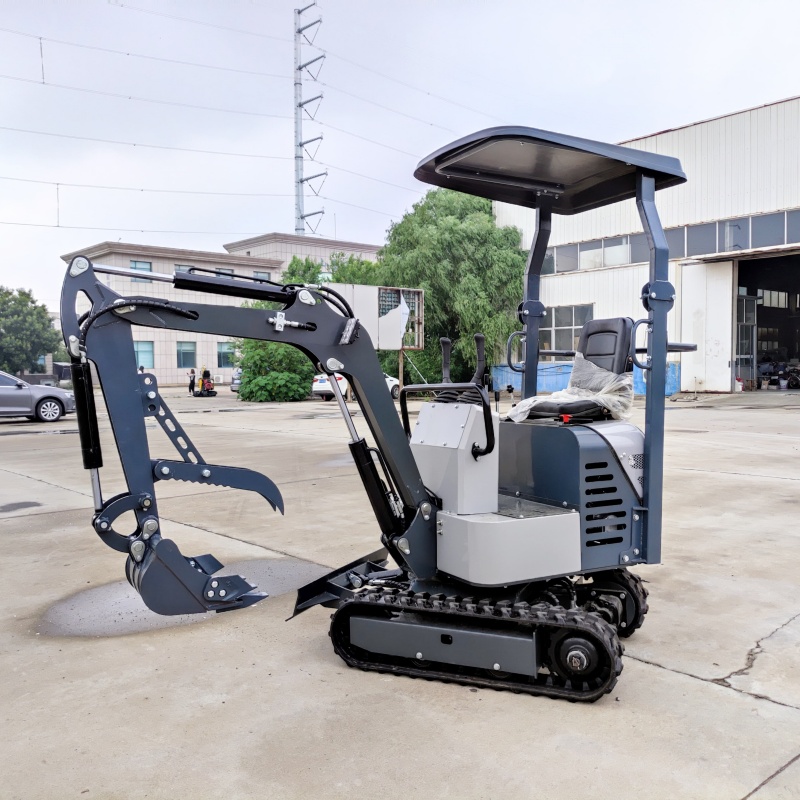
Q. What is the unit on the job used for?
A. The attachment story on a compact digger is about earning across trades: one carrier, one trailer, and a quick coupler that swaps tools in about a minute. A digger that only digs competes with shovels; a digger with the right working set competes for whole jobs. Read a machine built for the work together with the engine, track and attachment pages: jobs around the equipment in service are decided by how those choices line up, not by any single number on the sheet.
Q. How do I know which attachment my machine can run?
A. Compare the carrier hydraulic flow with what the attachment asks for, and the lifting moment with what it weighs at full reach. Lower-flow carriers still run buckets, rakes and mechanical tools; hungry attachments call for the high-flow option, and MINGYI confirms the pairing before the order ships.
Q. Can I see the machine before it ships?
A. Inspection is arranged at the factory, in person or by a scheduled video walk-around - the same session covers paint, decals and attachment fitment for the excavator specification, so the machine inspected is the machine that ships.
Hot, humid and dusty conditions around this class of machine
Tropical operation is a specification question as much as a maintenance one. The cooling capacity, the sealing and the corrosion protection fitted to the unit in daily use are what make the difference once the ambient temperature rises.
Moving a machine of this size between sites
Travel time is not working time, and it should be planned as its own item. The hours spent moving the equipment on site between jobs are hours not worked, and a trailer that matches the machine reduces them every single trip.
Wear items and spares worth holding for the machine itself
Holding spares is about downtime rather than the shelf itself. The question for the model in question is not how large the part is but how long the machine sits while it is found, and a small shelf answers that better than a fast courier.
Storage and long idle periods for the machine in that duty
Standing still is harder on a machine than working. Preparing the unit on the job for a long idle period means clean fluids, a charged battery and protection for the exposed surfaces, because neglect is not the same as rest.
Documents that travel with a machine built for the work
The machine is only half of what arrives. The parts book, the service schedule and the declarations that come with the equipment in service are what let the owner register, insure and maintain it without a second round of emails.
Later additions and retrofits on the excavator
Most additions are easier to plan than to add. Hydraulic services, mounting brackets and electrical capacity on this class of machine are build items, and deciding them at the specification stage is far easier than doing it later.
Packing, loading and shipment of the unit in daily use
Export packing is part of the machine, not an afterthought. A machine of this size is blocked and braced inside the container so that it arrives in the same condition it left, and the load plan is decided by the dimensions rather than by what fits loosely.
Cold weather and winter care for the equipment on site
Winter is hard on rubber and on seals as much as on the engine. Parking the machine itself under cover, keeping the tracks or tyres off standing water and checking the hoses for cracking are all part of the season.
E-mail : sales@mingycn.com
LINE ( ID ): mingyicn
Slope working and stability with mechanical thumb bucket attachment
Rated capacity is measured on level ground, and once the machine works across a gradient the safe figure follows the slope and the load position.
Turning on a side slope is where most instability starts, so the route and the turning points are chosen before the first load is moved.
Related pages
thumb bucket for picking and sorting · ladder attachment for mini excavator · Front End Loader Log Grapple: Section Widths and Pin Geometry · Mini Excavators









