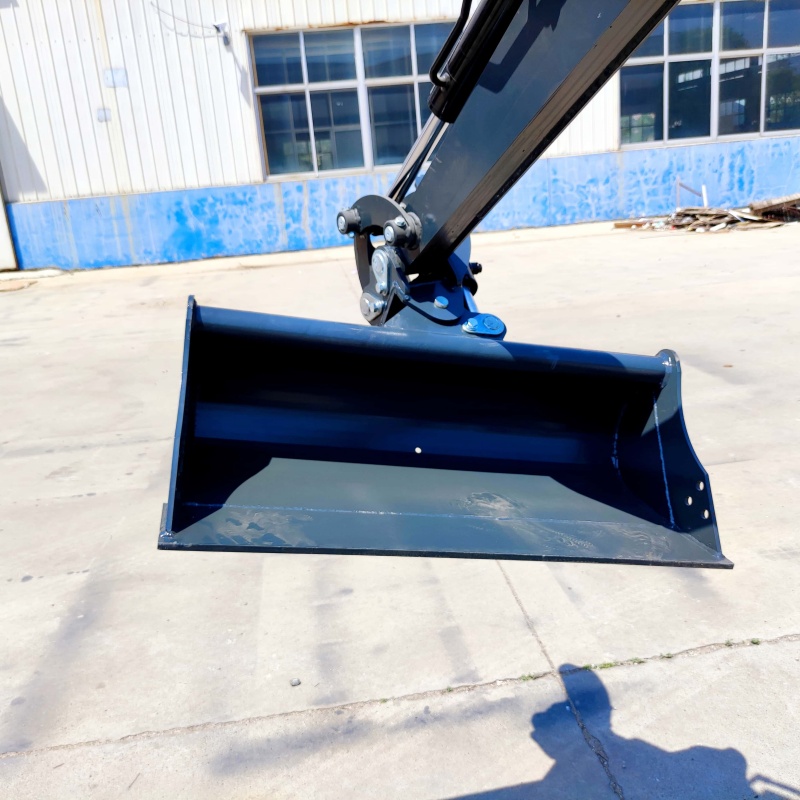
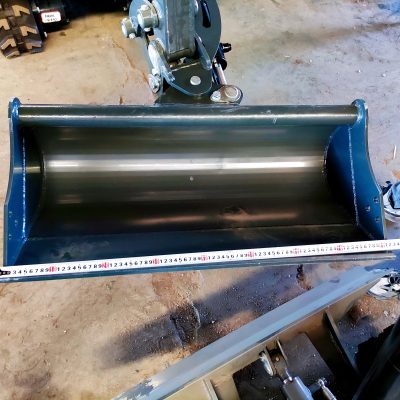
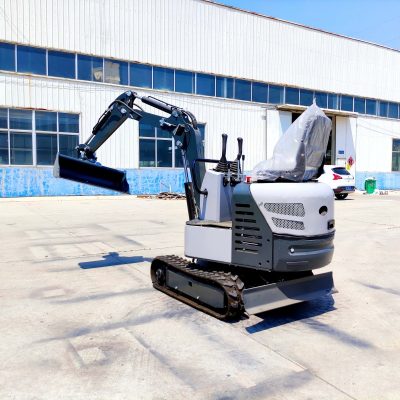
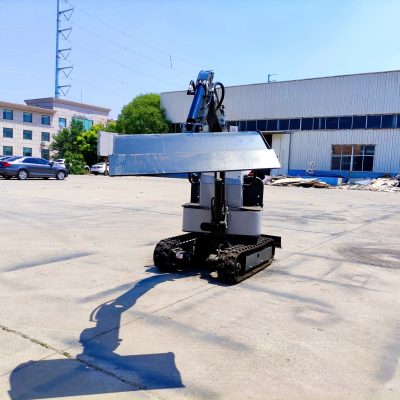
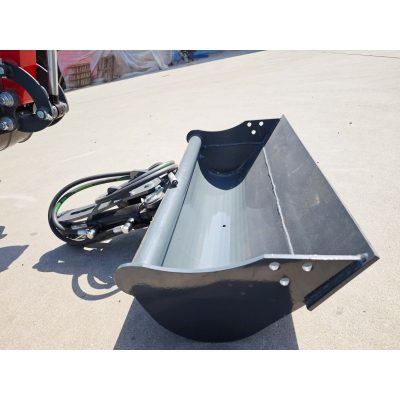
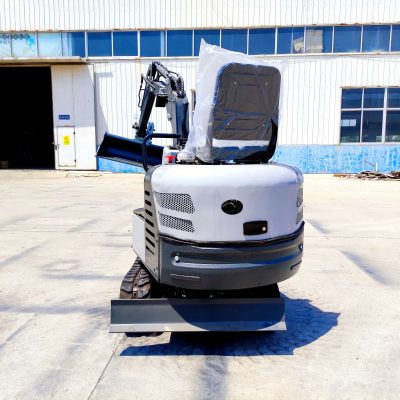
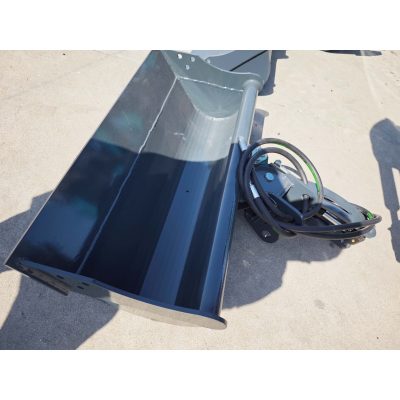
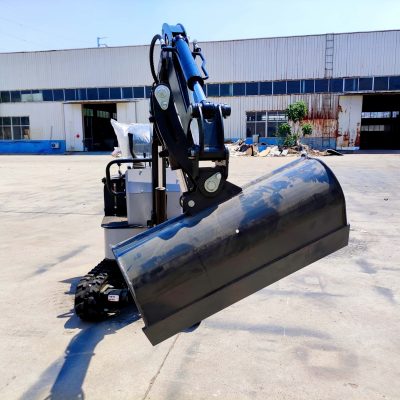
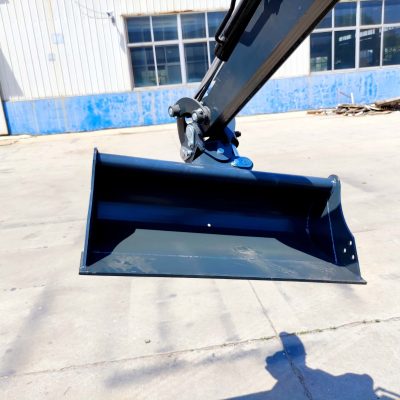
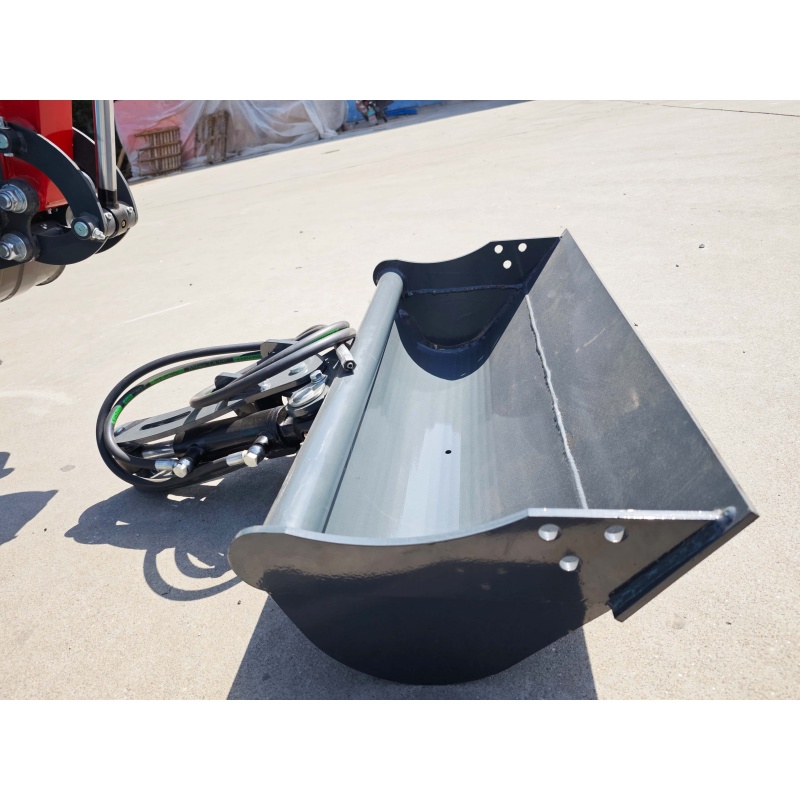
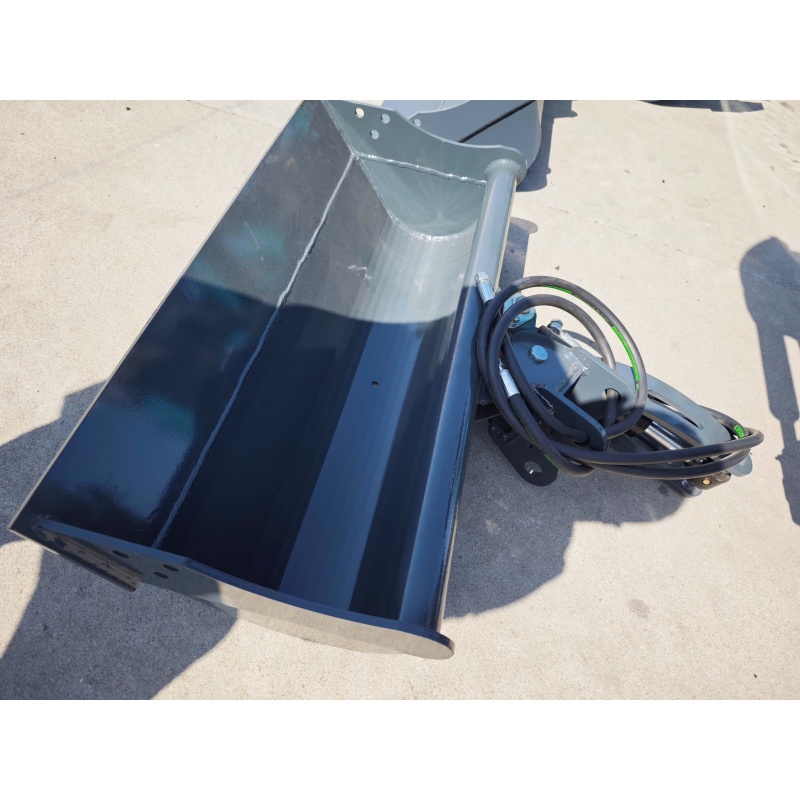
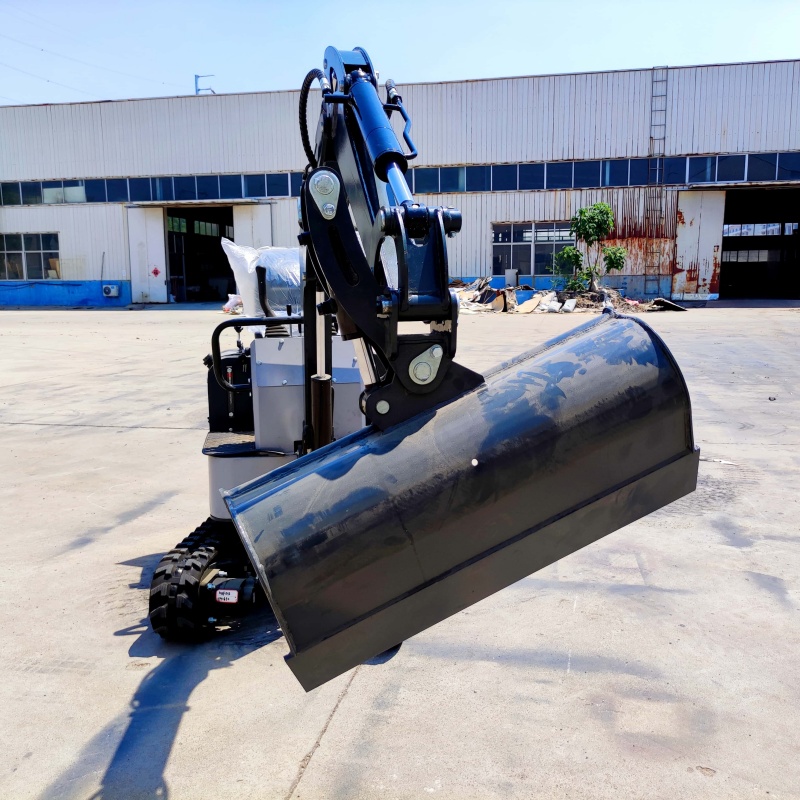
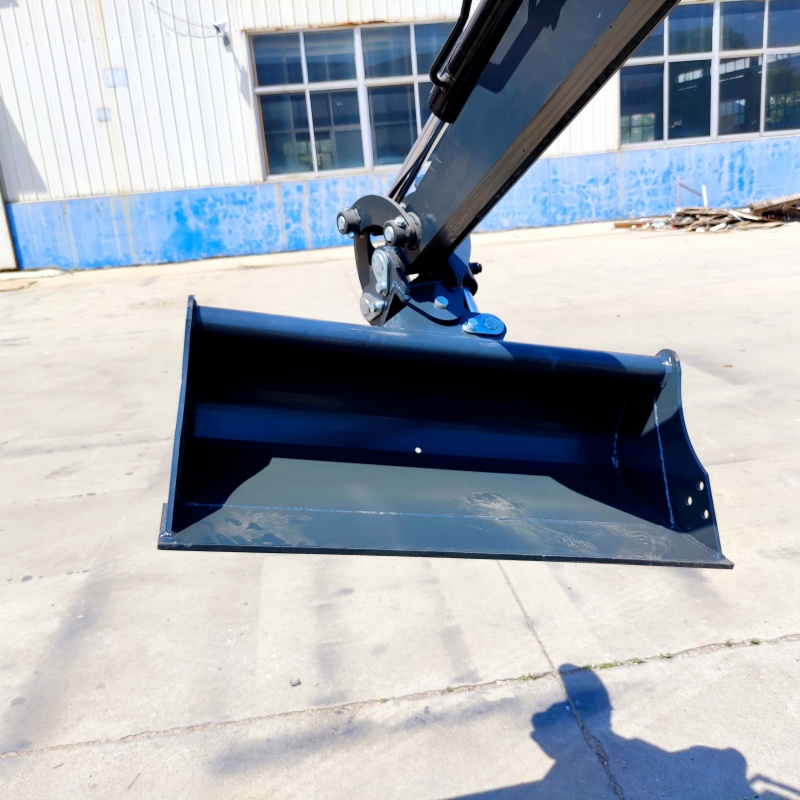
A tilting bucket lets a mini excavator shape and level ground that the machine cannot reach squarely. By swinging the bucket to an angle the operator can cut a slope or a batter without repositioning the whole machine.
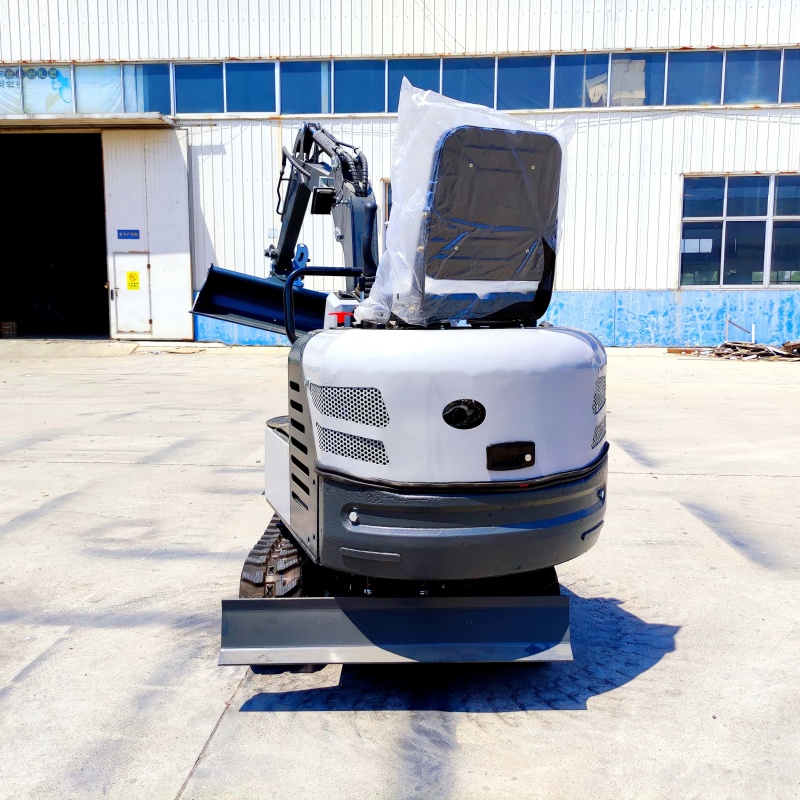
MINGYI supplies tilting buckets for its compact crawler excavators, matched to the machine and the coupler so the attachment can be put to work as soon as it is fitted.
A tilting bucket is bought for the ground the machine cannot sit square on.
| Checkpoint | What to settle for this machine |
|---|---|
| Carrier machine | Mini excavators, where the bucket shapes and levels ground the machine cannot reach squarely |
| Work it takes on | Shaping and levelling slopes and grading to a line |
| Ground and material | Slopes and banks where the carrier cannot be placed square to the work |
| Mounting and hydraulics | Tilting head carried on the excavator arm |
| Confirmed at order stage | Filters, belts, hoses and the wearing items planned before the first service interval |
| Handover and upkeep | Build sheet covering engine, attachments, colour and documents, with parts support after delivery |
What a tilting bucket does on slopes
On sloping ground a fixed bucket can only cut at the angle the machine already stands at. A tilting bucket changes the cutting edge relative to the arm, so the operator can follow a gradient that the excavator itself cannot stand on.
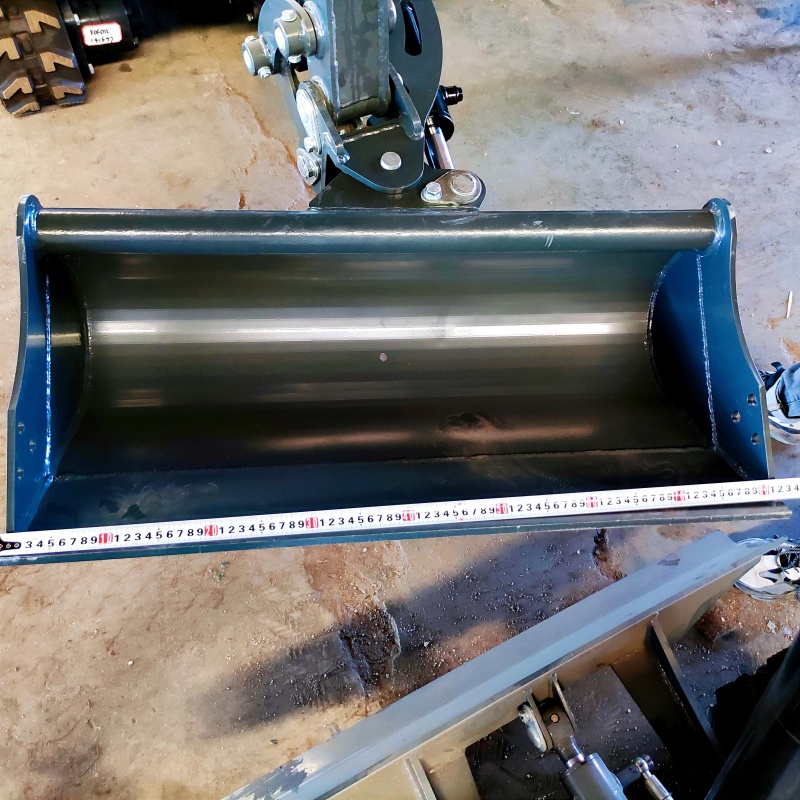
The same movement helps with shaping. Cutting a level floor in a trench, trimming a batter or forming a channel all become easier when the bucket can be angled to the work rather than driven straight at it.
Working close to walls and kerbs
The tilt function is also useful in tight places. Against a wall or a kerb the machine may not be able to position square to the cut, and a tilting bucket lets the operator reach the line from an angle.
Because the attachment moves rather than the machine, the excavator stays on firm ground. That reduces the number of times an operator has to reposition the tracks for a short length of work.
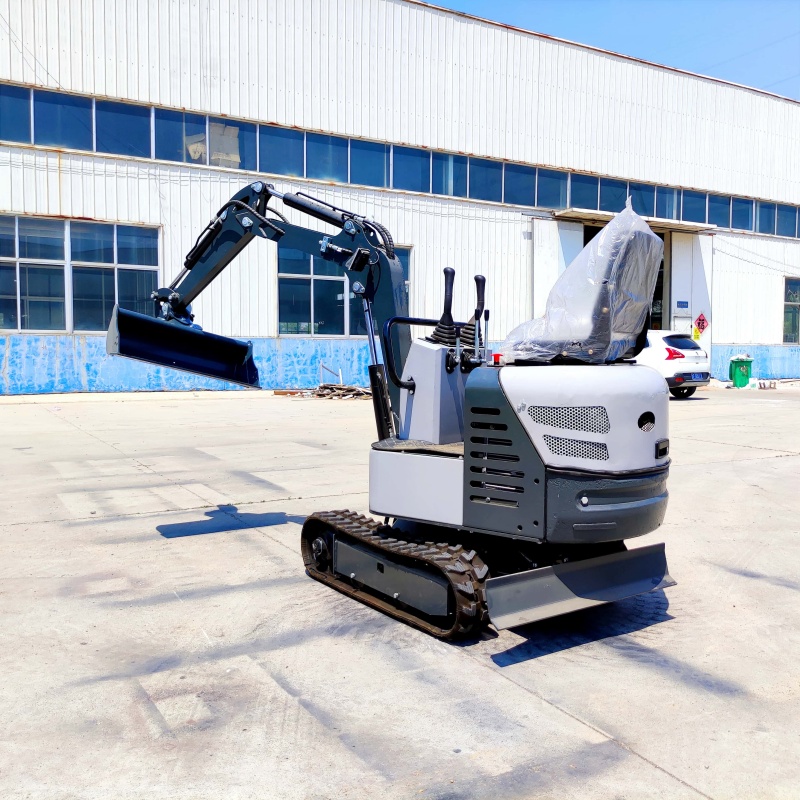
A tilting bucket is an attachment for control rather than for output. Where the ground is uneven or the working room is tight, it lets one machine do finishing work that would otherwise need a second pass.
Parts, service and support for tilting bucket for slope grading Support after delivery is a parts question. Filters, belts, hoses and the wearing items specific to the excavator are what a buyer should plan to hold before the first service interval rather than order after a failure. Remote diagnosis shortens most faults. A walk-around on video with the panels open often identifies the cause on this class of machine without waiting for a visit, and avoids shipping a part that turns out not to be needed. Load, ballast and stability on tilting bucket for slope grading Stability follows the load and its position. Knowing the rated capacity of the unit in daily use at the working radius, rather than at its best case, is what keeps handling predictable and the machine upright. Carrying and travelling with a load needs its own plan. Speed, gradient and surface all matter more once a machine of this size is loaded, and the safe combination is the conservative one. Warranty, commissioning and early checks Commissioning is the point where most avoidable issues are found. Checking levels, fasteners and function on the equipment on site before it goes to work takes an hour and prevents a claim conversation later. Early faults are usually simple. The machine itself that behaves differently in its first few hours is more often mis-set than defective, and a call to the supplier at that point usually resolves it the same day. Fitting tilting bucket for slope grading into the wider site plan Machine productivity depends on what happens around it. Deliveries, other trades and the sequence of work decide how much of the shift the model in question spends actually working rather than waiting. Access and storage are worth settling early. Where the machine in that duty will be parked, refuelled and serviced on site affects the working day more than most specification details, and it takes nothing to plan. Fuel use and running demands of tilting bucket for slope grading Fuel is usually the largest controllable running demand. Operating style, correct tyre or track condition and a clean air supply all move consumption on the unit on the job by more than most buyers expect. Planning the work to reduce empty movement is free. Fewer repositioning cycles on a machine built for the work means less fuel, less wear on the undercarriage or tyres and more of the shift spent on productive work. Ordering, lead time and delivery of tilting bucket for slope grading Lead time is part of the specification. Confirming build time, shipping method and what is included before ordering the equipment in service prevents the common gap between when the machine is needed and when it can arrive. The order should state the configuration in writing. Engine, attachments, colour, documents and any market requirement are clearer on the build sheet for the excavator than in a conversation after delivery. Resale value and replacement planning Resale starts at purchase. Specification choices, service records and the condition of wearing parts are what a buyer looks at, and this class of machine that has been maintained on schedule is worth more than one that merely looks clean. Records are part of the asset. Keeping the service history and the hour records with the unit in daily use makes it easier to sell, easier to insure and easier to justify the replacement machine internally. Wear items and life of a machine of this size Certain parts are designed to be consumed. Knowing which items on the equipment on site are wearing parts, and roughly how long they last in the duty the machine sees, turns replacement into a plan rather than a breakdown. Replacing wear items early is usually simpler. Worn components on the machine itself load the parts they run against, so a worn part left too long often becomes a major repair. Storage and downtime care for the model in question Standing still is hard on machinery. The machine in that duty left for weeks benefits from a clean, dry, covered space, a charged battery and a fuel system prepared for the layoff, and all three effort very little. A periodic start is better than none. Running the unit on the job to operating temperature during a long layoff keeps seals and the charging system in better condition than leaving it untouched until the next job. Cold weather and low temperature work with a machine built for the work Batteries and fluids are the parts that notice the cold first. The equipment in service kept on a maintainer through a freezing spell starts on the first turn, while one left standing is the usual cause of a lost morning. Low temperatures also make materials behave differently. Ground that is frozen hard in the morning can be soft by midday, and planning the sequence around that is easier than fighting it with the excavator. Dust, mud and abrasive conditions around this class of machine Cleaning is maintenance, not appearance. Washing the cooling surfaces and clearing packed material from the unit in daily use keeps temperatures where they should be and makes the next inspection quicker and more useful. Sealed points and guarded areas deserve a look in these conditions. A machine of this size working in abrasive dust benefits from checked boots, intact guards and clean breathers, all of which are quick to verify. Matching the equipment on site to ground conditions Ground decides more of the outcome than power does. Soft, wet or loose surfaces call for a wider footprint and lower ground pressure, while hard standing allows a narrower machine that turns in less space and travels faster between tasks. Traction and flotation are two separate questions. The machine itself may have the power for a slope and still not have the grip, so the surface, not the engine rating, is usually what limits the working day. Upgrading and reconfiguring the model in question Reconfiguration can extend the useful life of a machine. The machine in that duty that no longer suits the current work may suit it again with a different attachment, guarding or control arrangement. The decision is economic as well as technical. Comparing the work of reconfiguring the unit on the job against a different machine is a short calculation that usually gives a clear answer.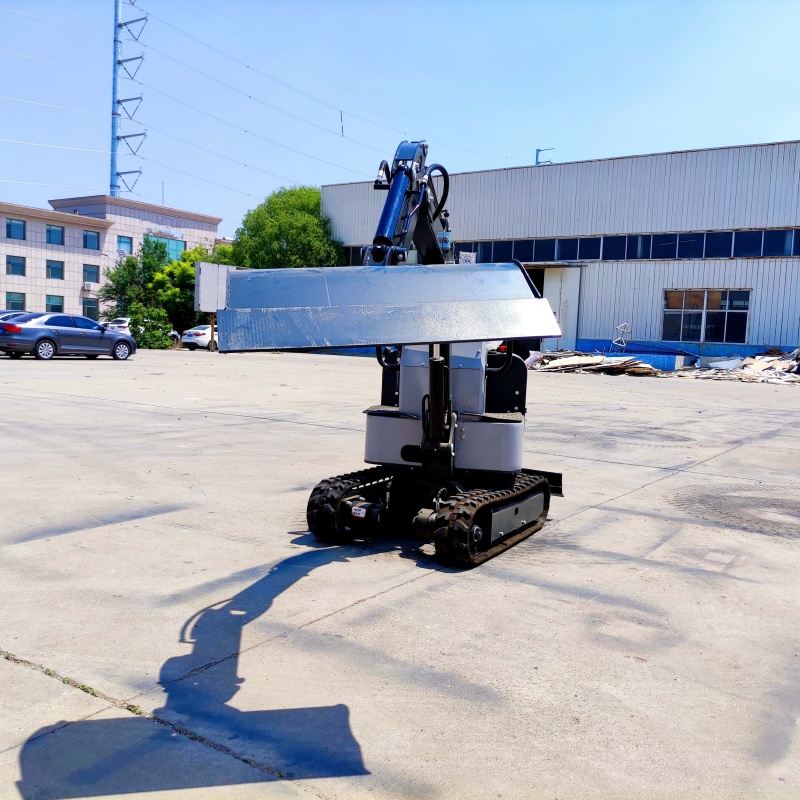
Q. What is a machine built for the work?
A. The attachment story on a compact digger is about earning across trades: one carrier, one trailer, and a quick coupler that swaps tools in about a minute. Every attachment on this page runs on the same carrier the machine ships with, matched to its hydraulic flow and coupler. For slope grading applications the practical route is to send the job list to the factory and let the build sheet answer it - which is exactly what this page invites.
Q. What does the attachment add to daily work?
A. Reach into jobs the bucket alone cannot specification: grading with a tilting bucket, clearing with a rake, drilling with an auger, lifting with a thumb. One carrier, several trades - the machine stays on site earning instead of waiting for a specialist.
Q. What support follows the sale?
A. Spare-part kits, wear items and service documentation ship with the programme, and the parts team works from the serial plate to match components exactly. Warranty and support terms for the slope grading order are confirmed in writing before the machine leaves.
Packing, loading and shipment of the equipment in service
How a machine travels decides how it starts on arrival. Securing the excavator against movement, protecting the exposed cylinders and keeping the battery and fluids in the right state for the voyage all belong to the packing list.
Hot, humid and dusty conditions around this class of machine
Heat and dust shorten service intervals rather than machine life. In these conditions the filters on the unit in daily use need attention more often, and the cooling surfaces need to be kept clear to hold the working temperature.
Cold weather and winter care for a machine of this size
Cold exposes weak batteries, thick oil and water in the fuel. Preparing the equipment on site for winter means the right grade of oil, a battery in good condition and fuel that will not wax in the tank overnight.
Storage and long idle periods for the machine itself
Rubber, seals and hoses age whether the machine works or not. Keeping the model in question out of direct sun and off damp ground slows that, and running it briefly at intervals keeps everything moving.
Moving the machine in that duty between sites
Securing the load is not optional. Lashing the unit on the job at the points intended for it, checking the tension before the vehicle moves and rechecking after the first kilometres is standard practice rather than extra care.
A second operator for a machine built for the work
A machine that only one person can use is a single point of failure. Training a second operator on the equipment in service takes a day and removes the dependency that otherwise governs holidays, illness and busy weeks.
Keeping a service record for the excavator
Service history also protects the warranty position. Evidence that this class of machine was maintained at the specified intervals and with the specified fluids settles questions that would otherwise be argued.
Later additions and retrofits on the unit in daily use
Retrofitting is limited by the base machine. Before anything is added to a machine of this size the hydraulic flow, the mounting interface and the stability allowance have to be checked, because those limits are what decide what is sensible.
Pre-delivery inspection before the equipment on site leaves the shop
What the customer sees on arrival is decided before departure. The walk-around given to the machine itself covers the same points the operator will check on day one, so there are no surprises when the crate is opened at the destination.
E-mail : sales@mingycn.com
LINE ( ID ): mingyicn
Slope working and stability with tilting bucket for slope grading
Turning on a side slope is where most instability starts, so the route and the turning points are chosen before the first load is moved.
Ground that looks firm after a dry week can carry a different load after rain, and that difference is worth a walk-over each morning.
A machine parked on a gradient needs the parking brake applied, the attachment lowered and, where the ground allows, chocks under the wheels or tracks.
Wear limits and replacement points on tilting bucket for slope grading
Track sag, tyre tread, cutting edges and bucket teeth all have stated limits, and the figures in the manual are the ones to work from.
Related pages
tilting bucket for mini excavators · mini excavator rotary tiller · Wheel Loader Supplier: Model Coverage and Container Planning · Mini Excavators









