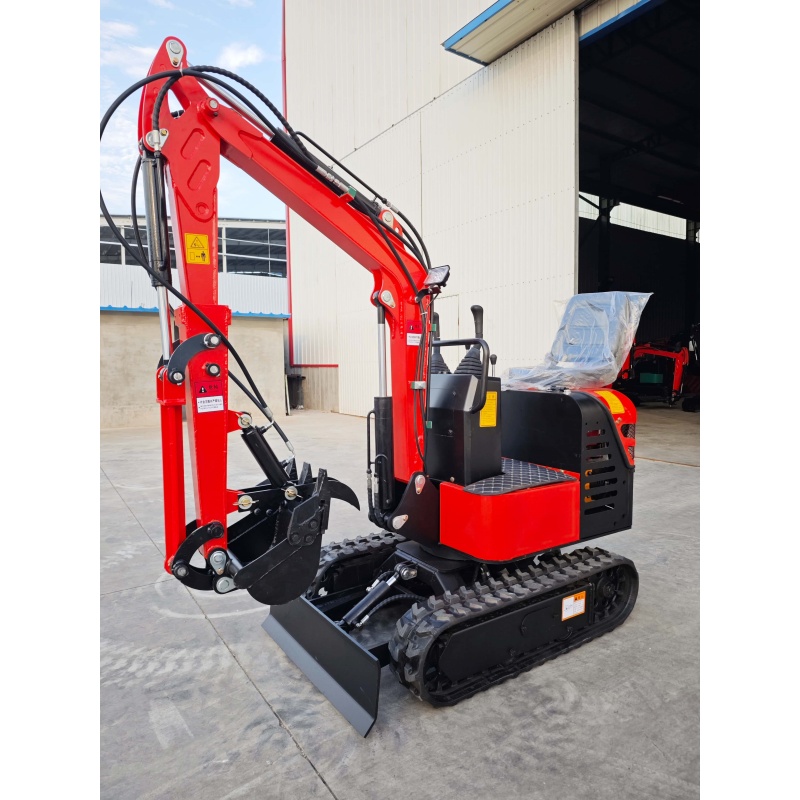
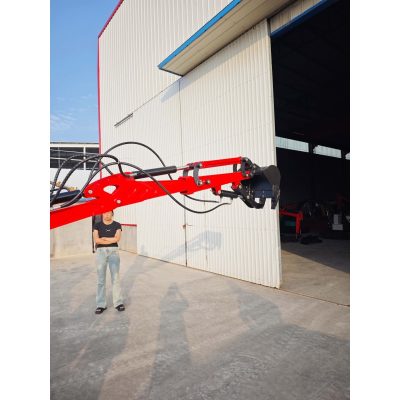
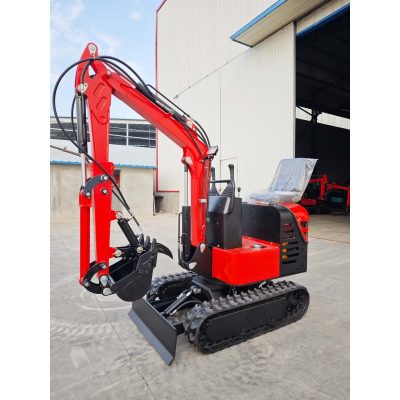
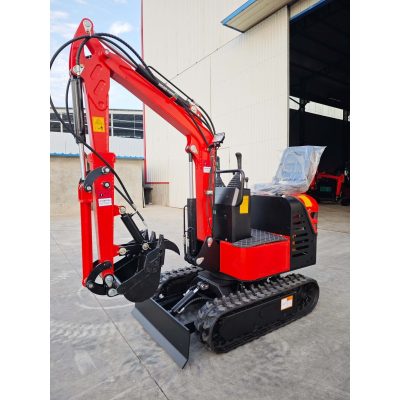
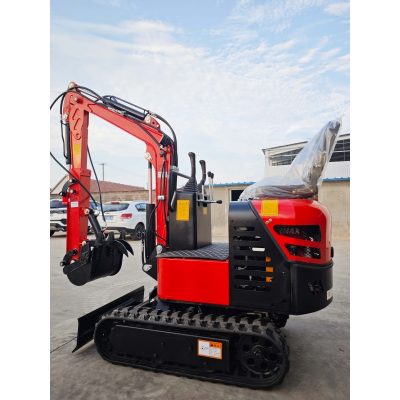
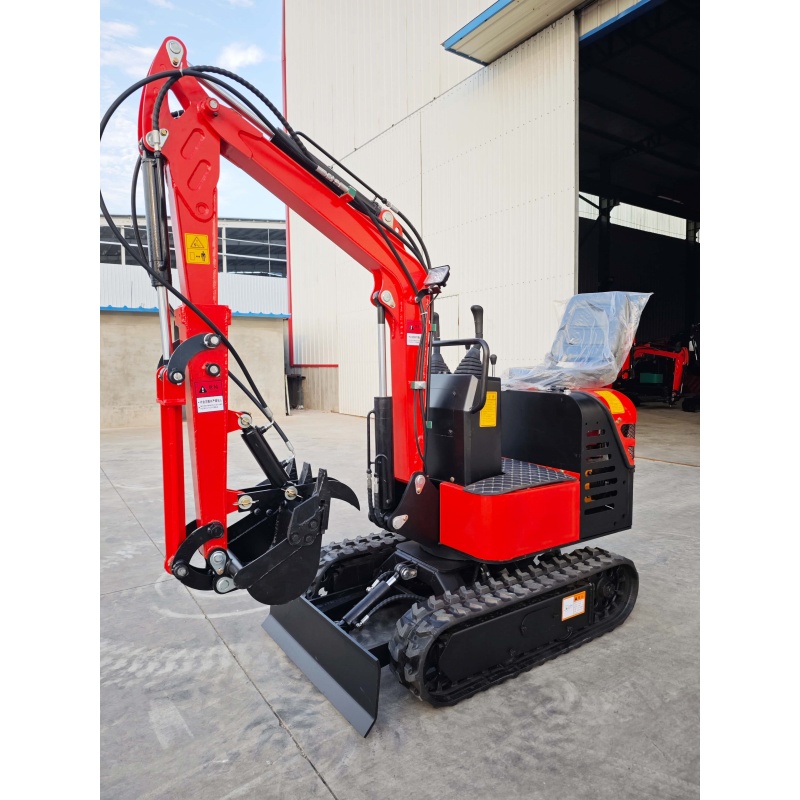
Picking brush, sorting demolition rubble and loading irregular material asks more of the dipper than a bucket alone can give. MINGYI offers its mini excavators with a hydraulic thumb bucket and an extended boom option for exactly this handling and reach duty.
The thumb clamps against the bucket to grip logs, stones, rubble and brush, while the extended boom adds working reach for pond cleaning, slope work and loading over obstacles. Both are confirmed at the ordering stage with the machine build.
Thumb and boom are specified together, because each changes the geometry of the other.
| Checkpoint | What to settle for this machine |
|---|---|
| Carrier machine | Carrier geometry sets both the thumb and the extended boom |
| Work it takes on | Picking brush, sorting demolition rubble and loading irregular material, plus pond cleaning where reach matters |
| Ground and material | Land clearing and site cleanup |
| Mounting and hydraulics | Thumb clamps against the bucket while the extended boom adds working reach |
| Confirmed at order stage | Both confirmed at the ordering stage with the machine build |
| Handover and upkeep | Spare parts and service information for both ship with the excavator |
Material handling with a thumb on the dipper
Land clearing and site cleanup run faster when the machine can lift and place rather than push material around. The thumb holds brush and debris for the carry to the pile, and demolition crews use it to sort rebar and block from concrete spoil.
On farm and estate work the same grip moves fence posts, feed bags and fallen timber without a separate loader. The extended boom reaches over fences and ditches to place material where the machine itself cannot stand.
Specifying the thumb and boom together
The thumb is matched to the bucket set and the extended boom to the carrier geometry, with the full configuration recorded against the machine at order. Buyers should state the material they handle most, since the thumb profile suits different duties from brush to block.
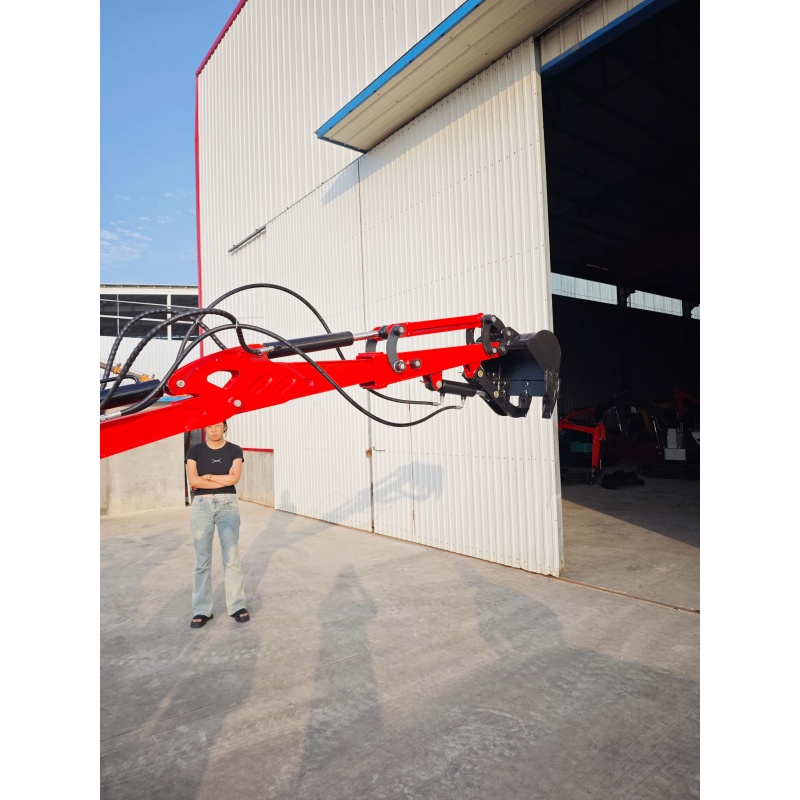
The extended dipper changes the working envelope, which matters for pond and ditch work where the carrier stays on the bank. Spare parts and service information for both options ship with the excavator so the handling cycle stays supported.
A thumb bucket with an extended boom turns a mini excavator into a handling machine as well as a digger. MINGYI reviews the material and reach requirements with the buyer and builds the pair into the machine specification.
Dust, mud and abrasive conditions around thumb bucket and extended boom Cleaning is maintenance, not appearance. Washing the cooling surfaces and clearing packed material from the excavator keeps temperatures where they should be and makes the next inspection quicker and more useful. Sealed points and guarded areas deserve a look in these conditions. This class of machine working in abrasive dust benefits from checked boots, intact guards and clean breathers, all of which are quick to verify. Customisation and build options for thumb bucket and extended boom Build options are where a standard machine becomes the right machine. Colour, guarding, lighting, seating and hydraulic provisions can usually be set at build time on the unit in daily use, and are far simpler then than as a retrofit. Fleet buyers often want consistency rather than variety. Specifying a machine of this size so that several units share controls, filters and service points reduces training time and keeps the parts shelf small. Specifying thumb bucket and extended boom against the job list Buyers who specify the machine itself on paper before enquiring get specifications that can be compared. Without that list, two suppliers will propose two different machines and the simpler one is usually the smaller one, not the better value. A written duty list is the simplest part of the purchase. It takes an hour to note the material, the distance, the gradient and the hours per week, and it is what turns the equipment on site enquiry into a machine that fits. Warranty, commissioning and early checks Commissioning is the point where most avoidable issues are found. Checking levels, fasteners and function on the model in question before it goes to work takes an hour and prevents a claim conversation later. Early faults are usually simple. The machine in that duty that behaves differently in its first few hours is more often mis-set than defective, and a call to the supplier at that point usually resolves it the same day. Ordering, lead time and delivery of thumb bucket and extended boom Lead time is part of the specification. Confirming build time, shipping method and what is included before ordering the unit on the job prevents the common gap between when the machine is needed and when it can arrive. The order should state the configuration in writing. Engine, attachments, colour, documents and any market requirement are clearer on the build sheet for a machine built for the work than in a conversation after delivery. Cold weather and low temperature work with thumb bucket and extended boom Batteries and fluids are the parts that notice the cold first. The equipment in service kept on a maintainer through a freezing spell starts on the first turn, while one left standing is the usual cause of a lost morning. Low temperatures also make materials behave differently. Ground that is frozen hard in the morning can be soft by midday, and planning the sequence around that is easier than fighting it with the excavator. Safe working practice around this class of machine Most incidents around machinery come from the space rather than the machine. Exclusion zones, a clear signal person and a check on what is behind the machine of this size before it moves cover the large majority of the risk on a working site. Slopes and edges deserve a separate check. The unit in daily use that is stable on level ground behaves differently across a gradient, and the safe working angle is a number worth knowing rather than estimating. Handover and documentation for the equipment on site A short familiarisation session prevents the early faults. Most first-month problems on the machine itself come from unfamiliarity with controls, limits or checks rather than from the machine itself. Keeping the manuals where they can be reached matters. The model in question whose documents stay with the machine gets serviced on schedule; one whose paperwork was filed elsewhere tends to run on memory instead. Storage and downtime care for the machine in that duty Standing still is hard on machinery. The unit on the job left for weeks benefits from a clean, dry, covered space, a charged battery and a fuel system prepared for the layoff, and all three effort very little. A periodic start is better than none. Running a machine built for the work to operating temperature during a long layoff keeps seals and the charging system in better condition than leaving it untouched until the next job. Daily checks and maintenance on the equipment in service Service intervals exist because wear is predictable. Following the maker schedule on the excavator takes far less time than repairing the damage that follows a missed oil change or a filter left in place past its life. A simple log helps. Recording hours, fuel and any adjustment made to this class of machine gives the workshop a history, and that history is what turns an intermittent fault into a one-visit repair instead of three. Fitting the unit in daily use into the wider site plan Machine productivity depends on what happens around it. Deliveries, other trades and the sequence of work decide how much of the shift a machine of this size spends actually working rather than waiting. Sequencing avoids rework. Doing the work in the order that suits the ground and the following trades keeps the equipment on site productive and prevents finishing a task that then has to be opened up again. Resale value and replacement planning Resale starts at purchase. Specification choices, service records and the condition of wearing parts are what a buyer looks at, and the machine itself that has been maintained on schedule is worth more than one that merely looks clean. Replacement timing is a planning decision. Knowing the intended working life of the model in question lets an owner sell while the machine still has value rather than after a major repair becomes due.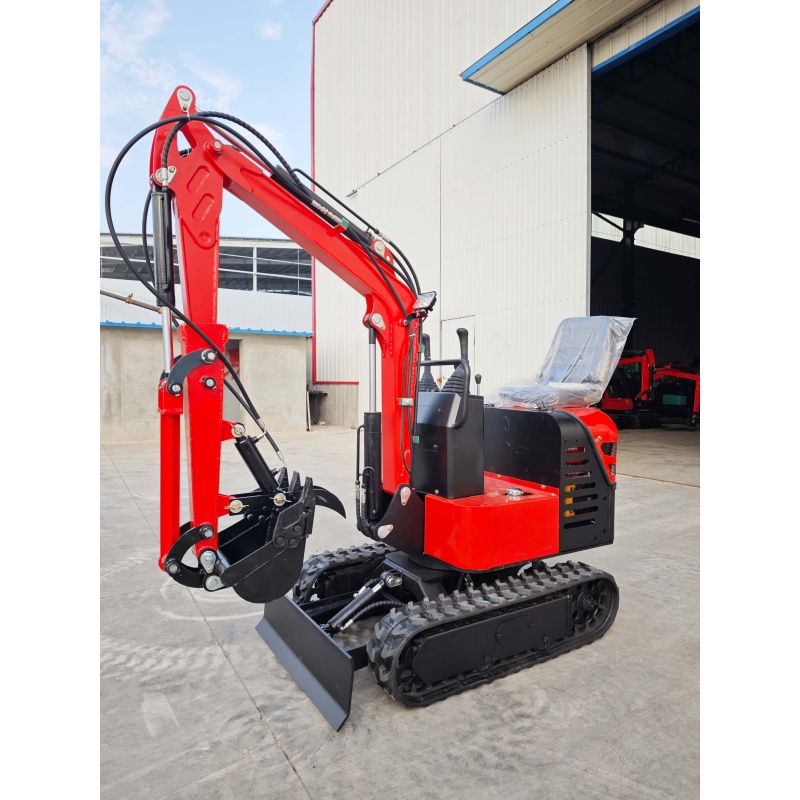
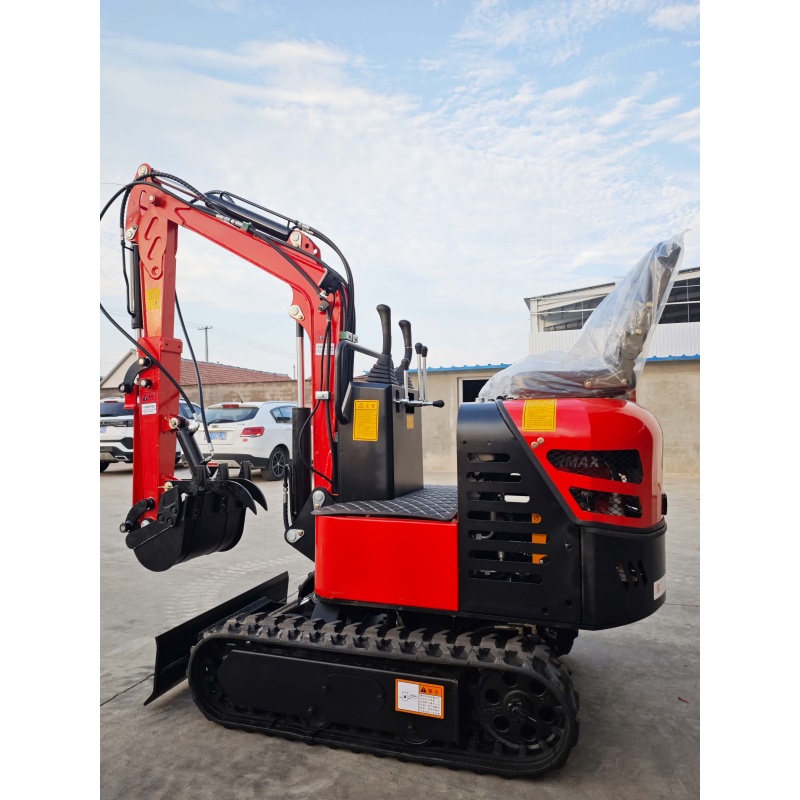
Q. What is the machine in that duty used for?
A. An attachment widens the range of jobs a single compact excavator can specification and win, which is why the working set matters as much as the base machine. A digger that only digs competes with shovels; a digger with the right working set competes for whole jobs. MINGYI builds the 08, 12 and 18 models covering the 0.8 to 6 tonne class, and the unit on the job is where that range meets thumb bucket extended boom.
Q. What does the attachment add to daily work?
A. Reach into jobs the bucket alone cannot specification: grading with a tilting bucket, clearing with a rake, drilling with an auger, lifting with a thumb. One carrier, several trades - the machine stays on site earning instead of waiting for a specialist.
Q. Which models does MINGYI build?
A. The 08, 12 and 18 models cover the 0.8 to 6 tonne class with engine, track, cab and attachment options across the range - dealer programmes can mix models in one shipment, and each thumb bucket extended boom machine is confirmed on its own build sheet.
Cold weather and winter care for a machine built for the work
Winter is hard on rubber and on seals as much as on the engine. Parking the equipment in service under cover, keeping the tracks or tyres off standing water and checking the hoses for cracking are all part of the season.
Planning the season around the excavator
Workload is rarely even across the year, and the machine should be specified for the busy weeks. This class of machine sized only for the average month will be the limiting factor exactly when the work is worth the most.
Later additions and retrofits on the unit in daily use
Most additions are easier to plan than to add. Hydraulic services, mounting brackets and electrical capacity on a machine of this size are build items, and deciding them at the specification stage is far easier than doing it later.
Documents that travel with the equipment on site
A clear parts book saves more time than any other document. When the machine itself needs a replacement, the illustration and the part number are what turn a phone call into a shipment instead of a description.
Storage and long idle periods for the model in question
A stored machine should be brought back carefully. Before the machine in that duty returns to work the fluids, the brakes and the controls are checked, because months of standing change more than a weekend does.
Reading the early symptoms on the unit on the job
The symptom is usually not at the fault. A hydraulic function that has become sluggish on a machine built for the work may point to a filter, a relief setting or a pump, and starting with the simple checks avoids the wrong guess.
Handover and getting familiar with the equipment in service
Operators who come from a different machine need a short conversion. The controls on the excavator follow the usual pattern, but the response, the sightlines and the stopping distance are learned by doing rather than by reading.
A second operator for this class of machine
Training is simpler than repair. An hour spent with a new operator on the unit in daily use, covering the limits and the awkward cases, is the least lengthy hour in the whole ownership.
Hot, humid and dusty conditions around a machine of this size
Tropical operation is a specification question as much as a maintenance one. The cooling capacity, the sealing and the corrosion protection fitted to the equipment on site are what make the difference once the ambient temperature rises.
Moving the machine itself between sites
A machine that works on one site still has to reach the next. The overall dimensions and the operating weight of the model in question decide what trailer or truck is needed, and that decision belongs before the job is booked.
Commissioning the machine in that duty on site
The first hour on site should be slow. Before the unit on the job is put to work the fluid levels are rechecked after transport, the fasteners are gone over and the machine is run light so that anything loosened in transit shows up early.
E-mail : sales@mingycn.com
LINE ( ID ): mingyicn
Related pages
mini excavator compaction wheel · grass and tree grabber attachment · China Wheel Loader Factory Supplier: Specs and Order Process · Mini Excavators









