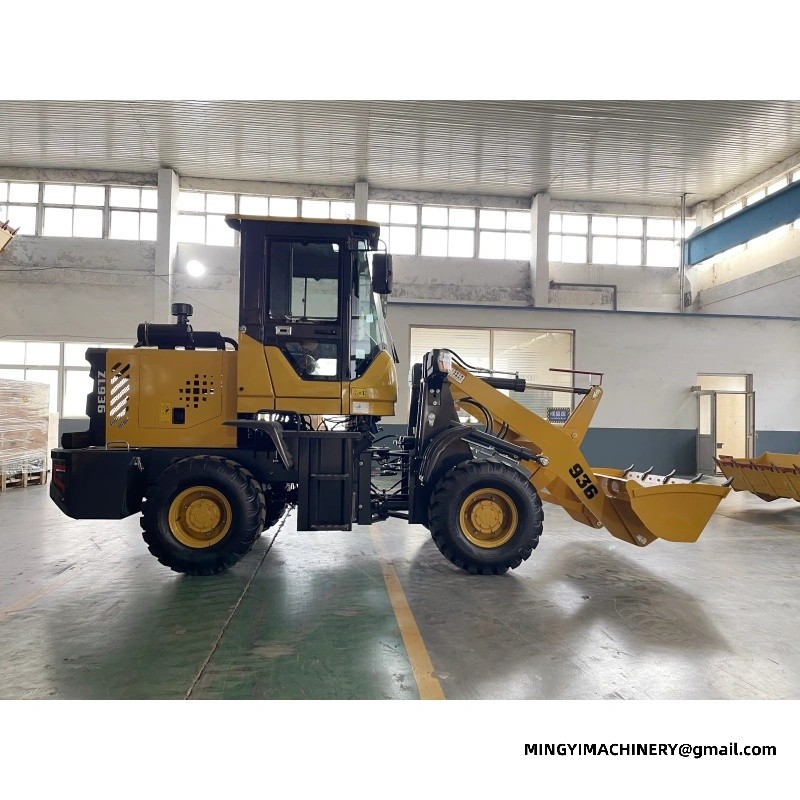
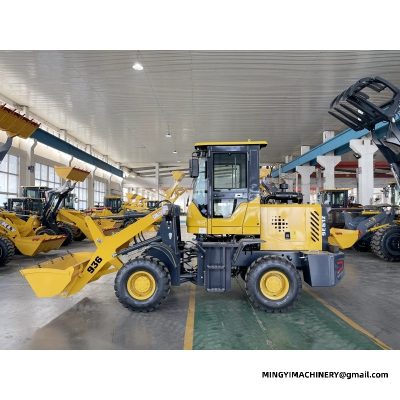
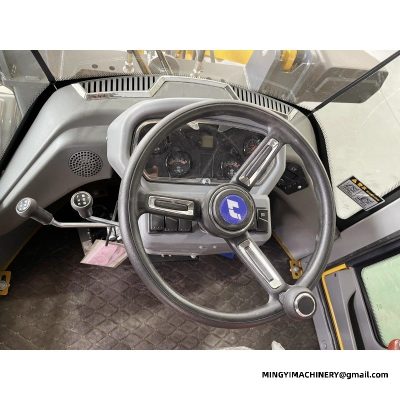
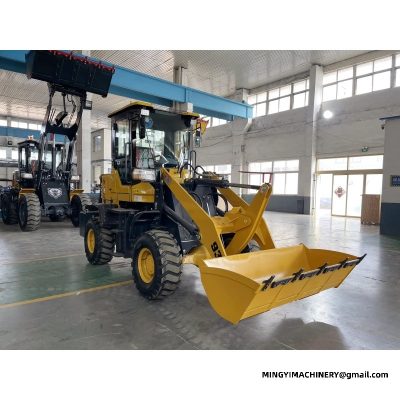
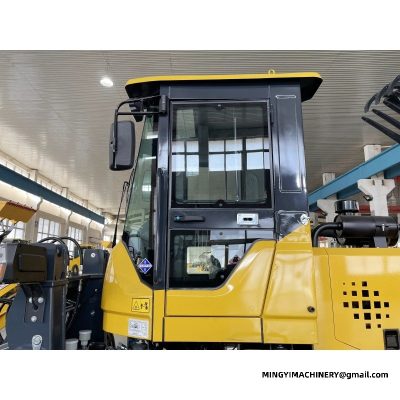
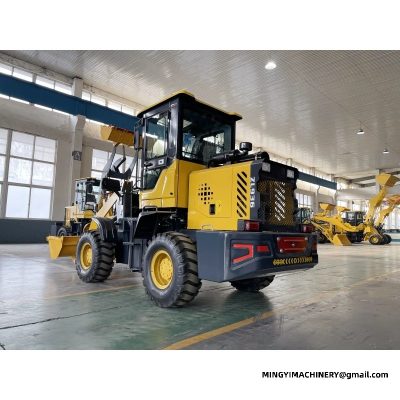
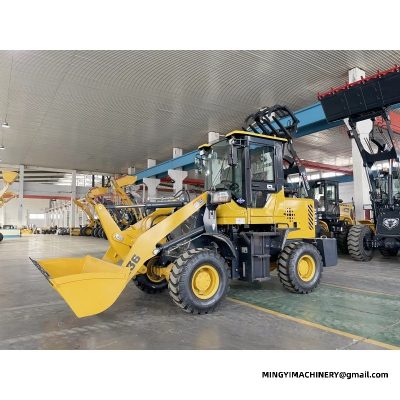
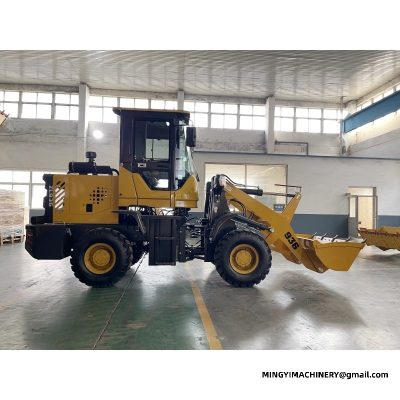
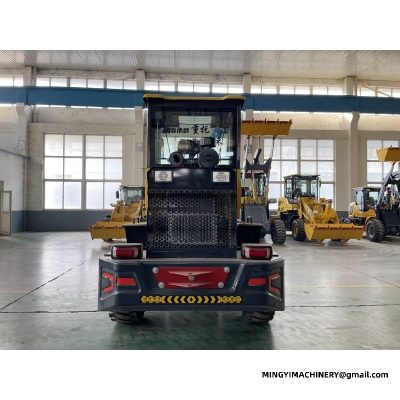
Specification sheets exist so that two people can mean the same thing. Without them, a loader machine for construction order is a name and a hope. With them, it is a bucket of 0.52 m³, a lift of 3.5 m, a track of 1.6 m, cylinders of centre cylinder 60 / side cylinder 50 and a radiator of 4105 core. This page is written for the moment before an order goes in: which rows to pin down, which to leave flexible, and which will come back to matter at delivery. The light-duty 3.5 m medium-frame wheel-side reduction wheel loader and the light-duty 3.8 m medium-frame wheel-side reduction wheel loader carry the comparisons.
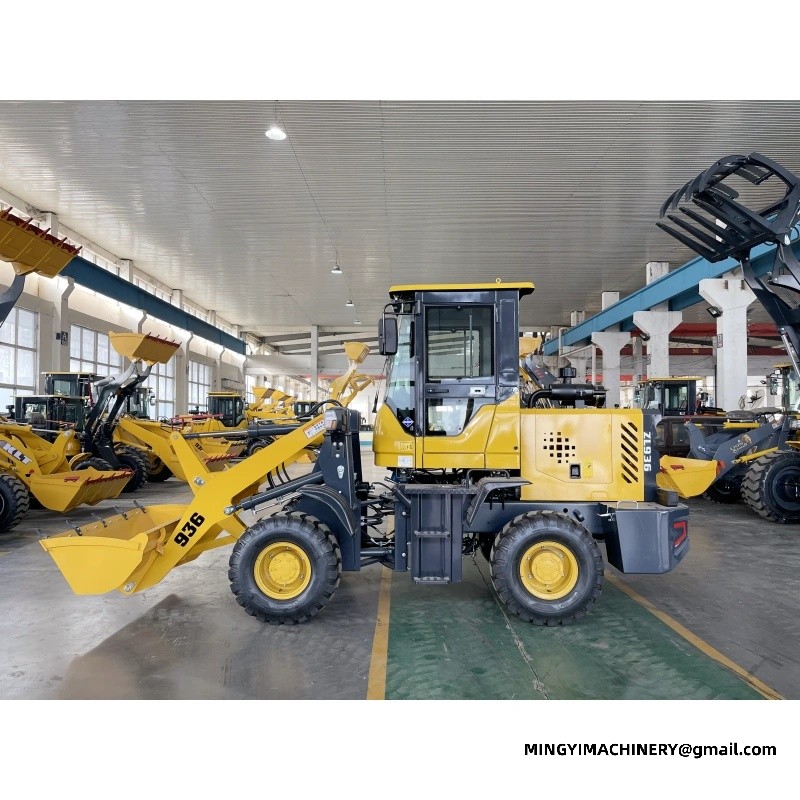
Cold cranking is the one specification that is easy to ignore and impossible to work around at five in the morning. This build is specified with 60 Ah (490 engine); 80 Ah (4102 turbo engine), matched to the engine it has to turn. Capacity in ampere-hours is only half the story; the other half is whether the rating is honest at low temperature, which is why the figure should be read together with the engine option.
Where two engines are offered, the turbo option asks for more from the battery and gets it: the higher rating in 60 Ah (490 engine); 80 Ah (4102 turbo engine) belongs to that build. If the machine will start cold, stop often, or run a short-haul duty with many restarts, specify the higher capacity at the order stage rather than discovering the limit in January.
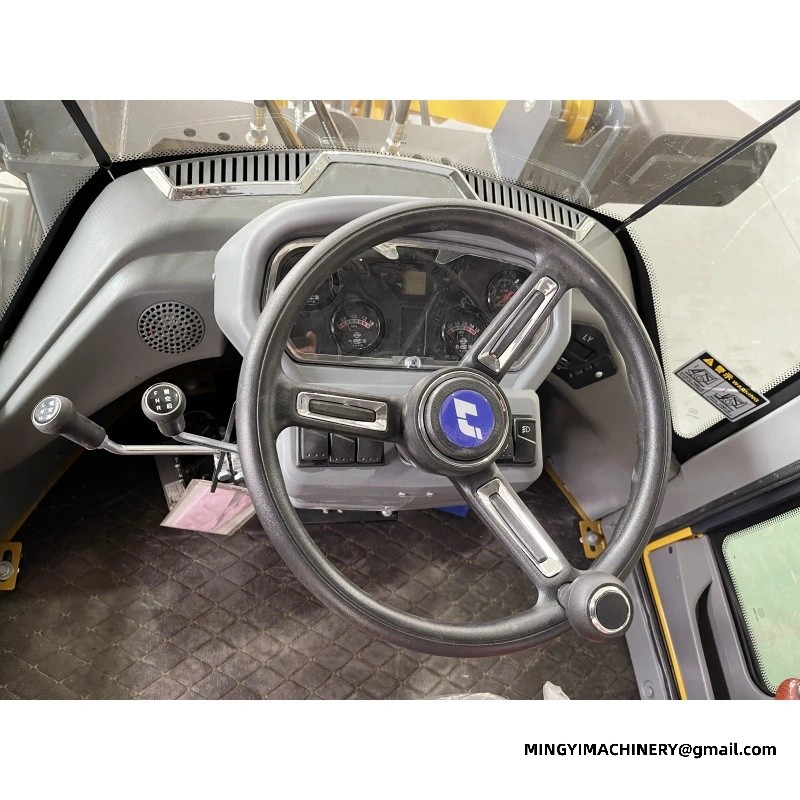
The battery is specified against the engine it has to crank: 80 Ah on the light-duty 3.5 m medium-frame wheel-side reduction wheel loader and 80 Ah on the light-duty 3.8 m medium-frame wheel-side reduction wheel loader. Where a build lists two figures, they belong to two engine options — a smaller capacity for the naturally aspirated unit, a larger one for the turbo — and the difference is starting torque in cold weather rather than anything you would notice in July.
For fleets shipping to cold markets, specify the larger capacity and a battery isolator; machines shipped knock-down arrive with batteries boxed and disconnected, and a machine that has sat for six weeks at anchor will not crank on a marginal battery. Check the rest of the electrical package at the same time — the 2063 pump and 25 pump circuits on the light-duty 3.5 m medium-frame wheel-side reduction wheel loader share the same harness, and a poor earth there presents as slow hydraulics rather than as an electrical fault.
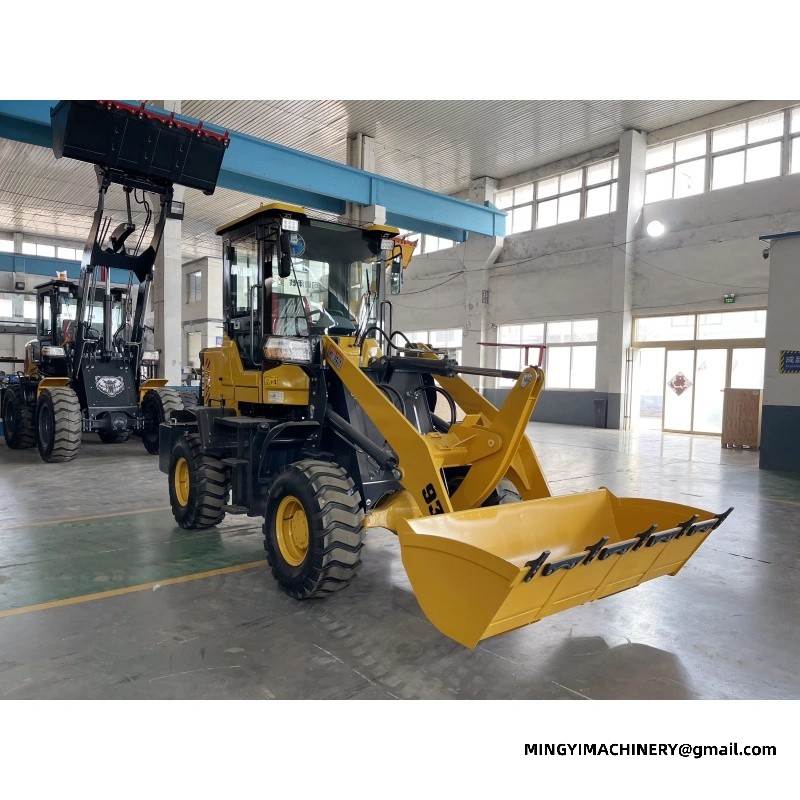
A loader that is greased, cool and clean will run for years on its original frame. The components that need attention are the articulation — 45 mm and 30 mm hinge plates on the light-duty 3.5 m medium-frame wheel-side reduction wheel loader — the boom mounts at 900 mm, and the cooling pack, 4105 core.
Set the intervals by duty, not by calendar. A machine working a dusty stockyard needs its core blown out daily; the same machine on a farm needs it monthly. A machine loading a face needs its pins greased every shift; one moving pallets needs it weekly. The specification tells you what to check — centre cylinder 60 / side cylinder 50 cylinders, 2063 pump and 25 pump on the light-duty 3.5 m medium-frame wheel-side reduction wheel loader, centre cylinder 60 / side cylinder 50, 2063 pump and 25 pump on the light-duty 3.8 m medium-frame wheel-side reduction wheel loader — and the duty tells you how often.
| Reference specification — light-duty 3.5 m small-frame wheel-side reduction wheel loader | |
|---|---|
| Bucket capacity | 0.38 m³ |
| Dump height | 3.5 m |
| Track width | 1.5 m (wheel-side reduction axle); 1.45 m (Isuzu axle) |
| Boom arm thickness | 25 mm |
| Boom arm width | 370 mm |
| Boom arm length | 2.62 m |
| Boom arm centre distance | 890 mm |
| Cross-member thickness | 25 mm |
| Front hinge plate thickness | 25 mm |
| Rear hinge plate thickness | 14 mm |
| Rear frame section | 280 mm high x 800 mm wide |
| Hydraulic cylinders | centre cylinder 45 / side cylinder 40 |
| Fuel tank | 64.7 L (75# small tank) |
| Battery | 60 Ah (490 engine); 80 Ah (4102 turbo engine) |
| Front wheel to counterweight | 4 m |
| Radiator | 4100 core (490 engine); 4105 core (4102T engine) |
| Work pump | 40 pump (490 engine); 1045 pump (4102 turbo engine) |
| Travel pump | 316 pump |
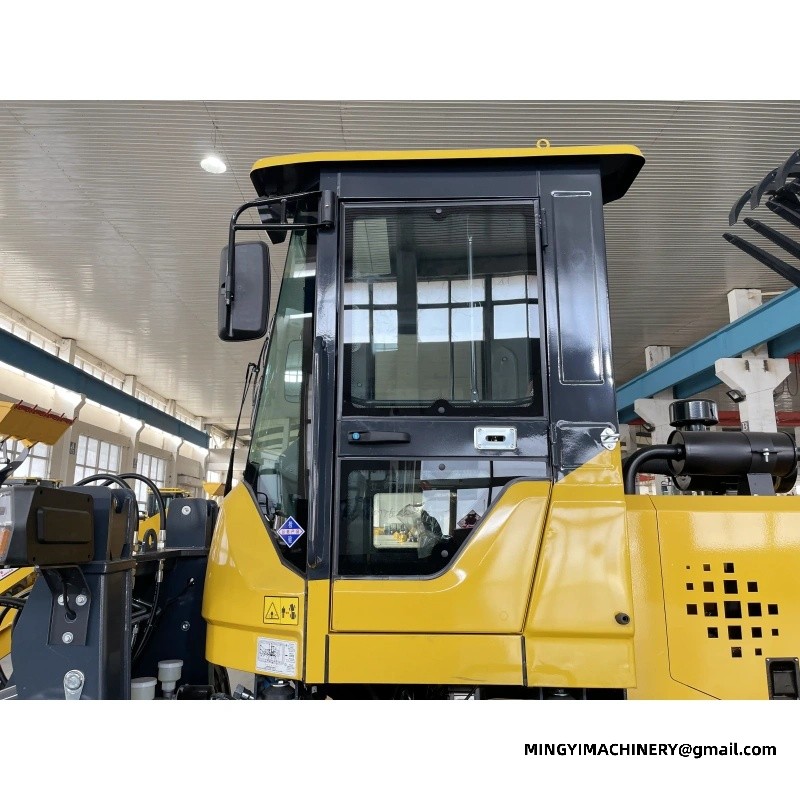
Some choices can be made after delivery and some cannot. Steel cannot: hinge plates at 25 mm and 14 mm, a 25 mm cross-member and a 280 mm high x 800 mm wide rear frame are decided when the frame is welded. Hydraulics mostly can: this build runs centre cylinder 45 / side cylinder 40 on a 40 pump (490 engine); 1045 pump (4102 turbo engine), and adding a service later is possible even if it is never as tidy as specifying it first.
The engine is the other early decision, because it drags three figures with it. Where two engines are offered, battery, radiator and pump all change: 60 Ah (490 engine); 80 Ah (4102 turbo engine), 4100 core (490 engine); 4105 core (4102T engine), 40 pump (490 engine); 1045 pump (4102 turbo engine). Choosing the engine late means choosing all three late, and usually accepting whatever is in stock.
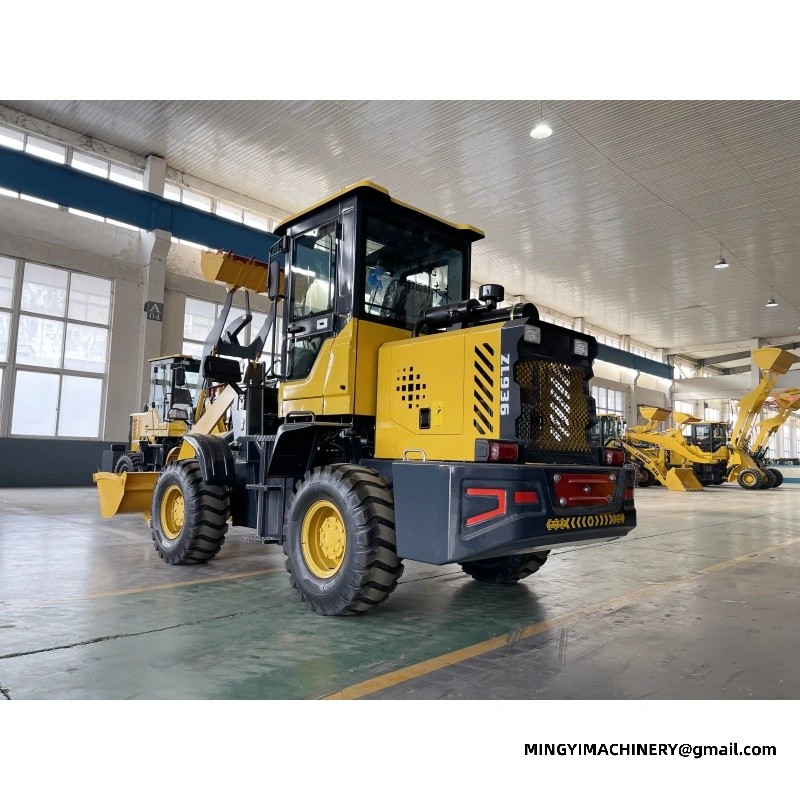
A rebuild is worth doing when the frame is sound and the running gear is not. Check the hinge plates, 45 mm and 30 mm, and the cross-member, 45 mm, for movement and cracking. If those are tight, cylinders centre cylinder 60 / side cylinder 50, pump 2063 pump and radiator 4105 core are all replaceable items and the machine has years left.
If the frame has gone, it has gone: re-machining pin bores restores geometry for a while and never for long, because the 300 mm high x 800 mm wide section has been flexing the whole time. That is the point to compare against a new build rather than a repair, and it is why the plate figures are worth reading at purchase rather than at disposal.
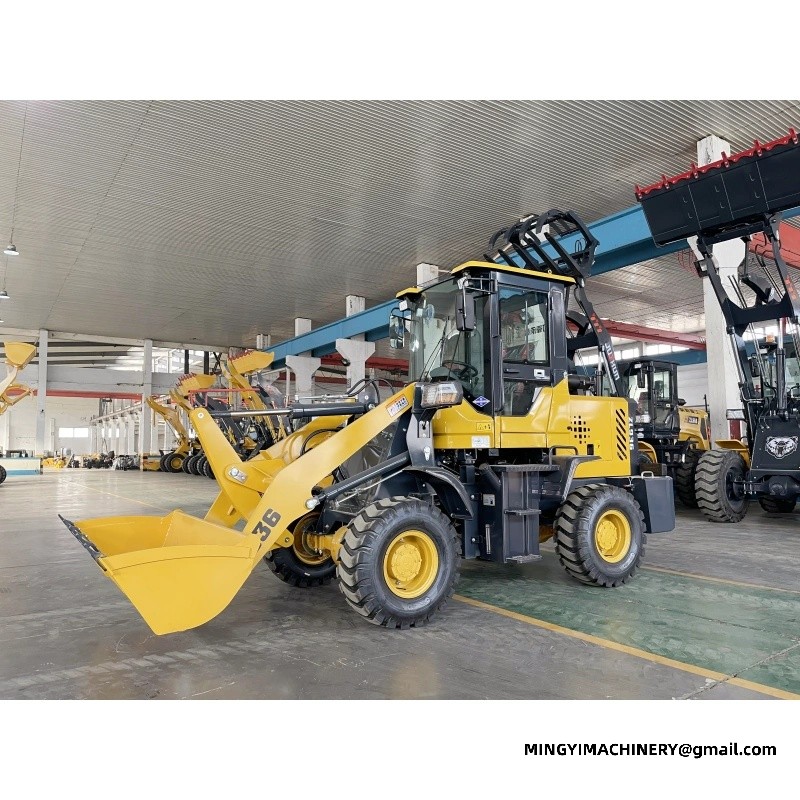
Export loading is a dimension problem. Rear frame width is the governing figure and it stays in a narrow band across this range — 300 mm high x 800 mm wide on the light-duty 3.5 m medium-frame wheel-side reduction wheel loader, 280 mm high x 800 mm wide on the light-duty 3.8 m medium-frame wheel-side reduction wheel loader — so two to three units load in a single forty-foot container with the booms and counterweights packed alongside.
Commissioning is the part buyers under-plan. Before the first start: torque the hinge pins, fill the 70 L (75# large tank) tank and the 4105 core circuit, check the 2063 pump and 25 pump connections, and charge or replace a battery that has sat through a voyage. Then check the five build figures — boom wall, boom width, front and rear hinge plates, cross-member — against the published table, because that is the one moment when a discrepancy is simple to fix.
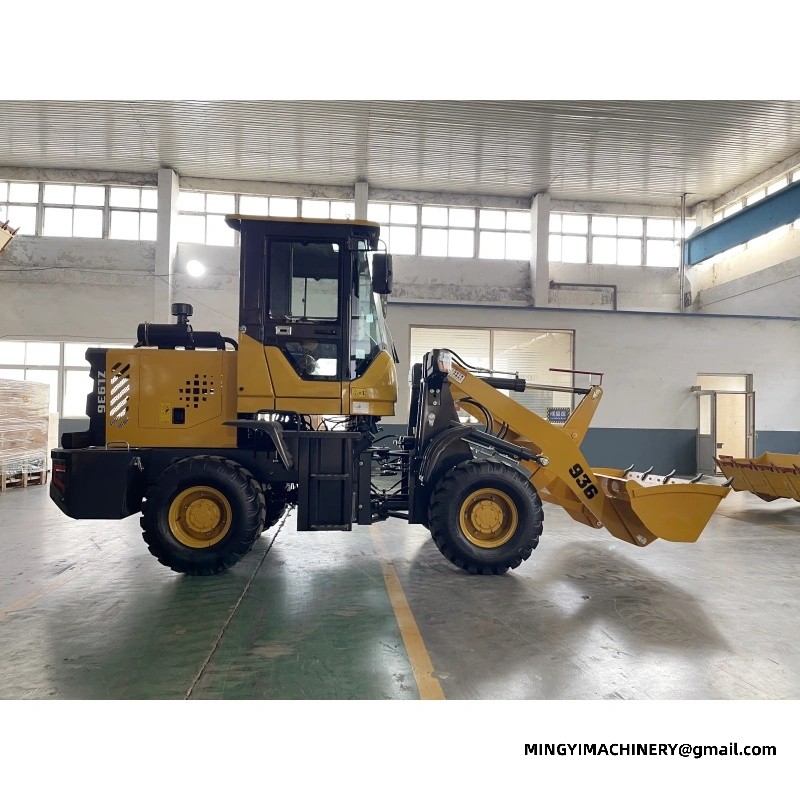
Indoor work changes the priority completely. Height clearance replaces dump height as the first figure, and the machine has to lift its load under a lintel rather than over a truck board. The light-duty 3.8 m medium-frame wheel-side reduction wheel loader reaches 3.8 m, which is the outdoor figure; what matters indoors is whether that height is usable in the space available.
Length and track matter next. 4.3 m from front wheel to counterweight and 1.6 m of track. Ventilation matters too, which is an engine question rather than a frame one, and the cooling specification is the place it shows: 4105 core, sized for air that is not moving. Where the machine works inside, the larger core is the safer specification even in a temperate climate.
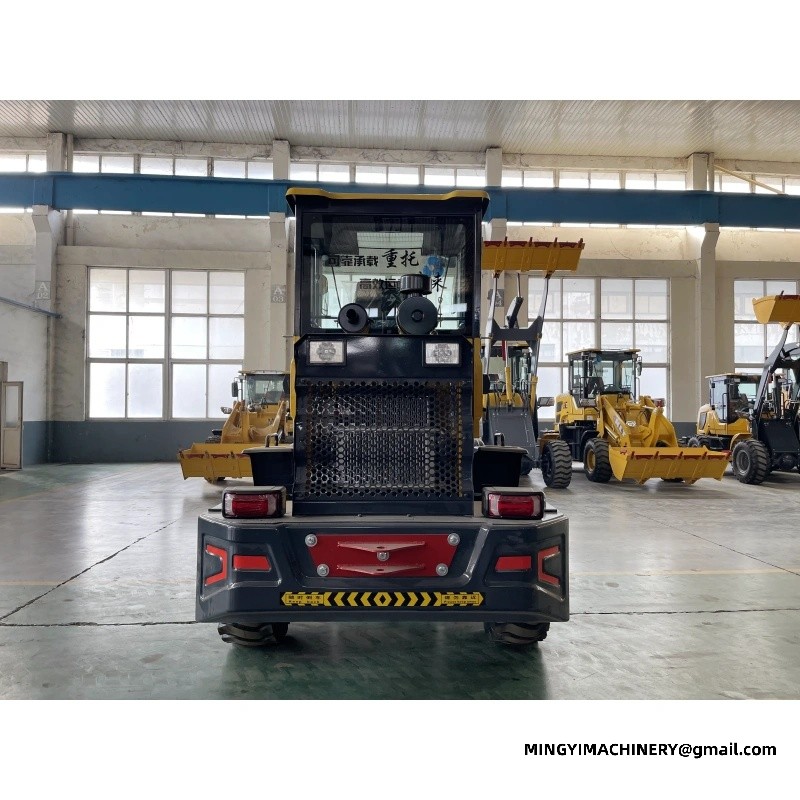
Articulated loaders wear at the pins, and pins wear because they were dry. Front plate 25 mm, rear plate 14 mm, and the cross-member behind them at 25 mm: that assembly is what steering works through, several hundred times a shift. Grease intervals are measured in hours, not months, on a machine doing short cycles.
The boom pivots are the second set, and they are the ones an operator feels first. A 2.3 m arm on a 890 mm spacing, lifted by centre cylinder 45 / side cylinder 40, loads its pins every pass. If the machine develops a clunk on lift, look there before looking at the pump — the pump, 40 pump (490 engine); 1045 pump (4102 turbo engine), is usually fine and the pin is usually not.
How should the battery on a loader machine for construction be cared for?
Keep the terminals clean and tight and use the isolator if the machine will stand. The rating is 80 Ah, and a machine left connected for weeks will not start when it is needed.
How much clearance do I need over a truck board?
Dump height is measured at the bucket edge, so subtract the crest of the material. The light-duty 3.5 m medium-frame wheel-side reduction wheel loader gives 3.5 m and the light-duty 4.5 m medium-frame wheel-side reduction wheel loader gives 4.5 m; the board has to sit under the lower of the two with allowance.
How often should the hinge pins of a loader machine for construction be greased?
Measured in hours, not weeks, on short-cycle work. The pins behind the 25 mm and 14 mm plates take every steering input; dry pins are how a frame goes loose.
How many passes will fill a truck with a loader machine for construction?
Divide body volume by bucket volume, then check the height. Against 3.2 m of lift with a 0.38 m³ bucket, a body that is too tall is not a pass-count problem at all.
What are the signs of a failing pump on a loader machine for construction?
Slow lift with normal breakout points to flow, which is the 2063 pump. Weak lift and weak breakout together point to pressure. Noise under load usually means aeration or a suction leak.
Is it worth rebuilding an older loader machine for construction?
If the frame is tight, yes: cylinders centre cylinder 45 / side cylinder 40, pump 40 pump (490 engine); 1045 pump (4102 turbo engine) and core 4100 core (490 engine); 4105 core (4102T engine) are all replaceable. If the pins have ovalised their bores, the geometry will not come back.
What makes a used loader machine for construction easy to sell?
A verifiable specification. Bucket 0.38 m³, lift 3.2 m, plates 25 mm and 14 mm and a 25 mm cross-member can all be measured, and a buyer who can check them will pay for the certainty.
Keep this page against the delivery paperwork. Bucket 0.52 m³, lift 3.5 m, track 1.6 m and cylinders centre cylinder 60 / side cylinder 50 are the four rows that settle any later question about what was actually ordered.
Cold weather and winter care for Loader Machine for Construction: Cycle Work Day to Day
Cold exposes weak batteries, thick oil and water in the fuel. Preparing Loader Machine for Construction: Cycle Work Day to Day for winter means the right grade of oil, a battery in good condition and fuel that will not wax in the tank overnight.
Fuel, oil and fluid quality for Loader Machine for Construction: Cycle Work Day to Day
Most engine trouble starts with what went into the tank. Clean fuel, stored properly and filtered before it reaches Loader Machine for Construction: Cycle Work Day to Day, prevents more downtime than any other single habit an owner can adopt.
Reading the early symptoms on Loader Machine for Construction: Cycle Work Day to Day
Operators notice things first because they hear the machine every day. Encouraging the person on Loader Machine for Construction: Cycle Work Day to Day to report small changes, and acting on them, is the most effective maintenance programme there is.
Hot, humid and dusty conditions around Loader Machine for Construction: Cycle Work Day to Day
Heat and dust shorten service intervals rather than machine life. In these conditions the filters on Loader Machine for Construction: Cycle Work Day to Day need attention more often, and the cooling surfaces need to be kept clear to hold the working temperature.
Contact MINGYI Machinery for the current wheel loader lineup, configuration options and a formal specification for your market. E-mail: sales@mingycn.com | LINE (ID): mingyicn
Wheel Loader for Mining: Tyres, Ramps and Haul Roads · Wheel Loader for Agriculture: Silage, Manure and Grain · Wheel Loader Manufacturer: Frame Builds, Range and Export Terms · Wheel Loader









