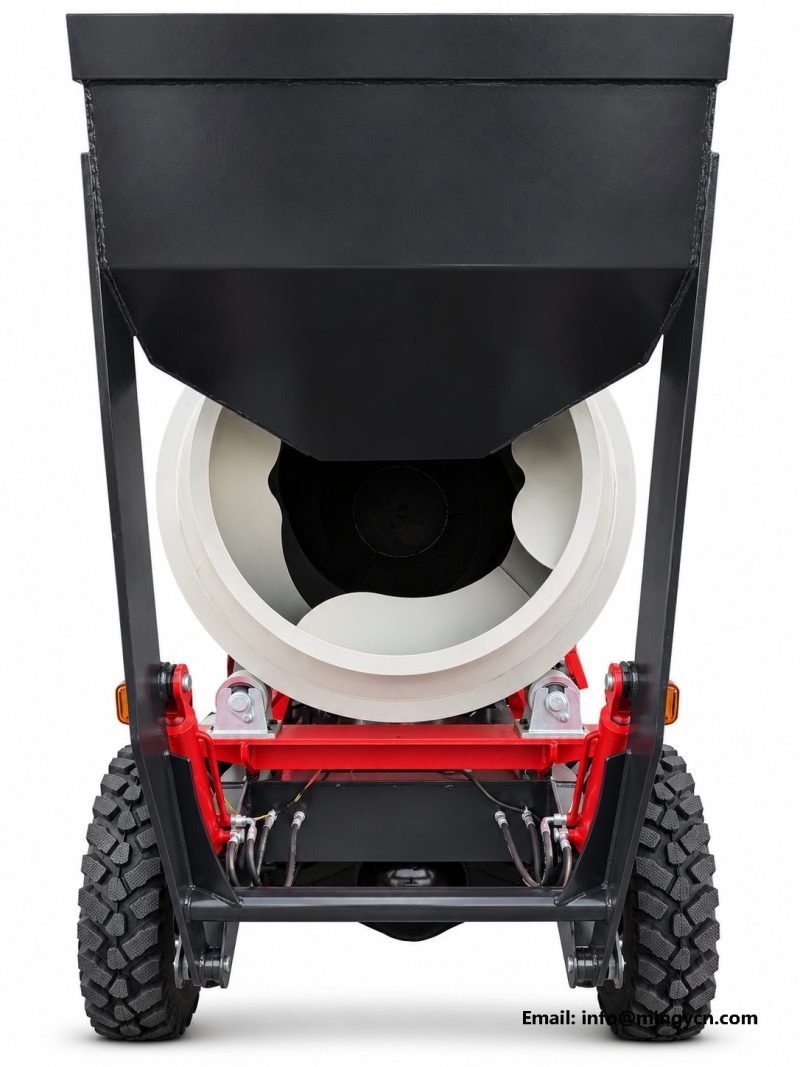
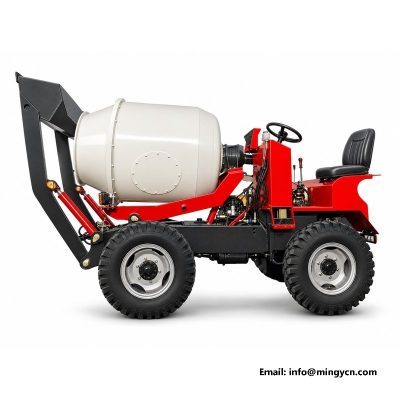
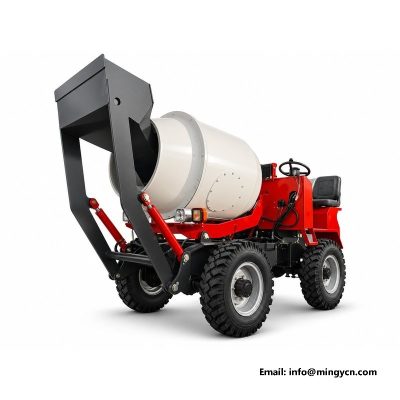
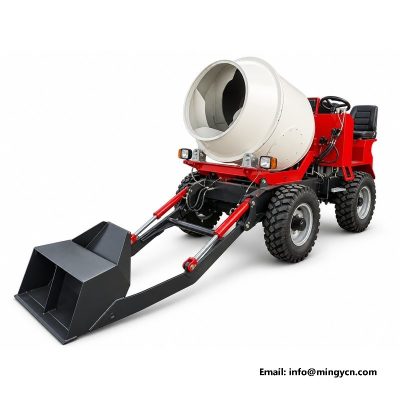
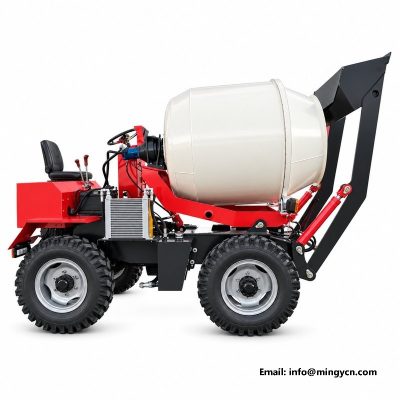
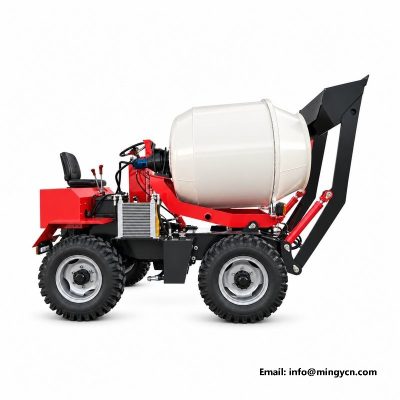
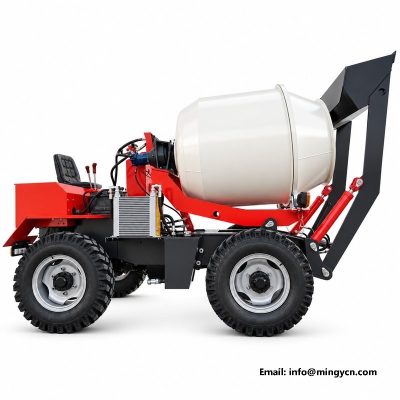
Surface Preparation, Paint System and Weld Finish on the 0.8 m3 4WD Self Loading Concrete Mixer
Paint is a report on everything that happened before it. A finish that sits evenly, wraps edges and holds gloss for seasons can only come from steel that was cleaned, primed and handled properly, which is why this page reads the 0.8 m³ self loading concrete mixer through its surface. The photographs show the paint system at working magnification — edges, welds, fasteners, panel joints — because a buyer who cannot visit the works can still read the build standard from the finish.
The sections below follow the steel from preparation to topcoat, explain what each layer contributes, show where the system is thickest and why, and give the buyer a short method for judging finish quality from photographs or from a machine standing in a yard.
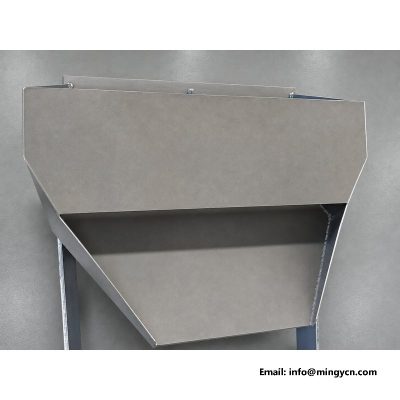
Paint sticks to preparation, not to steel. The frame members on this machine are cleaned to bare bright metal before anything touches them, and the photograph of the blasted texture shows the profile a primer needs to mechanically grip. Surfaces that arrive at the paint line with mill scale, rust or oil produce finishes that look identical on delivery day and part company with the steel in the first rain season. Preparation is invisible in a brochure and decisive in year three, which is why it leads this page.
The tell in a photograph is uniformity: prepared steel takes primer in an even matte tone, while patched or oily patches show as sheen variations that daylight photography records honestly. The test costs nothing and spares the primer claim a trip to the brochure.
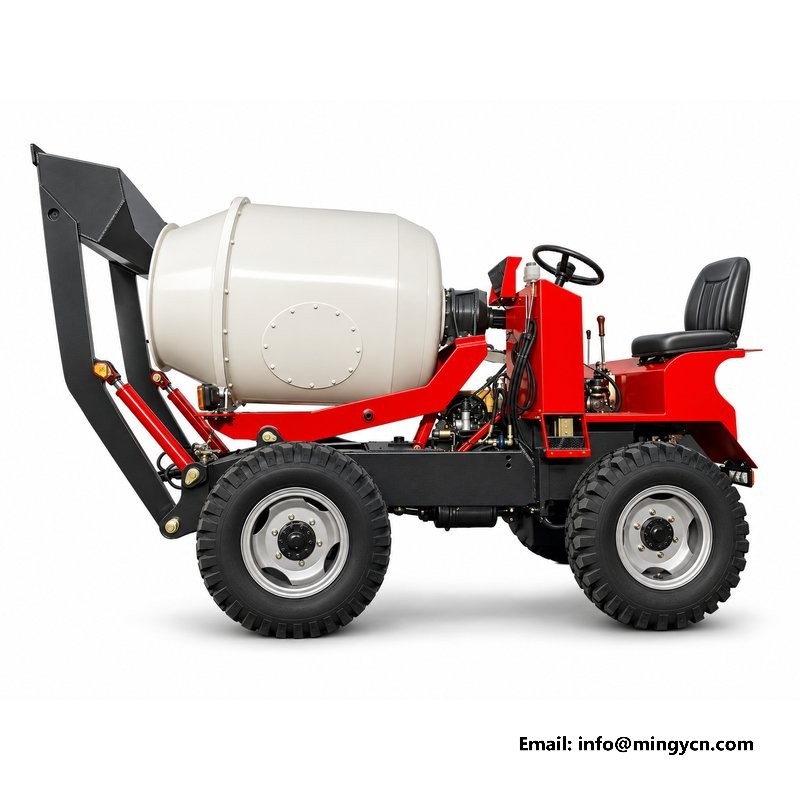
The primer carries the corrosion protection, and its job is two-fold: it passivates the steel and it keys the topcoat. Thickness matters more than colour here, and the factory measures film build at the edges and weld toes, because those are where rust starts and where thin spray fails first. The photograph shows primer carrying evenly across a bracket and its parent plate, including the weld toes — the exact places a rushed line misses.
Buyers comparing machines can ask one question that sorts suppliers quickly: what is the primer system and its measured film thickness at the edges. A supplier who answers with a number has a process; a supplier who answers with a brochure has a hope.
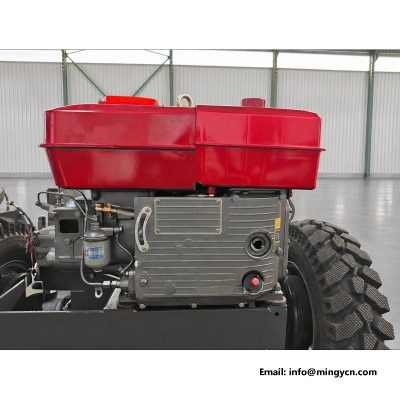
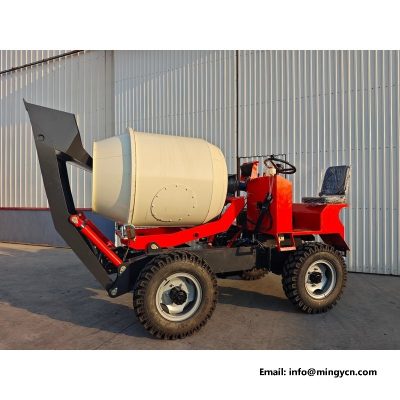
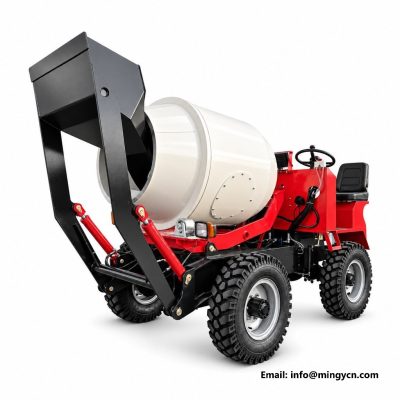
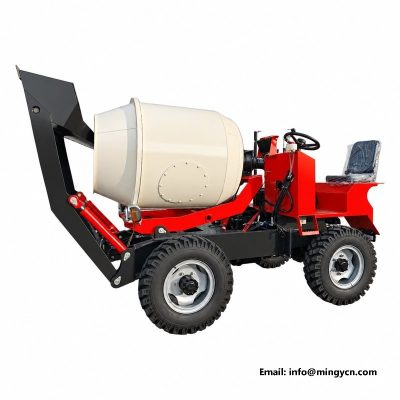
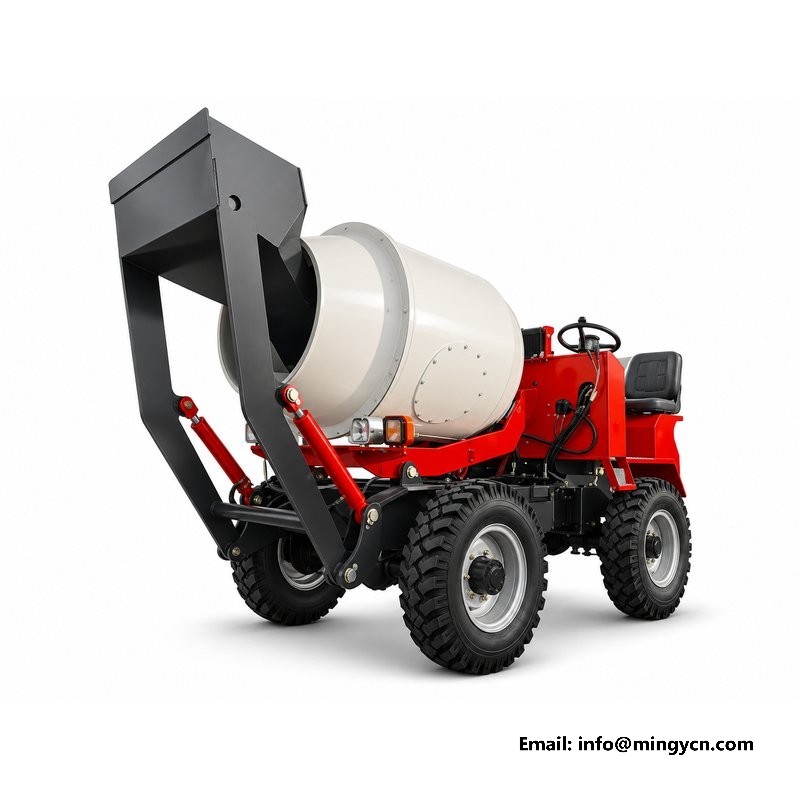
The red topcoat is a polyurethane finish chosen for gloss retention and ultraviolet stability in the latitudes this machine works. Two checks read it well from a photograph. The wrap test: at a rolled edge, the film should carry around the radius at full thickness, which the close-up shows as an unbroken glossy line — thin spray falls away at exactly this feature. The levelling read: on a flat panel the film should show flow without orange peel, which photographs record faithfully in daylight.
Colour consistency between batches is controlled at the mixing stage, so panels on one machine match and a touch-up can order the same code by name, so two machines in one fleet read as one machine every time they park together.
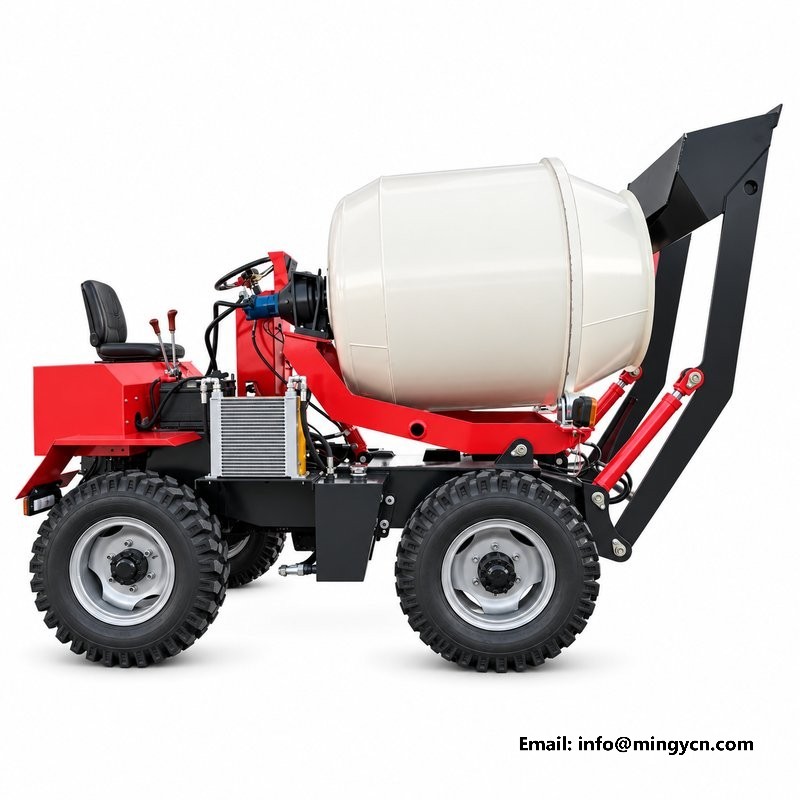
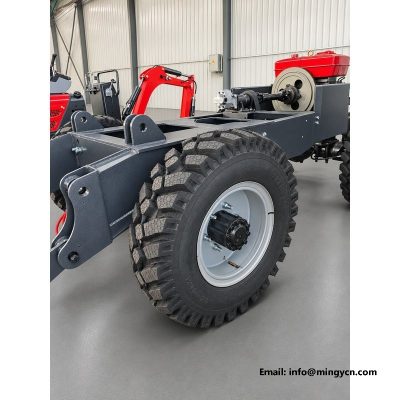
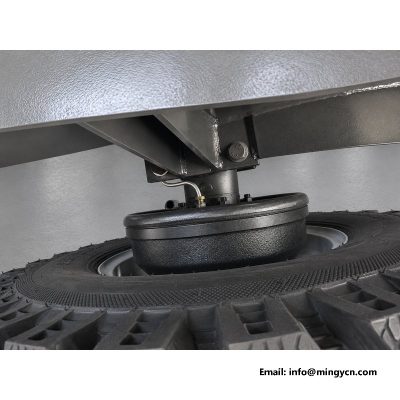
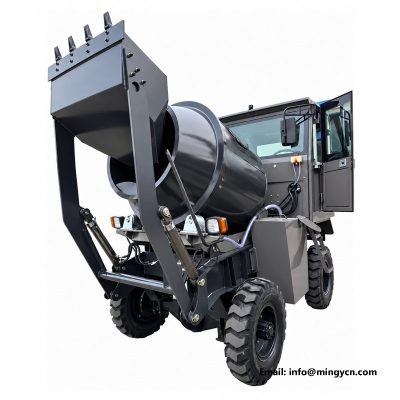
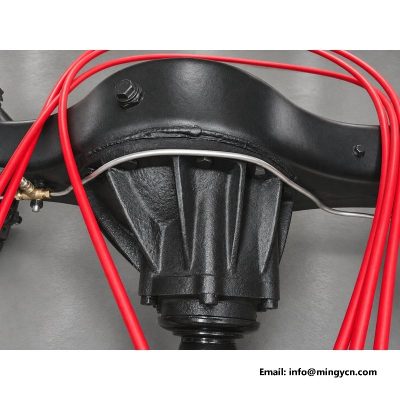
The underside takes the worst of every site: water thrown up, mud held against steel, and stones at travel speed. The chassis members and mounts carry the heaviest build in the system, visible in the photograph as a Tough, slightly textured coat on the lower surfaces. Extra film where the mud lives is the cheapest structural insurance the machine carries, because steel lost from the underside never announces itself until it matters.
The drum exterior carries the same logic one level up: mixed concrete is abrasive and alkaline, and the shell’s coating system outside and in is specified for cleaning rather than for showroom gloss.
Hardware receives its own share of the budget. Hinges, latch pins and the shuttle points on the discharge chute are either zinc-plated or stainless, chosen by how often they work and how wet they get, because a seized chute latch trains crews not to use it and a rusted hinge turns a two-second task into a hammer session. Fastener selection runs the same logic: plated where serviceable, painted where permanent, and the difference marked by the masking described above, so the two are never confused in the field. These small decisions never appear on a data sheet, and they are felt every working day, which is precisely why they are photographed for the buyer who reads this far.
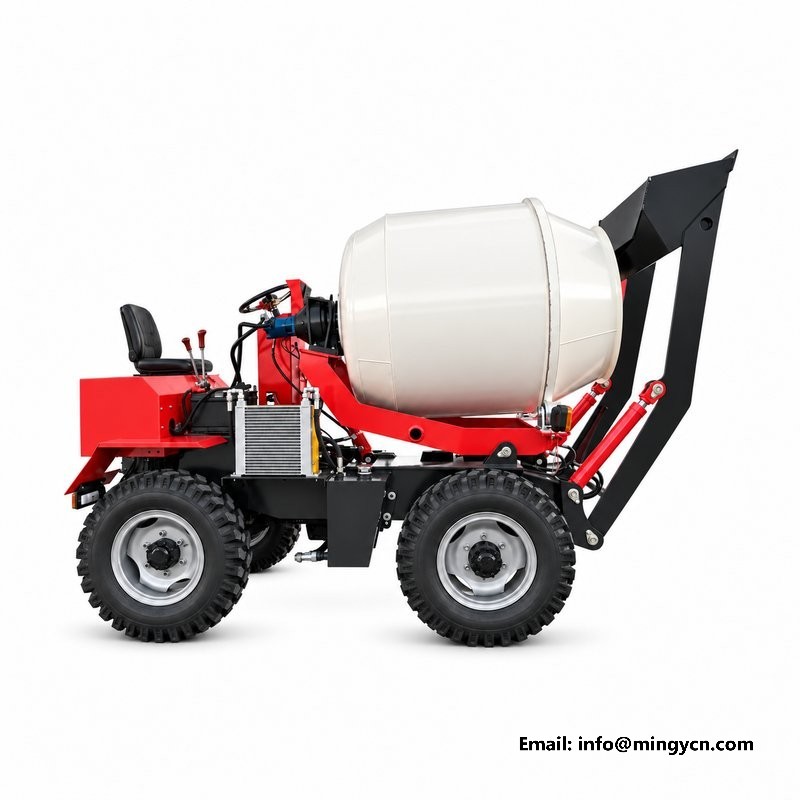
Paint follows the weld underneath it. A continuous bead, dressed and blended before priming, takes paint evenly and sheds water; a lumpy or gapped weld traps film thinness at the toe and starts rust there within seasons. The close-up photograph shows the dressed bead along a frame joint, and it is the image a buyer should compare against any alternative machine, because weld finishing is where build hours either were or were not spent.
Fasteners receive the same discipline: painted after torquing where they are permanent, and masked where they will come off again, so a grease point or a cover bolt is findable in year two without scraping a search grid.
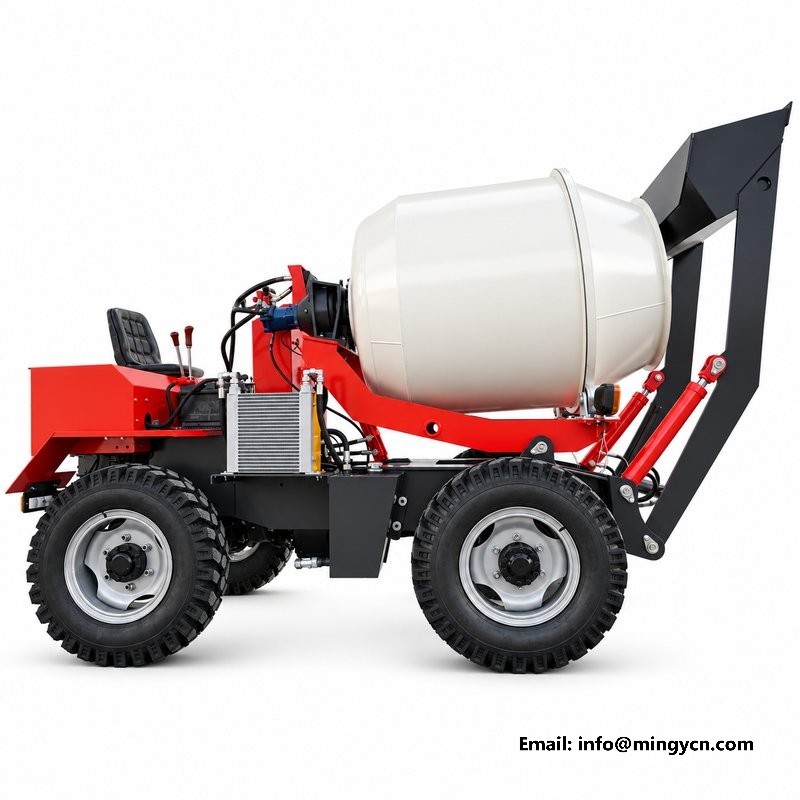
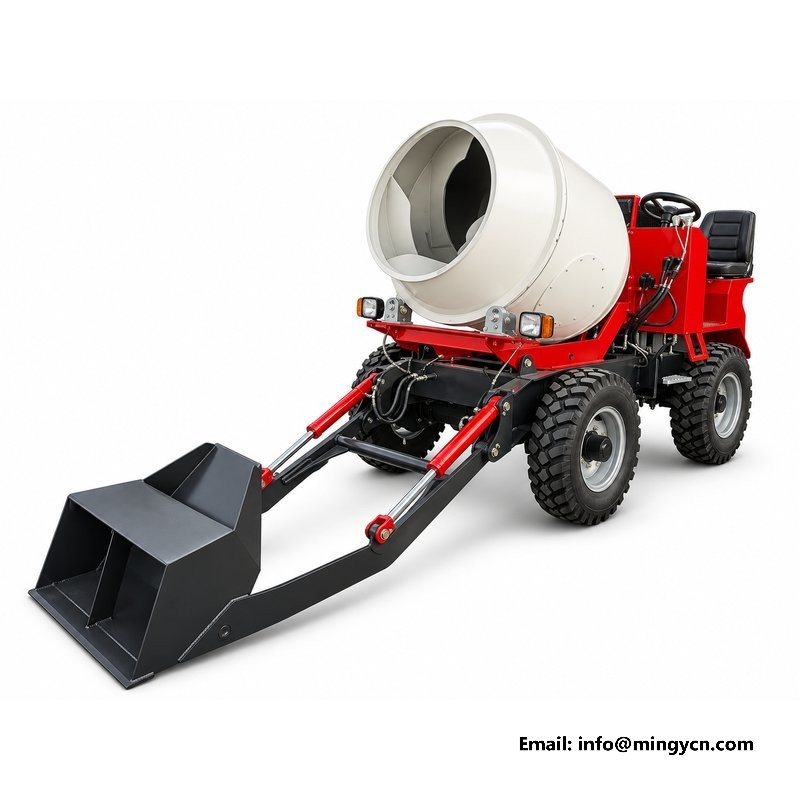
A finish is a culture made visible. Machines built by a line that dresses welds, masks fasteners and measures film build carry that care into every hidden assembly, because the same hands and standards move down the line with the machine. The photograph of decal placement and even gloss is not about vanity: a line that squares its stickers has squared its jigs, and a buyer reading finish this way is reading the factory rather than the paint. Every page in this series makes the same argument from a different component, and the finish is where the argument can be checked in one glance.
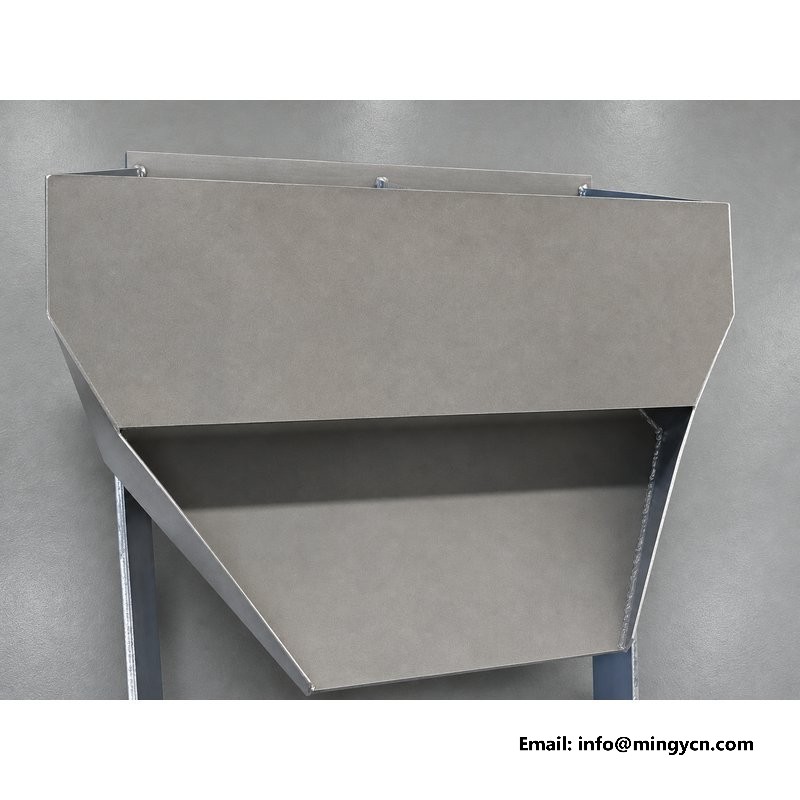
Five practical checks, no instruments. Run a fingertip along two edges: the film should feel smooth and full, not sharp or thin. Look at a weld toe under daylight: paint should sit evenly, without a rusty halo. Open a panel joint: the colour should continue inside, because sprayed-after-assembly machines show raw steel in the shadows. Check the underside with a torch: heavy build where the mud lives. Find a fastener: masked where serviceable, painted where permanent. A machine that passes these five checks has a system behind it, and a machine that fails one deserves the question answered in writing before an order is signed.
The same five checks work on a machine already in service, which makes them a used-purchase tool as well as a pre-order tool. A three-year-old machine with sound edges, clean joints and heavy underside build has been kept by habits worth inheriting, whatever the hour meter says, because the finish cannot be faked fast enough to fool a fingertip and a torch.
| Finish system reference — 0.8 m³ 4WD self-loading mixer | |
|---|---|
| Preparation | blast cleaning to bare metal before priming |
| Primer | full-coverage anti-corrosion primer, measured film build |
| Topcoat | polyurethane safety red, ultraviolet stable |
| Heavy build | chassis underside and drum exterior |
| Colour control | batch-matched, touch-up available by code |
Figures describe the system as applied in production; film thickness specifications are stated in the documentation pack for buyers who tender on measured values.
Corrosion has a short list of favourite doors: weld toes, cut edges, panel joints and the underside where mud holds moisture against steel. The system on this machine spends its thickness at exactly those doors — full primer coverage into the joints, wrapped edges, heavy build below — because rust prevention is a placement problem before it is a chemistry problem. Drains and open sections are kept clear so water exits rather than ponds, and dissimilar-metal contact points are insulated where fasteners meet finished surfaces. None of this shows in a walk-past; all of it shows in year five, which is when machines built with placement discipline still read as machines and machines built without it read as projects.
The finish asks for little, but it asks it correctly. Wash with low-pressure water and a brush, keeping the jet away from seal lines and bearing screens, because the enemy is mud held against steel, not water itself. Clean concrete spillage from the drum exterior and frame the same day, while it brushes off, since cured concrete removes film when it is chiselled later. Refuel and grease on gravel rather than over finished surfaces where a drip becomes a stain baked by the sun. Crews that wash the machine weekly and sweep the dried spillage daily keep the finish effective for the life of the machine, and the routine costs minutes folded into the end of a shift.
Chips and scratches are inevitable, and the difference between a maintenance item and a corrosion project is the fortnight between them. The touch-up kit ships with the machine: primer for bare steel, colour by code for the top, and a film card for crews who measure. A chip washed, primed and topped the week it happens is invisible in year five; the same chip ignored through a rain season becomes a rust bloom that sands back to a patch. The habit belongs beside the greasing routine on the weekly sheet, and it is the cheapest fifty minutes a maintenance schedule spends.
Machines in these markets change hands, and the second buyer reads the finish before reading the hour meter, because paint is the fastest available history of how a machine was kept. An intact system with honest touch-ups says the machine was maintained by habits; a flaking or over-painted shell says the opposite regardless of the invoice file. Owners planning resale therefore protect the film for the same reason they keep service records: the finish is a document, and the twelve angles of the reference set photograph that document into the sale. Well-kept machines in this class hold their value visibly better, and the finish is the part of that story every viewer can check in a glance.
The economics run in the owner’s favour the whole time: an hour of wash and touch-up a week, at site wage, protects a finish whose renewal otherwise costs a repaint and the standing time around it. Few line items in a maintenance budget return as much per minute spent, and none of them needs a workshop or a spare day to carry out.
The polyurethane topcoat is chosen for ultraviolet and salt-haze stability, and machines worked in coastal markets keep gloss and colour for years. Film integrity at the edges decides the timeline, which is why the wrap thickness is controlled in production.
Yes, at order time. The system stays the same and only the topcoat colour changes, batch-matched to the code supplied, so future touch-ups and additional machines match.
Aerosol and brush bottles in the order colour, primer in a small bottle for bare-steel repairs, and the film thickness card for the crew that wants to measure. It covers the chips a season of site work donates.
The drum interior carries a coating specified for contact with mixed concrete and repeated washing, different from the exterior system and checked at the same film-build standard.
Contact MINGYI Machinery for the current 0.8 m³ self loading concrete mixer specification, finish system details and a formal quotation for your market. E-mail: sales@mingycn.com | LINE (ID): mingyicn
For the steel beneath the paint, see Reinforced Axle 0.8m3 Self Loading Mixer for Unpaved Sites and the chassis and whole-machine pages in the mini self loading concrete mixer category.