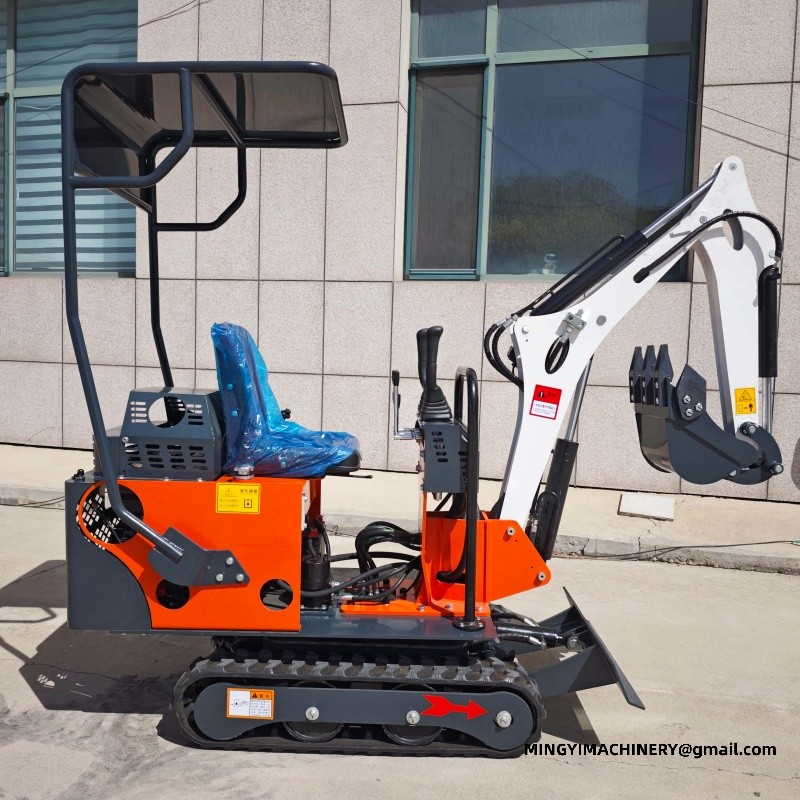
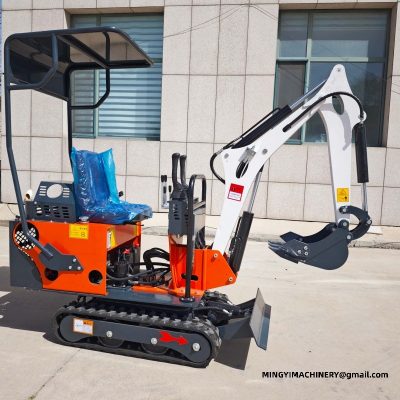
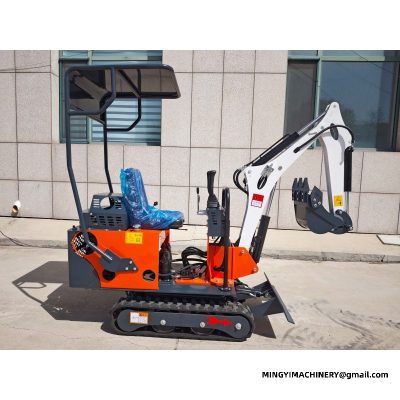
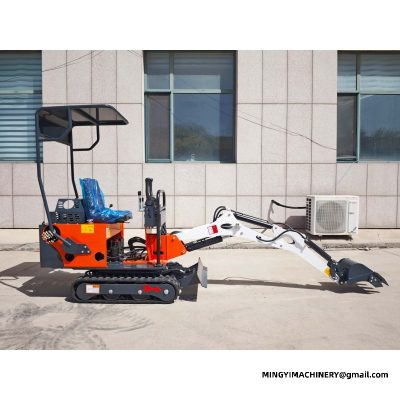
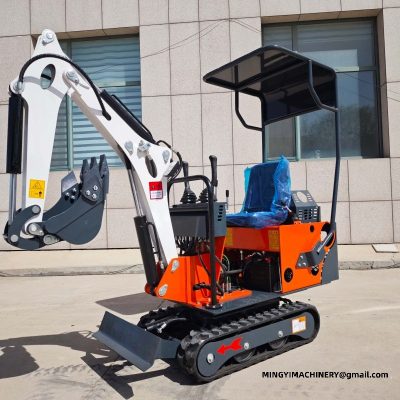
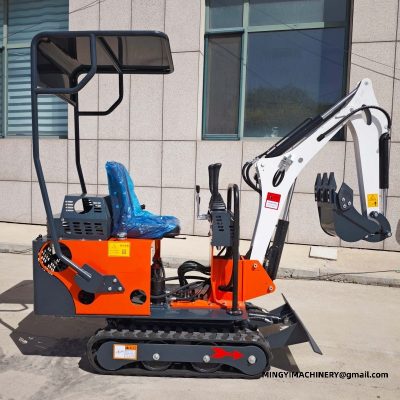
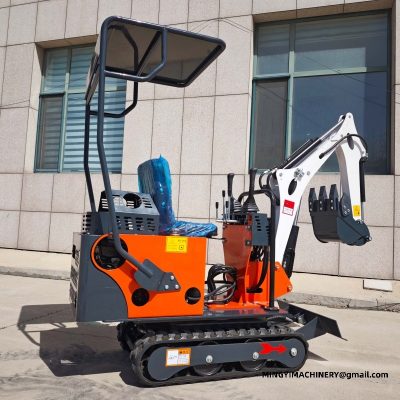
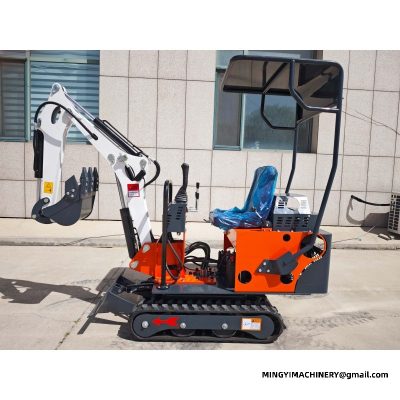
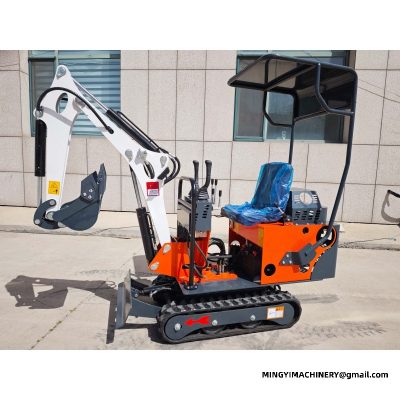
The purchase decision of a compact excavator is only part of what it takes to own. Fuel, wear parts, track life, service intervals, downtime and resale value all sit on top of the invoice, and on a machine kept for several years they often outweigh the difference in purchase decision between two options.
MINGYI mini excavators are specified with running effort in mind, from the diesel engine family to the track type.
Where the money actually goes
Tracks and buckets wear out first, so their effort and availability matter more than most buyers expect at the point of purchase. Engine service parts follow, and their effort depends heavily on the engine family chosen — which is why matching the engine to a locally supported brand is usually worth doing.
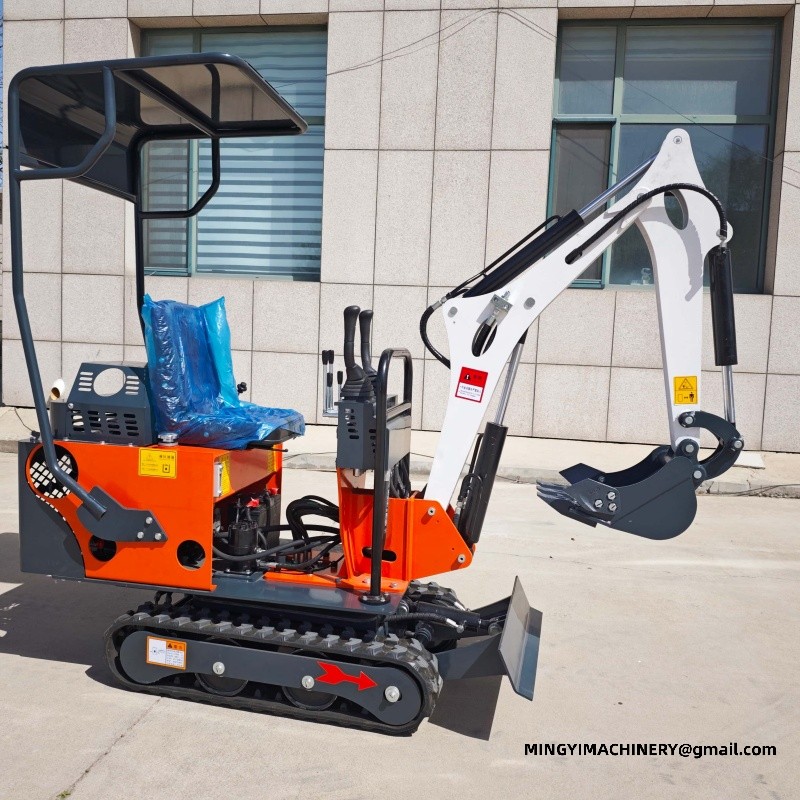
Downtime is the lengthy item. A machine waiting for a part takes more than the part, so buyers increasingly specify against the service network rather than the lowest invoice.
Specifying for low running effort
Rubber tracks effort less to replace than steel and suit most landscaping and municipal work. A quick coupler keeps one machine productive across several tasks instead of requiring a second machine. Standardising an entire fleet on one engine family simplifies parts stocking.
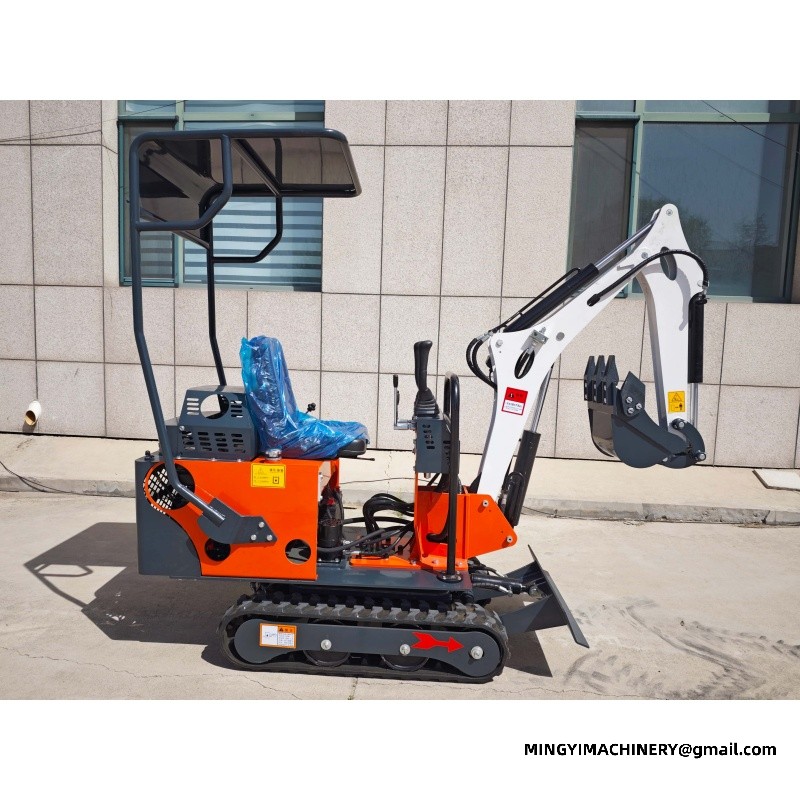
Running effort factors
• Track type and replacement effort
• Bucket and tooth wear
• Engine family and parts availability
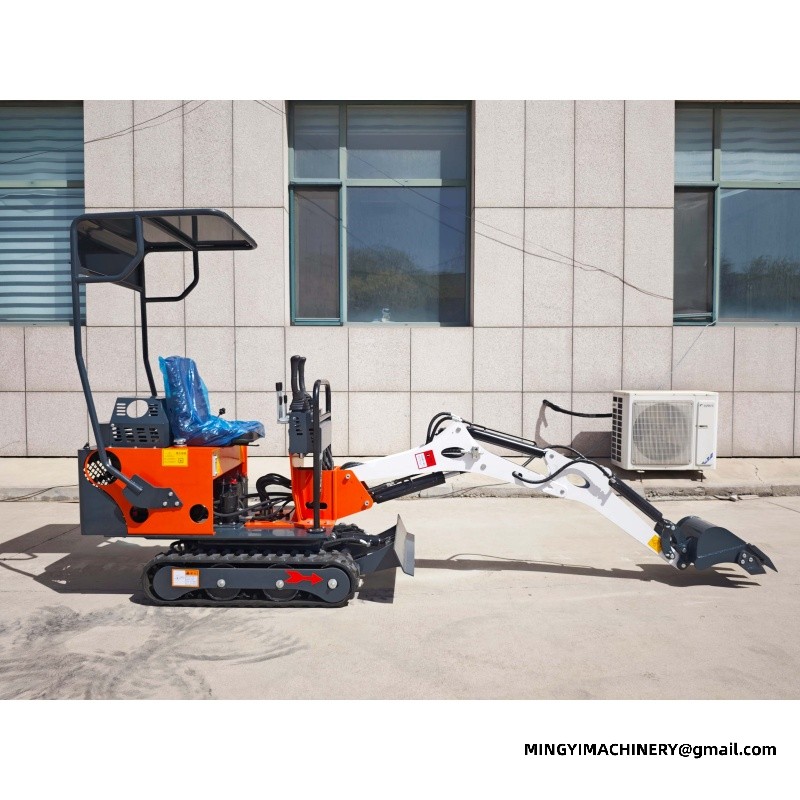
• Service interval and fluid volumes
• Downtime risk against local parts supply
Tell us how the machine will be used and how long you plan to keep it and we will advise on the specification with the lowest overall effort.
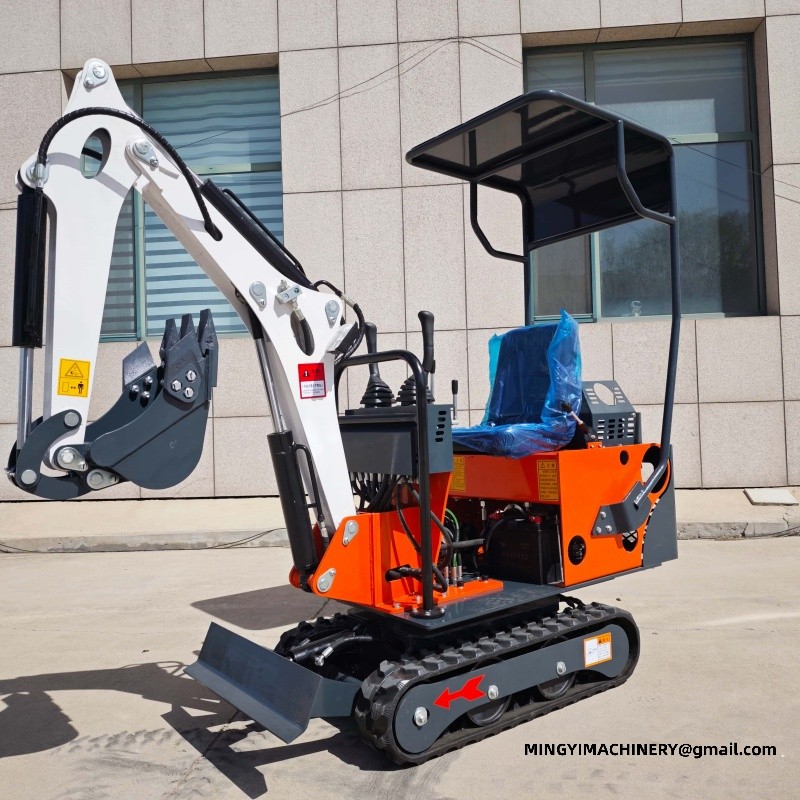
Parts, service and support for mini excavator running guide Engine parts availability usually drives the engine choice. This class of machine built with an engine the local network already carries is serviced from stock rather than from an international order. Remote support is handled by video. The unit in daily use fault can often be diagnosed on a walk-around call with the panel open, which is faster than waiting for a visit and avoids shipping a part that is not needed. Municipal and public works with mini excavator running guide Municipal crews work on streets, footpaths and parks where the public is present. A machine of this size is specified because it occupies little space, works inside a small exclusion zone and can be moved on a standard trailer. Drainage repair, tree planting, footway reconstruction and cemetery work are all within the range of the equipment on site. The jobs are small individually and continuous across the year. Lifting and material handling with a mini excavator running guide Lifting with a machine built to dig needs a plan. The load, the radius and the ground under the model in question all matter, and the safe figure is the one on the chart rather than the one that looks possible. Ground condition under the machine is part of every lift. Soft or uneven support is the common factor in handling incidents, and checking it takes less time than recovering the machine itself that has settled. Hydraulic circuits on a mini excavator running guide Flow and pressure are matched to the tool, not to the machine size. Asking for the attachment list first means the machine in that duty leaves the factory with circuits that suit the heaviest tool the buyer intends to run. Hydraulic specification is easier to settle at build time than to correct later. The unit on the job delivered without auxiliary lines can still dig, but every additional tool becomes a retrofit project. Running mini excavator running guide in a rental fleet The specification that rents best is usually the simplest one to explain at the counter. A machine built for the work with rubber tracks, a canopy and a coupler covers the majority of weekend and short-term hires. Fleet buyers also weigh transport. The equipment in service that a customer can tow on a normal licence and a standard trailer is a hire that does not need a delivery truck, which changes how often it goes out. Orchard, vineyard and farm use of this class of machine Orchard and vineyard work is carried out between rows. The unit in daily use with a narrow chassis and a swing boom works down the row without damaging the trees, which is the reason a full-size machine is not used at all. Farms also use a machine of this size for general maintenance - clearing a watercourse, repairing a track, loading a spreader. One carrier with a few attachments covers most of the jobs that would otherwise wait for a contractor. Landscaping and ground care with the equipment on site Landscape contractors use the machine itself for planting holes, pond excavation, grading and retaining work. The machine is light enough to cross finished lawn and narrow enough to work between established trees. Grass cutting heads, rakes and tillers extend the model in question into ground care. The same carrier that digs a border in spring can cut and clear the same area later in the season. OEM and fleet customisation of the machine in that duty Customisation also covers the specification sheet. A fleet buyer may want every machine built for the work delivered with the same coupler, the same engine and the same tool kit so training and parts stock stay simple. Documentation can be prepared to suit the importer. Manuals, parts books and decal sets for the unit on the job can be supplied with the buyer's own branding where the order size justifies it. Boom configuration for the equipment in service A swing boom lets the machine dig parallel to its tracks without repositioning, which is what makes trenching beside a wall or a fence practical. On this class of machine this is often the option that decides whether a job is possible at all. Extended and offset boom configurations change reach and working range. The unit in daily use with a longer arm reaches further but lifts less at full extension, so the specification is set against the deepest and furthest point on the job list. What owners should plan for beyond the machine of this size The useful comparison is demand per working hour, not demand per machine. The equipment on site that works more hours a year spreads its standing takes over more output, which is why utilisation usually matters more than the invoice figure. Downtime is the hidden line item. The machine itself waiting on a part earns nothing while it stands, so parts availability and service access belong in the plan as much as fuel does. Interior and light demolition with the model in question Interior demolition is an access and a weight question. The machine in that duty that fits through a doorway and works on a suspended floor does jobs that would otherwise be done by hand or by a larger machine that cannot enter. Dust, debris clearance and floor loading all argue for a compact machine indoors. The unit on the job spreads its weight over a wider track footprint than a wheeled machine of similar capacity. Hiring versus owning a machine built for the work The choice follows the hours. Work that fills a few weeks a year is usually better hired, while the equipment in service that would be on site most weeks starts to justify ownership once the transport and booking time is counted. Availability is part of the decision. Owning this class of machine means it is there on the day the ground is ready; hiring means competing for the same machine at the same time as everyone else in the season. Getting the unit in daily use through a narrow gap Access decides the machine before output does. With a machine of this size the limiting dimension is usually the widest point on the way in, so measuring the gate, the corridor and the turning space first saves a wasted delivery and a second visit. Contractors who buy the equipment on site normally have one job in mind that nothing else reaches. The purchase order follows the access measurement, not the other way round, and the build sheet is then settled around it. Specification data for the machine itself Where the model in question is being specified for a job list, the table below gives the factory figures that matter most: what the machine weighs, how deep and how far it works, and what it measures on a trailer. Every value shown is as built for the machine in that duty; options such as cab, side swing or a telescopic undercarriage change the transport dimensions and are confirmed at order stage. Clearance above matters as much as around. Door heights, pipework and overhead services set the limit for the unit on the job indoors, and measuring them first avoids a machine that arrives and cannot be used. Ventilation is the other indoor constraint. Running a machine built for the work inside a closed structure needs air movement, and that is a planning item rather than something to discover after the first hour.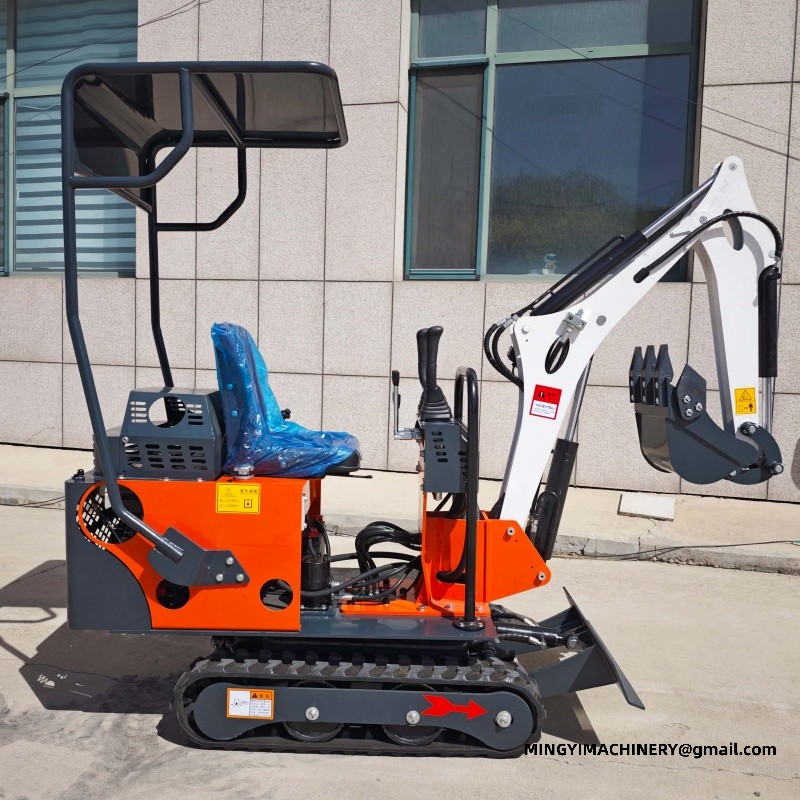
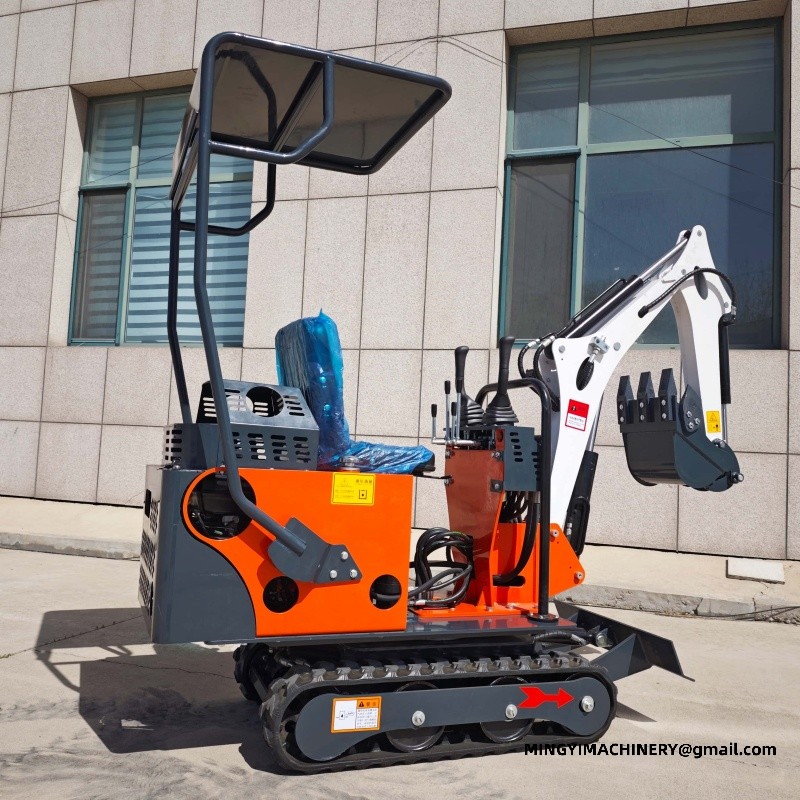
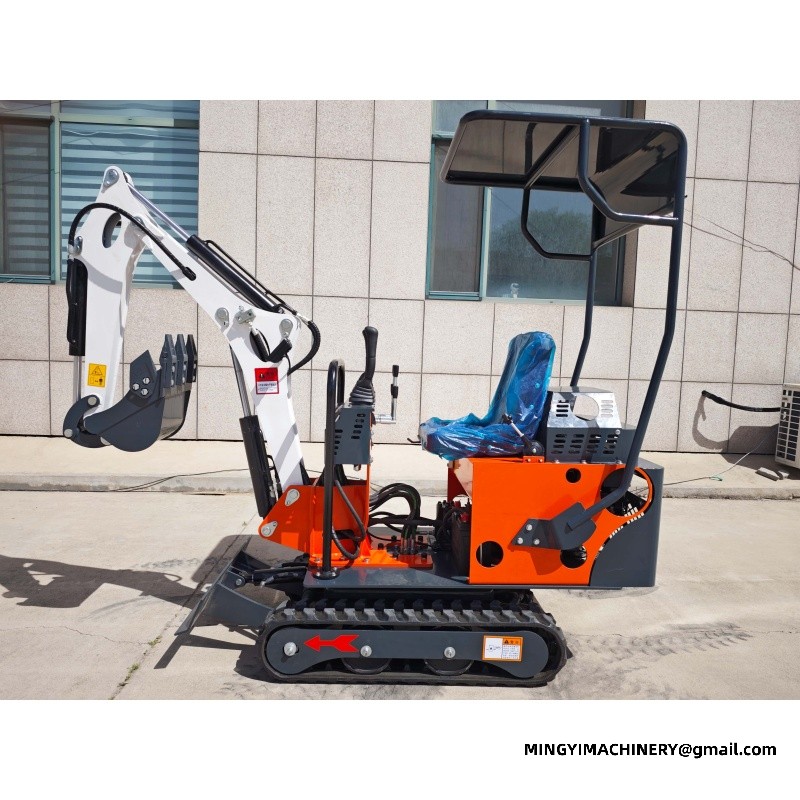
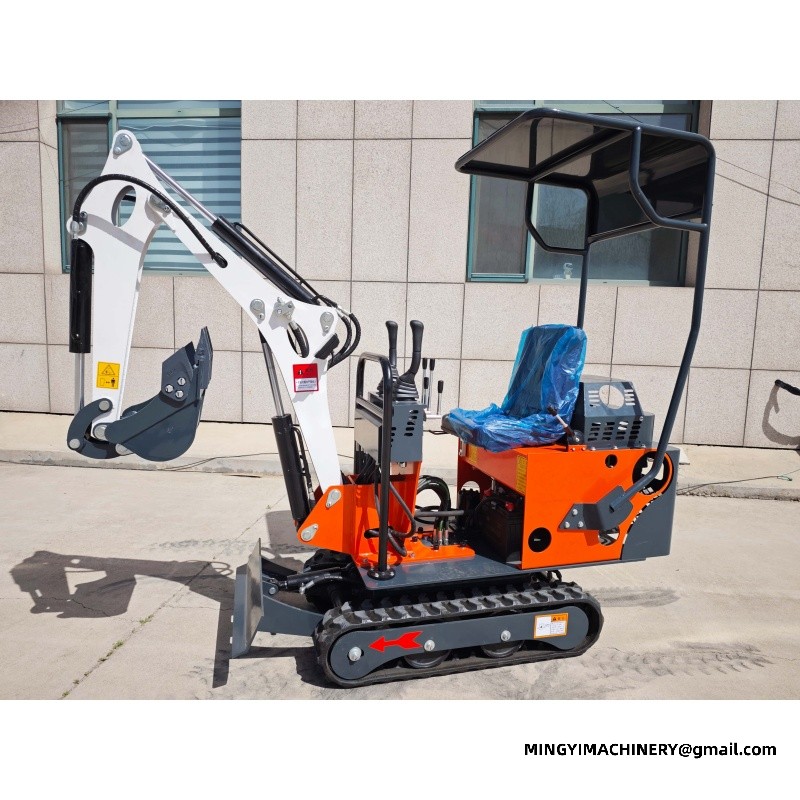
Reference specification — mini excavator range 09W 30-2W 25L 30-2L Operating weight 1100 kg (2425.08 lb) 2700 kg (5952.48 lb) 2200 kg (4850.17 lb) 2400 kg (5291 lb) Transport size (L×W×H) 1800 × 750 × 1970 mm 3000 × 1100 × 2700 mm 3000 × 1300 × 2700 mm 2800 × 1500 × 2500 mm Max digging depth 1250 mm (49.21 in) 2200 mm (86.61 in) 2300 mm (90.55 in) 2200 mm (86.61 in) Max digging height 2800 mm (110.24 in) 3000 mm (118.11 in) 3100 mm (122.05 in) 2900 mm (114.17 in) Max dumping height 1700 mm (66.93 in) 2000 mm (78.74 in) 2050 mm (80.71 in) 2100 mm (82.68 in) Max digging radius 2570 mm (101.18 in) 3800 mm (149.61 in) 3900 mm (153.54 in) 3330 mm (131.1 in) Max digging distance 1869 mm (73.58 in) 3050 mm (120.08 in) 3100 mm (125.05 in) 2700 mm (106.3 in) Minimum turning radius 1000 mm (39.37 in) 1750 mm (68.9 in) 1800 mm (70.87 in) 1555 mm (61.22 in) Travel speed 3 km/h (1.86 mph) 7 km/h (4.35 mph) 7 km/h (4.35 mph) 7 km/h (4.35 mph) Gradeability 30° 30° 30° 30° Fuel consumption 1-1.3 L/h (0.264—0.343 gal) 2-3 L/h (0.528—0.793 gal) 2-3 L/h (0.528—0.793 gal) 2-3 L/h (0.528—0.793 gal) Fuel tank capacity 8 L (2.11 gal) 16 L (4.23 gal) 16 L (4.23 gal) 16 L (4.23 gal) Hydraulic oil tank 16 L (4.23 gal) 20 L (5.28 gal) 18 L (4.76 gal) 18 L (4.76 gal) Dozer blade lift height 180 mm (7.09 in) 230 mm (9.06 in) 230 mm (9.06 in) 230 mm (9.06 in) Dozer blade drop depth 210 mm (8.27 in) 280 mm (11.02 in) 280 mm (11.02 in) 280 mm (11.02 in)
Q. What does the equipment in service?
A. The effort is set by three things: the model, the engine family and the attachment set. MINGYI specifications at factory specification, so the difference between two specifications is normally visible in those three items rather than hidden in a dealer allowance.
Q. How can I reduce the total work of ownership?
A. Match the model to the work, choose an engine family with local parts availability, and take tooling that will actually be used. Running effort is dominated by service and wear parts, so a common engine family saves more over the machine's life than a small purchase discount.
Q. Can you specification several options?
A. Yes. Send us the work and the access, and MINGYI will specification more than one model or tooling combination so you can see what each option takes and what it covers. That makes the decision a comparison of real numbers.
Fuel, oil and fluid quality for this class of machine
Most engine trouble starts with what went into the tank. Clean fuel, stored properly and filtered before it reaches the unit in daily use, prevents more downtime than any other single habit an owner can adopt.
Storage and long idle periods for a machine of this size
Rubber, seals and hoses age whether the machine works or not. Keeping the equipment on site out of direct sun and off damp ground slows that, and running it briefly at intervals keeps everything moving.
Planning the season around the machine itself
Workload is rarely even across the year, and the machine should be specified for the busy weeks. The model in question sized only for the average month will be the limiting factor exactly when the work is worth the most.
E-mail : sales@mingycn.com
LINE ( ID ): mingyicn
Related pages
mini excavator for sale - long-term care notes · best mini excavator for small jobs · compact mini crawler excavator · PRODUCTS









