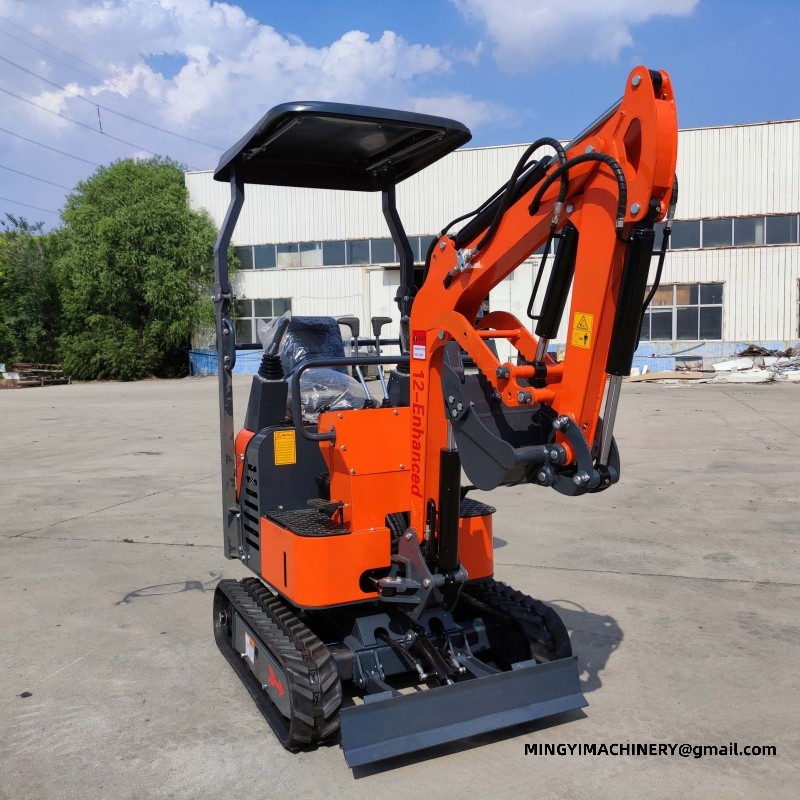
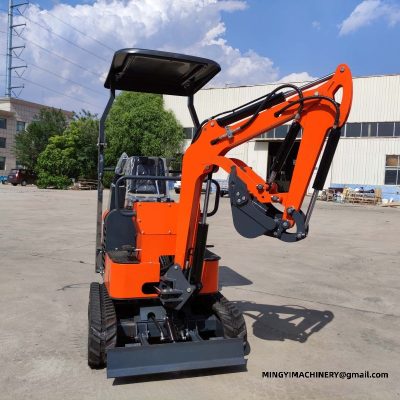
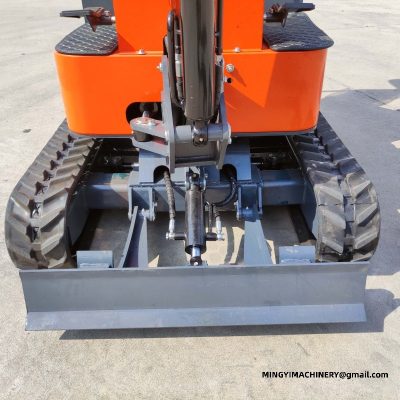
At around 2 tonnes a compact excavator stops being a garden machine and starts being a small contractor machine. It has the mass and hydraulic capacity to work continuously with a breaker, to load a small dumper or tipper, and to hold a line on deeper service trenches.
MINGYI builds the 2 tonne class for contractors who need a compact machine but cannot accept being limited by it.
What changes at 2 tonnes
The extra mass matters in two ways. It keeps the machine planted when the arm is at full reach with a loaded bucket, and it gives the hydraulic system the headroom to run a hydraulic hammer or auger for extended periods without overheating or stalling.
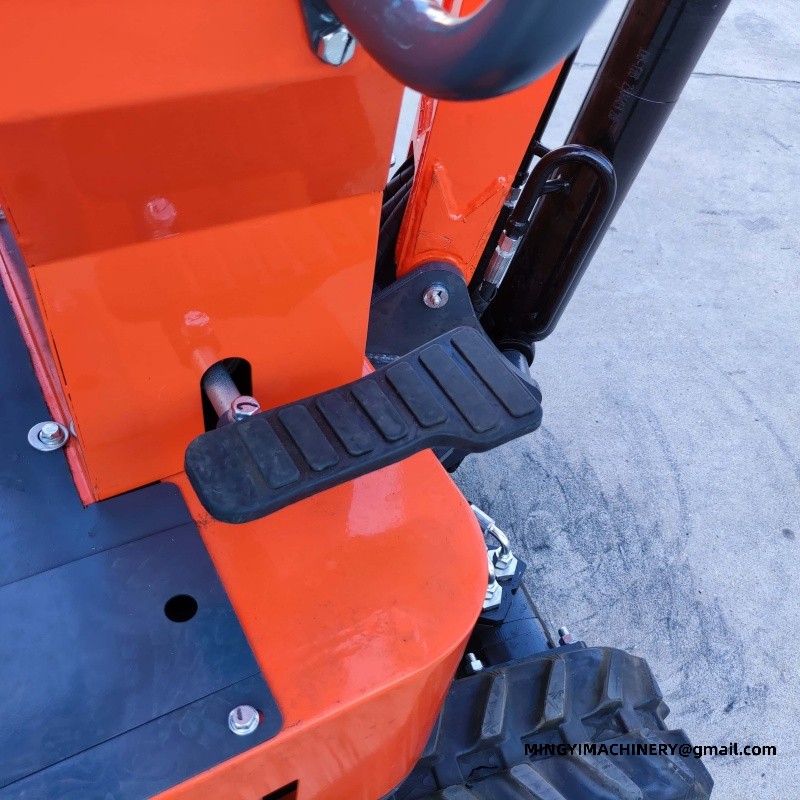
Digging depth and reach also increase, which reduces the number of times the machine has to be repositioned along a trench run. On a long service trench that difference is measured in hours.
Specification and attachments
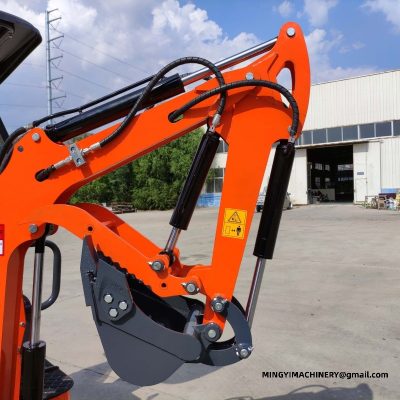
The 2 tonne class is available with rubber or steel tracks, canopy or cab, and the full MINGYI attachment set — buckets, tilting and thumb buckets, breaker hammers, augers, grass rakes, lawn mowers, front forks and quick-change heads.
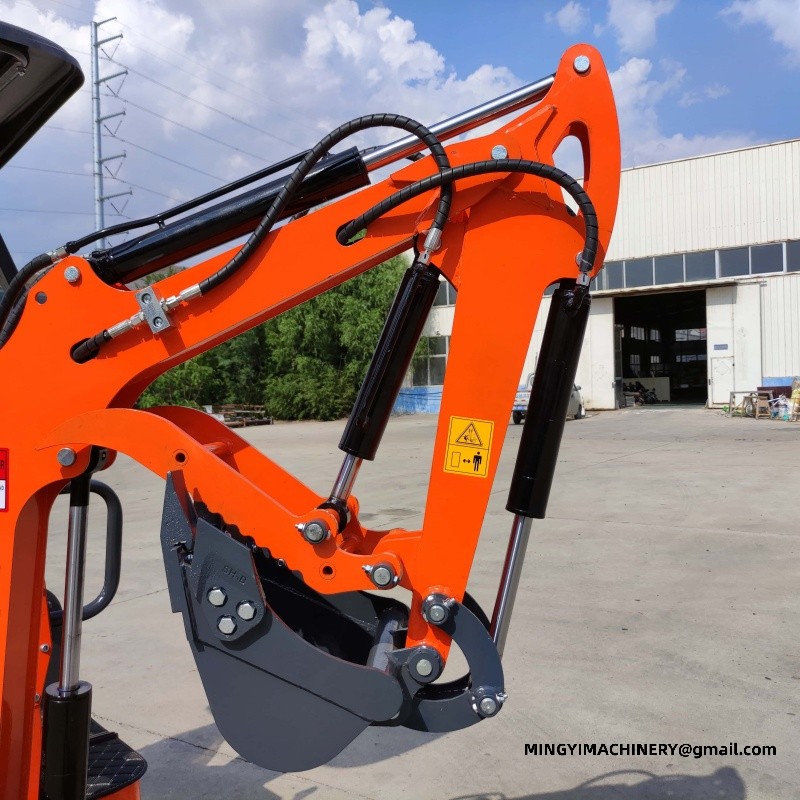
Two-tonne class applications
• Deeper utility and drainage trenches
• Foundations, footings and small structures
• Sustained breaker work on concrete and asphalt
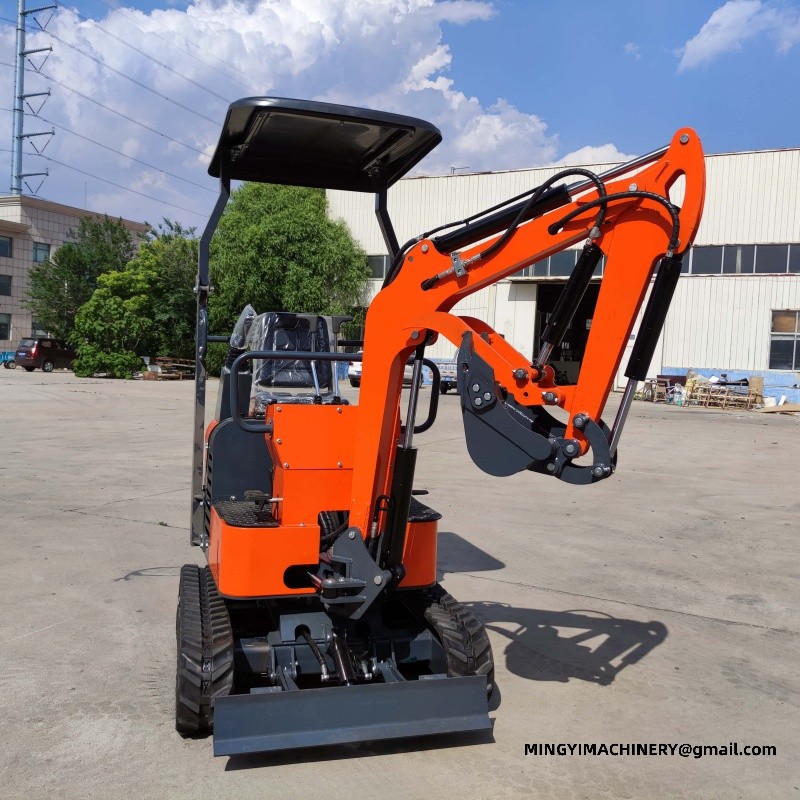
• Landscaping and site clearance with material handling
• Compact site work where a larger machine will not fit
Tell us the digging depth, material and attachment duty you need and we will specify the right machine in the 2 tonne class.
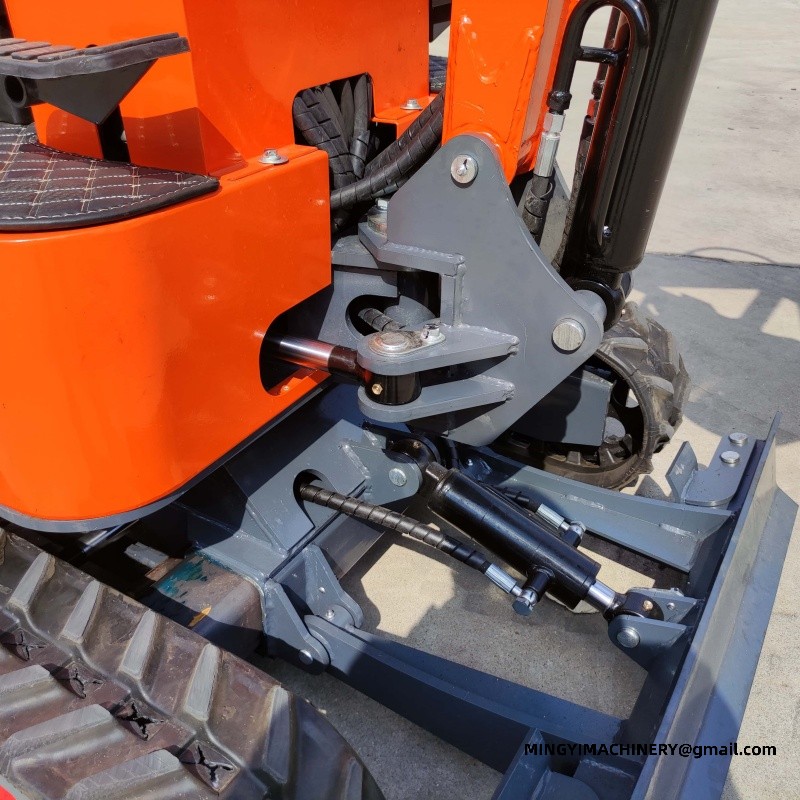
Trenching work with 2 ton mini excavator Service trenches are the most common reason this class of machine is hired. Water, sewage, cable and gas runs are narrow, shallow and often close to existing services, which is exactly the work a full-size machine cannot do safely. Trench quality depends on the bucket width and the operator, not on machine size. The unit in daily use with a narrow bucket and a swing boom cuts a clean run along a boundary without disturbing the ground either side of it. Working a 2 ton mini excavator in confined spaces Confined sites are decided by dimensions. Overall width, tail swing and the space needed to work the arm are what let a machine of this size operate inside a building, between walls or in a courtyard. Clearance above matters as much as around. Door heights, pipework and overhead services set the limit for the equipment on site indoors, and measuring them first avoids a machine that arrives and cannot be used. Getting 2 ton mini excavator through a narrow gap The first question on most job lists is whether the machine can reach the work at all. The machine itself is chosen against the narrowest point on the route - a garden gate, a doorway, a gap between two walls - because a machine that arrives and then cannot pass loses a day, not an hour. Access decides the machine before output does. With the model in question the limiting dimension is usually the widest point on the way in, so measuring the gate, the corridor and the turning space first saves a wasted delivery and a second visit. Daily checks and maintenance on 2 ton mini excavator Track tension is the item most often neglected. The machine in that duty run with slack tracks wears the undercarriage and can throw a track on a turn; run too tight, the same components wear from the other direction. Greasing is the second item. The slew ring, the boom and arm pins and the bucket linkage on the unit on the job take grease daily in dusty work, and the intervals shorten further when the machine is used in water or mud. Canopy or enclosed cab on a 2 ton mini excavator A canopy keeps the machine light and the operator aware of the surroundings, which suits short jobs in warm weather. A fully enclosed cab is specified where rain, dust or cold are part of the working year, and it can be added to a machine built for the work as a retrofit rather than only at build time. The cab decision follows the climate and the hours. Operators working a full shift in the equipment in service benefit from a sealed cab with wipers and heating; operators stepping on and off every few minutes usually prefer the canopy for the visibility and the quick exit. Hiring versus owning this class of machine Availability is part of the decision. Owning the unit in daily use means it is there on the day the ground is ready; hiring means competing for the same machine at the same time as everyone else in the season. Ownership brings obligations that hiring does not. Storage, servicing, insurance and an operator are the items to set against the hire rate before deciding which way a machine of this size should be supplied. Road and paving work for the equipment on site Road repair generates short, interrupted jobs - a patch, a drainage connection, a kerb line. The machine itself is economical here because it travels on a small trailer and starts working minutes after arriving. Breaking out a failed slab and backfilling the same hole in one visit is normal work for the model in question. The breaker and the bucket come off the same coupler, so the road is reopened the same day. Working near live services with the machine in that duty Digging near water, gas and cable is a precision job. The unit on the job is used here because the operator can work in short controlled cuts and because the machine can be positioned without driving over the run being exposed. The risk on utility work is not machine power but machine placement. A machine built for the work that fits the working width leaves the surrounding ground undisturbed, which keeps the trench stable and the reinstatement small. Attachments that turn the equipment in service into several machines The base machine is a carrier; the tool on the end of the arm decides the task. This class of machine fitted with a toothed bucket digs, and the same machine with a breaker, an auger or a grab does work that would otherwise need a second unit on site. Most of the daily variety on the unit in daily use comes from the attachment rack rather than from the machine itself. Bucket, breaker, auger, ripper, rake and grab cover the large majority of the work a contractor will see. Export packing and shipping of a machine of this size Machines leave the factory prepared for container or flat rack shipment. The equipment on site is normally shipped with the attachment set and the spare parts list agreed in advance so the container is planned once. Buyers who import regularly plan the spare parts with the machine. The machine itself ordered with a wearing-parts kit arrives ready to work rather than ready to wait for the first service interval. Working on slopes and uneven ground with the model in question Slope work is a stability question before it is a traction question. Knowing the gradient the machine in that duty is rated for, and working across rather than straight up where the ground allows, removes most of the risk. Planning the direction of travel helps. Working so that the unit on the job is stable under load and not required to turn on a slope is a decision made before the job starts, not a correction made during it. Acceptance checks when a machine built for the work arrives Delivery day is the best time to find a problem. Checking the specification against the order, the fluid levels, the fasteners and any transport damage while the class of machine is still on the trailer is faster than claiming later. A function check before the machine goes to work is worth the hour. Running through the controls, the travel and the attachment circuit on the equipment in service confirms it is set up as specified and ready for the site. Specification data for the unit in daily use The figures below are the factory figures for the models most often matched to a machine of this size. They are the numbers to check against the site: the depth the work needs, the reach from one position, and the width of the narrowest point on the route in. Figures are factory figures and are confirmed on the build sheet for the equipment on site. Where a job sits between two models, the larger machine usually takes less time than the smaller one spends on rework. Output on a compact machine comes from placement rather than power. An experienced operator keeps the machine itself working inside the swing arc, positions once and digs a full run instead of repositioning for every bucket. Stability is the third. The model in question working across the tracks rather than over the corners keeps the machine steady and the undercarriage loaded evenly, which shows up as track life at the end of the season.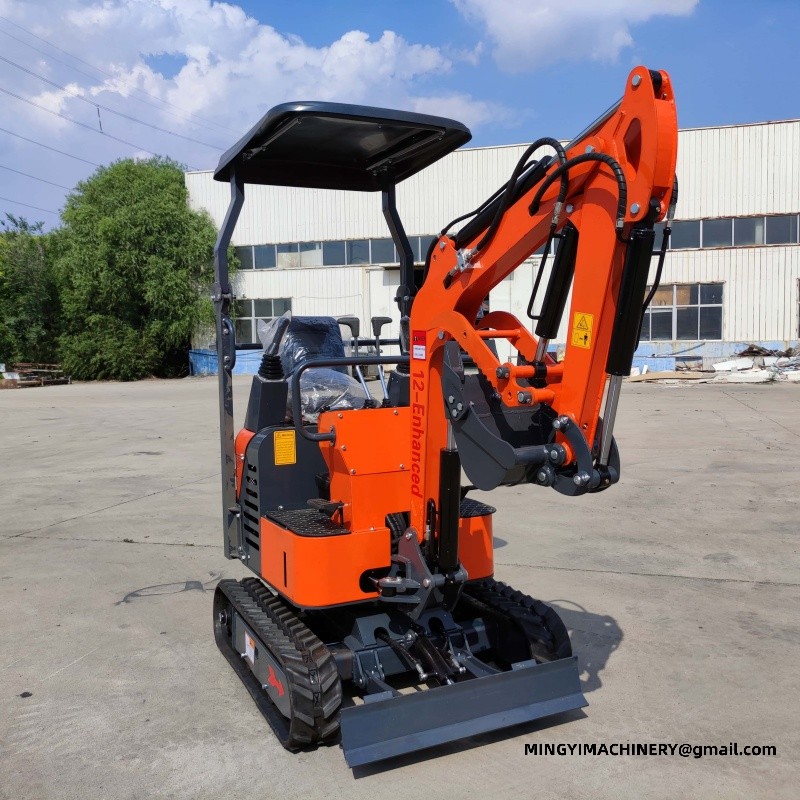
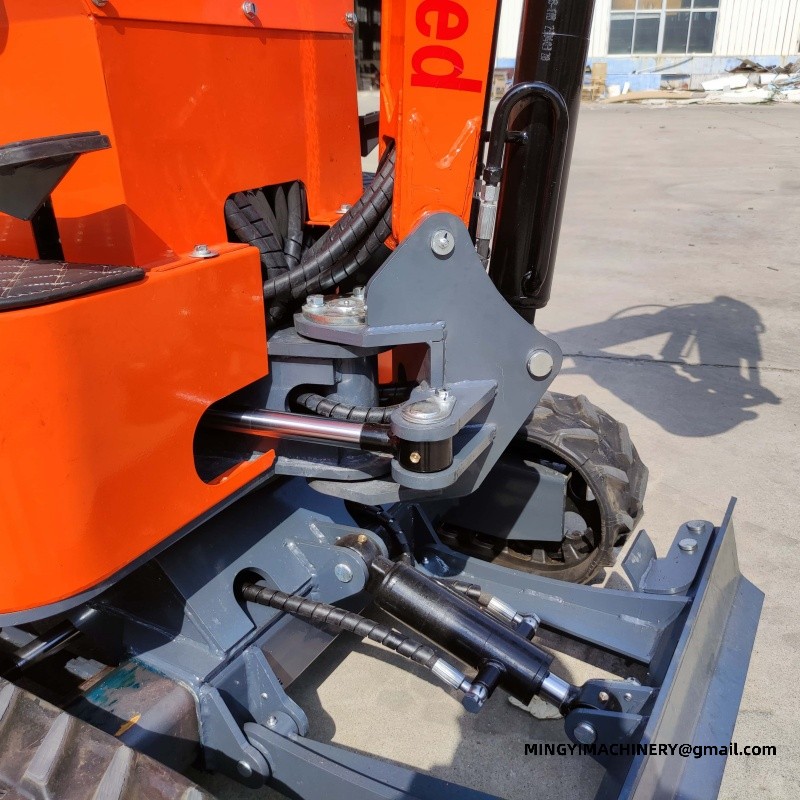
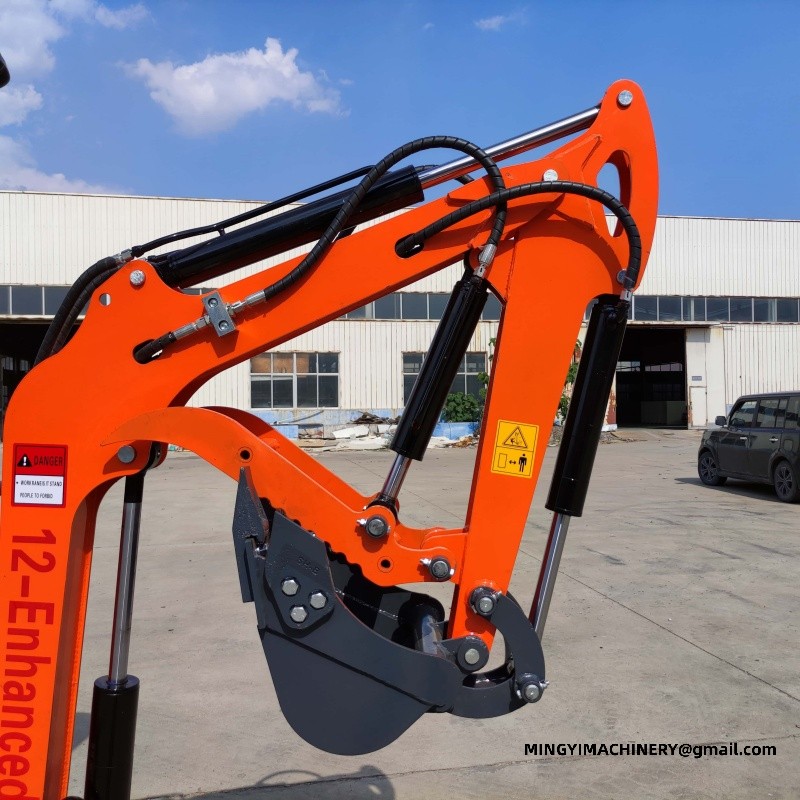
Reference specification — mini excavator range 09W 15W 09L 15L Operating weight 1100 kg (2425.08 lb) 1400 kg (3086.47 lb) 1100 kg (2425.08 lb) 1400 kg (3086.47 lb) Transport size (L×W×H) 1800 × 750 × 1970 mm 2200 × 930 × 2250 mm 2300 × 720 × 1870 mm 2200 × 930 × 2250 mm Max digging depth 1250 mm (49.21 in) 1630 mm (64.17 in) 1400 mm (55.12 in) 1700 mm (66.93 in) Max digging height 2800 mm (110.24 in) 2750 mm (108.27 in) 2800 mm (110.24 in) 2750 mm (108.27 in) Max dumping height 1700 mm (66.93 in) 1960 mm (77.17 in) 1880 mm (74.02 in) 1960 mm (77.17 in) Max digging radius 2570 mm (101.18 in) 2900 mm (114.17 in) 2490 mm (98.03 in) 2900 mm (114.17 in) Max digging distance 1869 mm (73.58 in) 2100 mm (82.68 in) 2000 mm (78.74 in) 2300 mm (90.55 in) Minimum turning radius 1000 mm (39.37 in) 1300 mm (51.18 in) 1400 mm (55.12 in) 1450 mm (57.09 in) Travel speed 3 km/h (1.86 mph) 3 km/h (1.86 mph) 3 km/h (1.86 mph) 3 km/h (1.86 mph) Gradeability 30° 30° 30° 30° Fuel consumption 1-1.3 L/h (0.264—0.343 gal) 1-1.3 L/h (0.264—0.343 gal) 1-1.3 L/h (0.264—0.343 gal) 1-1.3 L/h (0.264—0.343 gal) Fuel tank capacity 8 L (2.11 gal) 10 L (2.64 gal) 8 L (2.11 gal) 10 L (2.64 gal) Hydraulic oil tank 16 L (4.23 gal) 16 L (4.23 gal) 16 L (4.23 gal) 16 L (4.23 gal) Dozer blade lift height 180 mm (7.09 in) 180 mm (7.09 in) 180 mm (7.09 in) 180 mm (7.09 in) Dozer blade drop depth 210 mm (8.27 in) 210 mm (8.27 in) 210 mm (8.27 in) 210 mm (8.27 in)
Q. What is the machine in that duty used for?
A. Footings, drainage, small excavation and demolition support work where the machine has to reach further than a micro machine allows while still working in a confined position.
Q. Is a 2 ton machine still compact?
A. It stays within the compact class and can be transported on a trailer, but it needs more space to work than the smallest classes. The size is chosen against the access and the working positions, not against the machine's own footprint alone.
Q. What should I order with a 2 ton machine?
A. A bucket set, a quick coupler and a breaker if demolition or paving is part of the work, with the track type matched to the surface. Send the work list and MINGYI will confirm the specification.
Reading the early symptoms on the unit on the job
Temperature and pressure are the two things worth watching. A machine built for the work that runs hotter than it used to, or whose pressure has drifted, is reporting a problem that is still simple to fix.
Commissioning the equipment in service on site
Transport shakes things loose. A short check of this class of machine after the crate is opened, covering the same points the pre-delivery inspection covered, is the most useful insurance available on delivery day.
E-mail : sales@mingycn.com
LINE ( ID ): mingyicn
Related pages
2.5 ton mini excavator · 3 ton mini excavator · 1 to 3.5 tonne mini excavator · PRODUCTS









