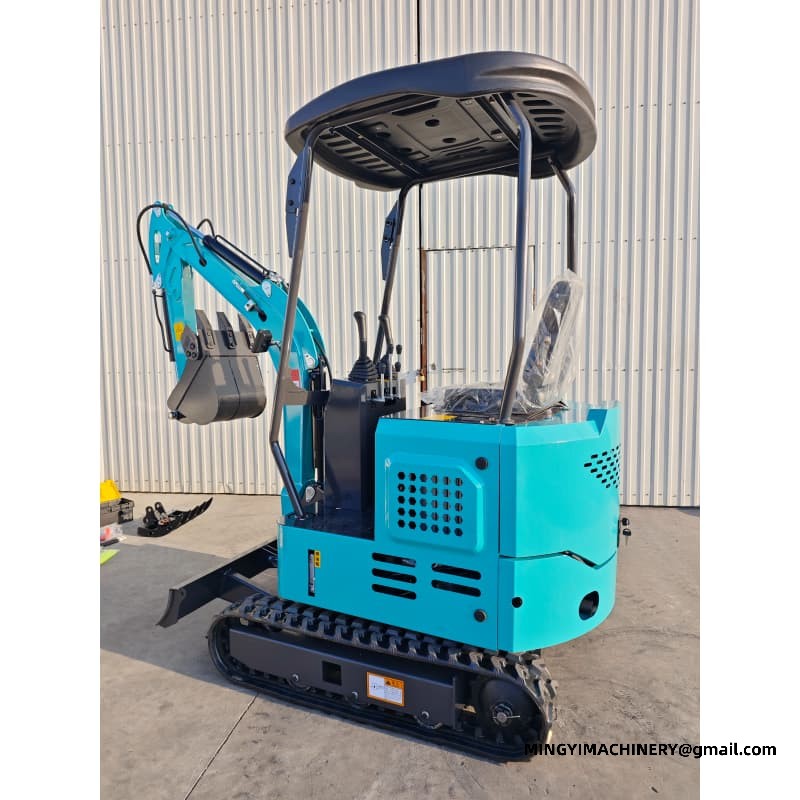
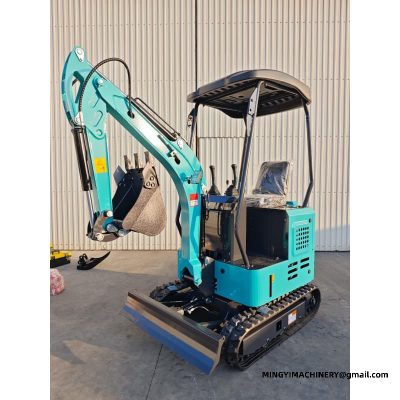
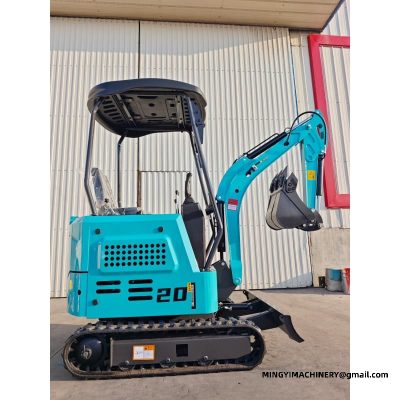
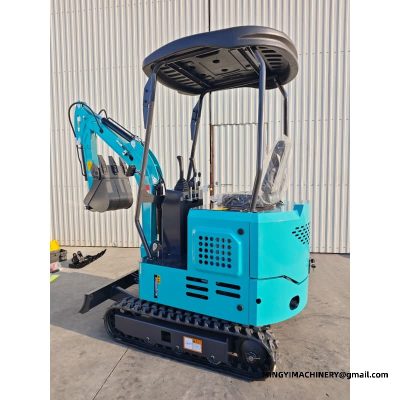
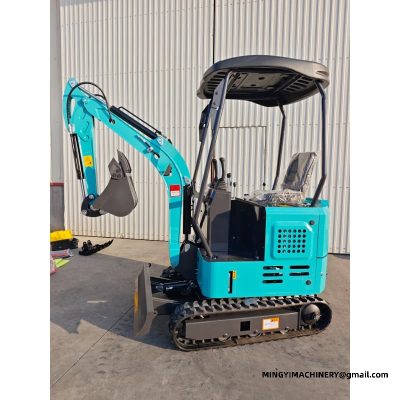
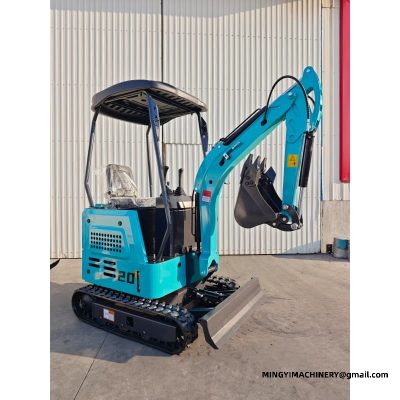
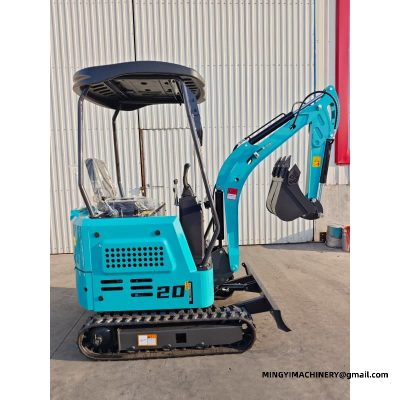
A machine bought for hire has to survive being handed to a different operator every week, so simplicity and a well known engine matter more than any single feature.
Compact crawler excavators suit rental work because one carrier covers many tasks once the right attachments are on the trailer.
Choosing a hire machine that suits many customers
Hire customers range from landscapers to farmers to small builders, and each expects to fit a different tool. A quick coupler and a broad attachment list keep one machine busy across all of them.
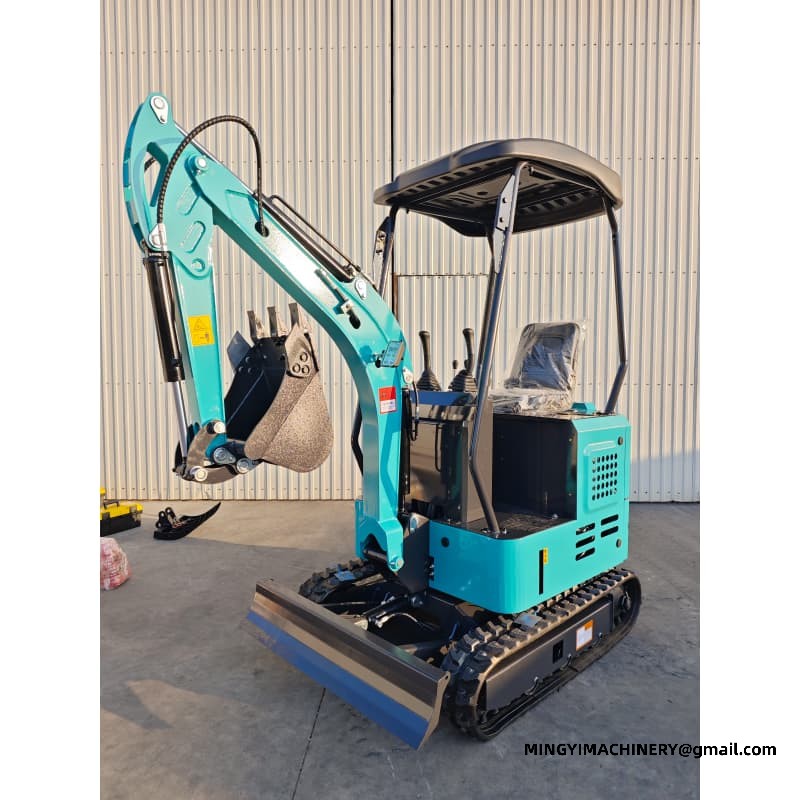
Track choice is a practical hire decision: rubber tracks suit domestic and landscaping customers, while steel tracks with rubber blocks are kept for demolition and rough ground.
Keeping a hire machine simple to run and service
A widely used engine makes routine servicing straightforward for a yard that maintains several machines, and standard consumables keep the unit productive between hires.
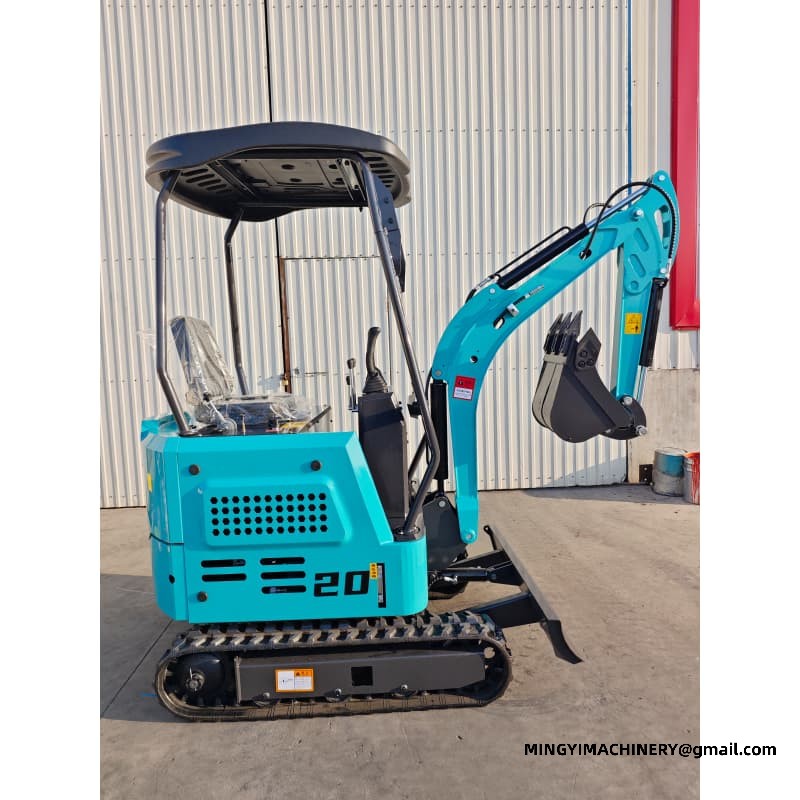
Canopy and enclosed cab versions are both available, so a fleet can be split between warm and cold regions without changing the rest of the specification.
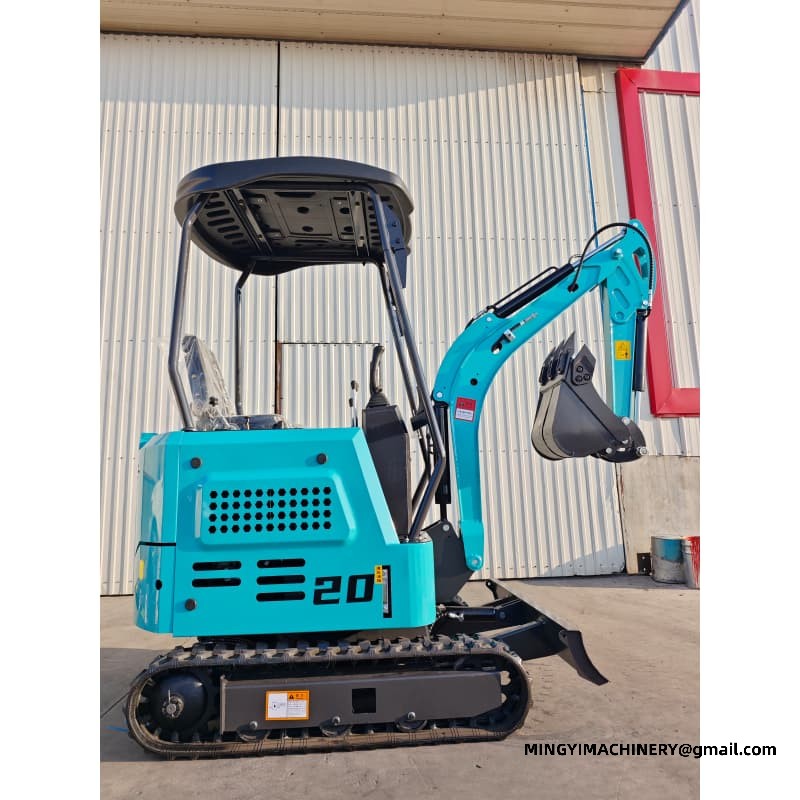
Fleet buyers usually order in a single specification so that spare parts, attachments and service information stay consistent across the whole hire fleet.
Working a mini excavator for rental fleets in confined spaces Clearance above matters as much as around. Door heights, pipework and overhead services set the limit for the excavator indoors, and measuring them first avoids a machine that arrives and cannot be used. Ventilation is the other indoor constraint. Running this class of machine inside a closed structure needs air movement, and that is a planning item rather than something to discover after the first hour. Boom configuration for mini excavator for rental fleets A swing boom lets the machine dig parallel to its tracks without repositioning, which is what makes trenching beside a wall or a fence practical. On the unit in daily use this is often the option that decides whether a job is possible at all. Extended and offset boom configurations change reach and working range. A machine of this size with a longer arm reaches further but lifts less at full extension, so the specification is set against the deepest and furthest point on the job list. Lifting and material handling with a mini excavator for rental fleets Lifting with a machine built to dig needs a plan. The load, the radius and the ground under the machine itself all matter, and the safe figure is the one on the chart rather than the one that looks possible. Ground condition under the machine is part of every lift. Soft or uneven support is the common factor in handling incidents, and checking it takes less time than recovering the equipment on site that has settled. Working near live services with mini excavator for rental fleets Digging near water, gas and cable is a precision job. The model in question is used here because the operator can work in short controlled cuts and because the machine can be positioned without driving over the run being exposed. The risk on utility work is not machine power but machine placement. The machine in that duty that fits the working width leaves the surrounding ground undisturbed, which keeps the trench stable and the reinstatement small. Track choice for mini excavator for rental fleets Rubber tracks suit paved and landscaped ground because they spread the machine weight and leave the surface intact. Steel tracks with rubber blocks are specified where the ground is rougher or the working day is longer, and the choice can be made per machine rather than accepted as a factory default. Track type changes what the machine can cross and what it leaves behind. Buyers specify rubber for lawns, driveways and municipal work, and steel with rubber blocks for sites where sharp material would cut a rubber belt in a week. Municipal and public works with mini excavator for rental fleets Municipal crews work on streets, footpaths and parks where the public is present. The unit on the job is specified because it occupies little space, works inside a small exclusion zone and can be moved on a standard trailer. Drainage repair, tree planting, footway reconstruction and cemetery work are all within the range of a machine built for the work. The jobs are small individually and continuous across the year. Daily checks and maintenance on the equipment in service Daily maintenance on the excavator is a short list: engine oil level, coolant, track tension, hydraulic oil level and a look at the hoses. Ten minutes at the start of the shift prevents most of the failures that stop a machine. Track tension is the item most often neglected. This class of machine run with slack tracks wears the undercarriage and can throw a track on a turn; run too tight, the same components wear from the other direction. Road and paving work for the unit in daily use Patching and reinstatement favour a machine that can work in a lane closure. A machine of this size occupies less road than a full-size excavator, which reduces the traffic management needed and the length of the closure. Breaking out a failed slab and backfilling the same hole in one visit is normal work for the equipment on site. The breaker and the bucket come off the same coupler, so the road is reopened the same day. Acceptance checks when the machine itself arrives Delivery day is the best time to find a problem. Checking the specification against the order, the fluid levels, the fasteners and any transport damage while the machine in that duty is still on the trailer is faster than claiming later. A function check before the machine goes to work is worth the hour. Running through the controls, the travel and the attachment circuit on the model in question confirms it is set up as specified and ready for the site. Orchard, vineyard and farm use of the unit on the job Ditching, fertilising and drainage on farmland suit a machine built for the work because the work is spread over a large area in short bursts. The machine travels behind a pickup and works where it stops. Farms also use the equipment in service for general maintenance - clearing a watercourse, repairing a track, loading a spreader. One carrier with a few attachments covers most of the jobs that would otherwise wait for a contractor. Canopy or enclosed cab on the excavator The cab decision follows the climate and the hours. Operators working a full shift in this class of machine benefit from a sealed cab with wipers and heating; operators stepping on and off every few minutes usually prefer the canopy for the visibility and the quick exit. Enclosure also changes noise and dust exposure. A sealed cab on the unit in daily use keeps dust out on dry sites and lets the machine work through weather that would otherwise stop a canopy machine for the day. Interior and light demolition with a machine of this size Interior demolition is an access and a weight question. The equipment on site that fits through a doorway and works on a suspended floor does jobs that would otherwise be done by hand or by a larger machine that cannot enter. Dust, debris clearance and floor loading all argue for a compact machine indoors. The machine itself spreads its weight over a wider track footprint than a wheeled machine of similar capacity. Running the model in question in a rental fleet The specification that rents best is usually the simplest one to explain at the counter. The machine in that duty with rubber tracks, a canopy and a coupler covers the majority of weekend and short-term hires. Fleet buyers also weigh transport. The unit on the job that a customer can tow on a normal licence and a standard trailer is a hire that does not need a delivery truck, which changes how often it goes out. Specification data for a machine built for the work The figures below are the factory figures for the models most often matched to the equipment in service. They are the numbers to check against the site: the depth the work needs, the reach from one position, and the width of the narrowest point on the route in. Every value shown is as built for the excavator; options such as cab, side swing or a telescopic undercarriage change the transport dimensions and are confirmed at order stage. Purchase decision is the visible part of the effort. Fuel, filters, tracks or tyres, the operator and the transport between sites are the items that decide what this class of machine actually demands over a few seasons, and they are worth listing before the order. Downtime is the hidden line item. The unit in daily use waiting on a part earns nothing while it stands, so parts availability and service access belong in the plan as much as fuel does.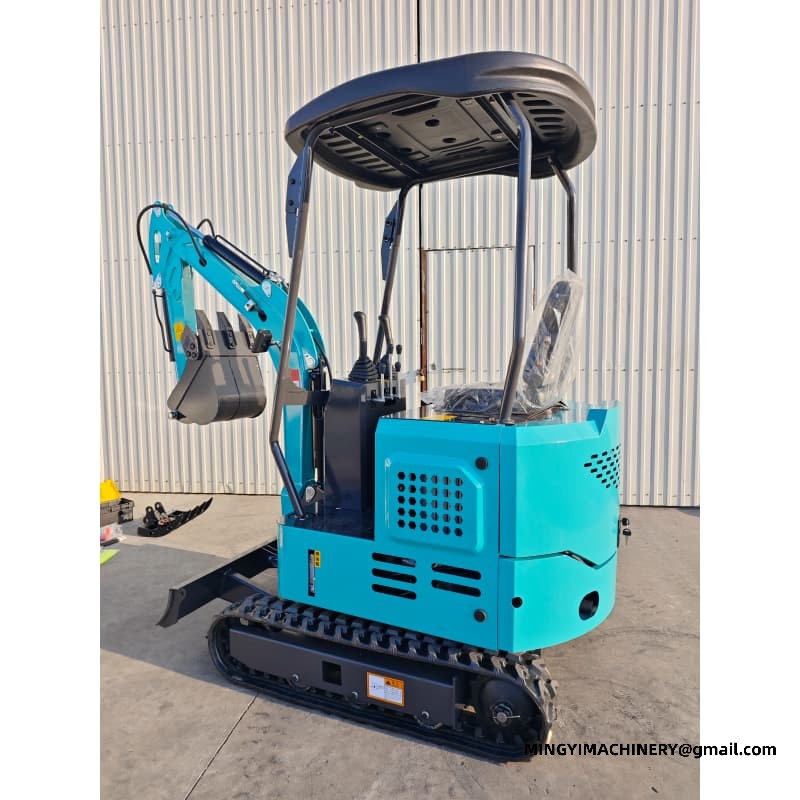
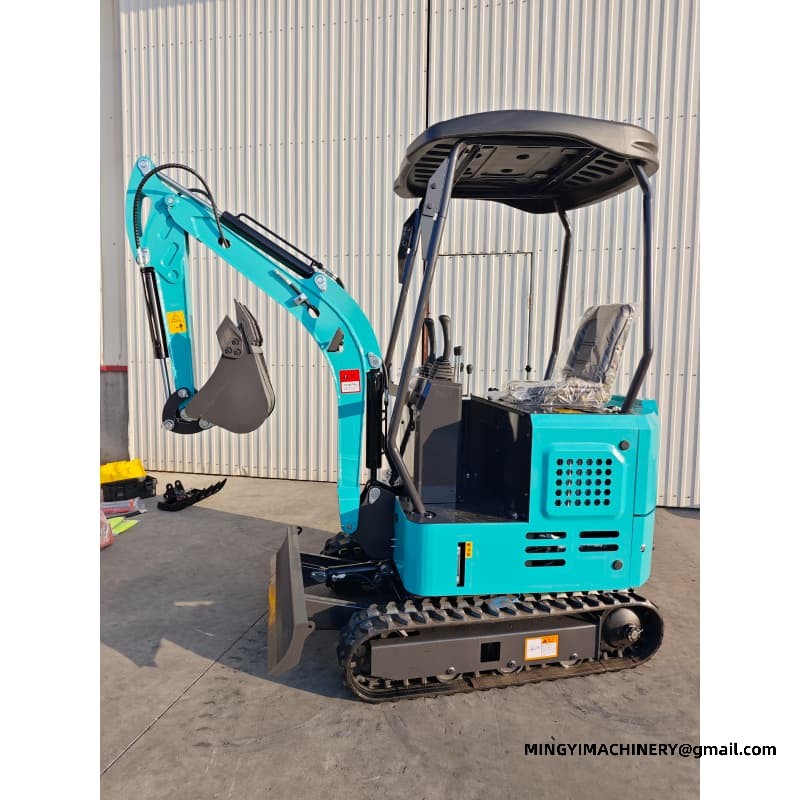
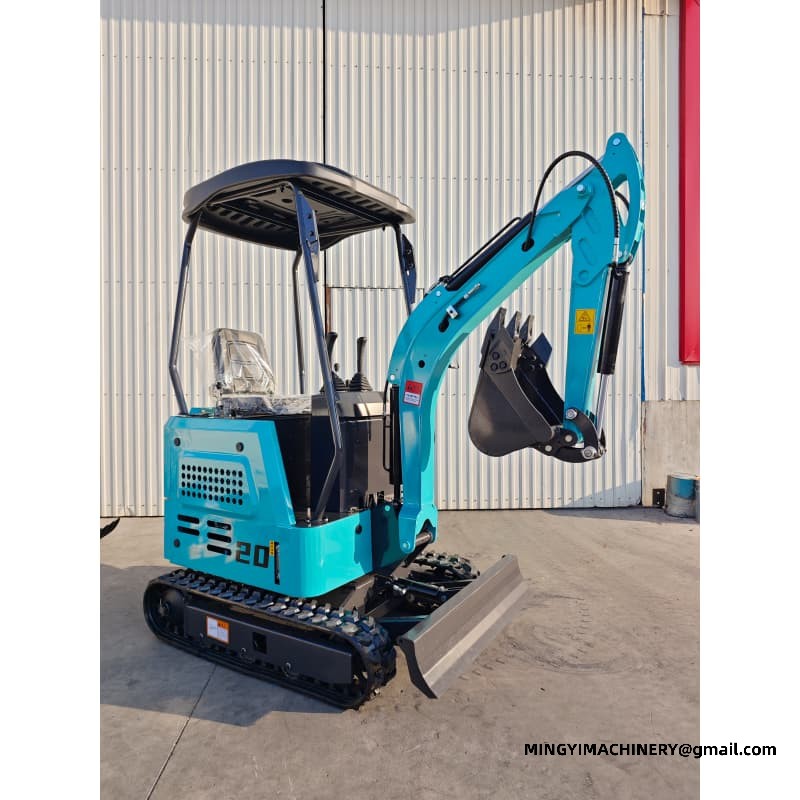
Reference specification — mini excavator range 12W 30-1W 12L 15L Operating weight 1200 kg (2645.55 lb) 2900 kg (6393.41 lb) 1200 kg (2645.55 lb) 1400 kg (3086.47 lb) Transport size (L×W×H) 2200 × 930 × 2250 mm 3000 × 1250 × 2780 mm 2200 × 930 × 2250 mm 2200 × 930 × 2250 mm Max digging depth 1630 mm (64.17 in) 2200 mm (86.61 in) 1700 mm (66.93 in) 1700 mm (66.93 in) Max digging height 2750 mm (108.27 in) 3400 mm (133.86 in) 2600 mm (102.36 in) 2750 mm (108.27 in) Max dumping height 1960 mm (77.17 in) 2400 mm (94.49 in) 1800 mm (70.87 in) 1960 mm (77.17 in) Max digging radius 2900 mm (114.17 in) 4000 mm (157.48 in) 2900 mm (114.17 in) 2900 mm (114.17 in) Max digging distance 2100 mm (82.68 in) 2800 mm (110.24 in) 2300 mm (90.55 in) 2300 mm (90.55 in) Minimum turning radius 1300 mm (51.18 in) 2000 mm (78.74 in) 1450 mm (57.09 in) 1450 mm (57.09 in) Travel speed 3 km/h (1.86 mph) 5 km/h (3.11 mph) 3 km/h (1.86 mph) 3 km/h (1.86 mph) Gradeability 30° 30° 30° 30° Fuel consumption 1-1.3 L/h (0.264—0.343 gal) 2-3 L/h (0.528—0.793 gal) 1-1.3 L/h (0.264—0.343 gal) 1-1.3 L/h (0.264—0.343 gal) Fuel tank capacity 10 L (2.64 gal) 16 L (4.23 gal) 10 L (2.64 gal) 10 L (2.64 gal) Hydraulic oil tank 16 L (4.23 gal) 20 L (5.28 gal) 16 L (4.23 gal) 16 L (4.23 gal) Dozer blade lift height 180 mm (7.09 in) 420 mm (16.54 in) 180 mm (7.09 in) 180 mm (7.09 in) Dozer blade drop depth 210 mm (8.27 in) 210 mm (8.27 in) 210 mm (8.27 in) 210 mm (8.27 in)
Q. Who uses the machine of this size?
A. Rental machines live hard lives: a new operator every week, varied sites and no tolerance for downtime between hires. Fleet buyers order to a specification the counter staff can hand over without a briefing. Read the equipment on site together with the engine, track and attachment pages: jobs around rental fleets are decided by how those choices line up, not by any single number on the sheet.
Q. Do hire machines need a different specification?
A. Usually a tougher one: steel tracks or heavy-duty rubber, canopy or cab by climate, and the coupler every attachment in the yard fits. The build sheet for a fleet orders those details up front.
Q. Can I see the machine before it ships?
A. Inspection is arranged at the factory, in person or by a scheduled video walk-around - the same session covers paint, decals and attachment fitment for the rental fleets specification, so the machine inspected is the machine that ships.
Fuel, oil and fluid quality for the machine itself
The specification for oil is written for a reason. Using the grade and the change interval set for the model in question keeps the engine and the hydraulic system inside the range they were designed for.
Hot, humid and dusty conditions around the machine in that duty
Tropical operation is a specification question as much as a maintenance one. The cooling capacity, the sealing and the corrosion protection fitted to the unit on the job are what make the difference once the ambient temperature rises.
E-mail : sales@mingycn.com
LINE ( ID ): mingyicn
Related pages
small digger for demolition · compact excavator for indoor work · Compact Wheel Loader: Small-Frame Builds for Tight Sites · Mini Excavators









