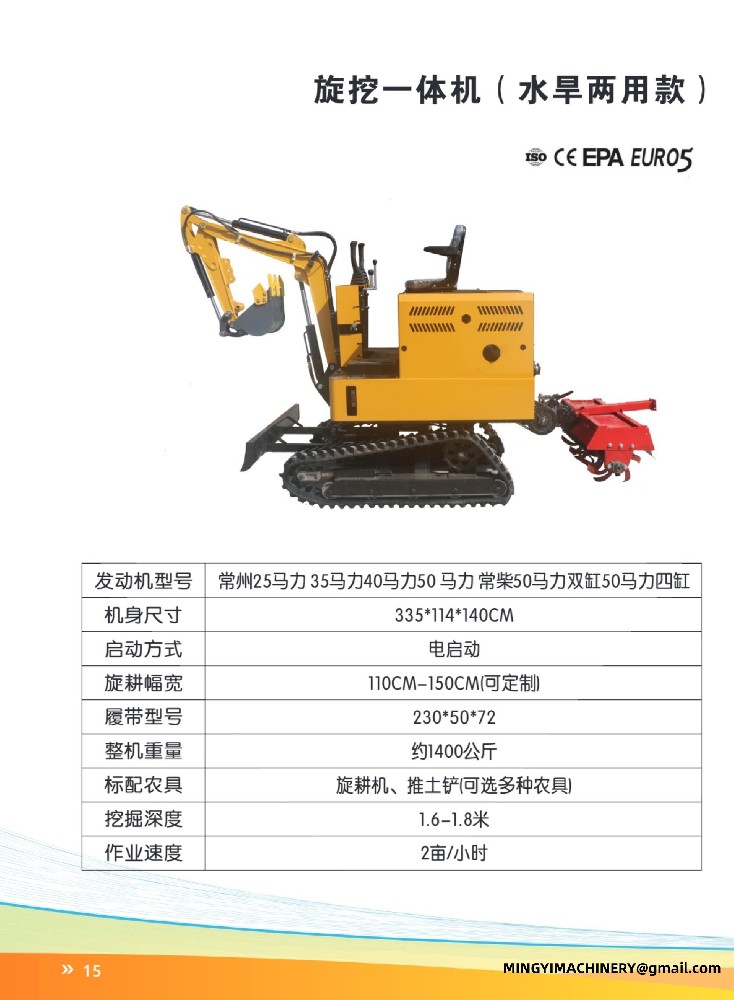
On soft, wet or sloping ground, wheels give up before the work does. A crawler tractor carries its traction on tracks, keeping its pulling and carrying ability where a wheeled machine would spin or slide.
MINGYI supplies crawler tractors built to order, configured for the traction work the buyer runs and the implements that will be mounted. Engine options within the range include Youpu 195, Changchai and Runtong units, chosen to suit the parts network at the destination.
Soft ground decides the undercarriage, and the engine follows the service network available.
| Checkpoint | What to settle for this machine |
|---|---|
| Carrier machine | MINGYI crawler tractors, built to order and configured for the traction work and the implements used |
| Work it takes on | Traction and implement work on ground where wheels give up before the work does |
| Ground and material | Soft, wet or sloping ground |
| Mounting and hydraulics | Track choice follows the ground, with implements matched to the machine |
| Confirmed at order stage | Configuration settled for the traction work and for the implements that will be mounted |
| Handover and upkeep | Documents handed over with the keys, and attachment decisions made before delivery |
Traction work on soft and sloping ground
Typical duty includes mowing and vegetation work on banks and ditch sides, tilling with a rotary tiller on fields too soft for wheels, raking grass and debris, and pulling loads across ground that would bog a wheeled tractor. The tracks spread the load, and grip keeps working through the wet patches.
Slope work is where the format earns its place: the low stance and track grip let the machine work across gradients where wheels would be unsafe. The same stability applies to mowing and tillage passes in orchard and vineyard alleys.
Implements and configuration for a crawler tractor
The implement range includes a rotary tiller for soil preparation, mower for grass and rough growth, grass rake for clearance, and soil loosener for opening compacted ground, with mountings specified at order.
Track choice follows the ground, as with the digger range, and the engine is selected for the service support available where the machine will live. The specification is recorded against the machine for later implement and parts orders.
Where the ground is soft or the slope is real, tracks are the answer. MINGYI builds crawler tractors to the traction work each buyer describes, so the machine that arrives keeps moving when the wheels around it have stopped.
Attachments and working tools for crawler tractor for soft ground Attachment decisions are best made before delivery. Specifying hydraulics and couplers at build time is simpler than adding them later, and it avoids the downtime of a workshop visit in the first month. Most owners find that the second attachment changes how often the machine is used. The excavator that was bought for one task often becomes the general machine on site once a second tool is available. Ordering, lead time and delivery of crawler tractor for soft ground Lead time is part of the specification. Confirming build time, shipping method and what is included before ordering this class of machine prevents the common gap between when the machine is needed and when it can arrive. Delivery planning includes the receiving end. Knowing whether the unit in daily use will be craned, driven or forked off, and whether the site can accept it, is settled before dispatch rather than on the day. Handover and documentation for crawler tractor for soft ground Handover should include the documents as well as the keys. Parts list, service schedule and the operator notes for a machine of this size are what the workshop needs in month six, and they are much harder to obtain later. Keeping the manuals where they can be reached matters. The equipment on site whose documents stay with the machine gets serviced on schedule; one whose paperwork was filed elsewhere tends to run on memory instead. Daily checks and maintenance on crawler tractor for soft ground Most failures start as something small that a walk-around would have caught. Fluid levels, belt tension, tyre or track condition and any fresh leak are the items worth two minutes at the start of each shift on the machine itself. Service intervals exist because wear is predictable. Following the maker schedule on the model in question takes far less time than repairing the damage that follows a missed oil change or a filter left in place past its life. Matching crawler tractor for soft ground to ground conditions The working surface should be surveyed before the unit on the job is specified. A machine that is stable on compacted gravel can be unusable on the same site after rain, and the difference shows up as lost days rather than as a fault. Traction and flotation are two separate questions. The machine in that duty may have the power for a slope and still not have the grip, so the surface, not the engine rating, is usually what limits the working day. Upgrading and reconfiguring crawler tractor for soft ground Reconfiguration can extend the useful life of a machine. A machine built for the work that no longer suits the current work may suit it again with a different attachment, guarding or control arrangement. The decision is economic as well as technical. Comparing the work of reconfiguring the equipment in service against a different machine is a short calculation that usually gives a clear answer. Wear items and life of the excavator Wear rate follows conditions far more than hours. This class of machine working on abrasive ground or in mud will consume undercarriage or tyre life much faster than the same machine on clean ground. Replacing wear items early is usually simpler. Worn components on the unit in daily use load the parts they run against, so a worn part left too long often becomes a major repair. Transporting a machine of this size to and between sites Moving the machine is part of owning it. Overall length, width and height decide which trailer or container the equipment on site fits, and a machine that needs a permit or an abnormal load escort is a machine with a delivery delay built in. Shipping dimensions matter as much on export orders as they do locally. Confirming the packed size of the machine itself before booking avoids re-booking freight after the machine is built. Export packing and shipping of the model in question Export orders add steps that domestic buyers never see. Packed dimensions, securing points, documentation and any dismantling required are all settled before the machine in that duty leaves the factory, and each one affects the freight booking. Container loading is a planning exercise. Confirming how the unit on the job is packed and how many units fit a container is what turns a per-unit freight estimate into a delivered figure the buyer can actually plan against. Safe working practice around a machine built for the work Slopes and edges deserve a separate check. The equipment in service that is stable on level ground behaves differently across a gradient, and the safe working angle is a number worth knowing rather than estimating. Personal protective equipment and a stop rule are simple controls. Agreeing before work starts that anyone can stop the job is the single measure that most often prevents a serious incident near the excavator. Running this class of machine in a mixed fleet Utilisation matters more than the purchase decision over a few years. The unit in daily use that sits idle ties up the same yard space standing still as one that earns, so the buying decision should follow the hours the machine will realistically work. Standardising where possible simplifies everything downstream. When several units of a machine of this size share a service schedule and a parts list, the fleet becomes easier to plan and easier to sell on at replacement time. Parts, service and support for the equipment on site Parts availability usually decides the engine and the brand. A machine built around components the local network already carries is serviced from stock, which is the difference between a day lost and a week lost. Remote diagnosis shortens most faults. A walk-around on video with the panels open often identifies the cause on the machine itself without waiting for a visit, and avoids shipping a part that turns out not to be needed. Dust, mud and abrasive conditions around the model in question Cleaning is maintenance, not appearance. Washing the cooling surfaces and clearing packed material from the machine in that duty keeps temperatures where they should be and makes the next inspection quicker and more useful. Sealed points and guarded areas deserve a look in these conditions. The unit on the job working in abrasive dust benefits from checked boots, intact guards and clean breathers, all of which are quick to verify. Specifying a machine built for the work against the job list Buyers who specify the excavator on paper before enquiring get specifications that can be compared. Without that list, two suppliers will propose two different machines and the simpler one is usually the smaller one, not the better value. A written duty list is the simplest part of the purchase. It takes an hour to note the material, the distance, the gradient and the hours per week, and it is what turns the equipment in service enquiry into a machine that fits.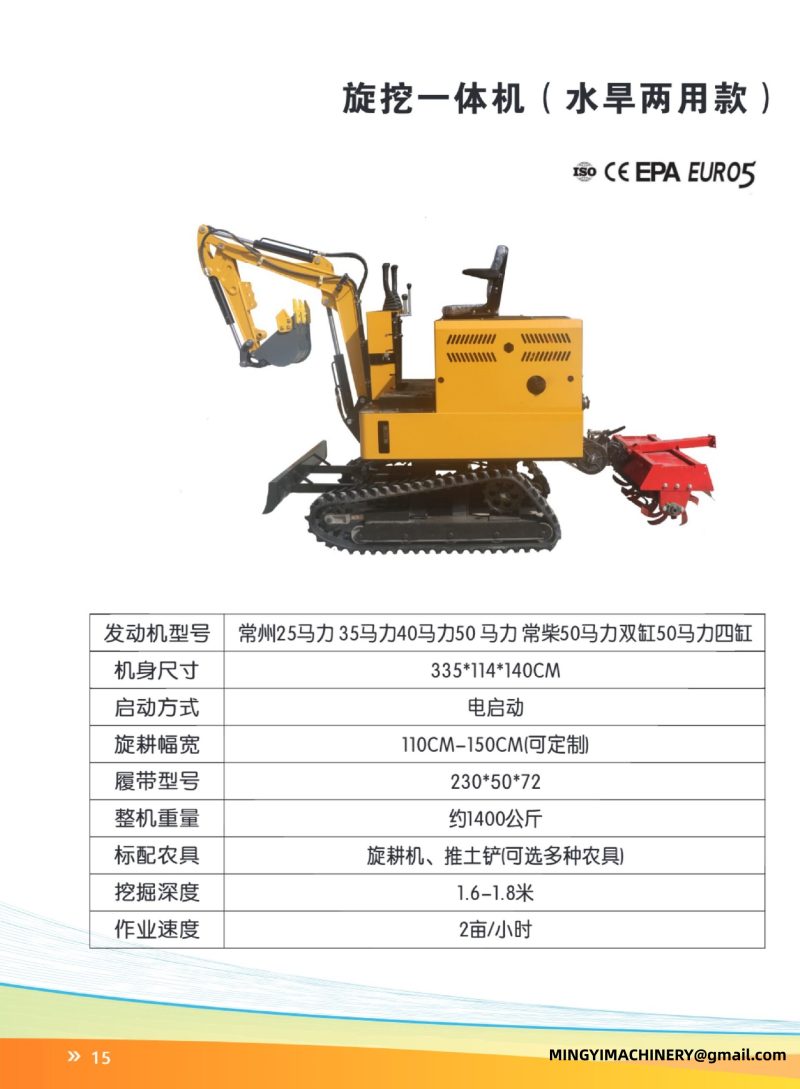
Q. What is this class of machine?
A. On difficult ground the undercarriage does the earning - spreading the load, holding the slope and keeping the slew steady while the bucket digs. The rule on difficult ground is simple: the ground decides the track, not the other way round. Read the unit in daily use together with the engine, track and attachment pages: jobs around soft ground are decided by how those choices line up, not by any single number on the sheet.
Q. How do you work on wet or soft ground?
A. Widen the shoes or run longer tracks to spread the load, keep the slew slow and work from mats when the ground is truly wet. The ground decides the track, not the other way round.
Q. Can I see the machine before it ships?
A. Inspection is arranged at the factory, in person or by a scheduled video walk-around - the same session covers paint, decals and attachment fitment for the soft ground specification, so the machine inspected is the machine that ships.
A second operator for a machine of this size
Training is simpler than repair. An hour spent with a new operator on the equipment on site, covering the limits and the awkward cases, is the least lengthy hour in the whole ownership.
Reading the early symptoms on the machine itself
Temperature and pressure are the two things worth watching. The model in question that runs hotter than it used to, or whose pressure has drifted, is reporting a problem that is still simple to fix.
Moving the machine in that duty between sites
Travel time is not working time, and it should be planned as its own item. The hours spent moving the unit on the job between jobs are hours not worked, and a trailer that matches the machine reduces them every single trip.
Storage and long idle periods for a machine built for the work
Standing still is harder on a machine than working. Preparing the equipment in service for a long idle period means clean fluids, a charged battery and protection for the exposed surfaces, because neglect is not the same as rest.
Wear items and spares worth holding for the excavator
A spares list should follow the duty cycle. This class of machine working every day in abrasive dust consumes filters and cutting edges far faster than the same machine used once a week, and the shelf should be stocked for the harder case.
Hot, humid and dusty conditions around the unit in daily use
Tropical operation is a specification question as much as a maintenance one. The cooling capacity, the sealing and the corrosion protection fitted to a machine of this size are what make the difference once the ambient temperature rises.
E-mail : sales@mingycn.com
LINE ( ID ): mingyicn
Wear limits and replacement points on crawler tractor for soft ground
Every wearing part has a measurable point where it should come off rather than be watched, and that point is published by the manufacturer.
Measuring at the same place each time turns a guess into a trend, and a trend is what tells a workshop when to order.
Uneven wear usually points at alignment, pressure or a driving habit rather than at the part itself.
Lifting, tie-down and transport securing of crawler tractor for soft ground
Tie-down chains go to the designated lashing points and are tensioned after the first hour of travel, then again after the first long stop.
Related pages
flail mower mini excavator · ripper and frost tooth mini excavator · Wheel Loader Manufacturer: What the Factory Should Publish · Mini Excavators









