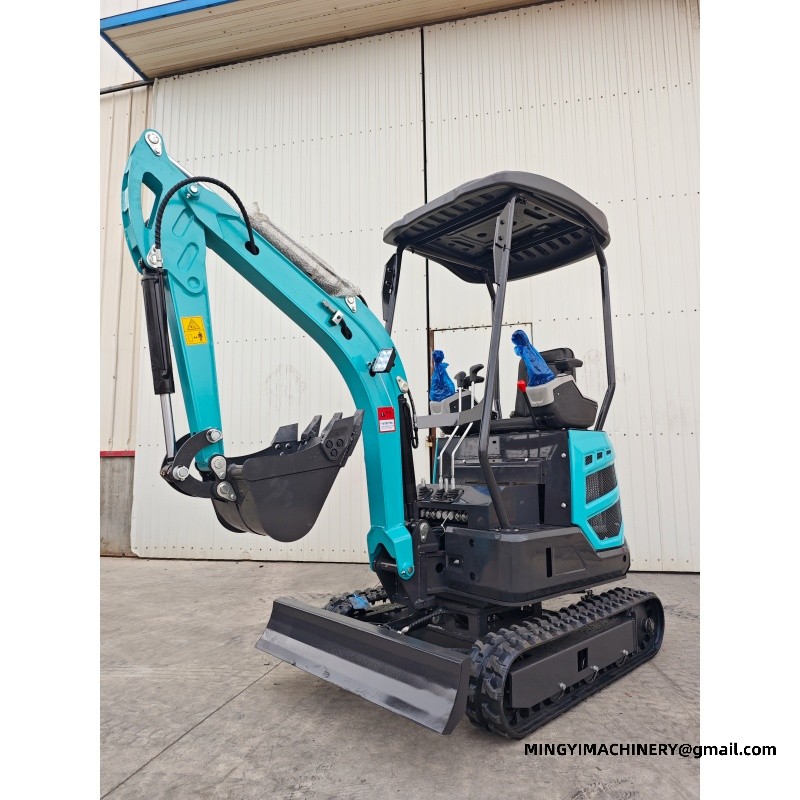
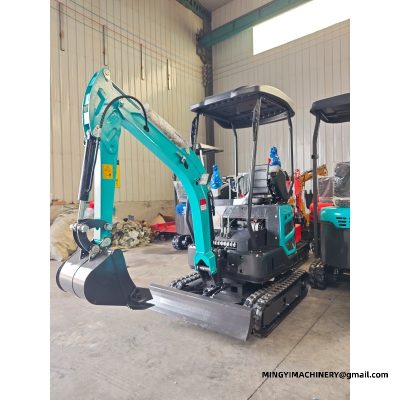
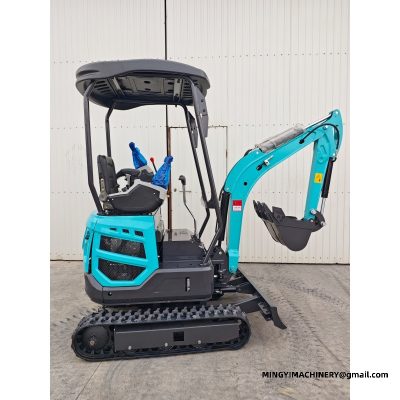
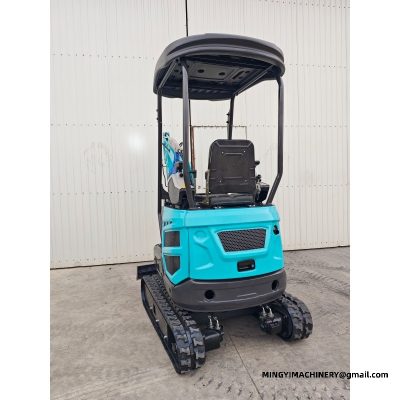
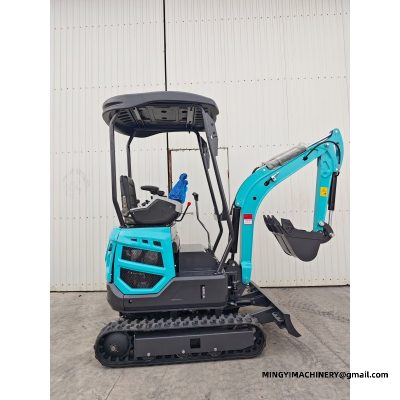
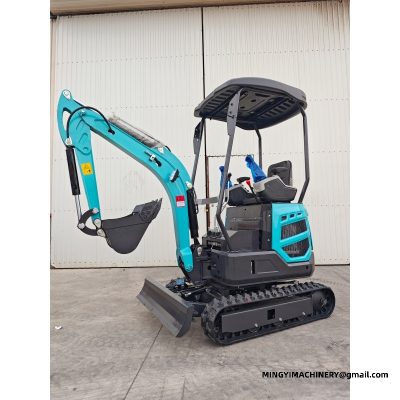
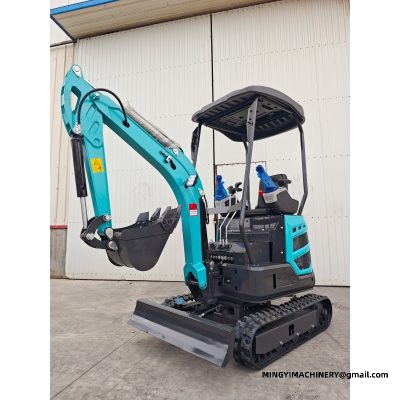
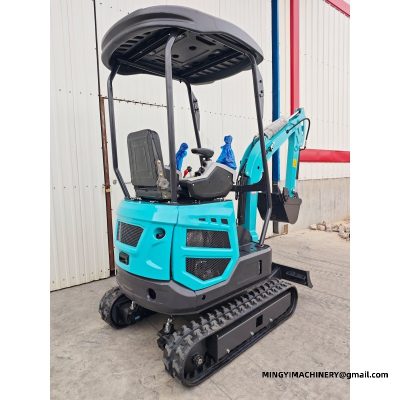
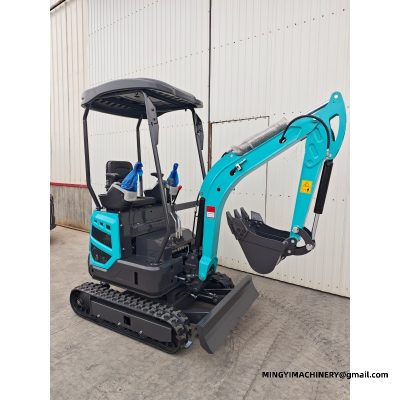
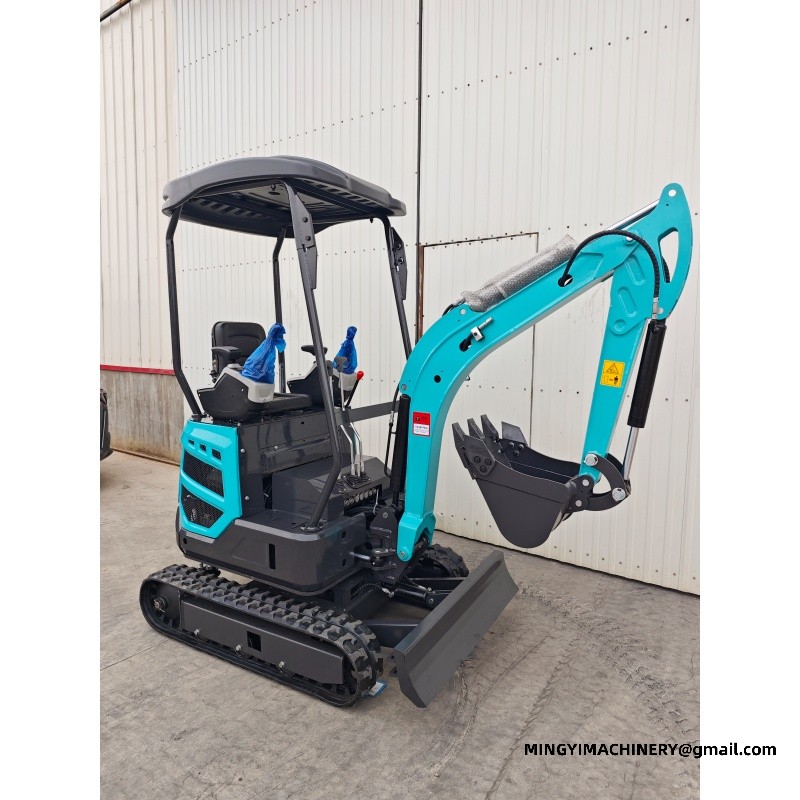
Pair it with a heavy-duty single-tooth ripper to easily break through frozen ground, tough clay, shale, and stubborn asphalt before standard digging begins.
Hard ground, compacted layers and frozen surfaces resist a standard bucket, because the cutting edge cannot get a bite. A ripper or frost tooth opens the ground first, after which a bucket can work it normally.
MINGYI builds compact excavators to order for this kind of work. The ripper, the tooth and the bucket widths are matched to the carrier and recorded against the machine.
Ripping hard and frozen ground
A ripper concentrates the machine's force into a few narrow points. That lets it break a hard or frozen layer that a wide bucket would only slide across, and it also loosens ground ahead of a trenching pass.
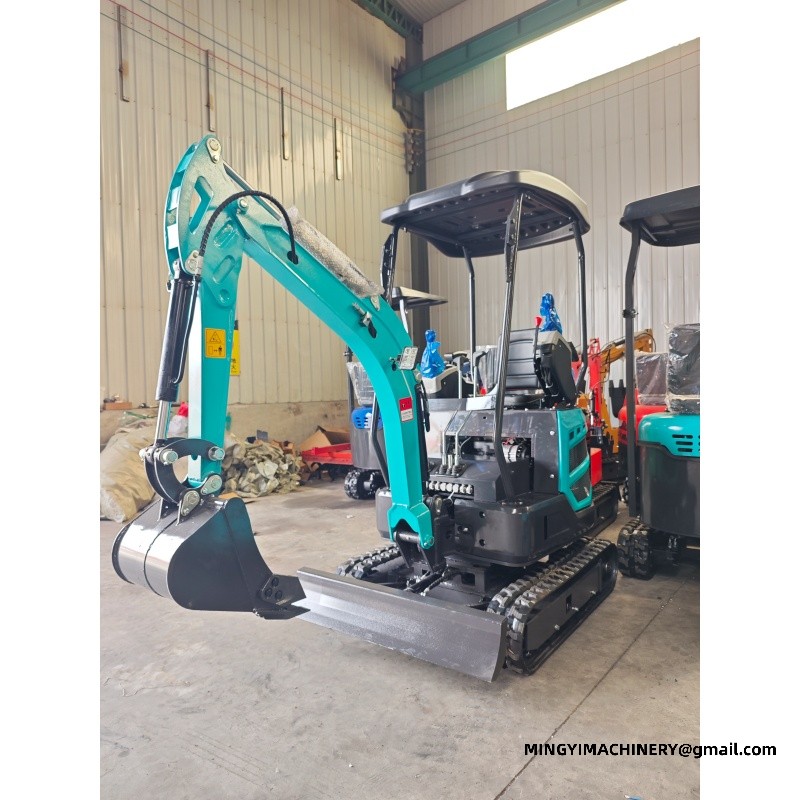
The work is slow and deliberate. Taking the pass at the right depth and spacing matters more than speed, because the aim is to fracture the layer rather than to move material.
Frost teeth and grubbing on site clearance
On site clearance the ripper and the frost tooth are the first tools on the ground. They break the surface, lift buried roots and stones, and leave material that a bucket can then load without jarring the machine.
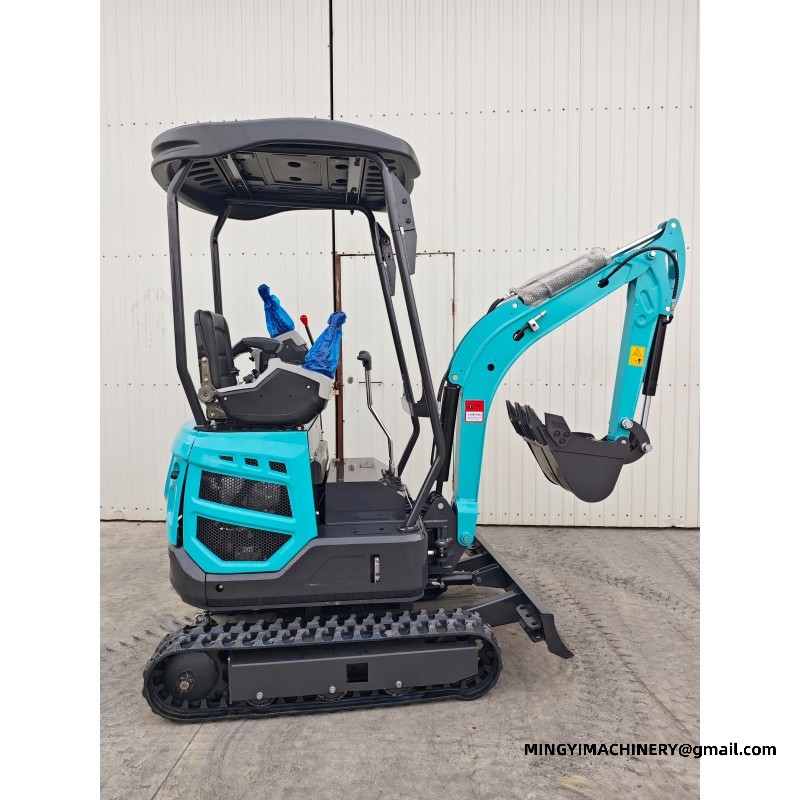
Because these tools put high loads through the linkage, the machine is specified with the duty in mind. Undercarriage, counterweight and the attachment set are agreed together so the carrier can take the work.
Hard and frozen ground is a problem of penetration before it is a problem of capacity. A compact excavator ordered with a ripper and the right bucket set works this ground without straining the machine or the operator.
Parts, service and support for ripper and frost tooth mini excavator Engine parts availability usually drives the engine choice. The excavator built with an engine the local network already carries is serviced from stock rather than from an international order. Remote support is handled by video. This class of machine fault can often be diagnosed on a walk-around call with the panel open, which is faster than waiting for a visit and avoids shipping a part that is not needed. Export packing and shipping of ripper and frost tooth mini excavator Machines leave the factory prepared for container or flat rack shipment. The unit in daily use is normally shipped with the attachment set and the spare parts list agreed in advance so the container is planned once. Buyers who import regularly plan the spare parts with the machine. A machine of this size ordered with a wearing-parts kit arrives ready to work rather than ready to wait for the first service interval. Hydraulic circuits on a ripper and frost tooth mini excavator Flow and pressure are matched to the tool, not to the machine size. Asking for the attachment list first means the equipment on site leaves the factory with circuits that suit the heaviest tool the buyer intends to run. Hydraulic specification is easier to settle at build time than to correct later. The machine itself delivered without auxiliary lines can still dig, but every additional tool becomes a retrofit project. Orchard, vineyard and farm use of ripper and frost tooth mini excavator Ditching, fertilising and drainage on farmland suit the model in question because the work is spread over a large area in short bursts. The machine travels behind a pickup and works where it stops. Farms also use the machine in that duty for general maintenance - clearing a watercourse, repairing a track, loading a spreader. One carrier with a few attachments covers most of the jobs that would otherwise wait for a contractor. Attachments that turn ripper and frost tooth mini excavator into several machines Attachment lists are best written before delivery. Specifying the unit on the job with the tools the job list needs avoids the work and delay of adding hydraulics later, and a quick coupler makes the swap a few minutes instead of a workshop job. Most of the daily variety on a machine built for the work comes from the attachment rack rather than from the machine itself. Bucket, breaker, auger, ripper, rake and grab cover the large majority of the work a contractor will see. Engine options behind ripper and frost tooth mini excavator Power unit selection is settled against the service network the buyer already uses. MINGYI offers Kubota D722, Kubota D902, YANMAR, Changchai, Laidong, Runtong, YARMAX, Youpu 2V80 and Youpu 195, so a fleet running one brand of engine can keep the same filters, the same parts supplier and the same mechanic. Two buyers can order the same the equipment in service and receive different engines. The decision is rarely about peak power; it is about which parts counter is closest to the site and which engine the local mechanic already knows. Noise, dust and working near occupied buildings Work near housing or occupied premises brings constraints that open sites do not. Start times, exhaust condition and how often the excavator needs to reverse are the practical limits that neighbours notice. Enclosure and machine condition both reduce noise. This class of machine with intact panels, sound mounts and a maintained exhaust is measurably quieter than the same machine with loose guards, and the difference matters on restricted sites. Road and paving work for the unit in daily use Patching and reinstatement favour a machine that can work in a lane closure. A machine of this size occupies less road than a full-size excavator, which reduces the traffic management needed and the length of the closure. Breaking out a failed slab and backfilling the same hole in one visit is normal work for the equipment on site. The breaker and the bucket come off the same coupler, so the road is reopened the same day. Quick coupler practice on the machine itself Couplers are specified early because they affect the arm and the hydraulic kit. Adding one to the model in question after delivery means new pins, new hoses and a fitment session; adding it at build time is a line on the sheet. For a fleet that shares attachments between machines, a common coupler standard matters more than the coupler brand. The machine in that duty that picks up the same tools as the larger machines keeps the rack usable across the yard. Interior and light demolition with the unit on the job Interior demolition is an access and a weight question. A machine built for the work that fits through a doorway and works on a suspended floor does jobs that would otherwise be done by hand or by a larger machine that cannot enter. Breaking out a floor slab, a wall footing or a concrete step is routine work for the equipment in service with a breaker. The machine is small enough to work inside and heavy enough to run the tool at a practical rate. Boom configuration for the excavator A swing boom lets the machine dig parallel to its tracks without repositioning, which is what makes trenching beside a wall or a fence practical. On this class of machine this is often the option that decides whether a job is possible at all. Extended and offset boom configurations change reach and working range. The unit in daily use with a longer arm reaches further but lifts less at full extension, so the specification is set against the deepest and furthest point on the job list. Specification data for a machine of this size The figures below are the factory figures for the models most often matched to the equipment on site. They are the numbers to check against the site: the depth the work needs, the reach from one position, and the width of the narrowest point on the route in. Figures are factory figures and are confirmed on the build sheet for the machine itself. Where a job sits between two models, the larger machine usually takes less time than the smaller one spends on rework. The practical way to specify is to write the job list first: the narrowest access, the deepest trench, the heaviest tool and the surfaces the machine must cross. The model in question is then matched to those four numbers. Buyers who skip this step either over-buy or under-buy. The machine in that duty specified only from machine size tends to arrive without the coupler, the circuits or the track type the work actually needs.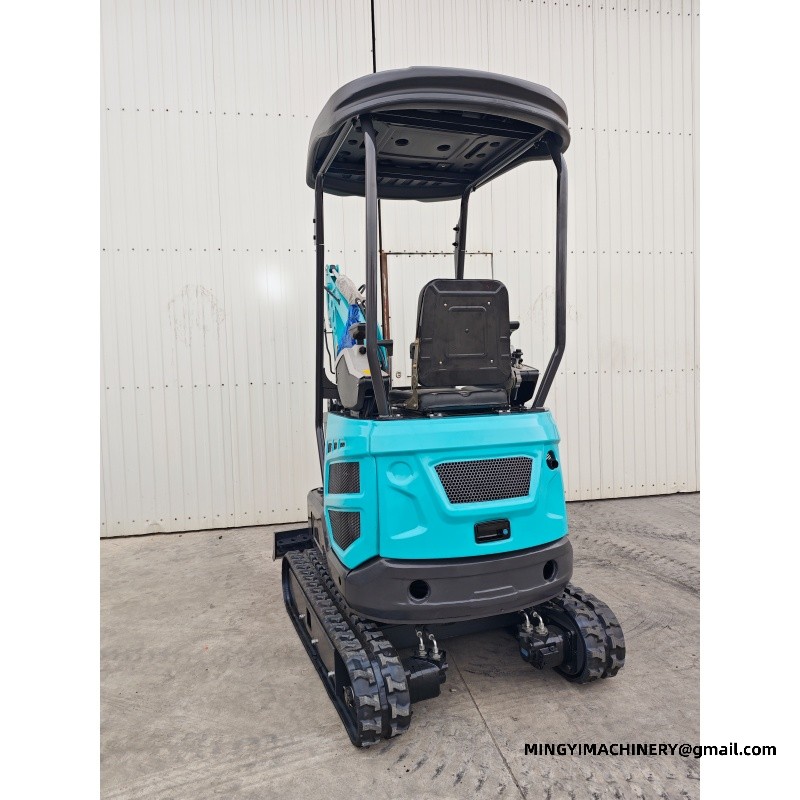
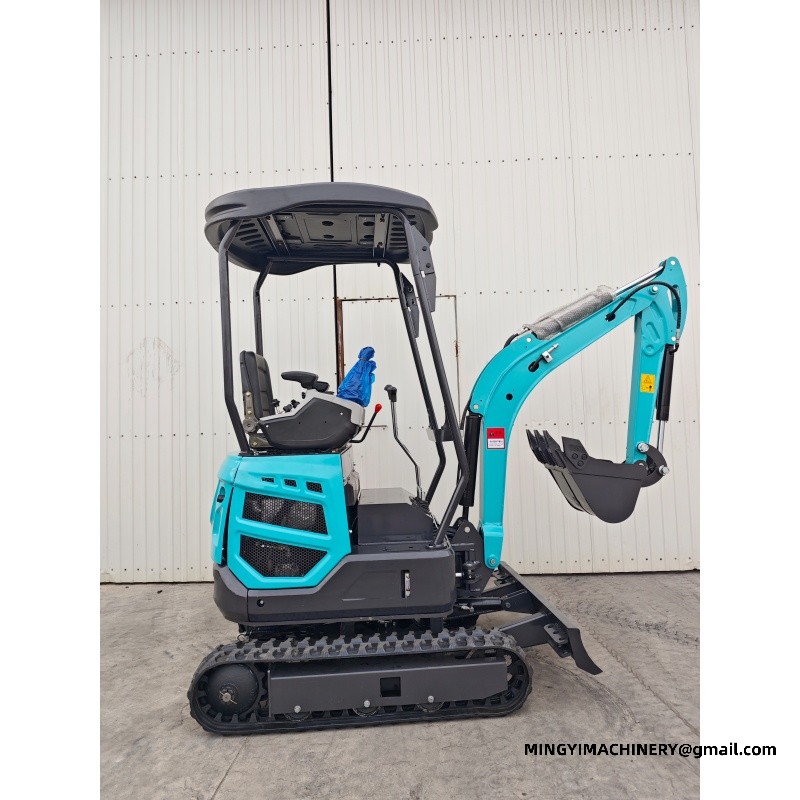
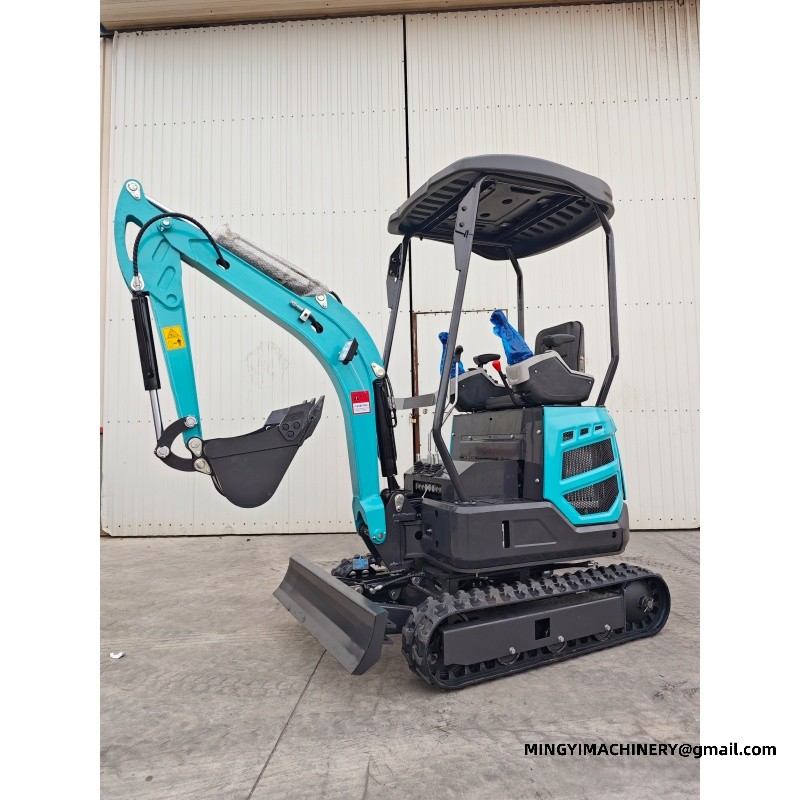
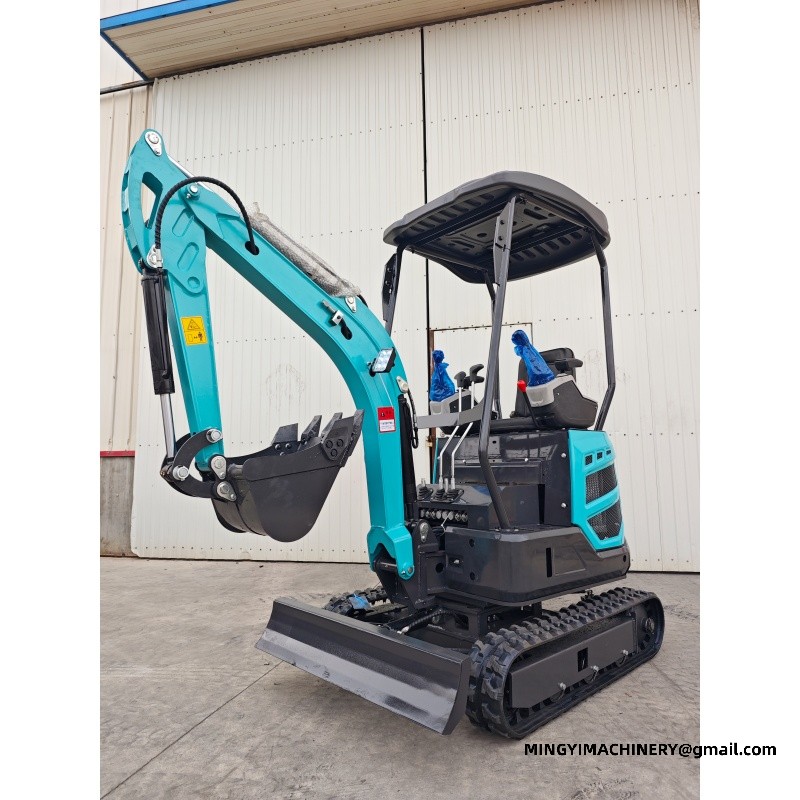
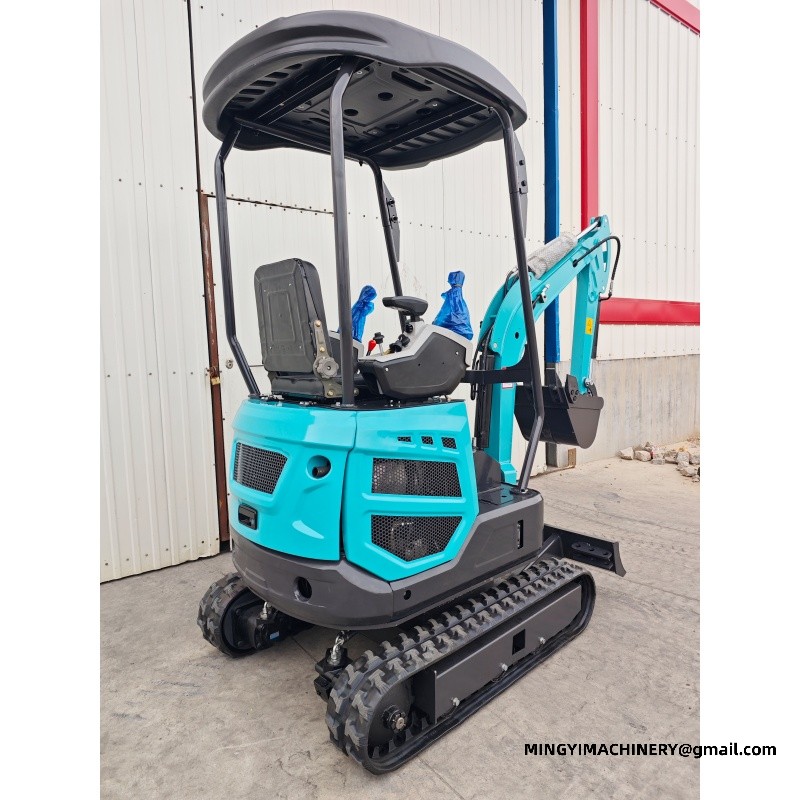
Reference specification — mini excavator range 09W 12W 20-3W 25L Operating weight 1100 kg (2425.08 lb) 1200 kg (2645.55 lb) 1900 kg (4188.78 lb) 2200 kg (4850.17 lb) Transport size (L×W×H) 1800 × 750 × 1970 mm 2200 × 930 × 2250 mm 2550 × 1100 × 2200 mm 3000 × 1300 × 2700 mm Max digging depth 1250 mm (49.21 in) 1630 mm (64.17 in) 1800 mm (70.87 in) 2300 mm (90.55 in) Max digging height 2800 mm (110.24 in) 2750 mm (108.27 in) 2820 mm (111.02 in) 3100 mm (122.05 in) Max dumping height 1700 mm (66.93 in) 1960 mm (77.17 in) 2050 mm (80.71 in) 2050 mm (80.71 in) Max digging radius 2570 mm (101.18 in) 2900 mm (114.17 in) 3050 mm (120.08 in) 3900 mm (153.54 in) Max digging distance 1869 mm (73.58 in) 2100 mm (82.68 in) 2300 mm (90.55 in) 3100 mm (125.05 in) Minimum turning radius 1000 mm (39.37 in) 1300 mm (51.18 in) 1450 mm (57.09 in) 1800 mm (70.87 in) Travel speed 3 km/h (1.86 mph) 3 km/h (1.86 mph) 5 km/h (3.11 mph) 7 km/h (4.35 mph) Gradeability 30° 30° 30° 30° Fuel consumption 1-1.3 L/h (0.264—0.343 gal) 1-1.3 L/h (0.264—0.343 gal) 2-3 L/h (0.528—0.793 gal) 2-3 L/h (0.528—0.793 gal) Fuel tank capacity 8 L (2.11 gal) 10 L (2.64 gal) 16 L (4.23 gal) 16 L (4.23 gal) Hydraulic oil tank 16 L (4.23 gal) 16 L (4.23 gal) 18 L (4.76 gal) 18 L (4.76 gal) Dozer blade lift height 180 mm (7.09 in) 180 mm (7.09 in) 180 mm (7.09 in) 230 mm (9.06 in) Dozer blade drop depth 210 mm (8.27 in) 210 mm (8.27 in) 210 mm (8.27 in) 280 mm (11.02 in)
Q. What is the unit on the job?
A. Attachments turn one carrier into several machines: dig on Monday, grade, lift, mow or drill on Tuesday without the machine leaving site. Every attachment on this page runs on the same carrier the machine ships with, matched to its hydraulic flow and coupler. A machine built for the work is one of the pages buyers land on when comparing machines for ripper frost tooth, and the factory treats it as a specification conversation rather than a catalogue line.
Q. What does the attachment add to daily work?
A. Reach into jobs the bucket alone cannot specification: grading with a tilting bucket, clearing with a rake, drilling with an auger, lifting with a thumb. One carrier, several trades - the machine stays on site earning instead of waiting for a specialist.
Q. What about colours and branding?
A. OEM colours and decals are part of the build: private-label machines carry the buyer brand on the standard MINGYI platform, and the ripper frost tooth order confirms colours, marks and documents before production starts.
Commissioning the equipment in service on site
Commissioning is where the specification meets the ground. The settings chosen for the excavator are confirmed against the actual site, and the working pattern is adjusted before the machine is asked for a full day.
Planning the season around this class of machine
Seasonal work rewards a machine that can change duty. Through the year the unit in daily use may move from one task to another, and the attachment list should be chosen for the whole year rather than for the first job.
E-mail : sales@mingycn.com
LINE ( ID ): mingyicn
Night work and lighting on ripper and frost tooth mini excavator
Work lamps should cover the working area and the travel path separately, since a beam set for loading usually leaves the route dark.
Fatigue management matters more after dark, so shorter cycles, a second operator on long runs and a fixed break pattern are part of the plan.
Neighbouring properties and public roads change the plan as well, so the light layout and the working hours are settled together.
Heat and hydraulic temperature in ripper and frost tooth mini excavator
Oil that runs hotter than the design range loses its film strength, and the first symptom is usually slower, softer movement rather than a leak.
Related pages
skeleton bucket screening excavator · mini excavator with compaction wheel · Mining Wheel Loader: Cooling, Traction and Frame Specification · Mini Excavators









