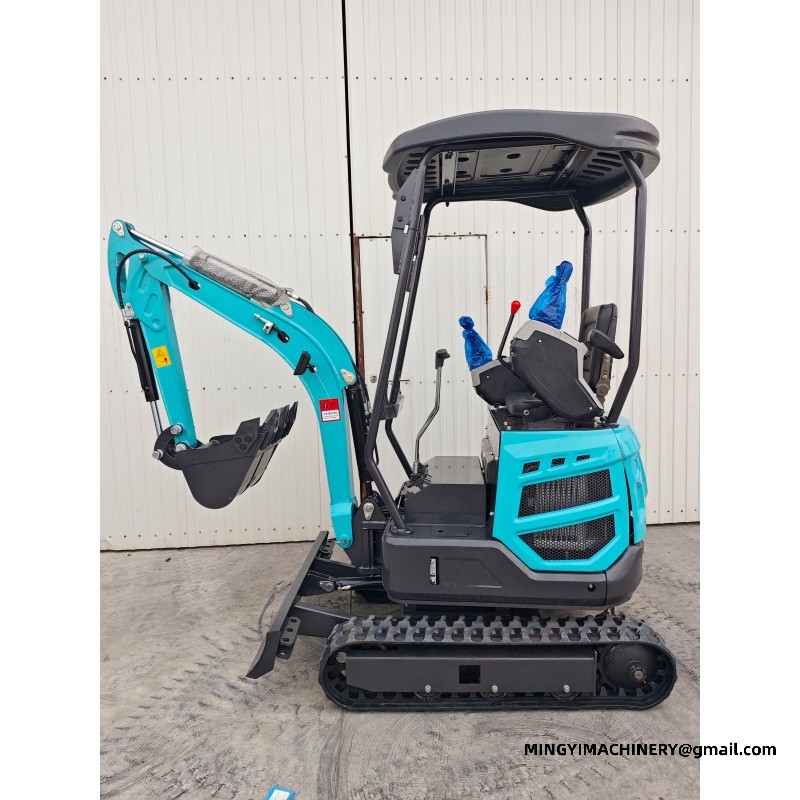
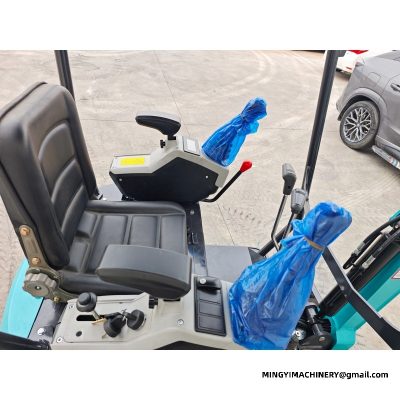
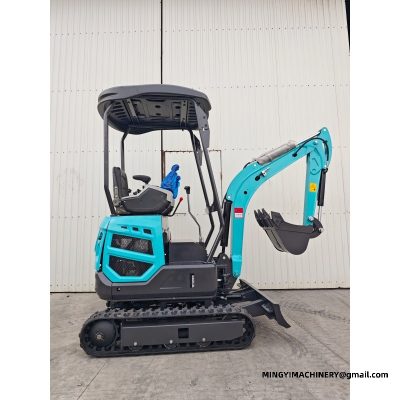
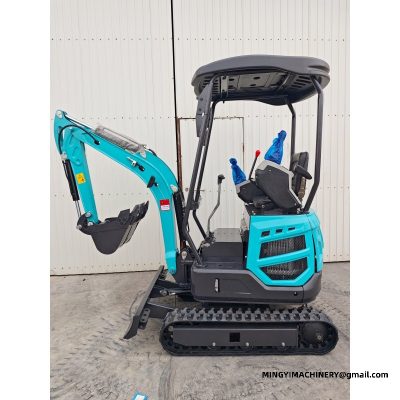
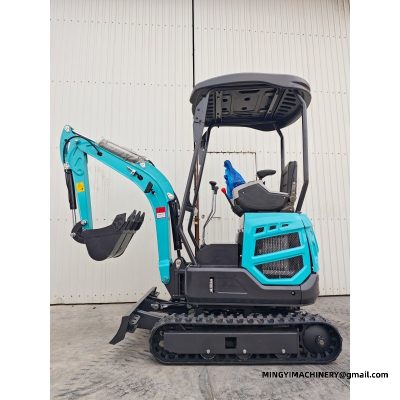
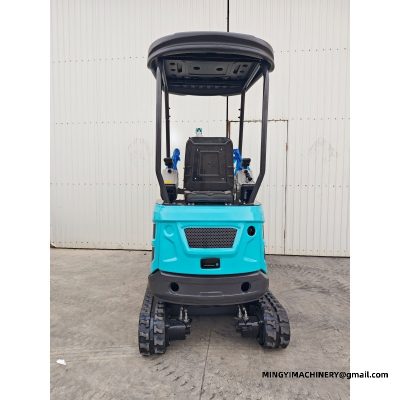
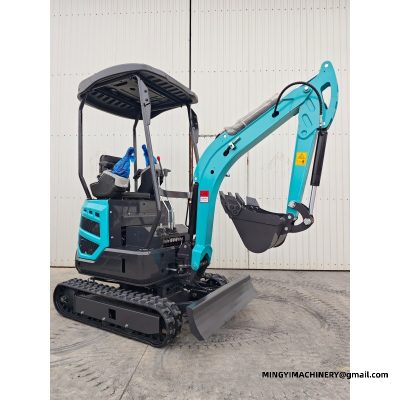
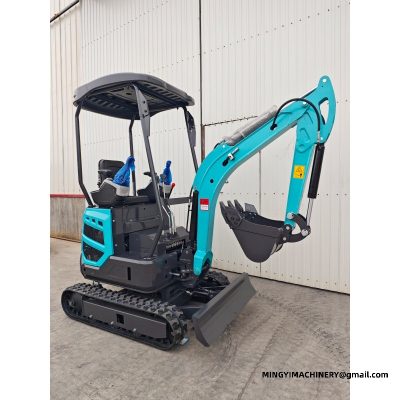
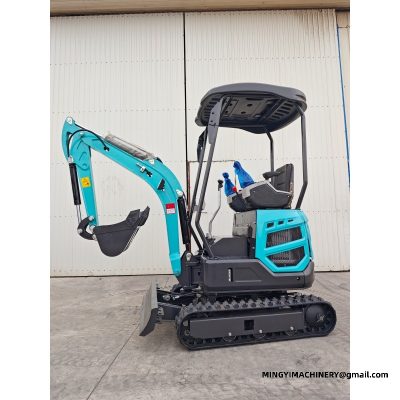
Features a slotted skeleton or sieve bucket. Allows operators to easily separate rocks, bricks, and heavy debris from topsoil, maximizing material recycling on site.
Dug soil is rarely just soil: it arrives mixed with stone, rubble and root, and either someone screens it by hand or the machine does it in the dig. A MINGYI mini excavator with a skeleton bucket screens as it works, passing fines through and holding oversize back.
The skeleton bucket's open grid replaces the solid shell of a digging bucket, so each pass shakes the fines through and leaves stones and debris caught for separate handling. On sites that reuse their own material, the attachment turns excavation into supply.
Screening work with the skeleton bucket
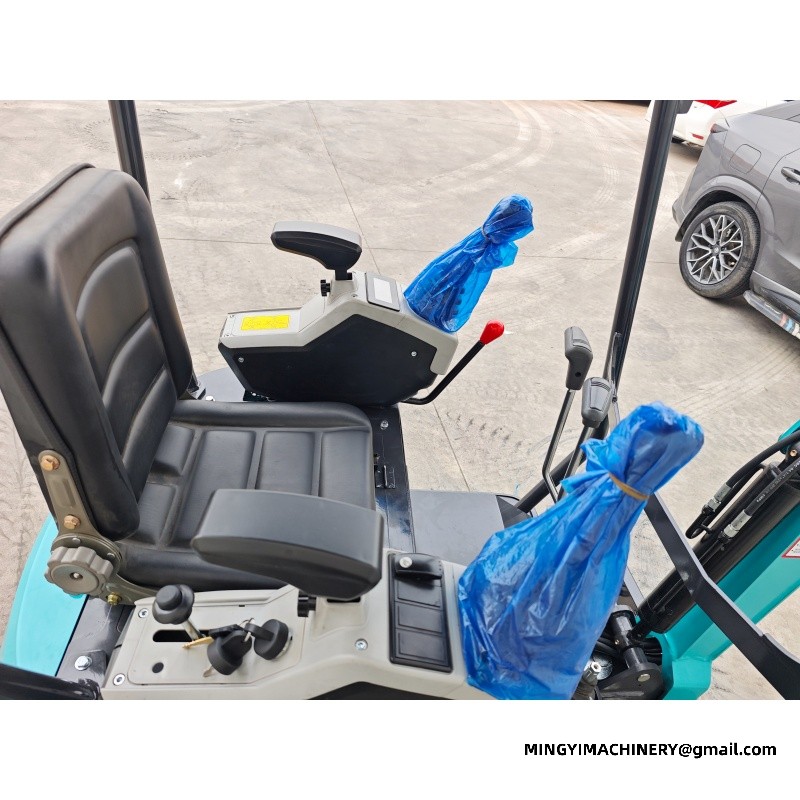
Site clearance on demolition and renovation jobs produces mixed ground that the skeleton bucket sorts at the pile: soil falls through for reuse as backfill or grading material, while broken concrete and stone stay in the bucket for the muck-away load.
The same motion screens topsoil from stones on landscaping jobs before spreading, and separates reusable fill from root and rubble. The operator shakes the grid with a short curling action, and the fines drop through in the swing.
Planning a machine order around screening
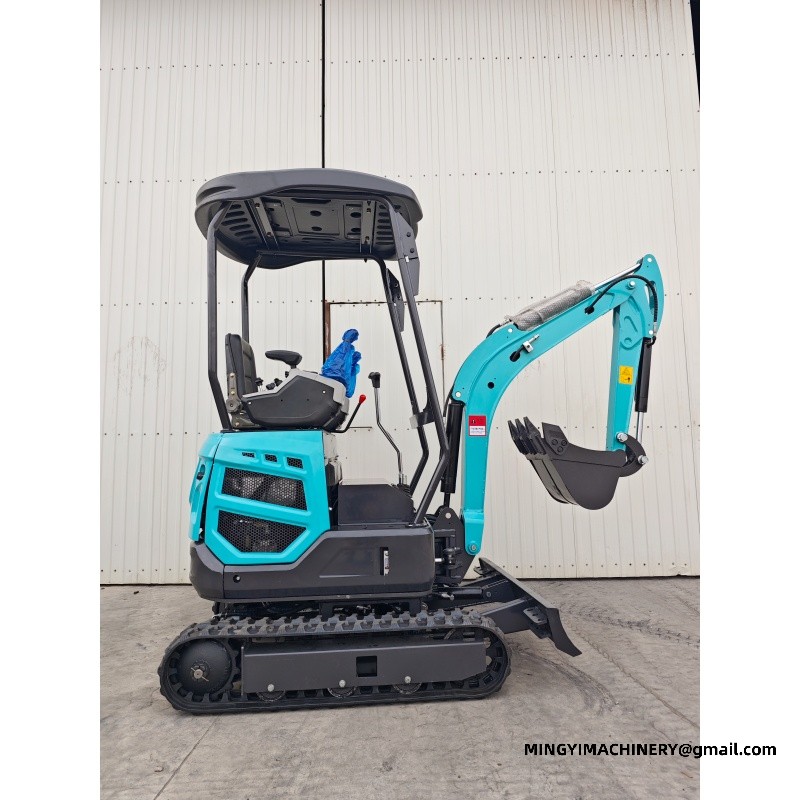
Buyers should describe their material mix when ordering, since the grid spacing and the machine class both follow from the typical stone size and soil type the sites produce. A bucket that screens sand cleanly may pass the stones a demolition contract cares about.
The bucket travels through the same quick coupler as the digging set, so it is one line on the attachment plan rather than a separate machine decision. Spare parts and service information for the fitted bucket arrive with the machine.
Screening in the dig removes a whole handling step from the site, and the skeleton bucket is the tool that does it. Put it on the order with the buckets, and the spoil pile starts sorting itself.
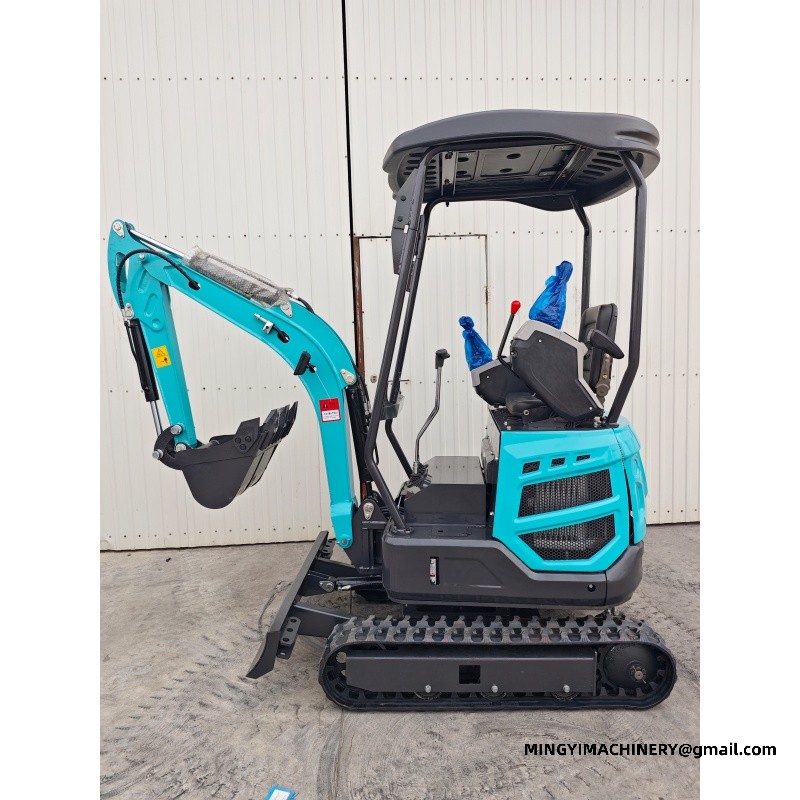
Municipal and public works with skeleton bucket screening excavator Municipal crews work on streets, footpaths and parks where the public is present. The excavator is specified because it occupies little space, works inside a small exclusion zone and can be moved on a standard trailer. Noise and surface protection matter on public work. This class of machine on rubber tracks across paving, with a sealed cab for the operator, suits the conditions better than a larger tracked machine. Operator technique for skeleton bucket screening excavator Output on a compact machine comes from placement rather than power. An experienced operator keeps the unit in daily use working inside the swing arc, positions once and digs a full run instead of repositioning for every bucket. Stability is the third. A machine of this size working across the tracks rather than over the corners keeps the machine steady and the undercarriage loaded evenly, which shows up as track life at the end of the season. Road and paving work for skeleton bucket screening excavator Road repair generates short, interrupted jobs - a patch, a drainage connection, a kerb line. The equipment on site is economical here because it travels on a small trailer and starts working minutes after arriving. Breaking out a failed slab and backfilling the same hole in one visit is normal work for the machine itself. The breaker and the bucket come off the same coupler, so the road is reopened the same day. Track choice for skeleton bucket screening excavator Undercarriage selection is a ground question, not a preference question. The model in question running on finished paving needs rubber; the same machine on demolition rubble or rock wears rubber quickly, so steel with rubber blocks becomes the better answer over a full season. Track type changes what the machine can cross and what it leaves behind. Buyers specify rubber for lawns, driveways and municipal work, and steel with rubber blocks for sites where sharp material would cut a rubber belt in a week. Hydraulic circuits on a skeleton bucket screening excavator Auxiliary hydraulic lines are what let a machine drive a tool rather than only a bucket. The machine in that duty specified with the right circuits and flow runs a breaker or an auger without an add-on power pack bolted to the frame. Flow and pressure are matched to the tool, not to the machine size. Asking for the attachment list first means the unit on the job leaves the factory with circuits that suit the heaviest tool the buyer intends to run. Daily checks and maintenance on skeleton bucket screening excavator Track tension is the item most often neglected. A machine built for the work run with slack tracks wears the undercarriage and can throw a track on a turn; run too tight, the same components wear from the other direction. Greasing is the second item. The slew ring, the boom and arm pins and the bucket linkage on the equipment in service take grease daily in dusty work, and the intervals shorten further when the machine is used in water or mud. Working on slopes and uneven ground with the excavator Slope work is a stability question before it is a traction question. Knowing the gradient this class of machine is rated for, and working across rather than straight up where the ground allows, removes most of the risk. Planning the direction of travel helps. Working so that the unit in daily use is stable under load and not required to turn on a slope is a decision made before the job starts, not a correction made during it. Attachments that turn a machine of this size into several machines The base machine is a carrier; the tool on the end of the arm decides the task. The equipment on site fitted with a toothed bucket digs, and the same machine with a breaker, an auger or a grab does work that would otherwise need a second unit on site. Most of the daily variety on the machine itself comes from the attachment rack rather than from the machine itself. Bucket, breaker, auger, ripper, rake and grab cover the large majority of the work a contractor will see. OEM and fleet customisation of the model in question Distributors and rental fleets usually need the machine to look like theirs. Paint, decals, seat colour and attachment branding can be specified on the machine in that duty at build time rather than applied after import. Customisation also covers the specification sheet. A fleet buyer may want every unit on the job delivered with the same coupler, the same engine and the same tool kit so training and parts stock stay simple. Running a machine built for the work in a rental fleet Rental fleets buy for utilisation, not for a single job. The equipment in service with a quick coupler and a common attachment standard is hired more often because it suits more of the calls that come in. Fleet buyers also weigh transport. The excavator that a customer can tow on a normal licence and a standard trailer is a hire that does not need a delivery truck, which changes how often it goes out. Working this class of machine in confined spaces Confined sites are decided by dimensions. Overall width, tail swing and the space needed to work the arm are what let the unit in daily use operate inside a building, between walls or in a courtyard. Clearance above matters as much as around. Door heights, pipework and overhead services set the limit for a machine of this size indoors, and measuring them first avoids a machine that arrives and cannot be used. Specification data for the equipment on site Buyers comparing the machine itself usually start from four numbers - weight, digging depth, reach and transport width - because those are the ones that decide whether the machine can be delivered and whether it can do the job once it is there. Every value shown is as built for the model in question; options such as cab, side swing or a telescopic undercarriage change the transport dimensions and are confirmed at order stage. A canopy keeps the machine light and the operator aware of the surroundings, which suits short jobs in warm weather. A fully enclosed cab is specified where rain, dust or cold are part of the working year, and it can be added to the machine in that duty as a retrofit rather than only at build time. The cab decision follows the climate and the hours. Operators working a full shift in the unit on the job benefit from a sealed cab with wipers and heating; operators stepping on and off every few minutes usually prefer the canopy for the visibility and the quick exit.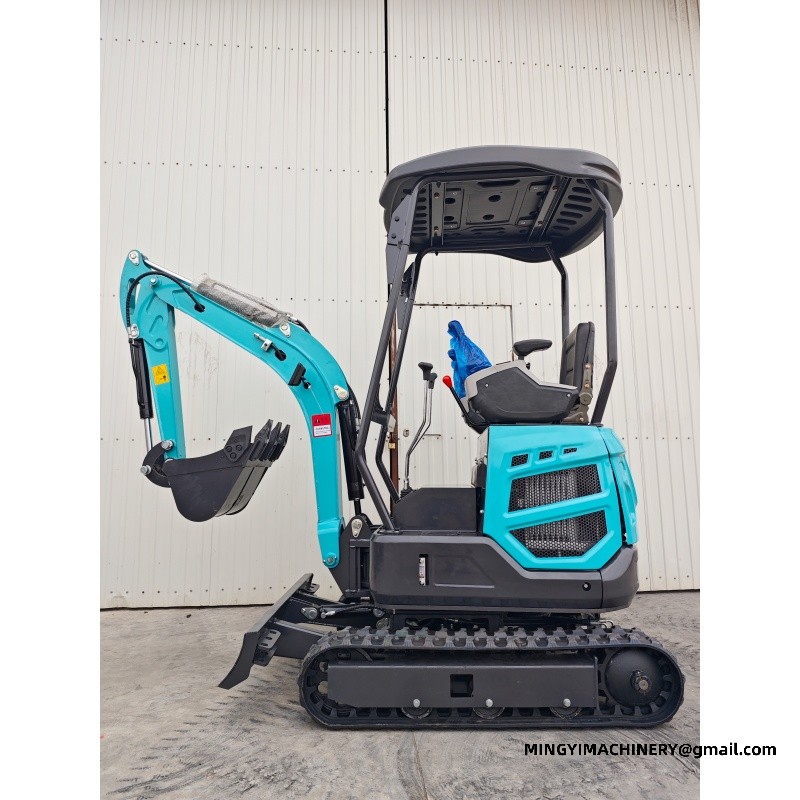
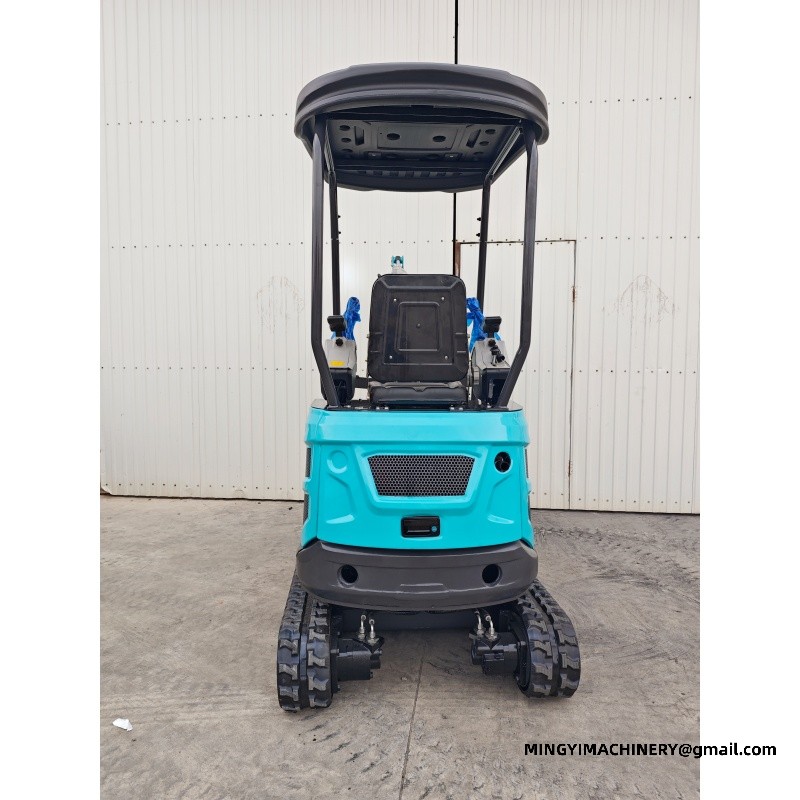
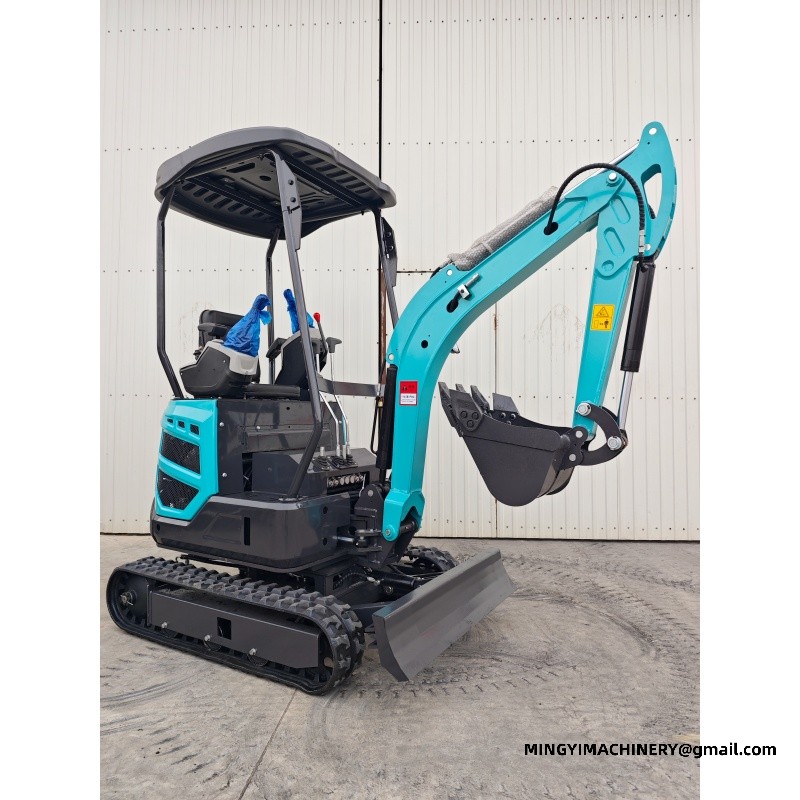
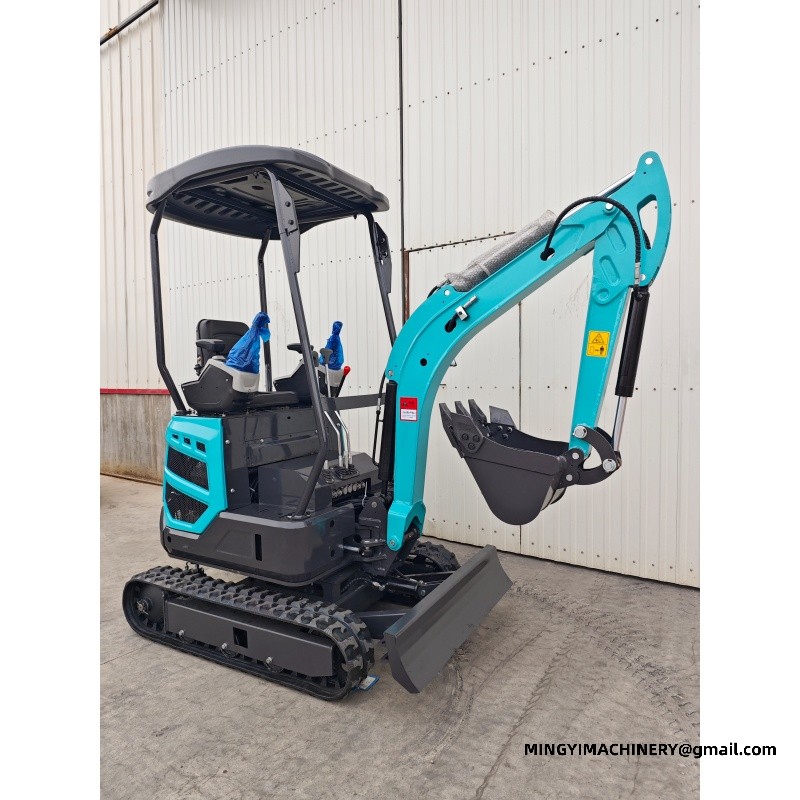
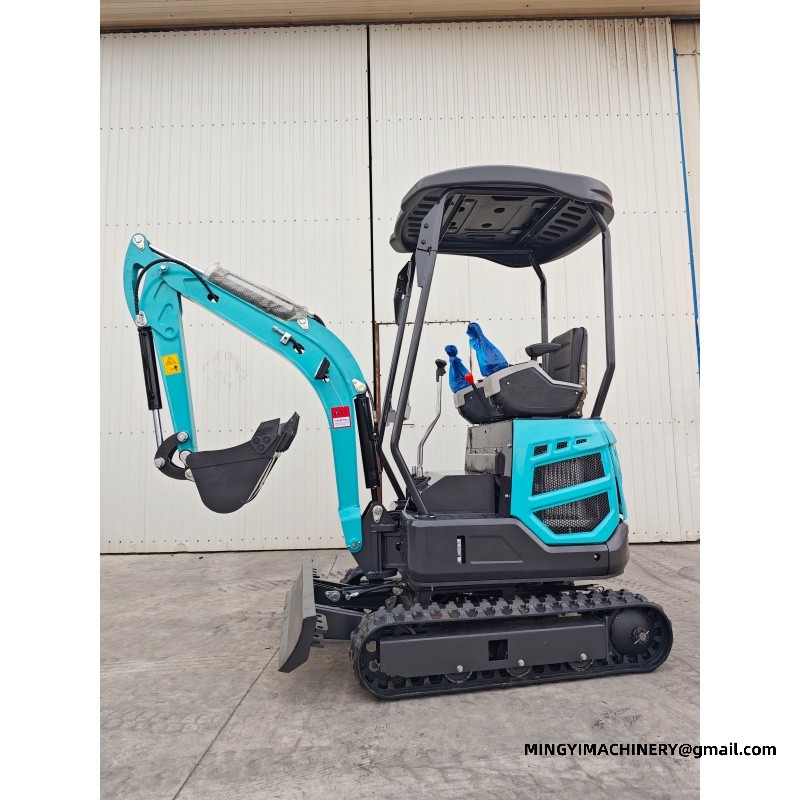
Reference specification — mini excavator range 09L 12L 25L 30-2L Operating weight 1100 kg (2425.08 lb) 1200 kg (2645.55 lb) 2200 kg (4850.17 lb) 2400 kg (5291 lb) Transport size (L×W×H) 2300 × 720 × 1870 mm 2200 × 930 × 2250 mm 3000 × 1300 × 2700 mm 2800 × 1500 × 2500 mm Max digging depth 1400 mm (55.12 in) 1700 mm (66.93 in) 2300 mm (90.55 in) 2200 mm (86.61 in) Max digging height 2800 mm (110.24 in) 2600 mm (102.36 in) 3100 mm (122.05 in) 2900 mm (114.17 in) Max dumping height 1880 mm (74.02 in) 1800 mm (70.87 in) 2050 mm (80.71 in) 2100 mm (82.68 in) Max digging radius 2490 mm (98.03 in) 2900 mm (114.17 in) 3900 mm (153.54 in) 3330 mm (131.1 in) Max digging distance 2000 mm (78.74 in) 2300 mm (90.55 in) 3100 mm (125.05 in) 2700 mm (106.3 in) Minimum turning radius 1400 mm (55.12 in) 1450 mm (57.09 in) 1800 mm (70.87 in) 1555 mm (61.22 in) Travel speed 3 km/h (1.86 mph) 3 km/h (1.86 mph) 7 km/h (4.35 mph) 7 km/h (4.35 mph) Gradeability 30° 30° 30° 30° Fuel consumption 1-1.3 L/h (0.264—0.343 gal) 1-1.3 L/h (0.264—0.343 gal) 2-3 L/h (0.528—0.793 gal) 2-3 L/h (0.528—0.793 gal) Fuel tank capacity 8 L (2.11 gal) 10 L (2.64 gal) 16 L (4.23 gal) 16 L (4.23 gal) Hydraulic oil tank 16 L (4.23 gal) 16 L (4.23 gal) 18 L (4.76 gal) 18 L (4.76 gal) Dozer blade lift height 180 mm (7.09 in) 180 mm (7.09 in) 230 mm (9.06 in) 230 mm (9.06 in) Dozer blade drop depth 210 mm (8.27 in) 210 mm (8.27 in) 280 mm (11.02 in) 280 mm (11.02 in)
Q. What is a machine built for the work used for?
A. Attachments turn one carrier into several machines: dig on Monday, grade, lift, mow or drill on Tuesday without the machine leaving site. The quick coupler makes the changeover a minute job at the trench edge, and mechanical tools need no hydraulic lines at all. Read the equipment in service together with the engine, track and attachment pages: jobs around skeleton bucket screening are decided by how those choices line up, not by any single number on the sheet.
Q. How do I know which attachment my machine can run?
A. Compare the carrier hydraulic flow with what the attachment asks for, and the lifting moment with what it weighs at full reach. Lower-flow carriers still run buckets, rakes and mechanical tools; hungry attachments call for the high-flow option, and MINGYI confirms the pairing before the order ships.
Q. Does MINGYI supply attachments with the machine?
A. Yes - buckets, breakers, augers, rakes and the rest of the working set ship with the carrier, matched to the hydraulic flow and the coupler. For skeleton bucket screening the package is confirmed on the build sheet, so machine and tools arrive together and start work together.
Cold weather and winter care for the excavator
A cold start is easier when the machine is prepared the night before. The routine that keeps this class of machine working through winter is mostly a matter of fuel, battery and patience in the first ten minutes of the day.
Pre-delivery inspection before the unit in daily use leaves the shop
Inspection is a list, not a glance. Before a machine of this size is released the fluid levels, belt tension, electrical connections and safety decals are each ticked off, and anything that fails stays in the shop rather than travelling with the machine.
E-mail : sales@mingycn.com
LINE ( ID ): mingyicn
Related pages
mini excavator with compaction wheel · extended dipper mini excavator · Agricultural Wheel Loader: Access, Attachments and Light Builds · Mini Excavators









