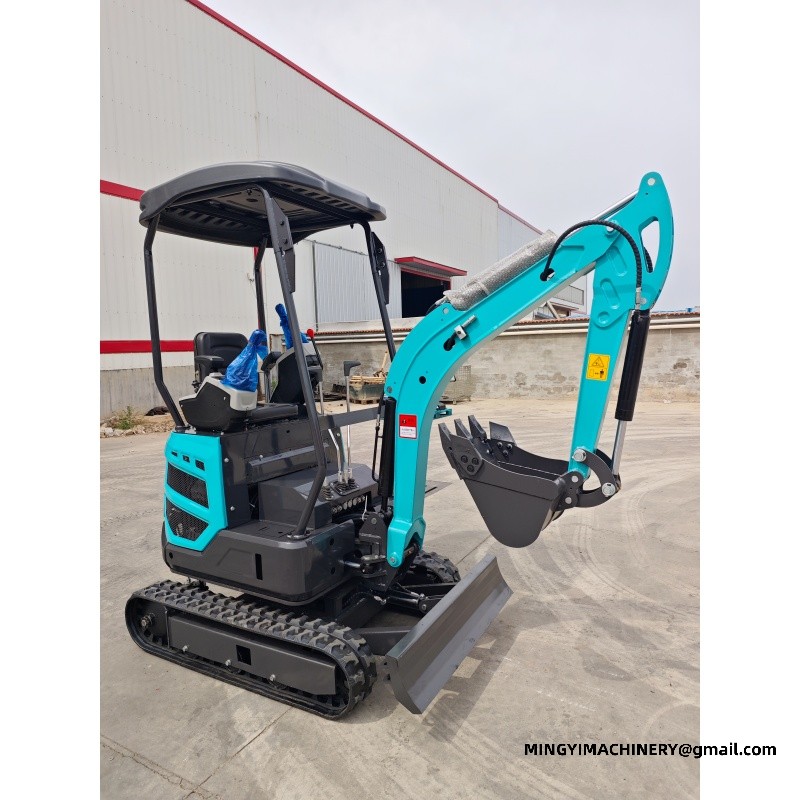
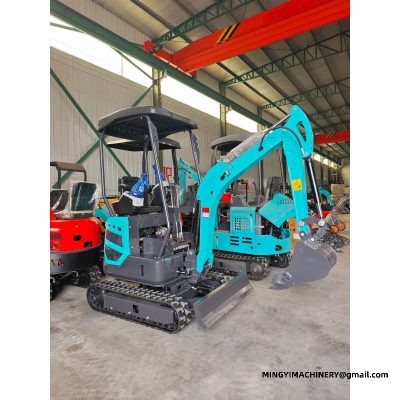
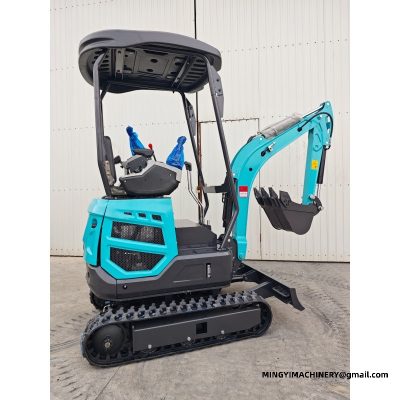
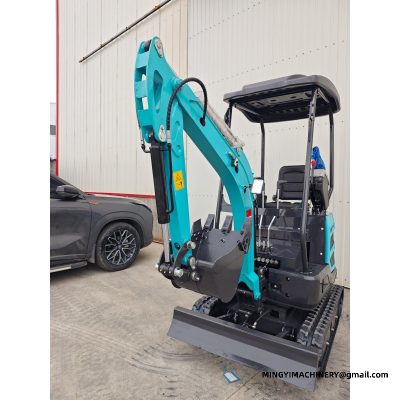
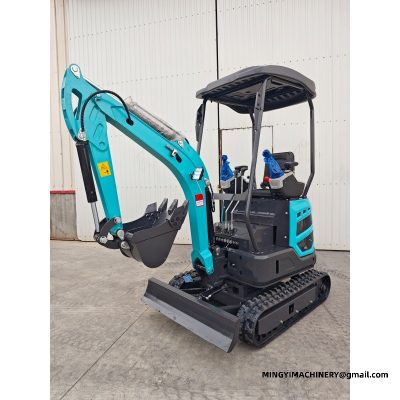
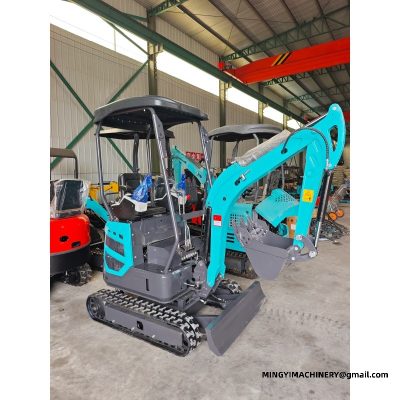
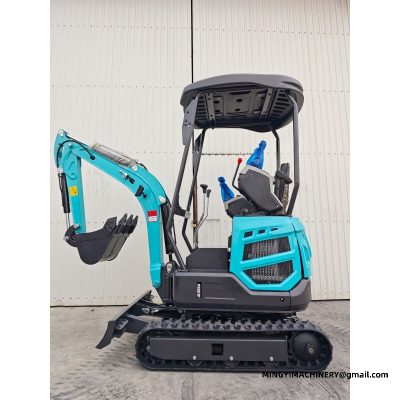
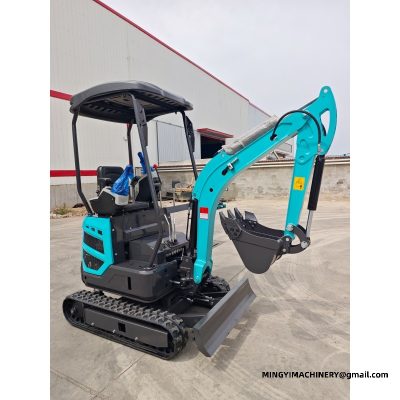
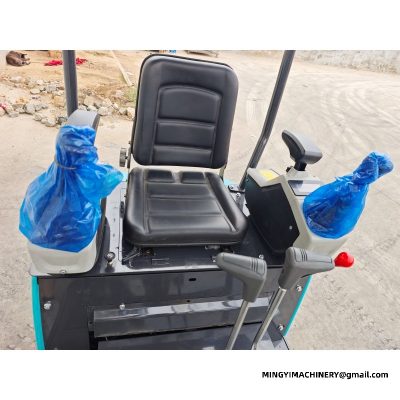
Features an engineered extended dipper arm that drastically increases your maximum digging depth and reach, minimizing the need to constantly reposition the machine.
Reach is what limits some jobs: loading over a barrier, digging at the far side of a pond, cleaning a channel the machine cannot enter. The extended dipper configuration exists for those sites, and MINGYI builds it into machines ordered for that duty.
The extended dipper, sometimes ordered together with a long arm or monoboom arrangement, increases the working radius of the machine at the effort of some bucket load. This page covers where the reach configuration earns its place and how it is specified.
Work that runs out of standard reach
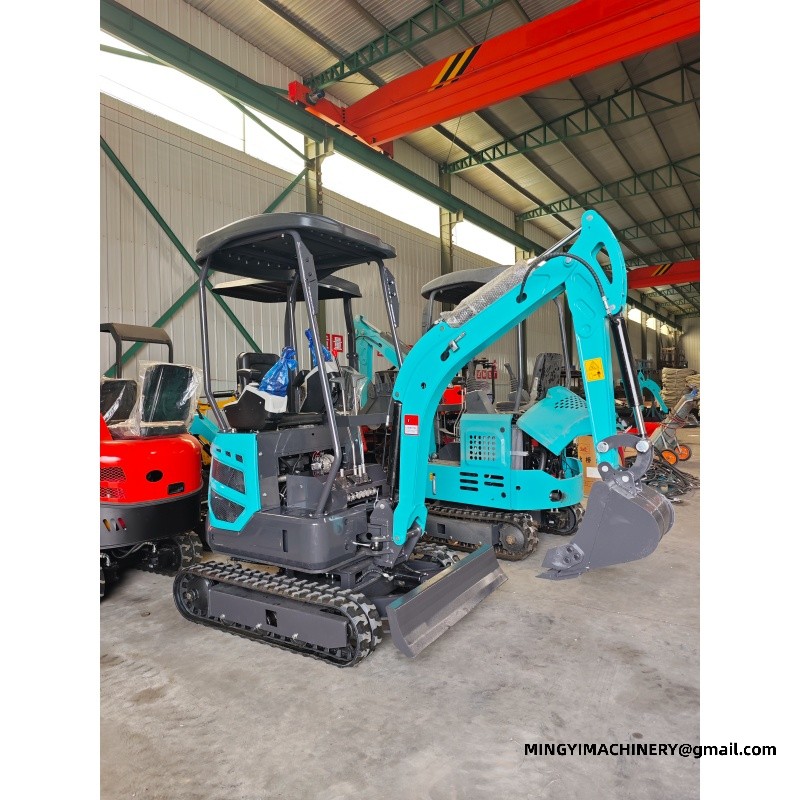
Pond and lagoon cleaning keeps the machine on the bank while the bucket works metres into the water, and a digging bucket on an extended dipper reaches the silt without launching the excavator. Riverbank and ditch maintenance follows the same logic, with the machine safe on the embankment.
On construction sites the reach serves high sided truck loading and excavation beyond fencing or traffic barriers, where the machine must stay clear of the hazard. Slope trimming and finishing also benefit, since the machine works from the crest instead of cutting tracks into the face.
Specifying the reach configuration
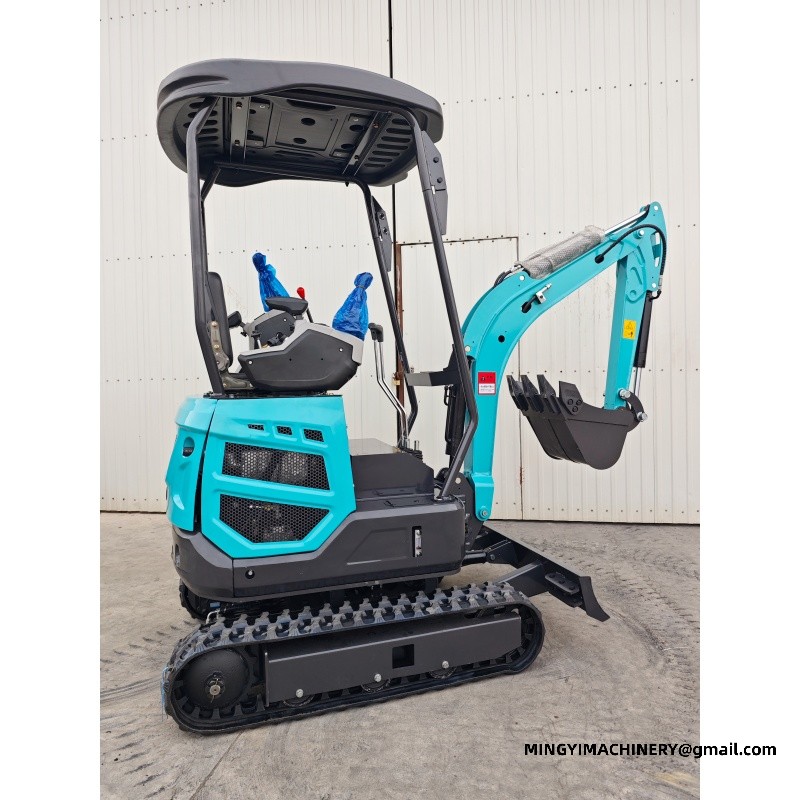
The extended dipper is ordered with the machine and matched to the class within the 0.8 to 6 tonnes range, since the boom and dipper loads have to stay within the carrier front structure. The buyer states the working radius needed and the material being handled, and the build is recorded against it.
Stability follows reach, so the undercarriage choice matters: steel tracks with rubber blocks where the machine works from soft banks, rubber tracks where the reach is used over finished ground. A detachable extended boom option is available where the reach is occasional rather than constant.
Send the working radius your jobs need and the surfaces the machine will sit on while reaching, and the dipper configuration will be set from those facts. Each unit ships with the spare parts and service information for the boom arrangement.
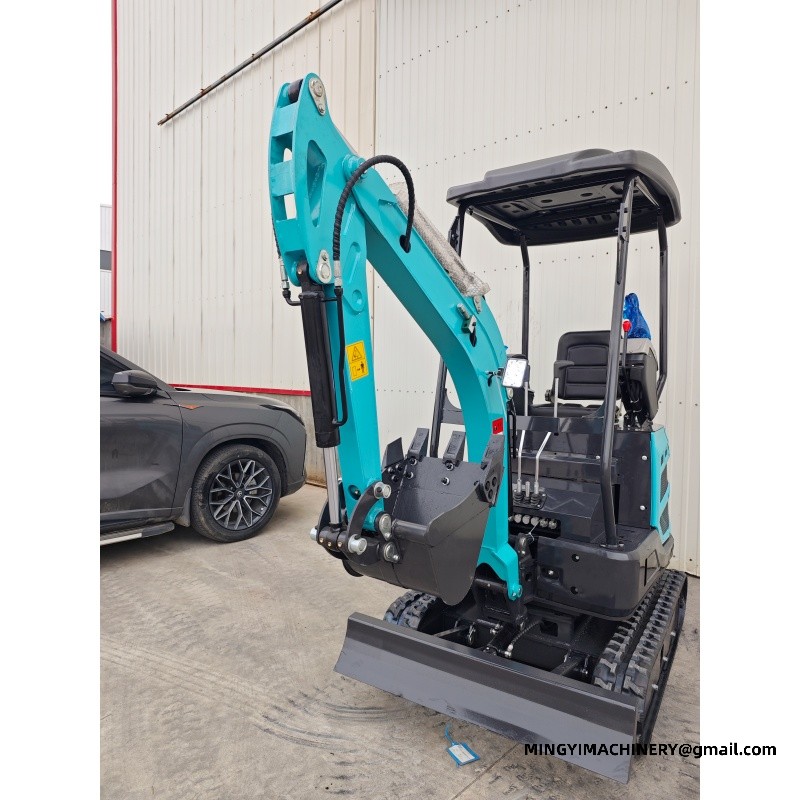
Daily checks and maintenance on extended dipper mini excavator Daily maintenance on the excavator is a short list: engine oil level, coolant, track tension, hydraulic oil level and a look at the hoses. Ten minutes at the start of the shift prevents most of the failures that stop a machine. Greasing is the second item. The slew ring, the boom and arm pins and the bucket linkage on this class of machine take grease daily in dusty work, and the intervals shorten further when the machine is used in water or mud. Attachments that turn extended dipper mini excavator into several machines The base machine is a carrier; the tool on the end of the arm decides the task. The unit in daily use fitted with a toothed bucket digs, and the same machine with a breaker, an auger or a grab does work that would otherwise need a second unit on site. Attachment lists are best written before delivery. Specifying a machine of this size with the tools the job list needs avoids the work and delay of adding hydraulics later, and a quick coupler makes the swap a few minutes instead of a workshop job. Acceptance checks when a extended dipper mini excavator arrives A function check before the machine goes to work is worth the hour. Running through the controls, the travel and the attachment circuit on the equipment on site confirms it is set up as specified and ready for the site. Documentation should arrive with the machine. Parts list, service schedule and any certificates for the machine itself are what the workshop needs later, and they are much easier to obtain at delivery than in month six. Hydraulic circuits on a extended dipper mini excavator Auxiliary hydraulic lines are what let a machine drive a tool rather than only a bucket. The model in question specified with the right circuits and flow runs a breaker or an auger without an add-on power pack bolted to the frame. Hydraulic specification is easier to settle at build time than to correct later. The machine in that duty delivered without auxiliary lines can still dig, but every additional tool becomes a retrofit project. Working near live services with extended dipper mini excavator Digging near water, gas and cable is a precision job. The unit on the job is used here because the operator can work in short controlled cuts and because the machine can be positioned without driving over the run being exposed. The risk on utility work is not machine power but machine placement. A machine built for the work that fits the working width leaves the surrounding ground undisturbed, which keeps the trench stable and the reinstatement small. Canopy or enclosed cab on a extended dipper mini excavator The cab decision follows the climate and the hours. Operators working a full shift in the equipment in service benefit from a sealed cab with wipers and heating; operators stepping on and off every few minutes usually prefer the canopy for the visibility and the quick exit. Enclosure also changes noise and dust exposure. A sealed cab on the excavator keeps dust out on dry sites and lets the machine work through weather that would otherwise stop a canopy machine for the day. Getting this class of machine through a narrow gap Access decides the machine before output does. With the unit in daily use the limiting dimension is usually the widest point on the way in, so measuring the gate, the corridor and the turning space first saves a wasted delivery and a second visit. Contractors who buy a machine of this size normally have one job in mind that nothing else reaches. The purchase order follows the access measurement, not the other way round, and the build sheet is then settled around it. Working on slopes and uneven ground with the equipment on site Slope work is a stability question before it is a traction question. Knowing the gradient the machine itself is rated for, and working across rather than straight up where the ground allows, removes most of the risk. Ground that looks level often is not. The model in question crossing a filled trench, a soft edge or a hidden void behaves differently from one on undisturbed ground, and those are the places worth walking before driving. OEM and fleet customisation of the machine in that duty Distributors and rental fleets usually need the machine to look like theirs. Paint, decals, seat colour and attachment branding can be specified on the unit on the job at build time rather than applied after import. Documentation can be prepared to suit the importer. Manuals, parts books and decal sets for a machine built for the work can be supplied with the buyer's own branding where the order size justifies it. Running the equipment in service in a rental fleet Rental fleets buy for utilisation, not for a single job. The excavator with a quick coupler and a common attachment standard is hired more often because it suits more of the calls that come in. The specification that rents best is usually the simplest one to explain at the counter. This class of machine with rubber tracks, a canopy and a coupler covers the majority of weekend and short-term hires. Specification data for the unit in daily use The figures below are the factory figures for the models most often matched to a machine of this size. They are the numbers to check against the site: the depth the work needs, the reach from one position, and the width of the narrowest point on the route in. Every value shown is as built for the equipment on site; options such as cab, side swing or a telescopic undercarriage change the transport dimensions and are confirmed at order stage. A swing boom lets the machine dig parallel to its tracks without repositioning, which is what makes trenching beside a wall or a fence practical. On the machine itself this is often the option that decides whether a job is possible at all. Extended and offset boom configurations change reach and working range. The model in question with a longer arm reaches further but lifts less at full extension, so the specification is set against the deepest and furthest point on the job list.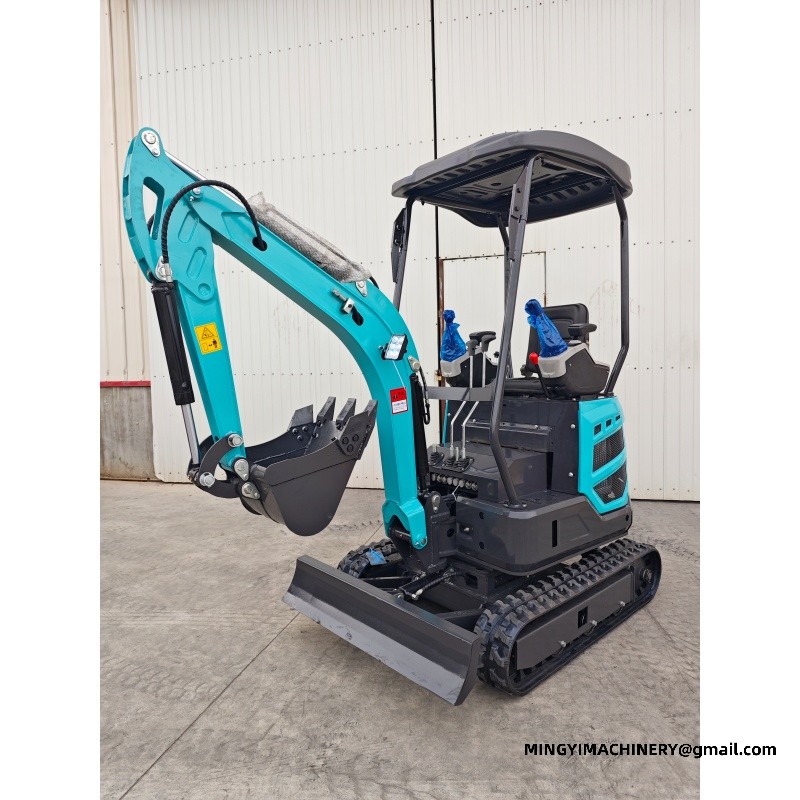
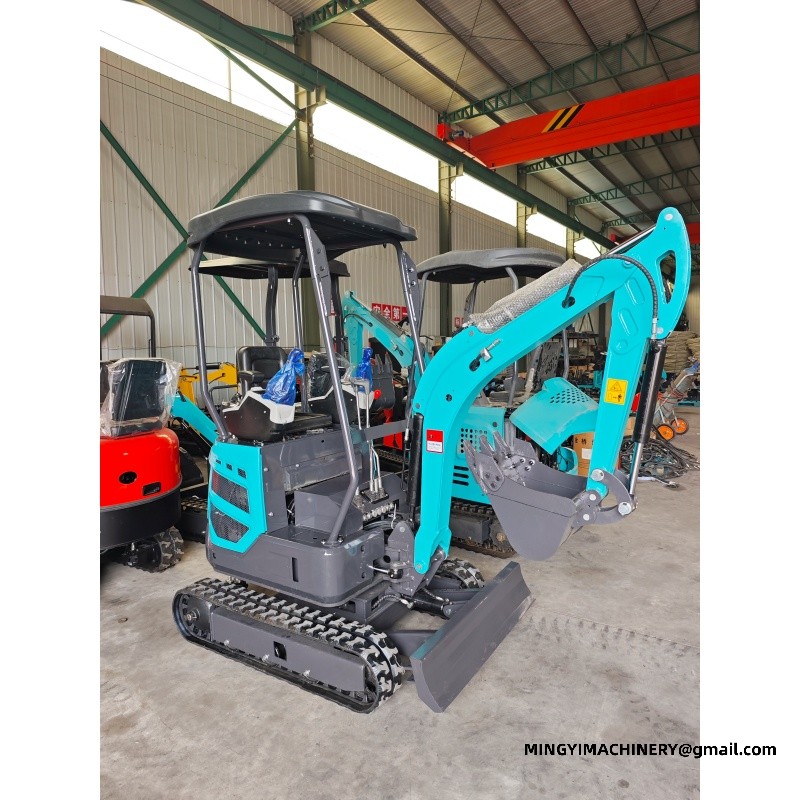
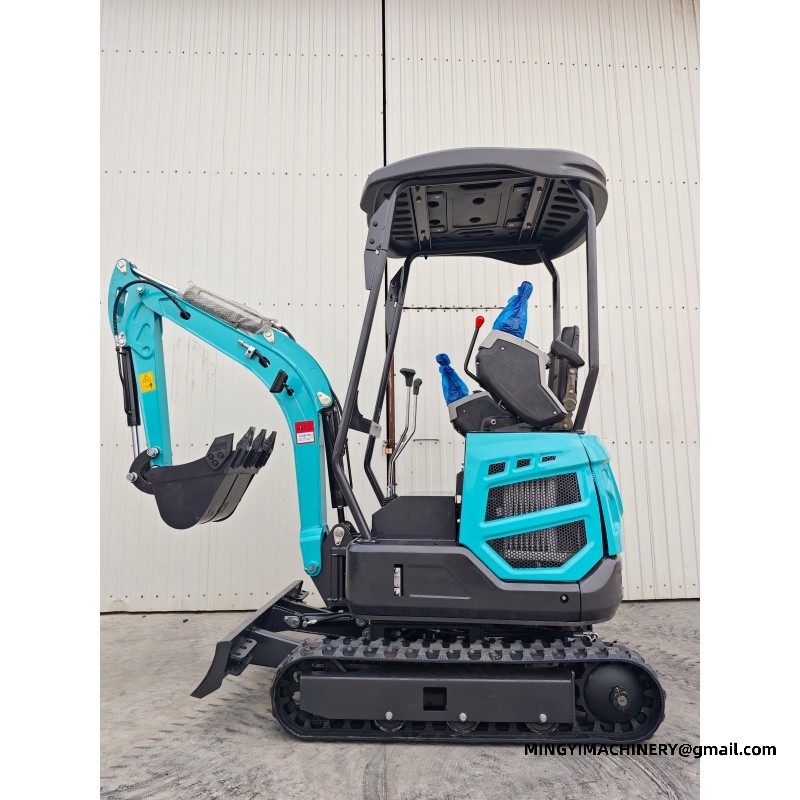
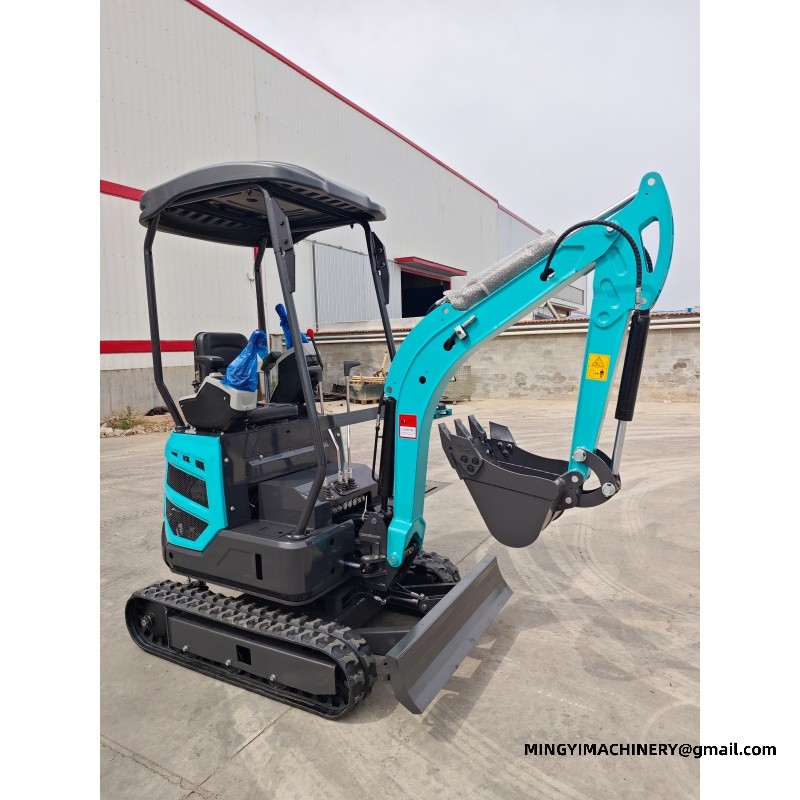
Reference specification — mini excavator range 20-1W 20-3W 09L 15L Operating weight 1800 kg (3968.32 lb) 1900 kg (4188.78 lb) 1100 kg (2425.08 lb) 1400 kg (3086.47 lb) Transport size (L×W×H) 2550 × 1100 × 2200 mm 2550 × 1100 × 2200 mm 2300 × 720 × 1870 mm 2200 × 930 × 2250 mm Max digging depth 1800 mm (70.87 in) 1800 mm (70.87 in) 1400 mm (55.12 in) 1700 mm (66.93 in) Max digging height 2820 mm (111.02 in) 2820 mm (111.02 in) 2800 mm (110.24 in) 2750 mm (108.27 in) Max dumping height 2050 mm (80.71 in) 2050 mm (80.71 in) 1880 mm (74.02 in) 1960 mm (77.17 in) Max digging radius 3050 mm (120.08 in) 3050 mm (120.08 in) 2490 mm (98.03 in) 2900 mm (114.17 in) Max digging distance 2300 mm (90.55 in) 2300 mm (90.55 in) 2000 mm (78.74 in) 2300 mm (90.55 in) Minimum turning radius 1450 mm (57.09 in) 1450 mm (57.09 in) 1400 mm (55.12 in) 1450 mm (57.09 in) Travel speed 5 km/h (3.11 mph) 5 km/h (3.11 mph) 3 km/h (1.86 mph) 3 km/h (1.86 mph) Gradeability 30° 30° 30° 30° Fuel consumption 2-3 L/h (0.528—0.793 gal) 2-3 L/h (0.528—0.793 gal) 1-1.3 L/h (0.264—0.343 gal) 1-1.3 L/h (0.264—0.343 gal) Fuel tank capacity 16 L (4.23 gal) 16 L (4.23 gal) 8 L (2.11 gal) 10 L (2.64 gal) Hydraulic oil tank 18 L (4.76 gal) 18 L (4.76 gal) 16 L (4.23 gal) 16 L (4.23 gal) Dozer blade lift height 180 mm (7.09 in) 180 mm (7.09 in) 180 mm (7.09 in) 180 mm (7.09 in) Dozer blade drop depth 210 mm (8.27 in) 210 mm (8.27 in) 210 mm (8.27 in) 210 mm (8.27 in)
Q. What is the machine in that duty used for?
A. The boom decides where the bucket works while the carrier stays put - across a wall, along a trench line, or over a row of crop. Reach without width is the compact excavator trick: the boom crosses the obstacle while the tracks stay on firm ground. For extended dipper applications the practical route is to send the job list to the factory and let the build sheet answer it - which is exactly what this page invites.
Q. Which boom suits working along walls and kerbs?
A. An offset or swing boom keeps the carrier square to the trench while the stick tracks the line - no repositioning, no leaning the machine at the structure. For straight runs beside fences and foundations it is the difference between a clean day and a slow one.
Q. How do I get a specification?
A. Send the model, the destination and the attachment list by email or LINE - the channels listed just below this section. The reply covers the specification, lead time, packing and freight in one document, with the extended dipper build sheet attached.
Planning the season around the unit on the job
Workload is rarely even across the year, and the machine should be specified for the busy weeks. A machine built for the work sized only for the average month will be the limiting factor exactly when the work is worth the most.
Pre-delivery inspection before the equipment in service leaves the shop
A machine should be inspected while it is still on our floor rather than after it lands. For the excavator that means the engine is run to temperature, the hydraulics are cycled through full travel, and every function is checked against the build sheet before the crate is closed.
Hot, humid and dusty conditions around this class of machine
Dust is the enemy of every rotating joint. Keeping the radiator and the air intake of the unit in daily use clean, and cleaning them before they are blocked rather than after, is what separates a machine that lasts from one that overheats.
E-mail : sales@mingycn.com
LINE ( ID ): mingyicn
Related pages
mini excavator with twin line hydraulics · medium compact mini excavator · Bucket Loader Machine: Matching Bucket Volume to Material Weight · Mini Excavators









