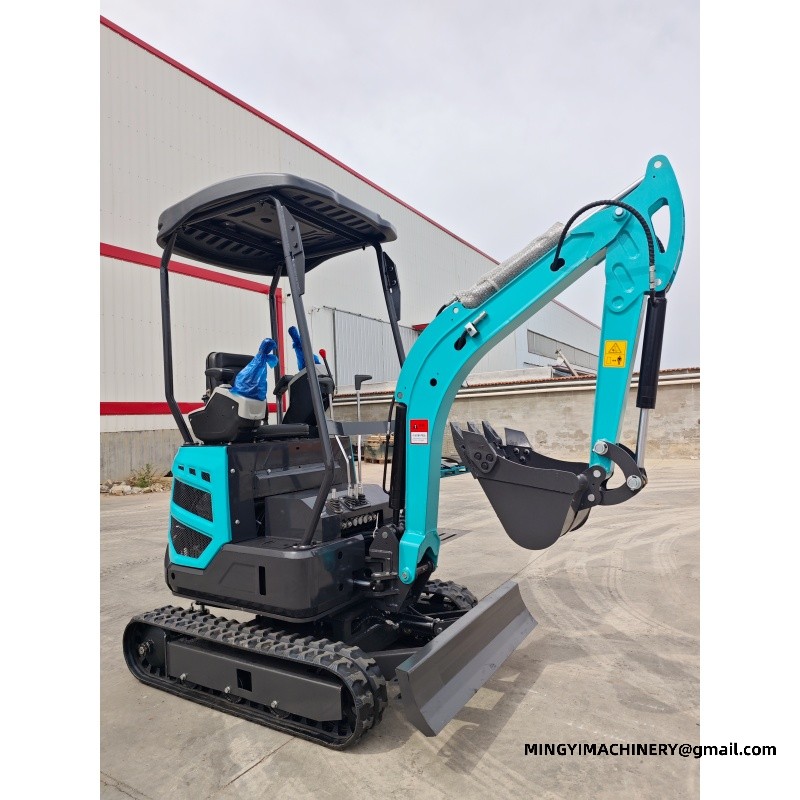
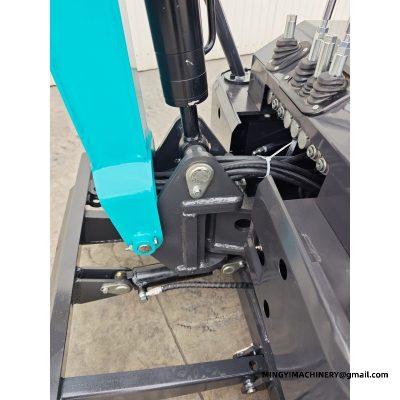
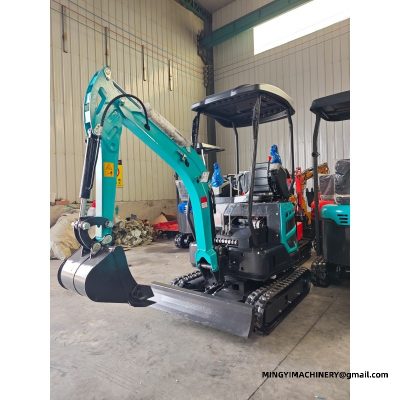
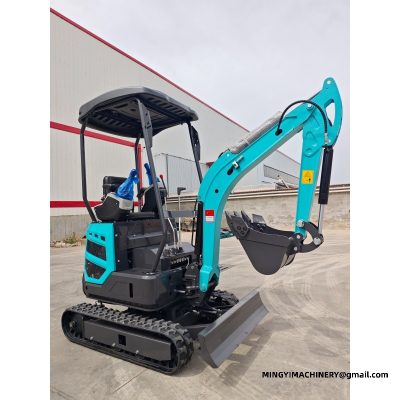
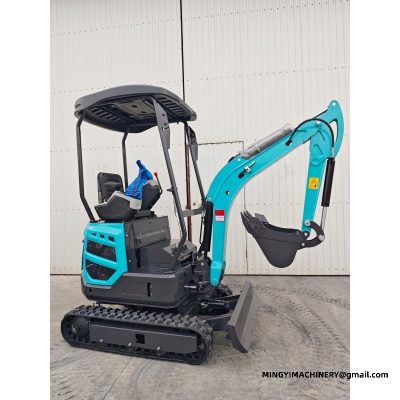
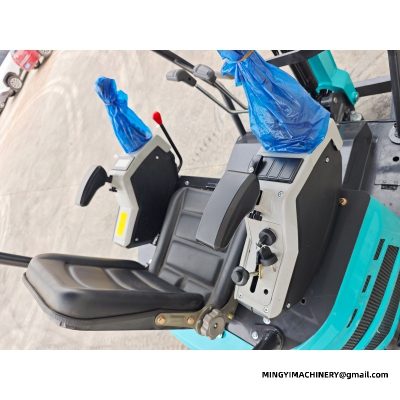
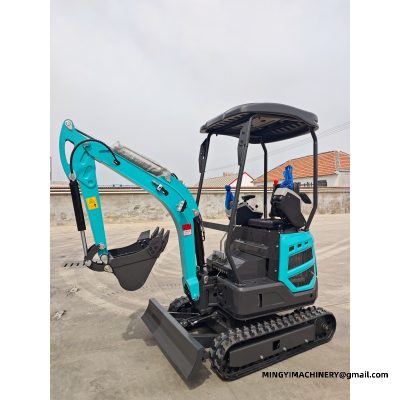
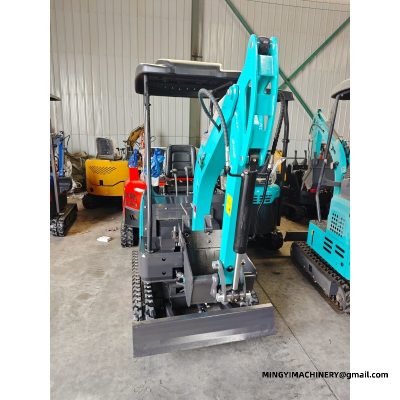
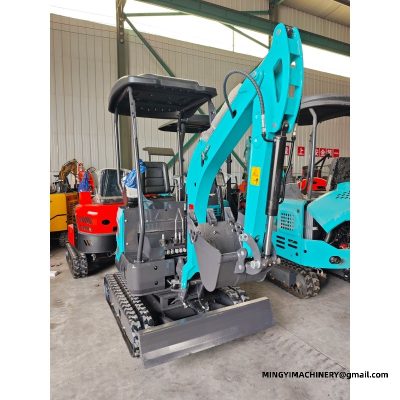
The ultimate sweet-spot tonnage for commercial landscaping and utility contractors, offering the perfect balance between massive digging power and easy trailering.
Between the smallest units and the top of the compact class there is a group of machines that do most of the real work: large enough to load a truck and dig a footing, small enough to travel on a trailer and enter an ordinary site.
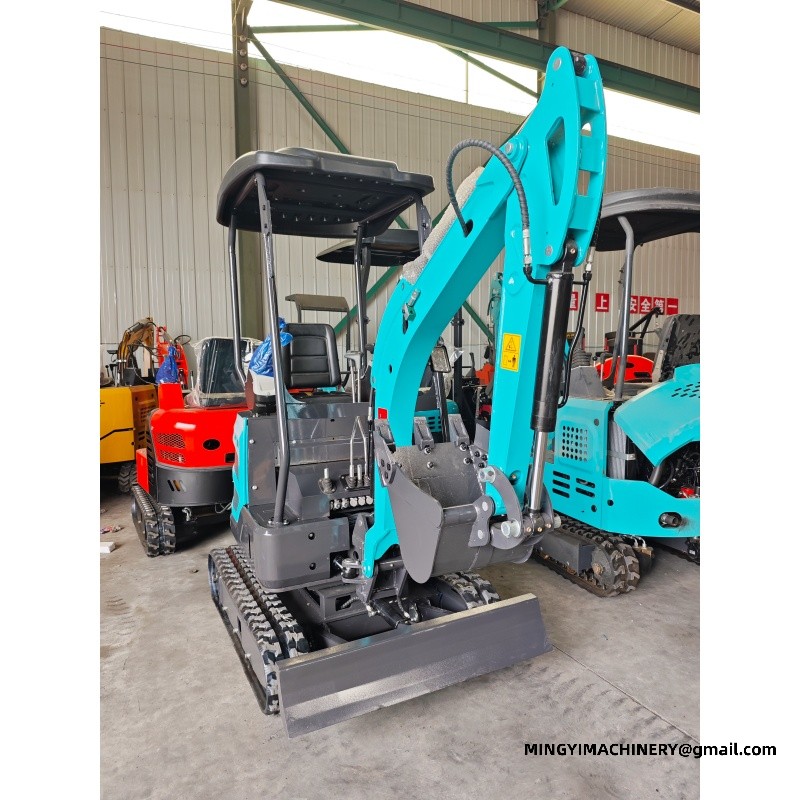
MINGYI builds compact crawler excavators across the 0.8 to 6 tonnes range, with the medium part of the class assembled to order. Engine, tracks and attachments are chosen together, so the machine is balanced to the duties it will be given.
What sits in the middle of the compact range
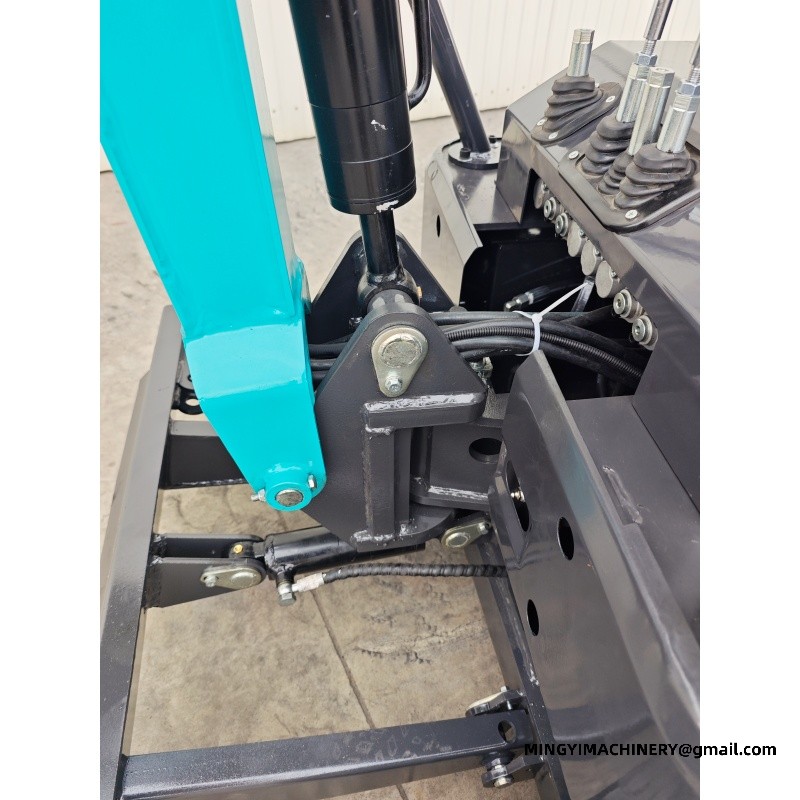
Machines in this band handle drainage and service trenches, house footings, breaking, small demolition and general clearance. They also have enough stability to load spoil directly into a small truck or trailer at the working face.
That combination removes a handling stage that smaller units cannot avoid. Instead of stockpiling spoil and moving it again later, the operator loads out as the trench advances, which shortens the job and keeps the working area clear.
Contracts that suit a medium compact machine
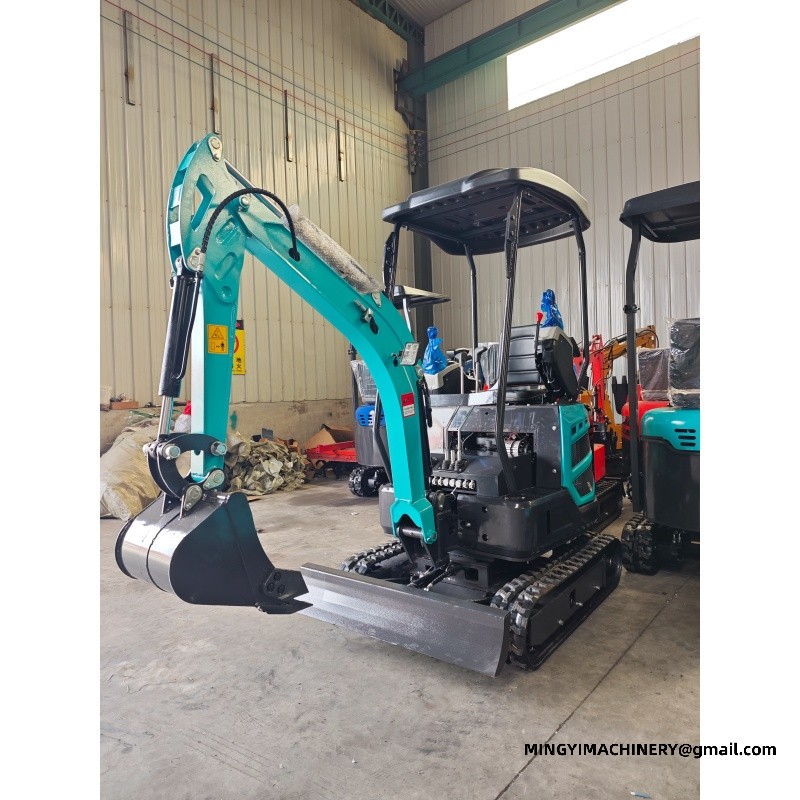
This size is well matched to housebuilding, extensions, landscaping on larger plots and municipal repair work. It reaches over a bank or a wall, works alongside a structure with an offset boom, and still fits through a typical site gateway.
Undercarriage and attachments follow the contract. Steel tracks with rubber blocks for soft ground, rubber tracks for finished surfaces, and a quick coupler so that a breaker, an auger or a grading bucket can be added as the work requires.
The middle of the compact class is where a single machine can cover the widest range of contracts. Specified around the access, the ground and the attachments its work needs, it is often the most heavily used excavator on a small fleet.
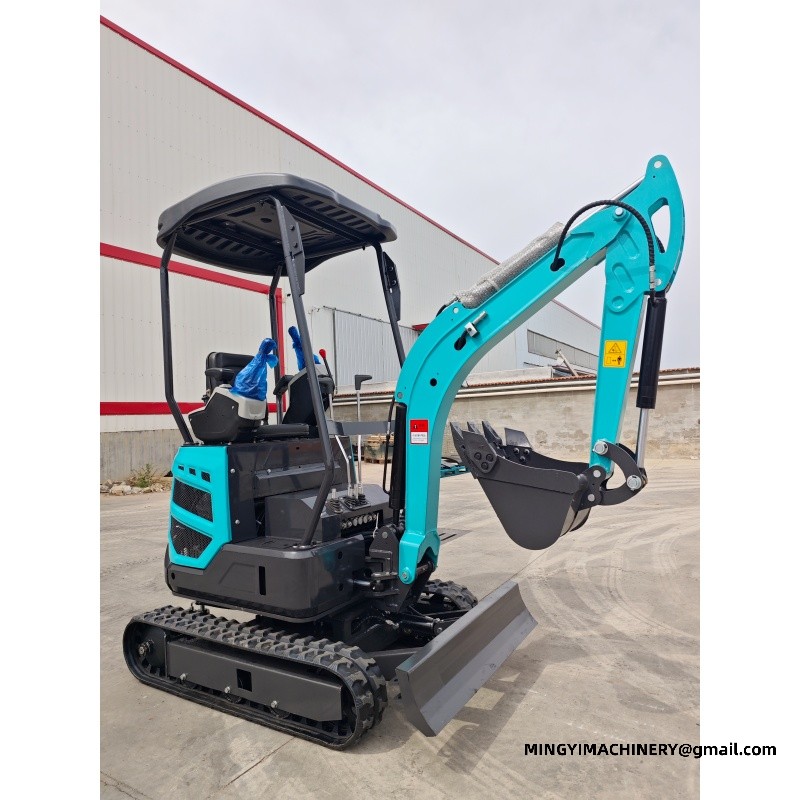
Working a medium compact mini excavator through the seasons Weather decides which days are productive. Rain turns some ground unusable and cold changes how the excavator starts and warms up, so planning the wet months around maintenance is more useful than planning around output. Seasonal planning smooths the workload. Machines that are busy for a few months and idle for the rest benefit from a service slot in the quiet period, and this class of machine prepared in the off-season starts the busy months reliably. Quick coupler practice on medium compact mini excavator A quick coupler is the single option that changes how a machine is used day to day. Fitted to the unit in daily use, it turns an attachment change from a two-person workshop job into a task the operator does alone in minutes. For a fleet that shares attachments between machines, a common coupler standard matters more than the coupler brand. A machine of this size that picks up the same tools as the larger machines keeps the rack usable across the yard. Export packing and shipping of medium compact mini excavator Machines leave the factory prepared for container or flat rack shipment. The equipment on site is normally shipped with the attachment set and the spare parts list agreed in advance so the container is planned once. Buyers who import regularly plan the spare parts with the machine. The machine itself ordered with a wearing-parts kit arrives ready to work rather than ready to wait for the first service interval. Orchard, vineyard and farm use of medium compact mini excavator Ditching, fertilising and drainage on farmland suit the model in question because the work is spread over a large area in short bursts. The machine travels behind a pickup and works where it stops. Farms also use the machine in that duty for general maintenance - clearing a watercourse, repairing a track, loading a spreader. One carrier with a few attachments covers most of the jobs that would otherwise wait for a contractor. Attachments that turn medium compact mini excavator into several machines Attachment lists are best written before delivery. Specifying the unit on the job with the tools the job list needs avoids the work and delay of adding hydraulics later, and a quick coupler makes the swap a few minutes instead of a workshop job. Most of the daily variety on a machine built for the work comes from the attachment rack rather than from the machine itself. Bucket, breaker, auger, ripper, rake and grab cover the large majority of the work a contractor will see. Specifying medium compact mini excavator against a job list The practical way to specify is to write the job list first: the narrowest access, the deepest trench, the heaviest tool and the surfaces the machine must cross. The equipment in service is then matched to those four numbers. Buyers who skip this step either over-buy or under-buy. The excavator specified only from machine size tends to arrive without the coupler, the circuits or the track type the work actually needs. Interior and light demolition with this class of machine Interior demolition is an access and a weight question. The unit in daily use that fits through a doorway and works on a suspended floor does jobs that would otherwise be done by hand or by a larger machine that cannot enter. Breaking out a floor slab, a wall footing or a concrete step is routine work for a machine of this size with a breaker. The machine is small enough to work inside and heavy enough to run the tool at a practical rate. Track choice for the equipment on site Rubber tracks suit paved and landscaped ground because they spread the machine weight and leave the surface intact. Steel tracks with rubber blocks are specified where the ground is rougher or the working day is longer, and the choice can be made per machine rather than accepted as a factory default. Track type changes what the machine can cross and what it leaves behind. Buyers specify rubber for lawns, driveways and municipal work, and steel with rubber blocks for sites where sharp material would cut a rubber belt in a week. Trenching work with the machine itself Trench quality depends on the bucket width and the operator, not on machine size. The model in question with a narrow bucket and a swing boom cuts a clean run along a boundary without disturbing the ground either side of it. Depth control matters more on service work than speed. The machine in that duty working beside live services is chosen because it can be placed precisely and stopped instantly, which is what the job actually requires. Noise, dust and working near occupied buildings Enclosure and machine condition both reduce noise. The unit on the job with intact panels, sound mounts and a maintained exhaust is measurably quieter than the same machine with loose guards, and the difference matters on restricted sites. Dust control is often part of the same conversation. Water, timing and work sequence reduce what leaves the site, and agreeing them in advance keeps a machine built for the work working rather than stopped after a complaint. Working near live services with the equipment in service The risk on utility work is not machine power but machine placement. The excavator that fits the working width leaves the surrounding ground undisturbed, which keeps the trench stable and the reinstatement small. Utility crews specify this class of machine with a narrow bucket and good visibility for exactly this reason: the machine has to stop at the service, not at the edge of the operator's view. Specification data for the unit in daily use Where a machine of this size is being specified for a job list, the table below gives the factory figures that matter most: what the machine weighs, how deep and how far it works, and what it measures on a trailer. Every value shown is as built for the equipment on site; options such as cab, side swing or a telescopic undercarriage change the transport dimensions and are confirmed at order stage. Rental fleets buy for utilisation, not for a single job. The machine itself with a quick coupler and a common attachment standard is hired more often because it suits more of the calls that come in. Fleet buyers also weigh transport. The model in question that a customer can tow on a normal licence and a standard trailer is a hire that does not need a delivery truck, which changes how often it goes out.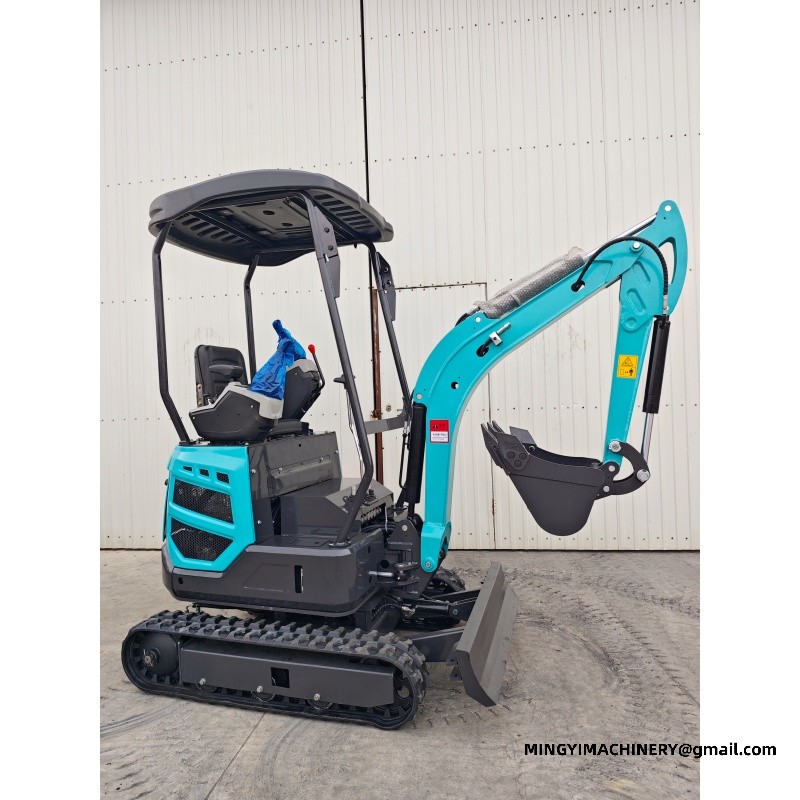
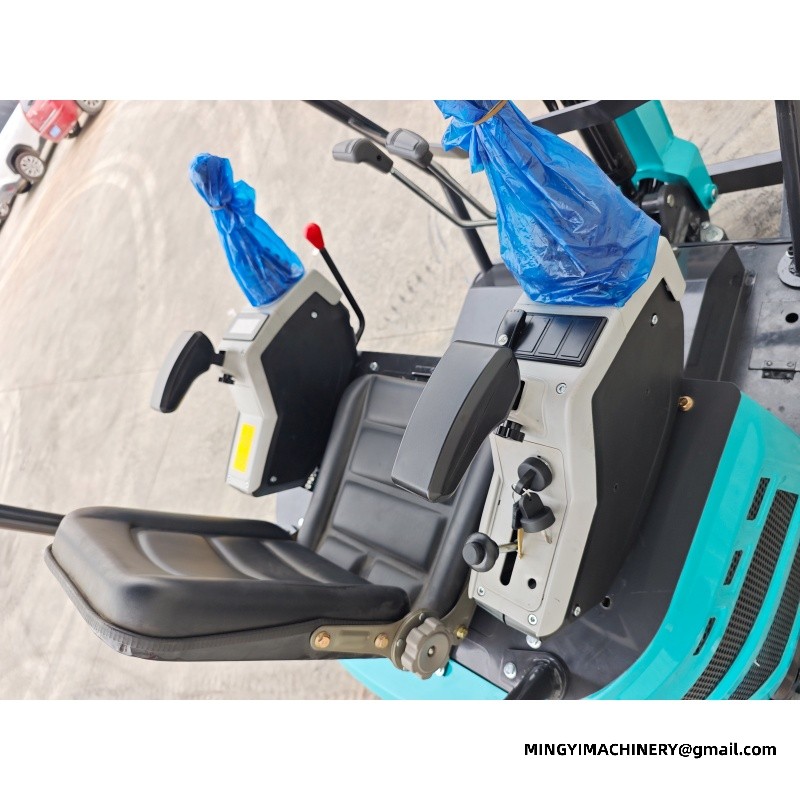
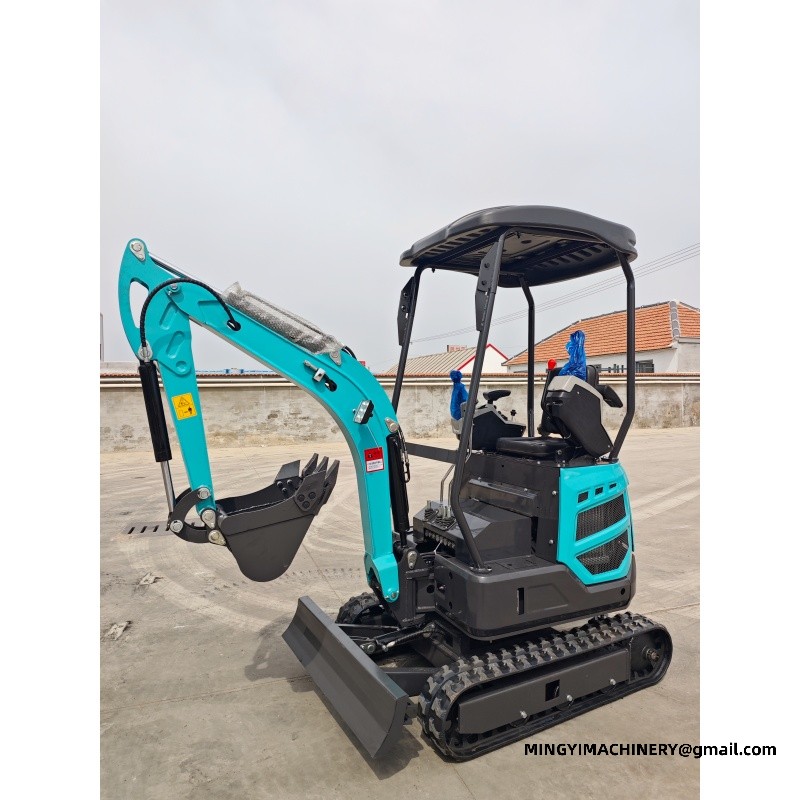
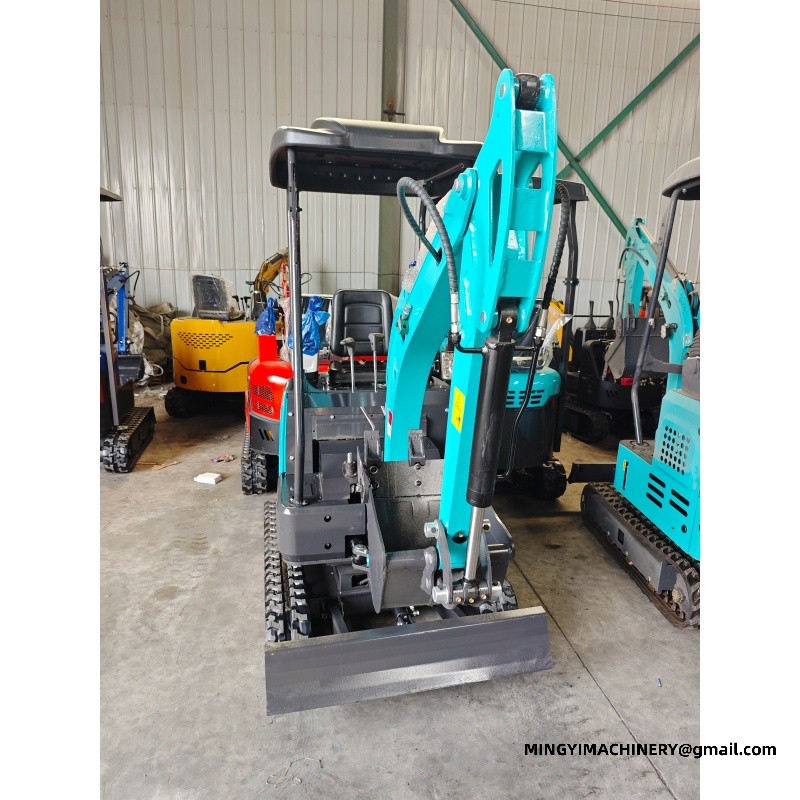
Reference specification — mini excavator range 09W 20-3W 30-2W 20-2L Operating weight 1100 kg (2425.08 lb) 1900 kg (4188.78 lb) 2700 kg (5952.48 lb) 1900 kg (4188.78 lb) Transport size (L×W×H) 1800 × 750 × 1970 mm 2550 × 1100 × 2200 mm 3000 × 1100 × 2700 mm 2600 × 1300 × 2344 mm Max digging depth 1250 mm (49.21 in) 1800 mm (70.87 in) 2200 mm (86.61 in) 2100 mm (82.68 in) Max digging height 2800 mm (110.24 in) 2820 mm (111.02 in) 3000 mm (118.11 in) 2880 mm (113.39 in) Max dumping height 1700 mm (66.93 in) 2050 mm (80.71 in) 2000 mm (78.74 in) 2100 mm (82.68 in) Max digging radius 2570 mm (101.18 in) 3050 mm (120.08 in) 3800 mm (149.61 in) 3215 mm (126.57 in) Max digging distance 1869 mm (73.58 in) 2300 mm (90.55 in) 3050 mm (120.08 in) 2460 mm (96.85 in) Minimum turning radius 1000 mm (39.37 in) 1450 mm (57.09 in) 1750 mm (68.9 in) 1587 mm (62.48 in) Travel speed 3 km/h (1.86 mph) 5 km/h (3.11 mph) 7 km/h (4.35 mph) 5 km/h (3.11 mph) Gradeability 30° 30° 30° 30° Fuel consumption 1-1.3 L/h (0.264—0.343 gal) 2-3 L/h (0.528—0.793 gal) 2-3 L/h (0.528—0.793 gal) 2-3 L/h (0.528—0.793 gal) Fuel tank capacity 8 L (2.11 gal) 16 L (4.23 gal) 16 L (4.23 gal) 16 L (4.23 gal) Hydraulic oil tank 16 L (4.23 gal) 18 L (4.76 gal) 20 L (5.28 gal) 18 L (4.76 gal) Dozer blade lift height 180 mm (7.09 in) 180 mm (7.09 in) 230 mm (9.06 in) 180 mm (7.09 in) Dozer blade drop depth 210 mm (8.27 in) 210 mm (8.27 in) 280 mm (11.02 in) 210 mm (8.27 in)
Q. What is the machine in that duty used for?
A. The class sets the trade: access on one side, reach and lift on the other, and every compact buyer picks their point on that line. A machine that passes the narrowest gap on the job list and still swings the bucket the trench needs is the right size - nothing more complicated than that. MINGYI builds the 08, 12 and 18 models covering the 0.8 to 6 tonne class, and the unit on the job is where that range meets medium.
Q. Is a bigger class always more machine?
A. Only where the site lets it work: a class too big for the access spends the day waiting outside the gate. Match the class to the job list, not to the brochure - the factory confirms the pairing before the build sheet is cut.
Q. Which models does MINGYI build?
A. The 08, 12 and 18 models cover the 0.8 to 6 tonne class with engine, track, cab and attachment options across the range - dealer programmes can mix models in one shipment, and each medium machine is confirmed on its own build sheet.
Storage and long idle periods for a machine built for the work
A stored machine should be brought back carefully. Before the equipment in service returns to work the fluids, the brakes and the controls are checked, because months of standing change more than a weekend does.
Fuel, oil and fluid quality for the excavator
Most engine trouble starts with what went into the tank. Clean fuel, stored properly and filtered before it reaches this class of machine, prevents more downtime than any other single habit an owner can adopt.
Keeping a service record for the unit in daily use
Service history also protects the warranty position. Evidence that a machine of this size was maintained at the specified intervals and with the specified fluids settles questions that would otherwise be argued.
E-mail : sales@mingycn.com
LINE ( ID ): mingyicn
Related pages
mini excavator with hydraulic thumb grab · concrete mixer mini excavator · Earthmoving Wheel Loader: Boom Geometry and Breakout Behaviour · Mini Excavators









