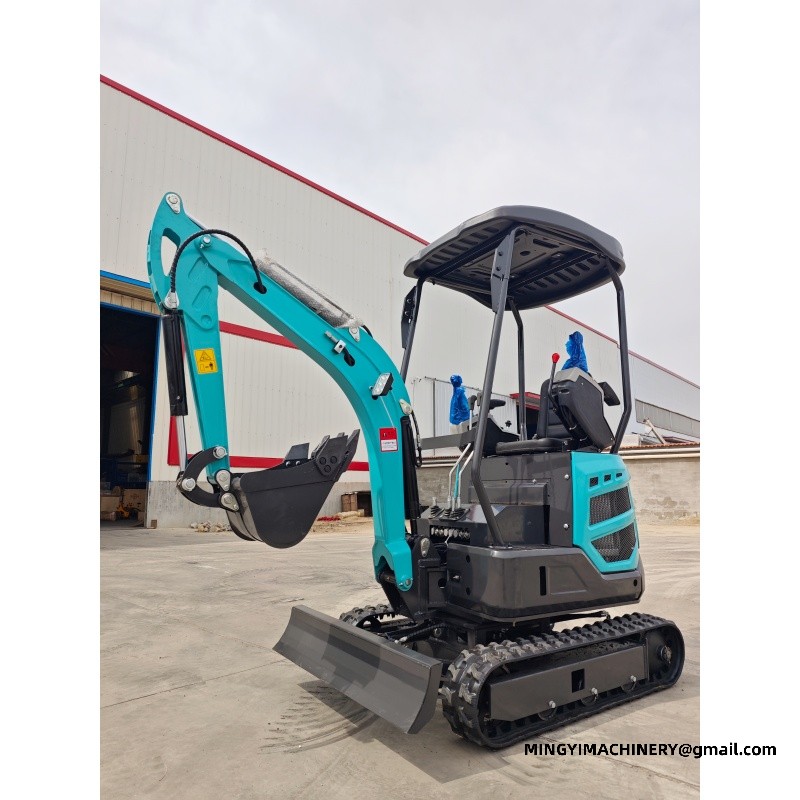
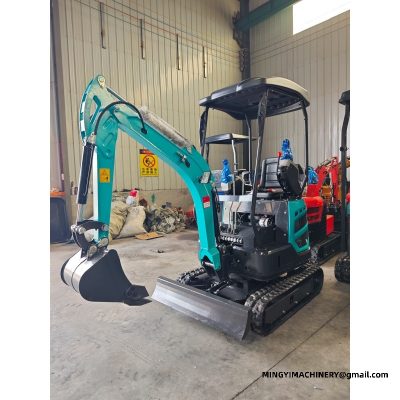
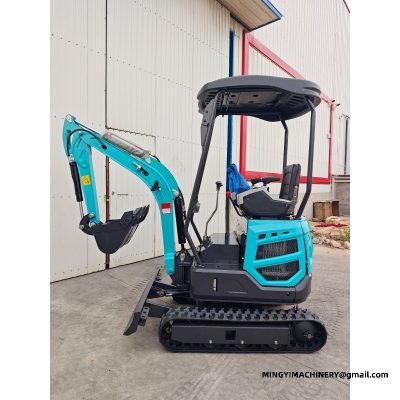
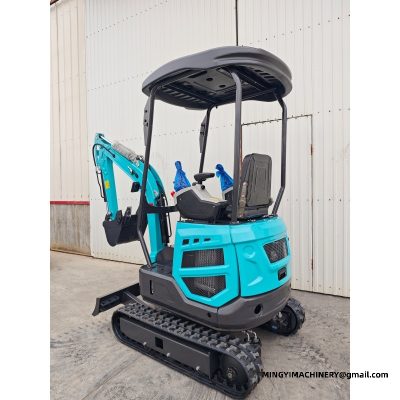
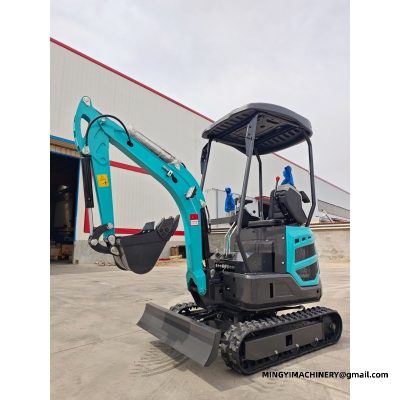
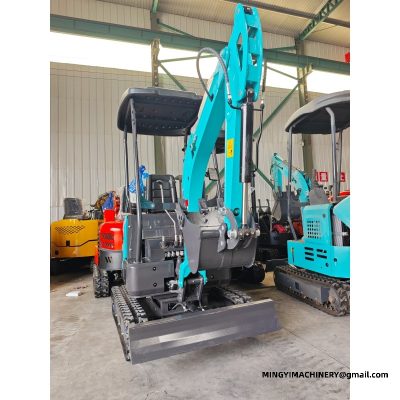
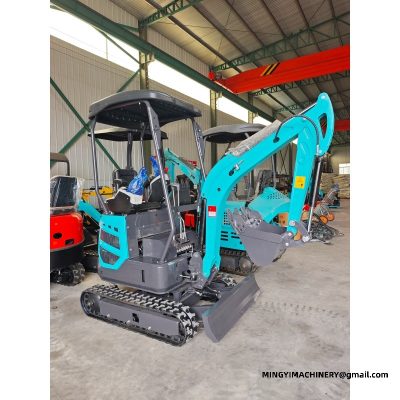
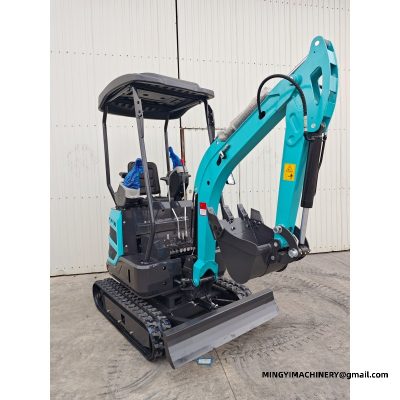
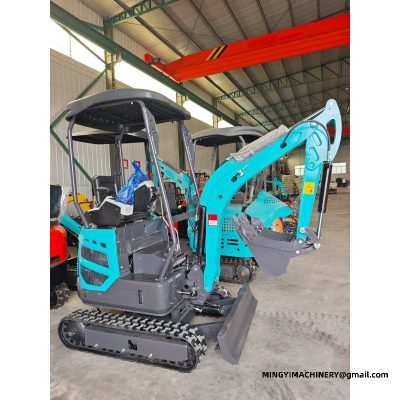
Compatible with a hydraulic concrete mixing bucket, allowing operators to mix, transport, and pour cement directly into hard-to-reach footings and fence lines.
A concrete mixer bucket turns a mini excavator into a machine that can mix on site as well as dig. For work in gardens and courtyards where a delivery truck cannot reach, mixing at the point of use avoids moving material twice.
MINGYI supplies mixing buckets for its compact crawler excavators, sized to the machine at the ordering stage so the attachment can be handled safely at the end of the arm.
Mixing on site with an excavator bucket
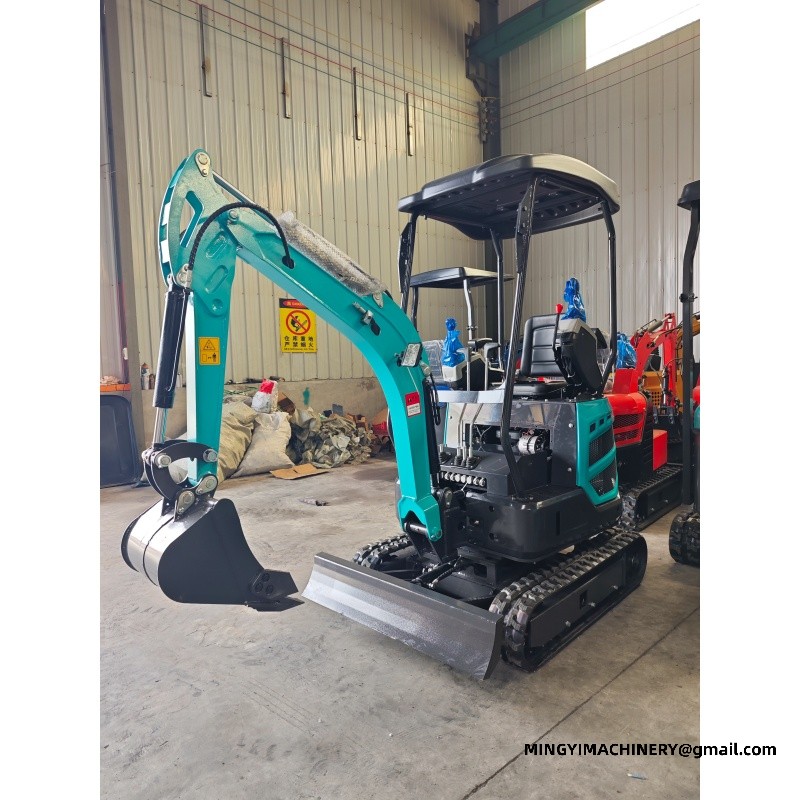
A mixing bucket carries the material to the place it is needed. The operator loads the bucket, mixes in it and then pours from the arm, so the concrete reaches a footing or a post hole without being barrowed across the ground.
Working this way suits small pours. Footings, fence post bases, kerb repairs and small slabs are the kind of jobs where a few buckets of concrete mixed at the machine save a larger delivery.
Placement and cleanup after mixing
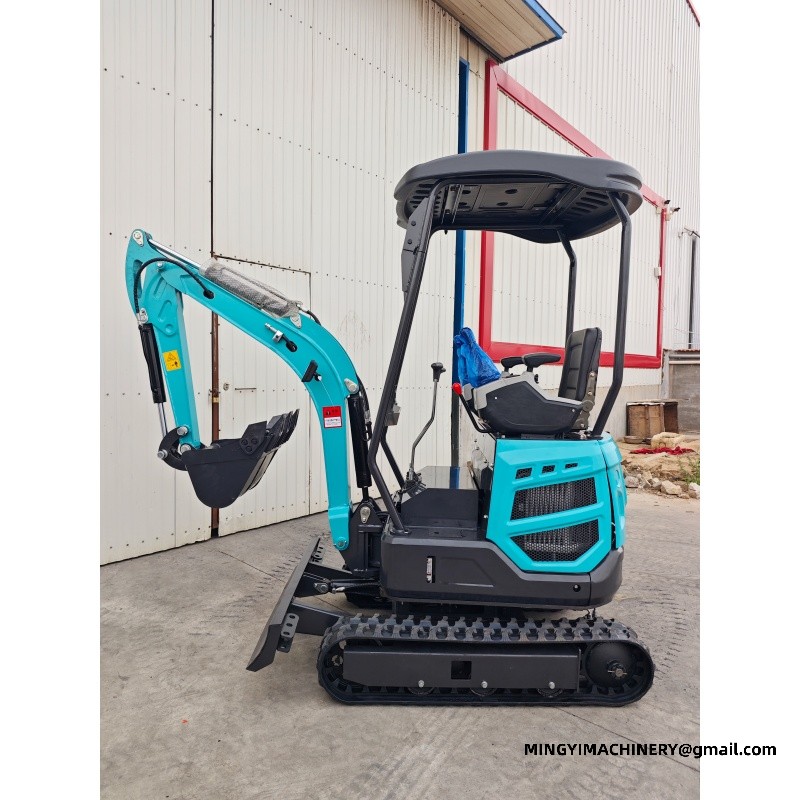
Placement is controlled from the cab. The bucket tilts to pour, and the operator can move the arm to spread the material evenly along a trench or into a form, which is useful where the pour is long and narrow.
Cleaning is part of the routine. Concrete sets quickly, so the bucket is rinsed after use and the mixing action run clear before the machine is parked, keeping the attachment ready for the next pour.
A mixing bucket lets one compact machine dig, mix and place on the same small job. For sites where access is limited and the pours are small, that combination removes a step from the work.
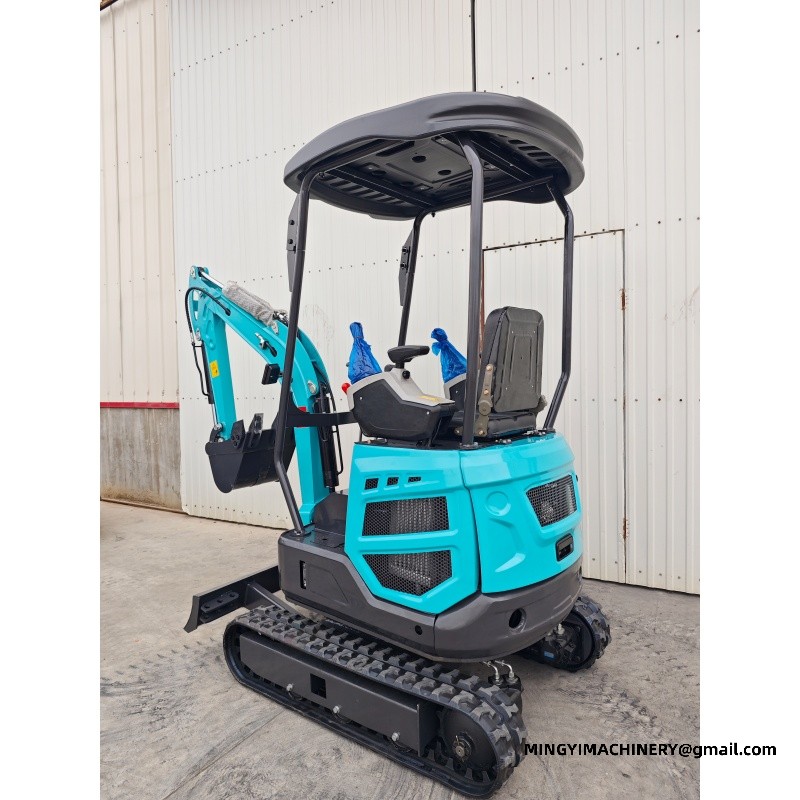
Attachments that turn concrete mixer mini excavator into several machines The base machine is a carrier; the tool on the end of the arm decides the task. The excavator fitted with a toothed bucket digs, and the same machine with a breaker, an auger or a grab does work that would otherwise need a second unit on site. Attachment lists are best written before delivery. Specifying this class of machine with the tools the job list needs avoids the work and delay of adding hydraulics later, and a quick coupler makes the swap a few minutes instead of a workshop job. Road and paving work for concrete mixer mini excavator Road repair generates short, interrupted jobs - a patch, a drainage connection, a kerb line. The unit in daily use is economical here because it travels on a small trailer and starts working minutes after arriving. Patching and reinstatement favour a machine that can work in a lane closure. A machine of this size occupies less road than a full-size excavator, which reduces the traffic management needed and the length of the closure. Canopy or enclosed cab on a concrete mixer mini excavator A canopy keeps the machine light and the operator aware of the surroundings, which suits short jobs in warm weather. A fully enclosed cab is specified where rain, dust or cold are part of the working year, and it can be added to the equipment on site as a retrofit rather than only at build time. Enclosure also changes noise and dust exposure. A sealed cab on the machine itself keeps dust out on dry sites and lets the machine work through weather that would otherwise stop a canopy machine for the day. OEM and fleet customisation of concrete mixer mini excavator Distributors and rental fleets usually need the machine to look like theirs. Paint, decals, seat colour and attachment branding can be specified on the model in question at build time rather than applied after import. Documentation can be prepared to suit the importer. Manuals, parts books and decal sets for the machine in that duty can be supplied with the buyer's own branding where the order size justifies it. What owners should plan for beyond the concrete mixer mini excavator The useful comparison is demand per working hour, not demand per machine. The unit on the job that works more hours a year spreads its standing takes over more output, which is why utilisation usually matters more than the invoice figure. Downtime is the hidden line item. A machine built for the work waiting on a part earns nothing while it stands, so parts availability and service access belong in the plan as much as fuel does. Matching concrete mixer mini excavator to ground conditions Hard and abrasive ground reverses the specification. On rock, demolition rubble or sharp gravel, steel tracks with rubber blocks on the equipment in service survive conditions that cut a rubber belt quickly. Mixed sites are common and argue for a compromise specification. Most buyers choose rubber for the excavator and accept the wear, unless the majority of the work is on material that will damage it. Trailering and moving this class of machine Transport weight and width decide whether a machine needs a specialist haulier. The unit in daily use sized to travel on a standard plant trailer behind a suitable vehicle moves with the crew rather than on a scheduled low loader. Detachable components reduce transport length. A machine of this size built with a removable arm section or a folding step fits a shorter trailer and may avoid an oversize movement permit. Acceptance checks when the equipment on site arrives A function check before the machine goes to work is worth the hour. Running through the controls, the travel and the attachment circuit on the machine itself confirms it is set up as specified and ready for the site. Documentation should arrive with the machine. Parts list, service schedule and any certificates for the model in question are what the workshop needs later, and they are much easier to obtain at delivery than in month six. Parts, service and support for the machine in that duty Support after delivery is a parts question. Wearing items for the unit on the job - filters, belts, track components, bucket teeth and pins - are the items a buyer should plan to hold before the first service interval. Engine parts availability usually drives the engine choice. A machine built for the work built with an engine the local network already carries is serviced from stock rather than from an international order. Noise, dust and working near occupied buildings Work near housing or occupied premises brings constraints that open sites do not. Start times, exhaust condition and how often the equipment in service needs to reverse are the practical limits that neighbours notice. Dust control is often part of the same conversation. Water, timing and work sequence reduce what leaves the site, and agreeing them in advance keeps the excavator working rather than stopped after a complaint. Municipal and public works with this class of machine Drainage repair, tree planting, footway reconstruction and cemetery work are all within the range of the unit in daily use. The jobs are small individually and continuous across the year. Noise and surface protection matter on public work. A machine of this size on rubber tracks across paving, with a sealed cab for the operator, suits the conditions better than a larger tracked machine. Lifting and material handling with the equipment on site Lifting with a machine built to dig needs a plan. The load, the radius and the ground under the model in question all matter, and the safe figure is the one on the chart rather than the one that looks possible. Stability changes with reach. A load the machine itself handles close in becomes a different proposition at full extension, so the working radius belongs in the plan before the lift rather than during it. Specification data for the machine in that duty Buyers comparing the unit on the job usually start from four numbers - weight, digging depth, reach and transport width - because those are the ones that decide whether the machine can be delivered and whether it can do the job once it is there. Every value shown is as built for a machine built for the work; options such as cab, side swing or a telescopic undercarriage change the transport dimensions and are confirmed at order stage. The second habit is tool discipline. Running the equipment in service with the right bucket width for the trench means less spoil, less reinstatement and a cleaner job than a wide bucket and a lot of trimming. Stability is the third. The excavator working across the tracks rather than over the corners keeps the machine steady and the undercarriage loaded evenly, which shows up as track life at the end of the season.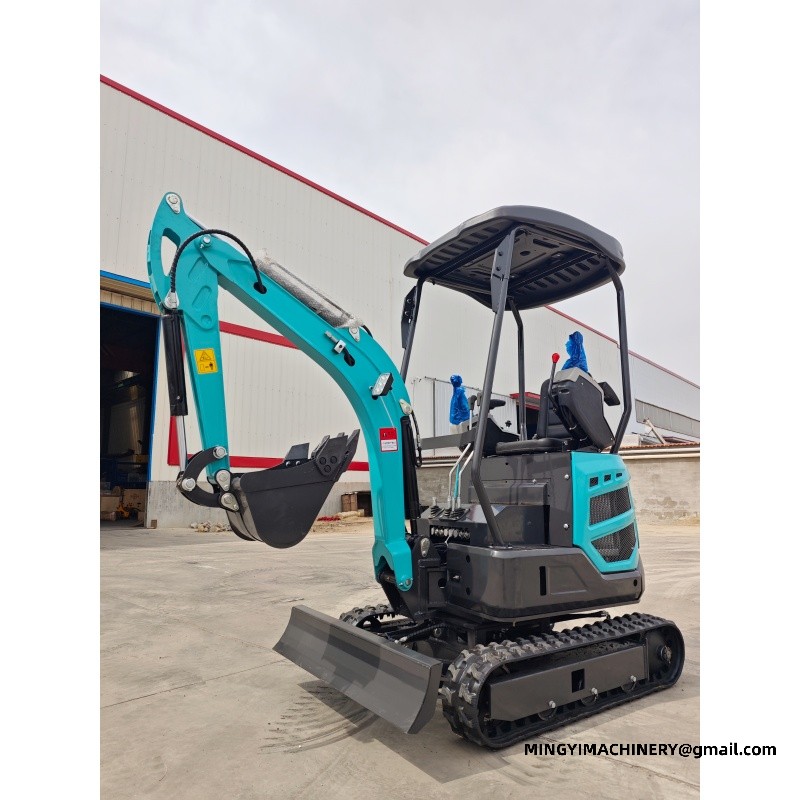
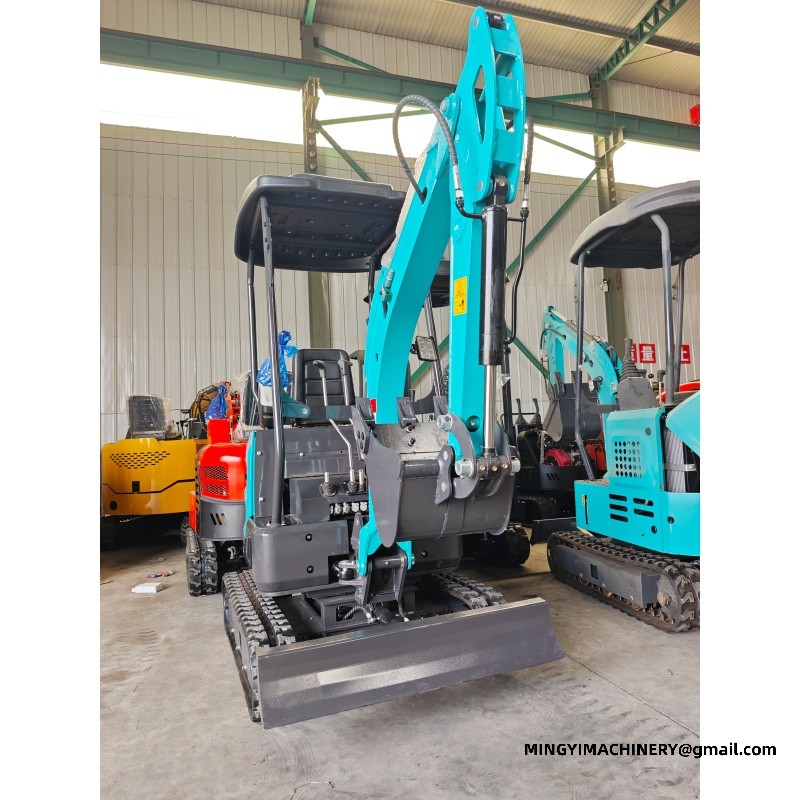
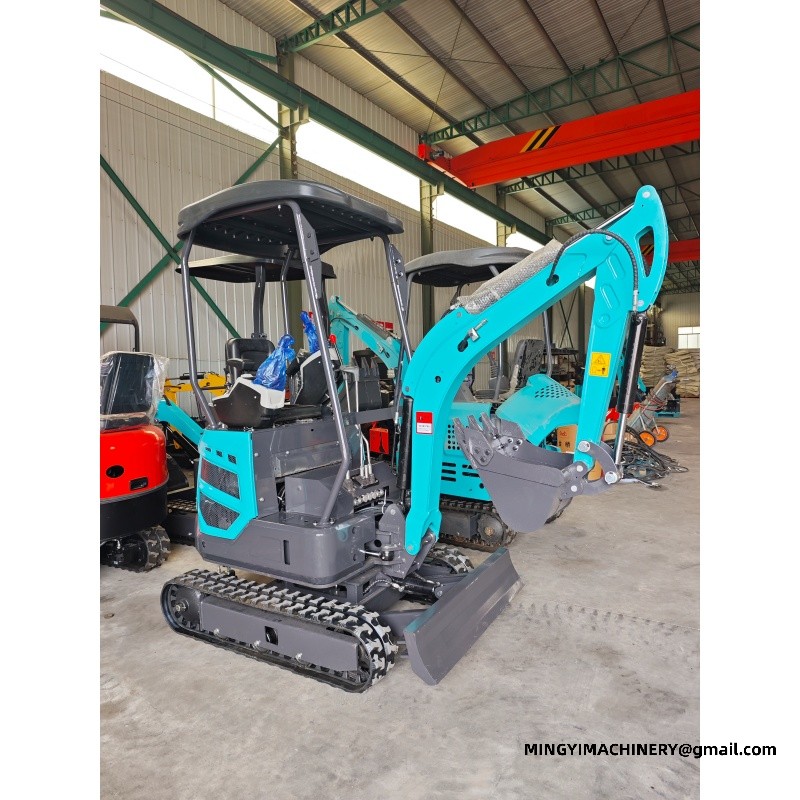
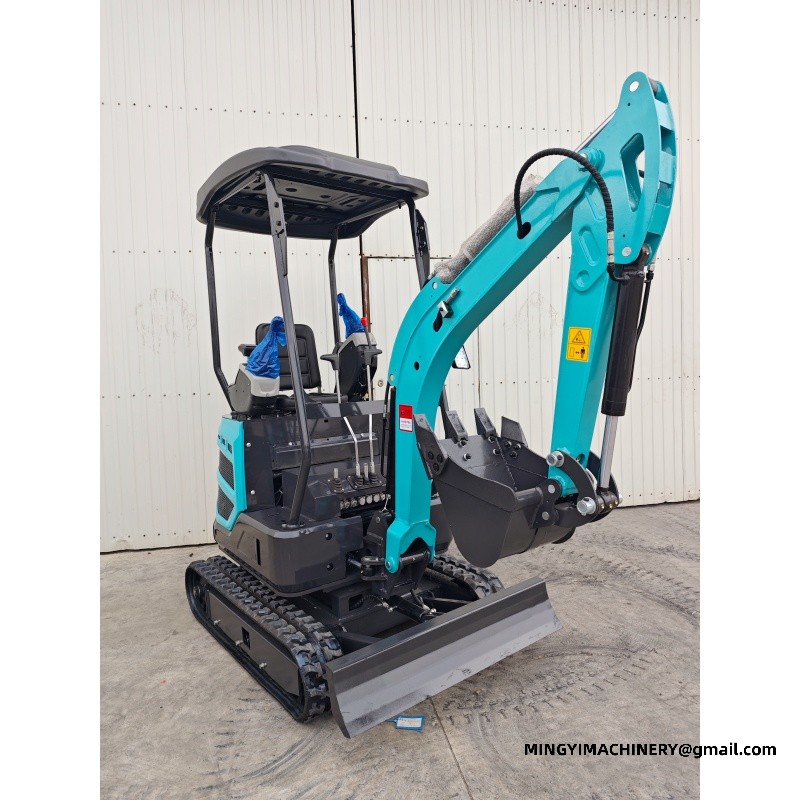
Reference specification — mini excavator range 30-1W 30-2W 09L 20-2L Operating weight 2900 kg (6393.41 lb) 2700 kg (5952.48 lb) 1100 kg (2425.08 lb) 1900 kg (4188.78 lb) Transport size (L×W×H) 3000 × 1250 × 2780 mm 3000 × 1100 × 2700 mm 2300 × 720 × 1870 mm 2600 × 1300 × 2344 mm Max digging depth 2200 mm (86.61 in) 2200 mm (86.61 in) 1400 mm (55.12 in) 2100 mm (82.68 in) Max digging height 3400 mm (133.86 in) 3000 mm (118.11 in) 2800 mm (110.24 in) 2880 mm (113.39 in) Max dumping height 2400 mm (94.49 in) 2000 mm (78.74 in) 1880 mm (74.02 in) 2100 mm (82.68 in) Max digging radius 4000 mm (157.48 in) 3800 mm (149.61 in) 2490 mm (98.03 in) 3215 mm (126.57 in) Max digging distance 2800 mm (110.24 in) 3050 mm (120.08 in) 2000 mm (78.74 in) 2460 mm (96.85 in) Minimum turning radius 2000 mm (78.74 in) 1750 mm (68.9 in) 1400 mm (55.12 in) 1587 mm (62.48 in) Travel speed 5 km/h (3.11 mph) 7 km/h (4.35 mph) 3 km/h (1.86 mph) 5 km/h (3.11 mph) Gradeability 30° 30° 30° 30° Fuel consumption 2-3 L/h (0.528—0.793 gal) 2-3 L/h (0.528—0.793 gal) 1-1.3 L/h (0.264—0.343 gal) 2-3 L/h (0.528—0.793 gal) Fuel tank capacity 16 L (4.23 gal) 16 L (4.23 gal) 8 L (2.11 gal) 16 L (4.23 gal) Hydraulic oil tank 20 L (5.28 gal) 20 L (5.28 gal) 16 L (4.23 gal) 18 L (4.76 gal) Dozer blade lift height 420 mm (16.54 in) 230 mm (9.06 in) 180 mm (7.09 in) 180 mm (7.09 in) Dozer blade drop depth 210 mm (8.27 in) 280 mm (11.02 in) 210 mm (8.27 in) 210 mm (8.27 in)
Q. Who chooses this class of machine?
A. The attachment story on a compact digger is about earning across trades: one carrier, one trailer, and a quick coupler that swaps tools in about a minute. Every attachment on this page runs on the same carrier the machine ships with, matched to its hydraulic flow and coupler. Read the unit in daily use together with the engine, track and attachment pages: jobs around concrete mixer are decided by how those choices line up, not by any single number on the sheet.
Q. How do I know which attachment my machine can run?
A. Compare the carrier hydraulic flow with what the attachment asks for, and the lifting moment with what it weighs at full reach. Lower-flow carriers still run buckets, rakes and mechanical tools; hungry attachments call for the high-flow option, and MINGYI confirms the pairing before the order ships.
Q. What support follows the sale?
A. Spare-part kits, wear items and service documentation ship with the programme, and the parts team works from the serial plate to match components exactly. Warranty and support terms for the concrete mixer order are confirmed in writing before the machine leaves.
Pre-delivery inspection before a machine of this size leaves the shop
The last hour before packing is the best time to find a fault. Running the equipment on site through its full working cycle, checking for leaks under load and confirming that the controls match the specification avoids a conversation across time zones later.
Later additions and retrofits on the machine itself
Most additions are easier to plan than to add. Hydraulic services, mounting brackets and electrical capacity on the model in question are build items, and deciding them at the specification stage is far easier than doing it later.
E-mail : sales@mingycn.com
LINE ( ID ): mingyicn
Related pages
full rotation tiltrotator digger · micro excavator for grave digging · Wheel Loader Manufacturer: Frame Tiers and Parts Commonality · Mini Excavators









