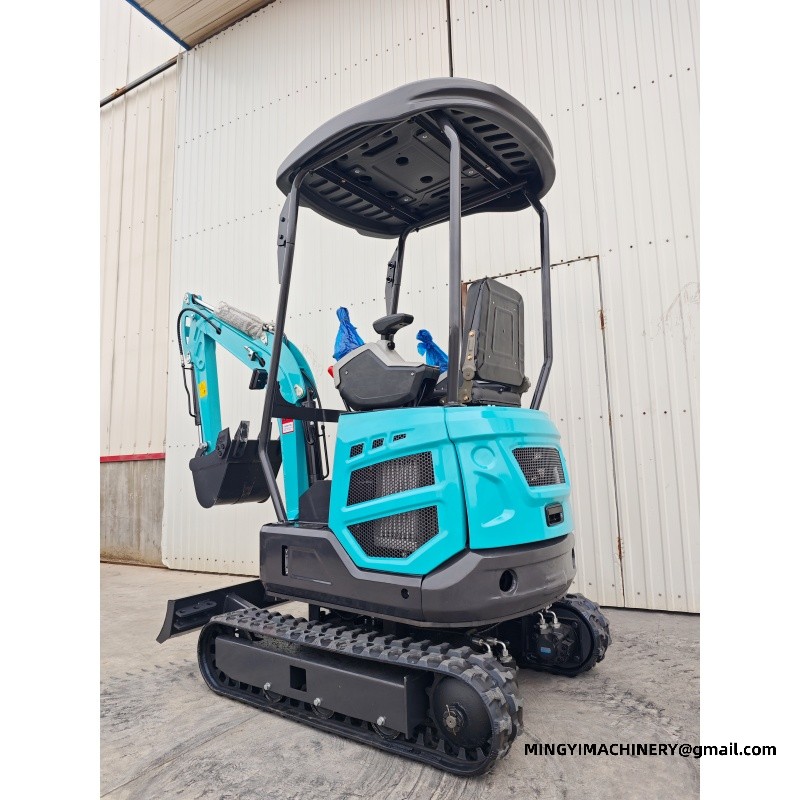
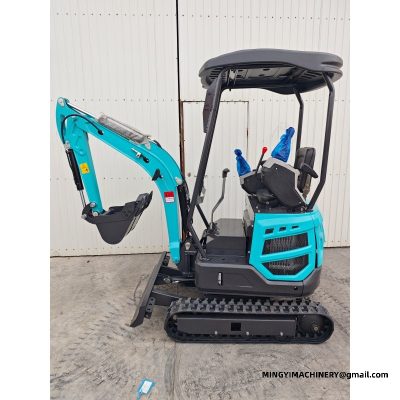
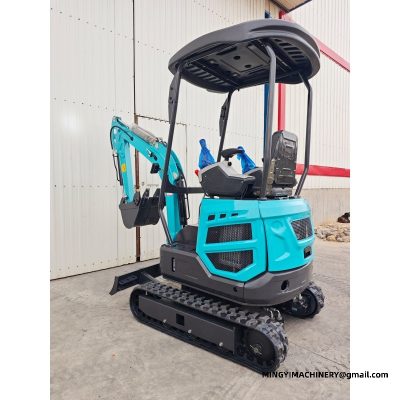
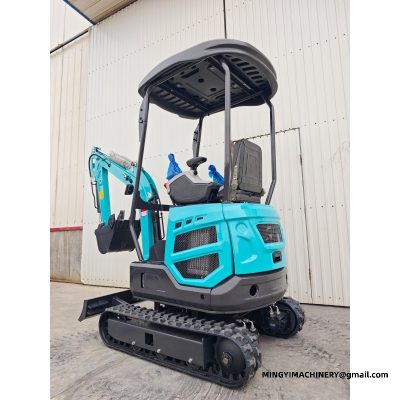
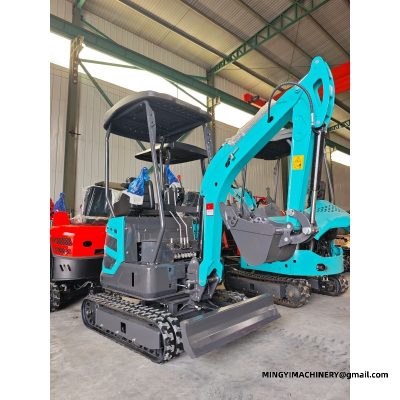
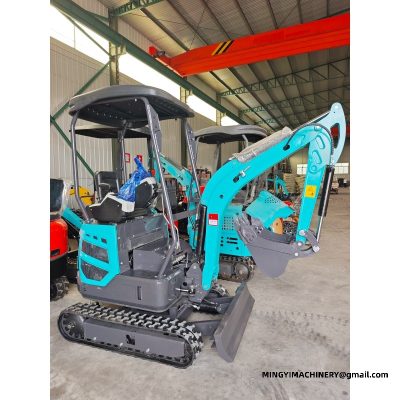
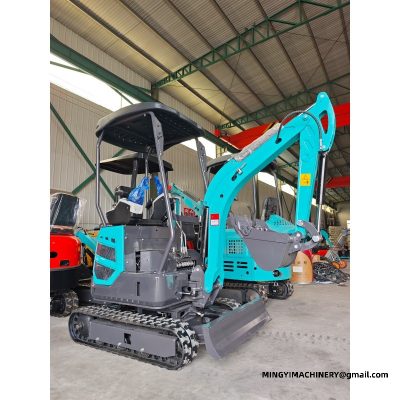
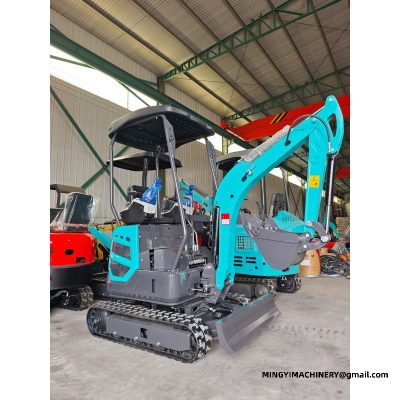
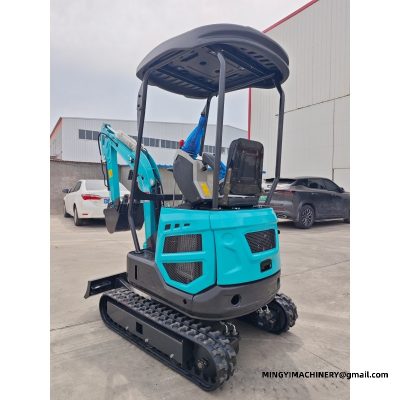
Features a super-compact footprint and ultra-quiet engine options, specifically tailored for precise grave digging and maintenance in tight cemetery plots.
Grave digging is precision work carried out in a confined space, where the sides of the excavation have to stay clean and the surrounding ground must not be disturbed. A micro excavator suits the task because it can work inside a narrow plot and place spoil exactly where it is wanted.
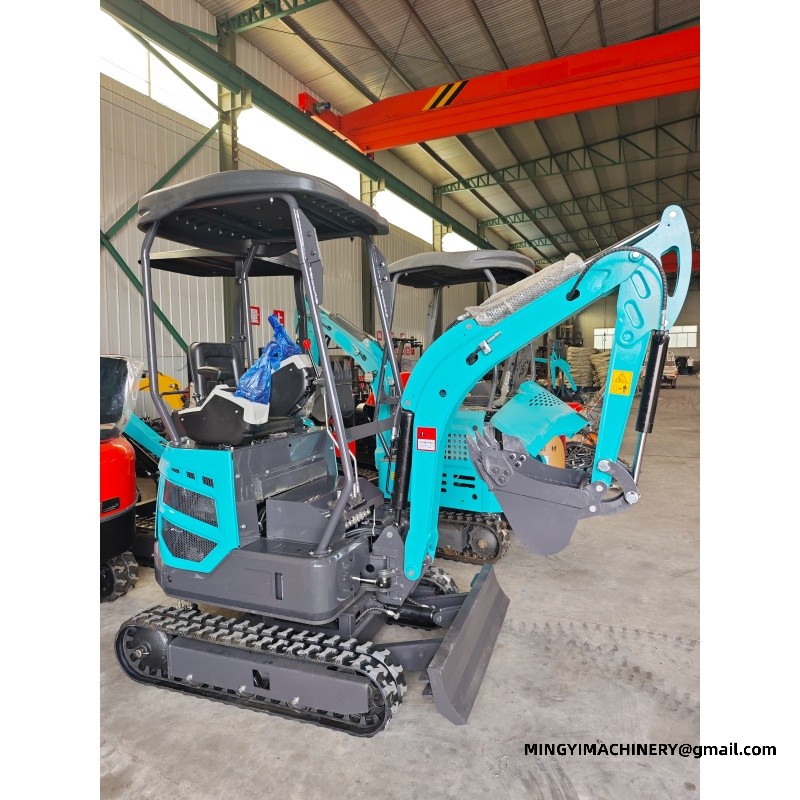
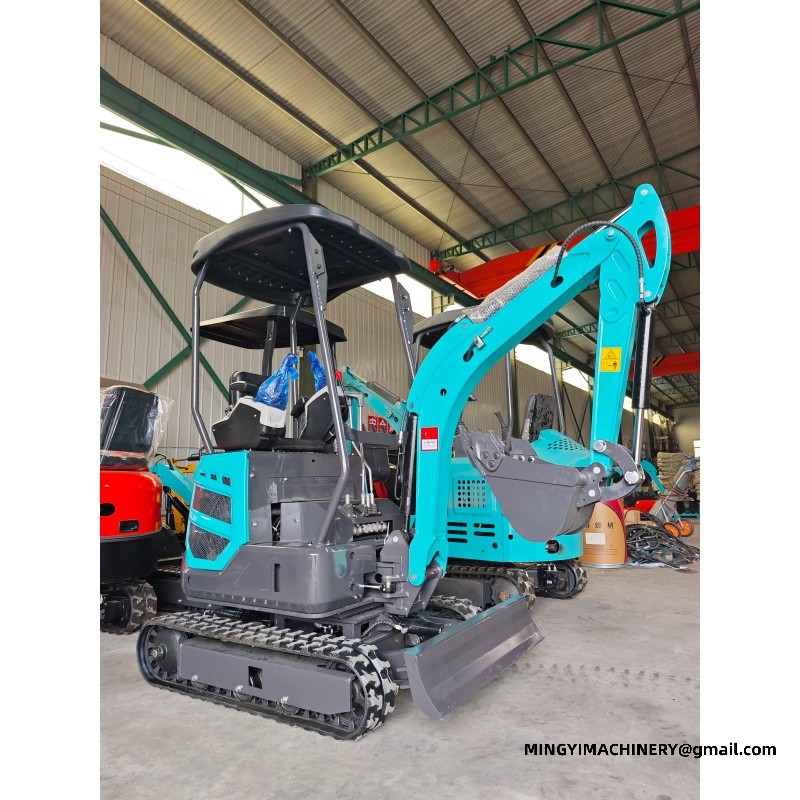
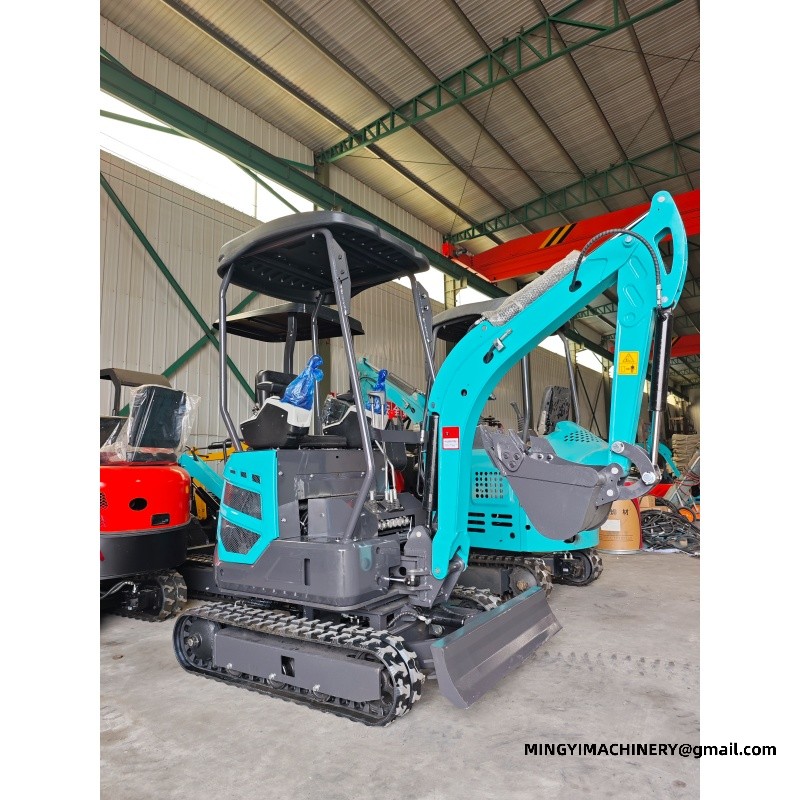
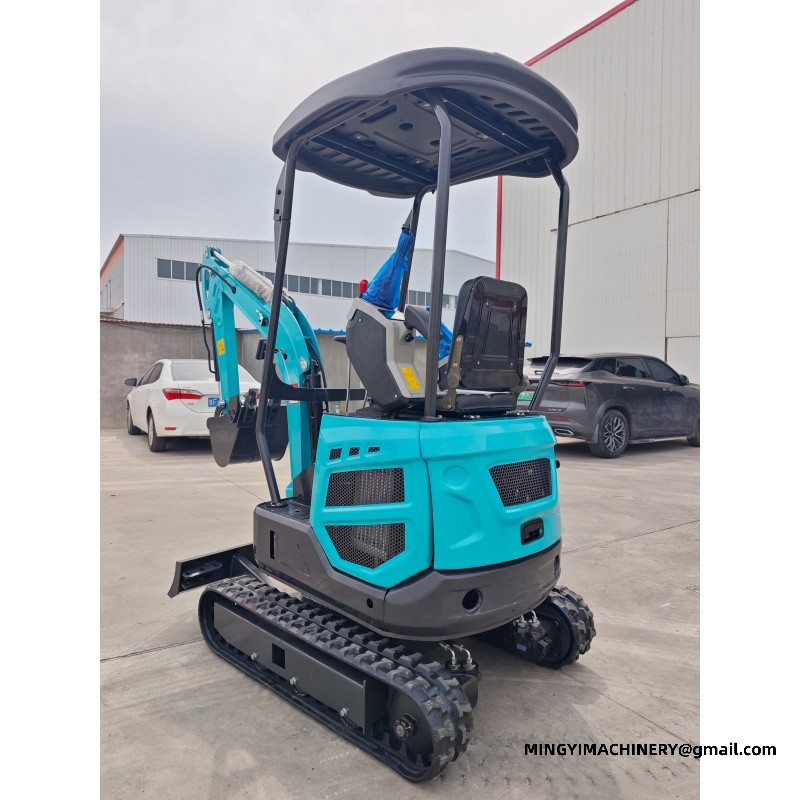
MINGYI builds compact crawler machines in the smaller classes for work of this kind. A narrow undercarriage with rubber tracks allows the unit to travel across prepared ground and between markers without marking the surface.
Precision digging in a confined plot
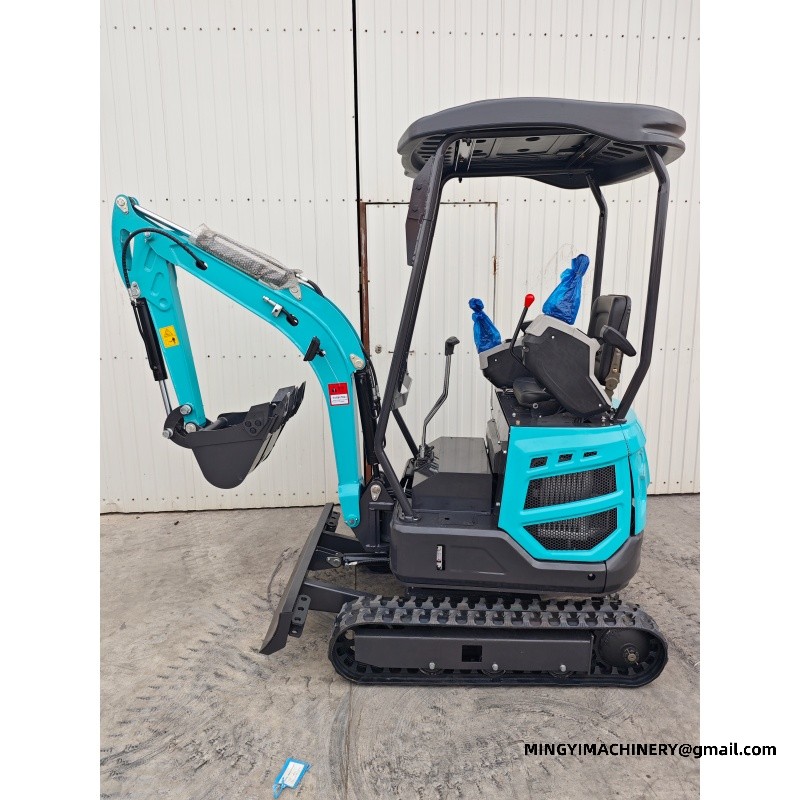
The excavation is usually square and straight-sided, and the operator has little room to reposition the machine. A swing boom is useful here because it lets the bucket reach to either side of the tracks without the machine turning within the plot.
Spoil handling is the other constraint. The material has to be placed where it can be returned cleanly and without mixing, so the machine often works alongside boards that keep the surround tidy and the subsoil separate.
Machine and attachment choice for cemetery work
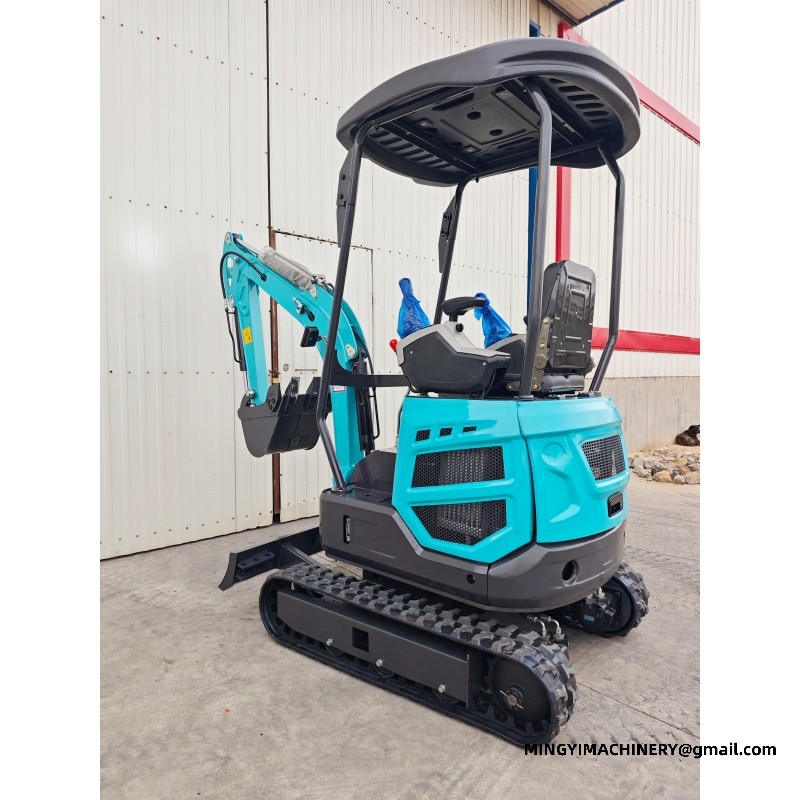
The bucket is normally narrow and flat-bottomed, so the floor of the excavation can be trimmed level. A quick coupler allows a wider bucket to be fitted where the plot allows it, without a second machine being brought to the site.
Where the ground is stony or contains old roots, a ripper or a small breaker on the same machine opens the material before the bucket cuts it. Both are carried on the unit and changed at the coupler when the ground demands it.
Cemetery work calls for a machine that is small, precise and quiet in operation. A micro excavator specified with rubber tracks, a swing boom and a narrow bucket will complete the excavation without disturbing the ground around the plot.
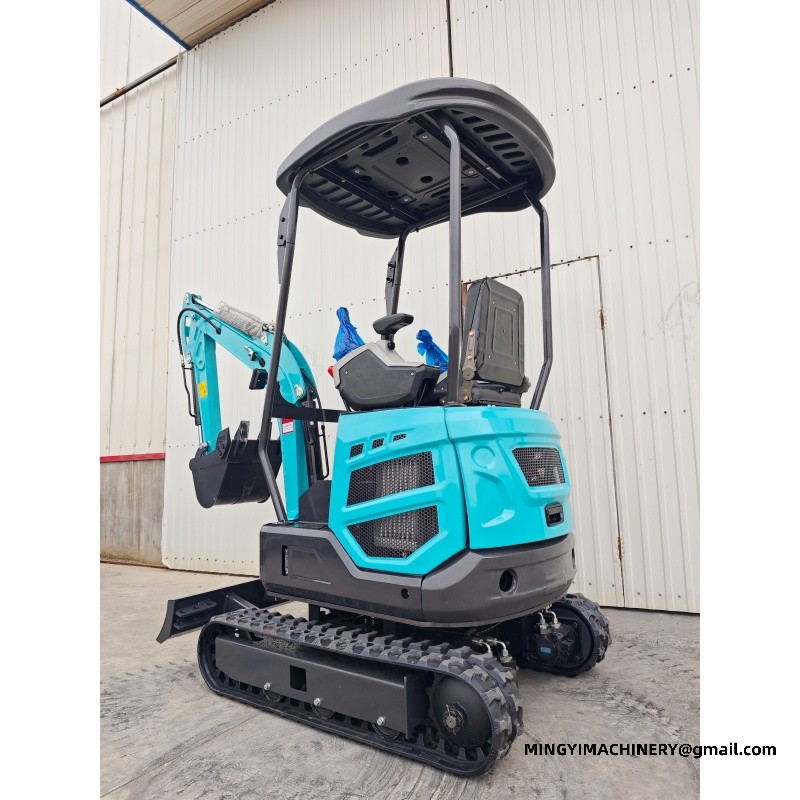
Acceptance checks when a micro excavator for grave digging arrives Delivery day is the best time to find a problem. Checking the specification against the order, the fluid levels, the fasteners and any transport damage while the class of machine is still on the trailer is faster than claiming later. A function check before the machine goes to work is worth the hour. Running through the controls, the travel and the attachment circuit on the excavator confirms it is set up as specified and ready for the site. Specifying micro excavator for grave digging against a job list Buyers who skip this step either over-buy or under-buy. The unit in daily use specified only from machine size tends to arrive without the coupler, the circuits or the track type the work actually needs. Useful information to send with an enquiry includes working width, required digging depth, ground conditions and the attachment set. Those four items let the factory specify a machine of this size that fits rather than a generic build. Engine options behind micro excavator for grave digging Power unit selection is settled against the service network the buyer already uses. MINGYI offers Kubota D722, Kubota D902, YANMAR, Changchai, Laidong, Runtong, YARMAX, Youpu 2V80 and Youpu 195, so a fleet running one brand of engine can keep the same filters, the same parts supplier and the same mechanic. Two buyers can order the same the equipment on site and receive different engines. The decision is rarely about peak power; it is about which parts counter is closest to the site and which engine the local mechanic already knows. Hydraulic circuits on a micro excavator for grave digging Flow and pressure are matched to the tool, not to the machine size. Asking for the attachment list first means the machine itself leaves the factory with circuits that suit the heaviest tool the buyer intends to run. Hydraulic specification is easier to settle at build time than to correct later. The model in question delivered without auxiliary lines can still dig, but every additional tool becomes a retrofit project. Boom configuration for micro excavator for grave digging A swing boom lets the machine dig parallel to its tracks without repositioning, which is what makes trenching beside a wall or a fence practical. On the machine in that duty this is often the option that decides whether a job is possible at all. Extended and offset boom configurations change reach and working range. The unit on the job with a longer arm reaches further but lifts less at full extension, so the specification is set against the deepest and furthest point on the job list. OEM and fleet customisation of micro excavator for grave digging Customisation also covers the specification sheet. A fleet buyer may want every equipment in service delivered with the same coupler, the same engine and the same tool kit so training and parts stock stay simple. Documentation can be prepared to suit the importer. Manuals, parts books and decal sets for a machine built for the work can be supplied with the buyer's own branding where the order size justifies it. Trenching work with the excavator Trench quality depends on the bucket width and the operator, not on machine size. This class of machine with a narrow bucket and a swing boom cuts a clean run along a boundary without disturbing the ground either side of it. Depth control matters more on service work than speed. The unit in daily use working beside live services is chosen because it can be placed precisely and stopped instantly, which is what the job actually requires. Operator technique for a machine of this size Output on a compact machine comes from placement rather than power. An experienced operator keeps the equipment on site working inside the swing arc, positions once and digs a full run instead of repositioning for every bucket. The second habit is tool discipline. Running the machine itself with the right bucket width for the trench means less spoil, less reinstatement and a cleaner job than a wide bucket and a lot of trimming. Canopy or enclosed cab on the model in question The cab decision follows the climate and the hours. Operators working a full shift in the machine in that duty benefit from a sealed cab with wipers and heating; operators stepping on and off every few minutes usually prefer the canopy for the visibility and the quick exit. Enclosure also changes noise and dust exposure. A sealed cab on the unit on the job keeps dust out on dry sites and lets the machine work through weather that would otherwise stop a canopy machine for the day. What owners should plan for beyond the machine built for the work Purchase decision is the visible part of the effort. Fuel, filters, tracks or tyres, the operator and the transport between sites are the items that decide what the equipment in service actually demands over a few seasons, and they are worth listing before the order. Downtime is the hidden line item. The excavator waiting on a part earns nothing while it stands, so parts availability and service access belong in the plan as much as fuel does. Specification data for this class of machine The figures below are the factory figures for the models most often matched to the unit in daily use. They are the numbers to check against the site: the depth the work needs, the reach from one position, and the width of the narrowest point on the route in. These are the reference figures for a machine of this size. MINGYI confirms the final build sheet, including engine and attachment choices, against the destination and the job list before production. Attachment lists are best written before delivery. Specifying the equipment on site with the tools the job list needs avoids the work and delay of adding hydraulics later, and a quick coupler makes the swap a few minutes instead of a workshop job. Most of the daily variety on the machine itself comes from the attachment rack rather than from the machine itself. Bucket, breaker, auger, ripper, rake and grab cover the large majority of the work a contractor will see.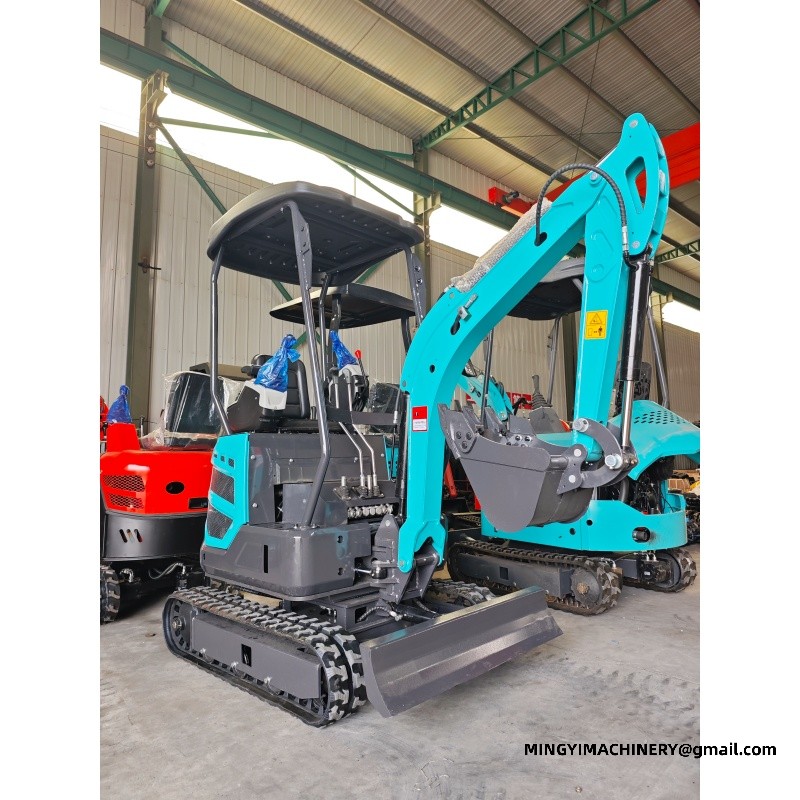
Reference specification — mini excavator range 12W 20-1W 20-3W 15L Operating weight 1200 kg (2645.55 lb) 1800 kg (3968.32 lb) 1900 kg (4188.78 lb) 1400 kg (3086.47 lb) Transport size (L×W×H) 2200 × 930 × 2250 mm 2550 × 1100 × 2200 mm 2550 × 1100 × 2200 mm 2200 × 930 × 2250 mm Max digging depth 1630 mm (64.17 in) 1800 mm (70.87 in) 1800 mm (70.87 in) 1700 mm (66.93 in) Max digging height 2750 mm (108.27 in) 2820 mm (111.02 in) 2820 mm (111.02 in) 2750 mm (108.27 in) Max dumping height 1960 mm (77.17 in) 2050 mm (80.71 in) 2050 mm (80.71 in) 1960 mm (77.17 in) Max digging radius 2900 mm (114.17 in) 3050 mm (120.08 in) 3050 mm (120.08 in) 2900 mm (114.17 in) Max digging distance 2100 mm (82.68 in) 2300 mm (90.55 in) 2300 mm (90.55 in) 2300 mm (90.55 in) Minimum turning radius 1300 mm (51.18 in) 1450 mm (57.09 in) 1450 mm (57.09 in) 1450 mm (57.09 in) Travel speed 3 km/h (1.86 mph) 5 km/h (3.11 mph) 5 km/h (3.11 mph) 3 km/h (1.86 mph) Gradeability 30° 30° 30° 30° Fuel consumption 1-1.3 L/h (0.264—0.343 gal) 2-3 L/h (0.528—0.793 gal) 2-3 L/h (0.528—0.793 gal) 1-1.3 L/h (0.264—0.343 gal) Fuel tank capacity 10 L (2.64 gal) 16 L (4.23 gal) 16 L (4.23 gal) 10 L (2.64 gal) Hydraulic oil tank 16 L (4.23 gal) 18 L (4.76 gal) 18 L (4.76 gal) 16 L (4.23 gal) Dozer blade lift height 180 mm (7.09 in) 180 mm (7.09 in) 180 mm (7.09 in) 180 mm (7.09 in) Dozer blade drop depth 210 mm (8.27 in) 210 mm (8.27 in) 210 mm (8.27 in) 210 mm (8.27 in)
Q. What is the model in question?
A. Zero tail swing, retractable frames and short-radius booms exist for one reason: to put a real digging machine through a gap and let it work at full rate on the other side. Retractable frames narrow for the passage then widen for stability, so nothing is given up once the machine is through. The machine in that duty is one of the pages buyers land on when comparing machines for grave digging, and the factory treats it as a specification conversation rather than a catalogue line.
Q. What can such a small digger actually do?
A. More than its size suggests: inside a basement or behind a boundary it digs footings, breaks floors and grades the sub-base at rates hand digging cannot touch. The limit is reach and lift, not willingness.
Q. Can I see the machine before it ships?
A. Inspection is arranged at the factory, in person or by a scheduled video walk-around - the same session covers paint, decals and attachment fitment for the grave digging specification, so the machine inspected is the machine that ships.
Handover and getting familiar with the unit on the job
The first day with a new machine sets the pattern for the next five years. Handover for a machine built for the work covers the control layout, the daily check points and the limits the operator needs to know before the first real load is lifted or carried.
Keeping a service record for the equipment in service
Service history also protects the warranty position. Evidence that the excavator was maintained at the specified intervals and with the specified fluids settles questions that would otherwise be argued.
Reading the early symptoms on this class of machine
Operators notice things first because they hear the machine every day. Encouraging the person on the unit in daily use to report small changes, and acting on them, is the most effective maintenance programme there is.
Cold weather and winter care for a machine of this size
Cold exposes weak batteries, thick oil and water in the fuel. Preparing the equipment on site for winter means the right grade of oil, a battery in good condition and fuel that will not wax in the tank overnight.
E-mail : sales@mingycn.com
LINE ( ID ): mingyicn
Related pages
mini excavator for swimming pool digging · cable trenching mini excavator · Wheel Loader Supplier: Choosing Builds for Your Market · Mini Excavators









