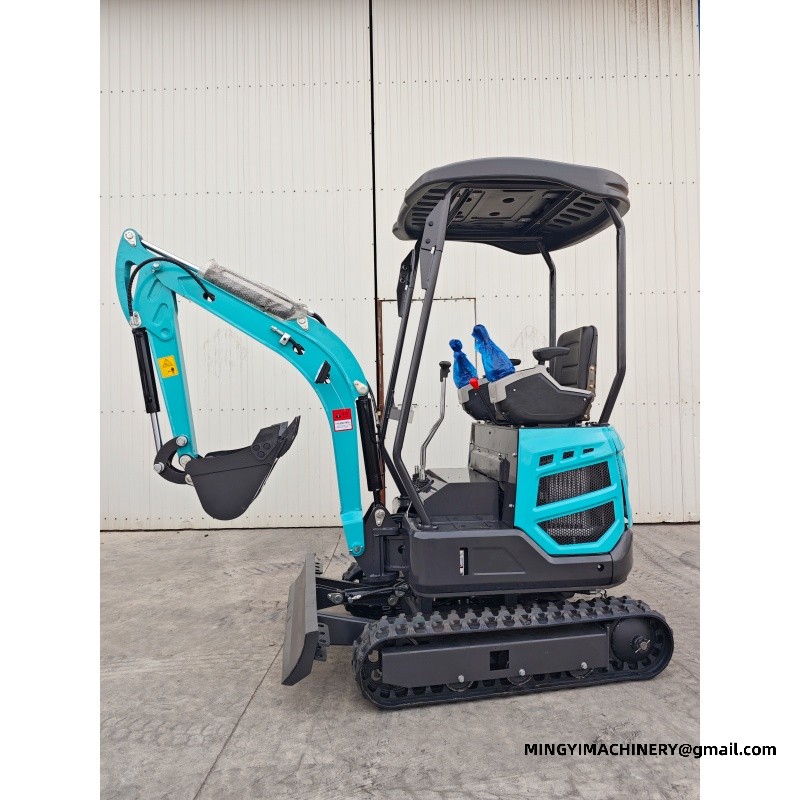
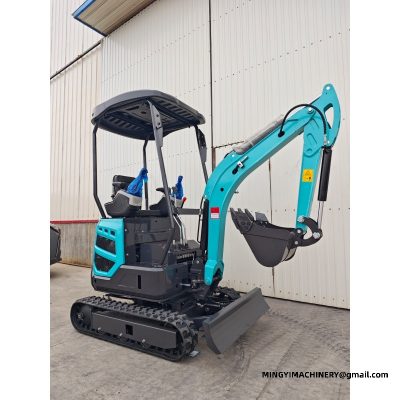
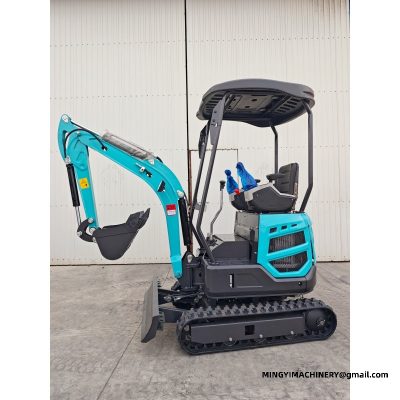
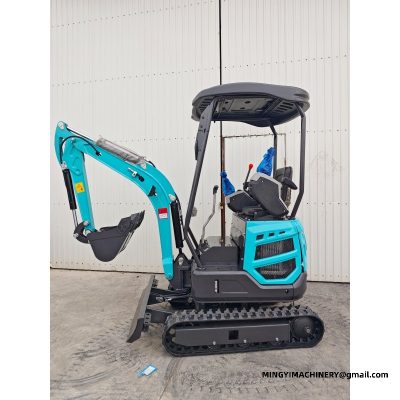
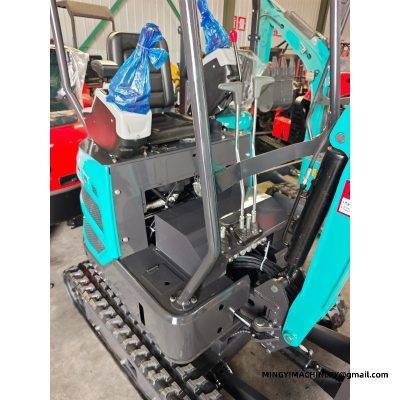
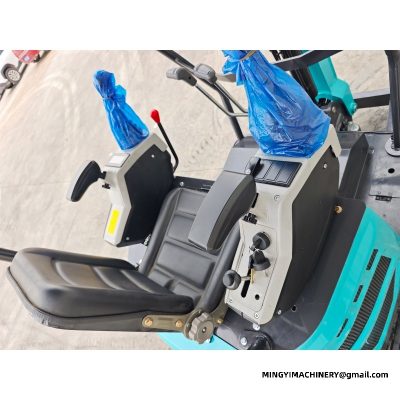
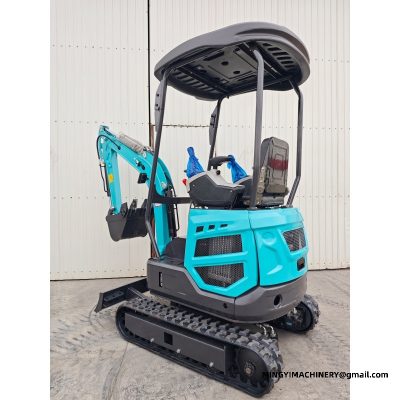
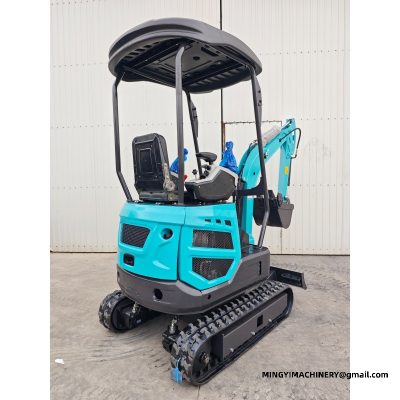
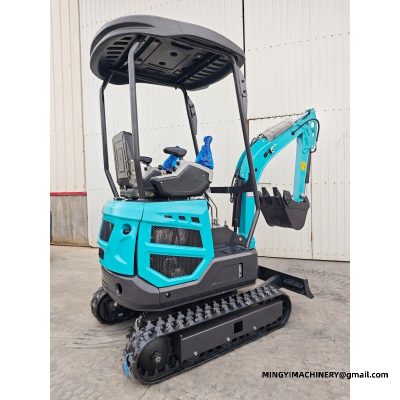
Outfitted with an ultra-narrow trenching bucket. Perfect for rapid, high-precision digging required for underground internet cables and utility lines.
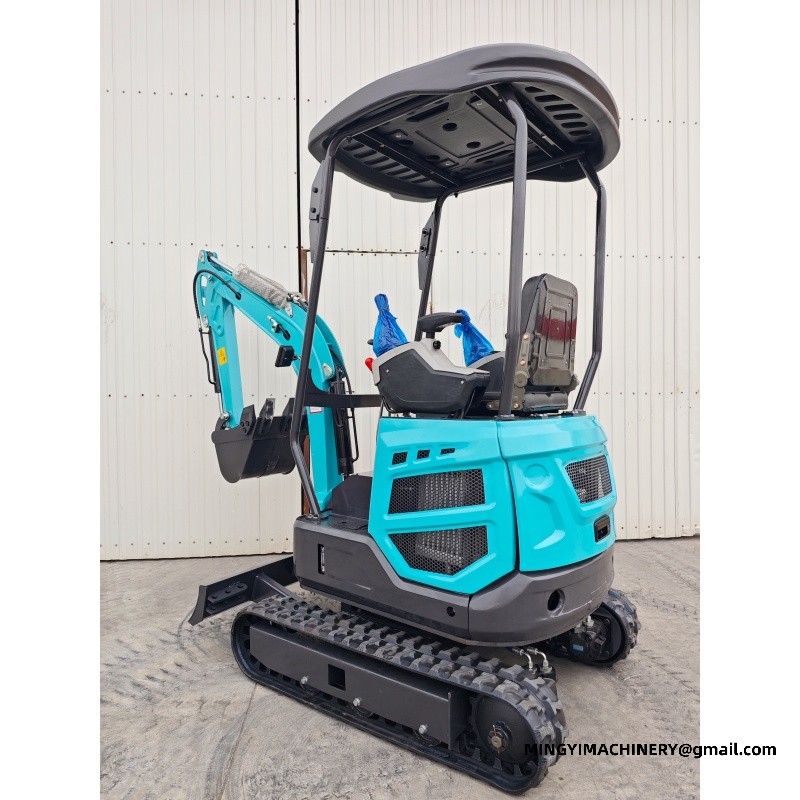
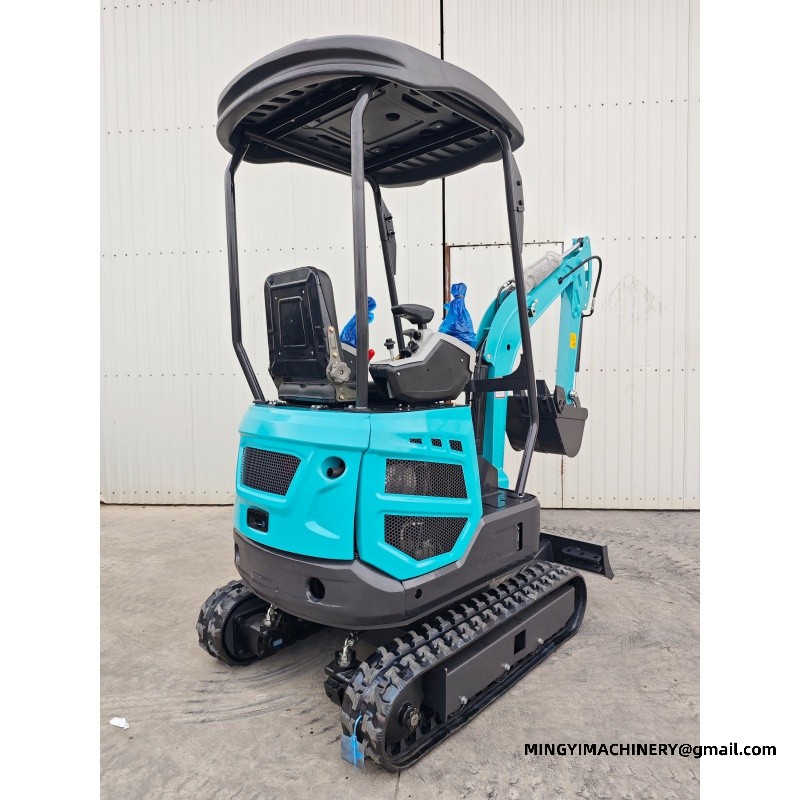
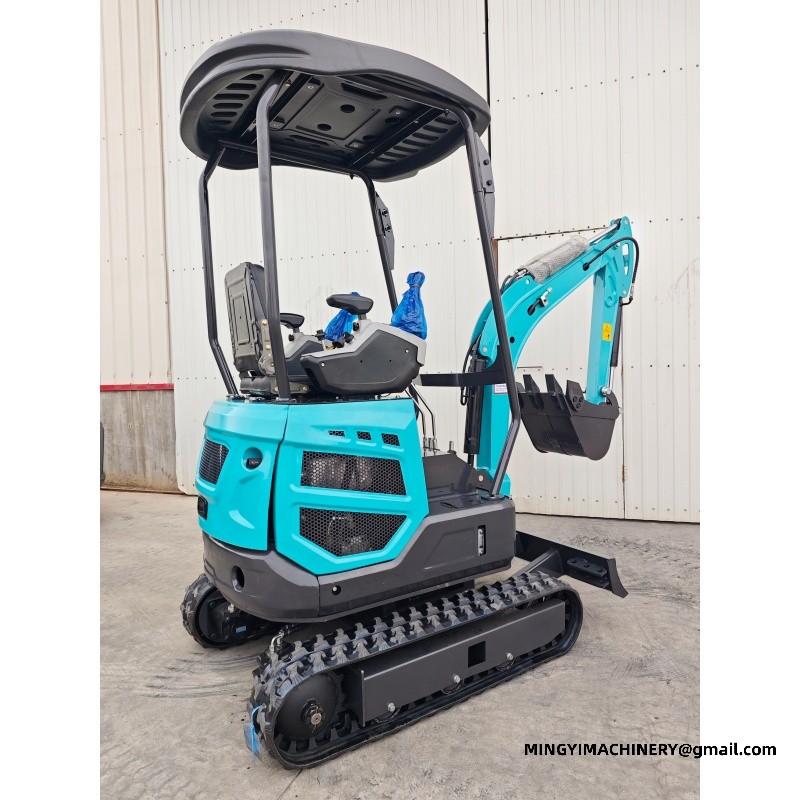
Cable and fibre installation is a trenching job: long, straight runs at controlled depth, often along roadsides and through developed ground. A mini excavator set up for cable trenching cuts these runs where larger plant cannot work.
MINGYI builds trenching machines with narrow bucket sets, boom arrangements and track options for this duty. The class and configuration are fixed at the ordering stage around the widths and depths the buyer's contracts require.
Trenching for cables and fibre optic runs
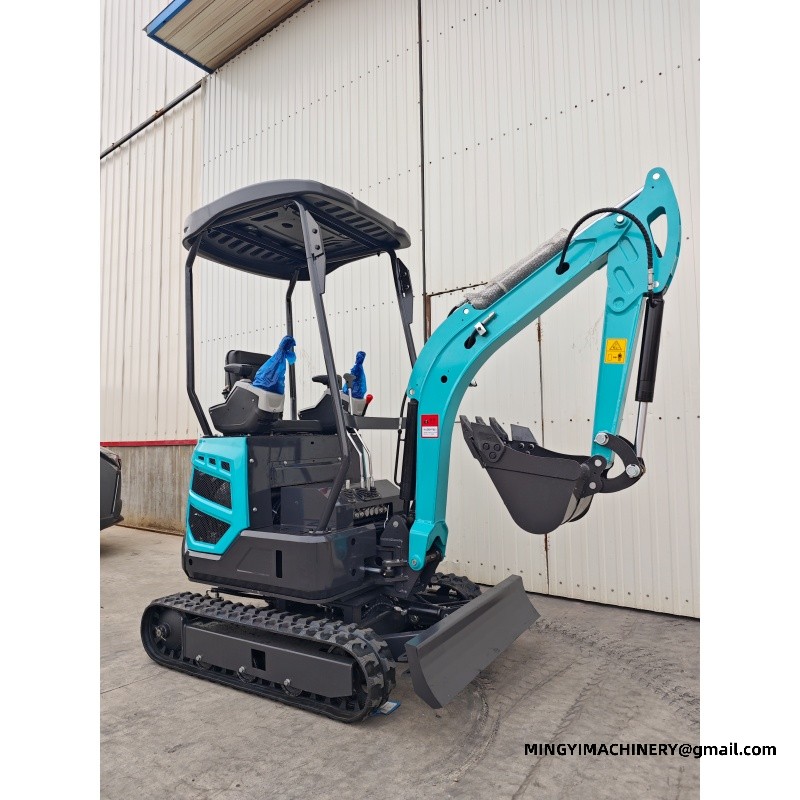
The work is measured in metres of clean trench: narrow buckets cut the run, the operator keeps depth and line true, and the spoil stays alongside for backfill once the duct or cable is laid. Working along kerbs and boundaries demands a machine that digs close without tracking over finished surfaces.
On developed routes the compact size is the point: the machine works in the space between carriageway and boundary, crossing driveways and finished surfaces on rubber tracks where a heavier unit would cause the damage it was hired to avoid.
Machine configuration for cable and duct trenching
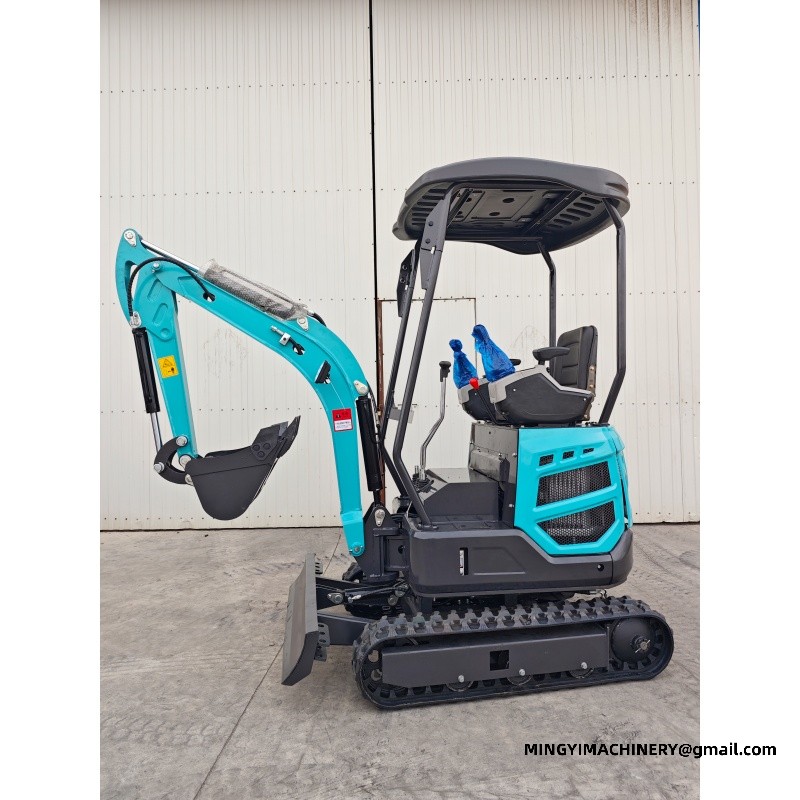
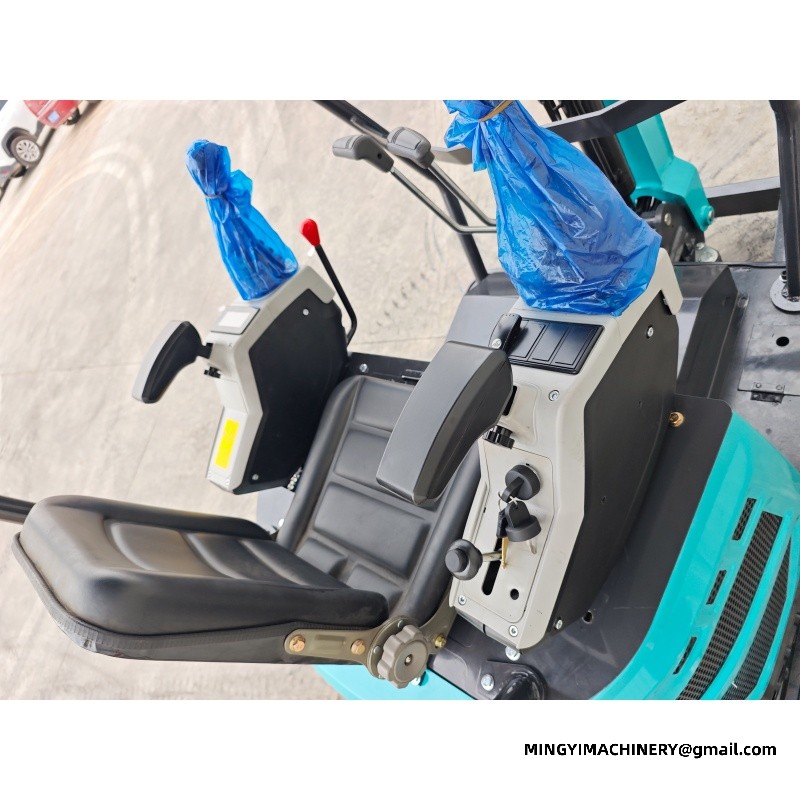
The specification centres on bucket widths and the swing boom, which lets the operator trench along walls and fences without repositioning the tracks. A blade helps with backfill, and a quick coupler speeds the switch between trenching and clean-up buckets.
When ordering, set out the trench widths you cut, the ground you expect and the access along the routes. The machine is then built with the right buckets and boom arrangement, the specification recorded for future wear parts orders.
Fibre and cable work pays by the metre of clean trench. MINGYI configures trenching machines to the widths and routes you describe, so the runs are cut straight and ready for the duct.
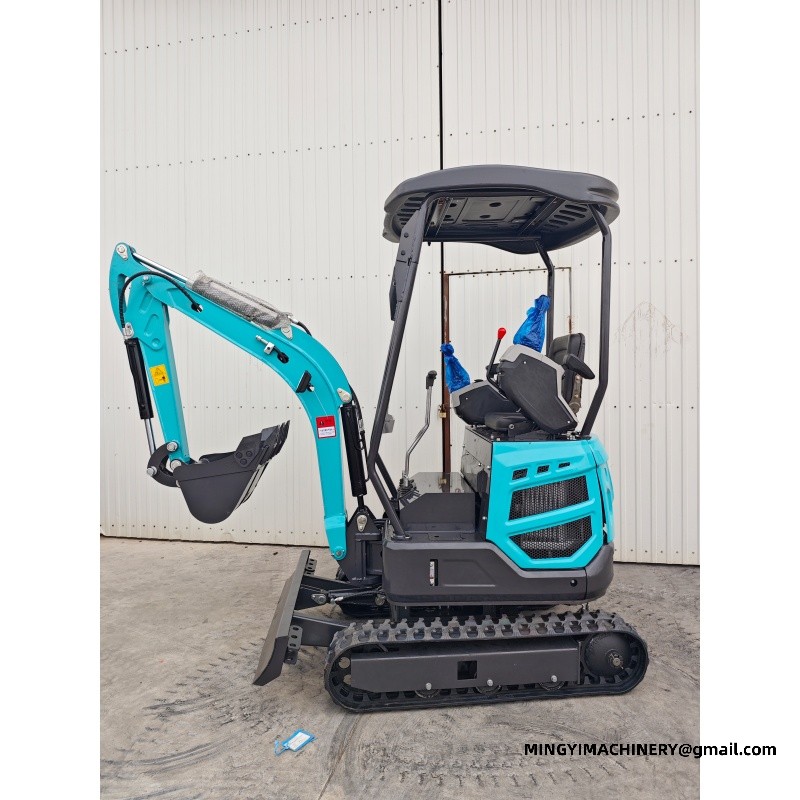
Parts, service and support for cable trenching mini excavator Support after delivery is a parts question. Wearing items for the excavator - filters, belts, track components, bucket teeth and pins - are the items a buyer should plan to hold before the first service interval. Engine parts availability usually drives the engine choice. This class of machine built with an engine the local network already carries is serviced from stock rather than from an international order. Hiring versus owning a cable trenching mini excavator Availability is part of the decision. Owning the unit in daily use means it is there on the day the ground is ready; hiring means competing for the same machine at the same time as everyone else in the season. Ownership brings obligations that hiring does not. Storage, servicing, insurance and an operator are the items to set against the hire rate before deciding which way a machine of this size should be supplied. Operator technique for cable trenching mini excavator Output on a compact machine comes from placement rather than power. An experienced operator keeps the equipment on site working inside the swing arc, positions once and digs a full run instead of repositioning for every bucket. Stability is the third. The machine itself working across the tracks rather than over the corners keeps the machine steady and the undercarriage loaded evenly, which shows up as track life at the end of the season. Specifying cable trenching mini excavator against a job list The practical way to specify is to write the job list first: the narrowest access, the deepest trench, the heaviest tool and the surfaces the machine must cross. The model in question is then matched to those four numbers. Useful information to send with an enquiry includes working width, required digging depth, ground conditions and the attachment set. Those four items let the factory specify the machine in that duty that fits rather than a generic build. Running cable trenching mini excavator in a rental fleet Rental fleets buy for utilisation, not for a single job. The unit on the job with a quick coupler and a common attachment standard is hired more often because it suits more of the calls that come in. Fleet buyers also weigh transport. A machine built for the work that a customer can tow on a normal licence and a standard trailer is a hire that does not need a delivery truck, which changes how often it goes out. Trailering and moving cable trenching mini excavator Loading practice matters as much as the numbers. The equipment in service is driven up ramps under its own power with the boom lowered and the tracks aligned, and secured at the points the manufacturer specifies. Detachable components reduce transport length. The excavator built with a removable arm section or a folding step fits a shorter trailer and may avoid an oversize movement permit. Lifting and material handling with this class of machine Stability changes with reach. A load the unit in daily use handles close in becomes a different proposition at full extension, so the working radius belongs in the plan before the lift rather than during it. Ground condition under the machine is part of every lift. Soft or uneven support is the common factor in handling incidents, and checking it takes less time than recovering a machine of this size that has settled. Matching the equipment on site to ground conditions Soft ground is a flotation problem, not a power problem. The machine itself on wide rubber tracks crosses lawn, sand and cultivated soil that would stop a narrower machine or a wheeled unit of the same capacity. Mixed sites are common and argue for a compromise specification. Most buyers choose rubber for the model in question and accept the wear, unless the majority of the work is on material that will damage it. OEM and fleet customisation of the machine in that duty Distributors and rental fleets usually need the machine to look like theirs. Paint, decals, seat colour and attachment branding can be specified on the unit on the job at build time rather than applied after import. Customisation also covers the specification sheet. A fleet buyer may want every machine built for the work delivered with the same coupler, the same engine and the same tool kit so training and parts stock stay simple. Export packing and shipping of the equipment in service Machines leave the factory prepared for container or flat rack shipment. The excavator is normally shipped with the attachment set and the spare parts list agreed in advance so the container is planned once. Buyers who import regularly plan the spare parts with the machine. This class of machine ordered with a wearing-parts kit arrives ready to work rather than ready to wait for the first service interval. Working the unit in daily use through the seasons Weather decides which days are productive. Rain turns some ground unusable and cold changes how a machine of this size starts and warms up, so planning the wet months around maintenance is more useful than planning around output. Heat and dust are as limiting as rain. Air intake condition and cooling cleanliness decide how the equipment on site behaves in a dry season, and both are checked in a minute rather than repaired later. Daily checks and maintenance on the machine itself Track tension is the item most often neglected. The model in question run with slack tracks wears the undercarriage and can throw a track on a turn; run too tight, the same components wear from the other direction. Greasing is the second item. The slew ring, the boom and arm pins and the bucket linkage on the machine in that duty take grease daily in dusty work, and the intervals shorten further when the machine is used in water or mud. Specification data for the unit on the job Where a machine built for the work is being specified for a job list, the table below gives the factory figures that matter most: what the machine weighs, how deep and how far it works, and what it measures on a trailer. These are the reference figures for the equipment in service. MINGYI confirms the final build sheet, including engine and attachment choices, against the destination and the job list before production. Breaking out a floor slab, a wall footing or a concrete step is routine work for the excavator with a breaker. The machine is small enough to work inside and heavy enough to run the tool at a practical rate. Dust, debris clearance and floor loading all argue for a compact machine indoors. This class of machine spreads its weight over a wider track footprint than a wheeled machine of similar capacity.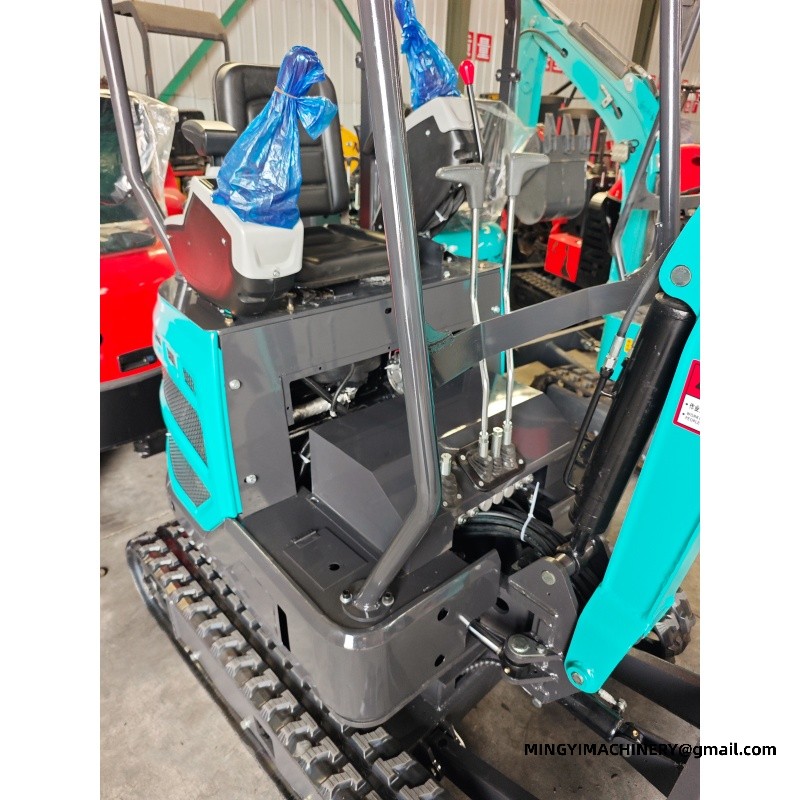
Reference specification — mini excavator range 13W 20-1WL 09L 15L Operating weight 1300 kg (2866.01 lb) 1900 kg (4188.78 lb) 1100 kg (2425.08 lb) 1400 kg (3086.47 lb) Transport size (L×W×H) 2200 × 930 × 2250 mm 2550 × 1100 × 2200 mm 2300 × 720 × 1870 mm 2200 × 930 × 2250 mm Max digging depth 1630 mm (64.17 in) 1800 mm (70.87 in) 1400 mm (55.12 in) 1700 mm (66.93 in) Max digging height 2750 mm (108.27 in) 2820 mm (111.02 in) 2800 mm (110.24 in) 2750 mm (108.27 in) Max dumping height 1960 mm (77.17 in) 2050 mm (80.71 in) 1880 mm (74.02 in) 1960 mm (77.17 in) Max digging radius 2900 mm (114.17 in) 3050 mm (120.08 in) 2490 mm (98.03 in) 2900 mm (114.17 in) Max digging distance 2100 mm (82.68 in) 2300 mm (90.55 in) 2000 mm (78.74 in) 2300 mm (90.55 in) Minimum turning radius 1300 mm (51.18 in) 1450 mm (57.09 in) 1400 mm (55.12 in) 1450 mm (57.09 in) Travel speed 3 km/h (1.86 mph) 5 km/h (3.11 mph) 3 km/h (1.86 mph) 3 km/h (1.86 mph) Gradeability 30° 30° 30° 30° Fuel consumption 1-1.3 L/h (0.264—0.343 gal) 2-3 L/h (0.528—0.793 gal) 1-1.3 L/h (0.264—0.343 gal) 1-1.3 L/h (0.264—0.343 gal) Fuel tank capacity 10 L (2.64 gal) 16 L (4.23 gal) 8 L (2.11 gal) 10 L (2.64 gal) Hydraulic oil tank 16 L (4.23 gal) 18 L (4.76 gal) 16 L (4.23 gal) 16 L (4.23 gal) Dozer blade lift height 180 mm (7.09 in) 180 mm (7.09 in) 180 mm (7.09 in) 180 mm (7.09 in) Dozer blade drop depth 210 mm (8.27 in) 210 mm (8.27 in) 210 mm (8.27 in) 210 mm (8.27 in)
Q. What is the unit in daily use?
A. Most compact excavator hours are spent in the ground for services and drainage, and the whole job is matching the machine to exactly that work. A bucket too wide pulls more spoil than the job needs and leaves a messy backfill; a bucket matched to the service keeps the cut clean. A machine of this size is one of the pages buyers land on when comparing machines for cable trenching, and the factory treats it as a specification conversation rather than a catalogue line.
Q. What about trenches across soft ground?
A. Wider shoes or longer tracks spread the load, and working from mats keeps the trench wall intact while the machine digs alongside it - the same rules the soft-ground pages set out.
Q. What about colours and branding?
A. OEM colours and decals are part of the build: private-label machines carry the buyer brand on the standard MINGYI platform, and the cable trenching order confirms colours, marks and documents before production starts.
Packing, loading and shipment of the equipment on site
The paperwork matters as much as the packing. Serial numbers, dimensions and weights recorded for the machine itself at loading are the same figures the destination needs, and a mismatch here loses more days than the voyage itself.
Storage and long idle periods for the model in question
Standing still is harder on a machine than working. Preparing the machine in that duty for a long idle period means clean fluids, a charged battery and protection for the exposed surfaces, because neglect is not the same as rest.
Wear items and spares worth holding for the unit on the job
A spares list should follow the duty cycle. A machine built for the work working every day in abrasive dust consumes filters and cutting edges far faster than the same machine used once a week, and the shelf should be stocked for the harder case.
E-mail : sales@mingycn.com
LINE ( ID ): mingyicn
Related pages
heavy lift compact excavator · tree shear mini excavator for forestry · Front End Loader Manufacturer: Boom, Hinge and Frame Records · Mini Excavators









