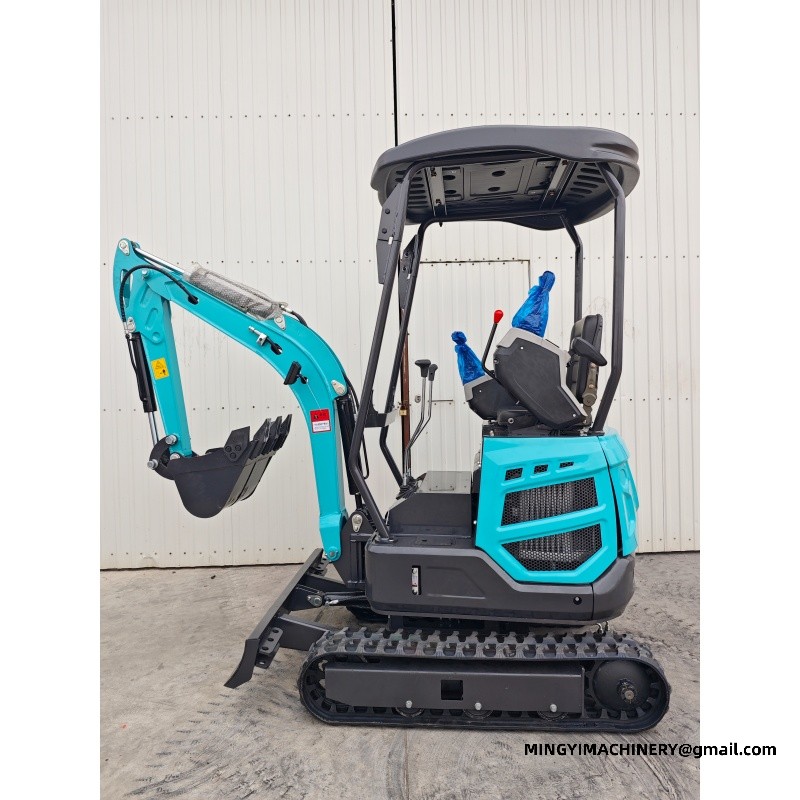
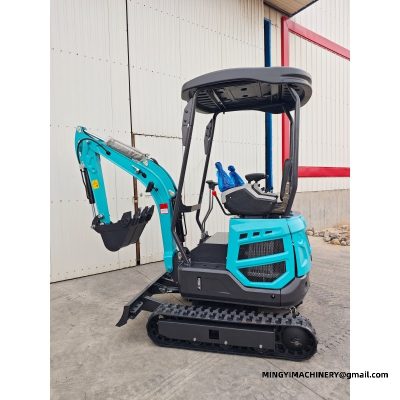
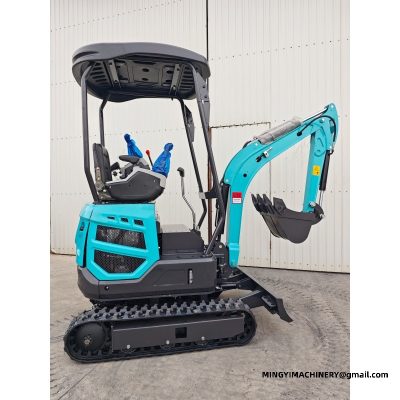
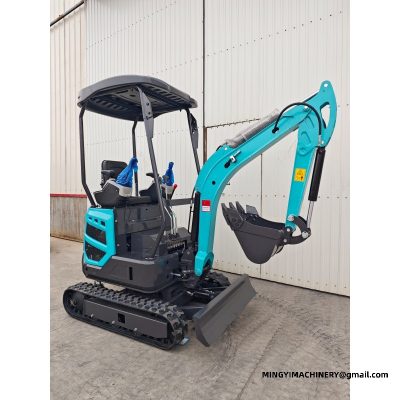
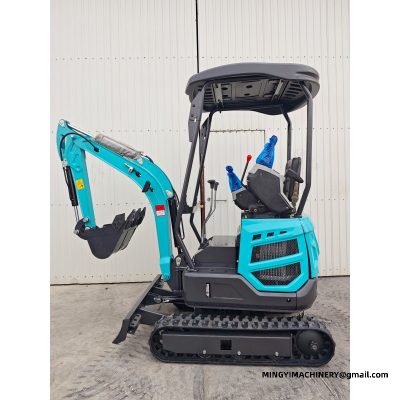
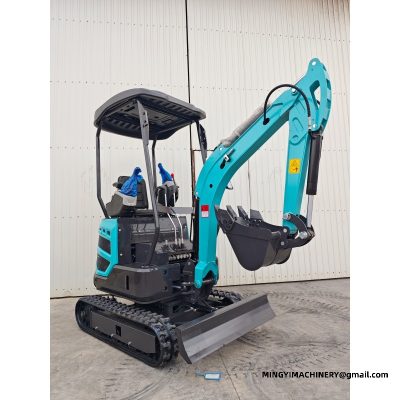
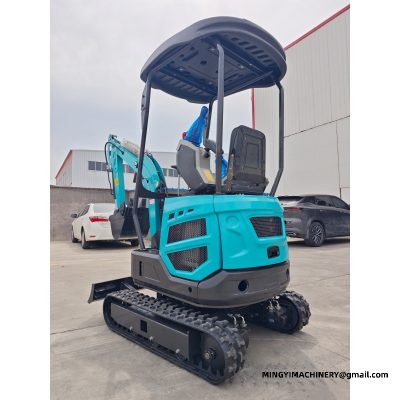
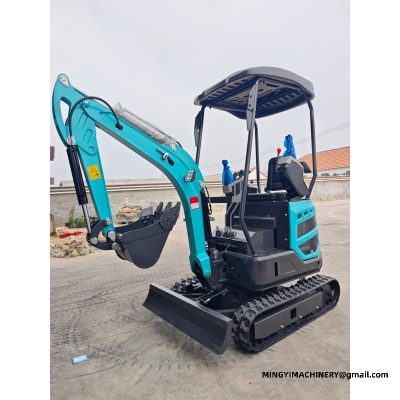
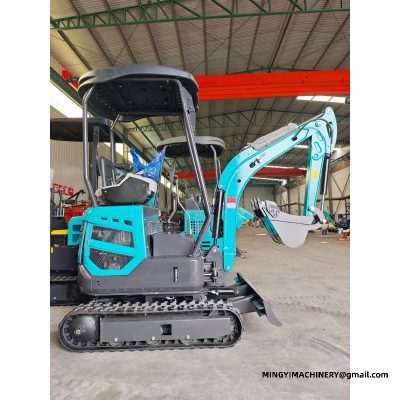
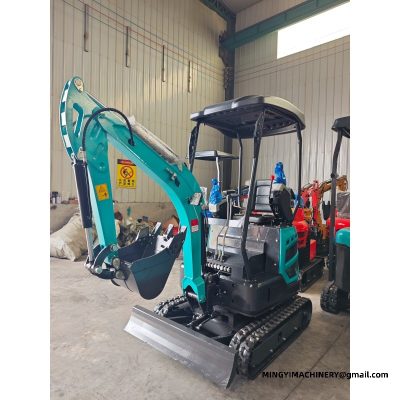
Features a progressive hydraulic thumb that moves in perfect sync with the bucket, allowing for delicate grabbing, moving, and stacking of rocks and logs.
A hydraulic thumb adds a grip to the excavator bucket, and that changes which jobs the machine can take on. Instead of only scooping, the excavator can pick up mixed debris, hold it while moving, and set it down in a sorted heap.
MINGYI fits hydraulic thumbs to its compact excavators during build. The thumb, bucket and valve are selected together at ordering, so the assembly operates as one matched unit from the first day.
Sorting and grabbing site debris with a thumb
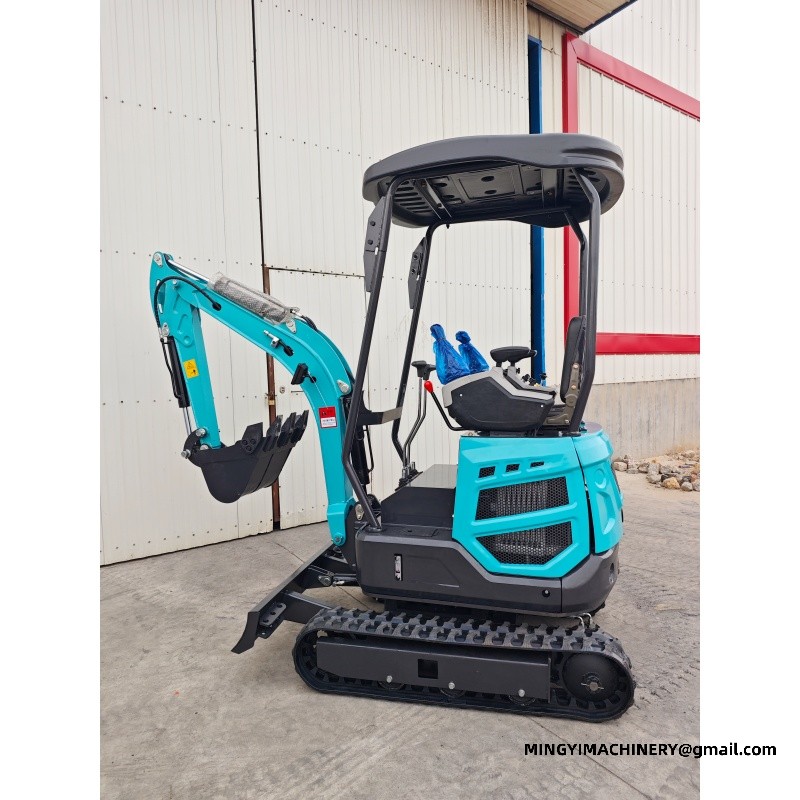
On clearance and demolition work the material that comes out of a trench is rarely uniform. Timber, rubble, metal and soil arrive mixed, and a thumb lets the operator separate the valuable or heavy items as they are lifted.
The same grip is useful for placing rather than removing. Pipes, kerbs, sleepers and stones can be lifted and positioned accurately, which reduces the amount of hand handling on a job.
Hydraulic thumb setup and controls
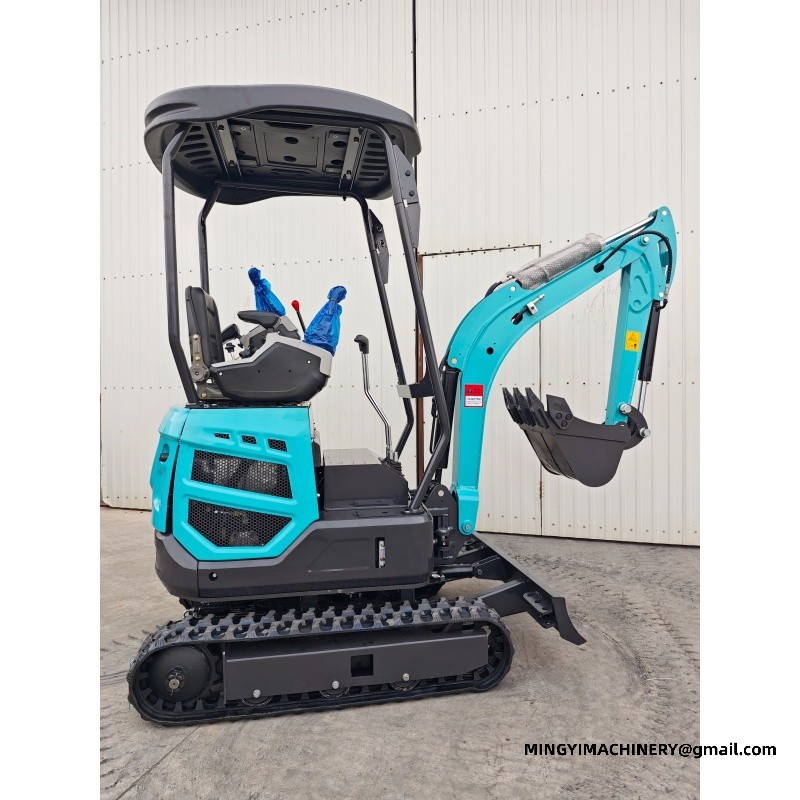
A thumb needs its own valve section and hose run, and the cylinder must be sized for the force required. Building this into the machine order avoids a later conversion that may not suit the original hydraulic layout.
The thumb also works against the bucket, so the two parts must match. Buyers should state the bucket widths they intend to use so the thumb travel is set correctly during production.
A hydraulic thumb grab gives a compact excavator a hand as well as a bucket. MINGYI supplies these machines built to order with the grab integrated into the specification.
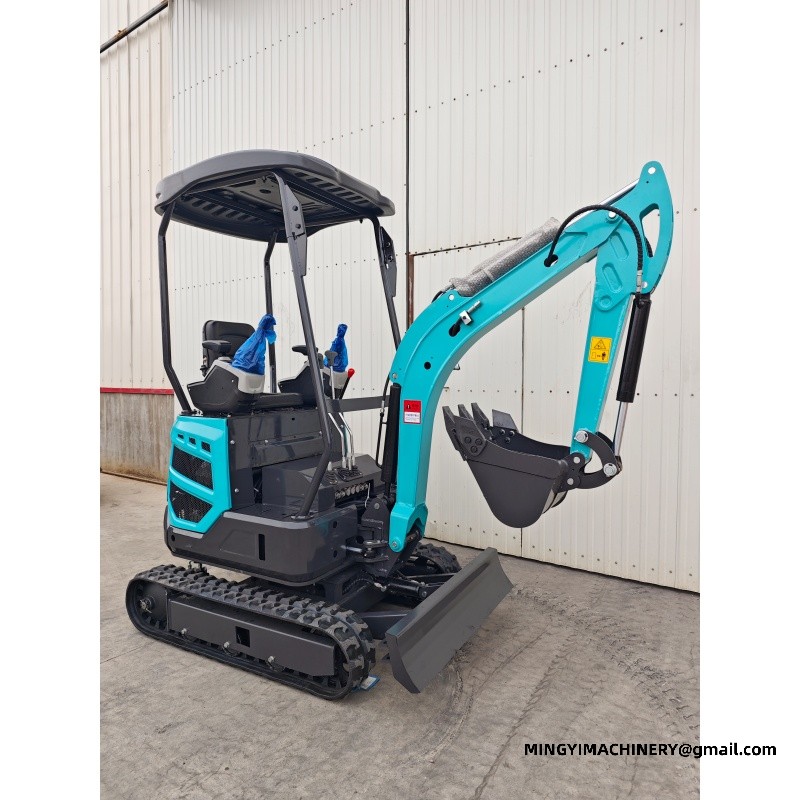
Municipal and public works with mini excavator with hydraulic thumb grab Municipal crews work on streets, footpaths and parks where the public is present. The excavator is specified because it occupies little space, works inside a small exclusion zone and can be moved on a standard trailer. Noise and surface protection matter on public work. This class of machine on rubber tracks across paving, with a sealed cab for the operator, suits the conditions better than a larger tracked machine. Lifting and material handling with a mini excavator with hydraulic thumb grab Stability changes with reach. A load the unit in daily use handles close in becomes a different proposition at full extension, so the working radius belongs in the plan before the lift rather than during it. Ground condition under the machine is part of every lift. Soft or uneven support is the common factor in handling incidents, and checking it takes less time than recovering a machine of this size that has settled. Trailering and moving mini excavator with hydraulic thumb grab Loading practice matters as much as the numbers. The equipment on site is driven up ramps under its own power with the boom lowered and the tracks aligned, and secured at the points the manufacturer specifies. Detachable components reduce transport length. The machine itself built with a removable arm section or a folding step fits a shorter trailer and may avoid an oversize movement permit. Hydraulic circuits on a mini excavator with hydraulic thumb grab Auxiliary hydraulic lines are what let a machine drive a tool rather than only a bucket. The model in question specified with the right circuits and flow runs a breaker or an auger without an add-on power pack bolted to the frame. Flow and pressure are matched to the tool, not to the machine size. Asking for the attachment list first means the machine in that duty leaves the factory with circuits that suit the heaviest tool the buyer intends to run. Attachments that turn mini excavator with hydraulic thumb grab into several machines The base machine is a carrier; the tool on the end of the arm decides the task. The unit on the job fitted with a toothed bucket digs, and the same machine with a breaker, an auger or a grab does work that would otherwise need a second unit on site. Most of the daily variety on a machine built for the work comes from the attachment rack rather than from the machine itself. Bucket, breaker, auger, ripper, rake and grab cover the large majority of the work a contractor will see. Boom configuration for mini excavator with hydraulic thumb grab A swing boom lets the machine dig parallel to its tracks without repositioning, which is what makes trenching beside a wall or a fence practical. On the equipment in service this is often the option that decides whether a job is possible at all. Detachable boom sections are used where transport length matters. The excavator that has to travel on a standard trailer can be built so the arm comes off for the road and goes back on at the site. Noise, dust and working near occupied buildings Work near housing or occupied premises brings constraints that open sites do not. Start times, exhaust condition and how often this class of machine needs to reverse are the practical limits that neighbours notice. Enclosure and machine condition both reduce noise. The unit in daily use with intact panels, sound mounts and a maintained exhaust is measurably quieter than the same machine with loose guards, and the difference matters on restricted sites. What owners should plan for beyond the machine of this size Purchase decision is the visible part of the effort. Fuel, filters, tracks or tyres, the operator and the transport between sites are the items that decide what the equipment on site actually demands over a few seasons, and they are worth listing before the order. The useful comparison is demand per working hour, not demand per machine. The machine itself that works more hours a year spreads its standing takes over more output, which is why utilisation usually matters more than the invoice figure. Working the model in question in confined spaces Confined sites are decided by dimensions. Overall width, tail swing and the space needed to work the arm are what let the machine in that duty operate inside a building, between walls or in a courtyard. Clearance above matters as much as around. Door heights, pipework and overhead services set the limit for the unit on the job indoors, and measuring them first avoids a machine that arrives and cannot be used. Matching a machine built for the work to ground conditions Soft ground is a flotation problem, not a power problem. The equipment in service on wide rubber tracks crosses lawn, sand and cultivated soil that would stop a narrower machine or a wheeled unit of the same capacity. Mixed sites are common and argue for a compromise specification. Most buyers choose rubber for the excavator and accept the wear, unless the majority of the work is on material that will damage it. Trenching work with this class of machine Service trenches are the most common reason the unit in daily use is hired. Water, sewage, cable and gas runs are narrow, shallow and often close to existing services, which is exactly the work a full-size machine cannot do safely. Trench quality depends on the bucket width and the operator, not on machine size. A machine of this size with a narrow bucket and a swing boom cuts a clean run along a boundary without disturbing the ground either side of it. Specification data for the equipment on site The figures below are the factory figures for the models most often matched to the machine itself. They are the numbers to check against the site: the depth the work needs, the reach from one position, and the width of the narrowest point on the route in. Every value shown is as built for the model in question; options such as cab, side swing or a telescopic undercarriage change the transport dimensions and are confirmed at order stage. Grass cutting heads, rakes and tillers extend the machine in that duty into ground care. The same carrier that digs a border in spring can cut and clear the same area later in the season. On soft landscape work the surface is the constraint. The unit on the job on rubber tracks crosses turf without stripping it, which is why the same jobs are not given to a wheeled machine.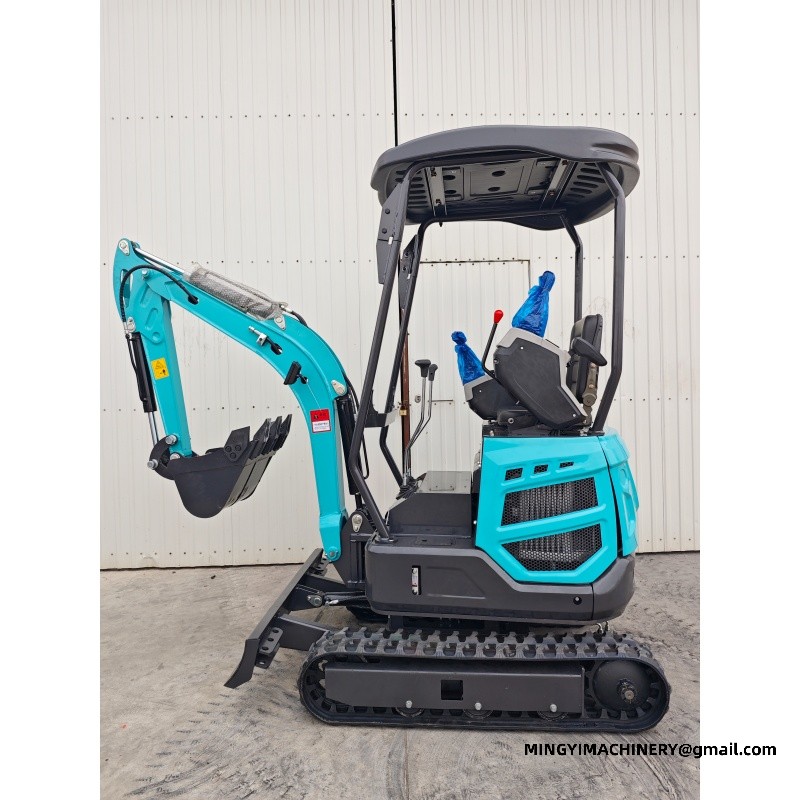
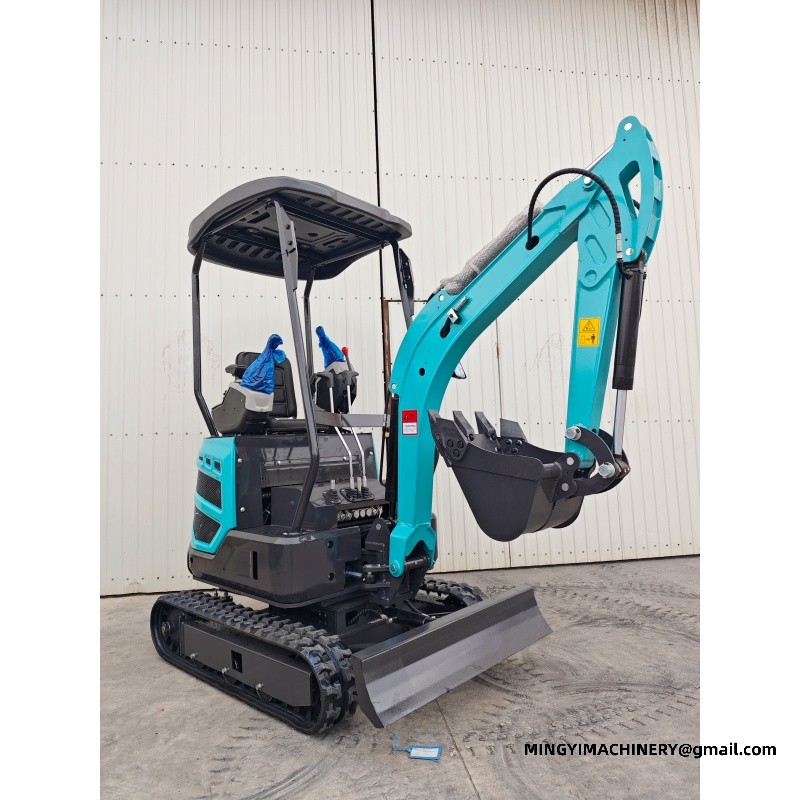
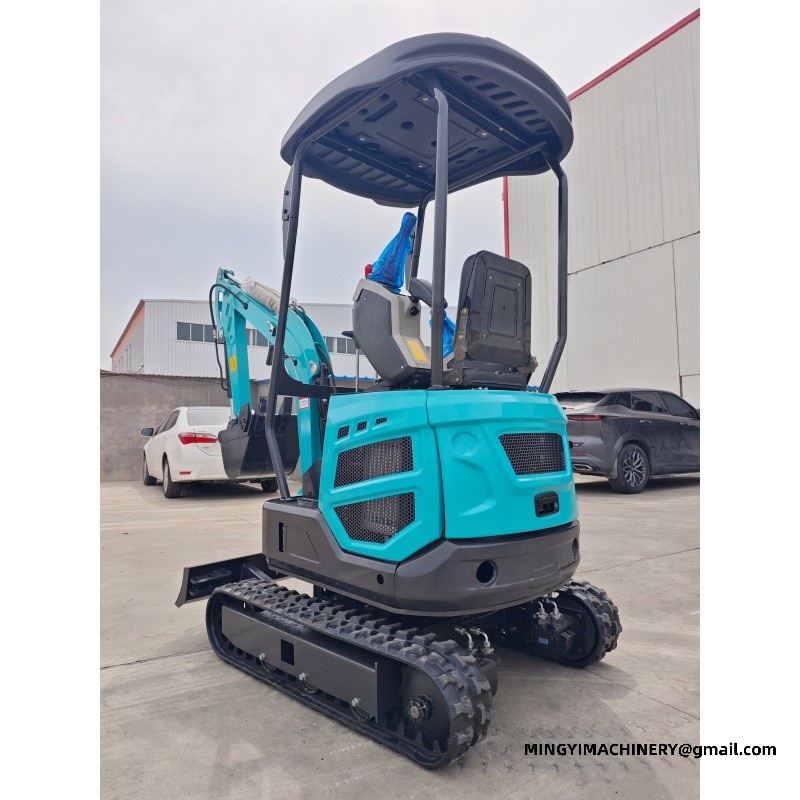
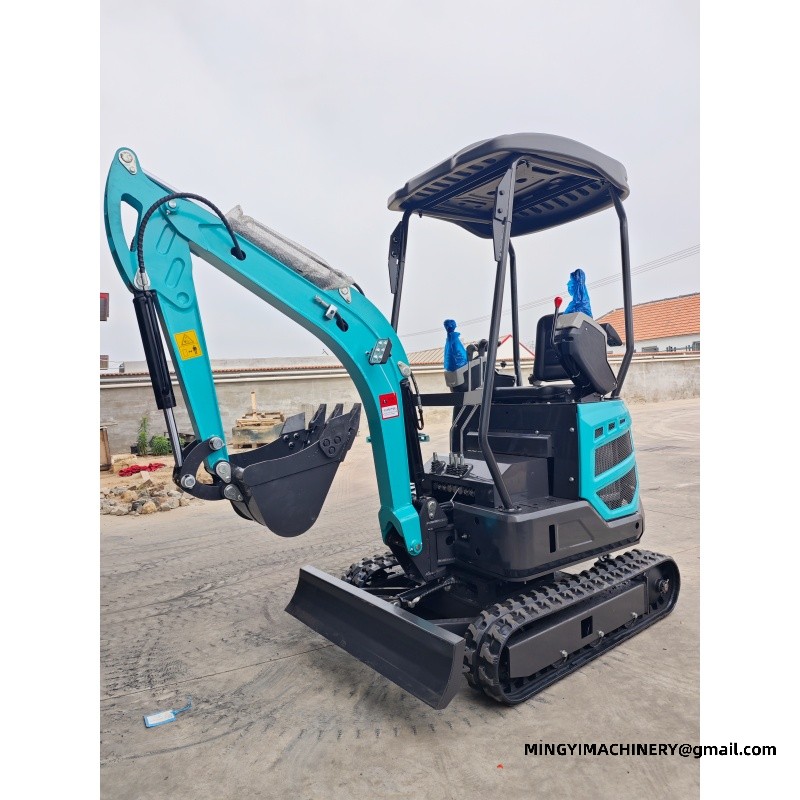
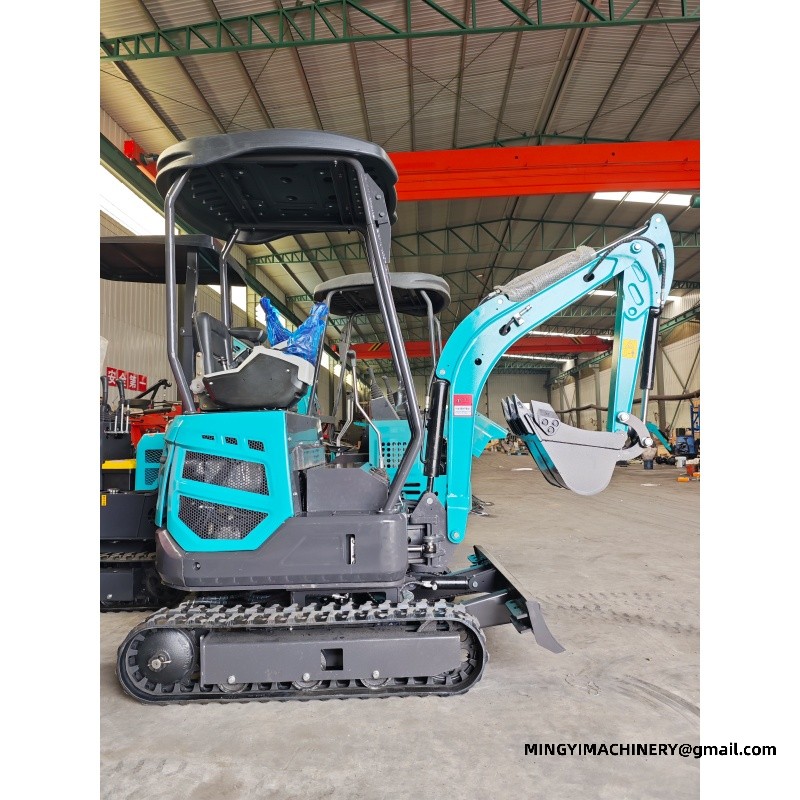
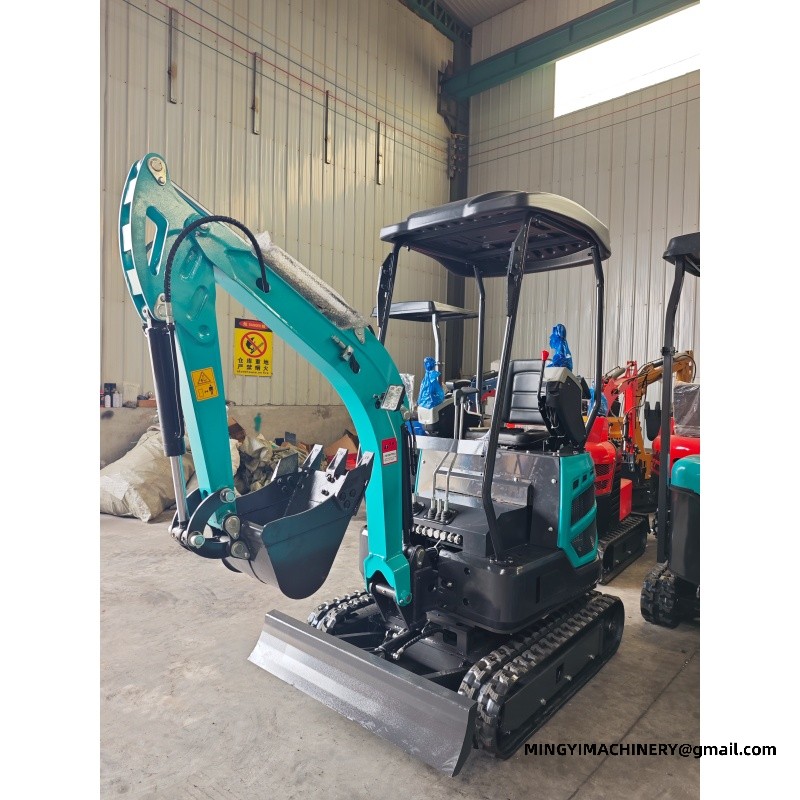
Reference specification — mini excavator range 20-1W 20-1WL 30-2W 25L Operating weight 1800 kg (3968.32 lb) 1900 kg (4188.78 lb) 2700 kg (5952.48 lb) 2200 kg (4850.17 lb) Transport size (L×W×H) 2550 × 1100 × 2200 mm 2550 × 1100 × 2200 mm 3000 × 1100 × 2700 mm 3000 × 1300 × 2700 mm Max digging depth 1800 mm (70.87 in) 1800 mm (70.87 in) 2200 mm (86.61 in) 2300 mm (90.55 in) Max digging height 2820 mm (111.02 in) 2820 mm (111.02 in) 3000 mm (118.11 in) 3100 mm (122.05 in) Max dumping height 2050 mm (80.71 in) 2050 mm (80.71 in) 2000 mm (78.74 in) 2050 mm (80.71 in) Max digging radius 3050 mm (120.08 in) 3050 mm (120.08 in) 3800 mm (149.61 in) 3900 mm (153.54 in) Max digging distance 2300 mm (90.55 in) 2300 mm (90.55 in) 3050 mm (120.08 in) 3100 mm (125.05 in) Minimum turning radius 1450 mm (57.09 in) 1450 mm (57.09 in) 1750 mm (68.9 in) 1800 mm (70.87 in) Travel speed 5 km/h (3.11 mph) 5 km/h (3.11 mph) 7 km/h (4.35 mph) 7 km/h (4.35 mph) Gradeability 30° 30° 30° 30° Fuel consumption 2-3 L/h (0.528—0.793 gal) 2-3 L/h (0.528—0.793 gal) 2-3 L/h (0.528—0.793 gal) 2-3 L/h (0.528—0.793 gal) Fuel tank capacity 16 L (4.23 gal) 16 L (4.23 gal) 16 L (4.23 gal) 16 L (4.23 gal) Hydraulic oil tank 18 L (4.76 gal) 18 L (4.76 gal) 20 L (5.28 gal) 18 L (4.76 gal) Dozer blade lift height 180 mm (7.09 in) 180 mm (7.09 in) 230 mm (9.06 in) 230 mm (9.06 in) Dozer blade drop depth 210 mm (8.27 in) 210 mm (8.27 in) 280 mm (11.02 in) 280 mm (11.02 in)
Q. What is a machine built for the work?
A. Attachments turn one carrier into several machines: dig on Monday, grade, lift, mow or drill on Tuesday without the machine leaving site. The quick coupler makes the changeover a minute job at the trench edge, and mechanical tools need no hydraulic lines at all. MINGYI builds the 08, 12 and 18 models covering the 0.8 to 6 tonne class, and the equipment in service is where that range meets hydraulic thumb grab.
Q. How is the attachment fitted and swapped?
A. Through the quick coupler on the dipper: seat the tool, lock it, plug the hydraulics where the design needs them. Mechanical attachments need no lines at all, so a bucket-to-rake change is a minute job at the trench edge.
Q. Does MINGYI supply attachments with the machine?
A. Yes - buckets, breakers, augers, rakes and the rest of the working set ship with the carrier, matched to the hydraulic flow and the coupler. For hydraulic thumb grab the package is confirmed on the build sheet, so machine and tools arrive together and start work together.
Pre-delivery inspection before the excavator leaves the shop
The last hour before packing is the best time to find a fault. Running this class of machine through its full working cycle, checking for leaks under load and confirming that the controls match the specification avoids a conversation across time zones later.
Cold weather and winter care for the unit in daily use
Cold exposes weak batteries, thick oil and water in the fuel. Preparing a machine of this size for winter means the right grade of oil, a battery in good condition and fuel that will not wax in the tank overnight.
Moving the equipment on site between sites
Securing the load is not optional. Lashing the machine itself at the points intended for it, checking the tension before the vehicle moves and rechecking after the first kilometres is standard practice rather than extra care.
E-mail : sales@mingycn.com
LINE ( ID ): mingyicn
Wear limits and replacement points on mini excavator with hydraulic thumb grab
Uneven wear usually points at alignment, pressure or a driving habit rather than at the part itself.
Keeping a record of hours at each change makes the next machine easier to plan for, and it helps whoever buys the machine later.
Related pages
concrete mixer mini excavator · full rotation tiltrotator digger · Loader Machine Supplier: Model Mix, Spares and Shipping Plans · Mini Excavators









