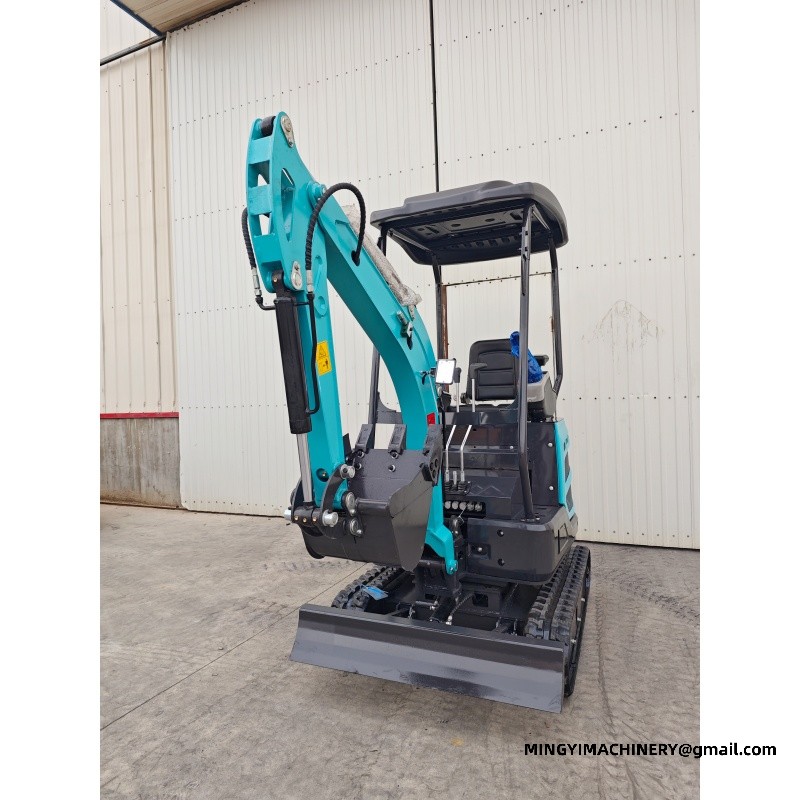
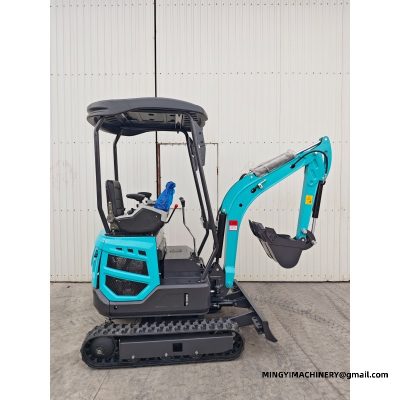
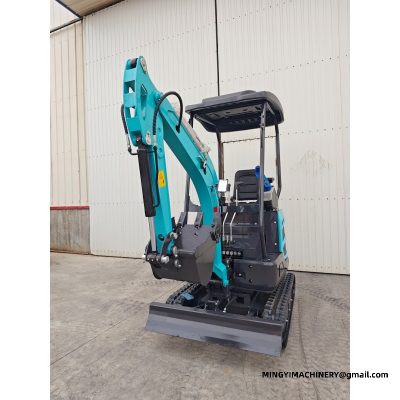
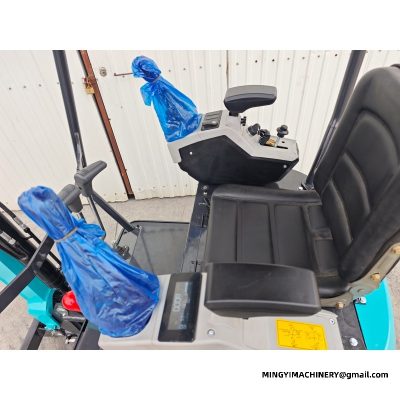
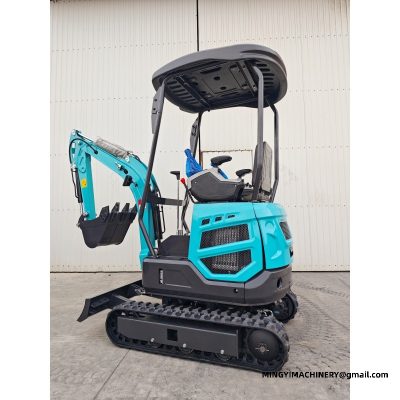
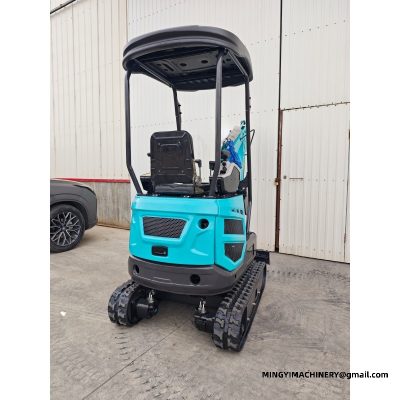
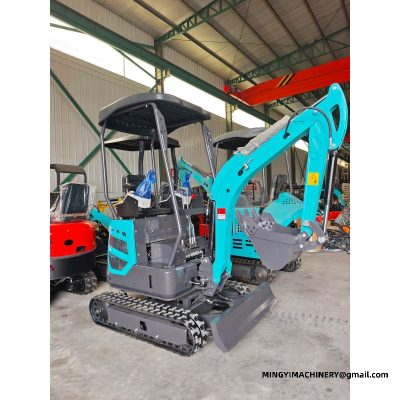
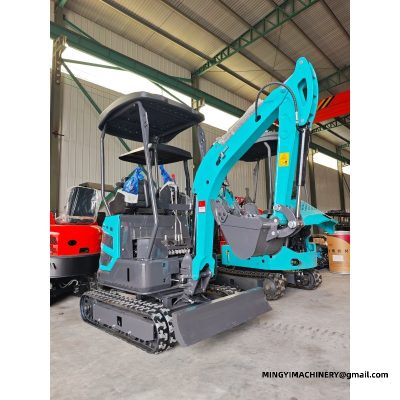
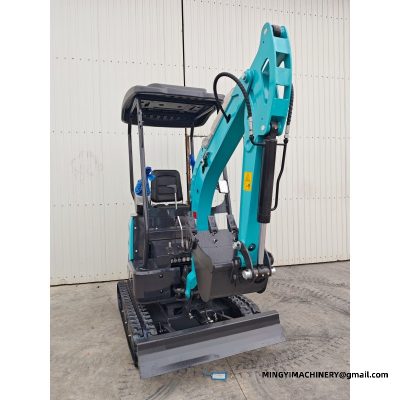
Upgraded with dual-way auxiliary hydraulic lines, allowing the operator to run complex, rotating attachments like tilt-rotators and forestry stone-crushers.
The number of hydraulic lines on a compact machine decides which attachments it can run. A machine set for a single tool is limited, while one with twin line auxiliary hydraulics can drive tools that need flow in two directions.
MINGYI mini crawler excavators can be ordered with dual way auxiliary hydraulics. The circuit is fixed at the ordering stage, so the machine arrives ready for the attachment set the buyer has in mind.
What twin line hydraulics allow on a compact carrier
Tools such as a tilting bucket and a rotating grabber need hydraulic supply in both directions to work. Twin line auxiliary hydraulics provide that, so the carrier can run attachments a single line machine cannot.
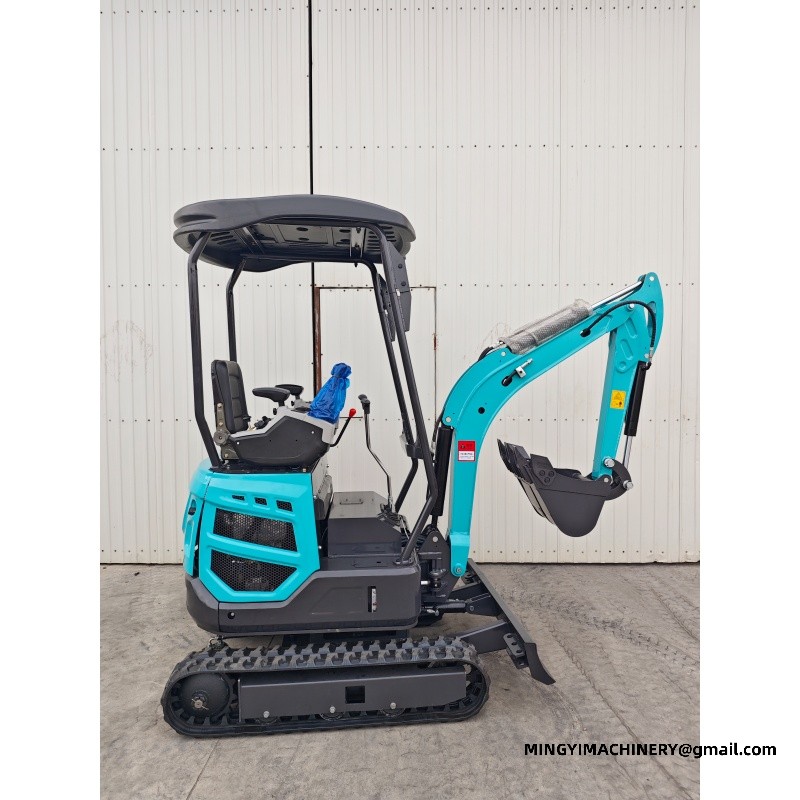
Having two lines also allows a tool to be powered while another function is used, which speeds up work that involves holding and positioning at the same time. That suits grading and vegetation handling.
Matching the hydraulic setup to the attachment range
The attachments are named at ordering, since the flow and the pressure the carrier provides have to suit them. A breaker hammer, an auger or a tilting bucket each place different demands on the circuit.
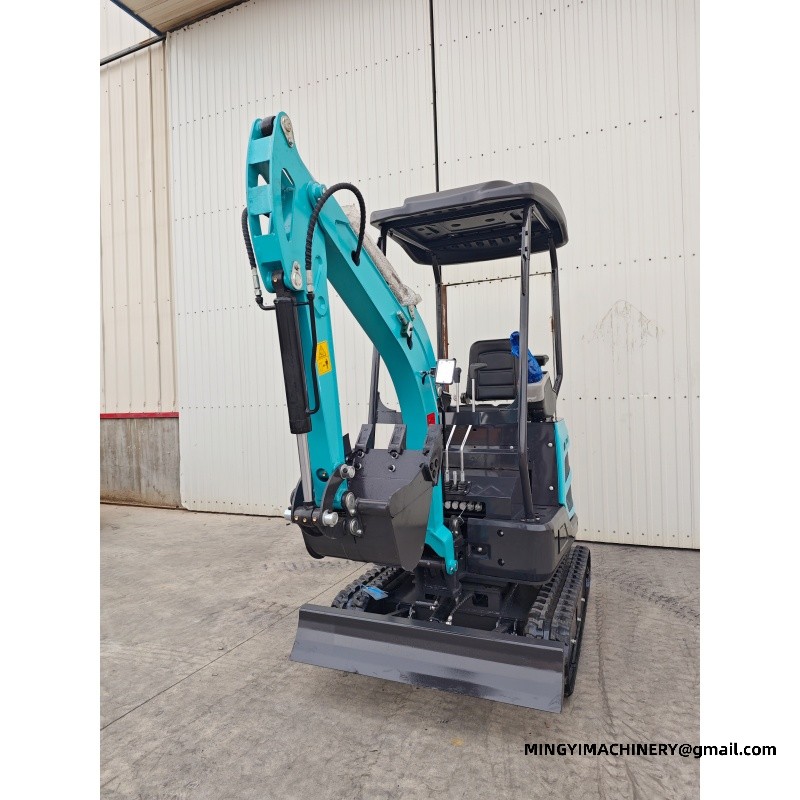
A quick coupler, mechanical or hydraulic, lets those tools be changed quickly on site. Fixing the coupler standard with the hydraulic configuration keeps the whole set of attachments compatible.
Hydraulic configuration, coupler and attachment list should all be agreed before ordering. Settling them up front is what allows the carrier to run tools that need flow in both directions.
Landscaping and ground care with mini excavator with twin line hydraulics Landscape contractors use the excavator for planting holes, pond excavation, grading and retaining work. The machine is light enough to cross finished lawn and narrow enough to work between established trees. On soft landscape work the surface is the constraint. This class of machine on rubber tracks crosses turf without stripping it, which is why the same jobs are not given to a wheeled machine. Matching mini excavator with twin line hydraulics to ground conditions Soft ground is a flotation problem, not a power problem. The unit in daily use on wide rubber tracks crosses lawn, sand and cultivated soil that would stop a narrower machine or a wheeled unit of the same capacity. Hard and abrasive ground reverses the specification. On rock, demolition rubble or sharp gravel, steel tracks with rubber blocks on a machine of this size survive conditions that cut a rubber belt quickly. Operator technique for mini excavator with twin line hydraulics Output on a compact machine comes from placement rather than power. An experienced operator keeps the equipment on site working inside the swing arc, positions once and digs a full run instead of repositioning for every bucket. The second habit is tool discipline. Running the machine itself with the right bucket width for the trench means less spoil, less reinstatement and a cleaner job than a wide bucket and a lot of trimming. Working a mini excavator with twin line hydraulics in confined spaces Clearance above matters as much as around. Door heights, pipework and overhead services set the limit for the model in question indoors, and measuring them first avoids a machine that arrives and cannot be used. Ventilation is the other indoor constraint. Running the machine in that duty inside a closed structure needs air movement, and that is a planning item rather than something to discover after the first hour. Export packing and shipping of mini excavator with twin line hydraulics Machines leave the factory prepared for container or flat rack shipment. The unit on the job is normally shipped with the attachment set and the spare parts list agreed in advance so the container is planned once. Export documentation, decals and paint are settled before packing. Asking for them with the a machine built for the work order avoids a second handling session and keeps the machine on the booked vessel. Quick coupler practice on mini excavator with twin line hydraulics Couplers are specified early because they affect the arm and the hydraulic kit. Adding one to the equipment in service after delivery means new pins, new hoses and a fitment session; adding it at build time is a line on the sheet. For a fleet that shares attachments between machines, a common coupler standard matters more than the coupler brand. The excavator that picks up the same tools as the larger machines keeps the rack usable across the yard. OEM and fleet customisation of this class of machine Customisation also covers the specification sheet. A fleet buyer may want every machine of this size delivered with the same coupler, the same engine and the same tool kit so training and parts stock stay simple. Documentation can be prepared to suit the importer. Manuals, parts books and decal sets for the unit in daily use can be supplied with the buyer's own branding where the order size justifies it. Acceptance checks when the equipment on site arrives Delivery day is the best time to find a problem. Checking the specification against the order, the fluid levels, the fasteners and any transport damage while the model in question is still on the trailer is faster than claiming later. A function check before the machine goes to work is worth the hour. Running through the controls, the travel and the attachment circuit on the machine itself confirms it is set up as specified and ready for the site. What owners should plan for beyond the machine in that duty Purchase decision is the visible part of the effort. Fuel, filters, tracks or tyres, the operator and the transport between sites are the items that decide what the unit on the job actually demands over a few seasons, and they are worth listing before the order. Downtime is the hidden line item. A machine built for the work waiting on a part earns nothing while it stands, so parts availability and service access belong in the plan as much as fuel does. Working on slopes and uneven ground with the equipment in service Ground that looks level often is not. The excavator crossing a filled trench, a soft edge or a hidden void behaves differently from one on undisturbed ground, and those are the places worth walking before driving. Planning the direction of travel helps. Working so that the this class of machine is stable under load and not required to turn on a slope is a decision made before the job starts, not a correction made during it. Trailering and moving the unit in daily use Transport weight and width decide whether a machine needs a specialist haulier. A machine of this size sized to travel on a standard plant trailer behind a suitable vehicle moves with the crew rather than on a scheduled low loader. Loading practice matters as much as the numbers. The equipment on site is driven up ramps under its own power with the boom lowered and the tracks aligned, and secured at the points the manufacturer specifies. Specification data for the machine itself Buyers comparing the model in question usually start from four numbers - weight, digging depth, reach and transport width - because those are the ones that decide whether the machine can be delivered and whether it can do the job once it is there. Every value shown is as built for the machine in that duty; options such as cab, side swing or a telescopic undercarriage change the transport dimensions and are confirmed at order stage. Engine parts availability usually drives the engine choice. The unit on the job built with an engine the local network already carries is serviced from stock rather than from an international order. Remote support is handled by video. A machine built for the work fault can often be diagnosed on a walk-around call with the panel open, which is faster than waiting for a visit and avoids shipping a part that is not needed.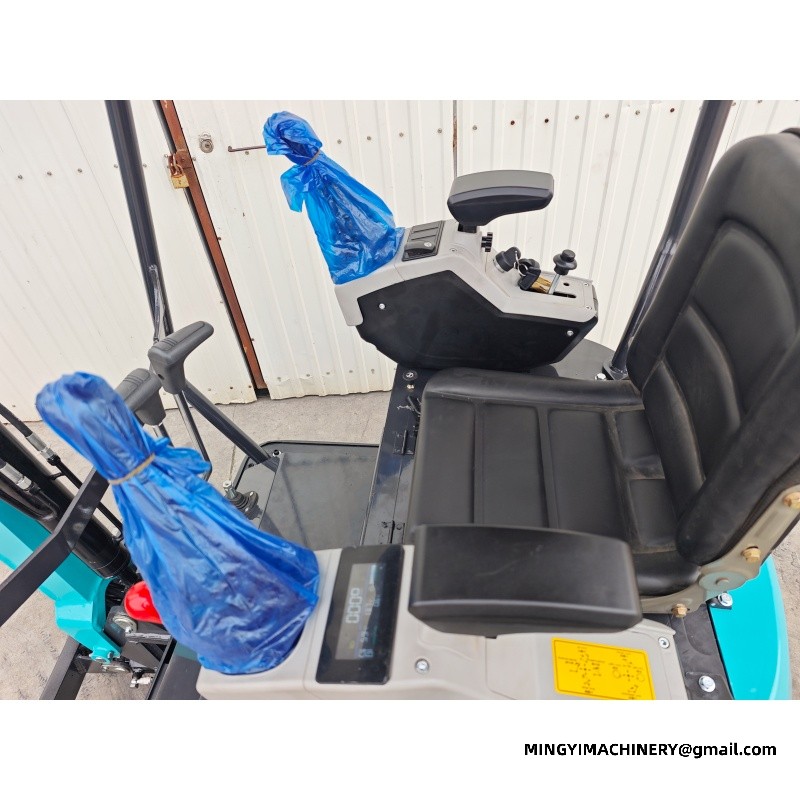
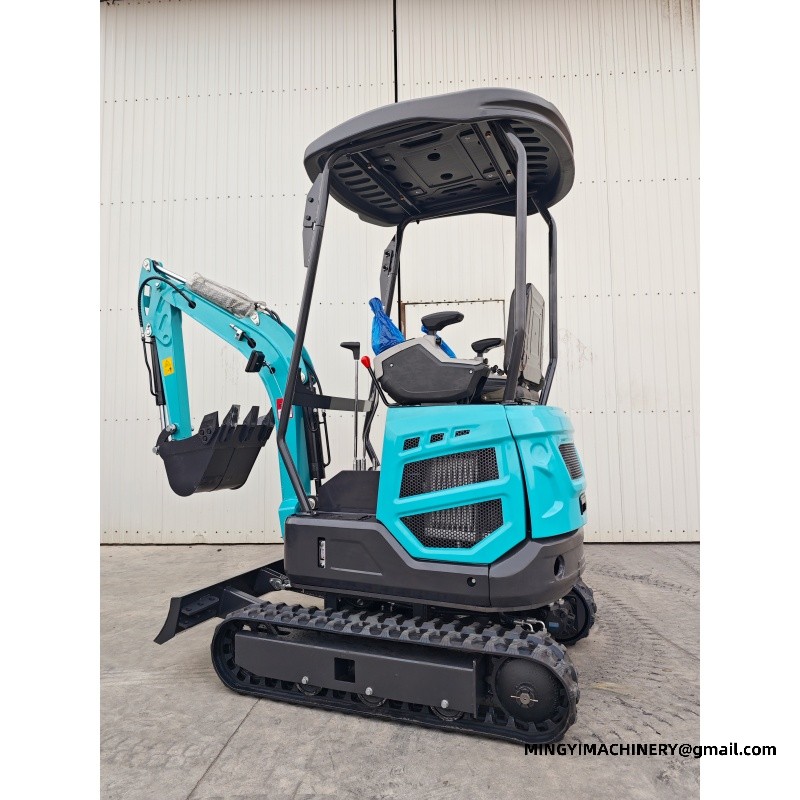
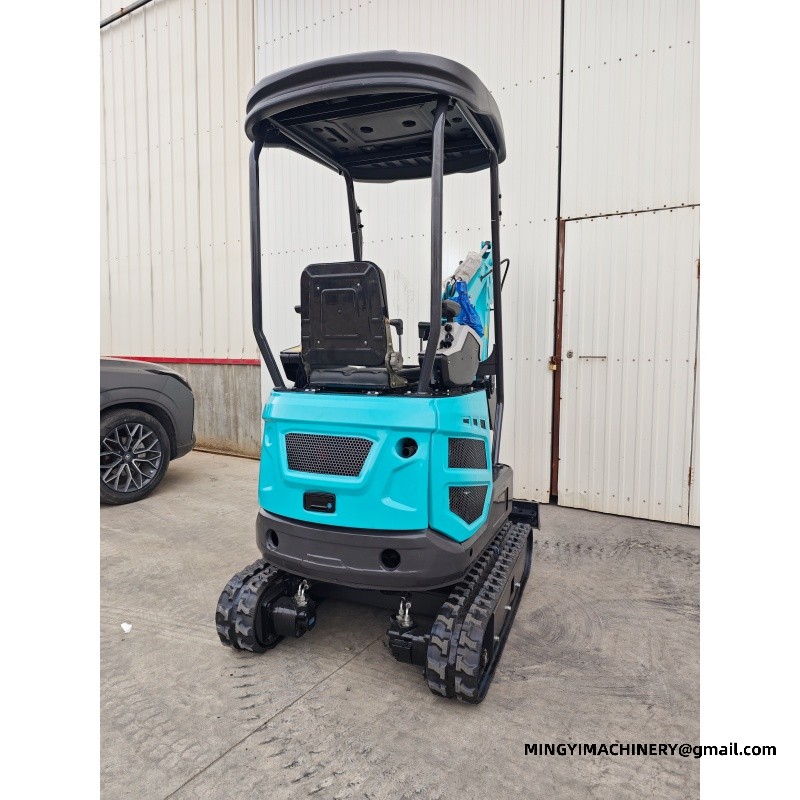
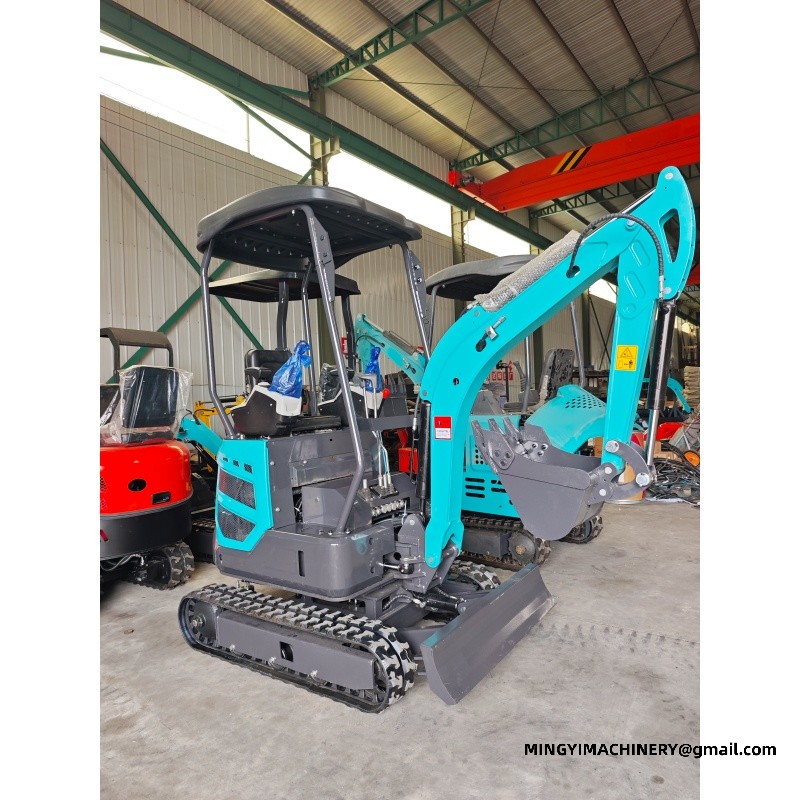
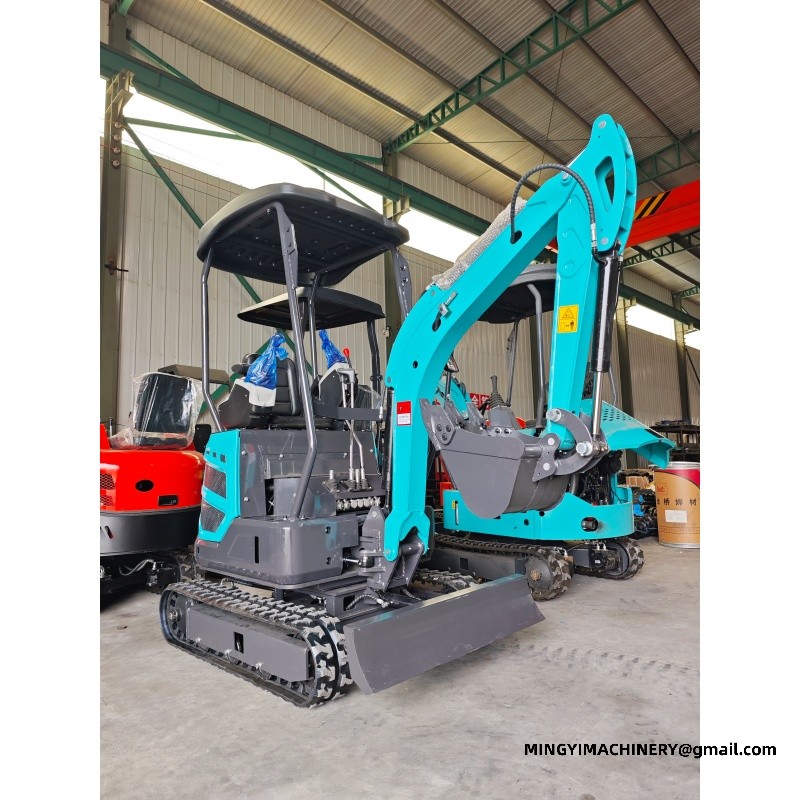
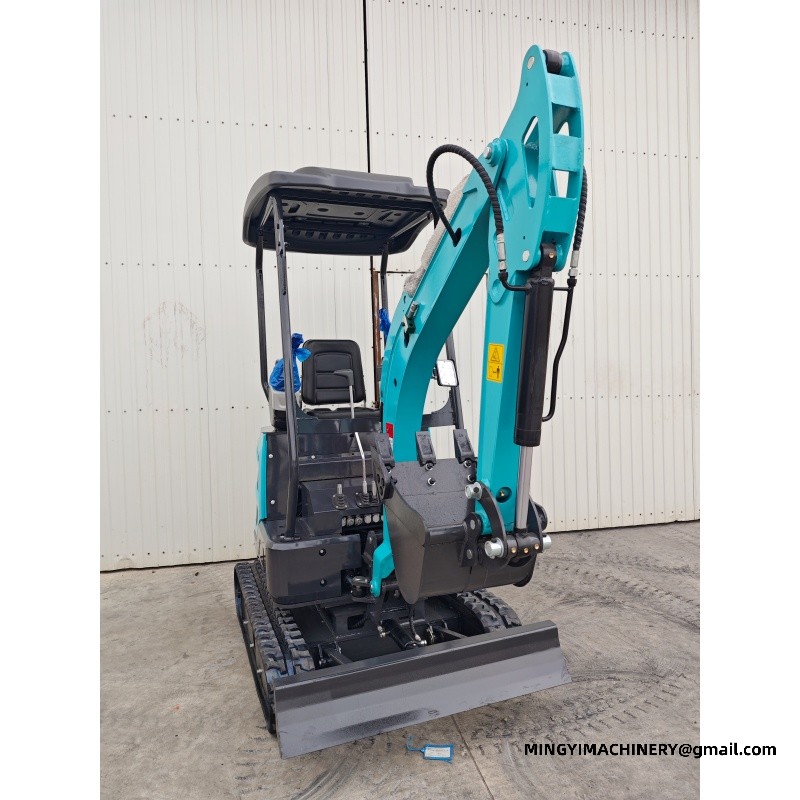
Reference specification — mini excavator range 13W 09L 12L 15L Operating weight 1300 kg (2866.01 lb) 1100 kg (2425.08 lb) 1200 kg (2645.55 lb) 1400 kg (3086.47 lb) Transport size (L×W×H) 2200 × 930 × 2250 mm 2300 × 720 × 1870 mm 2200 × 930 × 2250 mm 2200 × 930 × 2250 mm Max digging depth 1630 mm (64.17 in) 1400 mm (55.12 in) 1700 mm (66.93 in) 1700 mm (66.93 in) Max digging height 2750 mm (108.27 in) 2800 mm (110.24 in) 2600 mm (102.36 in) 2750 mm (108.27 in) Max dumping height 1960 mm (77.17 in) 1880 mm (74.02 in) 1800 mm (70.87 in) 1960 mm (77.17 in) Max digging radius 2900 mm (114.17 in) 2490 mm (98.03 in) 2900 mm (114.17 in) 2900 mm (114.17 in) Max digging distance 2100 mm (82.68 in) 2000 mm (78.74 in) 2300 mm (90.55 in) 2300 mm (90.55 in) Minimum turning radius 1300 mm (51.18 in) 1400 mm (55.12 in) 1450 mm (57.09 in) 1450 mm (57.09 in) Travel speed 3 km/h (1.86 mph) 3 km/h (1.86 mph) 3 km/h (1.86 mph) 3 km/h (1.86 mph) Gradeability 30° 30° 30° 30° Fuel consumption 1-1.3 L/h (0.264—0.343 gal) 1-1.3 L/h (0.264—0.343 gal) 1-1.3 L/h (0.264—0.343 gal) 1-1.3 L/h (0.264—0.343 gal) Fuel tank capacity 10 L (2.64 gal) 8 L (2.11 gal) 10 L (2.64 gal) 10 L (2.64 gal) Hydraulic oil tank 16 L (4.23 gal) 16 L (4.23 gal) 16 L (4.23 gal) 16 L (4.23 gal) Dozer blade lift height 180 mm (7.09 in) 180 mm (7.09 in) 180 mm (7.09 in) 180 mm (7.09 in) Dozer blade drop depth 210 mm (8.27 in) 210 mm (8.27 in) 210 mm (8.27 in) 210 mm (8.27 in)
Q. What are the equipment in service?
A. The hydraulic circuit is the character of a compact excavator: how it responds to the levers, how it shares flow between boom and swing, how it protects the attachment. Load sensing keeps the flow where the work is; pilot levers give the finesse that trench walls and grading finish demand. The excavator is one of the pages buyers land on when comparing machines for twin line hydraulics, and the factory treats it as a specification conversation rather than a catalogue line.
Q. Do I need the high-flow option?
A. Only if the attachment list asks for it: breakers, mulching heads and larger augers drink more than a standard circuit serves. Match the circuit to the tools before the build, not after.
Q. Does MINGYI supply attachments with the machine?
A. Yes - buckets, breakers, augers, rakes and the rest of the working set ship with the carrier, matched to the hydraulic flow and the coupler. For twin line hydraulics the package is confirmed on the build sheet, so machine and tools arrive together and start work together.
Storage and long idle periods for this class of machine
The battery and the fuel are the first things to suffer in storage. Preparing the unit in daily use properly at the start of the idle period avoids the flat battery and the contaminated tank that greet an unprepared machine.
Later additions and retrofits on a machine of this size
An added function should pay for itself quickly. Whether the equipment on site gains a different bucket, a hydraulic service or a protection package, the test is the number of days a year it is actually used.
Moving the machine itself between sites
Travel time is not working time, and it should be planned as its own item. The hours spent moving the model in question between jobs are hours not worked, and a trailer that matches the machine reduces them every single trip.
E-mail : sales@mingycn.com
LINE ( ID ): mingyicn
Electrical system and battery care on mini excavator with twin line hydraulics
Most electrical faults are connection faults, and a corroded earth strap or a loose terminal produces symptoms that look like a failed component.
Jump starting is a recovery rather than a repair, and the reason for the flat battery is worth finding the same day.
A maintainer through a long storage period keeps the battery ready and takes very little to fit.
Emission and regional requirements for mini excavator with twin line hydraulics
Engine tier, noise limit and any local registration requirement are three separate questions, and each carries its own paperwork.
Related pages
medium compact mini excavator · mini excavator with hydraulic thumb grab · Construction Equipment Loader: Sizing for Site and Yard Work · Mini Excavators









