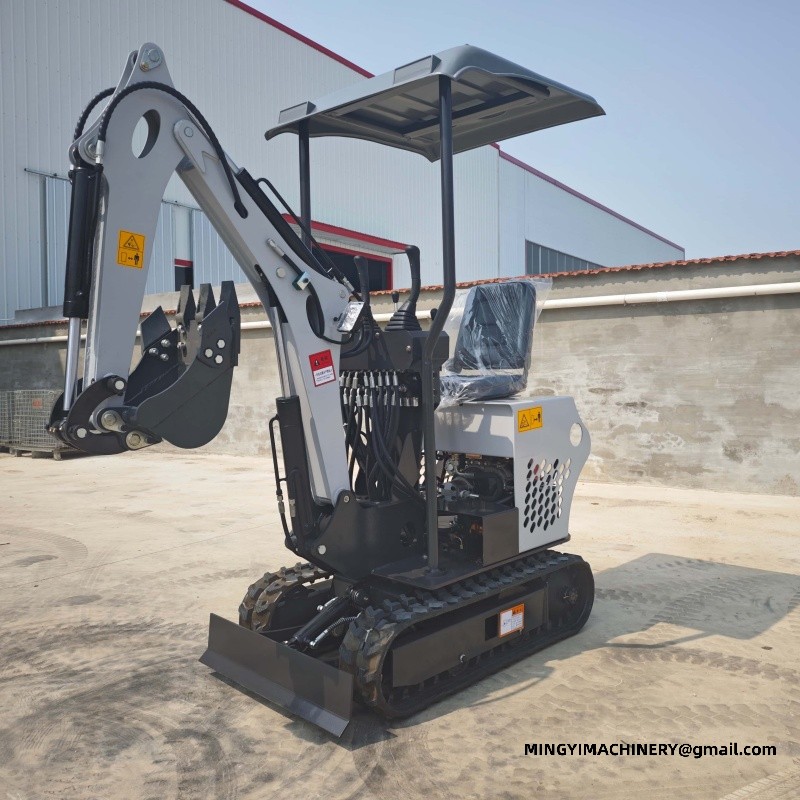
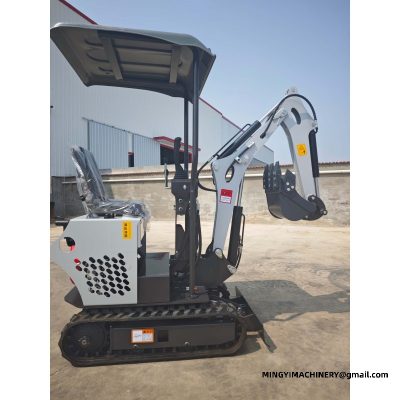
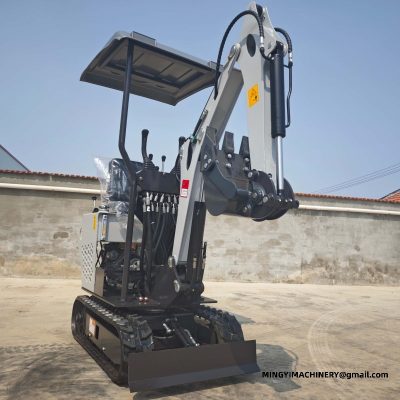
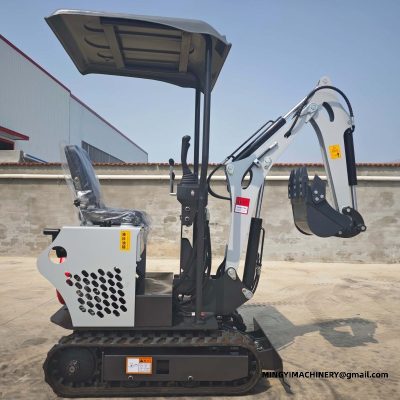
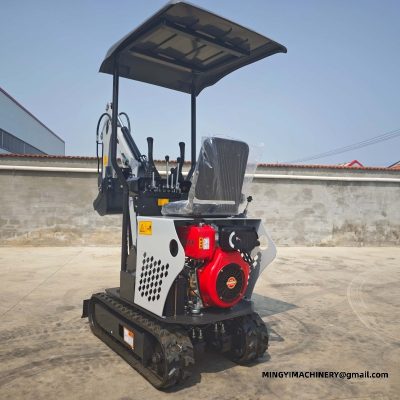
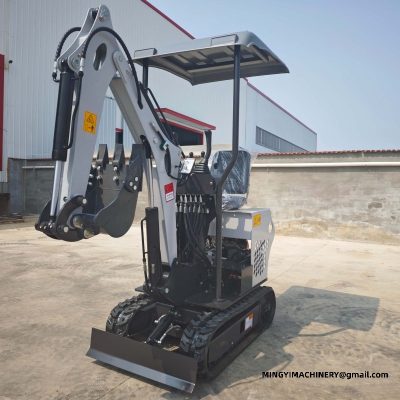
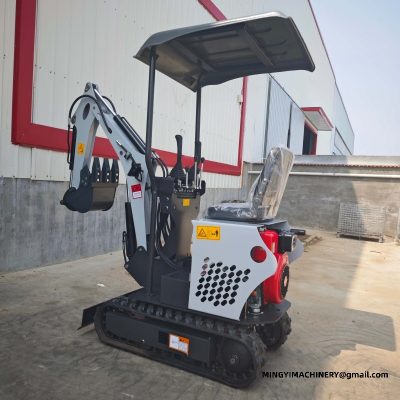
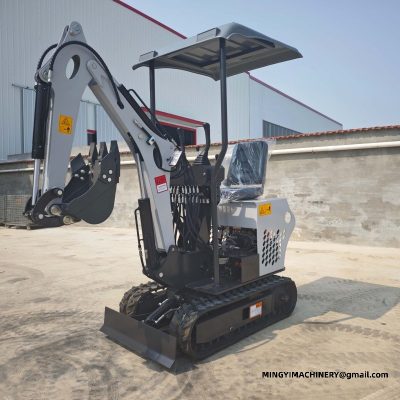
Buyers in North America tend to order compact excavators against a clear written specification, with the engine and the attachment list settled before the machine is built.
The same carrier is offered with the undercarriage, cab form and attachments that suit the range of work found across the region, from landscaping to farm and utility jobs.
Specification points North American buyers raise first
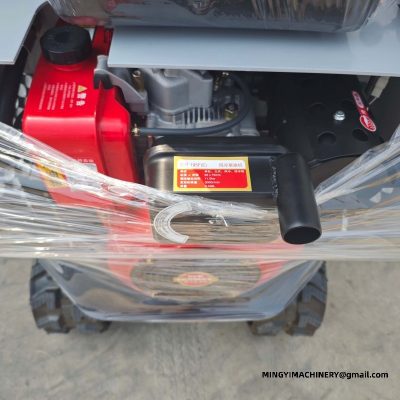
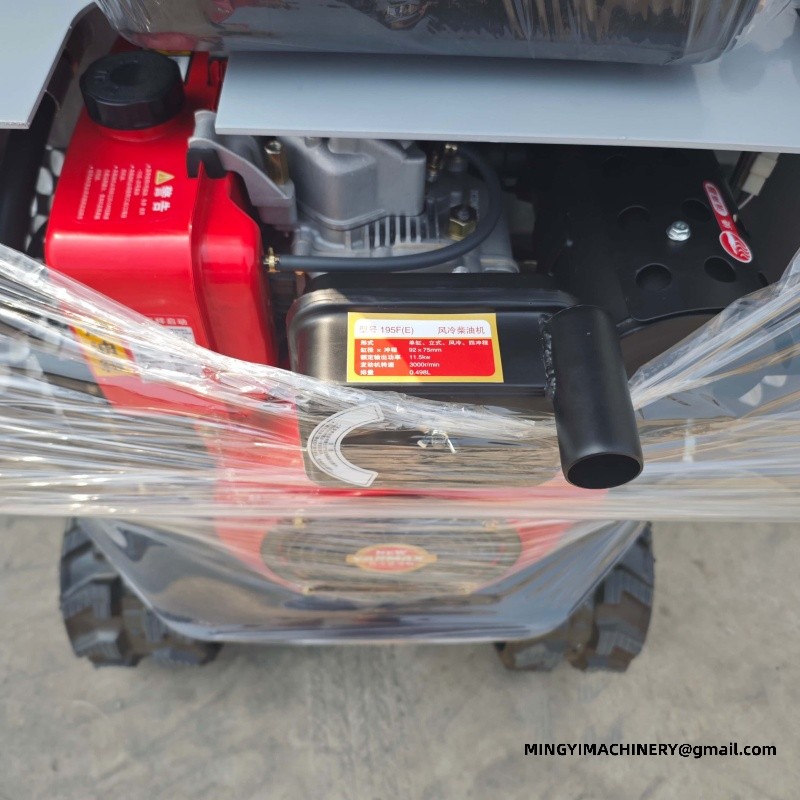
Engine brand is a common early question, because parts and service in the destination market decide how a fleet is maintained. Kubota, YANMAR, Changchai, Laidong and Runtong are offered across the range.
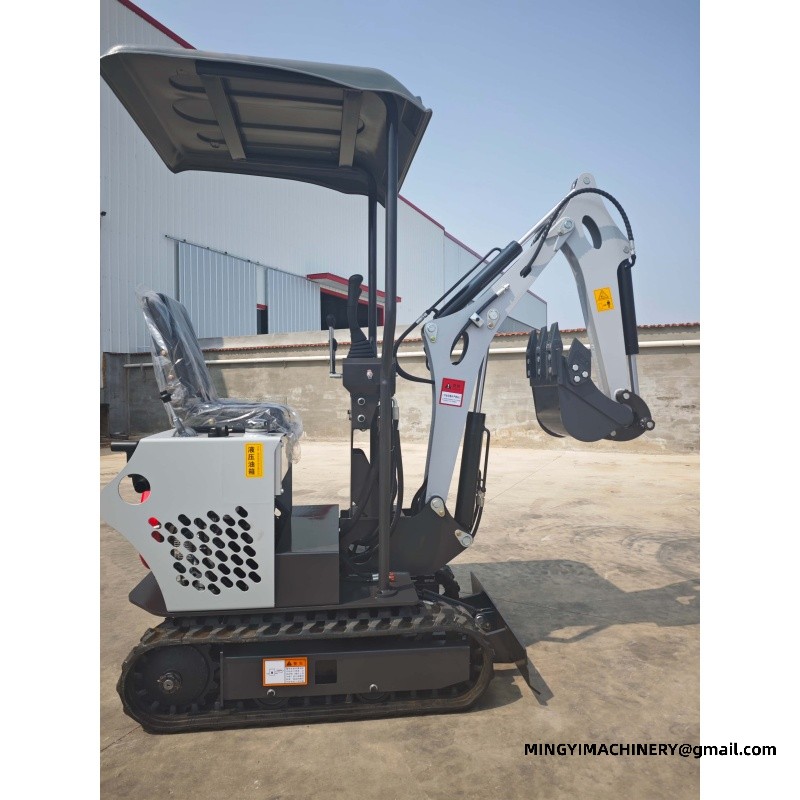
Track type is the next item. Rubber tracks suit landscaped ground and finished surfaces, while steel tracks with rubber blocks are chosen for rough or soft conditions.
Attachments and support for machines shipped to the region
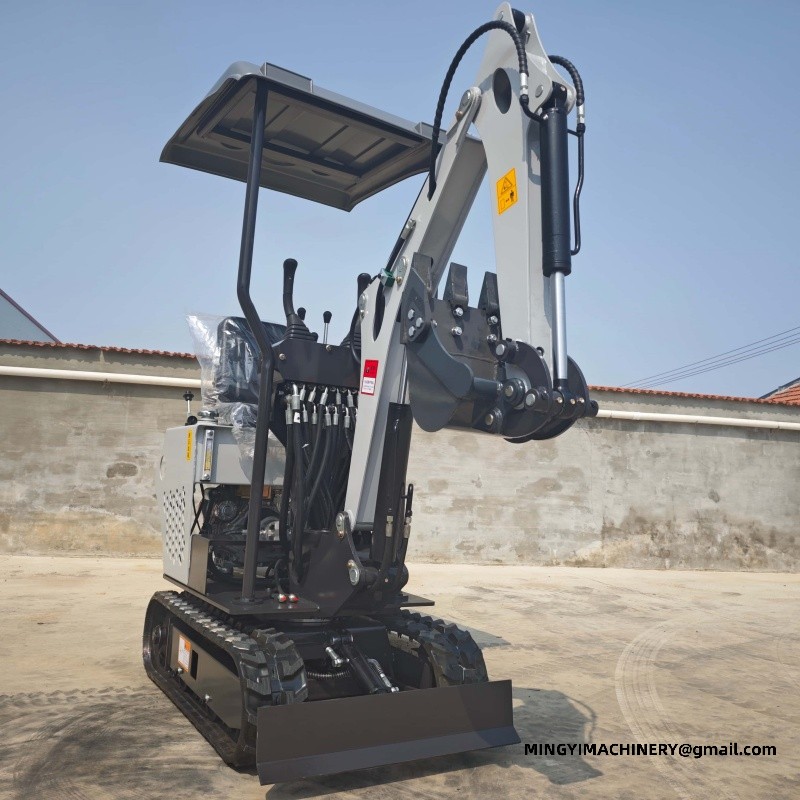
Attachments are agreed with the order so the coupler and auxiliary lines match. A breaker hammer, a thumb bucket, an auger and a compaction wheel are all supplied on the same carrier.
Units are shipped built to the agreed specification and supplied with spare parts and service information, so an importer can support the machine locally.
Importers in the region generally place one specification covering several identical machines, which keeps parts and service consistent across the fleet.
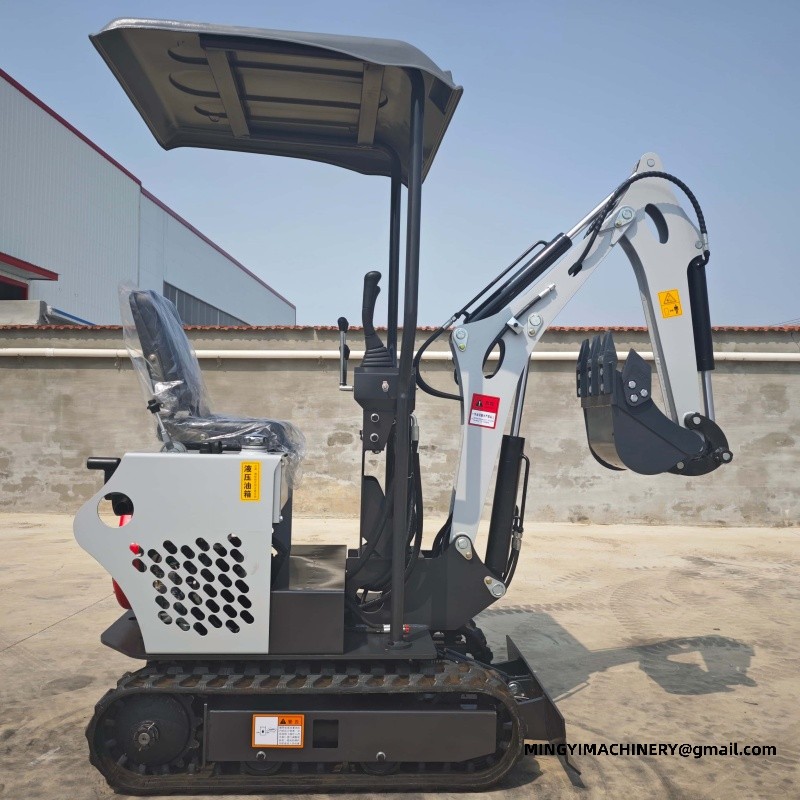
Parts, service and support for mini excavator for north america Support after delivery is a parts question. Wearing items for the excavator - filters, belts, track components, bucket teeth and pins - are the items a buyer should plan to hold before the first service interval. Engine parts availability usually drives the engine choice. This class of machine built with an engine the local network already carries is serviced from stock rather than from an international order. What owners should plan for beyond the mini excavator for north america Purchase decision is the visible part of the effort. Fuel, filters, tracks or tyres, the operator and the transport between sites are the items that decide what the unit in daily use actually demands over a few seasons, and they are worth listing before the order. Downtime is the hidden line item. A machine of this size waiting on a part earns nothing while it stands, so parts availability and service access belong in the plan as much as fuel does. Export packing and shipping of mini excavator for north america Machines leave the factory prepared for container or flat rack shipment. The equipment on site is normally shipped with the attachment set and the spare parts list agreed in advance so the container is planned once. Export documentation, decals and paint are settled before packing. Asking for them with the machine itself order avoids a second handling session and keeps the machine on the booked vessel. Interior and light demolition with mini excavator for north america Interior demolition is an access and a weight question. The model in question that fits through a doorway and works on a suspended floor does jobs that would otherwise be done by hand or by a larger machine that cannot enter. Dust, debris clearance and floor loading all argue for a compact machine indoors. The machine in that duty spreads its weight over a wider track footprint than a wheeled machine of similar capacity. Daily checks and maintenance on mini excavator for north america Daily maintenance on the unit on the job is a short list: engine oil level, coolant, track tension, hydraulic oil level and a look at the hoses. Ten minutes at the start of the shift prevents most of the failures that stop a machine. Track tension is the item most often neglected. A machine built for the work run with slack tracks wears the undercarriage and can throw a track on a turn; run too tight, the same components wear from the other direction. Lifting and material handling with a mini excavator for north america Lifting with a machine built to dig needs a plan. The load, the radius and the ground under the excavator all matter, and the safe figure is the one on the chart rather than the one that looks possible. Ground condition under the machine is part of every lift. Soft or uneven support is the common factor in handling incidents, and checking it takes less time than recovering the equipment in service that has settled. Municipal and public works with this class of machine Drainage repair, tree planting, footway reconstruction and cemetery work are all within the range of the unit in daily use. The jobs are small individually and continuous across the year. Noise and surface protection matter on public work. A machine of this size on rubber tracks across paving, with a sealed cab for the operator, suits the conditions better than a larger tracked machine. Orchard, vineyard and farm use of the equipment on site Ditching, fertilising and drainage on farmland suit the machine itself because the work is spread over a large area in short bursts. The machine travels behind a pickup and works where it stops. Farms also use the model in question for general maintenance - clearing a watercourse, repairing a track, loading a spreader. One carrier with a few attachments covers most of the jobs that would otherwise wait for a contractor. Quick coupler practice on the machine in that duty Couplers are specified early because they affect the arm and the hydraulic kit. Adding one to the unit on the job after delivery means new pins, new hoses and a fitment session; adding it at build time is a line on the sheet. For a fleet that shares attachments between machines, a common coupler standard matters more than the coupler brand. A machine built for the work that picks up the same tools as the larger machines keeps the rack usable across the yard. OEM and fleet customisation of the equipment in service Customisation also covers the specification sheet. A fleet buyer may want every this class of machine delivered with the same coupler, the same engine and the same tool kit so training and parts stock stay simple. Documentation can be prepared to suit the importer. Manuals, parts books and decal sets for the excavator can be supplied with the buyer's own branding where the order size justifies it. Trailering and moving the unit in daily use Transport weight and width decide whether a machine needs a specialist haulier. A machine of this size sized to travel on a standard plant trailer behind a suitable vehicle moves with the crew rather than on a scheduled low loader. Loading practice matters as much as the numbers. The equipment on site is driven up ramps under its own power with the boom lowered and the tracks aligned, and secured at the points the manufacturer specifies. Hiring versus owning the machine itself The choice follows the hours. Work that fills a few weeks a year is usually better hired, while the model in question that would be on site most weeks starts to justify ownership once the transport and booking time is counted. Availability is part of the decision. Owning the machine in that duty means it is there on the day the ground is ready; hiring means competing for the same machine at the same time as everyone else in the season. Specification data for the unit on the job Buyers comparing a machine built for the work usually start from four numbers - weight, digging depth, reach and transport width - because those are the ones that decide whether the machine can be delivered and whether it can do the job once it is there. Every value shown is as built for the equipment in service; options such as cab, side swing or a telescopic undercarriage change the transport dimensions and are confirmed at order stage. Access decides the machine before output does. With the excavator the limiting dimension is usually the widest point on the way in, so measuring the gate, the corridor and the turning space first saves a wasted delivery and a second visit. Contractors who buy this class of machine normally have one job in mind that nothing else reaches. The purchase order follows the access measurement, not the other way round, and the build sheet is then settled around it.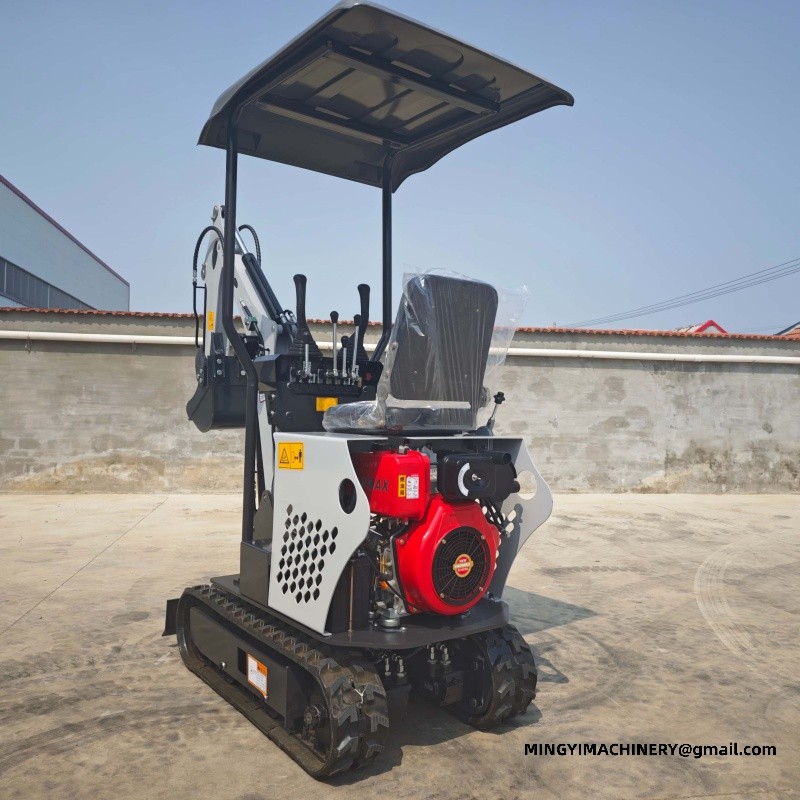
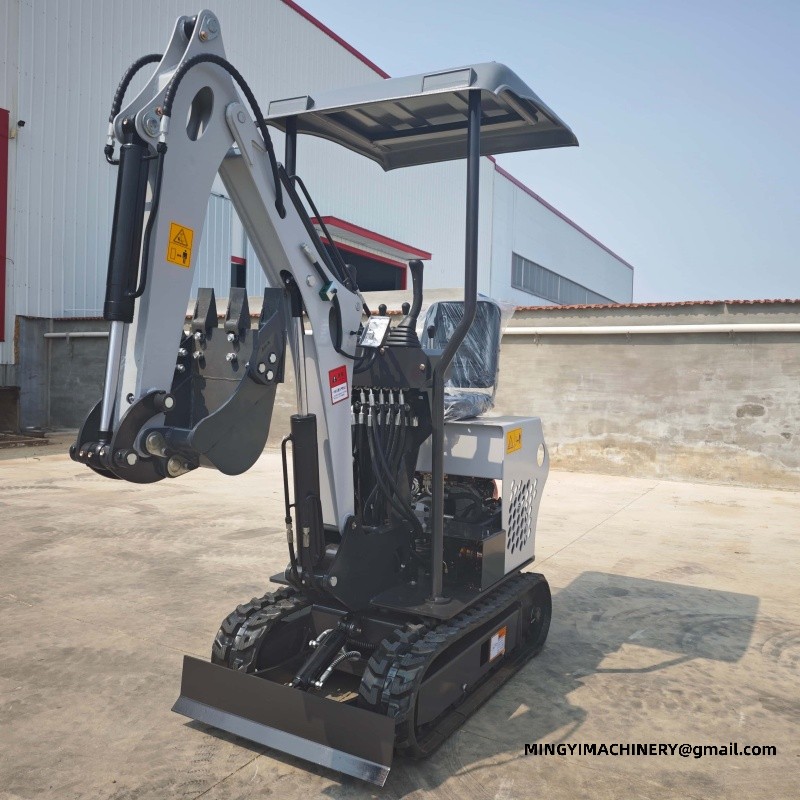
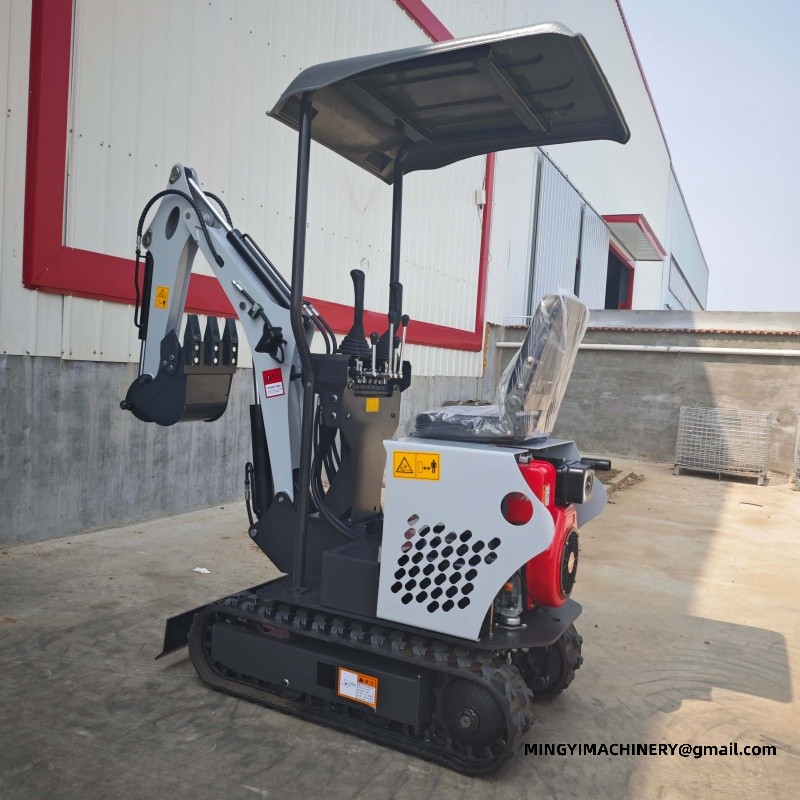
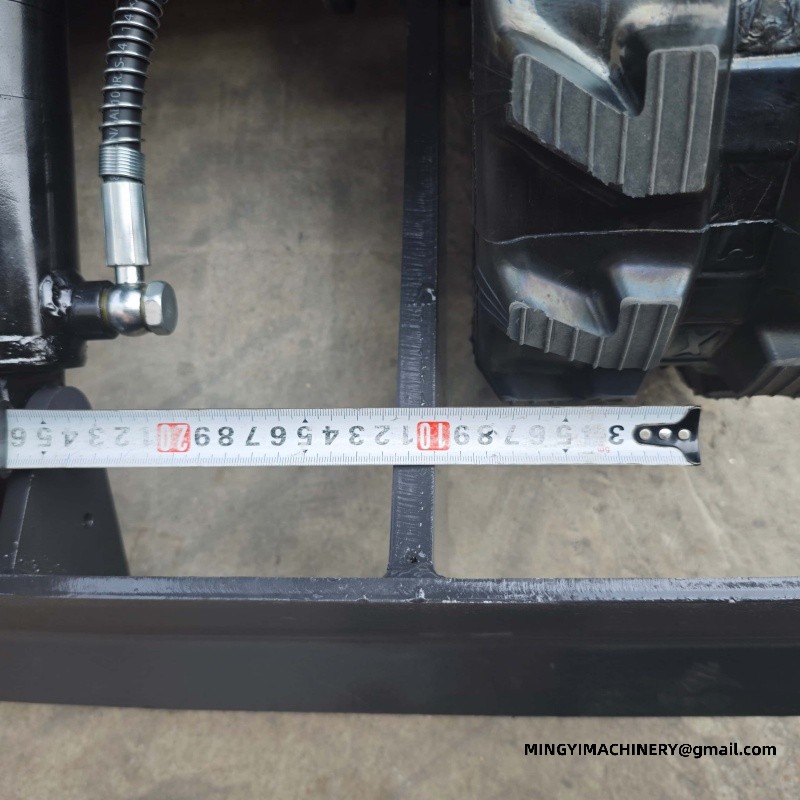
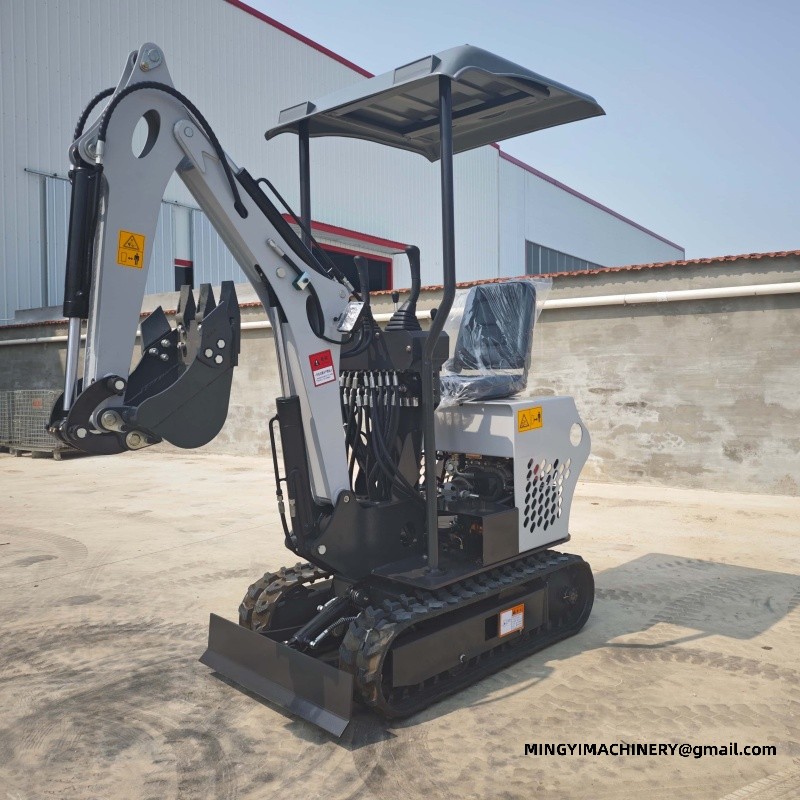
Reference specification — mini excavator range 09W 30-1W 09L 20-2L Operating weight 1100 kg (2425.08 lb) 2900 kg (6393.41 lb) 1100 kg (2425.08 lb) 1900 kg (4188.78 lb) Transport size (L×W×H) 1800 × 750 × 1970 mm 3000 × 1250 × 2780 mm 2300 × 720 × 1870 mm 2600 × 1300 × 2344 mm Max digging depth 1250 mm (49.21 in) 2200 mm (86.61 in) 1400 mm (55.12 in) 2100 mm (82.68 in) Max digging height 2800 mm (110.24 in) 3400 mm (133.86 in) 2800 mm (110.24 in) 2880 mm (113.39 in) Max dumping height 1700 mm (66.93 in) 2400 mm (94.49 in) 1880 mm (74.02 in) 2100 mm (82.68 in) Max digging radius 2570 mm (101.18 in) 4000 mm (157.48 in) 2490 mm (98.03 in) 3215 mm (126.57 in) Max digging distance 1869 mm (73.58 in) 2800 mm (110.24 in) 2000 mm (78.74 in) 2460 mm (96.85 in) Minimum turning radius 1000 mm (39.37 in) 2000 mm (78.74 in) 1400 mm (55.12 in) 1587 mm (62.48 in) Travel speed 3 km/h (1.86 mph) 5 km/h (3.11 mph) 3 km/h (1.86 mph) 5 km/h (3.11 mph) Gradeability 30° 30° 30° 30° Fuel consumption 1-1.3 L/h (0.264—0.343 gal) 2-3 L/h (0.528—0.793 gal) 1-1.3 L/h (0.264—0.343 gal) 2-3 L/h (0.528—0.793 gal) Fuel tank capacity 8 L (2.11 gal) 16 L (4.23 gal) 8 L (2.11 gal) 16 L (4.23 gal) Hydraulic oil tank 16 L (4.23 gal) 20 L (5.28 gal) 16 L (4.23 gal) 18 L (4.76 gal) Dozer blade lift height 180 mm (7.09 in) 420 mm (16.54 in) 180 mm (7.09 in) 180 mm (7.09 in) Dozer blade drop depth 210 mm (8.27 in) 210 mm (8.27 in) 210 mm (8.27 in) 210 mm (8.27 in)
Q. Who chooses the unit in daily use?
A. Dealer, importer and fleet buyers judge a factory by what follows the machine - packing, documentation, parts - and the programme sets out how that works. Mixed-model orders and staged deliveries are routine for dealer and importer programmes, with documents and inspection arranged with the order. Read a machine of this size together with the engine, track and attachment pages: jobs around North America are decided by how those choices line up, not by any single number on the sheet.
Q. Can I order machines built to my own specification?
A. Yes - OEM and ODM options cover colour, decals, engine choice, cab layout and attachment packages, with the build sheet confirmed before production. Mixed-model orders and staged deliveries are routine for dealer programmes.
Q. What support follows the sale?
A. Spare-part kits, wear items and service documentation ship with the programme, and the parts team works from the serial plate to match components exactly. Warranty and support terms for the North America order are confirmed in writing before the machine leaves.
Cold weather and winter care for the equipment on site
Cold exposes weak batteries, thick oil and water in the fuel. Preparing the machine itself for winter means the right grade of oil, a battery in good condition and fuel that will not wax in the tank overnight.
Pre-delivery inspection before the model in question leaves the shop
The last hour before packing is the best time to find a fault. Running the machine in that duty through its full working cycle, checking for leaks under load and confirming that the controls match the specification avoids a conversation across time zones later.
Handover and getting familiar with the unit on the job
Familiarisation is not the same as reading the manual. Sitting on a machine built for the work, working through the controls at low speed and learning where the machine balances takes an hour, and that hour is what keeps the first week uneventful.
E-mail : sales@mingycn.com
LINE ( ID ): mingyicn
Planning utilisation for mini excavator for north america
Utilisation is decided in the planning office as much as on site, through the number of machines, the haul route and the order of the work.
Related pages
mini excavator for european conditions · mini excavator distributor support · Compact Wheel Loader: Small-Frame Builds for Tight Sites · Mini Excavators









