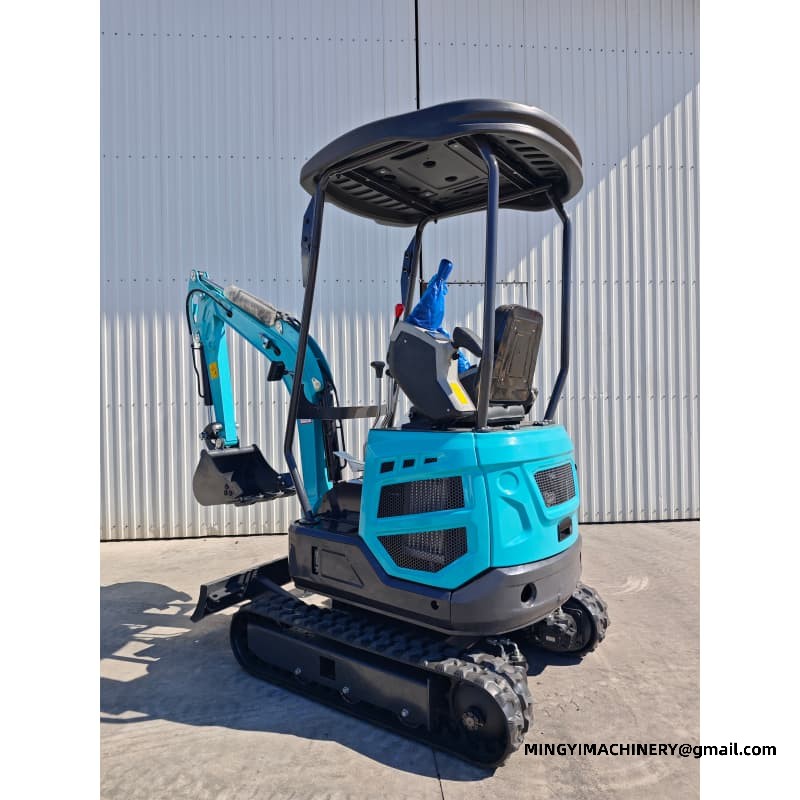
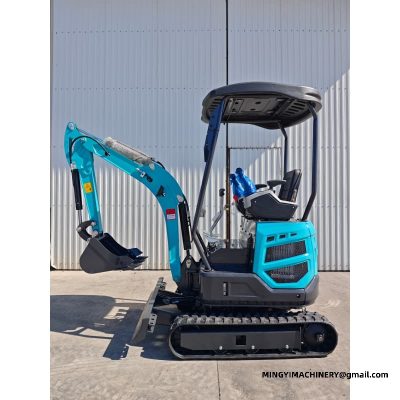
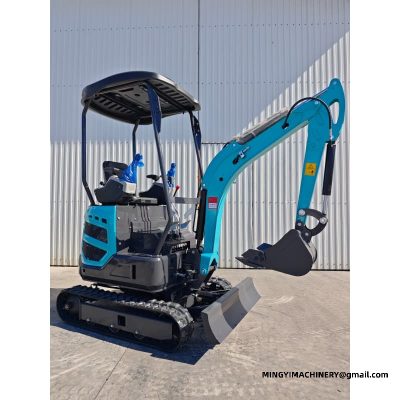
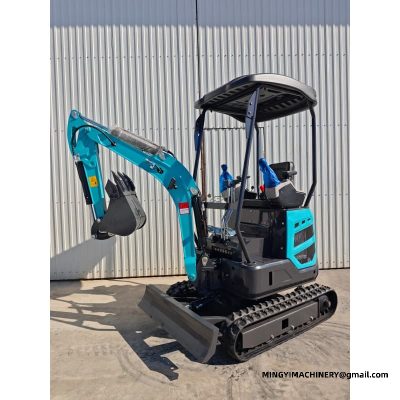
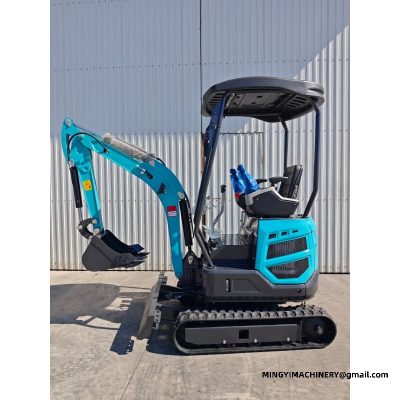
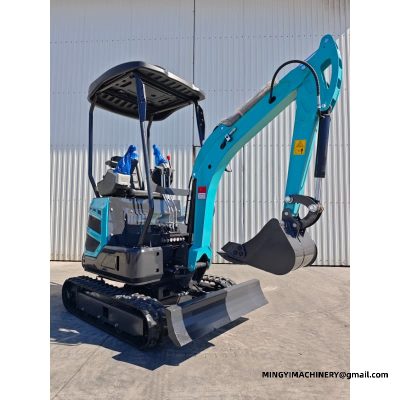
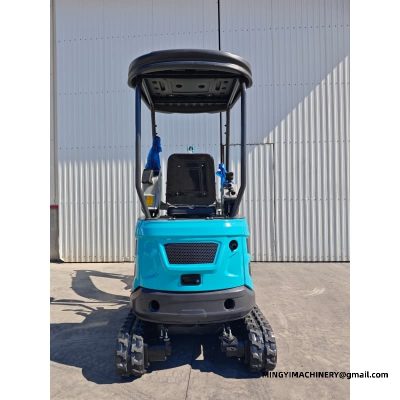
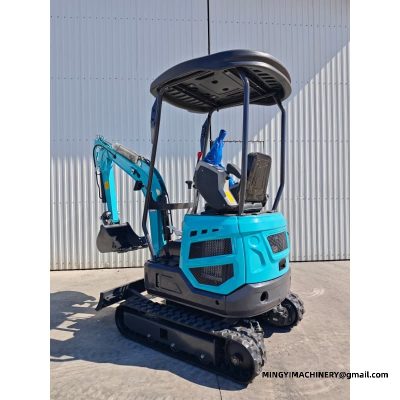
Orchard maintenance is a calendar of digging and soil work between trees: irrigation trenching, planting and replacement, clearing prunings and opening the ground that foot and machine traffic compacts each season. A compact excavator sized to the rows does this work without touching the crop.
MINGYI builds machines for orchard duty with the width, tracks and attachment set agreed at the ordering stage. The rows, the headlands and the ground conditions described by the buyer shape the specification.
Orchard jobs across the year
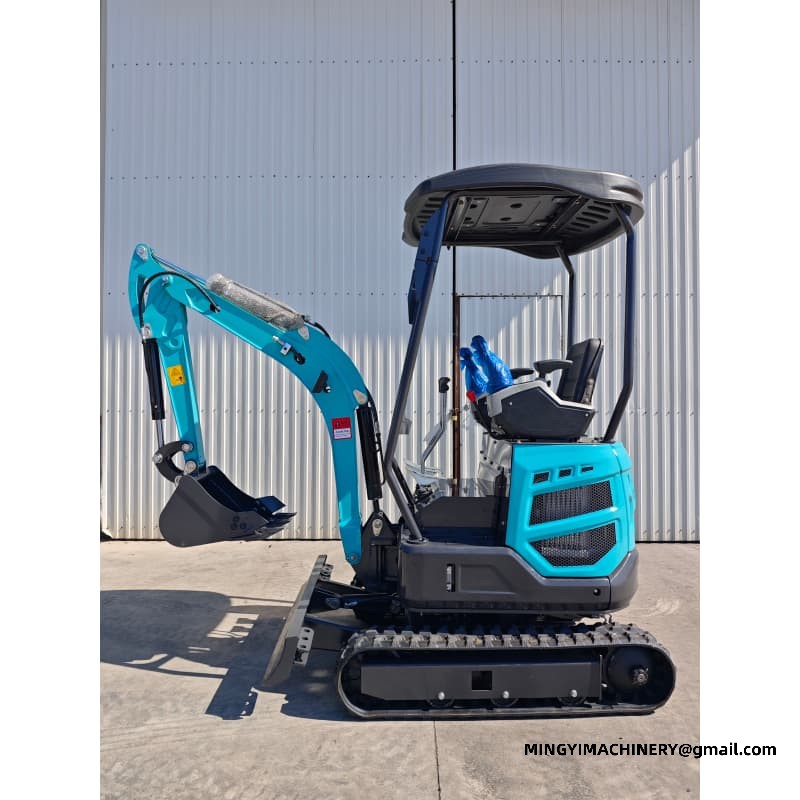
Through the season the machine trenches irrigation lines along the rows, augers planting holes for replacement trees, and opens drainage where water sits. After pruning it clears the rows, and a grass and tree grabber lifts prunings and waste into heaps for removal or burning.
Soil care recurs: a soil loosener opens the compacted strips along the rows and headlands, and organic matter is incorporated around the root zone. Digging out old stumps at replanting time falls to the same carrier with bucket and ripper.
Fitting the machine between the rows
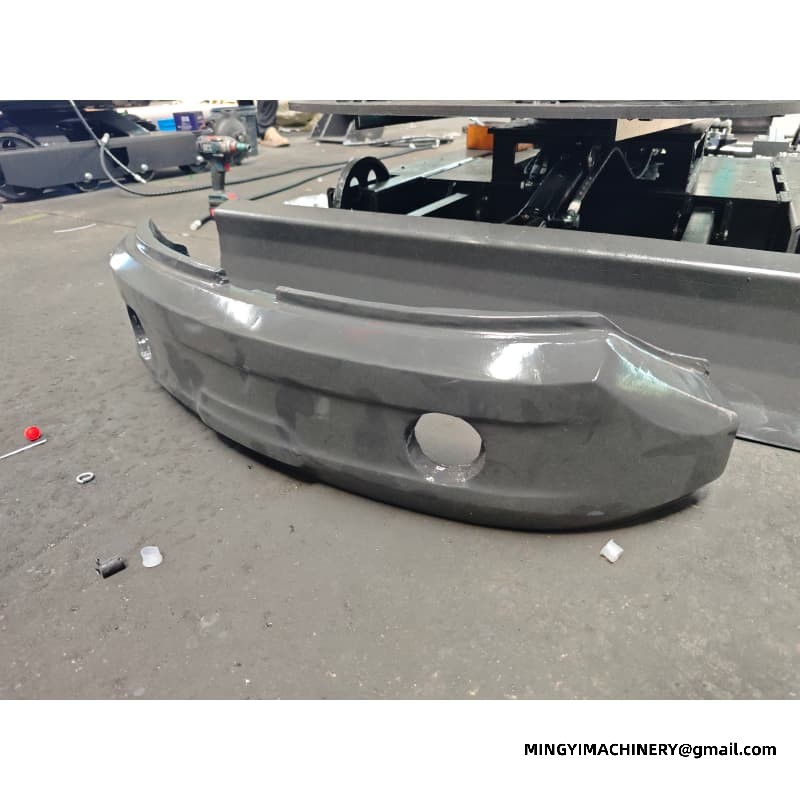
Width is set by the row spacing, and the specification should be built to clear the canopy and trunks with allowance. Rubber tracks protect the root zone the machine crosses, and a boom with reach over the rows reduces how often it has to.
Ordering should state the row spacing, the soil type and the attachment mix the orchard calendar needs. The machine is built to those numbers, and the recorded specification supports later parts orders.
An orchard machine has to work around the trees it serves. MINGYI builds to the row measurements and the seasonal job list supplied by the buyer, so the excavator fits the rows and finishes the year's work without taking crop.
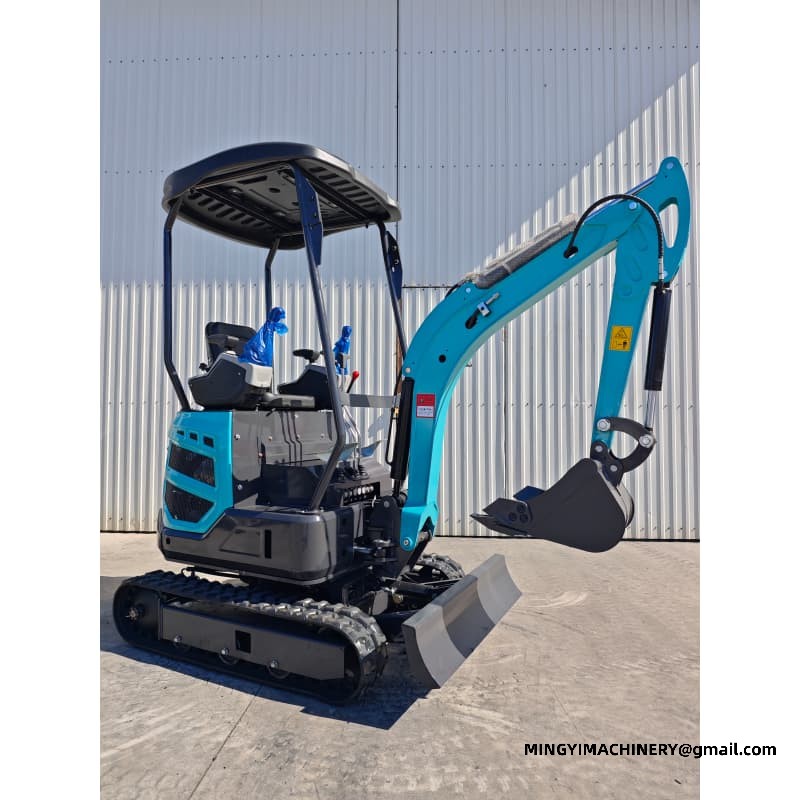
Canopy or enclosed cab on a compact excavator for orchard work The cab decision follows the climate and the hours. Operators working a full shift in the excavator benefit from a sealed cab with wipers and heating; operators stepping on and off every few minutes usually prefer the canopy for the visibility and the quick exit. Enclosure also changes noise and dust exposure. A sealed cab on this class of machine keeps dust out on dry sites and lets the machine work through weather that would otherwise stop a canopy machine for the day. Getting compact excavator for orchard work through a narrow gap Access decides the machine before output does. With the unit in daily use the limiting dimension is usually the widest point on the way in, so measuring the gate, the corridor and the turning space first saves a wasted delivery and a second visit. Contractors who buy a machine of this size normally have one job in mind that nothing else reaches. The purchase order follows the access measurement, not the other way round, and the build sheet is then settled around it. Working on slopes and uneven ground with compact excavator for orchard work Ground that looks level often is not. The equipment on site crossing a filled trench, a soft edge or a hidden void behaves differently from one on undisturbed ground, and those are the places worth walking before driving. Planning the direction of travel helps. Working so that the machine itself is stable under load and not required to turn on a slope is a decision made before the job starts, not a correction made during it. Quick coupler practice on compact excavator for orchard work Couplers are specified early because they affect the arm and the hydraulic kit. Adding one to the model in question after delivery means new pins, new hoses and a fitment session; adding it at build time is a line on the sheet. For a fleet that shares attachments between machines, a common coupler standard matters more than the coupler brand. The machine in that duty that picks up the same tools as the larger machines keeps the rack usable across the yard. Lifting and material handling with a compact excavator for orchard work Lifting with a machine built to dig needs a plan. The load, the radius and the ground under the machine built for the work all matter, and the safe figure is the one on the chart rather than the one that looks possible. Ground condition under the machine is part of every lift. Soft or uneven support is the common factor in handling incidents, and checking it takes less time than recovering the unit on the job that has settled. Noise, dust and working near occupied buildings Enclosure and machine condition both reduce noise. The equipment in service with intact panels, sound mounts and a maintained exhaust is measurably quieter than the same machine with loose guards, and the difference matters on restricted sites. Dust control is often part of the same conversation. Water, timing and work sequence reduce what leaves the site, and agreeing them in advance keeps the excavator working rather than stopped after a complaint. What owners should plan for beyond the class of machine Purchase decision is the visible part of the effort. Fuel, filters, tracks or tyres, the operator and the transport between sites are the items that decide what the unit in daily use actually demands over a few seasons, and they are worth listing before the order. Downtime is the hidden line item. A machine of this size waiting on a part earns nothing while it stands, so parts availability and service access belong in the plan as much as fuel does. Hiring versus owning the equipment on site Availability is part of the decision. Owning the machine itself means it is there on the day the ground is ready; hiring means competing for the same machine at the same time as everyone else in the season. Ownership brings obligations that hiring does not. Storage, servicing, insurance and an operator are the items to set against the hire rate before deciding which way the model in question should be supplied. OEM and fleet customisation of the machine in that duty Distributors and rental fleets usually need the machine to look like theirs. Paint, decals, seat colour and attachment branding can be specified on the unit on the job at build time rather than applied after import. Customisation also covers the specification sheet. A fleet buyer may want every machine built for the work delivered with the same coupler, the same engine and the same tool kit so training and parts stock stay simple. Landscaping and ground care with the equipment in service Grass cutting heads, rakes and tillers extend the excavator into ground care. The same carrier that digs a border in spring can cut and clear the same area later in the season. On soft landscape work the surface is the constraint. This class of machine on rubber tracks crosses turf without stripping it, which is why the same jobs are not given to a wheeled machine. Export packing and shipping of the unit in daily use Machines leave the factory prepared for container or flat rack shipment. A machine of this size is normally shipped with the attachment set and the spare parts list agreed in advance so the container is planned once. Buyers who import regularly plan the spare parts with the machine. The equipment on site ordered with a wearing-parts kit arrives ready to work rather than ready to wait for the first service interval. Specification data for the machine itself The figures below are the factory figures for the models most often matched to the model in question. They are the numbers to check against the site: the depth the work needs, the reach from one position, and the width of the narrowest point on the route in. Every value shown is as built for the machine in that duty; options such as cab, side swing or a telescopic undercarriage change the transport dimensions and are confirmed at order stage. A swing boom lets the machine dig parallel to its tracks without repositioning, which is what makes trenching beside a wall or a fence practical. On the unit on the job this is often the option that decides whether a job is possible at all. Extended and offset boom configurations change reach and working range. A machine built for the work with a longer arm reaches further but lifts less at full extension, so the specification is set against the deepest and furthest point on the job list.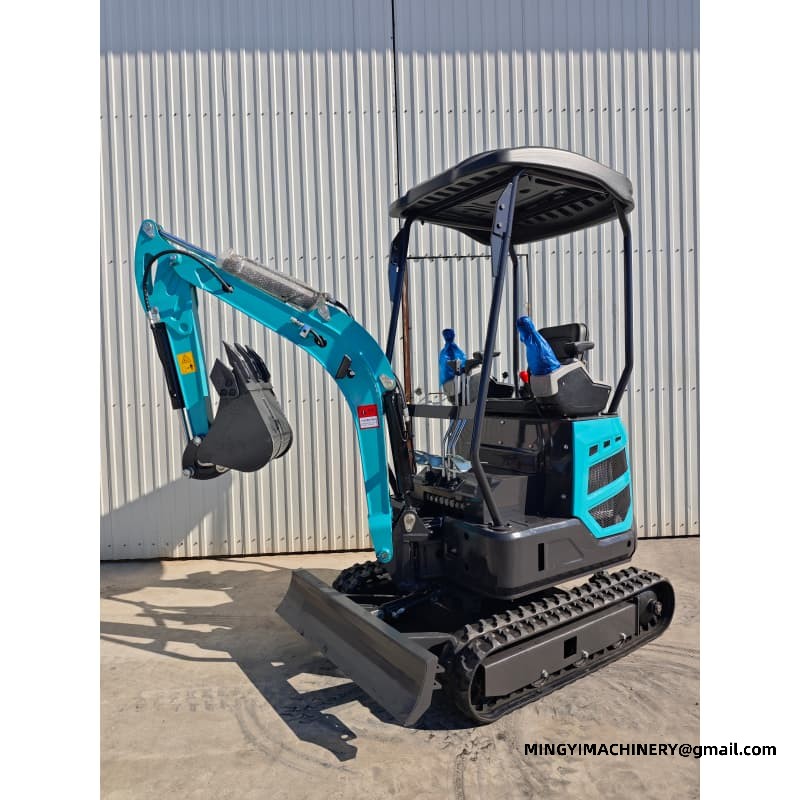
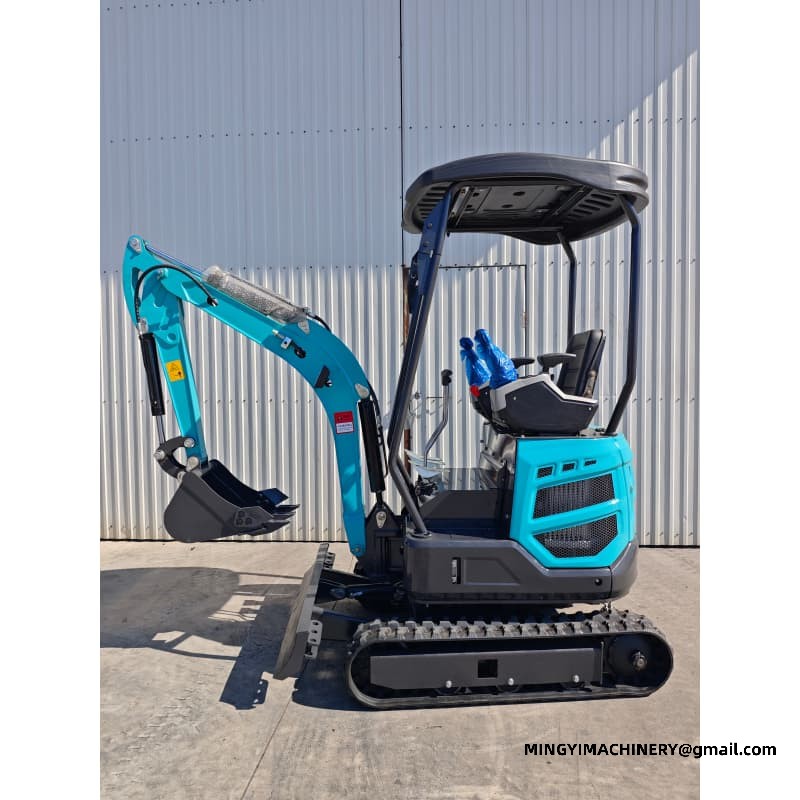
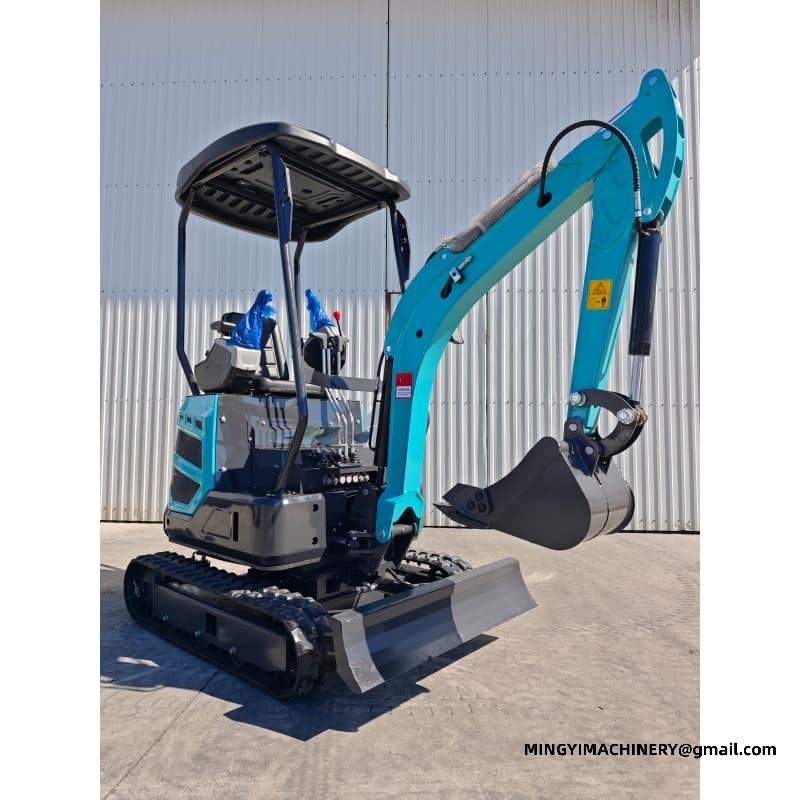
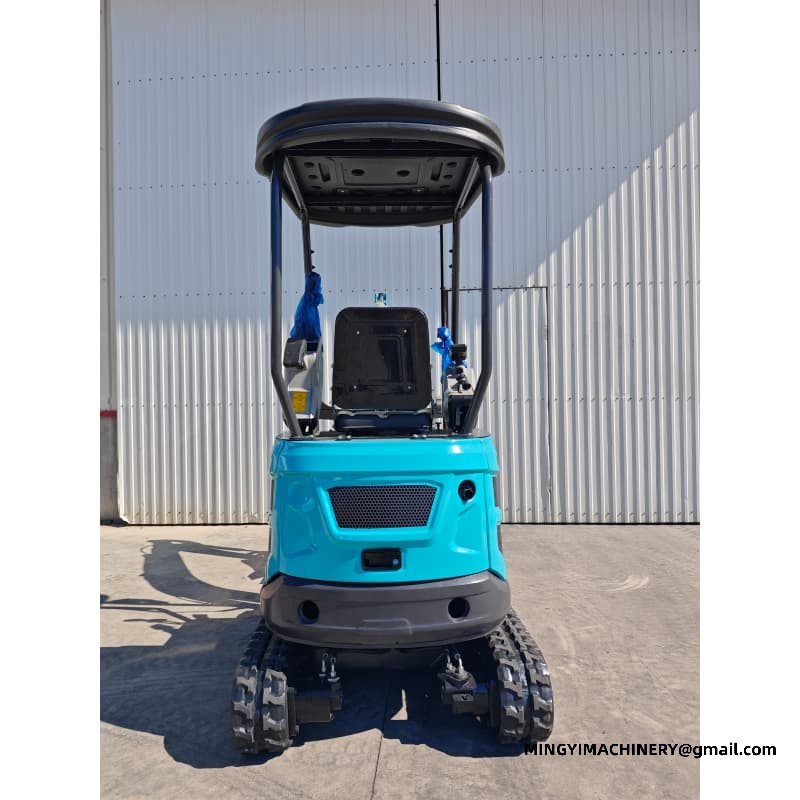
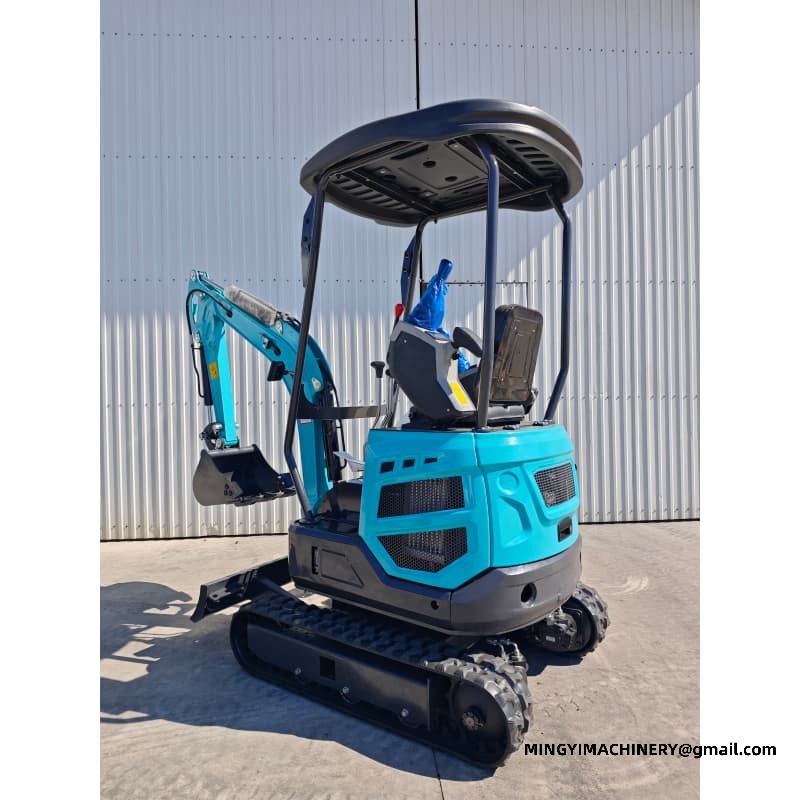
Reference specification — mini excavator range 15W 20-1WL 09L 20-2L Operating weight 1400 kg (3086.47 lb) 1900 kg (4188.78 lb) 1100 kg (2425.08 lb) 1900 kg (4188.78 lb) Transport size (L×W×H) 2200 × 930 × 2250 mm 2550 × 1100 × 2200 mm 2300 × 720 × 1870 mm 2600 × 1300 × 2344 mm Max digging depth 1630 mm (64.17 in) 1800 mm (70.87 in) 1400 mm (55.12 in) 2100 mm (82.68 in) Max digging height 2750 mm (108.27 in) 2820 mm (111.02 in) 2800 mm (110.24 in) 2880 mm (113.39 in) Max dumping height 1960 mm (77.17 in) 2050 mm (80.71 in) 1880 mm (74.02 in) 2100 mm (82.68 in) Max digging radius 2900 mm (114.17 in) 3050 mm (120.08 in) 2490 mm (98.03 in) 3215 mm (126.57 in) Max digging distance 2100 mm (82.68 in) 2300 mm (90.55 in) 2000 mm (78.74 in) 2460 mm (96.85 in) Minimum turning radius 1300 mm (51.18 in) 1450 mm (57.09 in) 1400 mm (55.12 in) 1587 mm (62.48 in) Travel speed 3 km/h (1.86 mph) 5 km/h (3.11 mph) 3 km/h (1.86 mph) 5 km/h (3.11 mph) Gradeability 30° 30° 30° 30° Fuel consumption 1-1.3 L/h (0.264—0.343 gal) 2-3 L/h (0.528—0.793 gal) 1-1.3 L/h (0.264—0.343 gal) 2-3 L/h (0.528—0.793 gal) Fuel tank capacity 10 L (2.64 gal) 16 L (4.23 gal) 8 L (2.11 gal) 16 L (4.23 gal) Hydraulic oil tank 16 L (4.23 gal) 18 L (4.76 gal) 16 L (4.23 gal) 18 L (4.76 gal) Dozer blade lift height 180 mm (7.09 in) 180 mm (7.09 in) 180 mm (7.09 in) 180 mm (7.09 in) Dozer blade drop depth 210 mm (8.27 in) 210 mm (8.27 in) 210 mm (8.27 in) 210 mm (8.27 in)
Q. What is the equipment in service?
A. Agricultural digging protects the asset under the machine as much as the work in front of it: soil structure, roots and irrigation lines all decide how the digger is set up. One compact excavator with a bucket, an auger and a rake covers most of the farm calendar without hiring specialists. The excavator is one of the pages buyers land on when comparing machines for orchard work, and the factory treats it as a specification conversation rather than a catalogue line.
Q. Will it damage crop ground?
A. Not when set up for it: rubber tracks and a light footprint are why the farm pages pair track choice with boom reach. Plan the runs along the headland and the field looks the same after the machine as before.
Q. What support follows the sale?
A. Spare-part kits, wear items and service documentation ship with the programme, and the parts team works from the serial plate to match components exactly. Warranty and support terms for the orchard work order are confirmed in writing before the machine leaves.
Commissioning this class of machine on site
Transport shakes things loose. A short check of the unit in daily use after the crate is opened, covering the same points the pre-delivery inspection covered, is the most useful insurance available on delivery day.
Later additions and retrofits on a machine of this size
Later changes are easier when they were anticipated. Asking for the extra hydraulic circuit or the heavier mounting plate on the equipment on site at build time adds little and leaves the option open.
E-mail : sales@mingycn.com
LINE ( ID ): mingyicn
Common operator mistakes with compact excavator for orchard work
Most early damage comes from three habits, namely working with the wrong attachment angle, carrying loads too high and skipping the walk-around.
Riding the brake or holding the machine on the converter builds heat that no amount of later care undoes.
Over-greasing is as unhelpful as under-greasing, because sealed bearings and belts do not benefit from it.
Related pages
mini excavator for household renovation · mini digger for rural land development · Wheel Loader Series: Reliable Builds from Entry to Medium Frame · Mini Excavators









