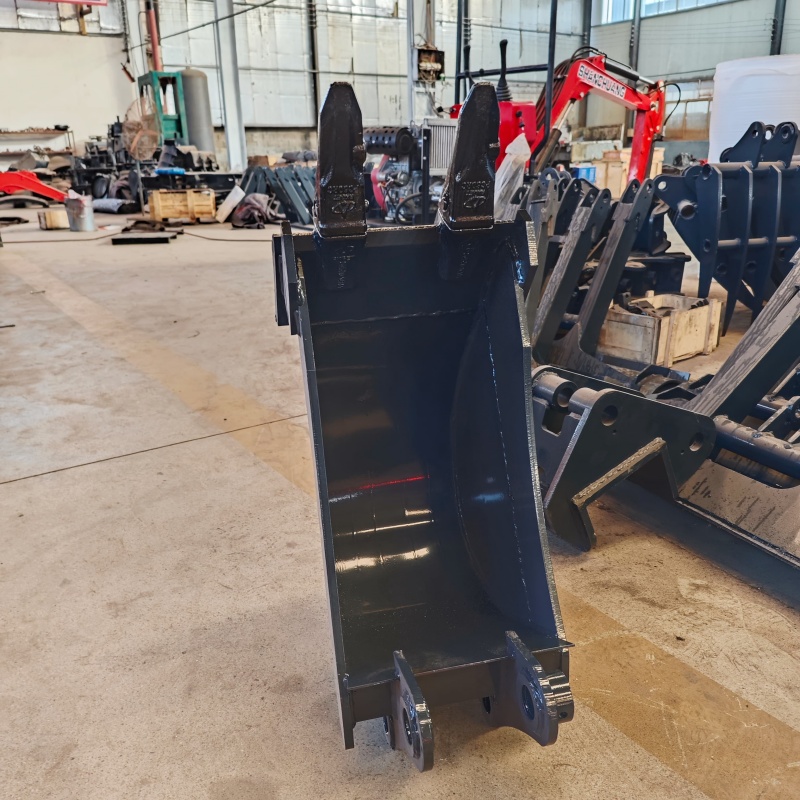
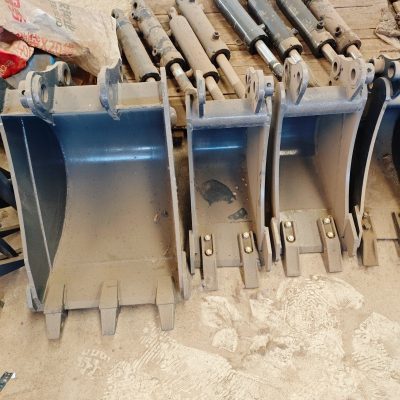
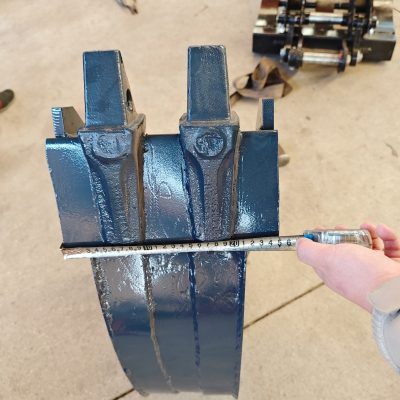
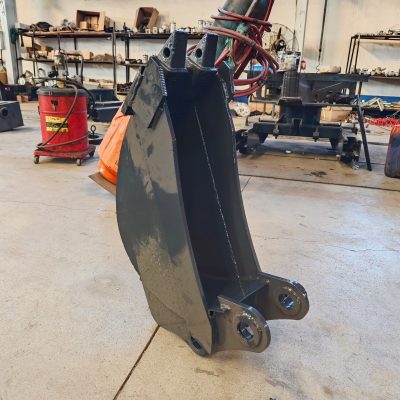
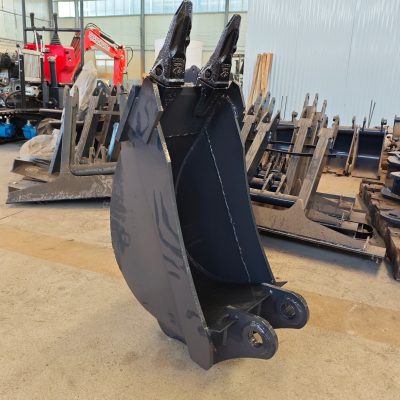
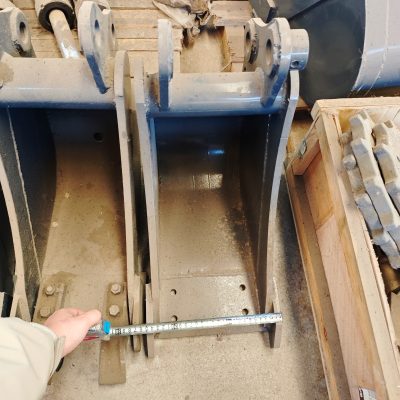
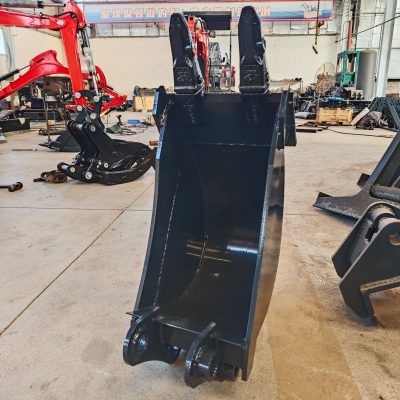
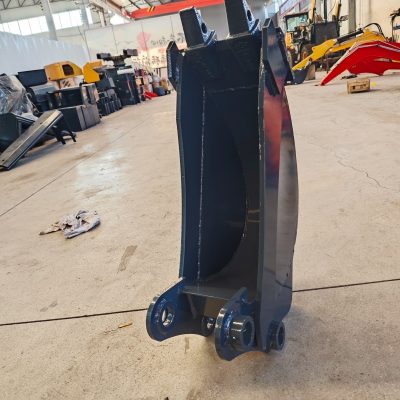
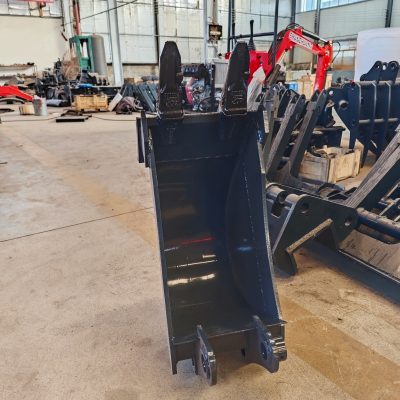
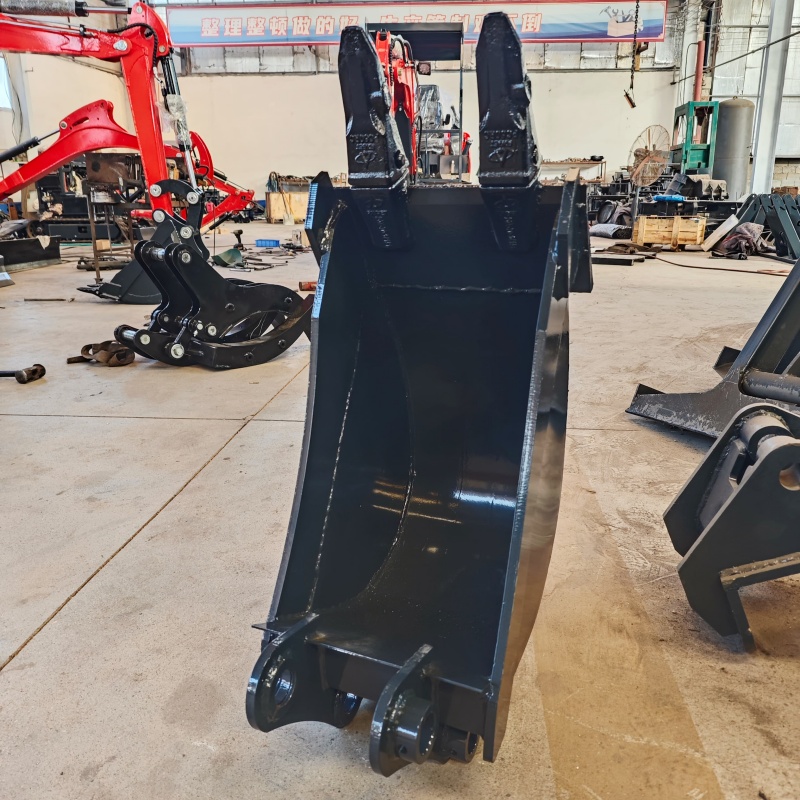
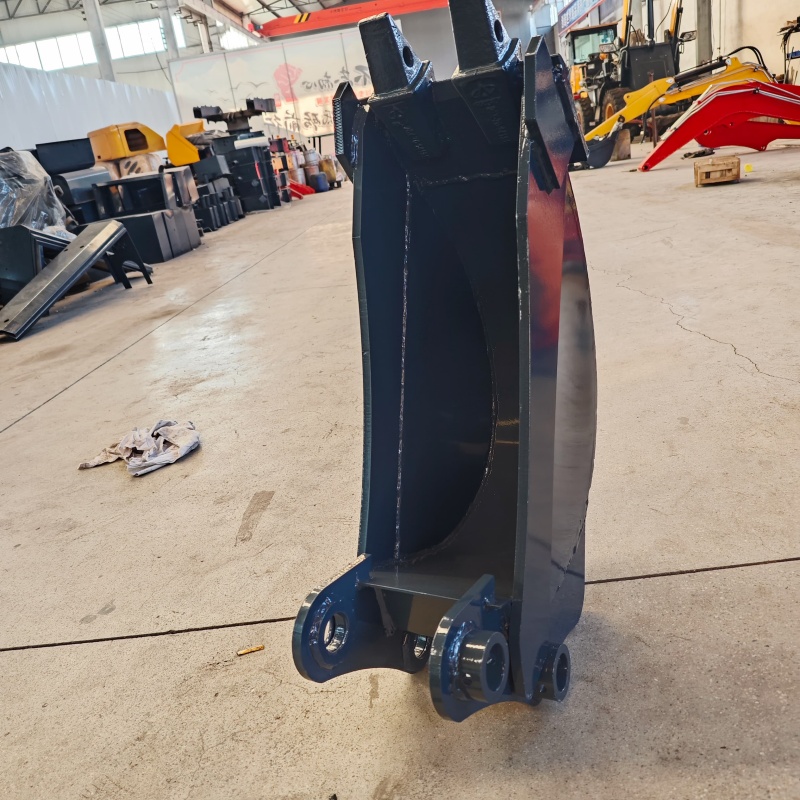
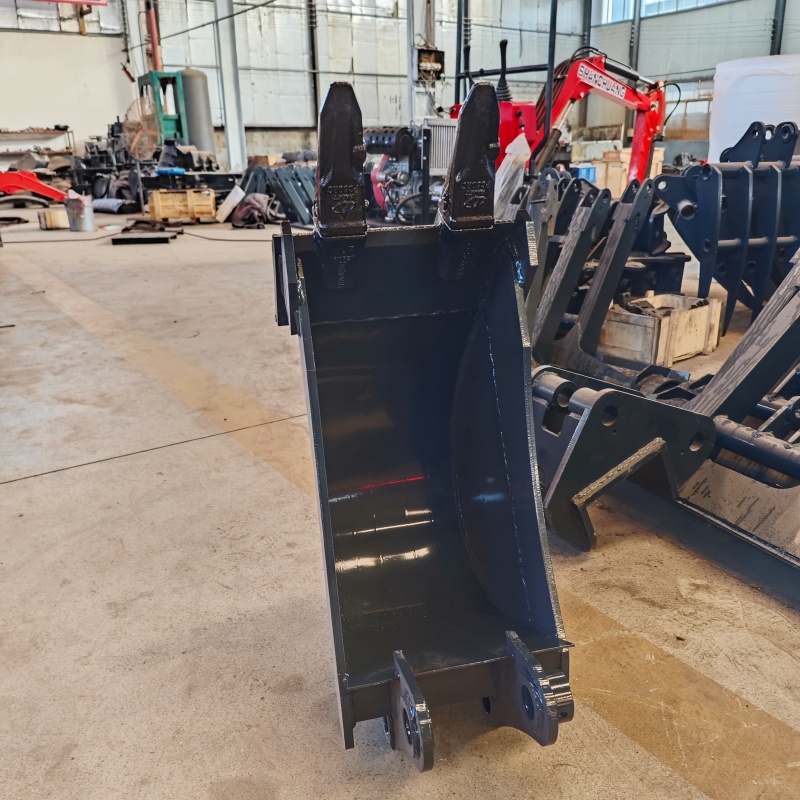
Some jobs are less about digging deep and more about moving volume: loading muck, backfilling trenches and spreading hardcore. MINGYI small excavators can be ordered with loading buckets in small and narrow profiles for this work on confined sites.
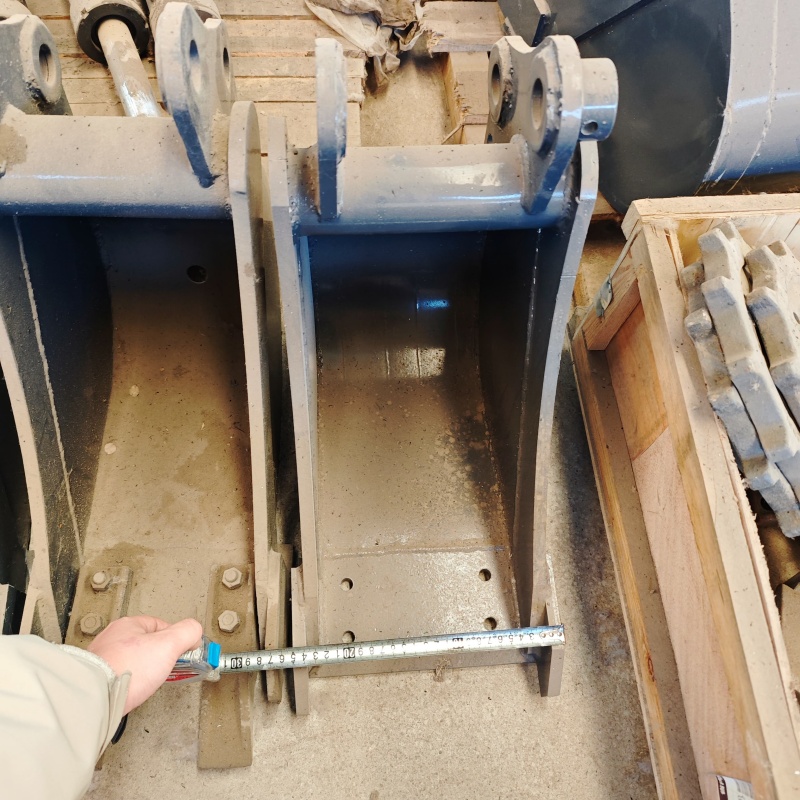
A smaller bucket width lets the machine load a tipper across a narrow gap or work a trench line without destroying the edges, while still moving a useful amount of material per pass. The bucket choice is fixed at the ordering stage with the machine.
Loading and backfilling in tight spots
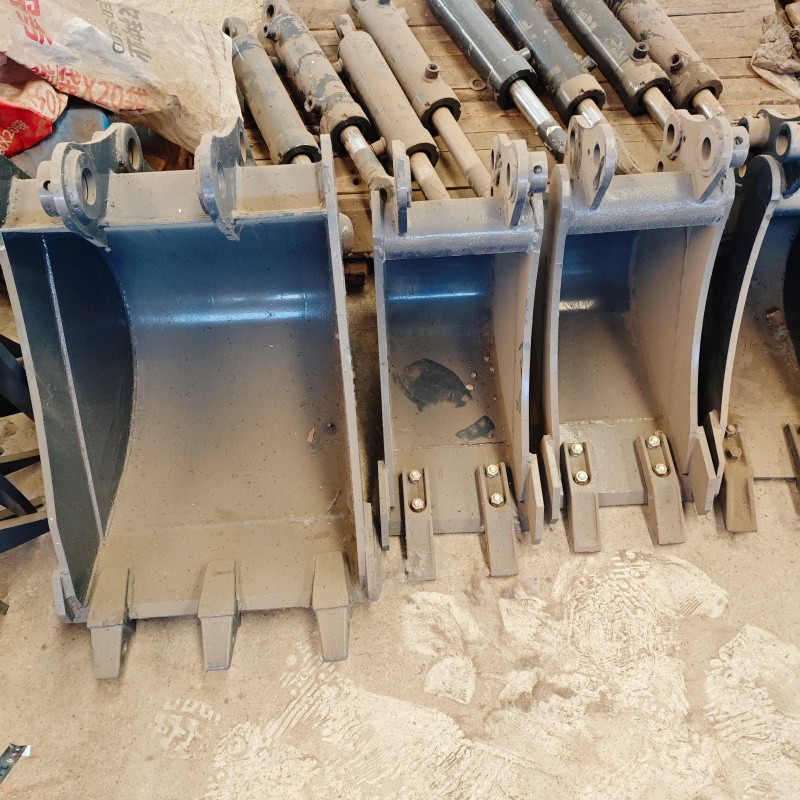
On confined sites the loading height and reach decide whether the machine can drop material straight into the truck bed or barrow without repositioning. The small loading bucket keeps the loaded weight within the carrier's stability for the cycle.
For backfilling, a narrower bucket feeds material into the trench in controlled layers, which protects pipes and cables already laid in the cut. The same bucket spreads and trims the reinstatement before the compaction wheel closes the surface.
Selecting bucket widths with the order
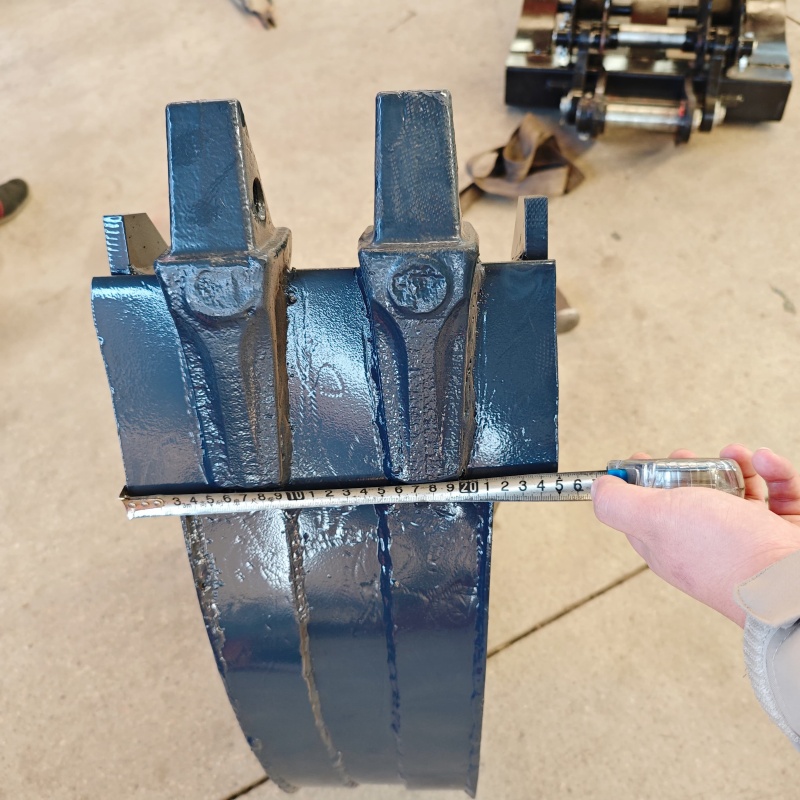
Buyers state the truck or barrow arrangement and the trench widths they work to, and the bucket sizes are matched to that duty with the machine order. The pin geometry is recorded against the carrier so every bucket in the set fits the same coupler.
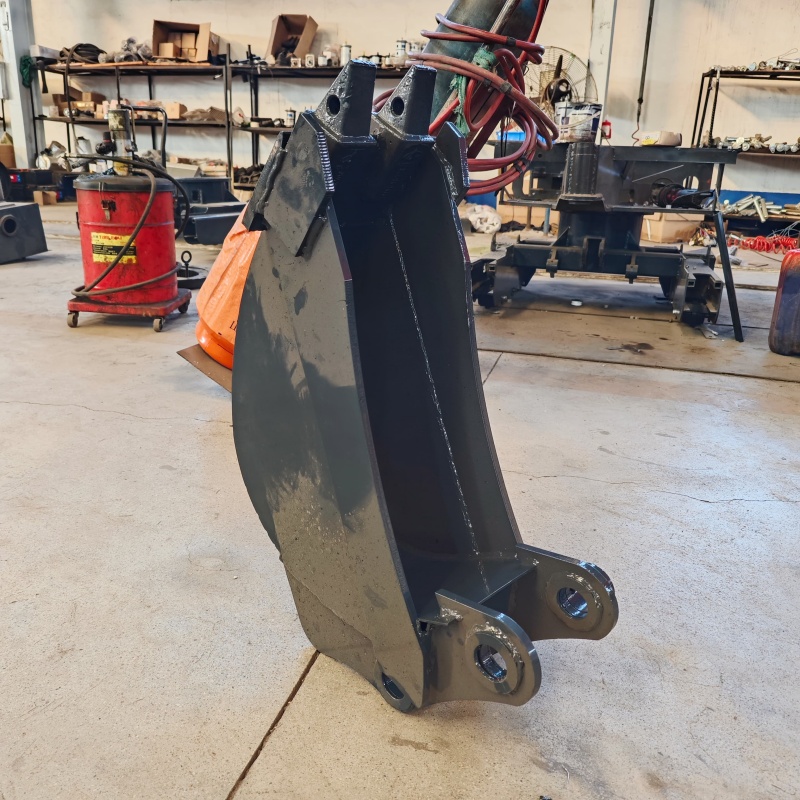
Wear parts and the service information for the bucket line travel with the machine. Where the digging is mixed with loading, buyers usually add one general bucket and one narrow bucket to cover both cuts.
Bucket selection is the simplest productivity decision on a small excavator, because it decides how the machine loads and backfills for its whole working life. MINGYI reviews the material and loading arrangement with the buyer before fixing the bucket set.
What owners should plan for beyond the small excavator with loading bucket The useful comparison is demand per working hour, not demand per machine. The excavator that works more hours a year spreads its standing takes over more output, which is why utilisation usually matters more than the invoice figure. Downtime is the hidden line item. This class of machine waiting on a part earns nothing while it stands, so parts availability and service access belong in the plan as much as fuel does. Attachments that turn small excavator with loading bucket into several machines The base machine is a carrier; the tool on the end of the arm decides the task. The unit in daily use fitted with a toothed bucket digs, and the same machine with a breaker, an auger or a grab does work that would otherwise need a second unit on site. Attachment lists are best written before delivery. Specifying a machine of this size with the tools the job list needs avoids the work and delay of adding hydraulics later, and a quick coupler makes the swap a few minutes instead of a workshop job. Orchard, vineyard and farm use of small excavator with loading bucket Ditching, fertilising and drainage on farmland suit the equipment on site because the work is spread over a large area in short bursts. The machine travels behind a pickup and works where it stops. Farms also use the machine itself for general maintenance - clearing a watercourse, repairing a track, loading a spreader. One carrier with a few attachments covers most of the jobs that would otherwise wait for a contractor. Boom configuration for small excavator with loading bucket A swing boom lets the machine dig parallel to its tracks without repositioning, which is what makes trenching beside a wall or a fence practical. On the model in question this is often the option that decides whether a job is possible at all. Extended and offset boom configurations change reach and working range. The machine in that duty with a longer arm reaches further but lifts less at full extension, so the specification is set against the deepest and furthest point on the job list. Quick coupler practice on small excavator with loading bucket A quick coupler is the single option that changes how a machine is used day to day. Fitted to the unit on the job, it turns an attachment change from a two-person workshop job into a task the operator does alone in minutes. Couplers are specified early because they affect the arm and the hydraulic kit. Adding one to a machine built for the work after delivery means new pins, new hoses and a fitment session; adding it at build time is a line on the sheet. Daily checks and maintenance on small excavator with loading bucket Daily maintenance on the equipment in service is a short list: engine oil level, coolant, track tension, hydraulic oil level and a look at the hoses. Ten minutes at the start of the shift prevents most of the failures that stop a machine. Track tension is the item most often neglected. The excavator run with slack tracks wears the undercarriage and can throw a track on a turn; run too tight, the same components wear from the other direction. Working this class of machine in confined spaces Clearance above matters as much as around. Door heights, pipework and overhead services set the limit for the unit in daily use indoors, and measuring them first avoids a machine that arrives and cannot be used. Ventilation is the other indoor constraint. Running a machine of this size inside a closed structure needs air movement, and that is a planning item rather than something to discover after the first hour. Trenching work with the equipment on site Service trenches are the most common reason the machine itself is hired. Water, sewage, cable and gas runs are narrow, shallow and often close to existing services, which is exactly the work a full-size machine cannot do safely. Depth control matters more on service work than speed. The model in question working beside live services is chosen because it can be placed precisely and stopped instantly, which is what the job actually requires. Municipal and public works with the machine in that duty Municipal crews work on streets, footpaths and parks where the public is present. The unit on the job is specified because it occupies little space, works inside a small exclusion zone and can be moved on a standard trailer. Drainage repair, tree planting, footway reconstruction and cemetery work are all within the range of a machine built for the work. The jobs are small individually and continuous across the year. Track choice for the equipment in service Rubber tracks suit paved and landscaped ground because they spread the machine weight and leave the surface intact. Steel tracks with rubber blocks are specified where the ground is rougher or the working day is longer, and the choice can be made per machine rather than accepted as a factory default. Undercarriage selection is a ground question, not a preference question. The excavator running on finished paving needs rubber; the same machine on demolition rubble or rock wears rubber quickly, so steel with rubber blocks becomes the better answer over a full season. Hydraulic circuits on this class of machine Auxiliary hydraulic lines are what let a machine drive a tool rather than only a bucket. The unit in daily use specified with the right circuits and flow runs a breaker or an auger without an add-on power pack bolted to the frame. Hydraulic specification is easier to settle at build time than to correct later. A machine of this size delivered without auxiliary lines can still dig, but every additional tool becomes a retrofit project. Interior and light demolition with the equipment on site Interior demolition is an access and a weight question. The machine itself that fits through a doorway and works on a suspended floor does jobs that would otherwise be done by hand or by a larger machine that cannot enter. Specification data for the model in question Where the machine in that duty is being specified for a job list, the table below gives the factory figures that matter most: what the machine weighs, how deep and how far it works, and what it measures on a trailer. These are the reference figures for the unit on the job. MINGYI confirms the final build sheet, including engine and attachment choices, against the destination and the job list before production. Breaking out a floor slab, a wall footing or a concrete step is routine work for a machine built for the work with a breaker. The machine is small enough to work inside and heavy enough to run the tool at a practical rate. Dust, debris clearance and floor loading all argue for a compact machine indoors. The equipment in service spreads its weight over a wider track footprint than a wheeled machine of similar capacity.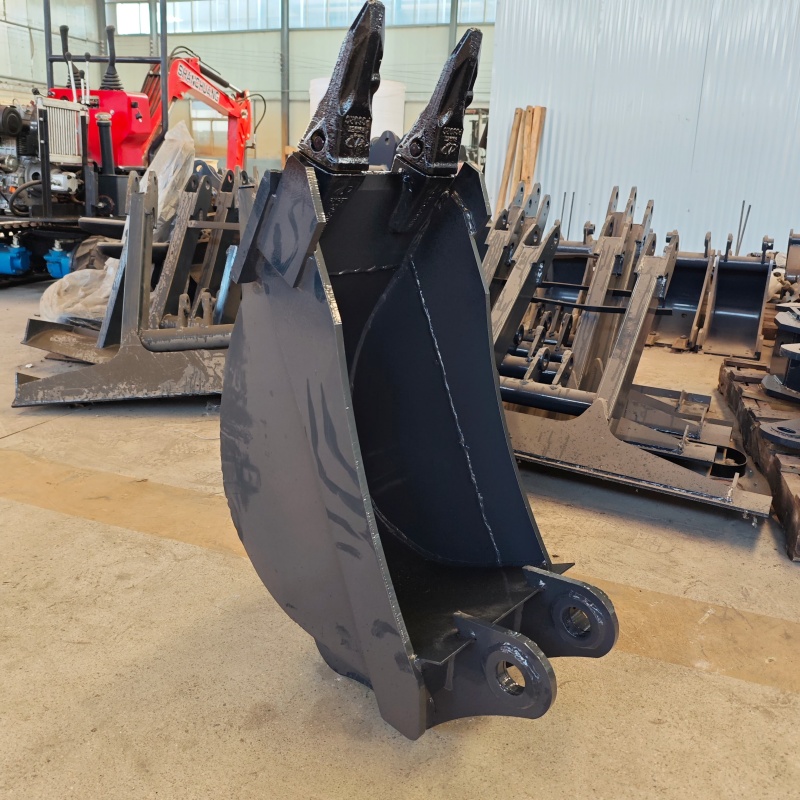
Reference specification — mini excavator range 30-1W 30-2W 25L 30-2L Operating weight 2900 kg (6393.41 lb) 2700 kg (5952.48 lb) 2200 kg (4850.17 lb) 2400 kg (5291 lb) Transport size (L×W×H) 3000 × 1250 × 2780 mm 3000 × 1100 × 2700 mm 3000 × 1300 × 2700 mm 2800 × 1500 × 2500 mm Max digging depth 2200 mm (86.61 in) 2200 mm (86.61 in) 2300 mm (90.55 in) 2200 mm (86.61 in) Max digging height 3400 mm (133.86 in) 3000 mm (118.11 in) 3100 mm (122.05 in) 2900 mm (114.17 in) Max dumping height 2400 mm (94.49 in) 2000 mm (78.74 in) 2050 mm (80.71 in) 2100 mm (82.68 in) Max digging radius 4000 mm (157.48 in) 3800 mm (149.61 in) 3900 mm (153.54 in) 3330 mm (131.1 in) Max digging distance 2800 mm (110.24 in) 3050 mm (120.08 in) 3100 mm (125.05 in) 2700 mm (106.3 in) Minimum turning radius 2000 mm (78.74 in) 1750 mm (68.9 in) 1800 mm (70.87 in) 1555 mm (61.22 in) Travel speed 5 km/h (3.11 mph) 7 km/h (4.35 mph) 7 km/h (4.35 mph) 7 km/h (4.35 mph) Gradeability 30° 30° 30° 30° Fuel consumption 2-3 L/h (0.528—0.793 gal) 2-3 L/h (0.528—0.793 gal) 2-3 L/h (0.528—0.793 gal) 2-3 L/h (0.528—0.793 gal) Fuel tank capacity 16 L (4.23 gal) 16 L (4.23 gal) 16 L (4.23 gal) 16 L (4.23 gal) Hydraulic oil tank 20 L (5.28 gal) 20 L (5.28 gal) 18 L (4.76 gal) 18 L (4.76 gal) Dozer blade lift height 420 mm (16.54 in) 230 mm (9.06 in) 230 mm (9.06 in) 230 mm (9.06 in) Dozer blade drop depth 210 mm (8.27 in) 280 mm (11.02 in) 280 mm (11.02 in) 280 mm (11.02 in)
Q. What is the excavator used for?
A. An attachment widens the range of jobs a single compact excavator can specification and win, which is why the working set matters as much as the base machine. The quick coupler makes the changeover a minute job at the trench edge, and mechanical tools need no hydraulic lines at all. This class of machine is one of the pages buyers land on when comparing machines for loading bucket, and the factory treats it as a specification conversation rather than a catalogue line.
Q. How is the attachment fitted and swapped?
A. Through the quick coupler on the dipper: seat the tool, lock it, plug the hydraulics where the design needs them. Mechanical attachments need no lines at all, so a bucket-to-rake change is a minute job at the trench edge.
Q. What about colours and branding?
A. OEM colours and decals are part of the build: private-label machines carry the buyer brand on the standard MINGYI platform, and the loading bucket order confirms colours, marks and documents before production starts.
Packing, loading and shipment of the unit in daily use
Container loading is a planning exercise. The overall dimensions and the operating weight of a machine of this size decide whether it ships whole, partly disassembled or with the attachment removed, and that decision is made before the booking.
Cold weather and winter care for the equipment on site
Starting is only the first problem. Until the machine itself reaches working temperature the hydraulic response is slower and the seals are stiffer, and warming the machine before asking for full output avoids unnecessary strain.
E-mail : sales@mingycn.com
LINE ( ID ): mingyicn
Related pages
mini excavator log grab and buckets · 12 model small excavator assembly · Wheel Loader Manufacturer: What the Factory Should Publish · Mini Excavators









