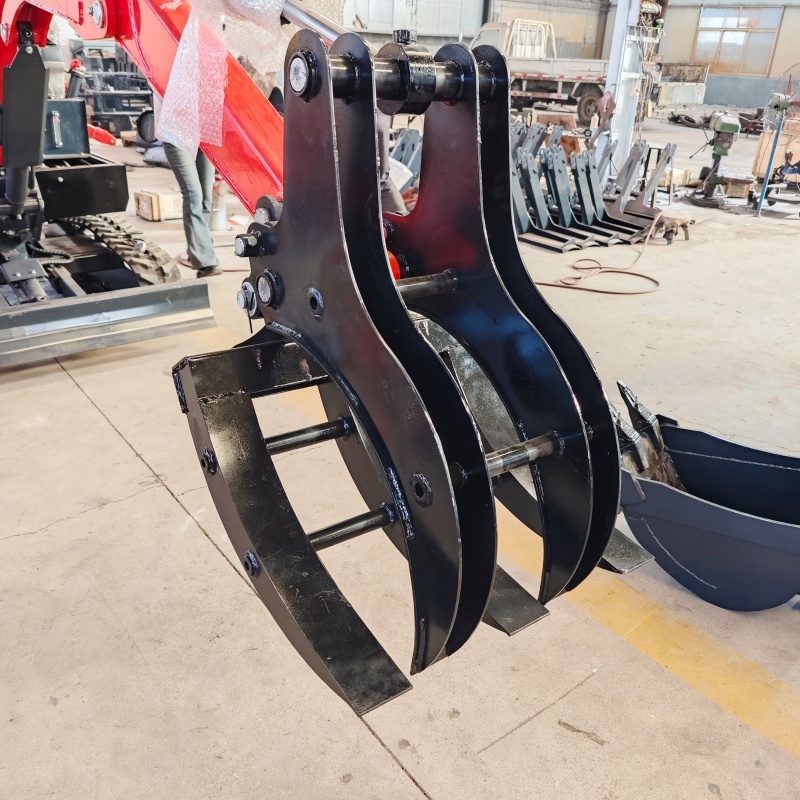
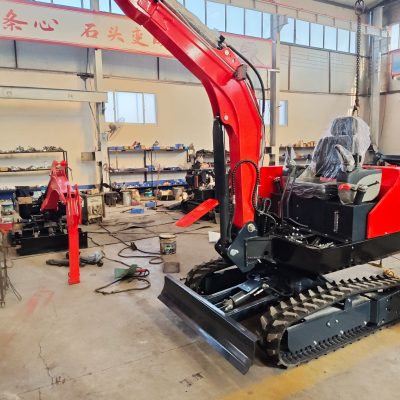
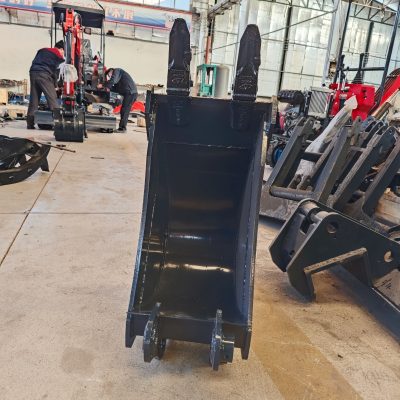
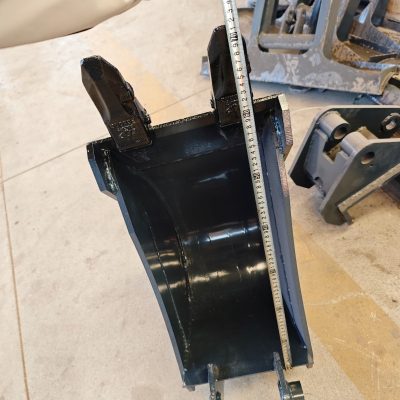
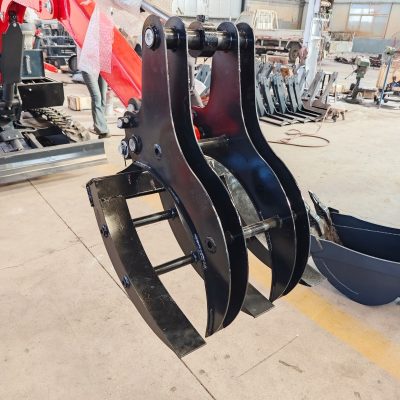
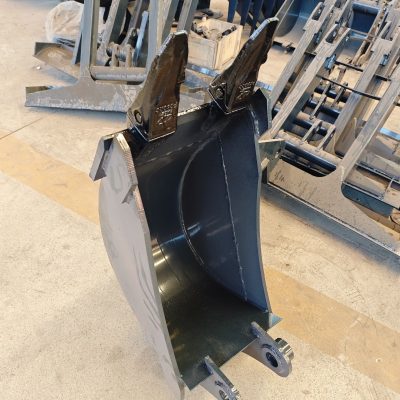
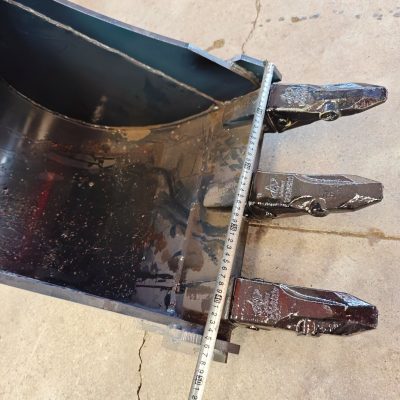
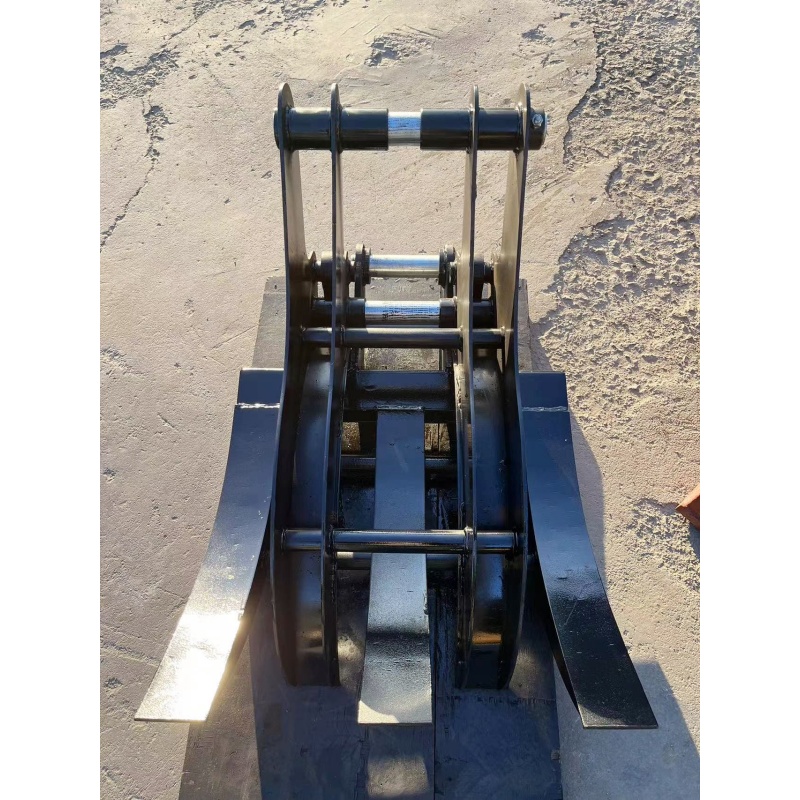
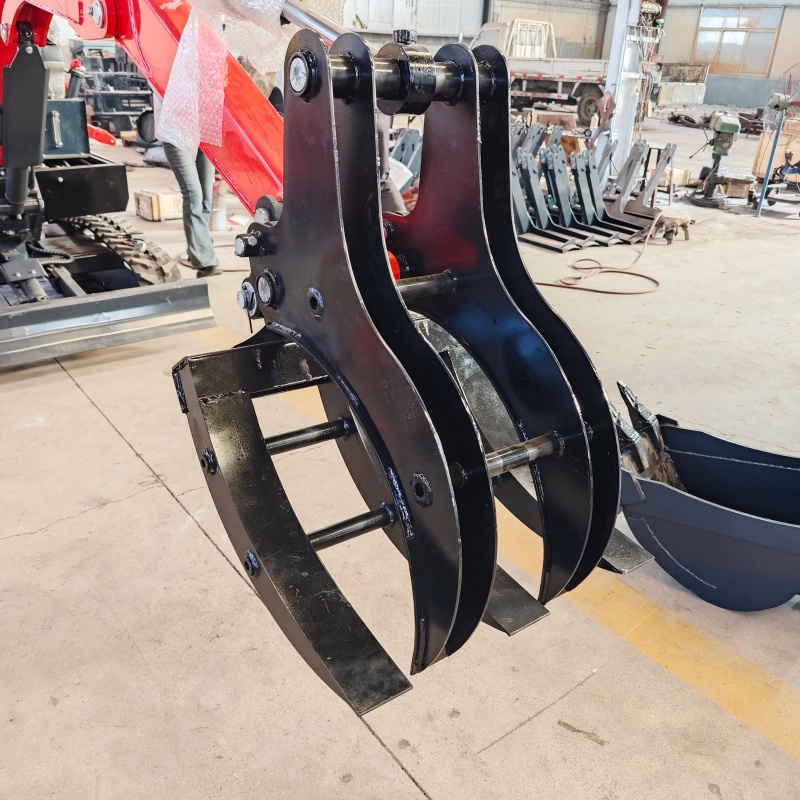
Loading is half the work on many sites, and one excavator with the right grab and bucket pair does it without a second machine. MINGYI supplies small excavators configured for loading duty, with a log grab for timber and buckets matched to the material.
The log grab clamps uneven loads a smooth bucket would spill, which matters when clearing branches, stacking firewood or feeding a chipper. Narrow buckets reach between planting rows and along wall lines, while small general purpose buckets keep cycle times short.
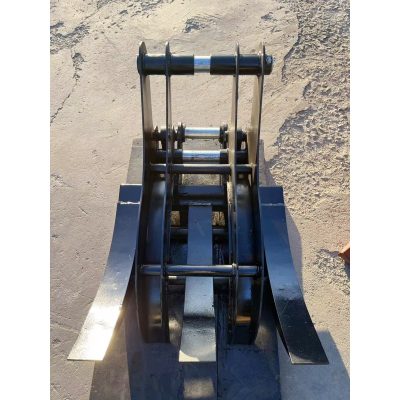
Loading work with the excavator log grab
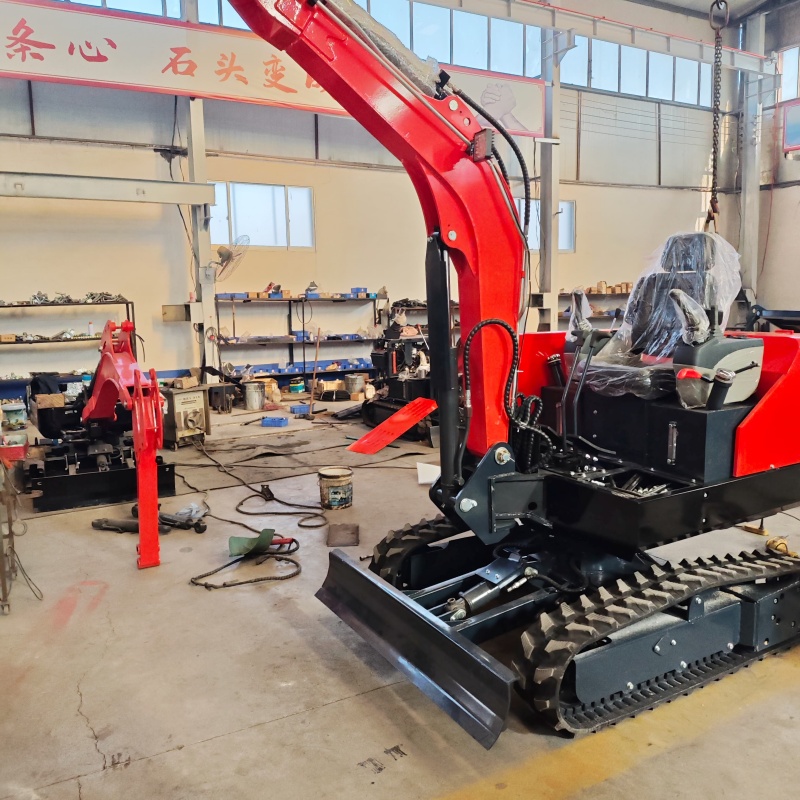
The grab mounts at the same coupler point as the buckets, so the operator switches from digging to handling in one stop. Serrated jaws hold split logs, slash and root balls steady through the swing.
For orchard clearance and post-storm cleanup this matters most: the grab lifts debris onto a trailer in controlled bites instead of pushing it into heaps that still need manual handling.
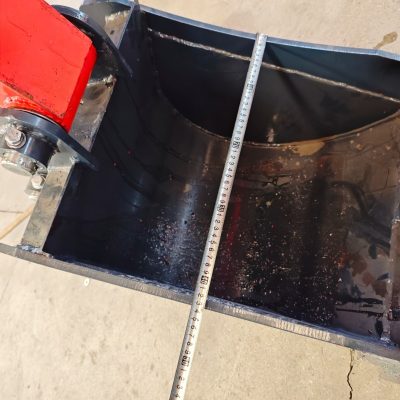
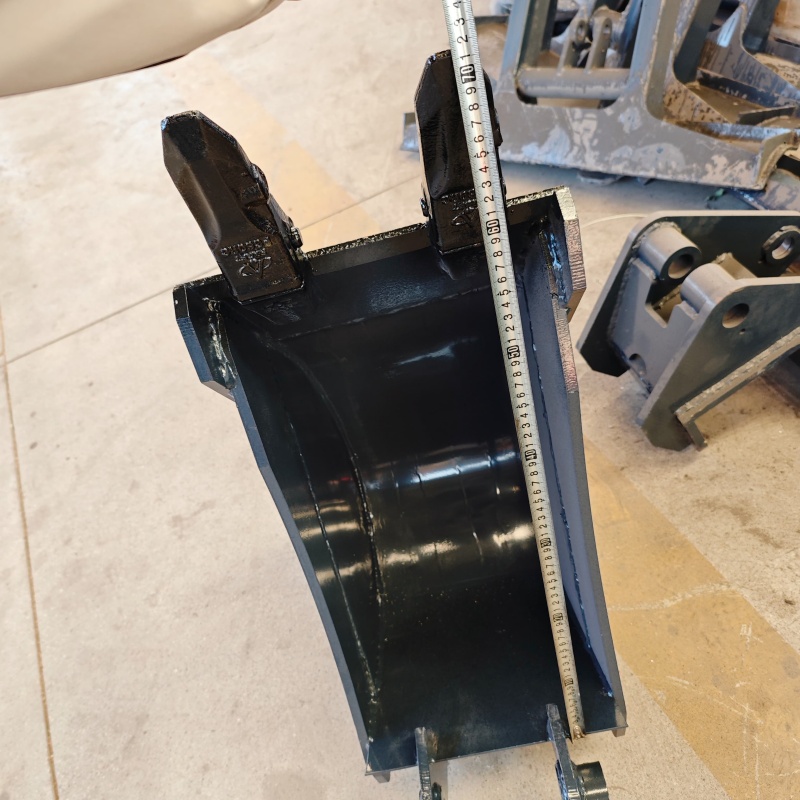
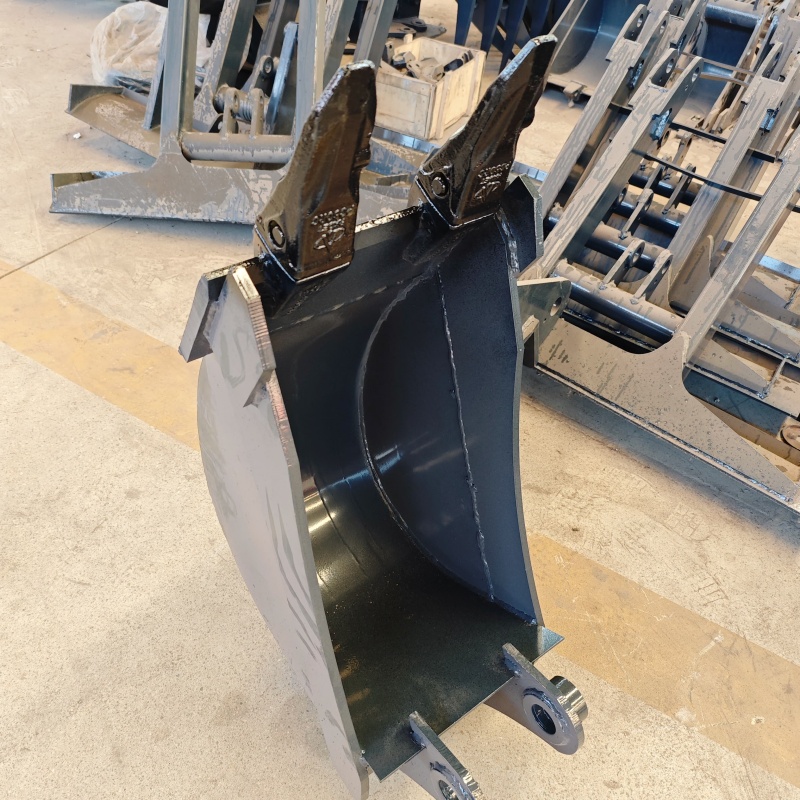
Choosing buckets for loading and site cleaning
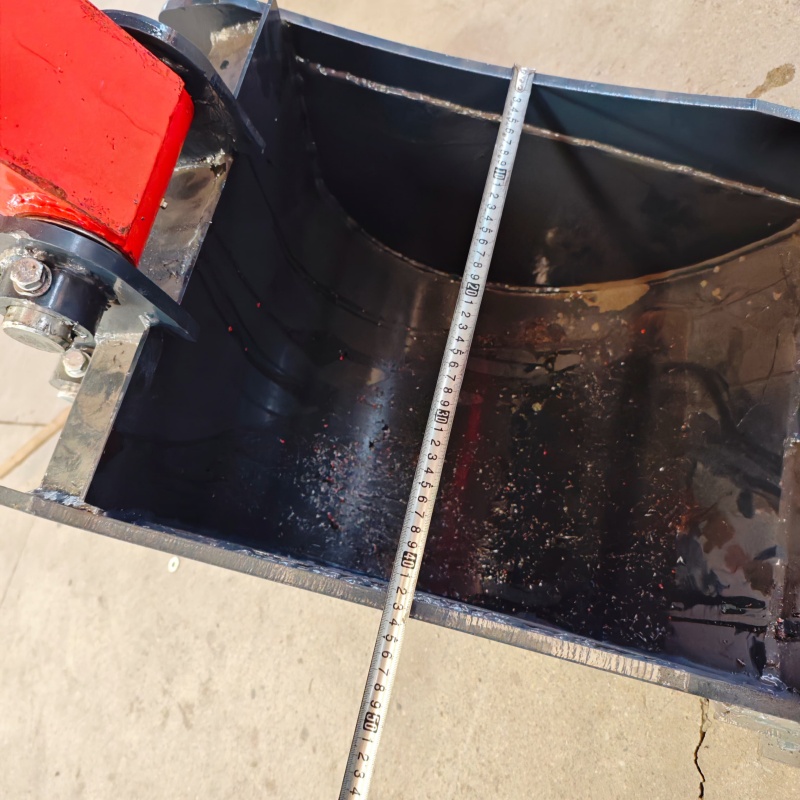
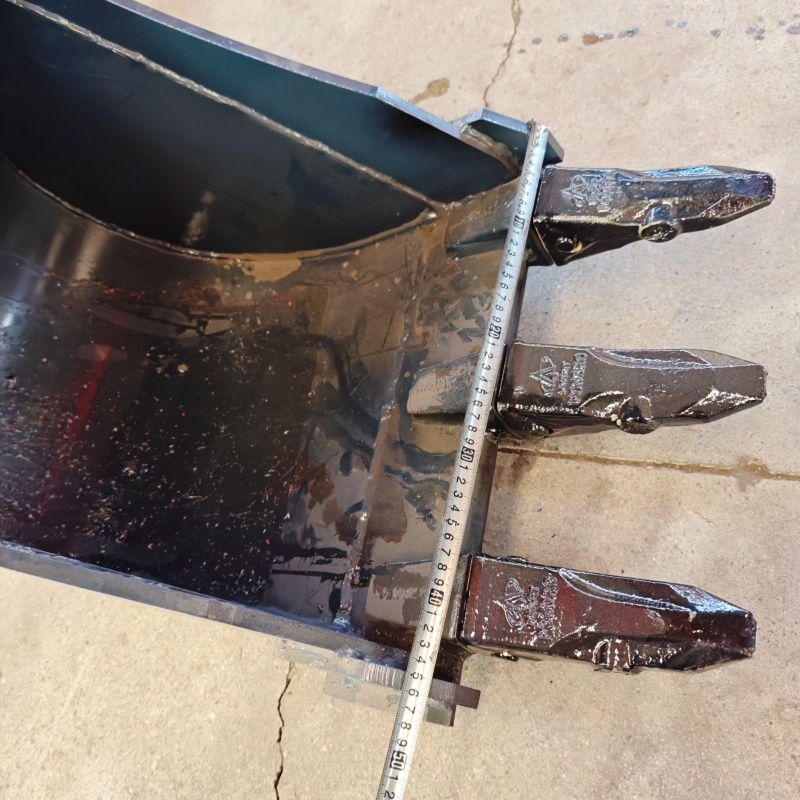
A small bucket fills faster on light material and shocks the arm less in dense piles, while a narrow bucket suits trench cleanout and work between plants. State the typical material weight when ordering so bucket sizing matches the carrier.
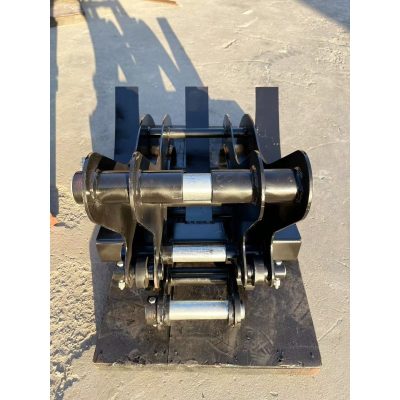
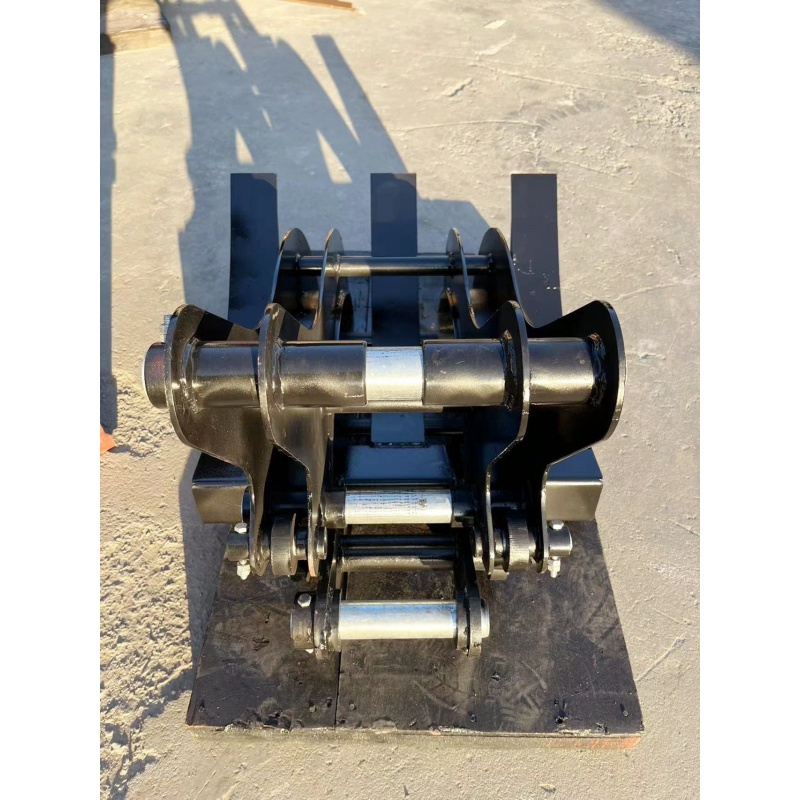
A quick coupler fitted at the factory makes every change a one-person job on site. Each attachment arrives with spare parts and service information so wear items can be replaced without hunting for drawings.
Specify loading duty honestly when ordering: the mix of timber, brush and soil decides whether the log grab leads and buckets support, or the reverse. Mingyi Machinery builds each machine to that stated duty.
Landscaping and ground care with mini excavator log grab and buckets Landscape contractors use the excavator for planting holes, pond excavation, grading and retaining work. The machine is light enough to cross finished lawn and narrow enough to work between established trees. On soft landscape work the surface is the constraint. This class of machine on rubber tracks crosses turf without stripping it, which is why the same jobs are not given to a wheeled machine. Track choice for mini excavator log grab and buckets Rubber tracks suit paved and landscaped ground because they spread the machine weight and leave the surface intact. Steel tracks with rubber blocks are specified where the ground is rougher or the working day is longer, and the choice can be made per machine rather than accepted as a factory default. Track type changes what the machine can cross and what it leaves behind. Buyers specify rubber for lawns, driveways and municipal work, and steel with rubber blocks for sites where sharp material would cut a rubber belt in a week. Export packing and shipping of mini excavator log grab and buckets Machines leave the factory prepared for container or flat rack shipment. The unit in daily use is normally shipped with the attachment set and the spare parts list agreed in advance so the container is planned once. Export documentation, decals and paint are settled before packing. Asking for them with the a machine of this size order avoids a second handling session and keeps the machine on the booked vessel. Parts, service and support for mini excavator log grab and buckets Engine parts availability usually drives the engine choice. The equipment on site built with an engine the local network already carries is serviced from stock rather than from an international order. Remote support is handled by video. The machine itself fault can often be diagnosed on a walk-around call with the panel open, which is faster than waiting for a visit and avoids shipping a part that is not needed. Trenching work with mini excavator log grab and buckets Trench quality depends on the bucket width and the operator, not on machine size. The model in question with a narrow bucket and a swing boom cuts a clean run along a boundary without disturbing the ground either side of it. Depth control matters more on service work than speed. The machine in that duty working beside live services is chosen because it can be placed precisely and stopped instantly, which is what the job actually requires. Hydraulic circuits on a mini excavator log grab and buckets Flow and pressure are matched to the tool, not to the machine size. Asking for the attachment list first means the unit on the job leaves the factory with circuits that suit the heaviest tool the buyer intends to run. Hydraulic specification is easier to settle at build time than to correct later. A machine built for the work delivered without auxiliary lines can still dig, but every additional tool becomes a retrofit project. Getting the equipment in service through a narrow gap Access decides the machine before output does. With the excavator the limiting dimension is usually the widest point on the way in, so measuring the gate, the corridor and the turning space first saves a wasted delivery and a second visit. Contractors who buy this class of machine normally have one job in mind that nothing else reaches. The purchase order follows the access measurement, not the other way round, and the build sheet is then settled around it. Specifying the unit in daily use against a job list Buyers who skip this step either over-buy or under-buy. A machine of this size specified only from machine size tends to arrive without the coupler, the circuits or the track type the work actually needs. Useful information to send with an enquiry includes working width, required digging depth, ground conditions and the attachment set. Those four items let the factory specify the equipment on site that fits rather than a generic build. Quick coupler practice on the machine itself Couplers are specified early because they affect the arm and the hydraulic kit. Adding one to the model in question after delivery means new pins, new hoses and a fitment session; adding it at build time is a line on the sheet. For a fleet that shares attachments between machines, a common coupler standard matters more than the coupler brand. The machine in that duty that picks up the same tools as the larger machines keeps the rack usable across the yard. Interior and light demolition with the unit on the job Interior demolition is an access and a weight question. A machine built for the work that fits through a doorway and works on a suspended floor does jobs that would otherwise be done by hand or by a larger machine that cannot enter. Dust, debris clearance and floor loading all argue for a compact machine indoors. The equipment in service spreads its weight over a wider track footprint than a wheeled machine of similar capacity. Working the excavator through the seasons Heat and dust are as limiting as rain. Air intake condition and cooling cleanliness decide how this class of machine behaves in a dry season, and both are checked in a minute rather than repaired later. Specification data for the unit in daily use The figures below are the factory figures for the models most often matched to a machine of this size. They are the numbers to check against the site: the depth the work needs, the reach from one position, and the width of the narrowest point on the route in. Figures are factory figures and are confirmed on the build sheet for the equipment on site. Where a job sits between two models, the larger machine usually takes less time than the smaller one spends on rework. Weather decides which days are productive. Rain turns some ground unusable and cold changes how the machine itself starts and warms up, so planning the wet months around maintenance is more useful than planning around output. Seasonal planning smooths the workload. Machines that are busy for a few months and idle for the rest benefit from a service slot in the quiet period, and the model in question prepared in the off-season starts the busy months reliably.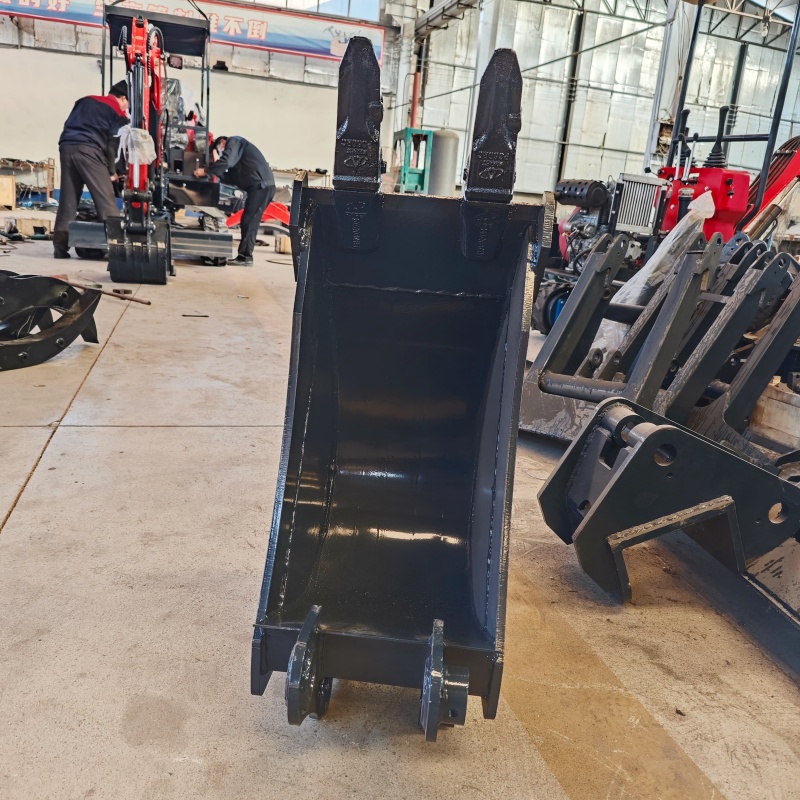
Reference specification — mini excavator range 09W 13W 20-1WL 25L Operating weight 1100 kg (2425.08 lb) 1300 kg (2866.01 lb) 1900 kg (4188.78 lb) 2200 kg (4850.17 lb) Transport size (L×W×H) 1800 × 750 × 1970 mm 2200 × 930 × 2250 mm 2550 × 1100 × 2200 mm 3000 × 1300 × 2700 mm Max digging depth 1250 mm (49.21 in) 1630 mm (64.17 in) 1800 mm (70.87 in) 2300 mm (90.55 in) Max digging height 2800 mm (110.24 in) 2750 mm (108.27 in) 2820 mm (111.02 in) 3100 mm (122.05 in) Max dumping height 1700 mm (66.93 in) 1960 mm (77.17 in) 2050 mm (80.71 in) 2050 mm (80.71 in) Max digging radius 2570 mm (101.18 in) 2900 mm (114.17 in) 3050 mm (120.08 in) 3900 mm (153.54 in) Max digging distance 1869 mm (73.58 in) 2100 mm (82.68 in) 2300 mm (90.55 in) 3100 mm (125.05 in) Minimum turning radius 1000 mm (39.37 in) 1300 mm (51.18 in) 1450 mm (57.09 in) 1800 mm (70.87 in) Travel speed 3 km/h (1.86 mph) 3 km/h (1.86 mph) 5 km/h (3.11 mph) 7 km/h (4.35 mph) Gradeability 30° 30° 30° 30° Fuel consumption 1-1.3 L/h (0.264—0.343 gal) 1-1.3 L/h (0.264—0.343 gal) 2-3 L/h (0.528—0.793 gal) 2-3 L/h (0.528—0.793 gal) Fuel tank capacity 8 L (2.11 gal) 10 L (2.64 gal) 16 L (4.23 gal) 16 L (4.23 gal) Hydraulic oil tank 16 L (4.23 gal) 16 L (4.23 gal) 18 L (4.76 gal) 18 L (4.76 gal) Dozer blade lift height 180 mm (7.09 in) 180 mm (7.09 in) 180 mm (7.09 in) 230 mm (9.06 in) Dozer blade drop depth 210 mm (8.27 in) 210 mm (8.27 in) 210 mm (8.27 in) 280 mm (11.02 in)
Q. Who uses the machine in that duty?
A. An attachment widens the range of jobs a single compact excavator can specification and win, which is why the working set matters as much as the base machine. The quick coupler makes the changeover a minute job at the trench edge, and mechanical tools need no hydraulic lines at all. The unit on the job is one of the pages buyers land on when comparing machines for log grab buckets, and the factory treats it as a specification conversation rather than a catalogue line.
Q. How do I know which attachment my machine can run?
A. Compare the carrier hydraulic flow with what the attachment asks for, and the lifting moment with what it weighs at full reach. Lower-flow carriers still run buckets, rakes and mechanical tools; hungry attachments call for the high-flow option, and MINGYI confirms the pairing before the order ships.
Q. What support follows the sale?
A. Spare-part kits, wear items and service documentation ship with the programme, and the parts team works from the serial plate to match components exactly. Warranty and support terms for the log grab buckets order are confirmed in writing before the machine leaves.
Commissioning a machine built for the work on site
The machine should be introduced to the site as well as the operator. Walking the route the equipment in service will take, noting the soft spots and the turns, prevents the kind of first-day incident that has nothing to do with the machine.
Packing, loading and shipment of the excavator
How a machine travels decides how it starts on arrival. Securing this class of machine against movement, protecting the exposed cylinders and keeping the battery and fluids in the right state for the voyage all belong to the packing list.
Storage and long idle periods for the unit in daily use
Rubber, seals and hoses age whether the machine works or not. Keeping a machine of this size out of direct sun and off damp ground slows that, and running it briefly at intervals keeps everything moving.
Fuel, oil and fluid quality for the equipment on site
Most engine trouble starts with what went into the tank. Clean fuel, stored properly and filtered before it reaches the machine itself, prevents more downtime than any other single habit an owner can adopt.
E-mail : sales@mingycn.com
LINE ( ID ): mingyicn
Related pages
12 model small excavator assembly · changchai engine mini excavator · Wheel Loader Supplier: Spares, Lead Times and Container Plans · Mini Excavators









