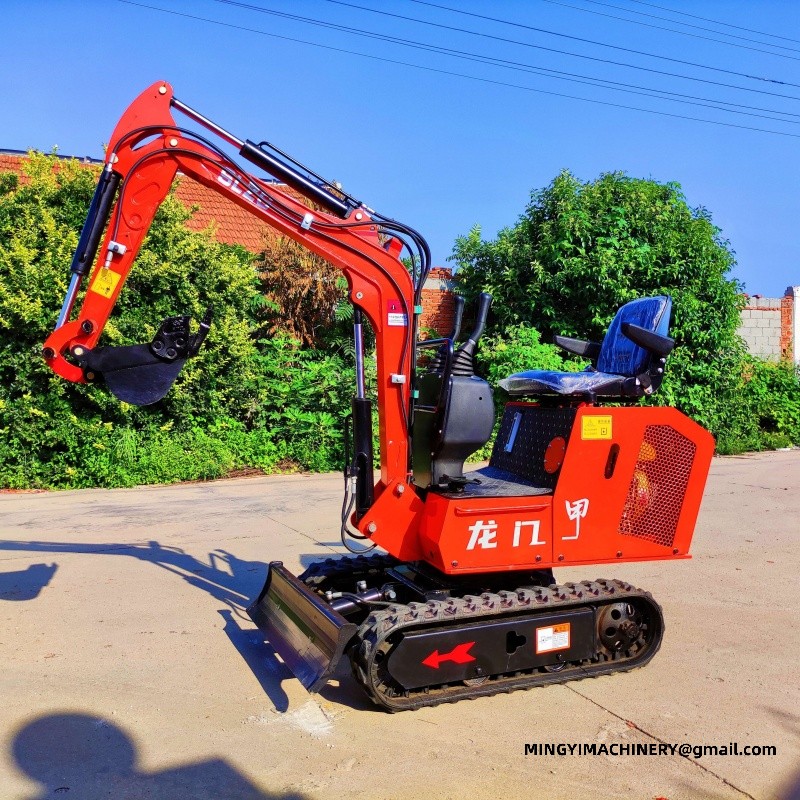
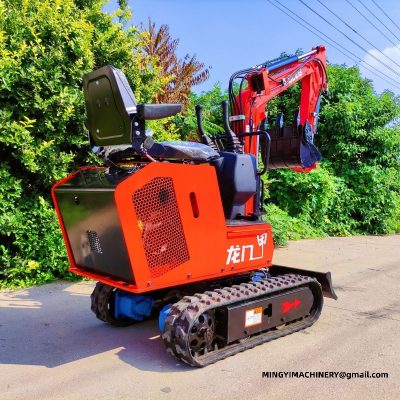
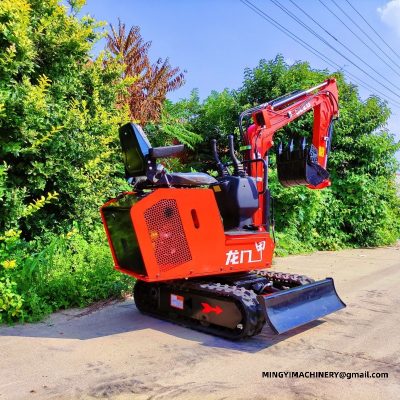
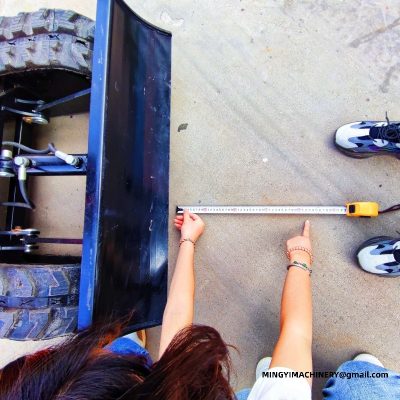
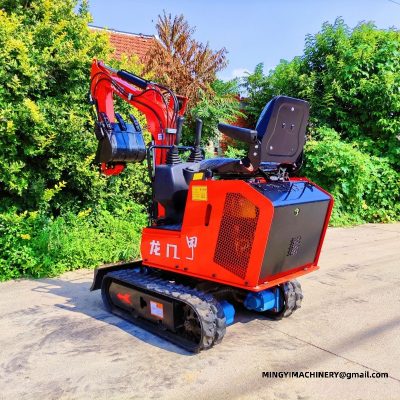
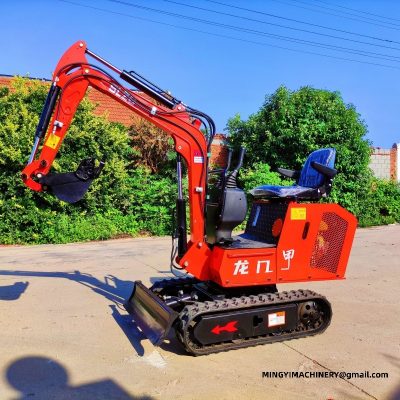
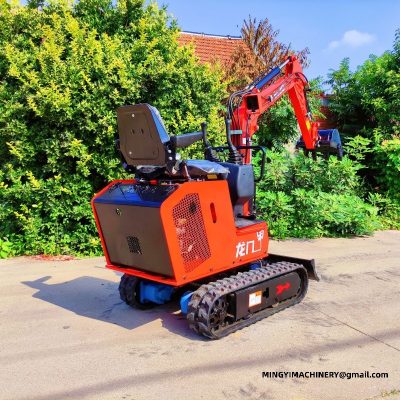
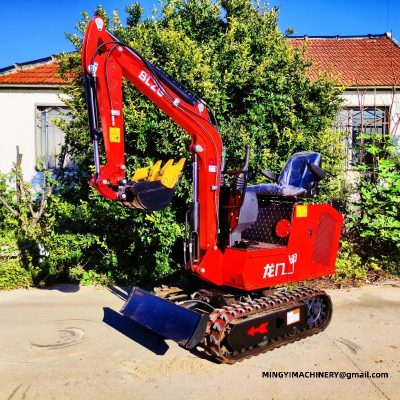
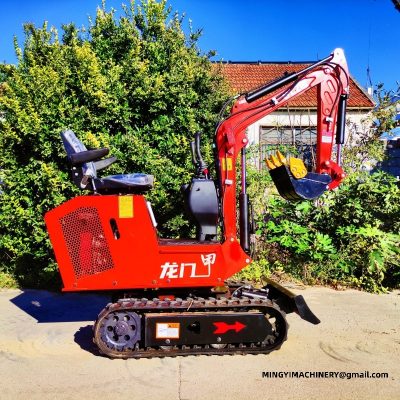
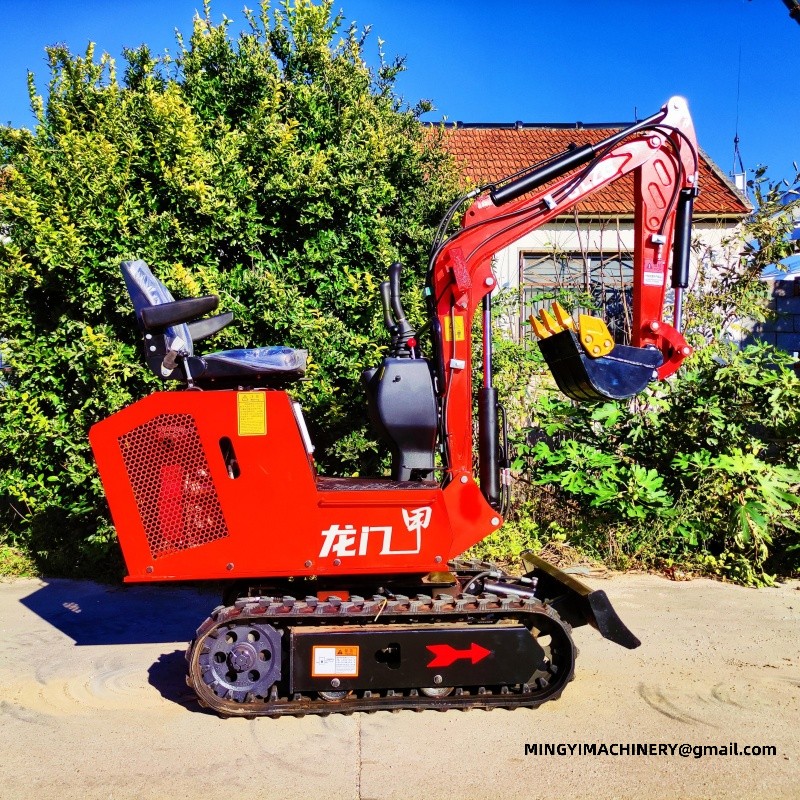
The crawler format makes a small excavator steady: tracks spread the machine's weight across a wide footprint on ground that would strand a wheeled machine. MINGYI builds the excavators across the 0.8 to 6 tonne class, each produced to order.
Tracked undercarriages hold their footing on soft soil, work slopes that wheels cannot climb and resist the digging forces the boom transmits. For buyers whose sites are unmade, soft or sloped, the crawler is a requirement rather than a choice.
What the crawler undercarriage gives the work
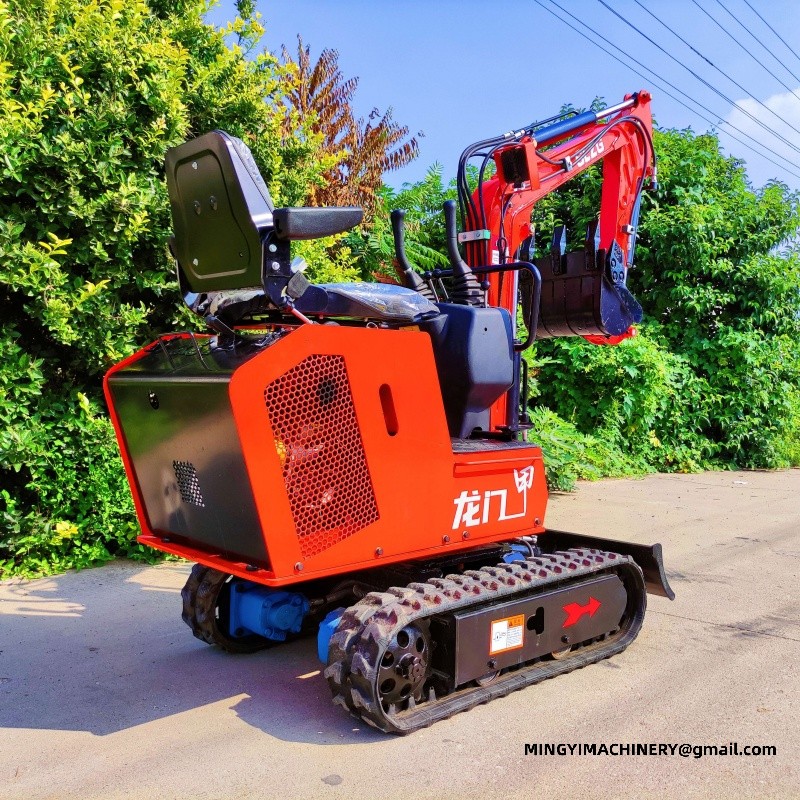
On soft ground, in wet seasons and on freshly placed fill, tracks keep the machine working where wheels would dig themselves in. The long footprint also steadies the machine during boom-heavy lifting and breaking, protecting both the operator and the work.
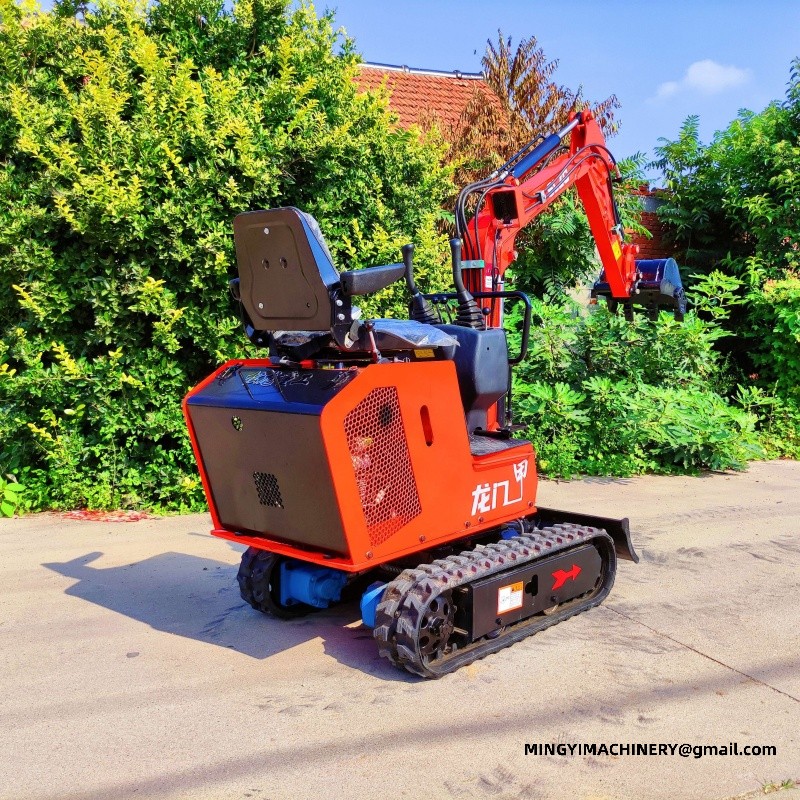
Track format splits by surface: rubber tracks cross pavement, turf and finished floors without damage, while steel tracks with rubber blocks suit abrasive and uneven ground where wear decides. Many buyers run one format and specify the other on their next machine.
Ordering a small crawler excavator
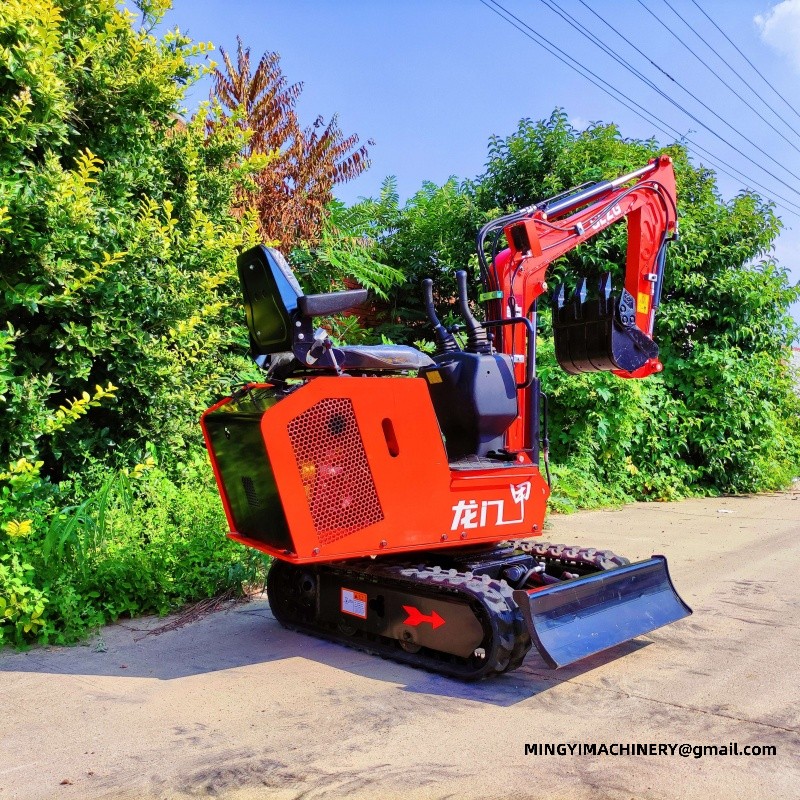
The ordering conversation covers the class within the range, the engine option and the cab or canopy format, with names including Kubota, YANMAR, Changchai and YARMAX available. Retractable undercarriages are offered where machines must pass through gates and widen for work beyond them.
Each specification is recorded against the machine's build, and the unit ships with spare parts and service information matched to the fitted undercarriage and engine. Track wear items form part of the supplied parts information.
A crawler excavator is chosen for the ground it works on. Match the track format to the surfaces in the order book, and the machine stays steady through the contract.
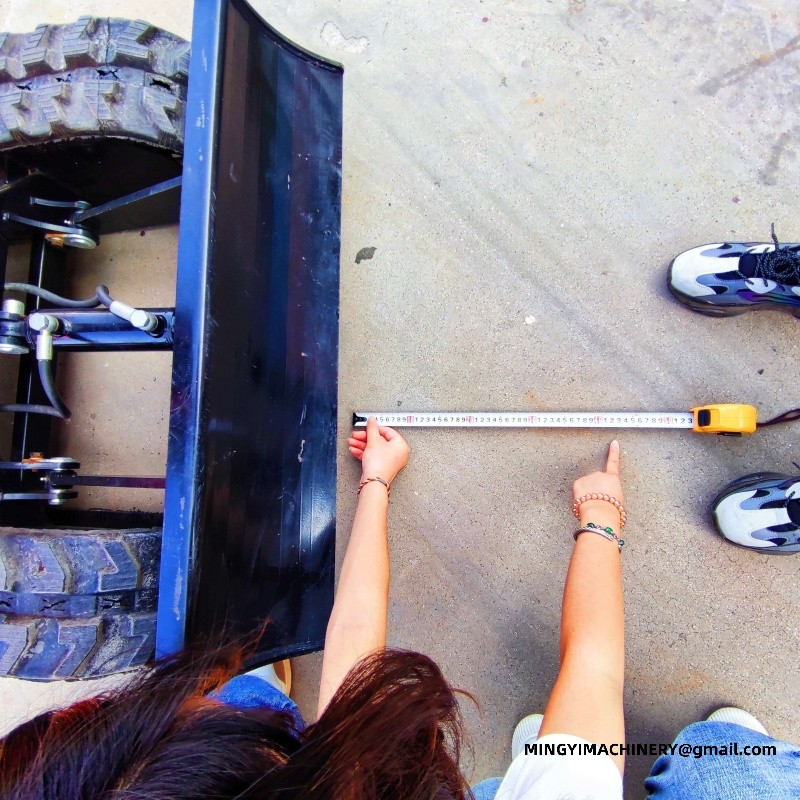
Working a small crawler excavator through the seasons Seasonal planning smooths the workload. Machines that are busy for a few months and idle for the rest benefit from a service slot in the quiet period, and this class of machine prepared in the off-season starts the busy months reliably. Heat and dust are as limiting as rain. Air intake condition and cooling cleanliness decide how the unit in daily use behaves in a dry season, and both are checked in a minute rather than repaired later. Interior and light demolition with small crawler excavator Breaking out a floor slab, a wall footing or a concrete step is routine work for a machine of this size with a breaker. The machine is small enough to work inside and heavy enough to run the tool at a practical rate. Dust, debris clearance and floor loading all argue for a compact machine indoors. The equipment on site spreads its weight over a wider track footprint than a wheeled machine of similar capacity. Working near live services with small crawler excavator Digging near water, gas and cable is a precision job. The machine itself is used here because the operator can work in short controlled cuts and because the machine can be positioned without driving over the run being exposed. Utility crews specify the model in question with a narrow bucket and good visibility for exactly this reason: the machine has to stop at the service, not at the edge of the operator's view. Getting small crawler excavator through a narrow gap The first question on most job lists is whether the machine can reach the work at all. The machine in that duty is chosen against the narrowest point on the route - a garden gate, a doorway, a gap between two walls - because a machine that arrives and then cannot pass loses a day, not an hour. Contractors who buy the unit on the job normally have one job in mind that nothing else reaches. The purchase order follows the access measurement, not the other way round, and the build sheet is then settled around it. What owners should plan for beyond the small crawler excavator The useful comparison is demand per working hour, not demand per machine. A machine built for the work that works more hours a year spreads its standing takes over more output, which is why utilisation usually matters more than the invoice figure. Downtime is the hidden line item. The equipment in service waiting on a part earns nothing while it stands, so parts availability and service access belong in the plan as much as fuel does. Running small crawler excavator in a rental fleet Rental fleets buy for utilisation, not for a single job. The excavator with a quick coupler and a common attachment standard is hired more often because it suits more of the calls that come in. The specification that rents best is usually the simplest one to explain at the counter. This class of machine with rubber tracks, a canopy and a coupler covers the majority of weekend and short-term hires. Hydraulic circuits on the unit in daily use Auxiliary hydraulic lines are what let a machine drive a tool rather than only a bucket. A machine of this size specified with the right circuits and flow runs a breaker or an auger without an add-on power pack bolted to the frame. Hydraulic specification is easier to settle at build time than to correct later. The equipment on site delivered without auxiliary lines can still dig, but every additional tool becomes a retrofit project. Lifting and material handling with the machine itself Lifting with a machine built to dig needs a plan. The load, the radius and the ground under the machine in that duty all matter, and the safe figure is the one on the chart rather than the one that looks possible. Stability changes with reach. A load the model in question handles close in becomes a different proposition at full extension, so the working radius belongs in the plan before the lift rather than during it. Orchard, vineyard and farm use of the unit on the job Orchard and vineyard work is carried out between rows. A machine built for the work with a narrow chassis and a swing boom works down the row without damaging the trees, which is the reason a full-size machine is not used at all. Farms also use the equipment in service for general maintenance - clearing a watercourse, repairing a track, loading a spreader. One carrier with a few attachments covers most of the jobs that would otherwise wait for a contractor. Track choice for the excavator Rubber tracks suit paved and landscaped ground because they spread the machine weight and leave the surface intact. Steel tracks with rubber blocks are specified where the ground is rougher or the working day is longer, and the choice can be made per machine rather than accepted as a factory default. Undercarriage selection is a ground question, not a preference question. This class of machine running on finished paving needs rubber; the same machine on demolition rubble or rock wears rubber quickly, so steel with rubber blocks becomes the better answer over a full season. Specifying the unit in daily use against a job list The practical way to specify is to write the job list first: the narrowest access, the deepest trench, the heaviest tool and the surfaces the machine must cross. A machine of this size is then matched to those four numbers. Useful information to send with an enquiry includes working width, required digging depth, ground conditions and the attachment set. Those four items let the factory specify the equipment on site that fits rather than a generic build. Landscaping and ground care with the machine itself Landscape contractors use the model in question for planting holes, pond excavation, grading and retaining work. The machine is light enough to cross finished lawn and narrow enough to work between established trees. Grass cutting heads, rakes and tillers extend the machine in that duty into ground care. The same carrier that digs a border in spring can cut and clear the same area later in the season. Export packing and shipping of the unit on the job Export documentation, decals and paint are settled before packing. Asking for them with the equipment in service order avoids a second handling session and keeps the machine on the booked vessel. Buyers who import regularly plan the spare parts with the machine. A machine built for the work ordered with a wearing-parts kit arrives ready to work rather than ready to wait for the first service interval. Specification data for the excavator The figures below are the factory figures for the models most often matched to this class of machine. They are the numbers to check against the site: the depth the work needs, the reach from one position, and the width of the narrowest point on the route in. Every value shown is as built for the unit in daily use; options such as cab, side swing or a telescopic undercarriage change the transport dimensions and are confirmed at order stage. Distributors and rental fleets usually need the machine to look like theirs. Paint, decals, seat colour and attachment branding can be specified on a machine of this size at build time rather than applied after import. Documentation can be prepared to suit the importer. Manuals, parts books and decal sets for the equipment on site can be supplied with the buyer's own branding where the order size justifies it.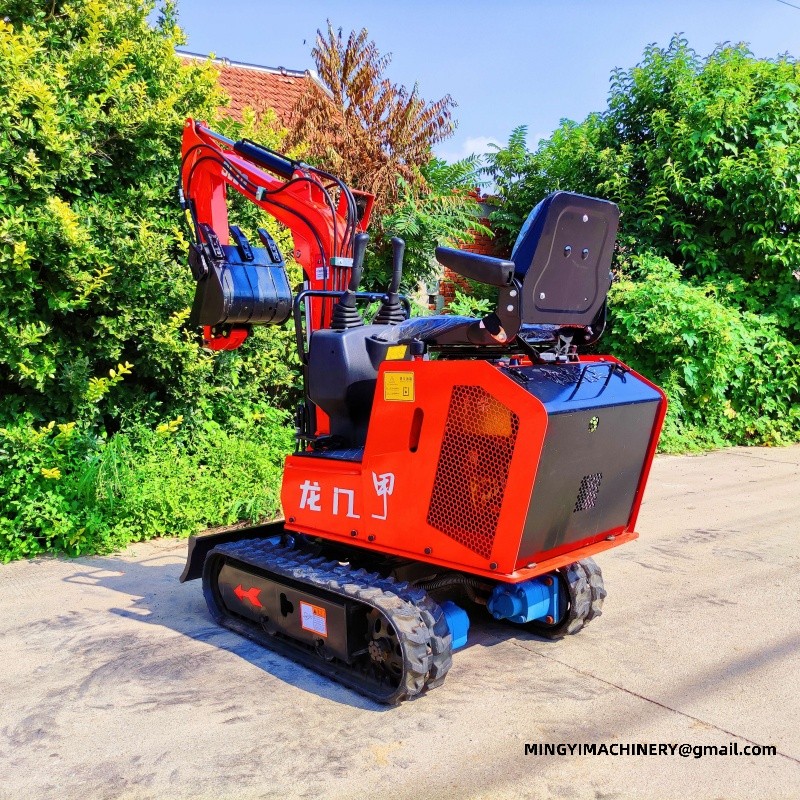
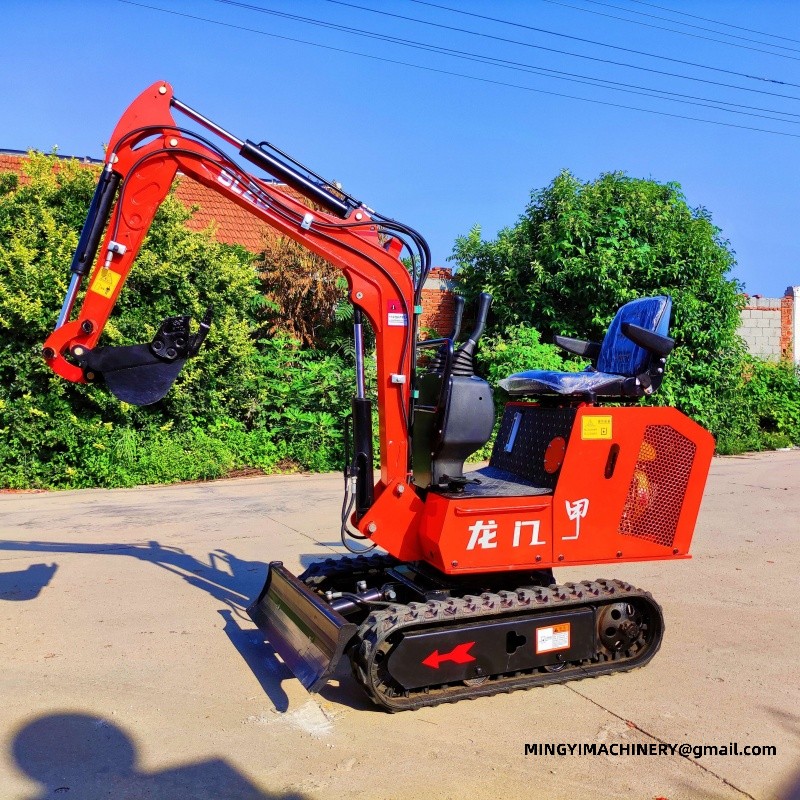
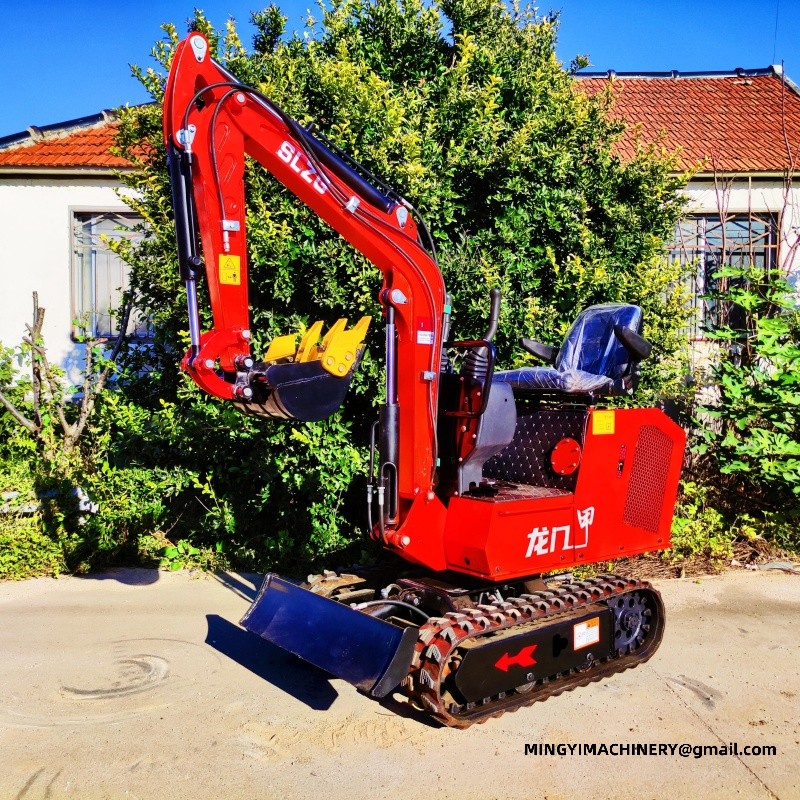
Reference specification — mini excavator range 20-1W 15L 25L 30-2L Operating weight 1800 kg (3968.32 lb) 1400 kg (3086.47 lb) 2200 kg (4850.17 lb) 2400 kg (5291 lb) Transport size (L×W×H) 2550 × 1100 × 2200 mm 2200 × 930 × 2250 mm 3000 × 1300 × 2700 mm 2800 × 1500 × 2500 mm Max digging depth 1800 mm (70.87 in) 1700 mm (66.93 in) 2300 mm (90.55 in) 2200 mm (86.61 in) Max digging height 2820 mm (111.02 in) 2750 mm (108.27 in) 3100 mm (122.05 in) 2900 mm (114.17 in) Max dumping height 2050 mm (80.71 in) 1960 mm (77.17 in) 2050 mm (80.71 in) 2100 mm (82.68 in) Max digging radius 3050 mm (120.08 in) 2900 mm (114.17 in) 3900 mm (153.54 in) 3330 mm (131.1 in) Max digging distance 2300 mm (90.55 in) 2300 mm (90.55 in) 3100 mm (125.05 in) 2700 mm (106.3 in) Minimum turning radius 1450 mm (57.09 in) 1450 mm (57.09 in) 1800 mm (70.87 in) 1555 mm (61.22 in) Travel speed 5 km/h (3.11 mph) 3 km/h (1.86 mph) 7 km/h (4.35 mph) 7 km/h (4.35 mph) Gradeability 30° 30° 30° 30° Fuel consumption 2-3 L/h (0.528—0.793 gal) 1-1.3 L/h (0.264—0.343 gal) 2-3 L/h (0.528—0.793 gal) 2-3 L/h (0.528—0.793 gal) Fuel tank capacity 16 L (4.23 gal) 10 L (2.64 gal) 16 L (4.23 gal) 16 L (4.23 gal) Hydraulic oil tank 18 L (4.76 gal) 16 L (4.23 gal) 18 L (4.76 gal) 18 L (4.76 gal) Dozer blade lift height 180 mm (7.09 in) 180 mm (7.09 in) 230 mm (9.06 in) 230 mm (9.06 in) Dozer blade drop depth 210 mm (8.27 in) 210 mm (8.27 in) 280 mm (11.02 in) 280 mm (11.02 in)
Q. What is the machine itself?
A. Compact excavators win work by being there: small enough to reach the job, strong enough to finish it. Tracks, cab and attachments are options across the range, so the core decision is simply where the machine must fit. MINGYI builds the 08, 12 and 18 models covering the 0.8 to 6 tonne class, and the model in question is where that range meets general site.
Q. What can I expect from a compact excavator in a normal week?
A. Trenching one day, loading and grading the next, fence posts and drainage through the rest - one machine, one trailer, one operator, and the attachment set specifications the work.
Q. Which models does MINGYI build?
A. The 08, 12 and 18 models cover the 0.8 to 6 tonne class with engine, track, cab and attachment options across the range - dealer programmes can mix models in one shipment, and each general site machine is confirmed on its own build sheet.
Keeping a service record for the machine in that duty
The record should follow the machine, not the owner. When the unit on the job changes hands the service history travels with it, and a complete folder is often the difference between a quick sale and a long one.
Fuel, oil and fluid quality for a machine built for the work
Contamination is easier to prevent than to cure. Keeping the filler caps sealed, the funnels clean and the containers closed around the equipment in service is unglamorous work that shows up as reliability later.
E-mail : sales@mingycn.com
LINE ( ID ): mingyicn
Related pages
compact excavator for confined sites · mini crawler excavator for soft ground · Loader Machine Supplier: Model Mix, Spares and Shipping Plans · Mini Excavators









