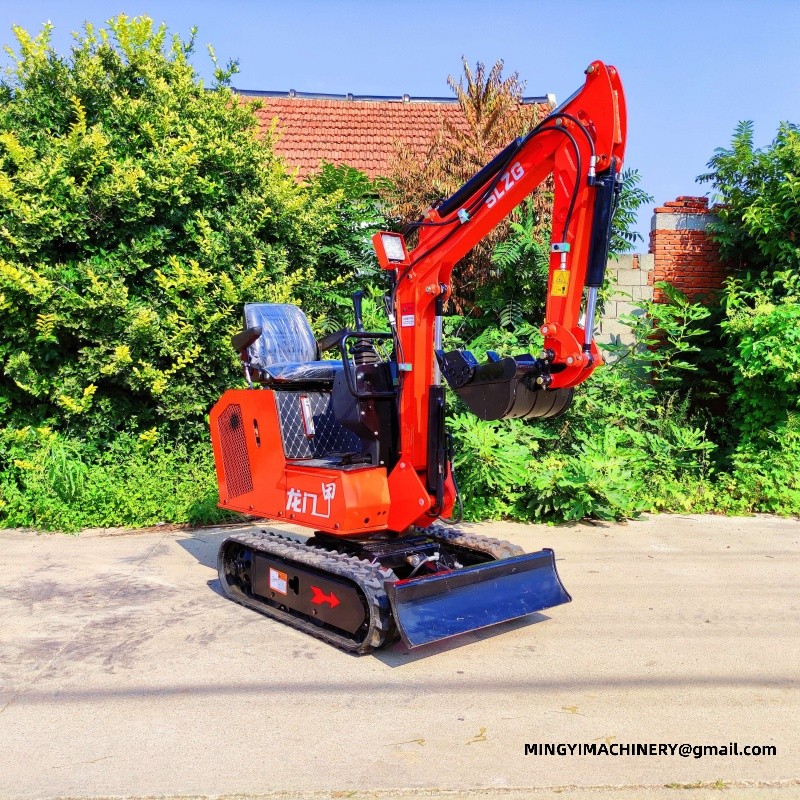
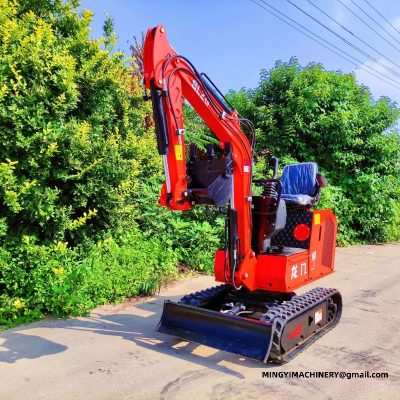
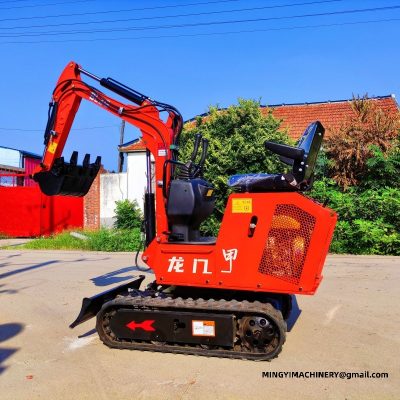
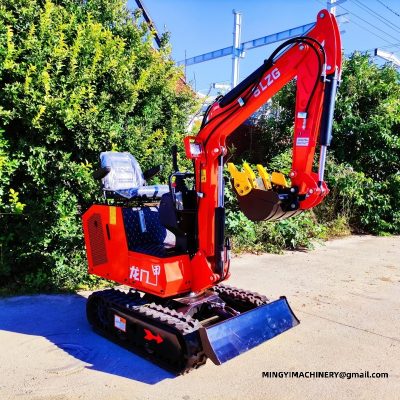
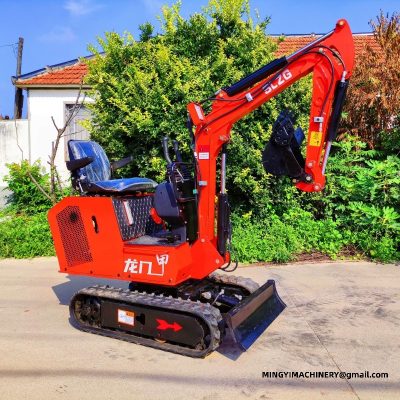
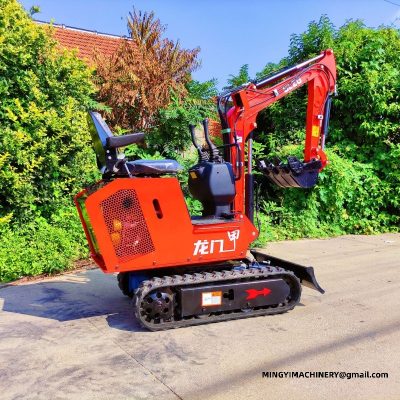
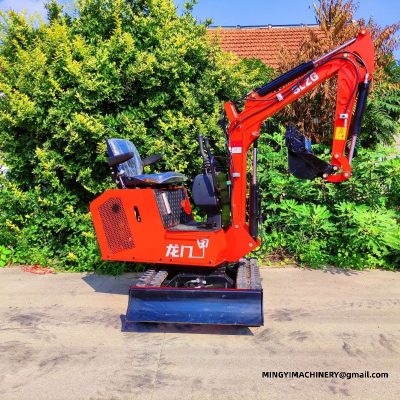
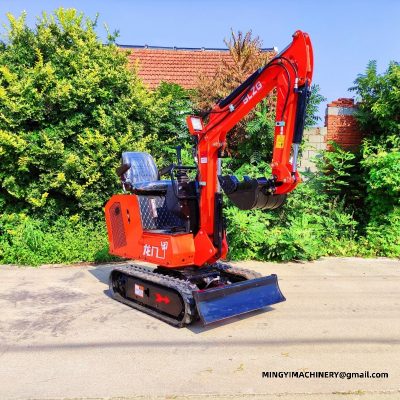
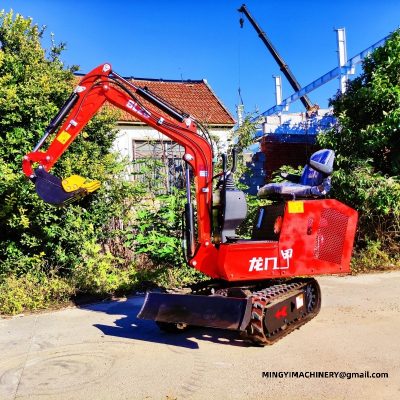
Some of the highest value digging work happens in the tightest places: rear courtyards behind occupied buildings, gaps between party walls, plant rooms and light wells. On confined sites the machine has to arrive, work and leave without touching anything it was not hired to touch.
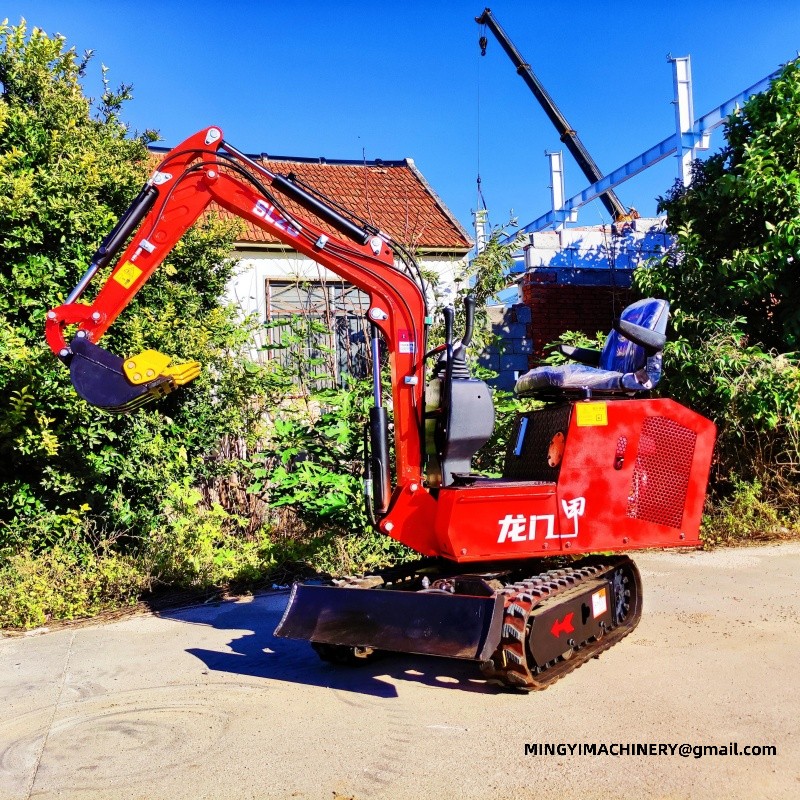
A compact excavator designed for restricted access combines a narrow shipping width with short tail swing, so it repositions less and reaches closer to walls. MINGYI builds these machines to order, with the access limits of the target sites in the specification.
Working between walls and fences
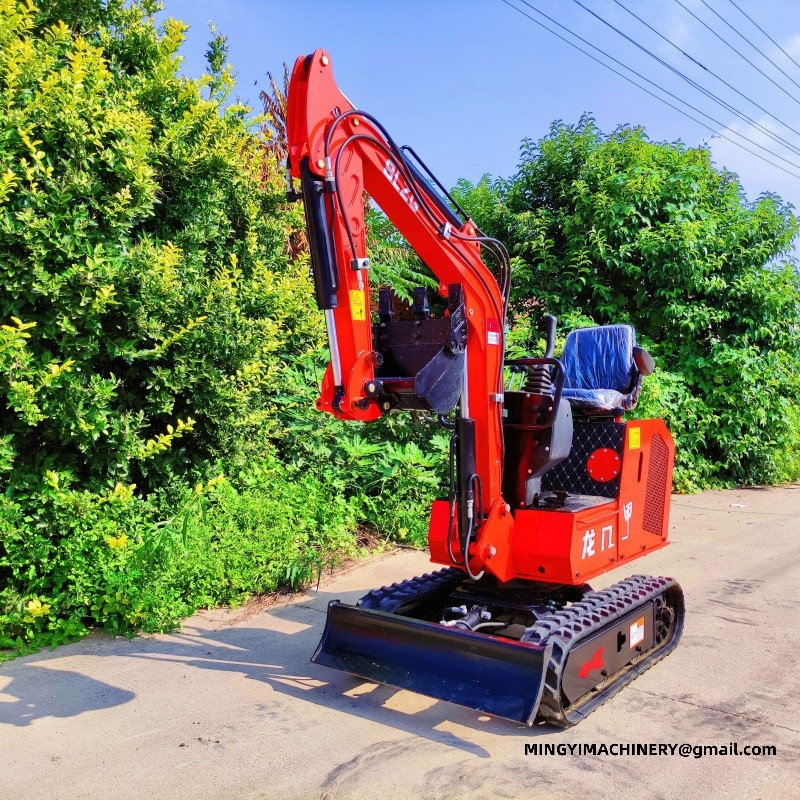
Short tail swing keeps the counterweight inside the tracks as the house rotates, which lets the operator dig beside a wall without watching the rear of the machine. A swing or offset boom adds reach over fences into corners the tracks cannot enter.
Retractable undercarriages travel narrow through gateways and stabilise wider for digging, trading a minute of adjustment for a real gain in stability. On finished surfaces, rubber tracks complete the picture.
Machine features that matter in tight access
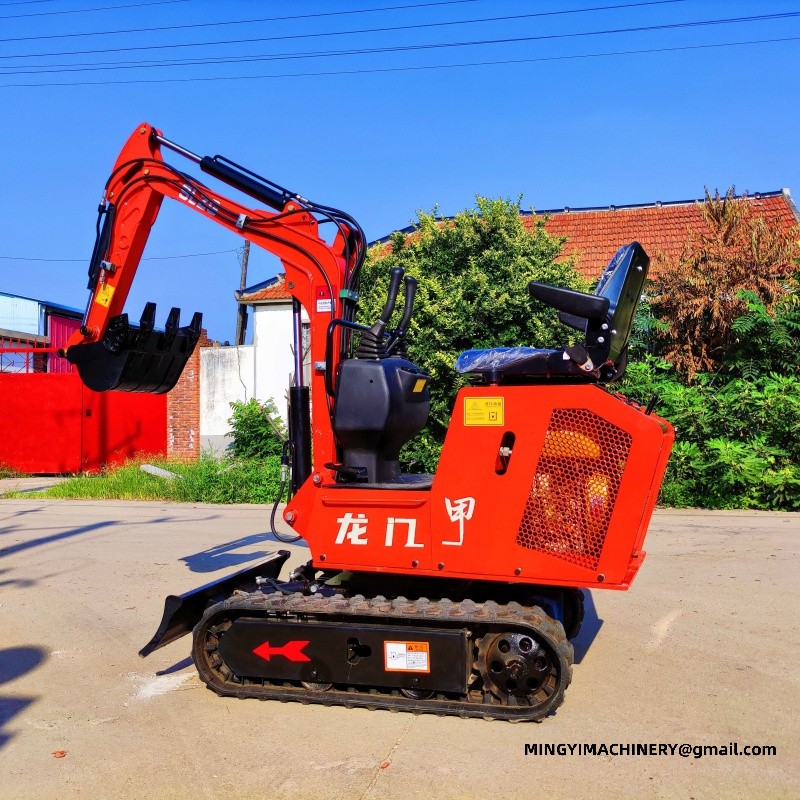
Canopy machines suit low overheads where a full cab would foul beams and pipes, while an enclosed cab earns its place on longer, dustier jobs. Pilot controls give the fine metering needed when the bucket works close to services and structures.
Before ordering, measure the narrowest passage and lowest obstruction on your sites and pass both to the factory. The undercarriage, boom and canopy height are then fixed to clear them, and the attachment list matched to the same carrier.
Confined sites reward preparation over horsepower. Sharing the access drawings and obstruction heights of your usual jobs lets MINGYI deliver a unit that enters, digs and leaves with the surroundings as they were found.
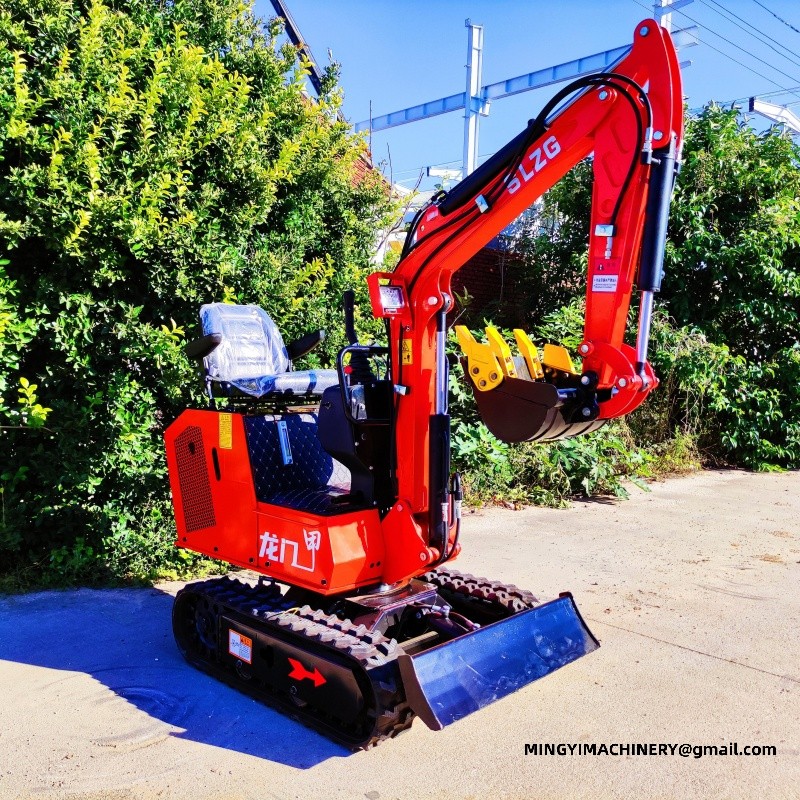
Noise, dust and working near occupied buildings Enclosure and machine condition both reduce noise. The excavator with intact panels, sound mounts and a maintained exhaust is measurably quieter than the same machine with loose guards, and the difference matters on restricted sites. Dust control is often part of the same conversation. Water, timing and work sequence reduce what leaves the site, and agreeing them in advance keeps this class of machine working rather than stopped after a complaint. Running compact excavator for confined sites in a rental fleet The specification that rents best is usually the simplest one to explain at the counter. The unit in daily use with rubber tracks, a canopy and a coupler covers the majority of weekend and short-term hires. Fleet buyers also weigh transport. A machine of this size that a customer can tow on a normal licence and a standard trailer is a hire that does not need a delivery truck, which changes how often it goes out. Specifying compact excavator for confined sites against a job list Buyers who skip this step either over-buy or under-buy. The equipment on site specified only from machine size tends to arrive without the coupler, the circuits or the track type the work actually needs. Useful information to send with an enquiry includes working width, required digging depth, ground conditions and the attachment set. Those four items let the factory specify the machine itself that fits rather than a generic build. Boom configuration for compact excavator for confined sites A swing boom lets the machine dig parallel to its tracks without repositioning, which is what makes trenching beside a wall or a fence practical. On the model in question this is often the option that decides whether a job is possible at all. Extended and offset boom configurations change reach and working range. The machine in that duty with a longer arm reaches further but lifts less at full extension, so the specification is set against the deepest and furthest point on the job list. OEM and fleet customisation of compact excavator for confined sites Customisation also covers the specification sheet. A fleet buyer may want every machine built for the work delivered with the same coupler, the same engine and the same tool kit so training and parts stock stay simple. Documentation can be prepared to suit the importer. Manuals, parts books and decal sets for the unit on the job can be supplied with the buyer's own branding where the order size justifies it. Interior and light demolition with compact excavator for confined sites Interior demolition is an access and a weight question. The equipment in service that fits through a doorway and works on a suspended floor does jobs that would otherwise be done by hand or by a larger machine that cannot enter. Dust, debris clearance and floor loading all argue for a compact machine indoors. The excavator spreads its weight over a wider track footprint than a wheeled machine of similar capacity. Parts, service and support for this class of machine Engine parts availability usually drives the engine choice. The unit in daily use built with an engine the local network already carries is serviced from stock rather than from an international order. Remote support is handled by video. A machine of this size fault can often be diagnosed on a walk-around call with the panel open, which is faster than waiting for a visit and avoids shipping a part that is not needed. Working the equipment on site in confined spaces Clearance above matters as much as around. Door heights, pipework and overhead services set the limit for the machine itself indoors, and measuring them first avoids a machine that arrives and cannot be used. Ventilation is the other indoor constraint. Running the model in question inside a closed structure needs air movement, and that is a planning item rather than something to discover after the first hour. Attachments that turn the machine in that duty into several machines Attachment lists are best written before delivery. Specifying the unit on the job with the tools the job list needs avoids the work and delay of adding hydraulics later, and a quick coupler makes the swap a few minutes instead of a workshop job. Most of the daily variety on a machine built for the work comes from the attachment rack rather than from the machine itself. Bucket, breaker, auger, ripper, rake and grab cover the large majority of the work a contractor will see. Acceptance checks when the equipment in service arrives Delivery day is the best time to find a problem. Checking the specification against the order, the fluid levels, the fasteners and any transport damage while the class of machine is still on the trailer is faster than claiming later. A function check before the machine goes to work is worth the hour. Running through the controls, the travel and the attachment circuit on the excavator confirms it is set up as specified and ready for the site. Trailering and moving the unit in daily use Transport weight and width decide whether a machine needs a specialist haulier. A machine of this size sized to travel on a standard plant trailer behind a suitable vehicle moves with the crew rather than on a scheduled low loader. Loading practice matters as much as the numbers. The equipment on site is driven up ramps under its own power with the boom lowered and the tracks aligned, and secured at the points the manufacturer specifies. Municipal and public works with the machine itself Municipal crews work on streets, footpaths and parks where the public is present. The model in question is specified because it occupies little space, works inside a small exclusion zone and can be moved on a standard trailer. Drainage repair, tree planting, footway reconstruction and cemetery work are all within the range of the machine in that duty. The jobs are small individually and continuous across the year. Specification data for the unit on the job Buyers comparing a machine built for the work usually start from four numbers - weight, digging depth, reach and transport width - because those are the ones that decide whether the machine can be delivered and whether it can do the job once it is there. Every value shown is as built for the equipment in service; options such as cab, side swing or a telescopic undercarriage change the transport dimensions and are confirmed at order stage. Ground that looks level often is not. The excavator crossing a filled trench, a soft edge or a hidden void behaves differently from one on undisturbed ground, and those are the places worth walking before driving. Planning the direction of travel helps. Working so that the this class of machine is stable under load and not required to turn on a slope is a decision made before the job starts, not a correction made during it.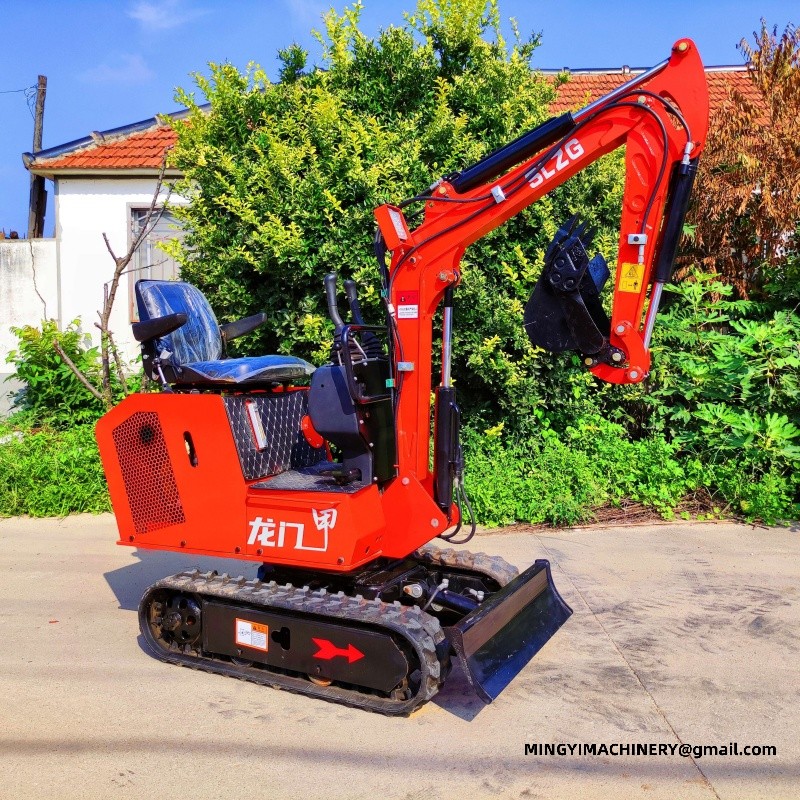
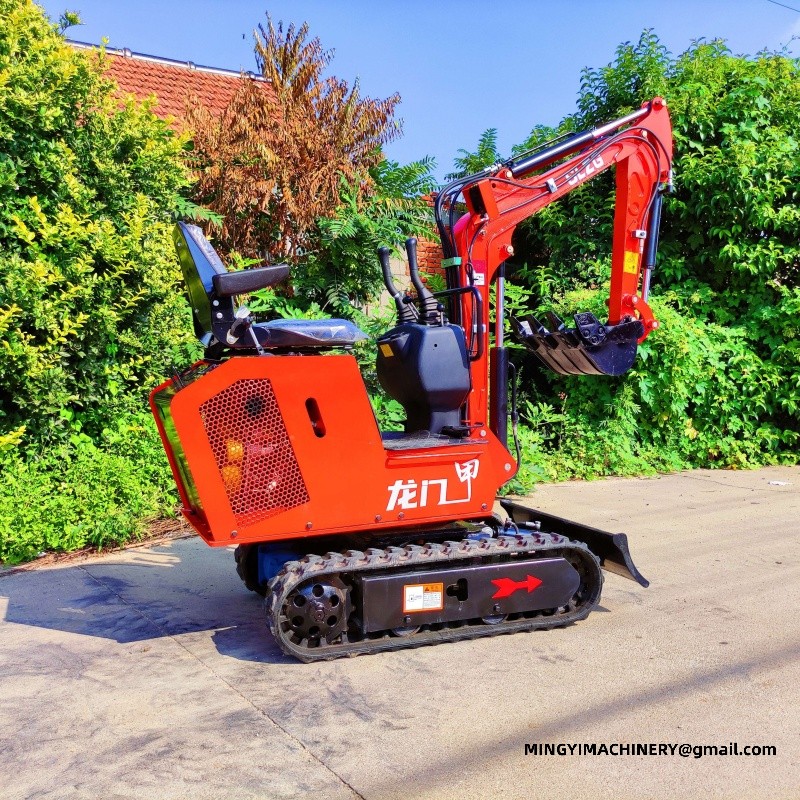
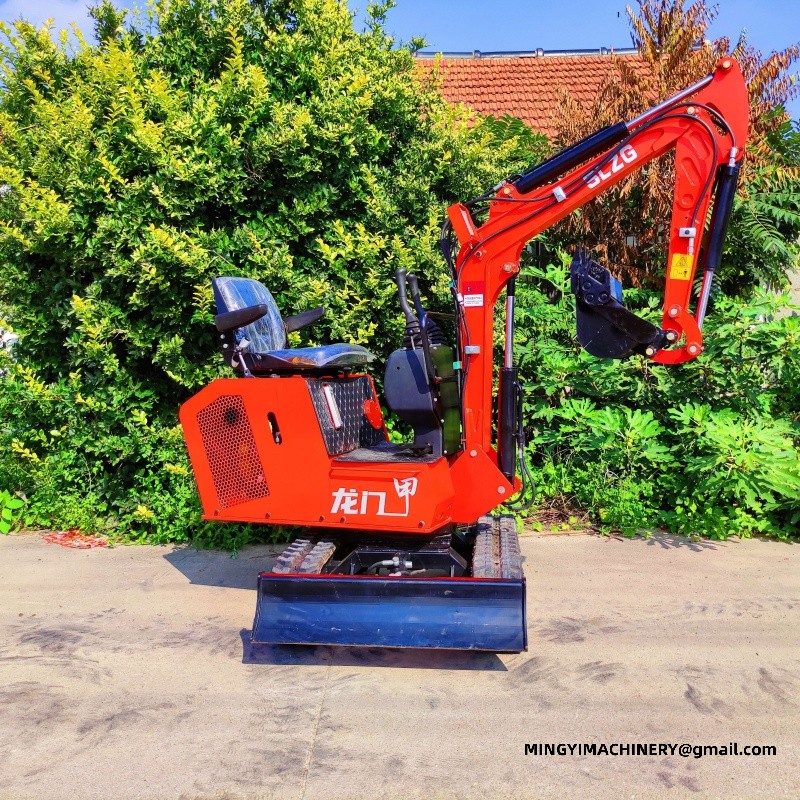
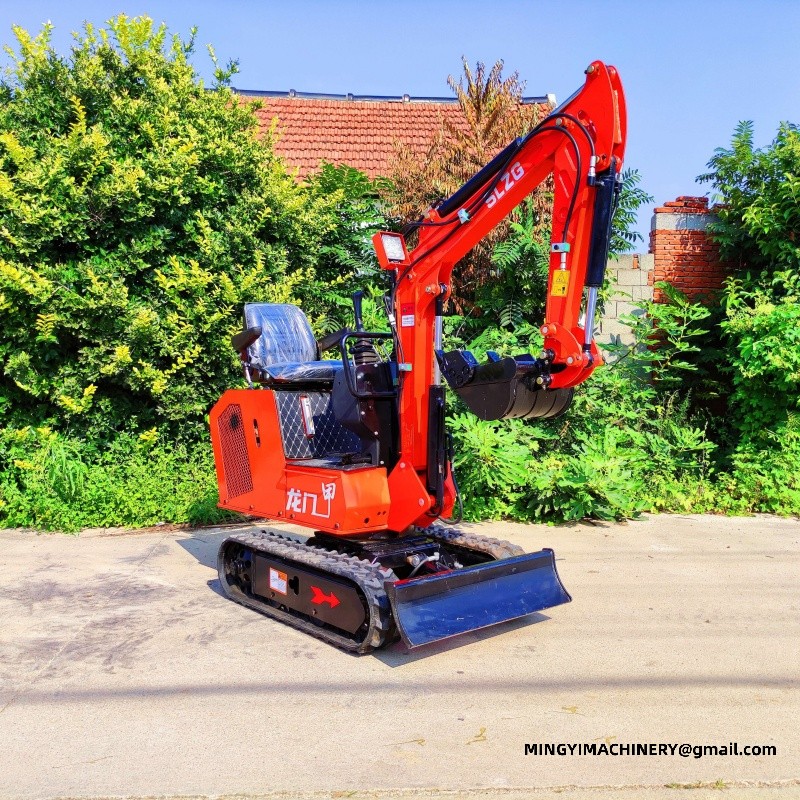
Reference specification — mini excavator range 20-1W 20-3W 15L 20-2L Operating weight 1800 kg (3968.32 lb) 1900 kg (4188.78 lb) 1400 kg (3086.47 lb) 1900 kg (4188.78 lb) Transport size (L×W×H) 2550 × 1100 × 2200 mm 2550 × 1100 × 2200 mm 2200 × 930 × 2250 mm 2600 × 1300 × 2344 mm Max digging depth 1800 mm (70.87 in) 1800 mm (70.87 in) 1700 mm (66.93 in) 2100 mm (82.68 in) Max digging height 2820 mm (111.02 in) 2820 mm (111.02 in) 2750 mm (108.27 in) 2880 mm (113.39 in) Max dumping height 2050 mm (80.71 in) 2050 mm (80.71 in) 1960 mm (77.17 in) 2100 mm (82.68 in) Max digging radius 3050 mm (120.08 in) 3050 mm (120.08 in) 2900 mm (114.17 in) 3215 mm (126.57 in) Max digging distance 2300 mm (90.55 in) 2300 mm (90.55 in) 2300 mm (90.55 in) 2460 mm (96.85 in) Minimum turning radius 1450 mm (57.09 in) 1450 mm (57.09 in) 1450 mm (57.09 in) 1587 mm (62.48 in) Travel speed 5 km/h (3.11 mph) 5 km/h (3.11 mph) 3 km/h (1.86 mph) 5 km/h (3.11 mph) Gradeability 30° 30° 30° 30° Fuel consumption 2-3 L/h (0.528—0.793 gal) 2-3 L/h (0.528—0.793 gal) 1-1.3 L/h (0.264—0.343 gal) 2-3 L/h (0.528—0.793 gal) Fuel tank capacity 16 L (4.23 gal) 16 L (4.23 gal) 10 L (2.64 gal) 16 L (4.23 gal) Hydraulic oil tank 18 L (4.76 gal) 18 L (4.76 gal) 16 L (4.23 gal) 18 L (4.76 gal) Dozer blade lift height 180 mm (7.09 in) 180 mm (7.09 in) 180 mm (7.09 in) 180 mm (7.09 in) Dozer blade drop depth 210 mm (8.27 in) 210 mm (8.27 in) 210 mm (8.27 in) 210 mm (8.27 in)
Q. Who uses the unit in daily use?
A. Zero tail swing, retractable frames and short-radius booms exist for one reason: to put a real digging machine through a gap and let it work at full rate on the other side. Inside a basement or behind a boundary the machine digs footings, breaks floors and grades the sub-base at rates hand work cannot touch. Read a machine of this size together with the engine, track and attachment pages: jobs around confined sites are decided by how those choices line up, not by any single number on the sheet.
Q. What can such a small digger actually do?
A. More than its size suggests: inside a basement or behind a boundary it digs footings, breaks floors and grades the sub-base at rates hand digging cannot touch. The limit is reach and lift, not willingness.
Q. What about colours and branding?
A. OEM colours and decals are part of the build: private-label machines carry the buyer brand on the standard MINGYI platform, and the confined sites order confirms colours, marks and documents before production starts.
Packing, loading and shipment of the equipment on site
How a machine travels decides how it starts on arrival. Securing the machine itself against movement, protecting the exposed cylinders and keeping the battery and fluids in the right state for the voyage all belong to the packing list.
Later additions and retrofits on the model in question
Later changes are easier when they were anticipated. Asking for the extra hydraulic circuit or the heavier mounting plate on the machine in that duty at build time adds little and leaves the option open.
E-mail : sales@mingycn.com
LINE ( ID ): mingyicn
Related pages
mini crawler excavator for soft ground · small digger range · Wheel Loader Manufacturer: Frame Tiers and Parts Commonality · Mini Excavators









