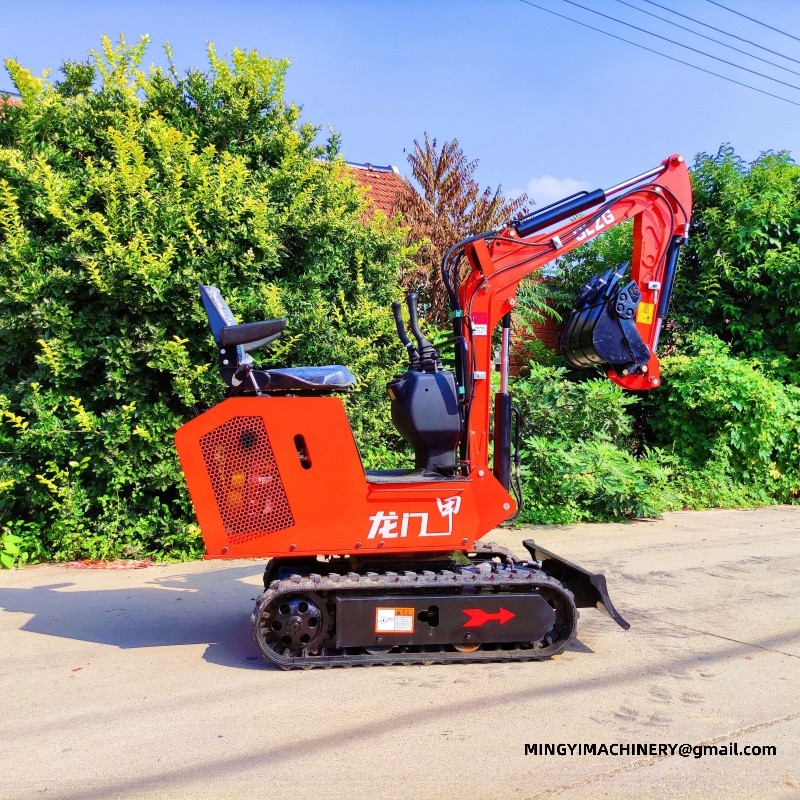
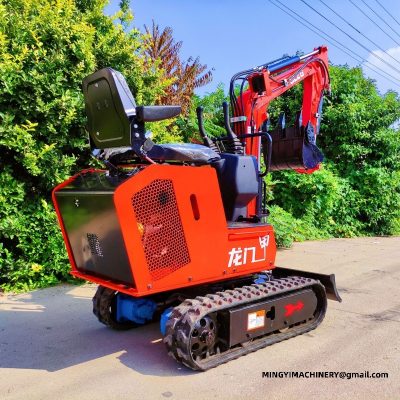
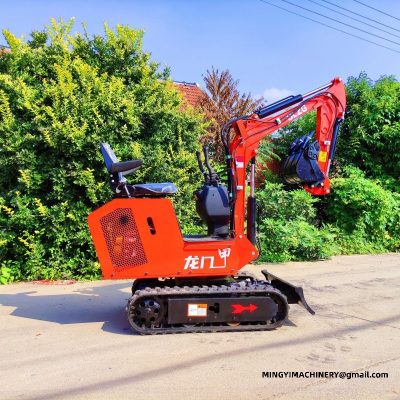
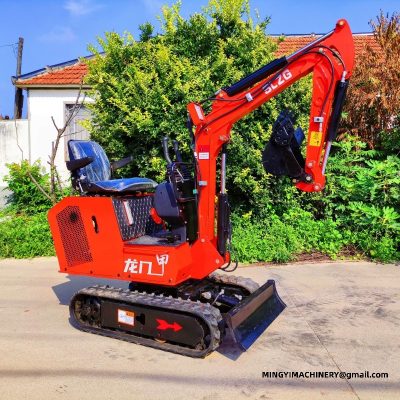
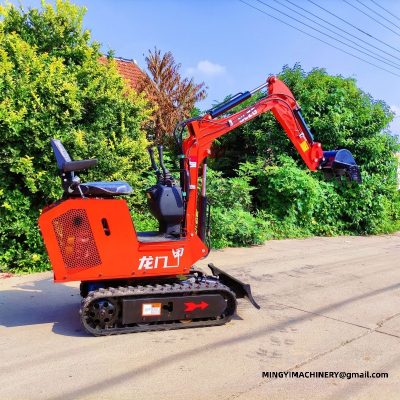
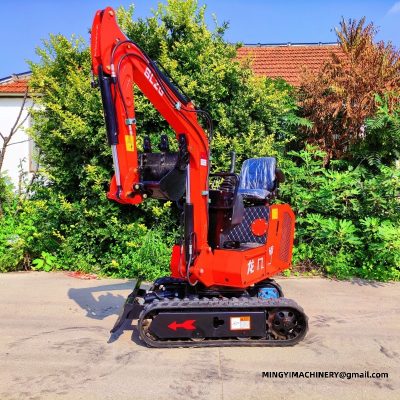
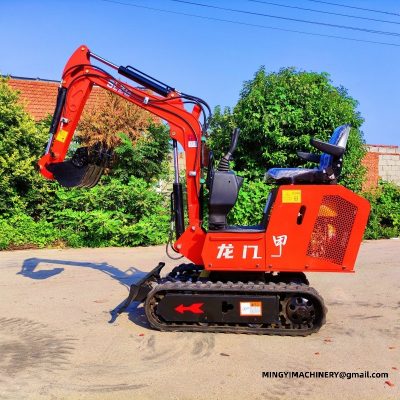
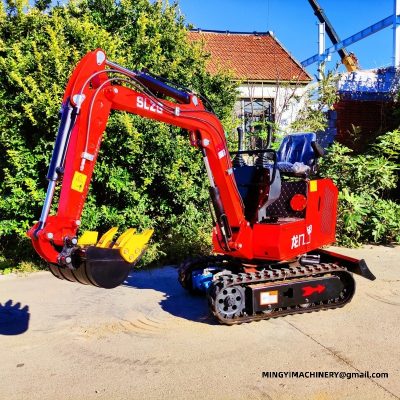
Laying cable or pipe across an established site is a sequence of short open cuts rather than one long trench. Each cut has to be opened, kept clean and closed again before traffic or planting returns to the surface.
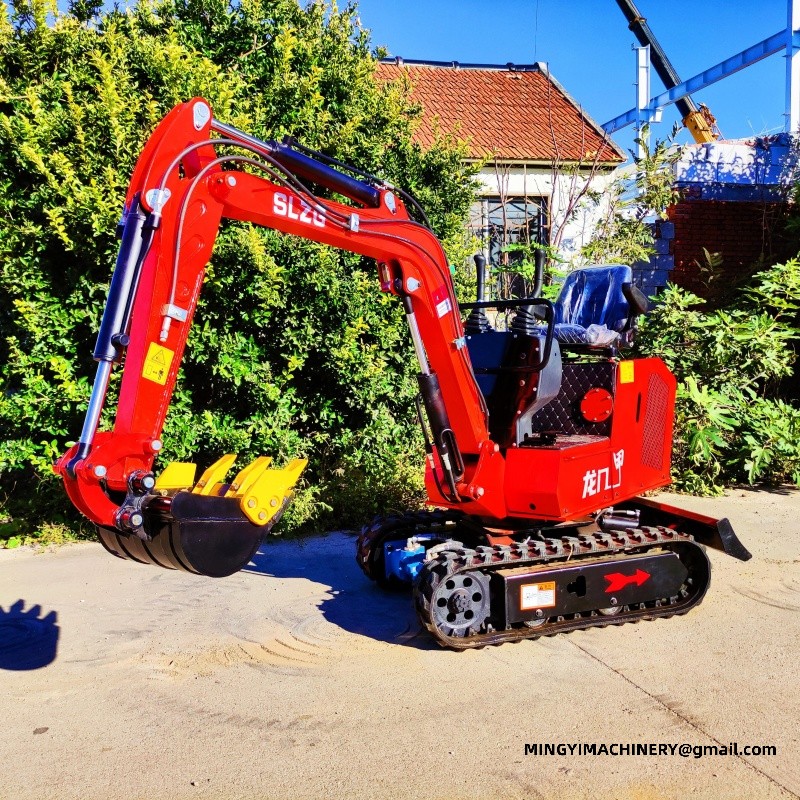
A small crawler excavator matches that rhythm. It moves with the crew from cut to cut, carries the bucket and hose the run requires, and leaves a narrow footprint on whatever ground it crosses.
Opening and closing cable runs without disturbing the site
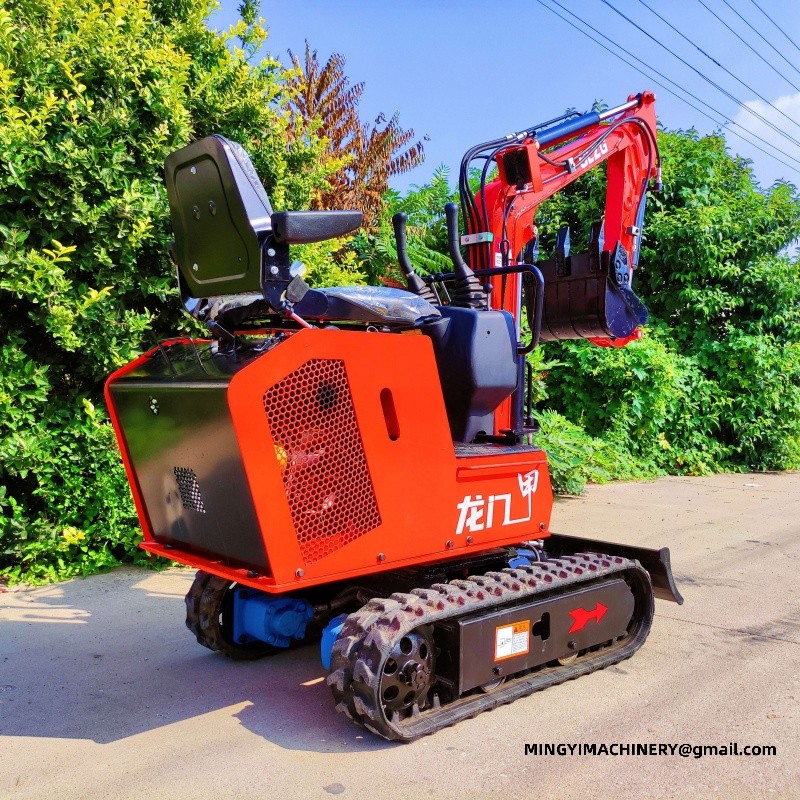
Service boxes and cable ducts sit at different levels, so the operator needs fine control at the bottom of the cut. A retractable undercarriage or a short tail swing keeps the counterweight clear of fences and parked plant.
Reinstatement matters as much as excavation here. Spoil is lifted straight into a waiting trailer or spread back over the duct, which keeps the surface tidy and the crew working in one direction.
Attachments that suit pipe and cable installation
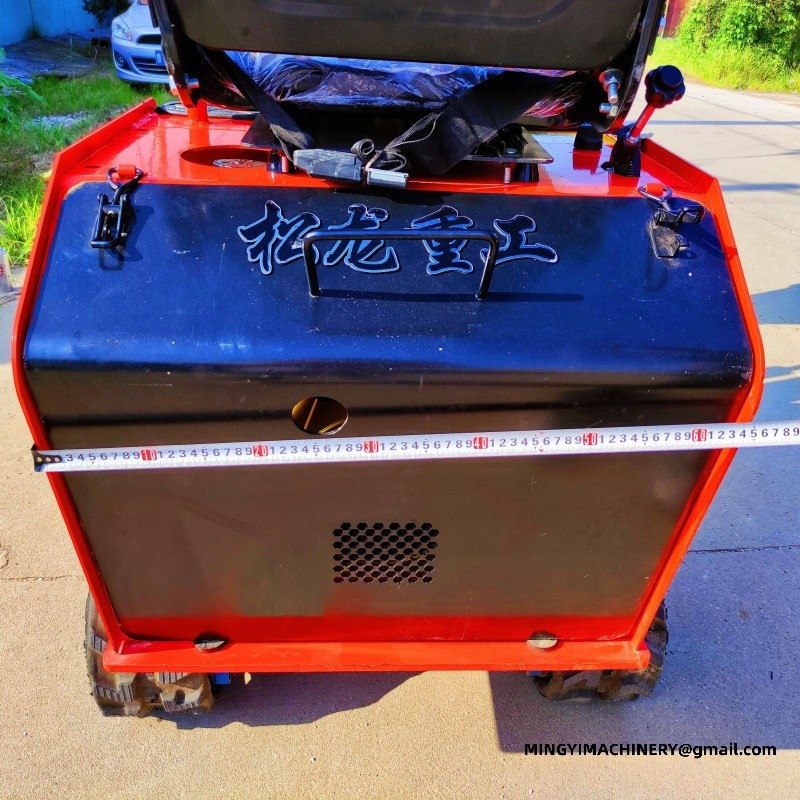
A skeleton bucket separates stone from the fill that goes back around a duct, and a compaction wheel closes the cut once the pipe is laid. Both ride on the same coupler as the digging bucket.
For crossings under driveways and planting strips, rubber tracks protect the finish, while steel tracks with rubber blocks give more grip on wet or loose ground.
Buyers usually confirm the digging depth class, the track option and the attachment list when the machine is specified, since those choices determine the build that leaves the works.
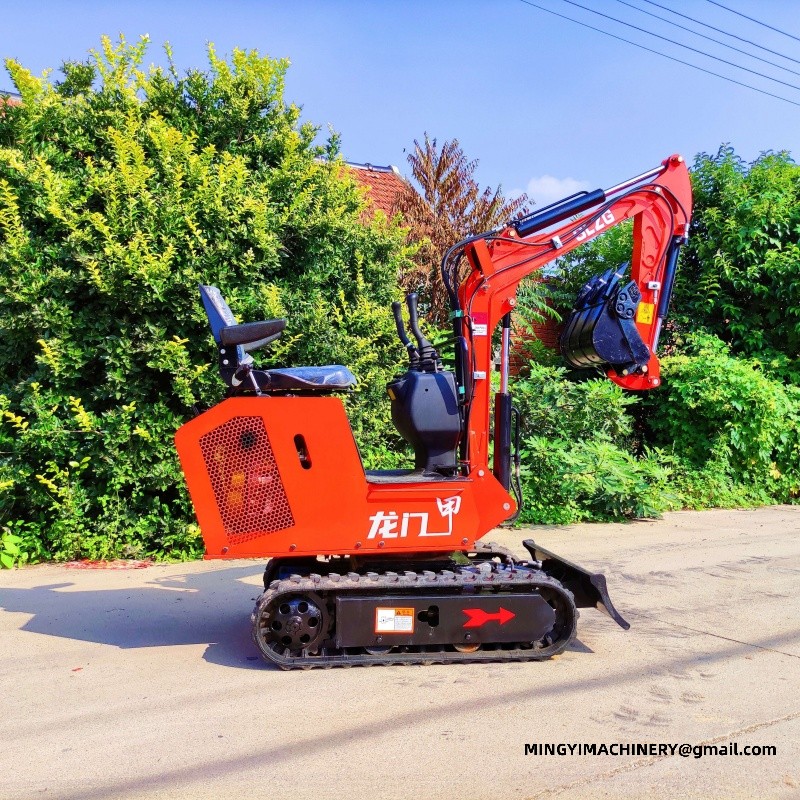
Orchard, vineyard and farm use of mini excavator for cable and pipe runs Orchard and vineyard work is carried out between rows. The excavator with a narrow chassis and a swing boom works down the row without damaging the trees, which is the reason a full-size machine is not used at all. Farms also use this class of machine for general maintenance - clearing a watercourse, repairing a track, loading a spreader. One carrier with a few attachments covers most of the jobs that would otherwise wait for a contractor. Canopy or enclosed cab on a mini excavator for cable and pipe runs A canopy keeps the machine light and the operator aware of the surroundings, which suits short jobs in warm weather. A fully enclosed cab is specified where rain, dust or cold are part of the working year, and it can be added to the unit in daily use as a retrofit rather than only at build time. Enclosure also changes noise and dust exposure. A sealed cab on a machine of this size keeps dust out on dry sites and lets the machine work through weather that would otherwise stop a canopy machine for the day. Landscaping and ground care with mini excavator for cable and pipe runs Landscape contractors use the equipment on site for planting holes, pond excavation, grading and retaining work. The machine is light enough to cross finished lawn and narrow enough to work between established trees. Grass cutting heads, rakes and tillers extend the machine itself into ground care. The same carrier that digs a border in spring can cut and clear the same area later in the season. Getting mini excavator for cable and pipe runs through a narrow gap The first question on most job lists is whether the machine can reach the work at all. The model in question is chosen against the narrowest point on the route - a garden gate, a doorway, a gap between two walls - because a machine that arrives and then cannot pass loses a day, not an hour. Contractors who buy the machine in that duty normally have one job in mind that nothing else reaches. The purchase order follows the access measurement, not the other way round, and the build sheet is then settled around it. Lifting and material handling with a mini excavator for cable and pipe runs Lifting with a machine built to dig needs a plan. The load, the radius and the ground under the machine built for the work all matter, and the safe figure is the one on the chart rather than the one that looks possible. Stability changes with reach. A load the unit on the job handles close in becomes a different proposition at full extension, so the working radius belongs in the plan before the lift rather than during it. Track choice for mini excavator for cable and pipe runs Rubber tracks suit paved and landscaped ground because they spread the machine weight and leave the surface intact. Steel tracks with rubber blocks are specified where the ground is rougher or the working day is longer, and the choice can be made per machine rather than accepted as a factory default. Undercarriage selection is a ground question, not a preference question. The equipment in service running on finished paving needs rubber; the same machine on demolition rubble or rock wears rubber quickly, so steel with rubber blocks becomes the better answer over a full season. Municipal and public works with the excavator Drainage repair, tree planting, footway reconstruction and cemetery work are all within the range of this class of machine. The jobs are small individually and continuous across the year. Noise and surface protection matter on public work. The unit in daily use on rubber tracks across paving, with a sealed cab for the operator, suits the conditions better than a larger tracked machine. Working near live services with a machine of this size Digging near water, gas and cable is a precision job. The equipment on site is used here because the operator can work in short controlled cuts and because the machine can be positioned without driving over the run being exposed. Utility crews specify the machine itself with a narrow bucket and good visibility for exactly this reason: the machine has to stop at the service, not at the edge of the operator's view. Trenching work with the model in question Service trenches are the most common reason the machine in that duty is hired. Water, sewage, cable and gas runs are narrow, shallow and often close to existing services, which is exactly the work a full-size machine cannot do safely. Depth control matters more on service work than speed. The unit on the job working beside live services is chosen because it can be placed precisely and stopped instantly, which is what the job actually requires. Trailering and moving a machine built for the work Transport weight and width decide whether a machine needs a specialist haulier. The equipment in service sized to travel on a standard plant trailer behind a suitable vehicle moves with the crew rather than on a scheduled low loader. Detachable components reduce transport length. The excavator built with a removable arm section or a folding step fits a shorter trailer and may avoid an oversize movement permit. Road and paving work for this class of machine Road repair generates short, interrupted jobs - a patch, a drainage connection, a kerb line. The unit in daily use is economical here because it travels on a small trailer and starts working minutes after arriving. Patching and reinstatement favour a machine that can work in a lane closure. A machine of this size occupies less road than a full-size excavator, which reduces the traffic management needed and the length of the closure. Specification data for the equipment on site The figures below are the factory figures for the models most often matched to the machine itself. They are the numbers to check against the site: the depth the work needs, the reach from one position, and the width of the narrowest point on the route in. Figures are factory figures and are confirmed on the build sheet for the model in question. Where a job sits between two models, the larger machine usually takes less time than the smaller one spends on rework. Confined sites are decided by dimensions. Overall width, tail swing and the space needed to work the arm are what let the machine in that duty operate inside a building, between walls or in a courtyard. Ventilation is the other indoor constraint. Running the unit on the job inside a closed structure needs air movement, and that is a planning item rather than something to discover after the first hour.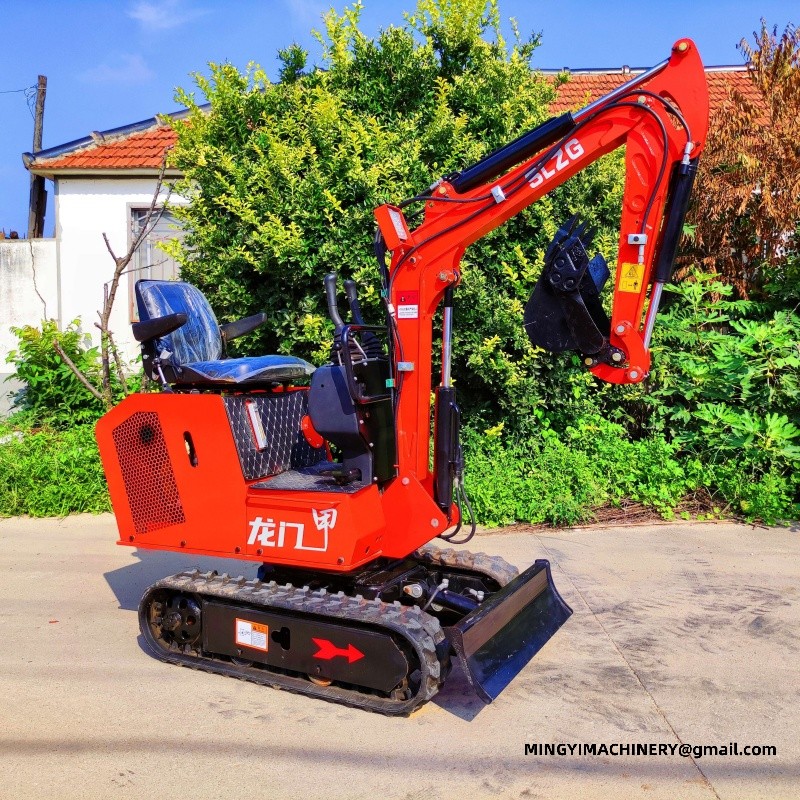
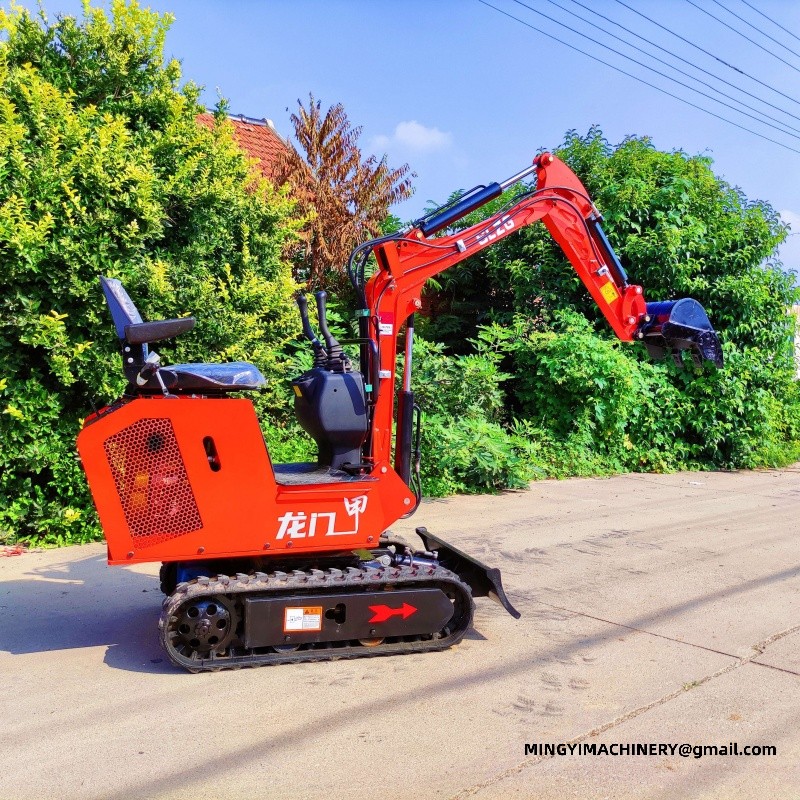
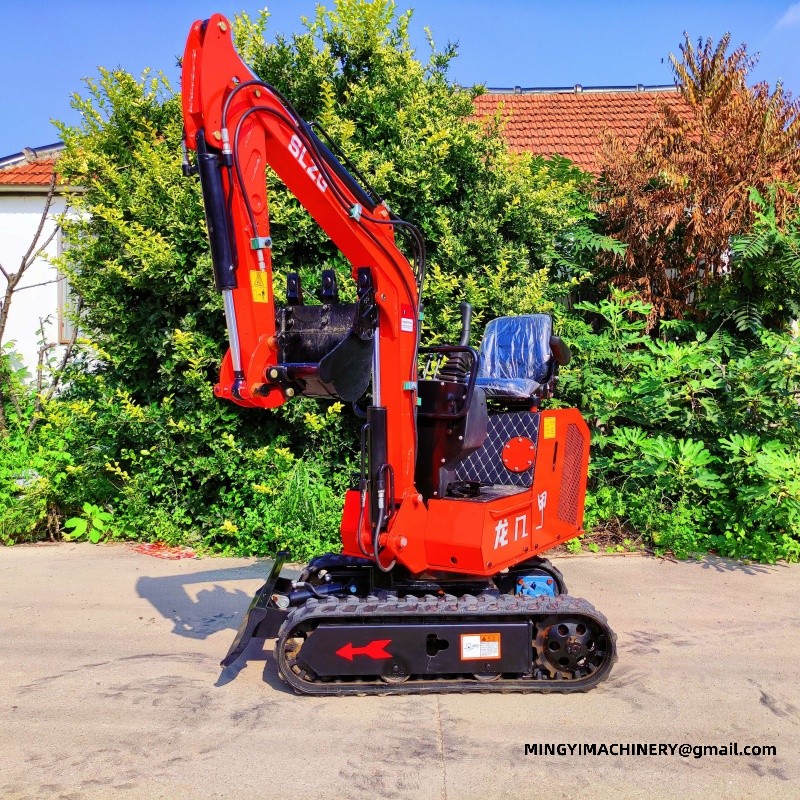
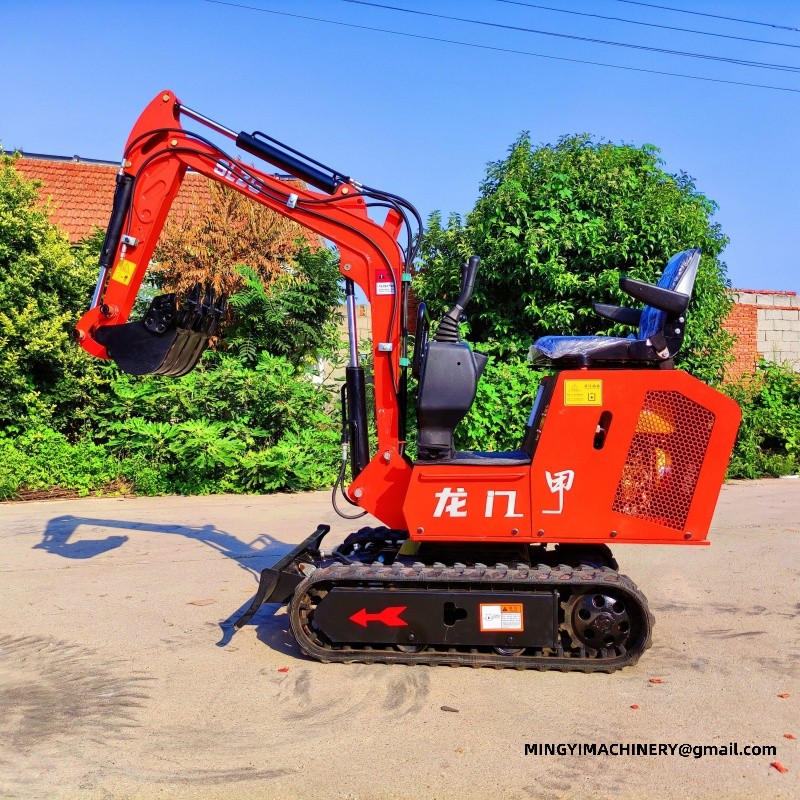
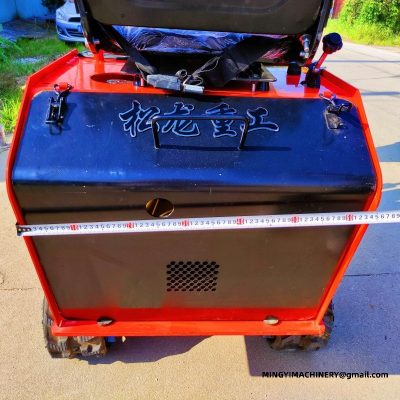
Reference specification — mini excavator range 15W 30-1W 30-2W 09L Operating weight 1400 kg (3086.47 lb) 2900 kg (6393.41 lb) 2700 kg (5952.48 lb) 1100 kg (2425.08 lb) Transport size (L×W×H) 2200 × 930 × 2250 mm 3000 × 1250 × 2780 mm 3000 × 1100 × 2700 mm 2300 × 720 × 1870 mm Max digging depth 1630 mm (64.17 in) 2200 mm (86.61 in) 2200 mm (86.61 in) 1400 mm (55.12 in) Max digging height 2750 mm (108.27 in) 3400 mm (133.86 in) 3000 mm (118.11 in) 2800 mm (110.24 in) Max dumping height 1960 mm (77.17 in) 2400 mm (94.49 in) 2000 mm (78.74 in) 1880 mm (74.02 in) Max digging radius 2900 mm (114.17 in) 4000 mm (157.48 in) 3800 mm (149.61 in) 2490 mm (98.03 in) Max digging distance 2100 mm (82.68 in) 2800 mm (110.24 in) 3050 mm (120.08 in) 2000 mm (78.74 in) Minimum turning radius 1300 mm (51.18 in) 2000 mm (78.74 in) 1750 mm (68.9 in) 1400 mm (55.12 in) Travel speed 3 km/h (1.86 mph) 5 km/h (3.11 mph) 7 km/h (4.35 mph) 3 km/h (1.86 mph) Gradeability 30° 30° 30° 30° Fuel consumption 1-1.3 L/h (0.264—0.343 gal) 2-3 L/h (0.528—0.793 gal) 2-3 L/h (0.528—0.793 gal) 1-1.3 L/h (0.264—0.343 gal) Fuel tank capacity 10 L (2.64 gal) 16 L (4.23 gal) 16 L (4.23 gal) 8 L (2.11 gal) Hydraulic oil tank 16 L (4.23 gal) 20 L (5.28 gal) 20 L (5.28 gal) 16 L (4.23 gal) Dozer blade lift height 180 mm (7.09 in) 420 mm (16.54 in) 230 mm (9.06 in) 180 mm (7.09 in) Dozer blade drop depth 210 mm (8.27 in) 210 mm (8.27 in) 280 mm (11.02 in) 210 mm (8.27 in)
Q. Who uses the machine built for the work?
A. Trenching is the bread and butter of compact excavators: cable runs, pipe laying, drainage and service ducts all come down to a clean, straight cut at controlled depth. A bucket too wide pulls more spoil than the job needs and leaves a messy backfill; a bucket matched to the service keeps the cut clean. MINGYI builds the 08, 12 and 18 models covering the 0.8 to 6 tonne class, and the equipment in service is where that range meets cable and pipe runs.
Q. What about trenches across soft ground?
A. Wider shoes or longer tracks spread the load, and working from mats keeps the trench wall intact while the machine digs alongside it - the same rules the soft-ground pages set out.
Q. Can I see the machine before it ships?
A. Inspection is arranged at the factory, in person or by a scheduled video walk-around - the same session covers paint, decals and attachment fitment for the cable and pipe runs specification, so the machine inspected is the machine that ships.
Documents that travel with the excavator
Documentation should match the machine that was actually built. The sheet supplied with this class of machine records the configuration as delivered, because the generic catalogue description is not what the customer needs when ordering a part.
Packing, loading and shipment of the unit in daily use
Export packing is part of the machine, not an afterthought. A machine of this size is blocked and braced inside the container so that it arrives in the same condition it left, and the load plan is decided by the dimensions rather than by what fits loosely.
E-mail : sales@mingycn.com
LINE ( ID ): mingyicn
Heat and hydraulic temperature in mini excavator for cable and pipe runs
Cooling cores blocked with dust or seed husks are the common cause in summer, and cleaning them from the inside out works better than washing the face of the radiator.
Continuous high-flow work in high ambient temperature is where a duty cycle helps, because a short pause every hour cools the system more than a long stop at midday.
Oil analysis is more useful than a calendar, because it shows what is actually in the system rather than what should be.
Related pages
mini excavator for kerb and gutter work · mini excavator for tight access sites · Loader Machine for Construction: Specifying for Site Cycles · Mini Excavators









