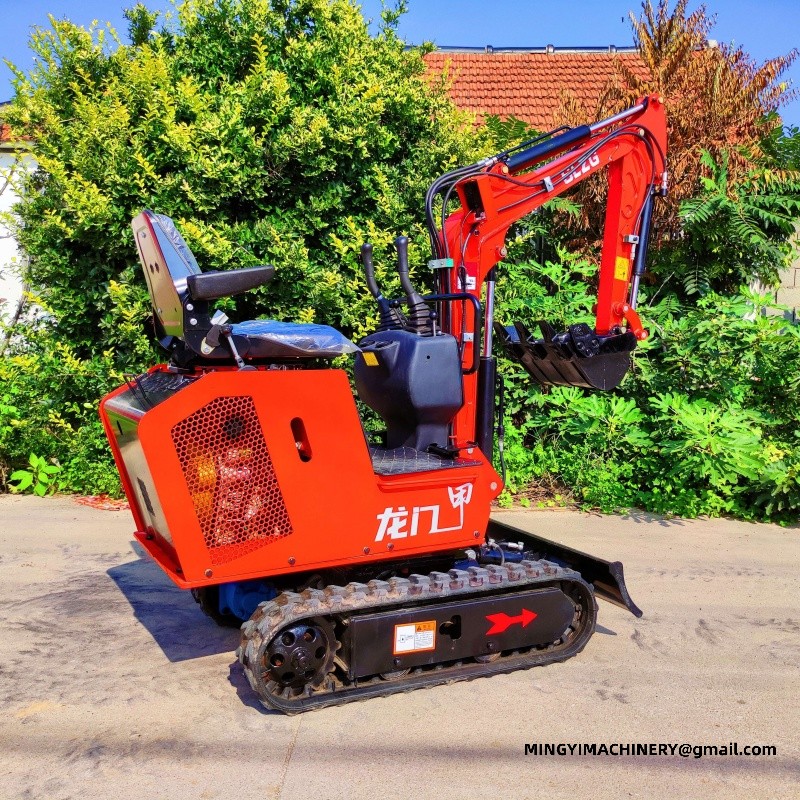
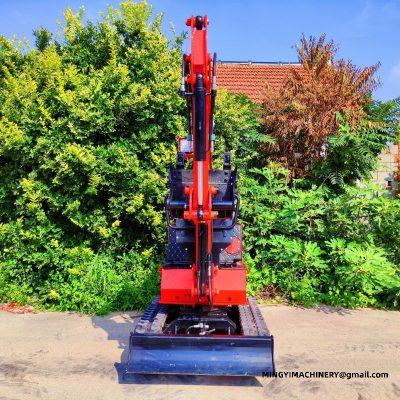
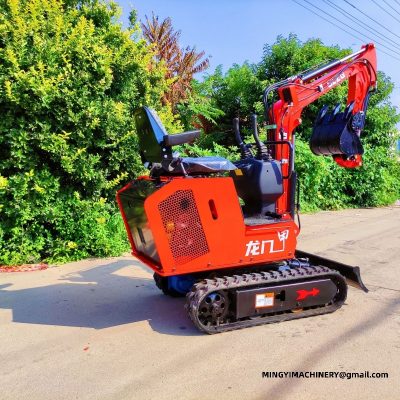
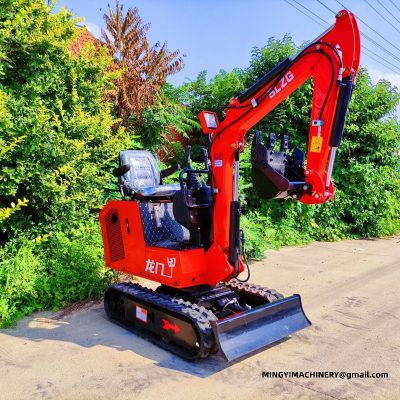
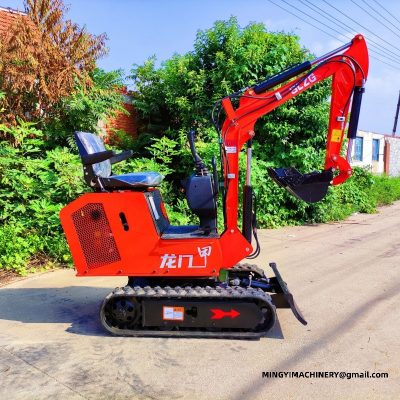
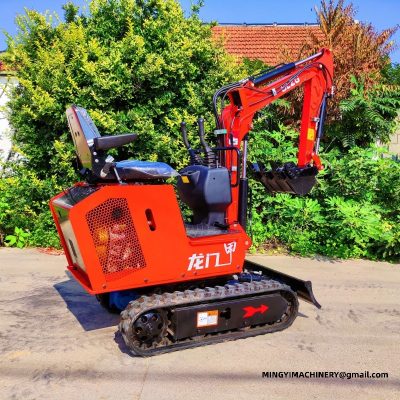
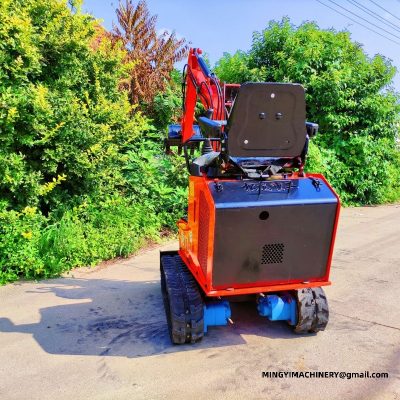
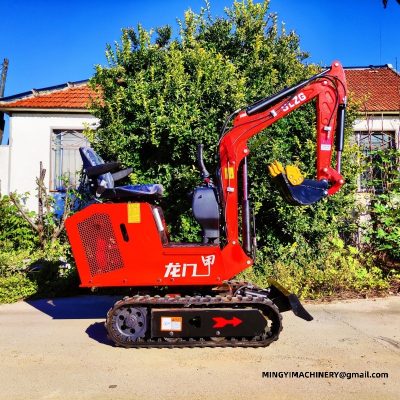
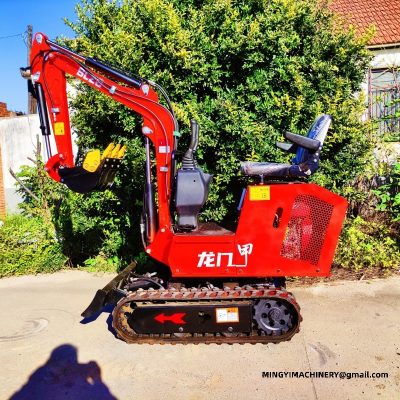
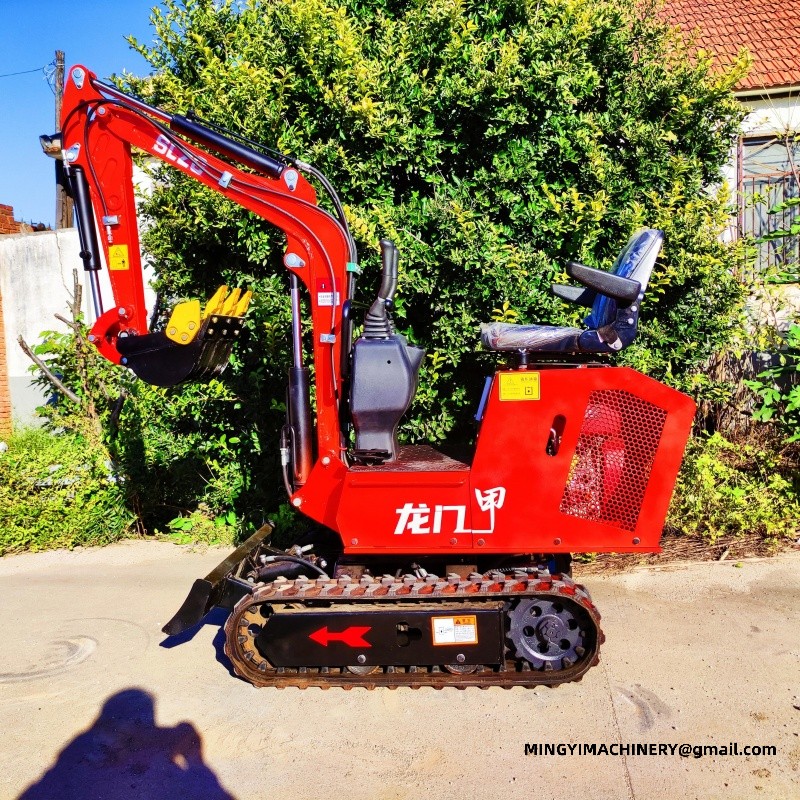
Kerb and gutter renewal is precision digging at the edge of the road. The trench is shallow and narrow, the alignment follows the road for hundreds of metres, and one wrong swing can take out a section of fresh edging that was poured the day before. This page looks at how a MINGYI mini excavator is specified for that specific line of work.
Machines in the 1 to 3.5 tonnes class are the usual choice here, light enough to work on the shoulder without rutting it, yet firm enough to cut a clean gutter line through compacted base material. Built to order, each unit can be prepared around the kerbing jobs your crew runs week to week.
Digging a clean kerb line
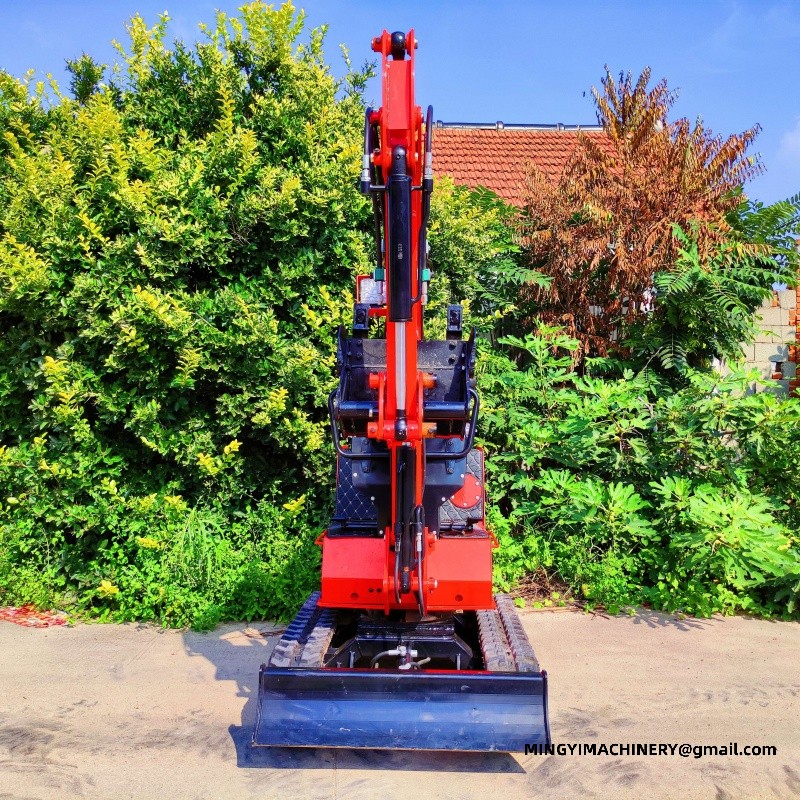
The digging bucket does most of the work, trimming the gutter channel to grade and lifting the old kerb units out in one piece where possible. A tilting bucket helps where the channel needs a shaped profile, since the operator adjusts the cutting angle instead of repositioning the whole machine for every pass.
Where old kerbs sit on mass concrete, a small breaker hammer breaks the bedding out quickly, and a thumb bucket keeps the broken pieces sorted from material that can be reused as hard core. The aim is a tidy trench that the paving gang can follow directly.
Specifying the machine for edge work
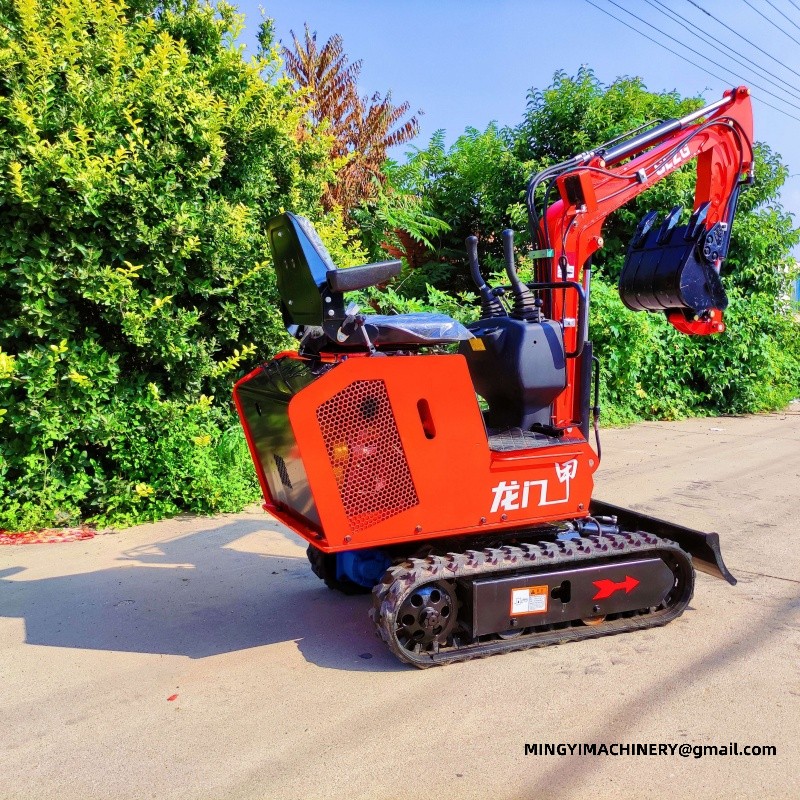
Working at the kerb means the machine constantly digs offset to its tracks, which is exactly what a swing boom is for. It lets the operator keep the tracks on the road surface while the arm reaches over the gutter line, reducing repositioning and the risk of damaging the shoulder.
Rubber tracks are the sensible choice on finished surfaces, and a retractable undercarriage helps where the machine must pass between bollards or cross a narrow bridge parapet. Confirm the bucket widths you need for standard gutter sizes when the specification is drawn up.
Set out the kerb and gutter sections your crews install most often, and the machine will be configured around them. Mingyi Machinery supplies the unit with spare parts and service information so it can be maintained between contracts without special support.
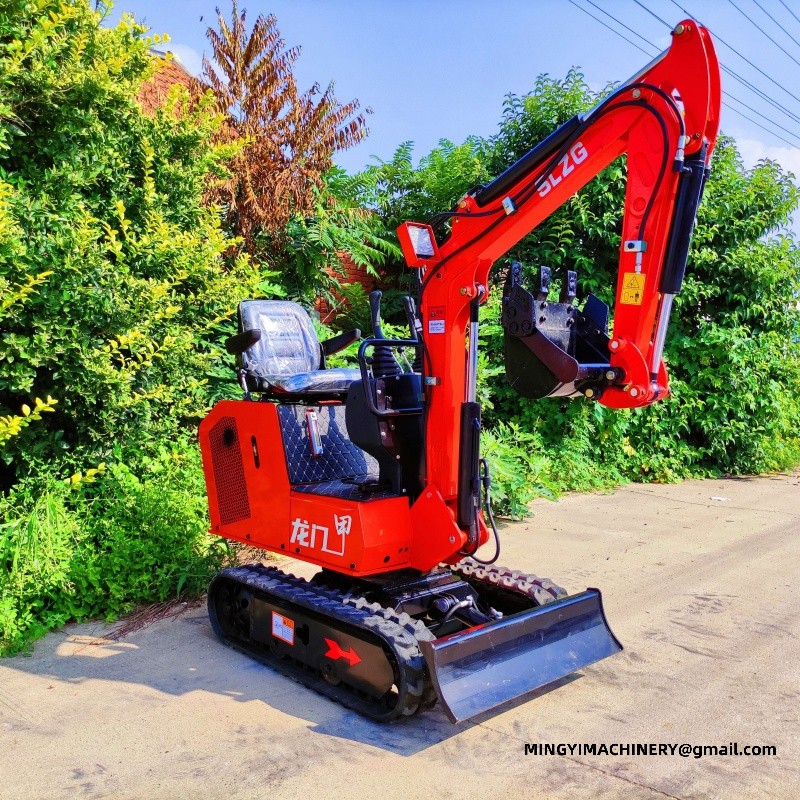
Working a mini excavator for kerb and gutter work through the seasons Seasonal planning smooths the workload. Machines that are busy for a few months and idle for the rest benefit from a service slot in the quiet period, and the excavator prepared in the off-season starts the busy months reliably. Heat and dust are as limiting as rain. Air intake condition and cooling cleanliness decide how this class of machine behaves in a dry season, and both are checked in a minute rather than repaired later. Noise, dust and working near occupied buildings Work near housing or occupied premises brings constraints that open sites do not. Start times, exhaust condition and how often the unit in daily use needs to reverse are the practical limits that neighbours notice. Dust control is often part of the same conversation. Water, timing and work sequence reduce what leaves the site, and agreeing them in advance keeps a machine of this size working rather than stopped after a complaint. Working on slopes and uneven ground with mini excavator for kerb and gutter work Slope work is a stability question before it is a traction question. Knowing the gradient the equipment on site is rated for, and working across rather than straight up where the ground allows, removes most of the risk. Ground that looks level often is not. The machine itself crossing a filled trench, a soft edge or a hidden void behaves differently from one on undisturbed ground, and those are the places worth walking before driving. OEM and fleet customisation of mini excavator for kerb and gutter work Distributors and rental fleets usually need the machine to look like theirs. Paint, decals, seat colour and attachment branding can be specified on the model in question at build time rather than applied after import. Documentation can be prepared to suit the importer. Manuals, parts books and decal sets for the machine in that duty can be supplied with the buyer's own branding where the order size justifies it. Acceptance checks when a mini excavator for kerb and gutter work arrives A function check before the machine goes to work is worth the hour. Running through the controls, the travel and the attachment circuit on the unit on the job confirms it is set up as specified and ready for the site. Documentation should arrive with the machine. Parts list, service schedule and any certificates for a machine built for the work are what the workshop needs later, and they are much easier to obtain at delivery than in month six. Attachments that turn mini excavator for kerb and gutter work into several machines The base machine is a carrier; the tool on the end of the arm decides the task. The equipment in service fitted with a toothed bucket digs, and the same machine with a breaker, an auger or a grab does work that would otherwise need a second unit on site. Attachment lists are best written before delivery. Specifying the excavator with the tools the job list needs avoids the work and delay of adding hydraulics later, and a quick coupler makes the swap a few minutes instead of a workshop job. Municipal and public works with this class of machine Municipal crews work on streets, footpaths and parks where the public is present. The unit in daily use is specified because it occupies little space, works inside a small exclusion zone and can be moved on a standard trailer. Drainage repair, tree planting, footway reconstruction and cemetery work are all within the range of a machine of this size. The jobs are small individually and continuous across the year. Boom configuration for the equipment on site Extended and offset boom configurations change reach and working range. The machine itself with a longer arm reaches further but lifts less at full extension, so the specification is set against the deepest and furthest point on the job list. Detachable boom sections are used where transport length matters. The model in question that has to travel on a standard trailer can be built so the arm comes off for the road and goes back on at the site. Quick coupler practice on the machine in that duty A quick coupler is the single option that changes how a machine is used day to day. Fitted to the unit on the job, it turns an attachment change from a two-person workshop job into a task the operator does alone in minutes. Couplers are specified early because they affect the arm and the hydraulic kit. Adding one to a machine built for the work after delivery means new pins, new hoses and a fitment session; adding it at build time is a line on the sheet. Landscaping and ground care with the equipment in service Landscape contractors use the excavator for planting holes, pond excavation, grading and retaining work. The machine is light enough to cross finished lawn and narrow enough to work between established trees. On soft landscape work the surface is the constraint. This class of machine on rubber tracks crosses turf without stripping it, which is why the same jobs are not given to a wheeled machine. Specification data for the unit in daily use Buyers comparing a machine of this size usually start from four numbers - weight, digging depth, reach and transport width - because those are the ones that decide whether the machine can be delivered and whether it can do the job once it is there. Figures are factory figures and are confirmed on the build sheet for the equipment on site. Where a job sits between two models, the larger machine usually takes less time than the smaller one spends on rework. The choice follows the hours. Work that fills a few weeks a year is usually better hired, while the machine itself that would be on site most weeks starts to justify ownership once the transport and booking time is counted. Availability is part of the decision. Owning the model in question means it is there on the day the ground is ready; hiring means competing for the same machine at the same time as everyone else in the season.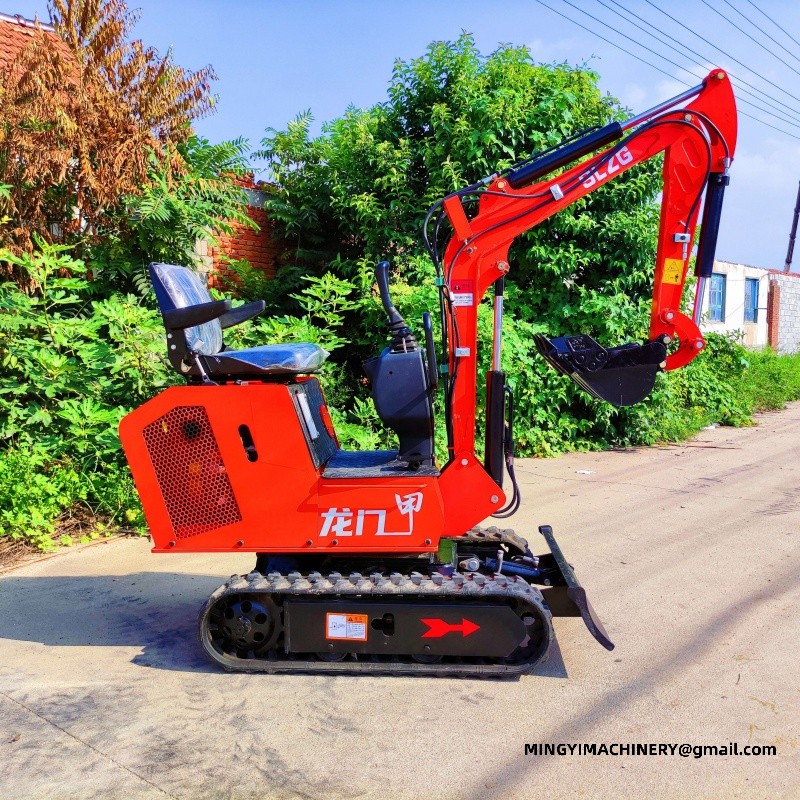
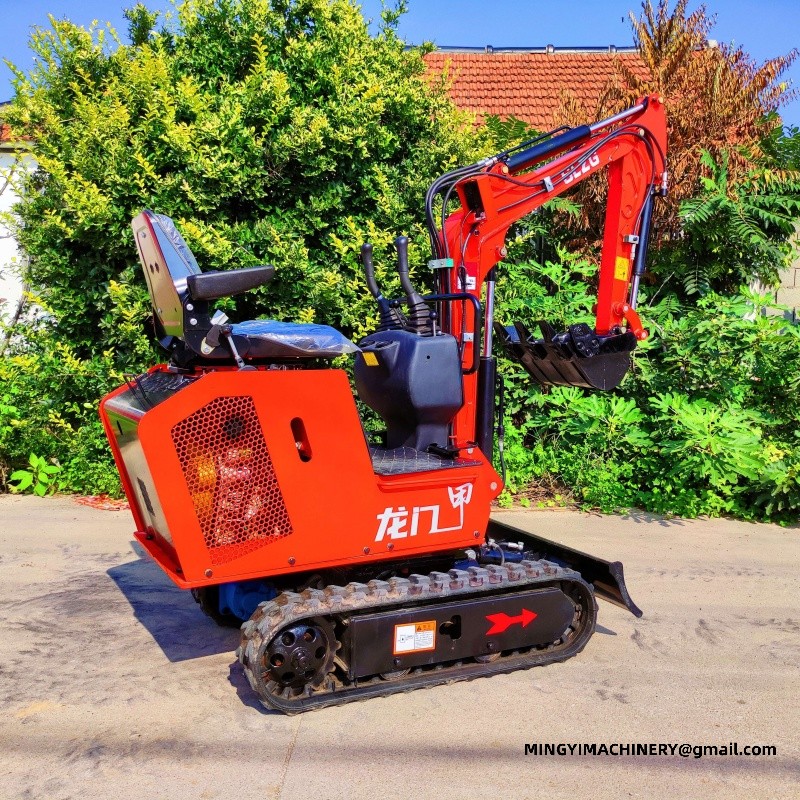
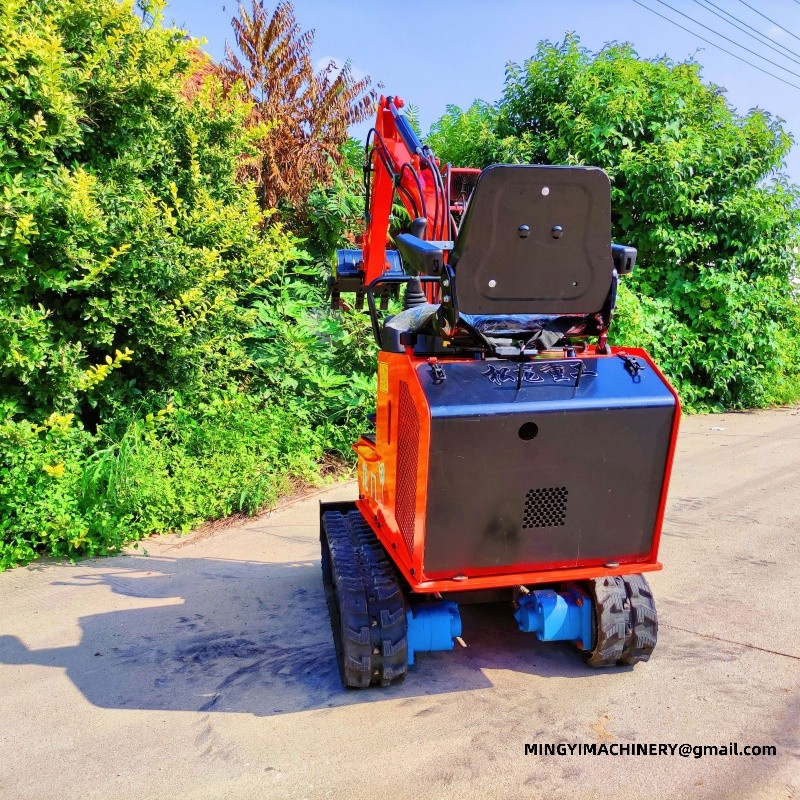
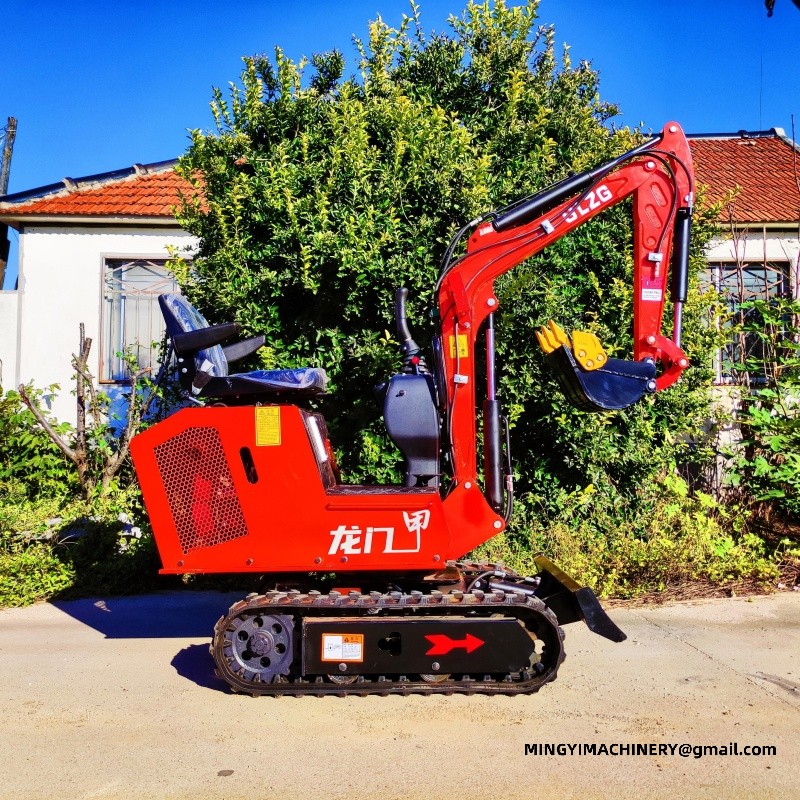
Reference specification — mini excavator range 09W 20-1W 20-1WL 30-2L Operating weight 1100 kg (2425.08 lb) 1800 kg (3968.32 lb) 1900 kg (4188.78 lb) 2400 kg (5291 lb) Transport size (L×W×H) 1800 × 750 × 1970 mm 2550 × 1100 × 2200 mm 2550 × 1100 × 2200 mm 2800 × 1500 × 2500 mm Max digging depth 1250 mm (49.21 in) 1800 mm (70.87 in) 1800 mm (70.87 in) 2200 mm (86.61 in) Max digging height 2800 mm (110.24 in) 2820 mm (111.02 in) 2820 mm (111.02 in) 2900 mm (114.17 in) Max dumping height 1700 mm (66.93 in) 2050 mm (80.71 in) 2050 mm (80.71 in) 2100 mm (82.68 in) Max digging radius 2570 mm (101.18 in) 3050 mm (120.08 in) 3050 mm (120.08 in) 3330 mm (131.1 in) Max digging distance 1869 mm (73.58 in) 2300 mm (90.55 in) 2300 mm (90.55 in) 2700 mm (106.3 in) Minimum turning radius 1000 mm (39.37 in) 1450 mm (57.09 in) 1450 mm (57.09 in) 1555 mm (61.22 in) Travel speed 3 km/h (1.86 mph) 5 km/h (3.11 mph) 5 km/h (3.11 mph) 7 km/h (4.35 mph) Gradeability 30° 30° 30° 30° Fuel consumption 1-1.3 L/h (0.264—0.343 gal) 2-3 L/h (0.528—0.793 gal) 2-3 L/h (0.528—0.793 gal) 2-3 L/h (0.528—0.793 gal) Fuel tank capacity 8 L (2.11 gal) 16 L (4.23 gal) 16 L (4.23 gal) 16 L (4.23 gal) Hydraulic oil tank 16 L (4.23 gal) 18 L (4.76 gal) 18 L (4.76 gal) 18 L (4.76 gal) Dozer blade lift height 180 mm (7.09 in) 180 mm (7.09 in) 180 mm (7.09 in) 230 mm (9.06 in) Dozer blade drop depth 210 mm (8.27 in) 210 mm (8.27 in) 210 mm (8.27 in) 280 mm (11.02 in)
Q. What is the machine in that duty?
A. Roadside and municipal jobs are small in size and large in number: kerbs, gutters, retaining walls, reinstatement after utility work. The quick coupler and a planned trailer keep the crew self-sufficient, with no traffic management beyond cones. Read the unit on the job together with the engine, track and attachment pages: jobs around kerb and gutter work are decided by how those choices line up, not by any single number on the sheet.
Q. Can it handle foundations and retaining walls?
A. Footing trenches, drainage behind the wall and placement of blocks are all compact-class work; read the page with the attachment list and the build covers the job end to end.
Q. What support follows the sale?
A. Spare-part kits, wear items and service documentation ship with the programme, and the parts team works from the serial plate to match components exactly. Warranty and support terms for the kerb and gutter work order are confirmed in writing before the machine leaves.
Moving a machine built for the work between sites
Securing the load is not optional. Lashing the equipment in service at the points intended for it, checking the tension before the vehicle moves and rechecking after the first kilometres is standard practice rather than extra care.
Wear items and spares worth holding for the excavator
Wear items are predictable once the machine has settled in. After the first service interval the pattern on this class of machine is visible, and the parts that were replaced become the parts that are kept.
E-mail : sales@mingycn.com
LINE ( ID ): mingyicn
Nameplate, serial number and documents for mini excavator for kerb and gutter work
The serial plate is how the right parts book, the right manual and the right service bulletin are found, and it is worth photographing on delivery.
Engine, pump and axle numbers are recorded separately, because a machine can carry a different build of each within one model year.
Keeping the documents with the machine sounds obvious and is often ignored, while a folder in the cab survives changes of operator and of site.
Related pages
mini excavator for tight access sites · mini excavator track options · Wheel Loader for Mining: Radiator Cores and Hub Reduction Axles · Mini Excavators









