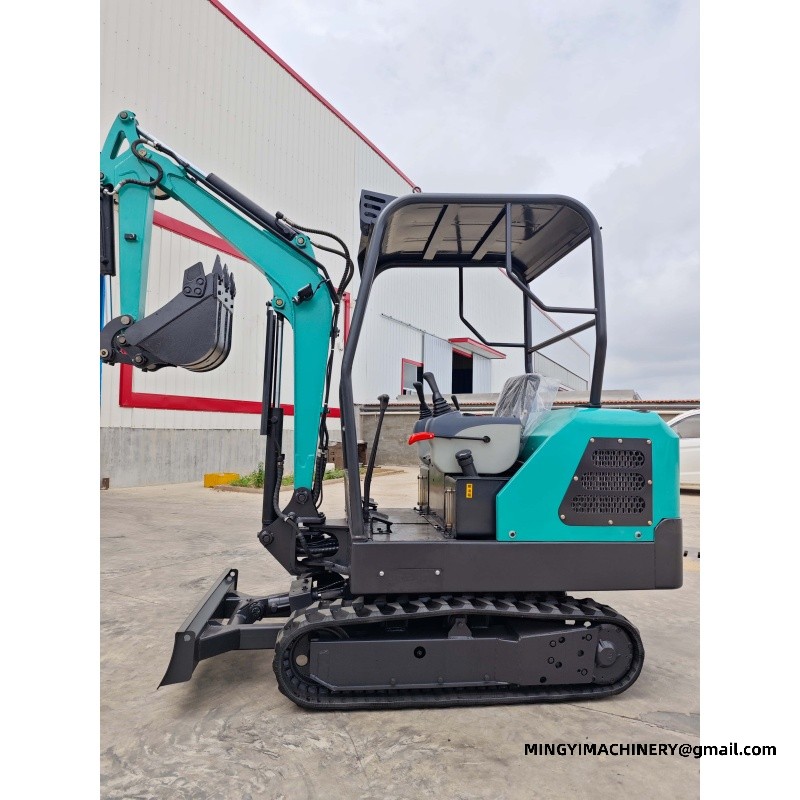
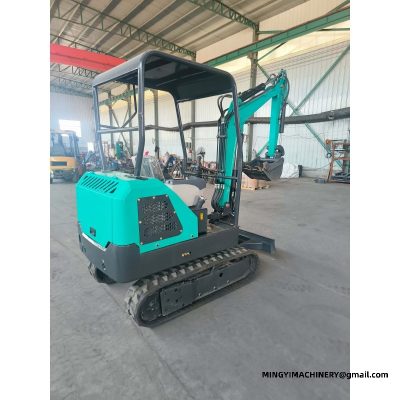
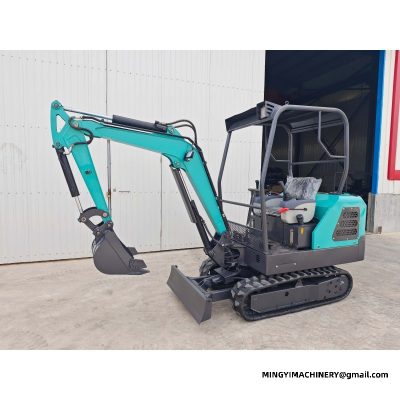
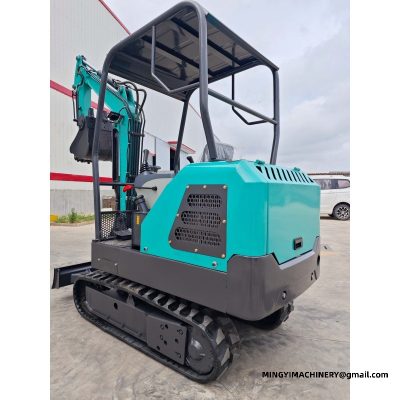
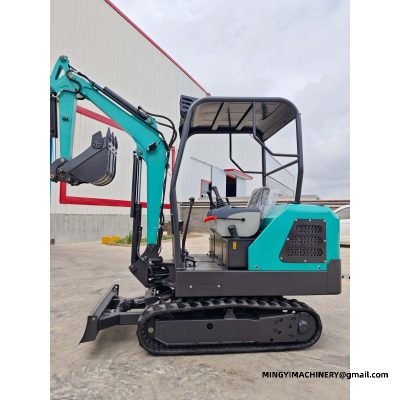
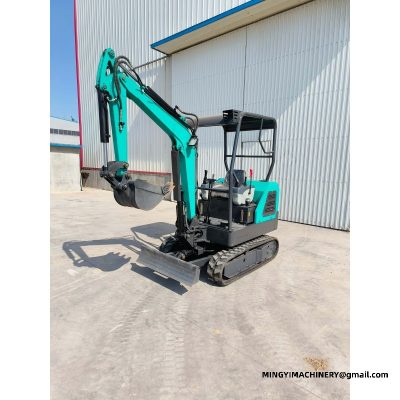
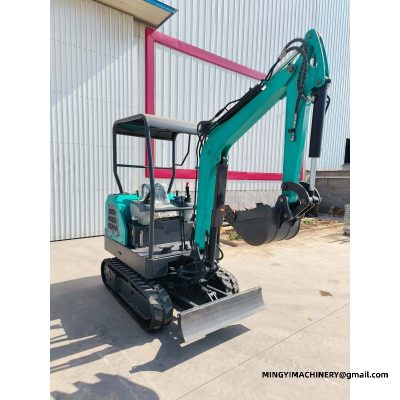
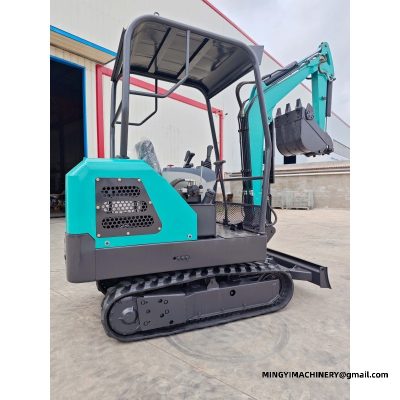
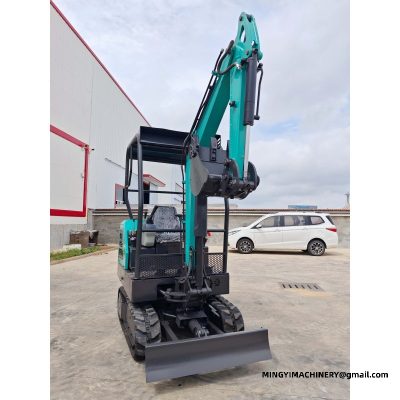
The upper end of the compact class is where a mini excavator starts to do work that would otherwise need a larger machine. Between about 1 and 3.5 tonnes the machine still travels easily, but it has the reach and stability to load out as well as dig.
MINGYI builds compact crawler excavators across the 0.8 to 6 tonnes class, with models in this heavier part of the range assembled to order. Engine option, track type and the attachment package are settled before the unit is built.
Duties in the 3.5 tonne class
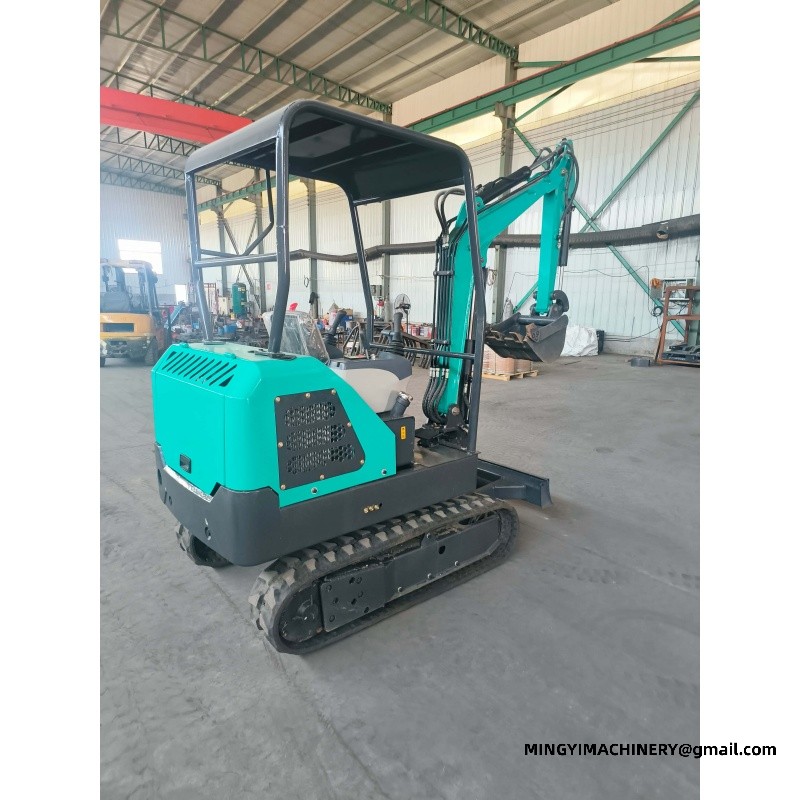
Machines at this size handle foundation trenches, drainage runs, basement work, breaking and general site clearance without constant repositioning. They are also able to load spoil directly into a small truck, which removes a separate handling stage.
Stability is the reason. A wider, longer undercarriage carries a loaded attachment at greater reach, so the operator can work a trench from the bank instead of standing beside it.
Transport, attachments and working limits
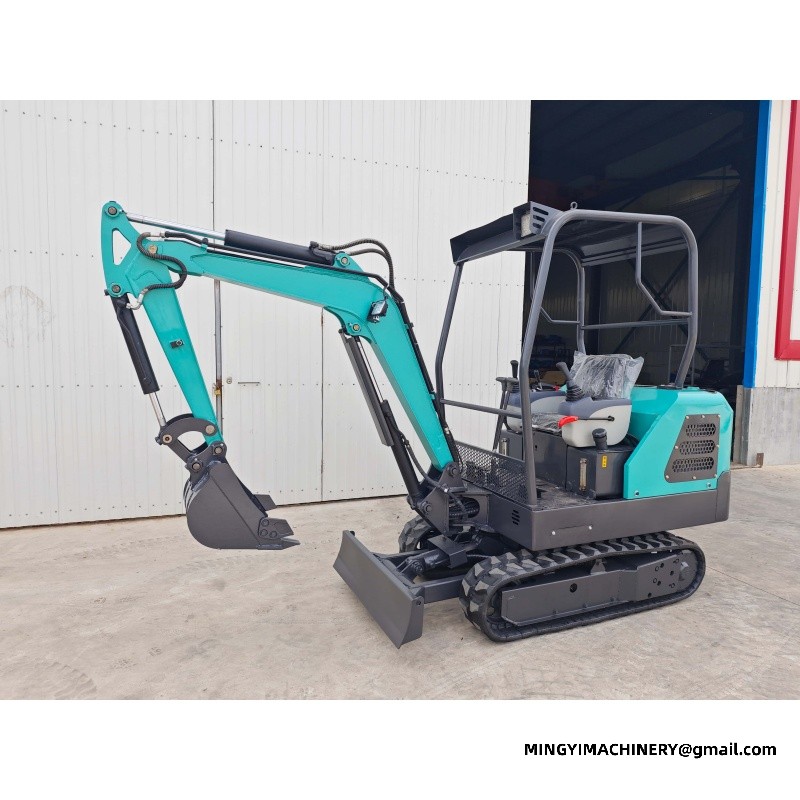
At the top of the compact class the machine still tows or travels on a small trailer, which keeps it usable across multiple sites. Track type is chosen around that movement as well as the ground on site: rubber for finished surfaces, steel with rubber blocks for soft ground.
Attachment size rises with the carrier. A heavier breaker hammer, a larger auger and a full-size grading bucket become realistic, and the capacity of the hydraulic circuit is confirmed at the ordering stage rather than assumed.
A machine at the top of the compact class is chosen when the digging is real work but the site is still restricted. Sized correctly and ordered with attachments matched to that tonnage, it covers ground that neither a small unit nor a full-size excavator handles well.
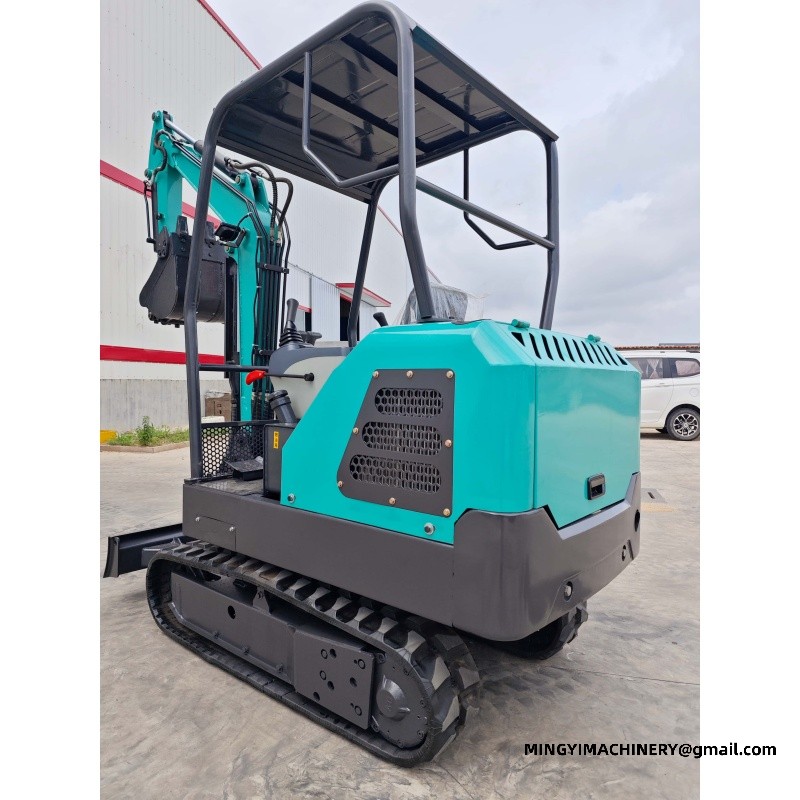
Track choice for 3.5 tonne mini excavator Undercarriage selection is a ground question, not a preference question. The excavator running on finished paving needs rubber; the same machine on demolition rubble or rock wears rubber quickly, so steel with rubber blocks becomes the better answer over a full season. Track type changes what the machine can cross and what it leaves behind. Buyers specify rubber for lawns, driveways and municipal work, and steel with rubber blocks for sites where sharp material would cut a rubber belt in a week. Trailering and moving 3.5 tonne mini excavator Loading practice matters as much as the numbers. This class of machine is driven up ramps under its own power with the boom lowered and the tracks aligned, and secured at the points the manufacturer specifies. Detachable components reduce transport length. The unit in daily use built with a removable arm section or a folding step fits a shorter trailer and may avoid an oversize movement permit. OEM and fleet customisation of 3.5 tonne mini excavator Distributors and rental fleets usually need the machine to look like theirs. Paint, decals, seat colour and attachment branding can be specified on a machine of this size at build time rather than applied after import. Customisation also covers the specification sheet. A fleet buyer may want every equipment on site delivered with the same coupler, the same engine and the same tool kit so training and parts stock stay simple. Parts, service and support for 3.5 tonne mini excavator Support after delivery is a parts question. Wearing items for the machine itself - filters, belts, track components, bucket teeth and pins - are the items a buyer should plan to hold before the first service interval. Remote support is handled by video. The model in question fault can often be diagnosed on a walk-around call with the panel open, which is faster than waiting for a visit and avoids shipping a part that is not needed. Working near live services with 3.5 tonne mini excavator The risk on utility work is not machine power but machine placement. The machine in that duty that fits the working width leaves the surrounding ground undisturbed, which keeps the trench stable and the reinstatement small. Utility crews specify the unit on the job with a narrow bucket and good visibility for exactly this reason: the machine has to stop at the service, not at the edge of the operator's view. Daily checks and maintenance on 3.5 tonne mini excavator Track tension is the item most often neglected. A machine built for the work run with slack tracks wears the undercarriage and can throw a track on a turn; run too tight, the same components wear from the other direction. Greasing is the second item. The slew ring, the boom and arm pins and the bucket linkage on the equipment in service take grease daily in dusty work, and the intervals shorten further when the machine is used in water or mud. Canopy or enclosed cab on the excavator A canopy keeps the machine light and the operator aware of the surroundings, which suits short jobs in warm weather. A fully enclosed cab is specified where rain, dust or cold are part of the working year, and it can be added to this class of machine as a retrofit rather than only at build time. The cab decision follows the climate and the hours. Operators working a full shift in the unit in daily use benefit from a sealed cab with wipers and heating; operators stepping on and off every few minutes usually prefer the canopy for the visibility and the quick exit. Working a machine of this size in confined spaces Confined sites are decided by dimensions. Overall width, tail swing and the space needed to work the arm are what let the equipment on site operate inside a building, between walls or in a courtyard. Clearance above matters as much as around. Door heights, pipework and overhead services set the limit for the machine itself indoors, and measuring them first avoids a machine that arrives and cannot be used. Lifting and material handling with the model in question Stability changes with reach. A load the machine in that duty handles close in becomes a different proposition at full extension, so the working radius belongs in the plan before the lift rather than during it. Ground condition under the machine is part of every lift. Soft or uneven support is the common factor in handling incidents, and checking it takes less time than recovering the unit on the job that has settled. Interior and light demolition with a machine built for the work Interior demolition is an access and a weight question. The equipment in service that fits through a doorway and works on a suspended floor does jobs that would otherwise be done by hand or by a larger machine that cannot enter. Breaking out a floor slab, a wall footing or a concrete step is routine work for the excavator with a breaker. The machine is small enough to work inside and heavy enough to run the tool at a practical rate. Hydraulic circuits on this class of machine Auxiliary hydraulic lines are what let a machine drive a tool rather than only a bucket. The unit in daily use specified with the right circuits and flow runs a breaker or an auger without an add-on power pack bolted to the frame. Flow and pressure are matched to the tool, not to the machine size. Asking for the attachment list first means a machine of this size leaves the factory with circuits that suit the heaviest tool the buyer intends to run. Specification data for the equipment on site Where the machine itself is being specified for a job list, the table below gives the factory figures that matter most: what the machine weighs, how deep and how far it works, and what it measures on a trailer. Every value shown is as built for the model in question; options such as cab, side swing or a telescopic undercarriage change the transport dimensions and are confirmed at order stage. Road repair generates short, interrupted jobs - a patch, a drainage connection, a kerb line. The machine in that duty is economical here because it travels on a small trailer and starts working minutes after arriving. Breaking out a failed slab and backfilling the same hole in one visit is normal work for the unit on the job. The breaker and the bucket come off the same coupler, so the road is reopened the same day.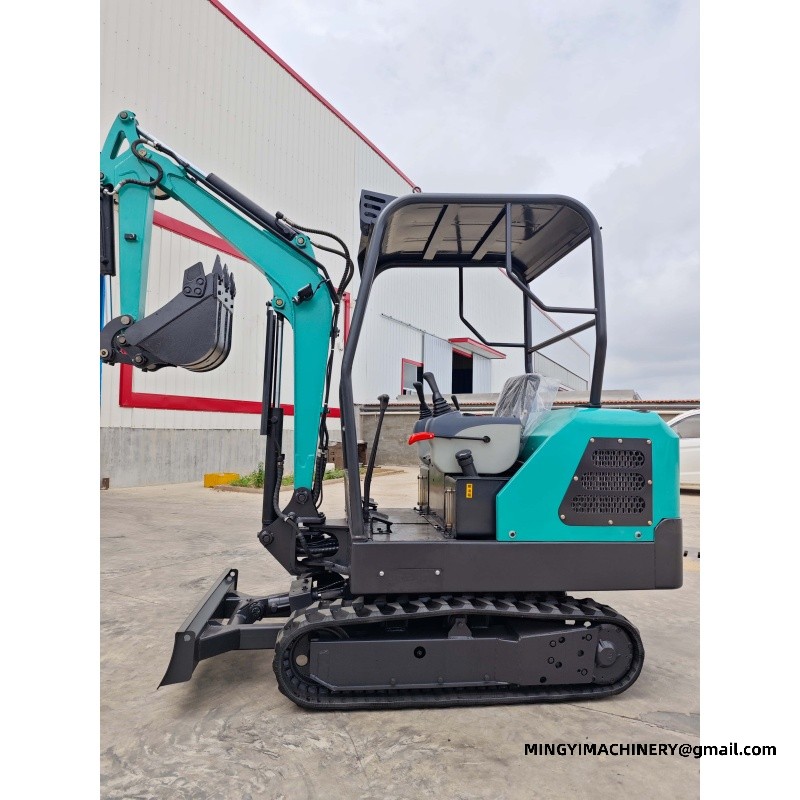
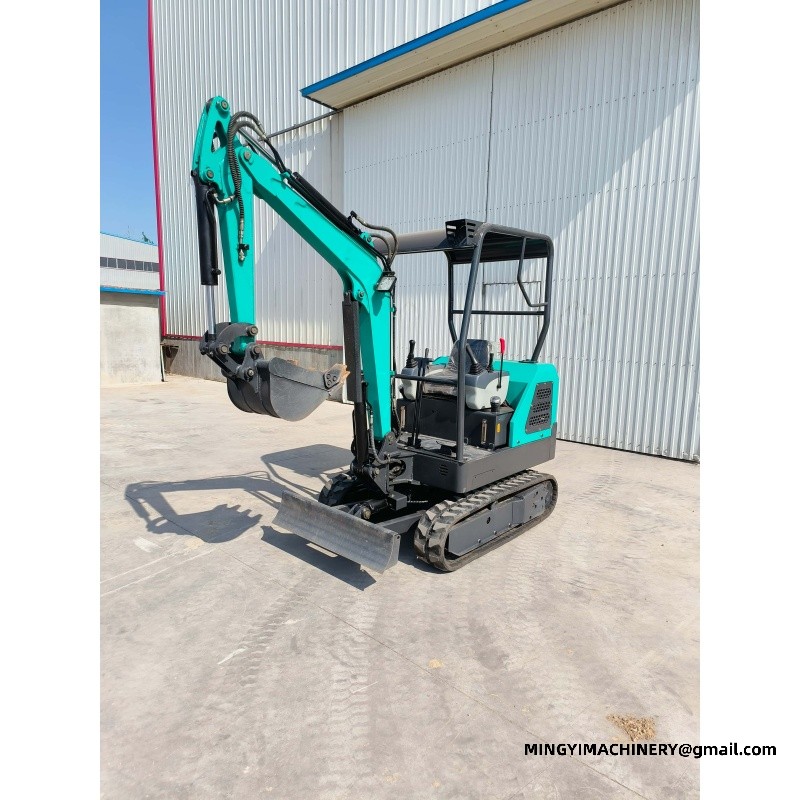
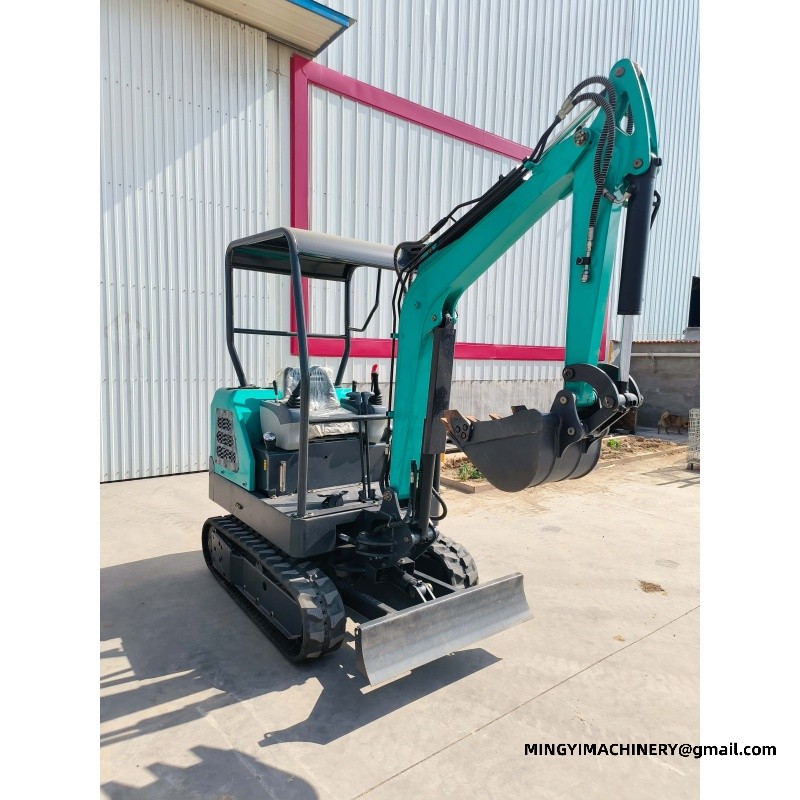
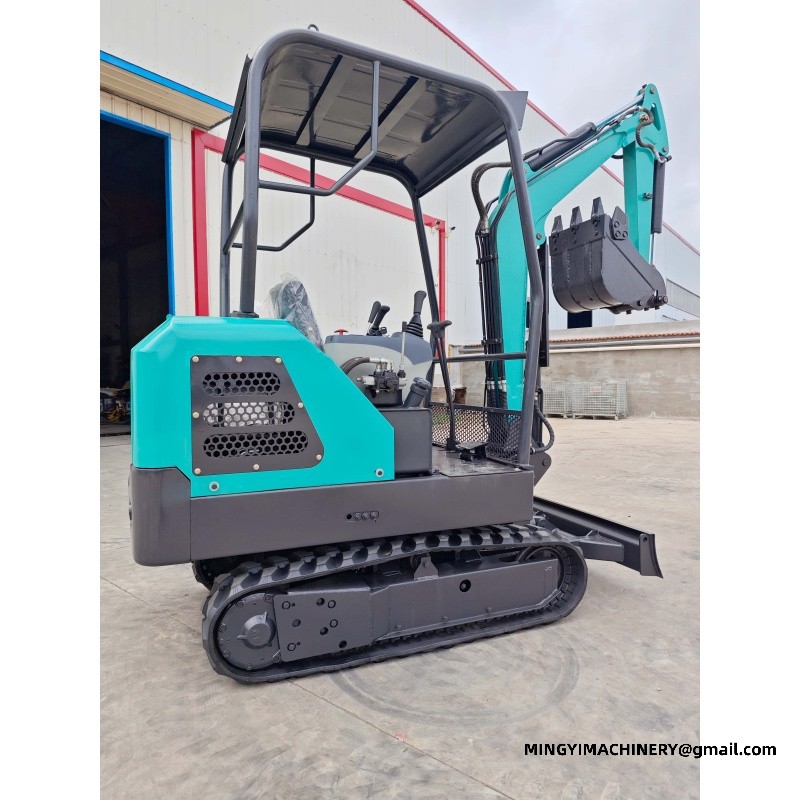
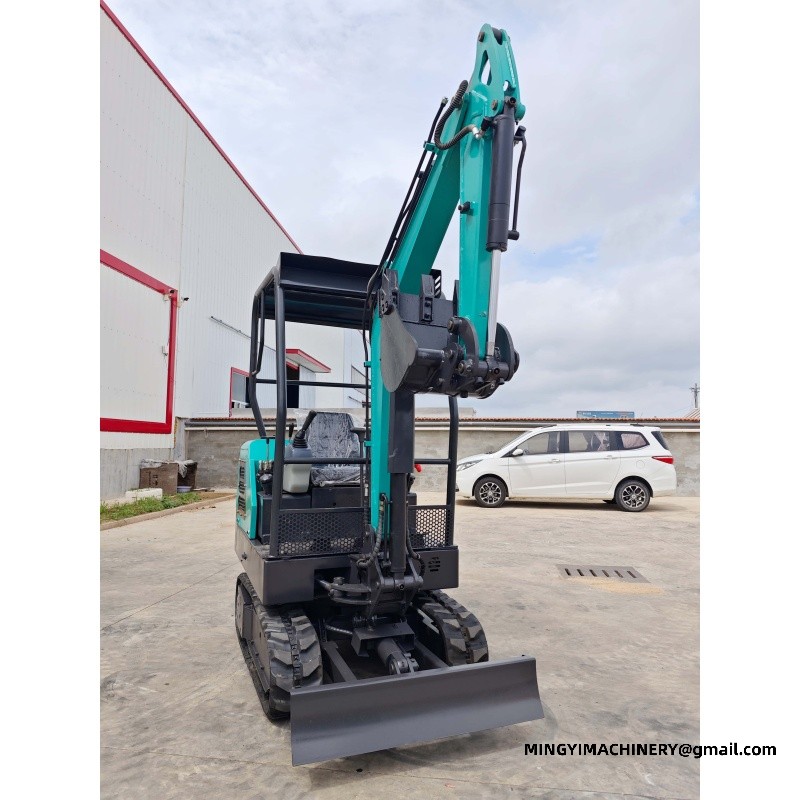
Reference specification — mini excavator range 15W 20-1W 15L 30-2L Operating weight 1400 kg (3086.47 lb) 1800 kg (3968.32 lb) 1400 kg (3086.47 lb) 2400 kg (5291 lb) Transport size (L×W×H) 2200 × 930 × 2250 mm 2550 × 1100 × 2200 mm 2200 × 930 × 2250 mm 2800 × 1500 × 2500 mm Max digging depth 1630 mm (64.17 in) 1800 mm (70.87 in) 1700 mm (66.93 in) 2200 mm (86.61 in) Max digging height 2750 mm (108.27 in) 2820 mm (111.02 in) 2750 mm (108.27 in) 2900 mm (114.17 in) Max dumping height 1960 mm (77.17 in) 2050 mm (80.71 in) 1960 mm (77.17 in) 2100 mm (82.68 in) Max digging radius 2900 mm (114.17 in) 3050 mm (120.08 in) 2900 mm (114.17 in) 3330 mm (131.1 in) Max digging distance 2100 mm (82.68 in) 2300 mm (90.55 in) 2300 mm (90.55 in) 2700 mm (106.3 in) Minimum turning radius 1300 mm (51.18 in) 1450 mm (57.09 in) 1450 mm (57.09 in) 1555 mm (61.22 in) Travel speed 3 km/h (1.86 mph) 5 km/h (3.11 mph) 3 km/h (1.86 mph) 7 km/h (4.35 mph) Gradeability 30° 30° 30° 30° Fuel consumption 1-1.3 L/h (0.264—0.343 gal) 2-3 L/h (0.528—0.793 gal) 1-1.3 L/h (0.264—0.343 gal) 2-3 L/h (0.528—0.793 gal) Fuel tank capacity 10 L (2.64 gal) 16 L (4.23 gal) 10 L (2.64 gal) 16 L (4.23 gal) Hydraulic oil tank 16 L (4.23 gal) 18 L (4.76 gal) 16 L (4.23 gal) 18 L (4.76 gal) Dozer blade lift height 180 mm (7.09 in) 180 mm (7.09 in) 180 mm (7.09 in) 230 mm (9.06 in) Dozer blade drop depth 210 mm (8.27 in) 210 mm (8.27 in) 210 mm (8.27 in) 280 mm (11.02 in)
Q. Who chooses a machine built for the work?
A. Inside the 0.8 to 6 tonne class MINGYI builds as the 08, 12 and 18 models lives most of the site, farm and rental work in the world. A machine that passes the narrowest gap on the job list and still swings the bucket the trench needs is the right size - nothing more complicated than that. MINGYI builds the 08, 12 and 18 models covering the 0.8 to 6 tonne class, and the equipment in service is where that range meets 3.5 tonne class.
Q. What changes between the size classes?
A. Reach, lift and stability grow with the class; doorways and trailer weight limits close. The smallest classes trade reach for access, the largest trade access for full-size work rates, and tracks, cabs and attachments stay common across the range.
Q. Which models does MINGYI build?
A. The 08, 12 and 18 models cover the 0.8 to 6 tonne class with engine, track, cab and attachment options across the range - dealer programmes can mix models in one shipment, and each 3.5 tonne class machine is confirmed on its own build sheet.
Fuel, oil and fluid quality for the excavator
The specification for oil is written for a reason. Using the grade and the change interval set for this class of machine keeps the engine and the hydraulic system inside the range they were designed for.
A second operator for the unit in daily use
A machine that only one person can use is a single point of failure. Training a second operator on a machine of this size takes a day and removes the dependency that otherwise governs holidays, illness and busy weeks.
Handover and getting familiar with the equipment on site
Operators who come from a different machine need a short conversion. The controls on the machine itself follow the usual pattern, but the response, the sightlines and the stopping distance are learned by doing rather than by reading.
E-mail : sales@mingycn.com
LINE ( ID ): mingyicn
Related pages
mid size mini crawler excavator · mini excavator for pile and auger work · Wheel Loader Manufacturer China: Range, Builds and Export Terms · Mini Excavators









