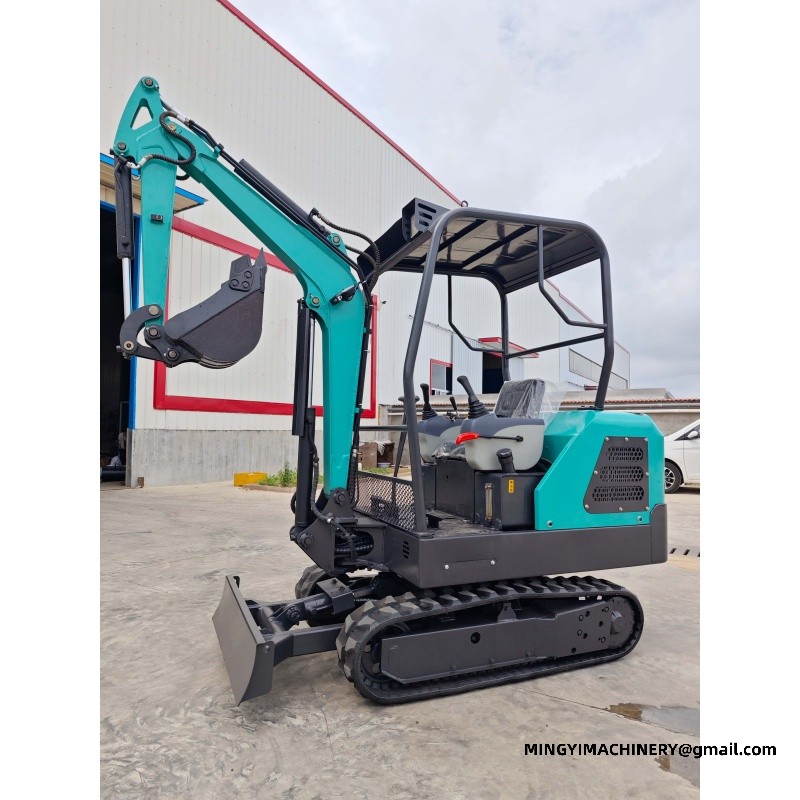
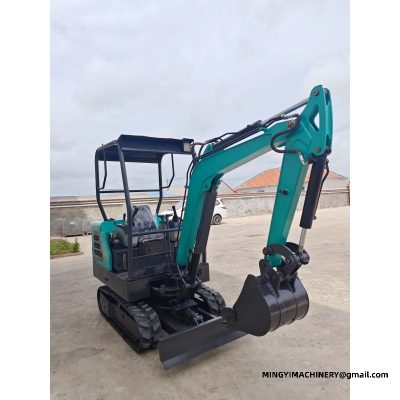
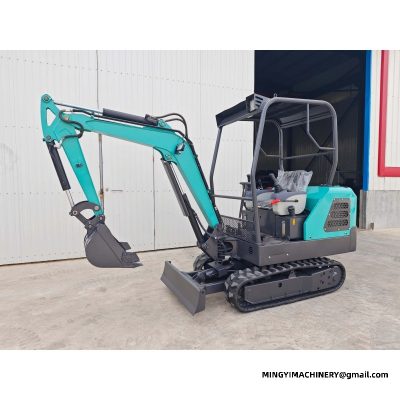
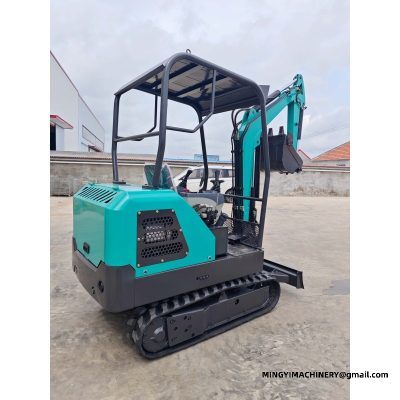
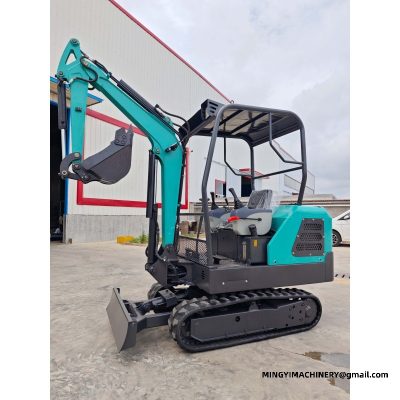
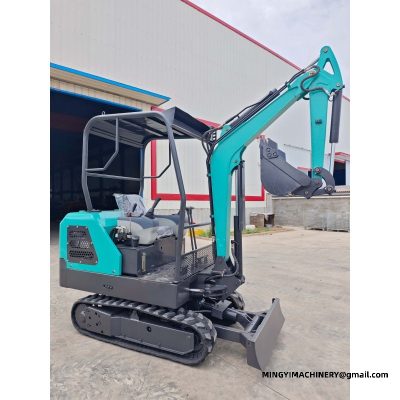
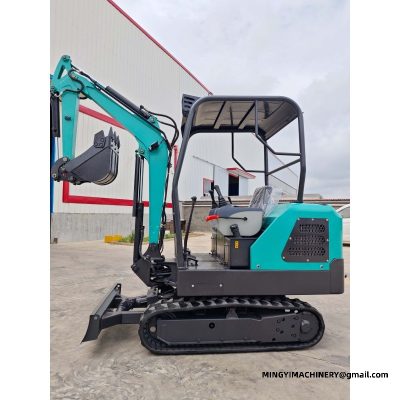
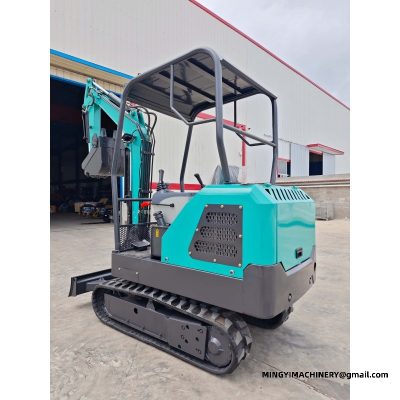
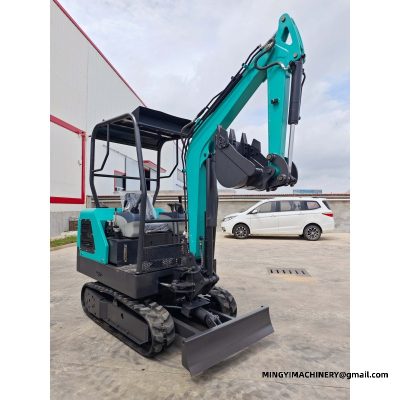
Drilling for piles, posts and ground anchors calls for rotation rather than digging, and the carrier has to hold the auger steady while it cuts. Verticality at the start of the hole decides the accuracy of everything that follows.
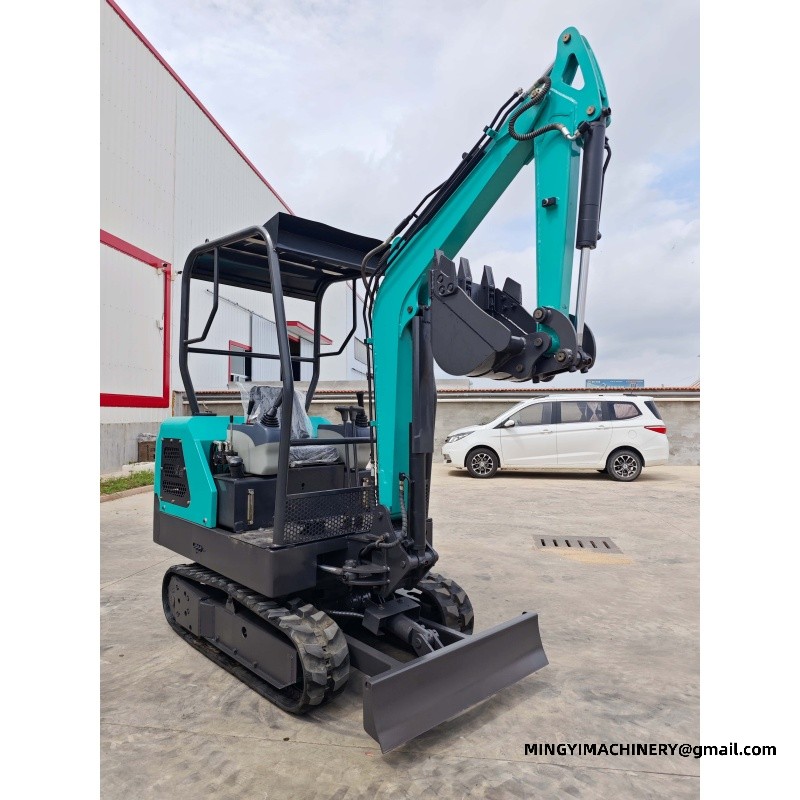
A compact crawler excavator fitted with an auger covers this duty on sites where a dedicated piling rig will not fit. MINGYI builds these machines to order, so the hydraulic flow and mounting bracket required by the auger are settled before assembly.
Auger drilling for piles and post holes
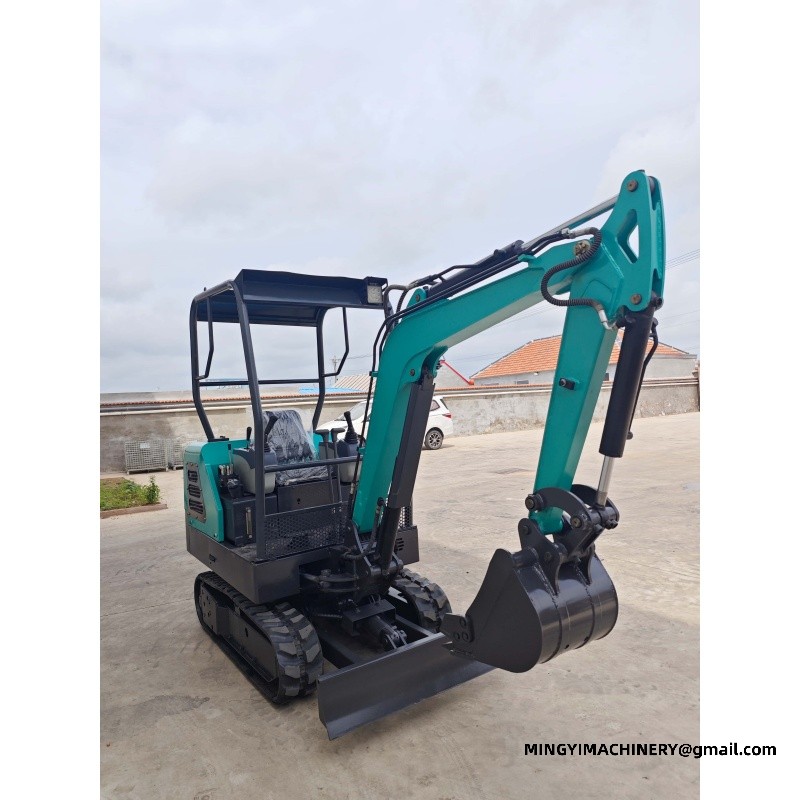
The operator sets the mast or auger vertically, drills in short passes and clears the flights before continuing deeper. Steady down-pressure matters more than rotation speed, because a wandering auger produces a hole that needs re-cutting.
A machine with an offset boom can place the auger close to a wall or boundary while the tracks stay on firm, level ground. That is often the difference between drilling a line of posts and having to break out paving to reach them.
Matching the carrier to the auger and the ground
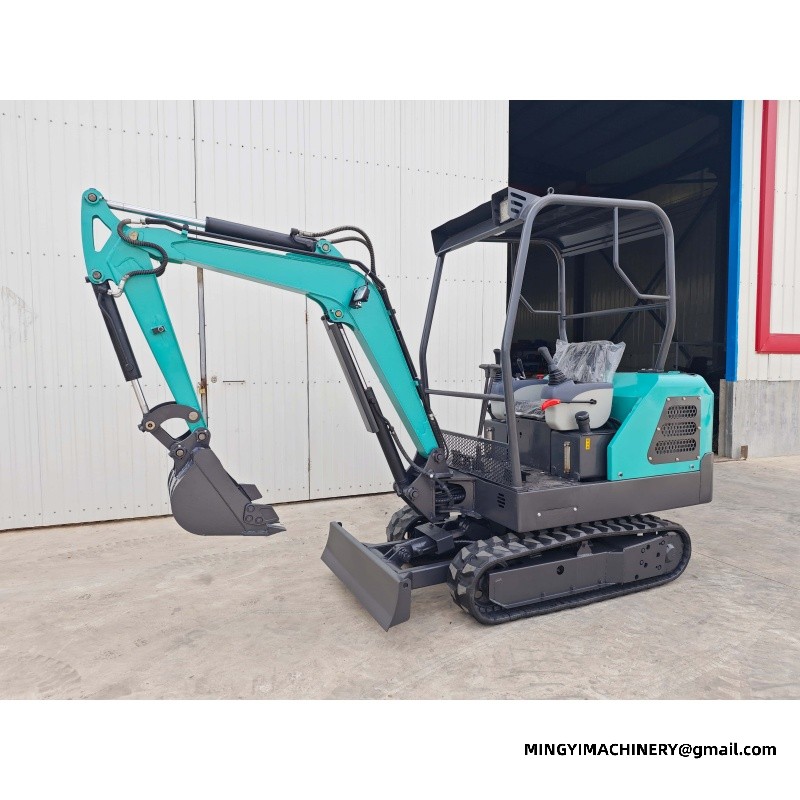
Auger diameter and ground condition set the demand on the hydraulic circuit. In clay the auger needs torque; in sand and gravel it needs to be lifted often so the hole does not collapse, which makes a responsive control valve useful.
A quick coupler lets the auger come off and a digging bucket go on for the next task on the same site. Where rock is expected, a breaker hammer is specified at the same time so the machine is never idle waiting for equipment.
Piling and post drilling succeed on tolerance, not on force. A compact excavator set up with the correct auger and a stable working position will place holes where the setting-out says, in the first attempt.
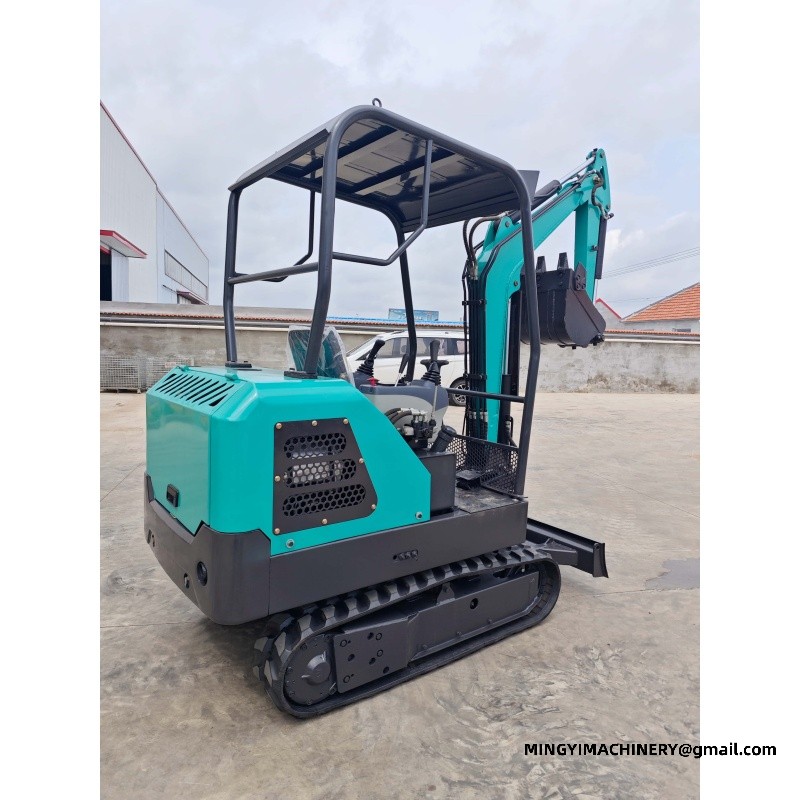
Orchard, vineyard and farm use of mini excavator for pile and auger work Orchard and vineyard work is carried out between rows. The excavator with a narrow chassis and a swing boom works down the row without damaging the trees, which is the reason a full-size machine is not used at all. Farms also use this class of machine for general maintenance - clearing a watercourse, repairing a track, loading a spreader. One carrier with a few attachments covers most of the jobs that would otherwise wait for a contractor. Quick coupler practice on mini excavator for pile and auger work A quick coupler is the single option that changes how a machine is used day to day. Fitted to the unit in daily use, it turns an attachment change from a two-person workshop job into a task the operator does alone in minutes. Couplers are specified early because they affect the arm and the hydraulic kit. Adding one to a machine of this size after delivery means new pins, new hoses and a fitment session; adding it at build time is a line on the sheet. Working on slopes and uneven ground with mini excavator for pile and auger work Slope work is a stability question before it is a traction question. Knowing the gradient the equipment on site is rated for, and working across rather than straight up where the ground allows, removes most of the risk. Ground that looks level often is not. The machine itself crossing a filled trench, a soft edge or a hidden void behaves differently from one on undisturbed ground, and those are the places worth walking before driving. Noise, dust and working near occupied buildings Work near housing or occupied premises brings constraints that open sites do not. Start times, exhaust condition and how often the model in question needs to reverse are the practical limits that neighbours notice. Dust control is often part of the same conversation. Water, timing and work sequence reduce what leaves the site, and agreeing them in advance keeps the machine in that duty working rather than stopped after a complaint. Matching mini excavator for pile and auger work to ground conditions Hard and abrasive ground reverses the specification. On rock, demolition rubble or sharp gravel, steel tracks with rubber blocks on the unit on the job survive conditions that cut a rubber belt quickly. Mixed sites are common and argue for a compromise specification. Most buyers choose rubber for a machine built for the work and accept the wear, unless the majority of the work is on material that will damage it. Engine options behind mini excavator for pile and auger work Power unit selection is settled against the service network the buyer already uses. MINGYI offers Kubota D722, Kubota D902, YANMAR, Changchai, Laidong, Runtong, YARMAX, Youpu 2V80 and Youpu 195, so a fleet running one brand of engine can keep the same filters, the same parts supplier and the same mechanic. Engine choice is also an emissions and documentation question for some markets. Listing the available units with the equipment in service enquiry lets the factory confirm what can be supplied and documented for the destination country. What owners should plan for beyond the excavator The useful comparison is demand per working hour, not demand per machine. This class of machine that works more hours a year spreads its standing takes over more output, which is why utilisation usually matters more than the invoice figure. Downtime is the hidden line item. The unit in daily use waiting on a part earns nothing while it stands, so parts availability and service access belong in the plan as much as fuel does. Running a machine of this size in a rental fleet Rental fleets buy for utilisation, not for a single job. The equipment on site with a quick coupler and a common attachment standard is hired more often because it suits more of the calls that come in. The specification that rents best is usually the simplest one to explain at the counter. The machine itself with rubber tracks, a canopy and a coupler covers the majority of weekend and short-term hires. Trenching work with the model in question Service trenches are the most common reason the machine in that duty is hired. Water, sewage, cable and gas runs are narrow, shallow and often close to existing services, which is exactly the work a full-size machine cannot do safely. Depth control matters more on service work than speed. The unit on the job working beside live services is chosen because it can be placed precisely and stopped instantly, which is what the job actually requires. Operator technique for a machine built for the work The second habit is tool discipline. Running the equipment in service with the right bucket width for the trench means less spoil, less reinstatement and a cleaner job than a wide bucket and a lot of trimming. Stability is the third. The excavator working across the tracks rather than over the corners keeps the machine steady and the undercarriage loaded evenly, which shows up as track life at the end of the season. OEM and fleet customisation of this class of machine Distributors and rental fleets usually need the machine to look like theirs. Paint, decals, seat colour and attachment branding can be specified on the unit in daily use at build time rather than applied after import. Documentation can be prepared to suit the importer. Manuals, parts books and decal sets for a machine of this size can be supplied with the buyer's own branding where the order size justifies it. Specification data for the equipment on site Buyers comparing the machine itself usually start from four numbers - weight, digging depth, reach and transport width - because those are the ones that decide whether the machine can be delivered and whether it can do the job once it is there. Every value shown is as built for the model in question; options such as cab, side swing or a telescopic undercarriage change the transport dimensions and are confirmed at order stage. Lifting with a machine built to dig needs a plan. The load, the radius and the ground under the unit on the job all matter, and the safe figure is the one on the chart rather than the one that looks possible. Stability changes with reach. A load the machine in that duty handles close in becomes a different proposition at full extension, so the working radius belongs in the plan before the lift rather than during it.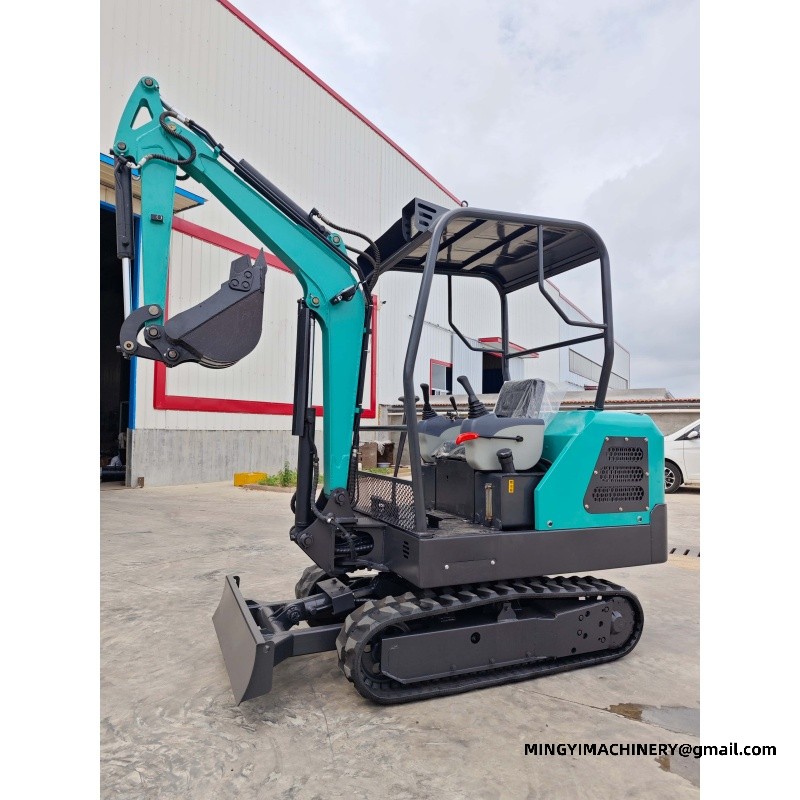
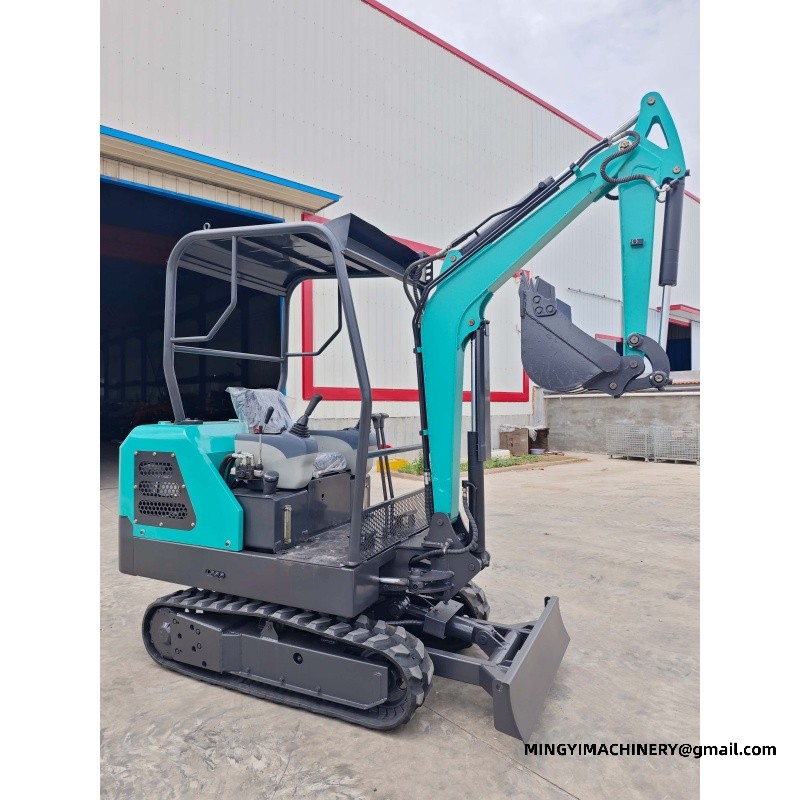
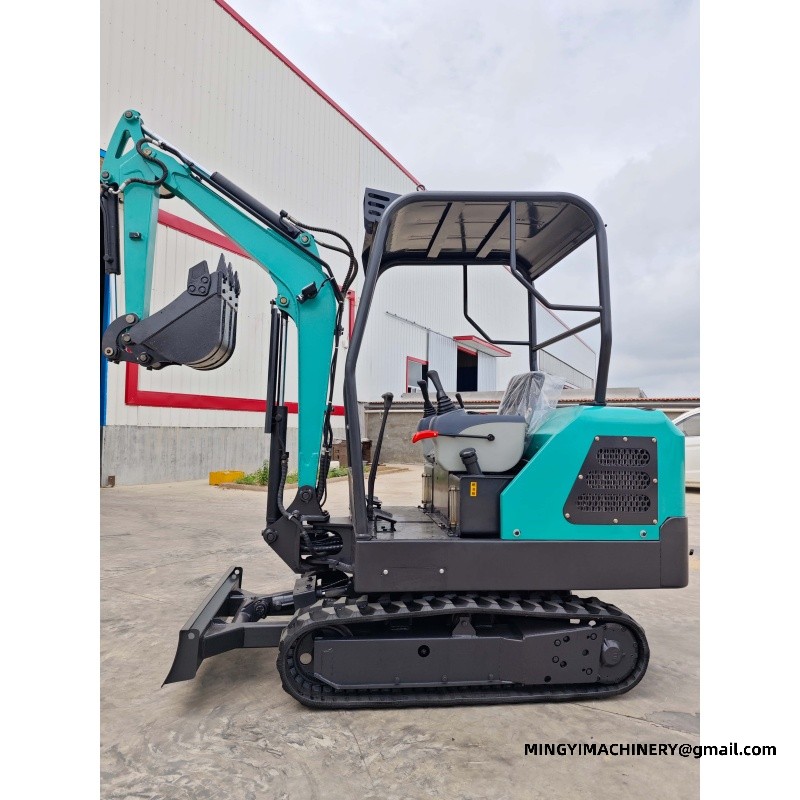
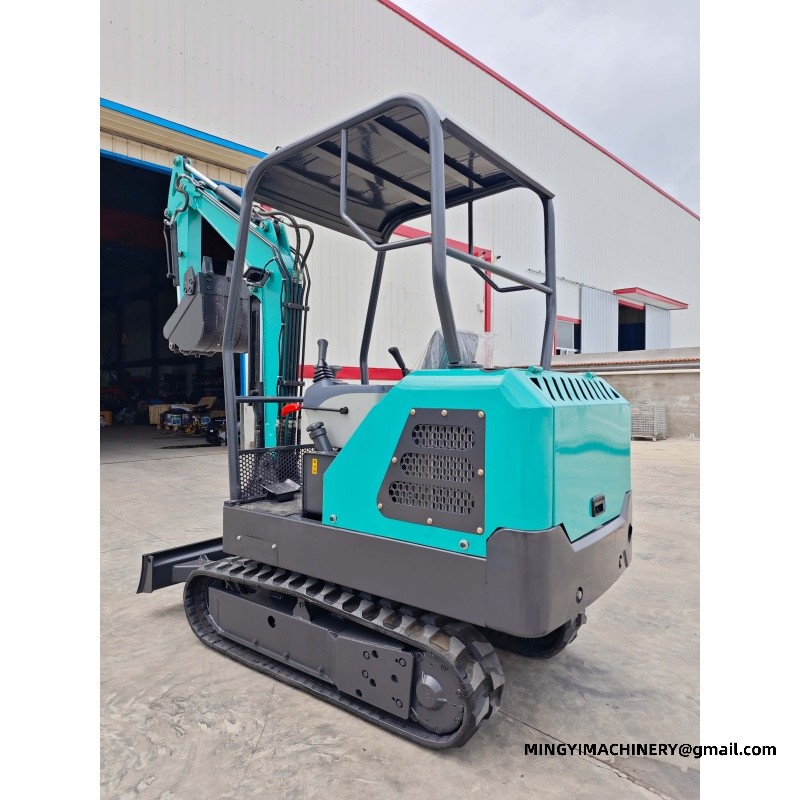
Reference specification — mini excavator range 15W 20-1W 30-2W 12L Operating weight 1400 kg (3086.47 lb) 1800 kg (3968.32 lb) 2700 kg (5952.48 lb) 1200 kg (2645.55 lb) Transport size (L×W×H) 2200 × 930 × 2250 mm 2550 × 1100 × 2200 mm 3000 × 1100 × 2700 mm 2200 × 930 × 2250 mm Max digging depth 1630 mm (64.17 in) 1800 mm (70.87 in) 2200 mm (86.61 in) 1700 mm (66.93 in) Max digging height 2750 mm (108.27 in) 2820 mm (111.02 in) 3000 mm (118.11 in) 2600 mm (102.36 in) Max dumping height 1960 mm (77.17 in) 2050 mm (80.71 in) 2000 mm (78.74 in) 1800 mm (70.87 in) Max digging radius 2900 mm (114.17 in) 3050 mm (120.08 in) 3800 mm (149.61 in) 2900 mm (114.17 in) Max digging distance 2100 mm (82.68 in) 2300 mm (90.55 in) 3050 mm (120.08 in) 2300 mm (90.55 in) Minimum turning radius 1300 mm (51.18 in) 1450 mm (57.09 in) 1750 mm (68.9 in) 1450 mm (57.09 in) Travel speed 3 km/h (1.86 mph) 5 km/h (3.11 mph) 7 km/h (4.35 mph) 3 km/h (1.86 mph) Gradeability 30° 30° 30° 30° Fuel consumption 1-1.3 L/h (0.264—0.343 gal) 2-3 L/h (0.528—0.793 gal) 2-3 L/h (0.528—0.793 gal) 1-1.3 L/h (0.264—0.343 gal) Fuel tank capacity 10 L (2.64 gal) 16 L (4.23 gal) 16 L (4.23 gal) 10 L (2.64 gal) Hydraulic oil tank 16 L (4.23 gal) 18 L (4.76 gal) 20 L (5.28 gal) 16 L (4.23 gal) Dozer blade lift height 180 mm (7.09 in) 180 mm (7.09 in) 230 mm (9.06 in) 180 mm (7.09 in) Dozer blade drop depth 210 mm (8.27 in) 210 mm (8.27 in) 280 mm (11.02 in) 210 mm (8.27 in)
Q. What is a machine built for the work?
A. The attachment story on a compact digger is about earning across trades: one carrier, one trailer, and a quick coupler that swaps tools in about a minute. A digger that only digs competes with shovels; a digger with the right working set competes for whole jobs. MINGYI builds the 08, 12 and 18 models covering the 0.8 to 6 tonne class, and the equipment in service is where that range meets pile and auger work.
Q. How is the attachment fitted and swapped?
A. Through the quick coupler on the dipper: seat the tool, lock it, plug the hydraulics where the design needs them. Mechanical attachments need no lines at all, so a bucket-to-rake change is a minute job at the trench edge.
Q. Can I see the machine before it ships?
A. Inspection is arranged at the factory, in person or by a scheduled video walk-around - the same session covers paint, decals and attachment fitment for the pile and auger work specification, so the machine inspected is the machine that ships.
Wear items and spares worth holding for the excavator
Holding spares is about downtime rather than the shelf itself. The question for this class of machine is not how large the part is but how long the machine sits while it is found, and a small shelf answers that better than a fast courier.
Planning the season around the unit in daily use
Workload is rarely even across the year, and the machine should be specified for the busy weeks. A machine of this size sized only for the average month will be the limiting factor exactly when the work is worth the most.
E-mail : sales@mingycn.com
LINE ( ID ): mingyicn
Wear limits and replacement points on mini excavator for pile and auger work
Every wearing part has a measurable point where it should come off rather than be watched, and that point is published by the manufacturer.
Track sag, tyre tread, cutting edges and bucket teeth all have stated limits, and the figures in the manual are the ones to work from.
Related pages
mini excavator for garden path work · mini excavator for greenhouse deep tillage · Wheel Loader Fork Attachment: Matching Forks to the Boom Section · Mini Excavators









