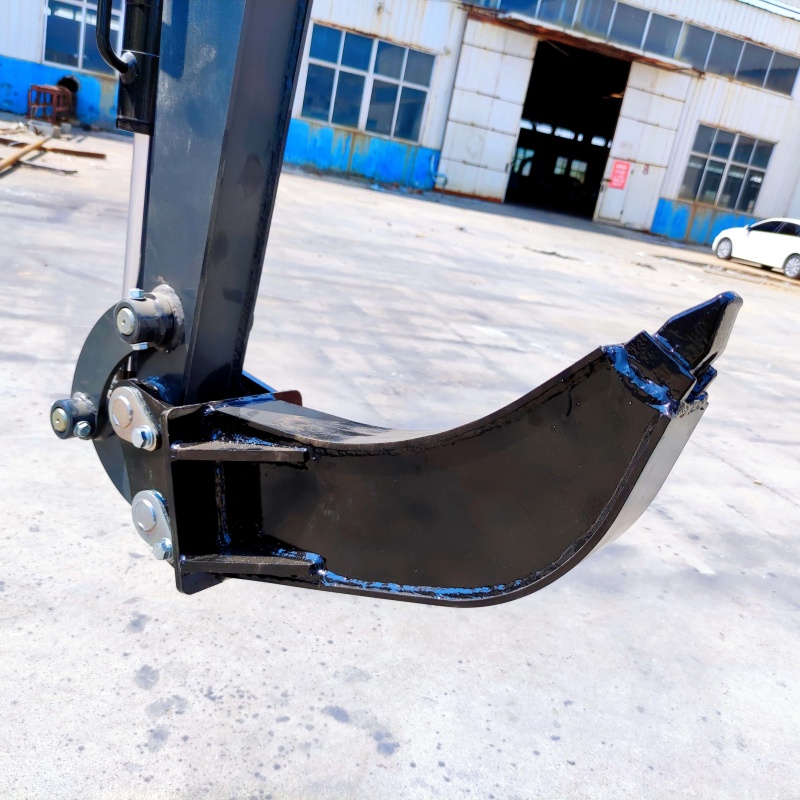
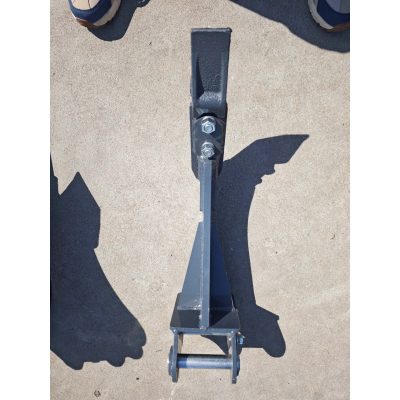
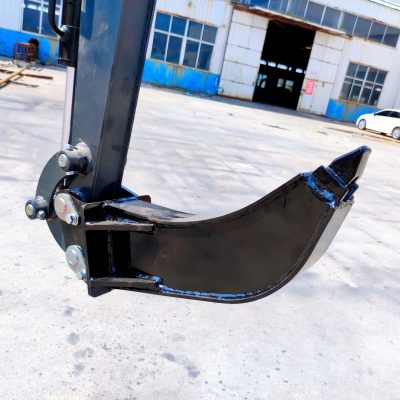
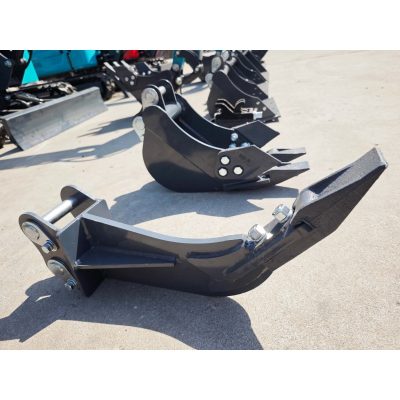
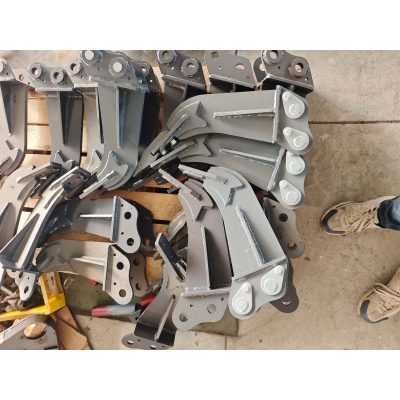
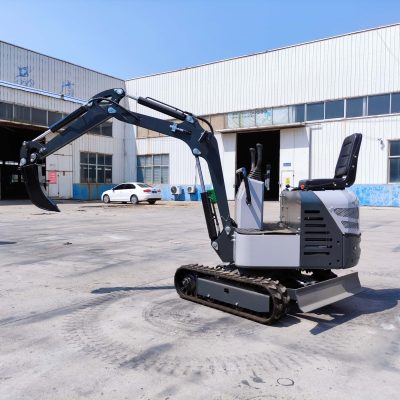
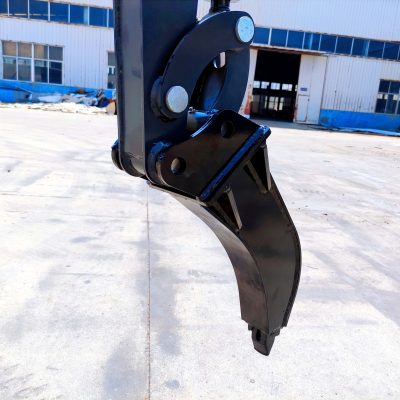
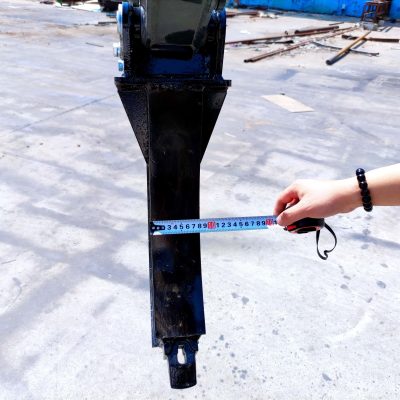
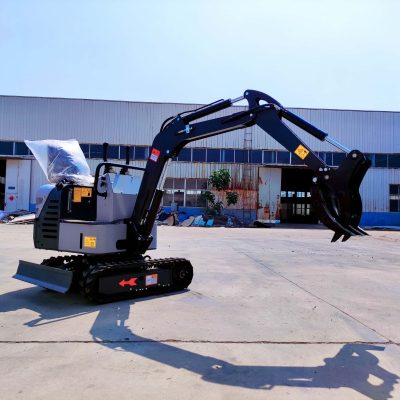
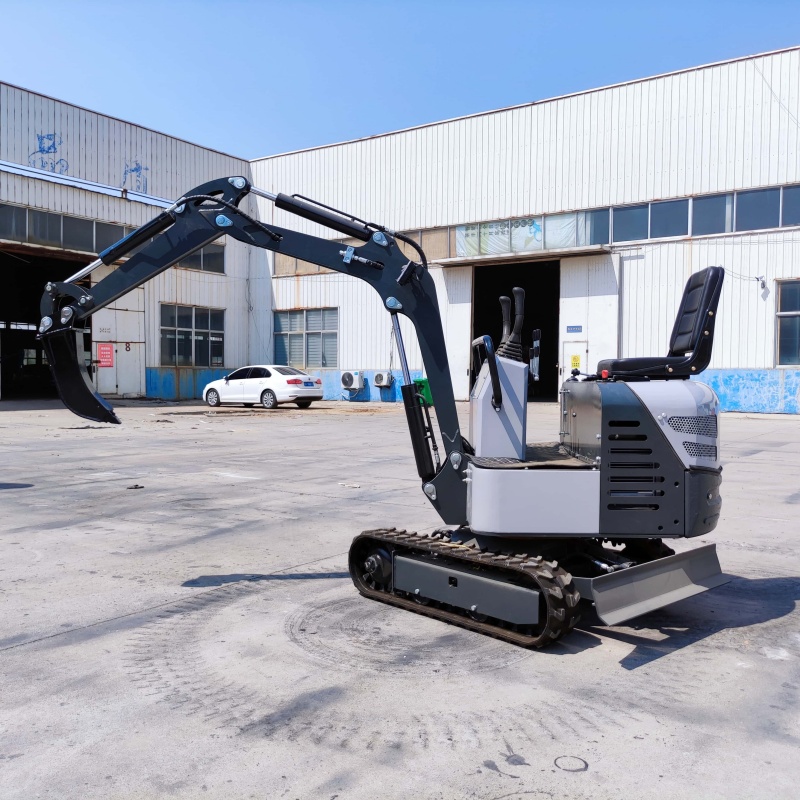
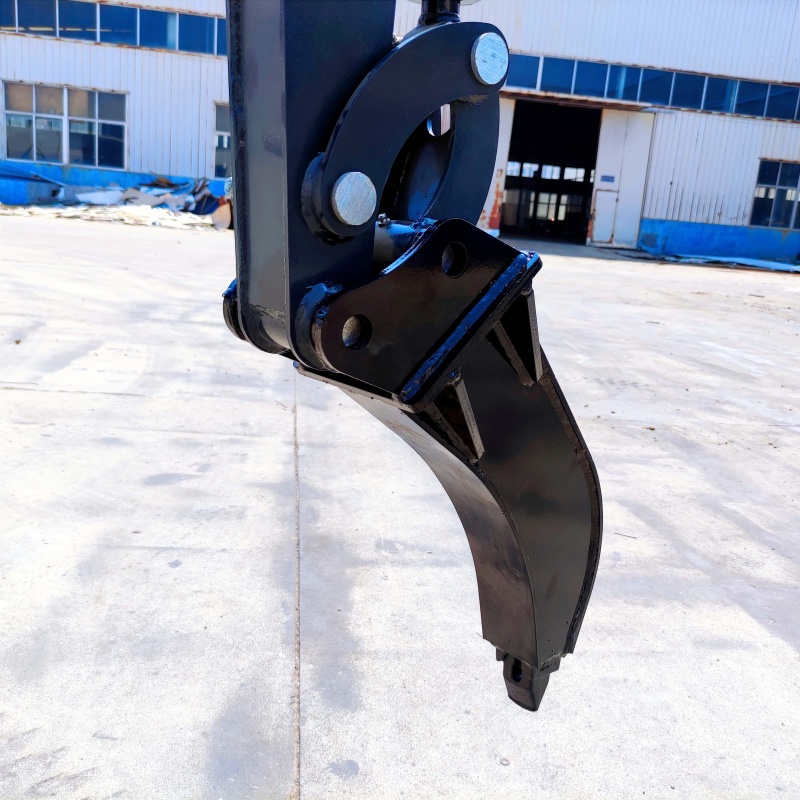
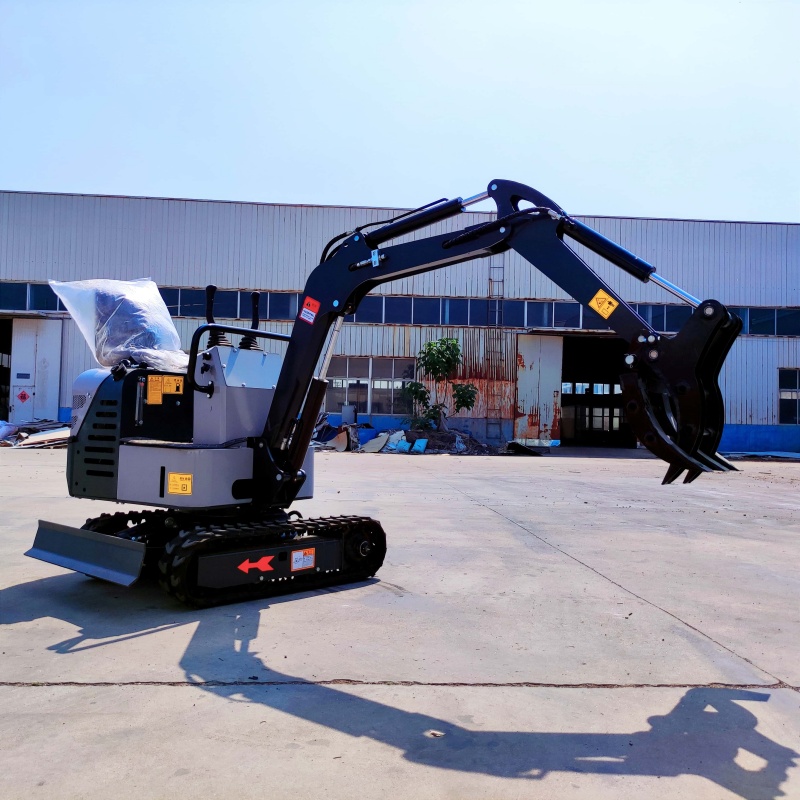
A soil loosener works below the surface to break up compacted ground without turning it over, which is useful where a plough would disturb the structure or the crop. MINGYI supplies soil loosener attachments for its compact excavators.
The attachment is used in orchards, greenhouses and field allowances where a heavy tractor cannot travel, and it is specified with the machine so the mounting and hydraulics match.
Breaking compaction without inverting the soil
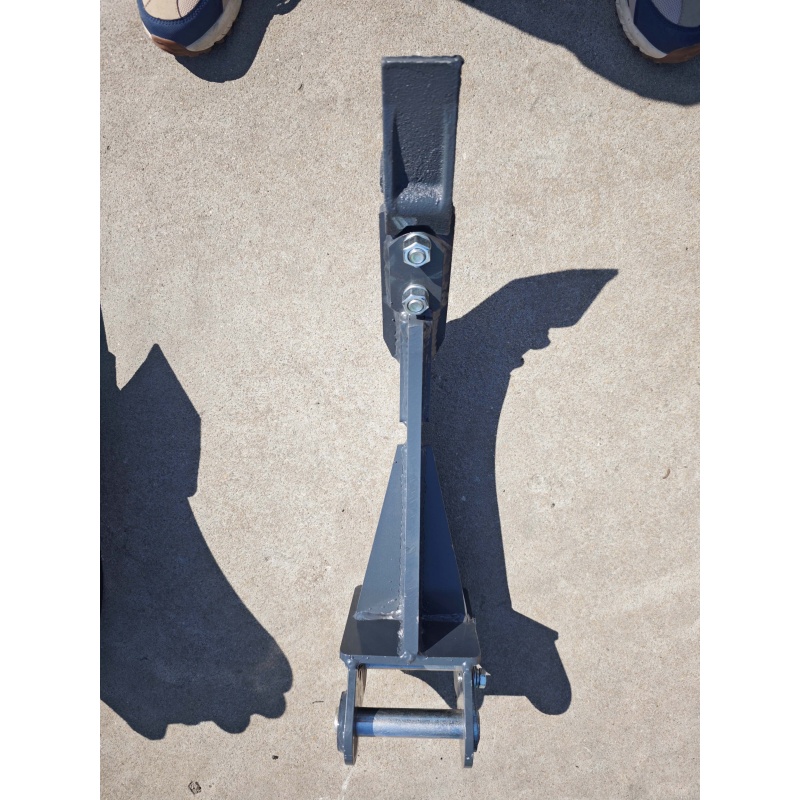
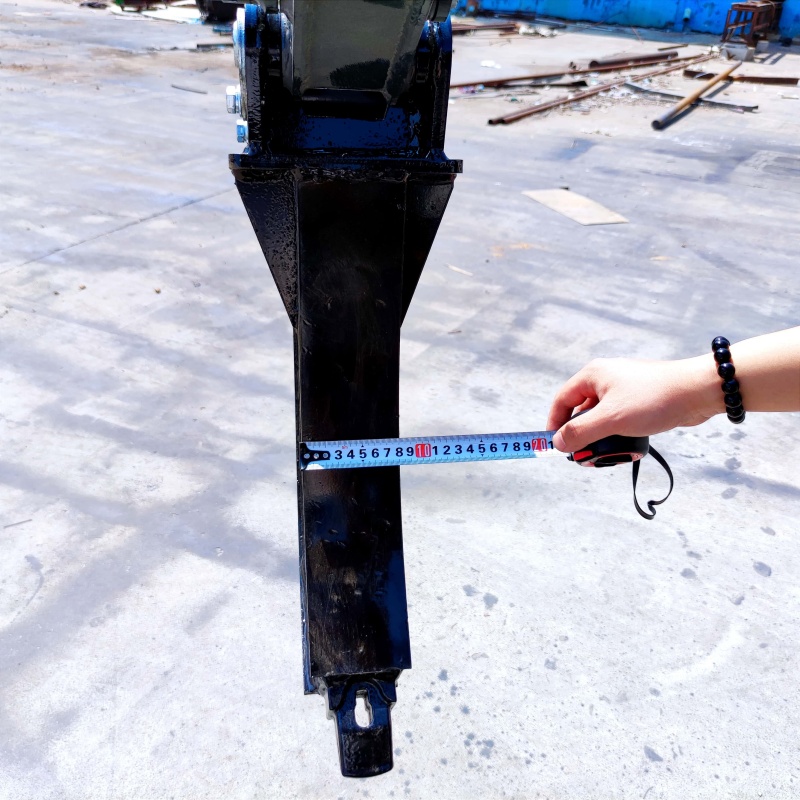
Compacted layers under a field or bed restrict roots and drainage, and a loosener shatters these layers while leaving the topsoil where it is. The excavator moves slowly and lets the tine work through the ground rather than dragging it at speed.
Because the machine is compact, it can loosen ground beside trees, along rows and inside a greenhouse where larger equipment cannot go. The depth is controlled by the operator, so the treatment can be kept to the layer that needs it.
Where a soil loosener fits in the working year
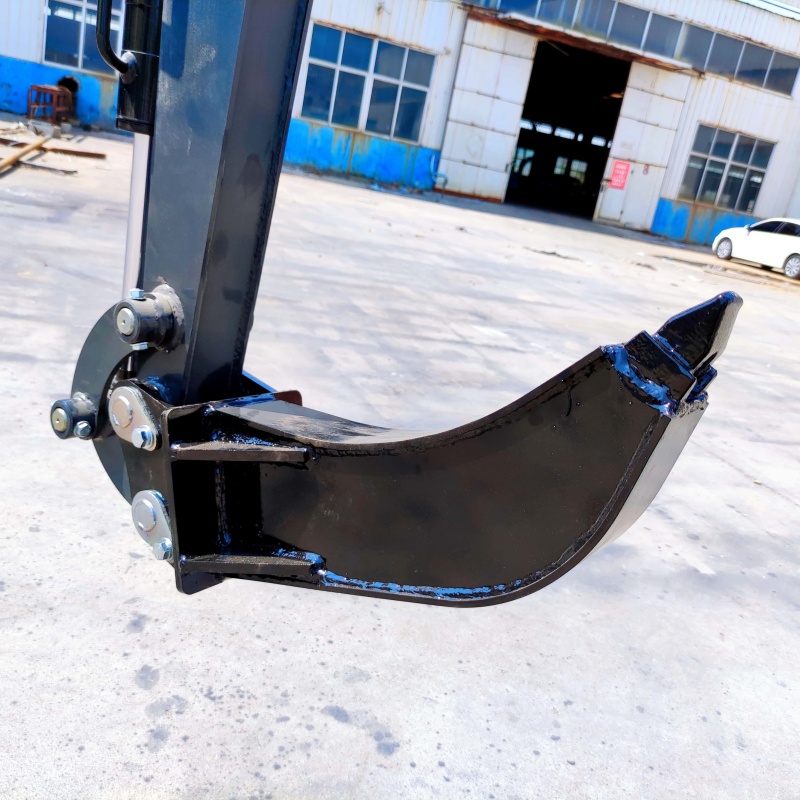
Loosening is often done after harvest or before planting, when the ground is workable and the next crop is not yet in. It is also used to repair wheel ruts and compacted headlands that have been driven over through the season.
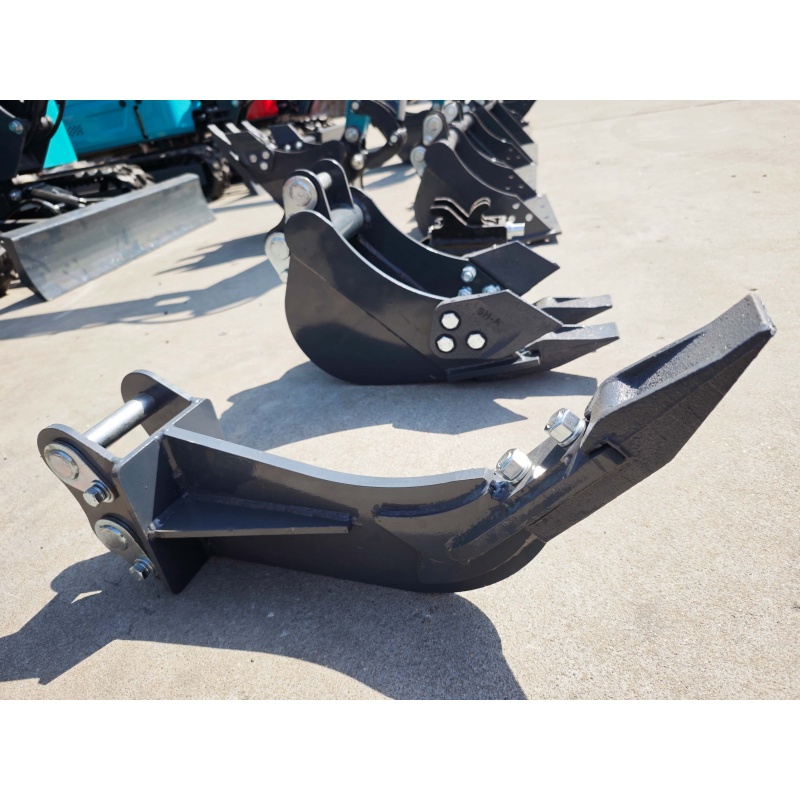
The attachment is ordered with the excavator, so the brackets and hydraulic lines are prepared for it. A rotary tiller or grass rake can be added to the same machine where the buyer wants a wider set of ground care tools.
For soil loosening work, tell MINGYI the depth needed, the crop and the ground condition, and the factory will confirm the attachment and the excavator configuration to carry it.
Acceptance checks when a soil loosener attachment for excavators arrives Delivery day is the best time to find a problem. Checking the specification against the order, the fluid levels, the fasteners and any transport damage while the class of machine is still on the trailer is faster than claiming later. A function check before the machine goes to work is worth the hour. Running through the controls, the travel and the attachment circuit on the excavator confirms it is set up as specified and ready for the site. Operator technique for soil loosener attachment for excavators Output on a compact machine comes from placement rather than power. An experienced operator keeps the unit in daily use working inside the swing arc, positions once and digs a full run instead of repositioning for every bucket. The second habit is tool discipline. Running a machine of this size with the right bucket width for the trench means less spoil, less reinstatement and a cleaner job than a wide bucket and a lot of trimming. Hydraulic circuits on a soil loosener attachment for excavators Flow and pressure are matched to the tool, not to the machine size. Asking for the attachment list first means the equipment on site leaves the factory with circuits that suit the heaviest tool the buyer intends to run. Hydraulic specification is easier to settle at build time than to correct later. The machine itself delivered without auxiliary lines can still dig, but every additional tool becomes a retrofit project. Working a soil loosener attachment for excavators through the seasons Weather decides which days are productive. Rain turns some ground unusable and cold changes how the model in question starts and warms up, so planning the wet months around maintenance is more useful than planning around output. Seasonal planning smooths the workload. Machines that are busy for a few months and idle for the rest benefit from a service slot in the quiet period, and the machine in that duty prepared in the off-season starts the busy months reliably. Matching soil loosener attachment for excavators to ground conditions Soft ground is a flotation problem, not a power problem. The unit on the job on wide rubber tracks crosses lawn, sand and cultivated soil that would stop a narrower machine or a wheeled unit of the same capacity. Hard and abrasive ground reverses the specification. On rock, demolition rubble or sharp gravel, steel tracks with rubber blocks on a machine built for the work survive conditions that cut a rubber belt quickly. Trenching work with soil loosener attachment for excavators Trench quality depends on the bucket width and the operator, not on machine size. The equipment in service with a narrow bucket and a swing boom cuts a clean run along a boundary without disturbing the ground either side of it. Depth control matters more on service work than speed. The excavator working beside live services is chosen because it can be placed precisely and stopped instantly, which is what the job actually requires. Working on slopes and uneven ground with this class of machine Ground that looks level often is not. The unit in daily use crossing a filled trench, a soft edge or a hidden void behaves differently from one on undisturbed ground, and those are the places worth walking before driving. Planning the direction of travel helps. Working so that the A machine of this size is stable under load and not required to turn on a slope is a decision made before the job starts, not a correction made during it. Canopy or enclosed cab on the equipment on site The cab decision follows the climate and the hours. Operators working a full shift in the machine itself benefit from a sealed cab with wipers and heating; operators stepping on and off every few minutes usually prefer the canopy for the visibility and the quick exit. Enclosure also changes noise and dust exposure. A sealed cab on the model in question keeps dust out on dry sites and lets the machine work through weather that would otherwise stop a canopy machine for the day. Working the machine in that duty in confined spaces Clearance above matters as much as around. Door heights, pipework and overhead services set the limit for the unit on the job indoors, and measuring them first avoids a machine that arrives and cannot be used. Ventilation is the other indoor constraint. Running a machine built for the work inside a closed structure needs air movement, and that is a planning item rather than something to discover after the first hour. What owners should plan for beyond the equipment in service Purchase decision is the visible part of the effort. Fuel, filters, tracks or tyres, the operator and the transport between sites are the items that decide what the excavator actually demands over a few seasons, and they are worth listing before the order. Downtime is the hidden line item. This class of machine waiting on a part earns nothing while it stands, so parts availability and service access belong in the plan as much as fuel does. Hiring versus owning the unit in daily use The choice follows the hours. Work that fills a few weeks a year is usually better hired, while a machine of this size that would be on site most weeks starts to justify ownership once the transport and booking time is counted. Availability is part of the decision. Owning the equipment on site means it is there on the day the ground is ready; hiring means competing for the same machine at the same time as everyone else in the season. Daily checks and maintenance on the machine itself A simple log helps. Recording hours, fuel and any adjustment made to the model in question gives the workshop a history, and that history is what turns an intermittent fault into a one-visit repair instead of three. Specification data for the machine in that duty The figures below are the factory figures for the models most often matched to the unit on the job. They are the numbers to check against the site: the depth the work needs, the reach from one position, and the width of the narrowest point on the route in. Figures are factory figures and are confirmed on the build sheet for a machine built for the work. Where a job sits between two models, the larger machine usually takes less time than the smaller one spends on rework. Daily maintenance on the equipment in service is a short list: engine oil level, coolant, track tension, hydraulic oil level and a look at the hoses. Ten minutes at the start of the shift prevents most of the failures that stop a machine. Track tension is the item most often neglected. The excavator run with slack tracks wears the undercarriage and can throw a track on a turn; run too tight, the same components wear from the other direction.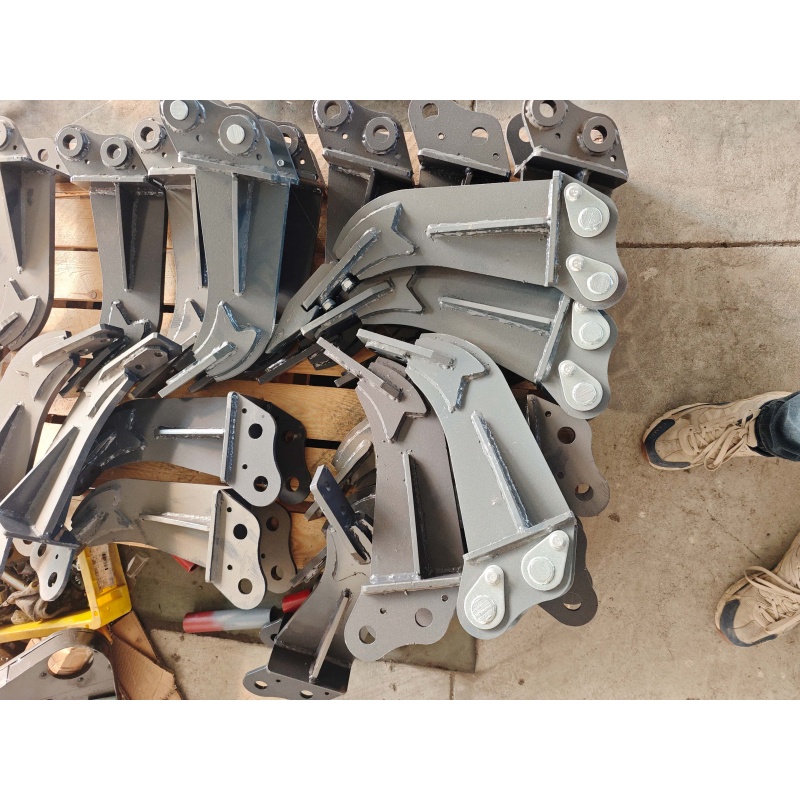
Reference specification — mini excavator range 13W 12L 20-2L 25L Operating weight 1300 kg (2866.01 lb) 1200 kg (2645.55 lb) 1900 kg (4188.78 lb) 2200 kg (4850.17 lb) Transport size (L×W×H) 2200 × 930 × 2250 mm 2200 × 930 × 2250 mm 2600 × 1300 × 2344 mm 3000 × 1300 × 2700 mm Max digging depth 1630 mm (64.17 in) 1700 mm (66.93 in) 2100 mm (82.68 in) 2300 mm (90.55 in) Max digging height 2750 mm (108.27 in) 2600 mm (102.36 in) 2880 mm (113.39 in) 3100 mm (122.05 in) Max dumping height 1960 mm (77.17 in) 1800 mm (70.87 in) 2100 mm (82.68 in) 2050 mm (80.71 in) Max digging radius 2900 mm (114.17 in) 2900 mm (114.17 in) 3215 mm (126.57 in) 3900 mm (153.54 in) Max digging distance 2100 mm (82.68 in) 2300 mm (90.55 in) 2460 mm (96.85 in) 3100 mm (125.05 in) Minimum turning radius 1300 mm (51.18 in) 1450 mm (57.09 in) 1587 mm (62.48 in) 1800 mm (70.87 in) Travel speed 3 km/h (1.86 mph) 3 km/h (1.86 mph) 5 km/h (3.11 mph) 7 km/h (4.35 mph) Gradeability 30° 30° 30° 30° Fuel consumption 1-1.3 L/h (0.264—0.343 gal) 1-1.3 L/h (0.264—0.343 gal) 2-3 L/h (0.528—0.793 gal) 2-3 L/h (0.528—0.793 gal) Fuel tank capacity 10 L (2.64 gal) 10 L (2.64 gal) 16 L (4.23 gal) 16 L (4.23 gal) Hydraulic oil tank 16 L (4.23 gal) 16 L (4.23 gal) 18 L (4.76 gal) 18 L (4.76 gal) Dozer blade lift height 180 mm (7.09 in) 180 mm (7.09 in) 180 mm (7.09 in) 230 mm (9.06 in) Dozer blade drop depth 210 mm (8.27 in) 210 mm (8.27 in) 210 mm (8.27 in) 280 mm (11.02 in)
Q. Who uses the class of machine?
A. An attachment widens the range of jobs a single compact excavator can specification and win, which is why the working set matters as much as the base machine. The quick coupler makes the changeover a minute job at the trench edge, and mechanical tools need no hydraulic lines at all. Read the unit in daily use together with the engine, track and attachment pages: jobs around excavators are decided by how those choices line up, not by any single number on the sheet.
Q. How is the attachment fitted and swapped?
A. Through the quick coupler on the dipper: seat the tool, lock it, plug the hydraulics where the design needs them. Mechanical attachments need no lines at all, so a bucket-to-rake change is a minute job at the trench edge.
Q. Which models does MINGYI build?
A. The 08, 12 and 18 models cover the 0.8 to 6 tonne class with engine, track, cab and attachment options across the range - dealer programmes can mix models in one shipment, and each excavators machine is confirmed on its own build sheet.
Reading the early symptoms on a machine of this size
Operators notice things first because they hear the machine every day. Encouraging the person on the equipment on site to report small changes, and acting on them, is the most effective maintenance programme there is.
Documents that travel with the machine itself
A clear parts book saves more time than any other document. When the model in question needs a replacement, the illustration and the part number are what turn a phone call into a shipment instead of a description.
Storage and long idle periods for the machine in that duty
The battery and the fuel are the first things to suffer in storage. Preparing the unit on the job properly at the start of the idle period avoids the flat battery and the contaminated tank that greet an unprepared machine.
E-mail : sales@mingycn.com
LINE ( ID ): mingyicn
Related pages
soil looser attachment for excavators · soil loosener for compact diggers · Heavy Duty Wheel Loader: Frame Steel, Cylinders and Cooling · Mini Excavators









