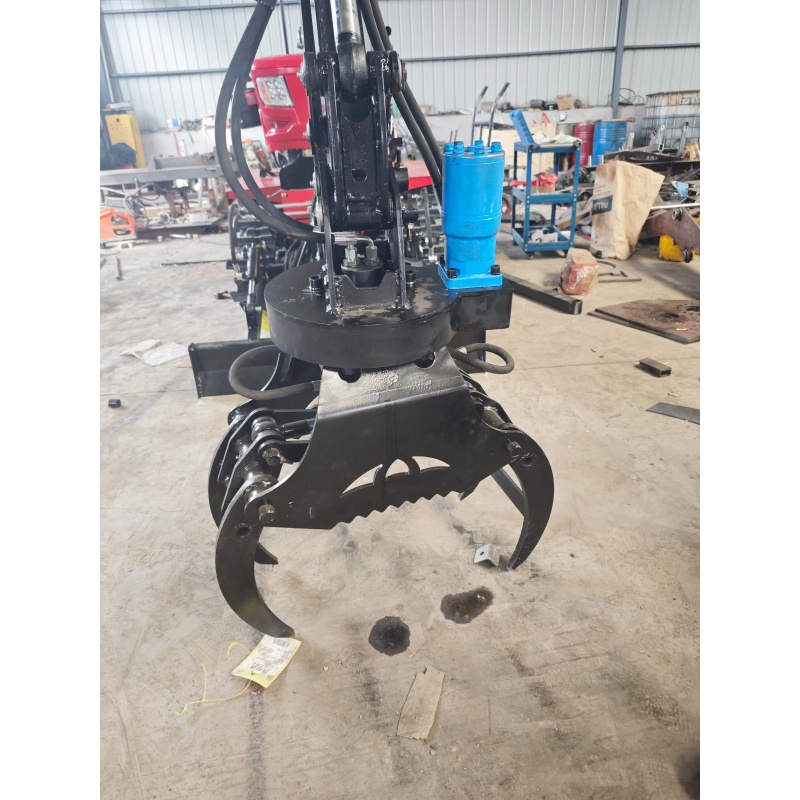
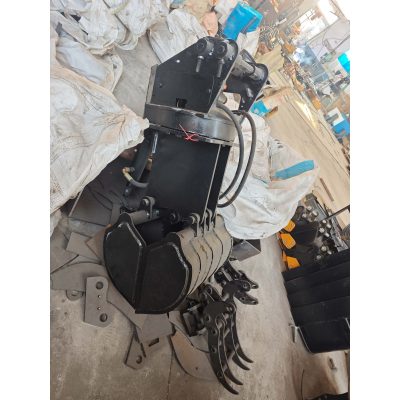
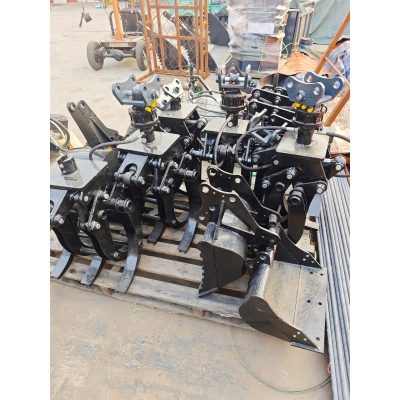
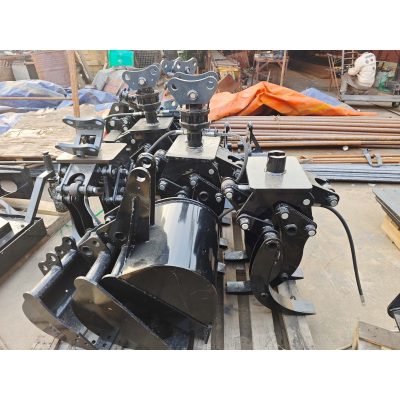
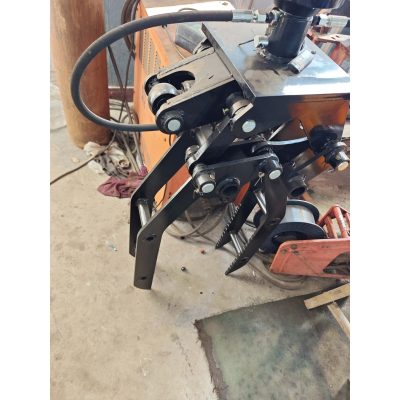
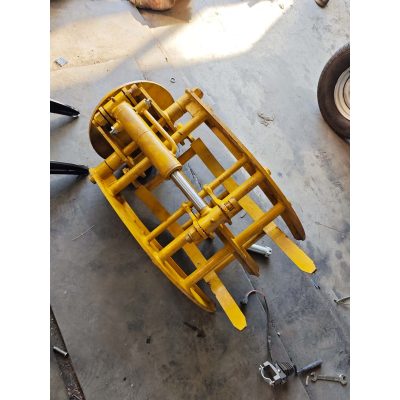
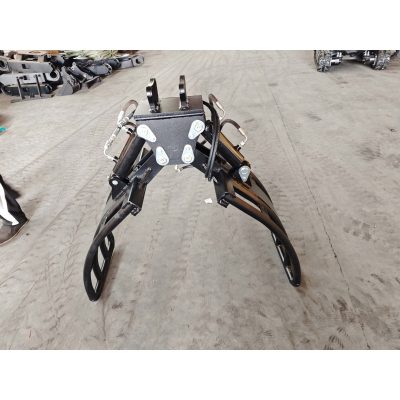
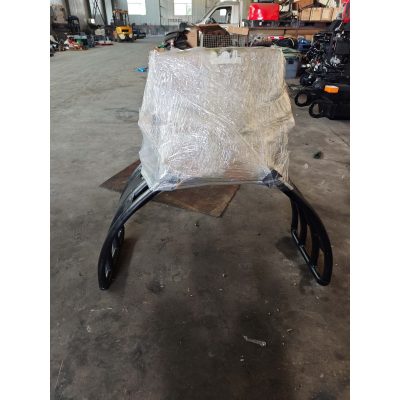
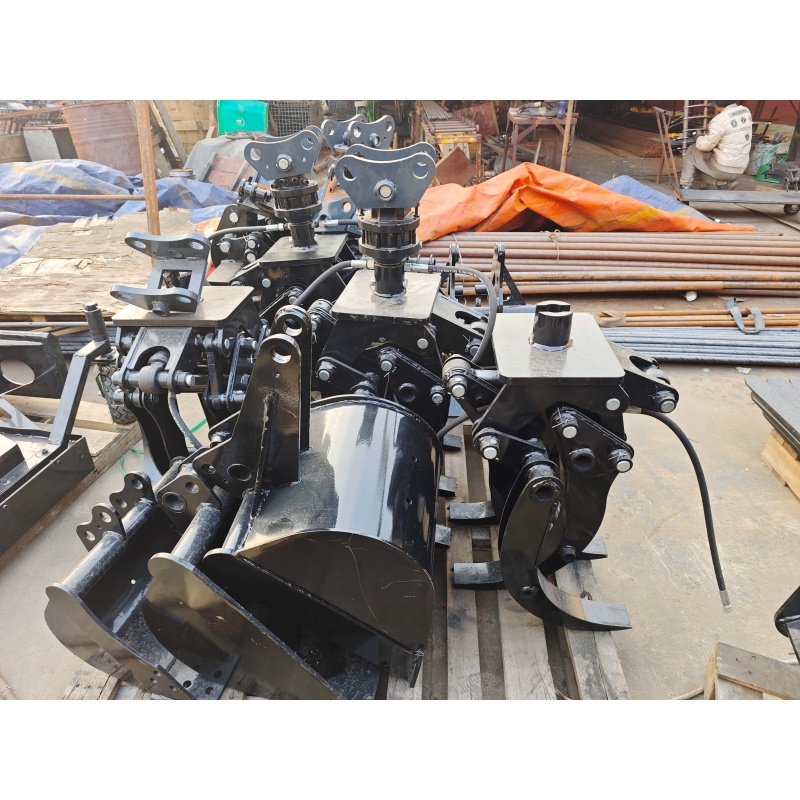
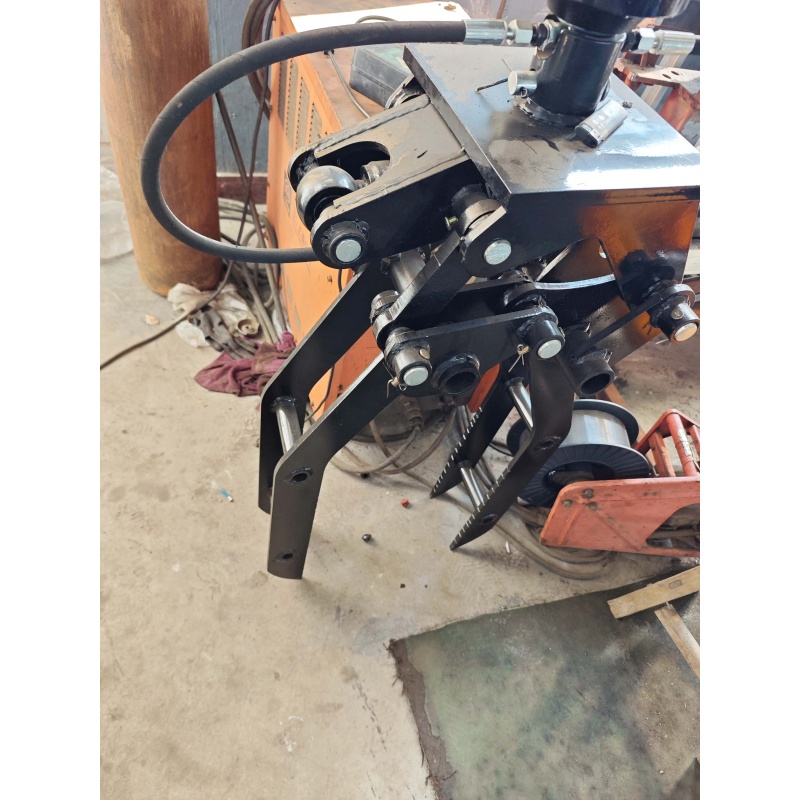
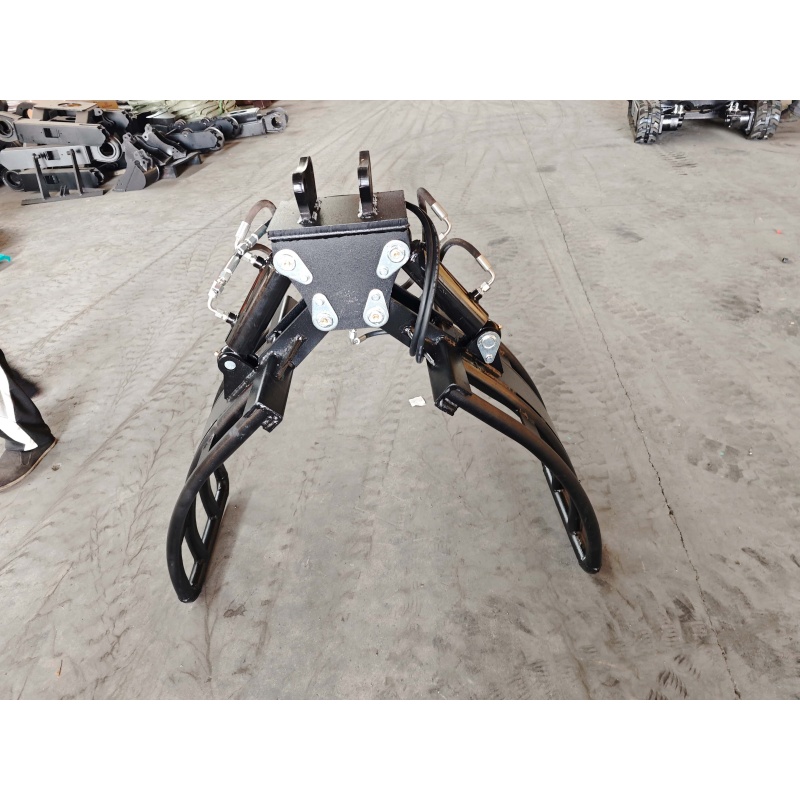
Clearing vegetation is only half the task; the cut material still has to be gathered and moved. A rotating grabber lets the operator reach into a hedge line, grip the cut growth and place it in a trailer or a stack.
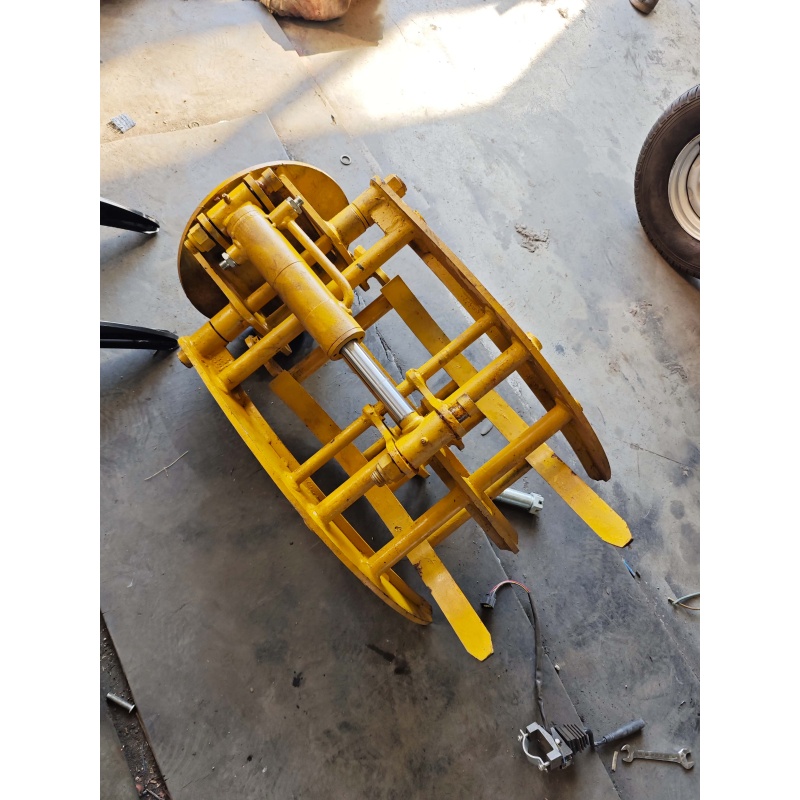
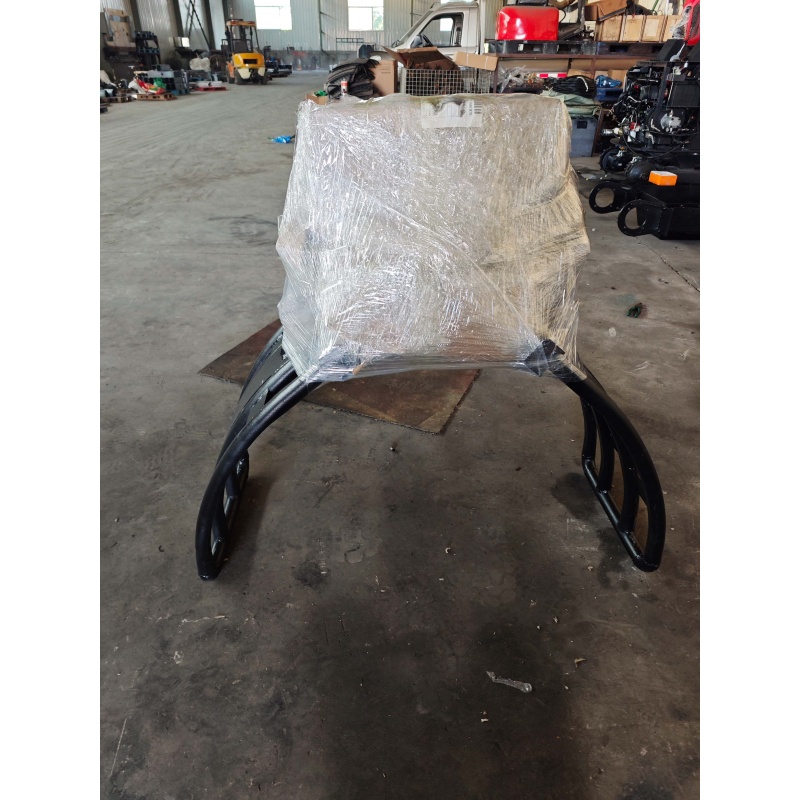
MINGYI supplies the rotating grabber for its mini crawler excavators, matched to the coupler and the machine class when the order is placed. The rotating head allows the load to be turned before it is released.
Clearing is only half the job; the grabber is what moves the cut material.
| Checkpoint | What to settle for this machine |
|---|---|
| Carrier machine | Mini crawler excavators, matched to the coupler and the machine class when the order is placed |
| Work it takes on | Lifting and stacking cut material from a position the operator can reach without leaving the machine |
| Ground and material | Vegetation and brash that a bucket will not hold |
| Mounting and hydraulics | Rotating head carried on the coupler |
| Confirmed at order stage | Coupler and machine class matched at the ordering stage |
| Handover and upkeep | Control familiarisation in the first month, since early problems come from unfamiliarity rather than the machine |
Clearing vegetation with a rotating grabber
Roadside, ditch and boundary clearance often leaves brush that blocks the route or the channel. The grabber lifts and stacks that material from a position the operator can reach without leaving the machine.
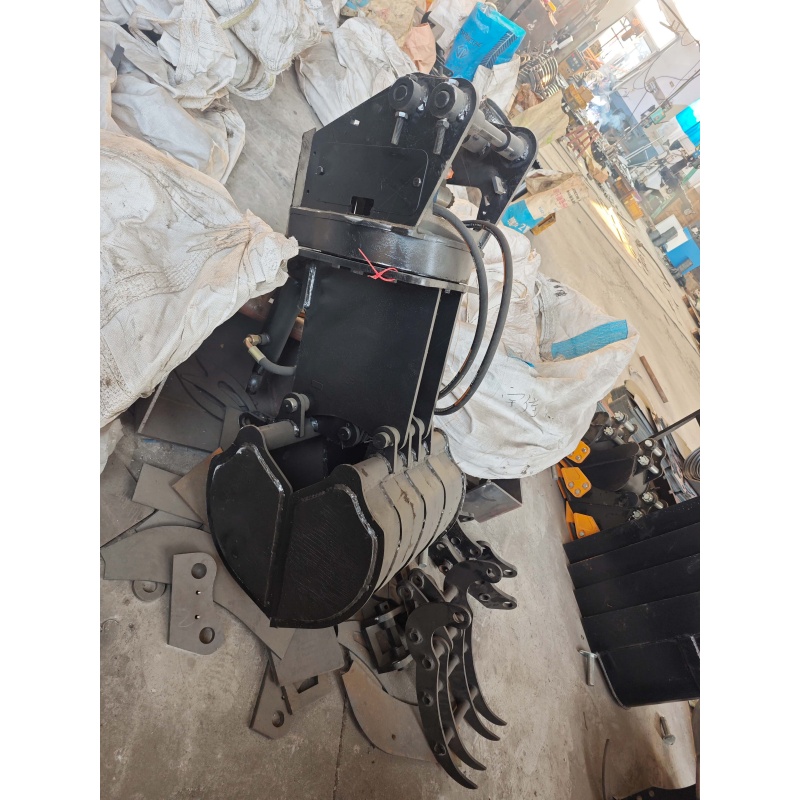
Rotation is what makes the tool useful on uneven ground, since the load can be oriented to clear a fence or a wall before it is set down. That saves the manual work that usually follows a cut.
Running a vegetation grabber on a compact carrier
The grabber works from the auxiliary hydraulic circuit, so the machine is specified with the flow it needs at ordering. A quick coupler allows the operator to switch to a bucket once the clearance is done.
Rubber tracks suit the verges and lawns this kind of work crosses, while steel tracks with rubber blocks are chosen for firmer ground. The track decision is recorded with the order so the machine arrives set up.
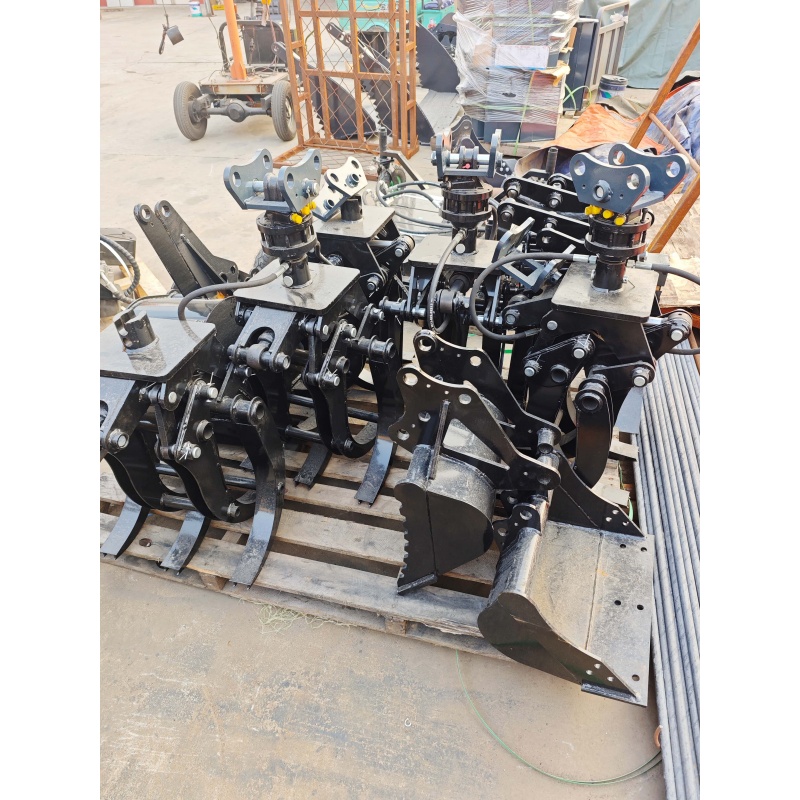
For vegetation clearance, confirm the machine class, the coupler and the hydraulic supply before ordering. Fixing those choices at the start is what keeps the grabber working within the carrier's limits.
Fitting rotating grabber for vegetation clearance into the wider site plan Machine productivity depends on what happens around it. Deliveries, other trades and the sequence of work decide how much of the shift the excavator spends actually working rather than waiting. Sequencing avoids rework. Doing the work in the order that suits the ground and the following trades keeps this class of machine productive and prevents finishing a task that then has to be opened up again. Handover and documentation for rotating grabber for vegetation clearance A short familiarisation session prevents the early faults. Most first-month problems on the unit in daily use come from unfamiliarity with controls, limits or checks rather than from the machine itself. Keeping the manuals where they can be reached matters. A machine of this size whose documents stay with the machine gets serviced on schedule; one whose paperwork was filed elsewhere tends to run on memory instead. Storage and downtime care for rotating grabber for vegetation clearance Before-storage preparation prevents most return-to-work faults. Draining or treating fuel, protecting exposed rods and relieving pressure where the maker specifies it are the items worth an hour when the equipment on site is parked. A periodic start is better than none. Running the machine itself to operating temperature during a long layoff keeps seals and the charging system in better condition than leaving it untouched until the next job. Specifying rotating grabber for vegetation clearance against the job list Buyers who specify the machine in that duty on paper before enquiring get specifications that can be compared. Without that list, two suppliers will propose two different machines and the simpler one is usually the smaller one, not the better value. A written duty list is the simplest part of the purchase. It takes an hour to note the material, the distance, the gradient and the hours per week, and it is what turns the model in question enquiry into a machine that fits. Fuel use and running demands of rotating grabber for vegetation clearance Fuel is usually the largest controllable running demand. Operating style, correct tyre or track condition and a clean air supply all move consumption on the unit on the job by more than most buyers expect. Consumption is best measured over a full week rather than judged per hour. Idle time, repositioning and waiting for other trades are often the largest share of the fuel a machine built for the work burns on a site. Transporting rotating grabber for vegetation clearance to and between sites Moving the machine is part of owning it. Overall length, width and height decide which trailer or container the equipment in service fits, and a machine that needs a permit or an abnormal load escort is a machine with a delivery delay built in. Owners who work across several sites should check the transport dimensions before ordering. The excavator that fits a standard trailer can be moved by any operator with a suitable vehicle, while an over-width machine narrows that choice and complicates every move. Lighting and low light operation of this class of machine Working after daylight changes the risk. Lighting coverage on the unit in daily use and across the working area, plus high-visibility clothing for anyone on foot, are the items that make low-light work practical. Planning helps more than extra lamps. Positioning the machine of this size so that the work is lit from the machine side, and keeping the route clear, does more for safety than adding light to a badly planned task. Upgrading and reconfiguring the equipment on site Upgrades should be checked against the base machine. Hydraulic capacity, mounting interface and stability all limit what can reasonably be added to the machine itself, and confirming those limits avoids an unsatisfactory result. The decision is economic as well as technical. Comparing the work of reconfiguring the model in question against a different machine is a short calculation that usually gives a clear answer. Engine and power options behind the machine in that duty Emissions documentation is part of engine selection for some destinations. Confirming which units can be supplied and documented for the destination country is worth doing at enquiry stage rather than after the build sheet is signed. Matching the engine to the duty matters more than the peak rating. The unit on the job that spends its day at part load benefits from a different setup than one that works at full output, and the difference shows in fuel use over a season. Daily checks and maintenance on a machine built for the work Service intervals exist because wear is predictable. Following the maker schedule on the equipment in service takes far less time than repairing the damage that follows a missed oil change or a filter left in place past its life. A simple log helps. Recording hours, fuel and any adjustment made to the excavator gives the workshop a history, and that history is what turns an intermittent fault into a one-visit repair instead of three. Working hours and duty cycle of this class of machine Duty cycle is the honest measure of a machine. The unit in daily use working a few hours a week has different needs from one working two shifts, and the cooling, filtration and service intervals should follow the hours rather than the calendar. Seasonal work changes the maintenance calendar. Machines that work hard for two months and stand for ten need preparation before storage and a check before returning to work, and both are simpler than the repairs they prevent. Attachments and working tools for a machine of this size The base machine is only as useful as the tool on the end of it. Matching the attachment to the task - rather than to what arrived with the machine - is what lets one the machine itself cover several jobs across a week. Most owners find that the second attachment changes how often the machine is used. The equipment on site that was bought for one task often becomes the general machine on site once a second tool is available. Safe working practice around the model in question Most incidents around machinery come from the space rather than the machine. Exclusion zones, a clear signal person and a check on what is behind the unit on the job before it moves cover the large majority of the risk on a working site. Personal protective equipment and a stop rule are simple controls. Agreeing before work starts that anyone can stop the job is the single measure that most often prevents a serious incident near the machine in that duty.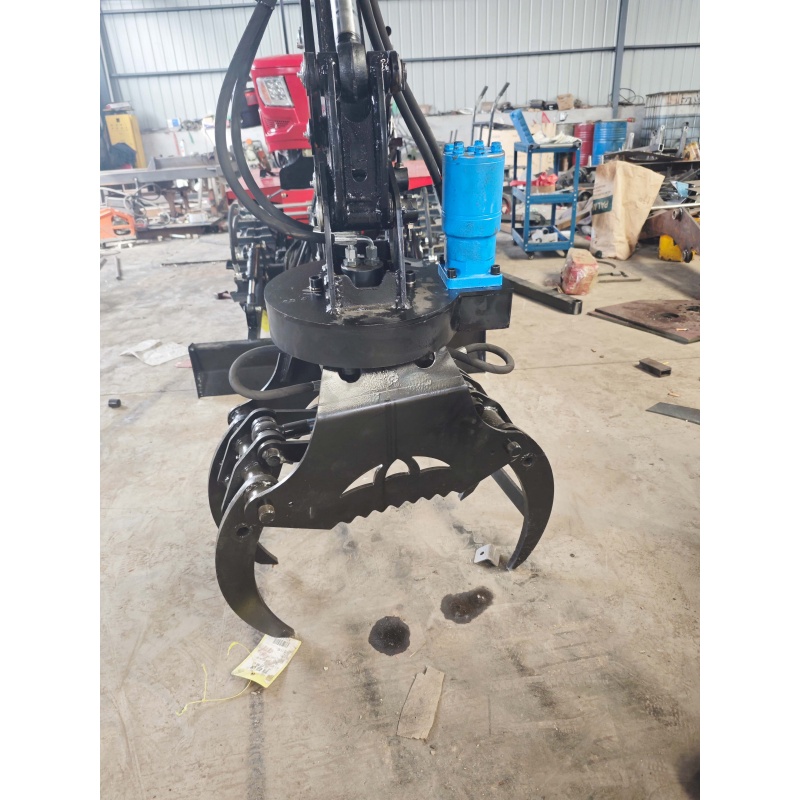
Q. Who chooses a machine built for the work?
A. Attachments turn one carrier into several machines: dig on Monday, grade, lift, mow or drill on Tuesday without the machine leaving site. The quick coupler makes the changeover a minute job at the trench edge, and mechanical tools need no hydraulic lines at all. MINGYI builds the 08, 12 and 18 models covering the 0.8 to 6 tonne class, and the equipment in service is where that range meets vegetation clearance.
Q. How is the attachment fitted and swapped?
A. Through the quick coupler on the dipper: seat the tool, lock it, plug the hydraulics where the design needs them. Mechanical attachments need no lines at all, so a bucket-to-rake change is a minute job at the trench edge.
Q. How do I get a specification?
A. Send the model, the destination and the attachment list by email or LINE - the channels listed just below this section. The reply covers the specification, lead time, packing and freight in one document, with the vegetation clearance build sheet attached.
Commissioning the excavator on site
The machine should be introduced to the site as well as the operator. Walking the route this class of machine will take, noting the soft spots and the turns, prevents the kind of first-day incident that has nothing to do with the machine.
Handover and getting familiar with the unit in daily use
The first day with a new machine sets the pattern for the next five years. Handover for a machine of this size covers the control layout, the daily check points and the limits the operator needs to know before the first real load is lifted or carried.
Keeping a service record for the equipment on site
Patterns show up in the record before they show up in the machine. Rising oil consumption or a filter that keeps blocking on the machine itself is obvious on paper long before it becomes a failure on site.
Packing, loading and shipment of the model in question
The paperwork matters as much as the packing. Serial numbers, dimensions and weights recorded for the machine in that duty at loading are the same figures the destination needs, and a mismatch here loses more days than the voyage itself.
Wear items and spares worth holding for the unit on the job
Wear items are predictable once the machine has settled in. After the first service interval the pattern on a machine built for the work is visible, and the parts that were replaced become the parts that are kept.
Later additions and retrofits on the equipment in service
An added function should pay for itself quickly. Whether the excavator gains a different bucket, a hydraulic service or a protection package, the test is the number of days a year it is actually used.
Planning the season around this class of machine
The calendar decides more than the specification does. Planning when the unit in daily use will be working, when it will be serviced and when it can be spared keeps the maintenance out of the weeks that matter.
Reading the early symptoms on a machine of this size
Temperature and pressure are the two things worth watching. The equipment on site that runs hotter than it used to, or whose pressure has drifted, is reporting a problem that is still simple to fix.
E-mail : sales@mingycn.com
LINE ( ID ): mingyicn
Water, mud and recovery planning for rotating grabber for vegetation clearance
Water is the enemy of bearings, electrical connectors and anything that is supposed to be sealed, and it rarely announces where it got in.
Wading to the hub, the track frame or the axle line is a limit rather than a target, and it is printed in the manual for a reason.
After a day in water the oil and the filters tell the truth, and milky oil is dealt with immediately rather than at the next service.
Working alongside other plant with rotating grabber for vegetation clearance
Most site incidents between machines are about sequencing rather than about skill, meaning who is in the arc, who is loading whom and who moves next.
Related pages
rotating grass and tree grabber · hydraulic thumb bucket attachment · Wheel Loader for Construction Site: Tipper Clearance and Cycle Time · Mini Excavators









