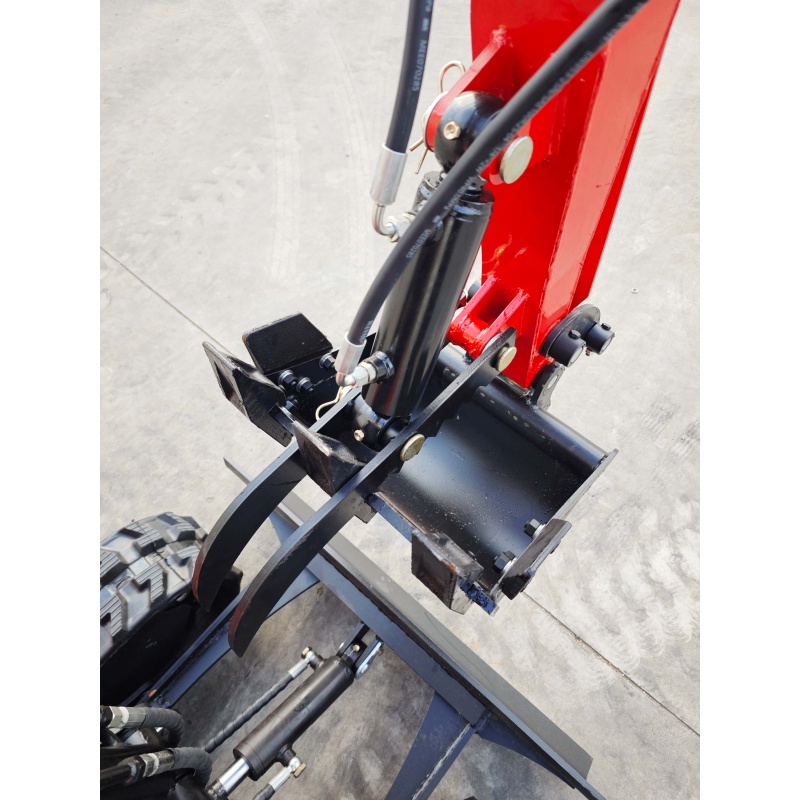
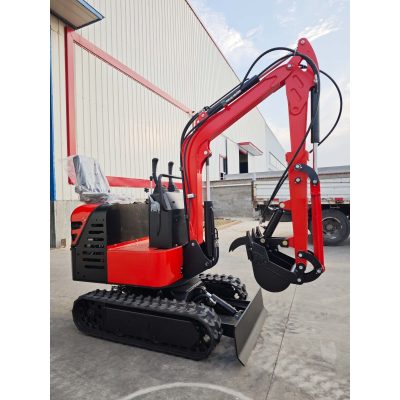
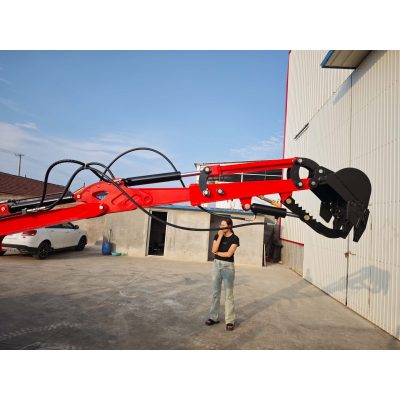
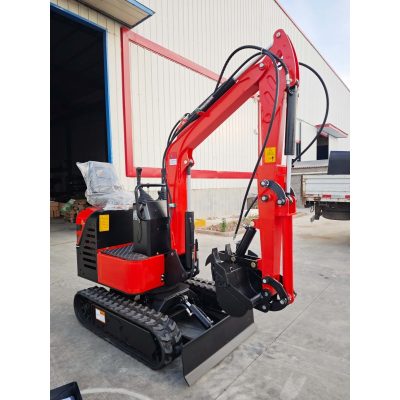
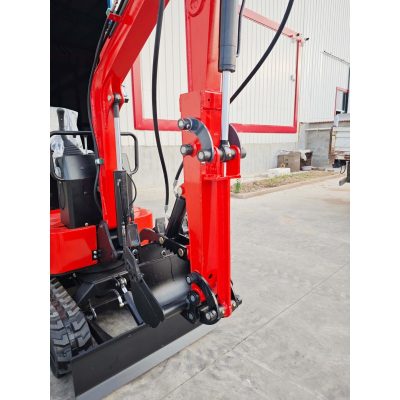
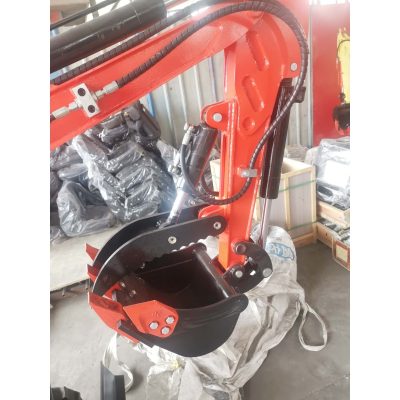
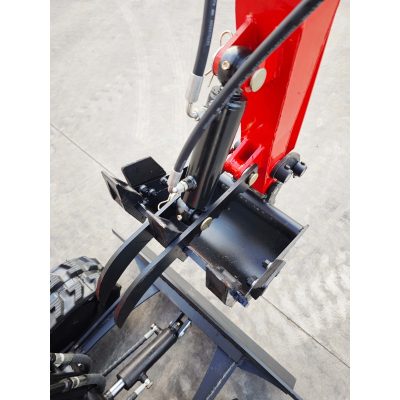
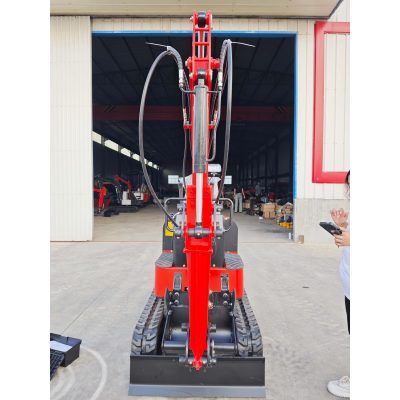
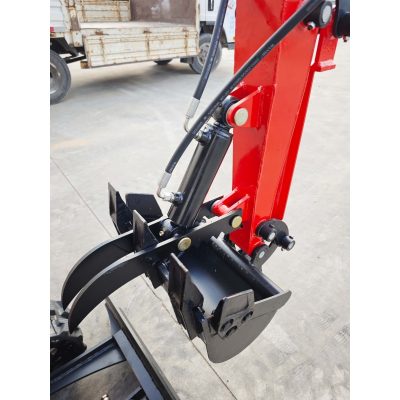
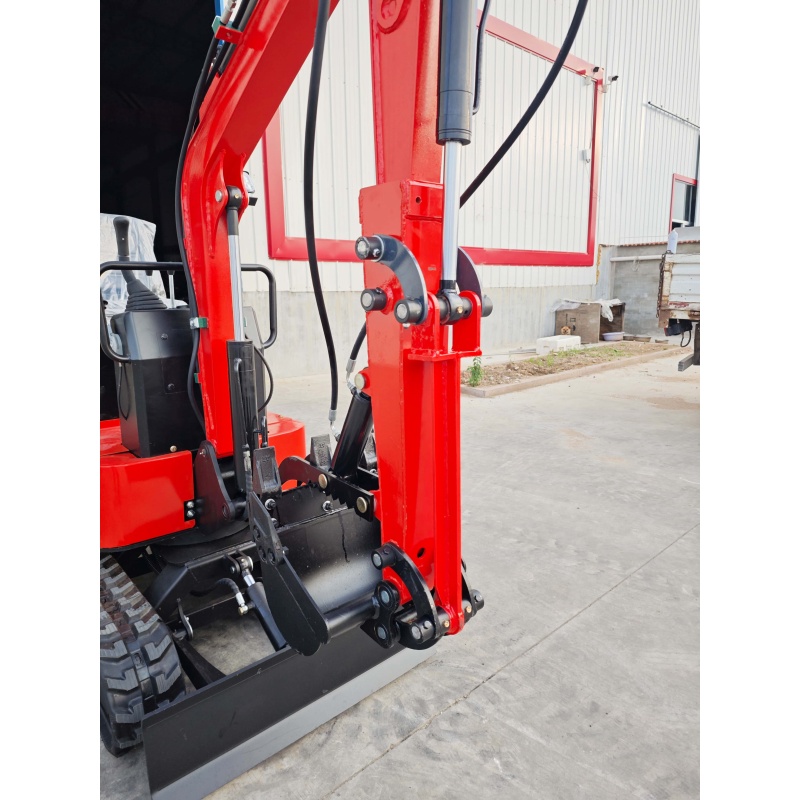
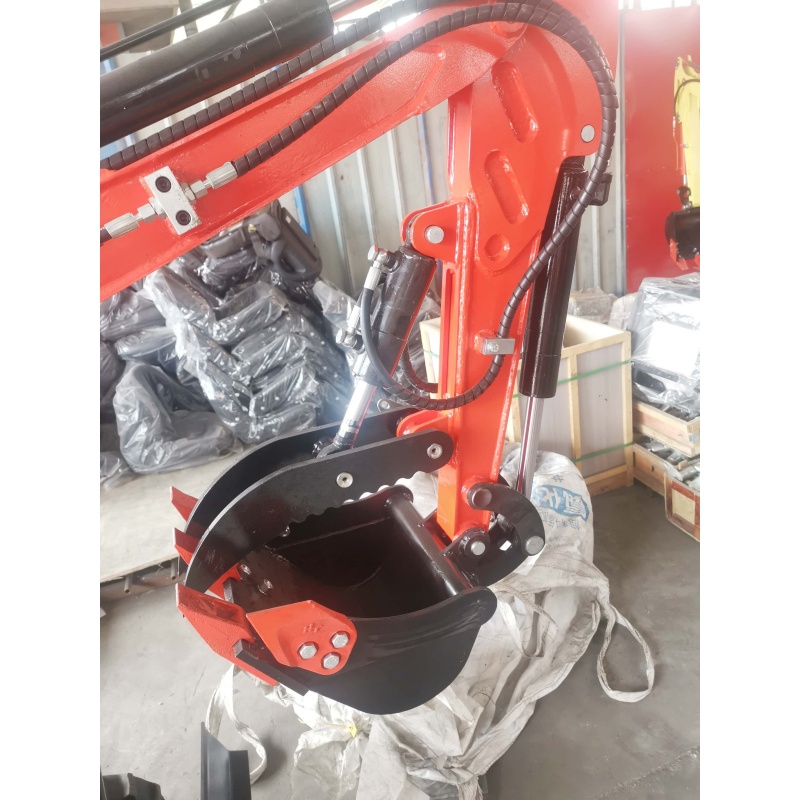
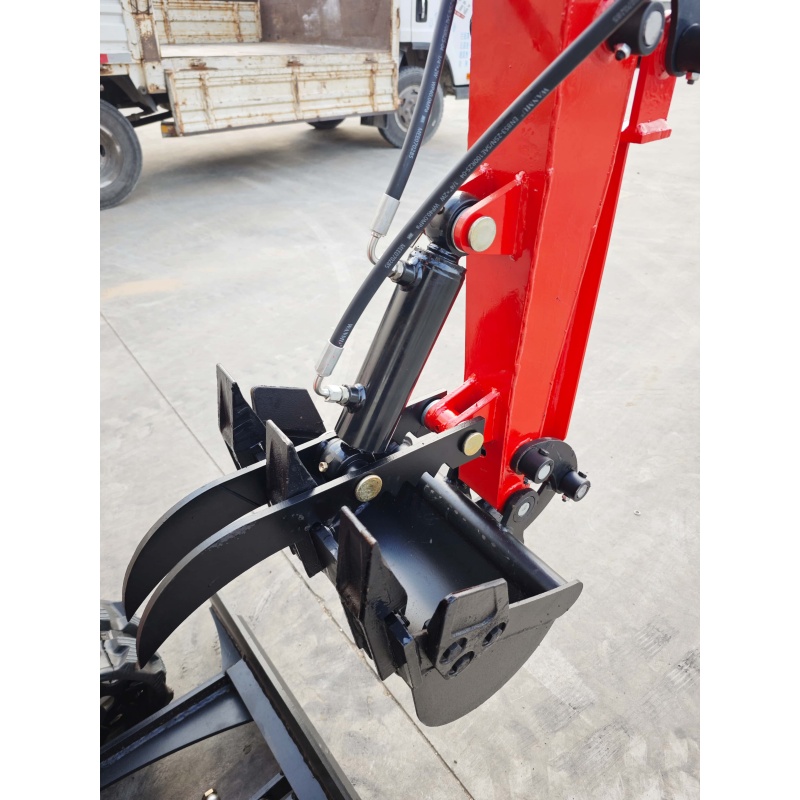
A hydraulic thumb bucket adds a powered grab to the bucket, so the machine can close on material and hold it instead of only scooping it. That single change turns a digging excavator into a tool for sorting, lifting and placing mixed material.
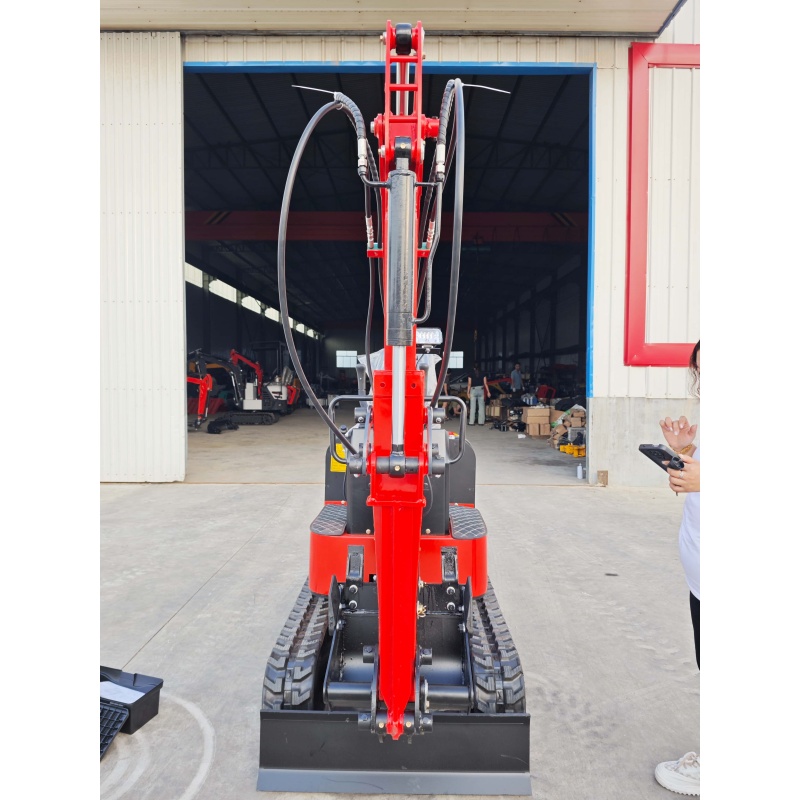
MINGYI fits hydraulic thumb buckets to its compact excavators as part of the machine specification. The bucket, thumb and hydraulic circuit are chosen together so the assembly works as one unit rather than as separate parts.
A powered thumb changes what the machine can accept, and the hydraulic circuit has to be sized for it.
| Checkpoint | What to settle for this machine |
|---|---|
| Carrier machine | Compact excavators, with the thumb fitted as part of the machine specification |
| Work it takes on | Sorting, lifting and placing mixed material by closing on it and holding it instead of only scooping |
| Ground and material | Ground that is frozen hard in the morning and soft by midday, and mixed material on site |
| Mounting and hydraulics | Powered grab added to the bucket |
| Confirmed at order stage | Hydraulic circuit and bucket sized to the machine |
| Handover and upkeep | Shared service schedule and parts list across fleet units, plus the correct oil and fuel grade for the season |
Grabbing and sorting material with a hydraulic thumb
The thumb closes against the bucket edge under hydraulic power, which lets the operator pick up logs, stones, brush and demolition debris without leaving the seat. On clearance work the same pass can dig, lift and load.
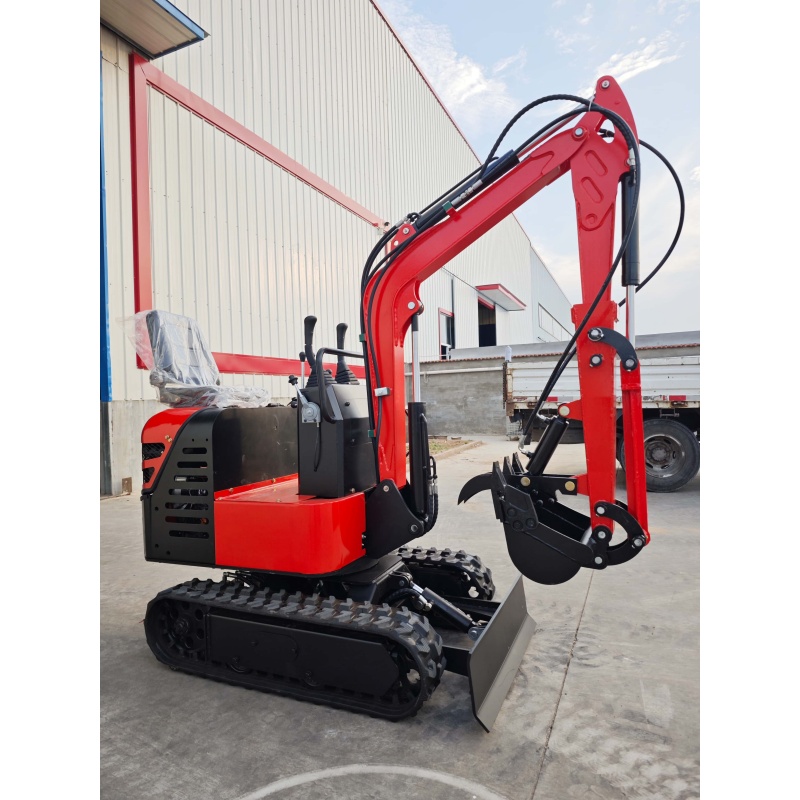
Sorting is the other common use. Mixed material can be picked apart on site, with the wanted items set aside and the rest loaded out, which avoids a second hand-sorting stage later in the job.
Coupler and hydraulic line requirements for a thumb bucket
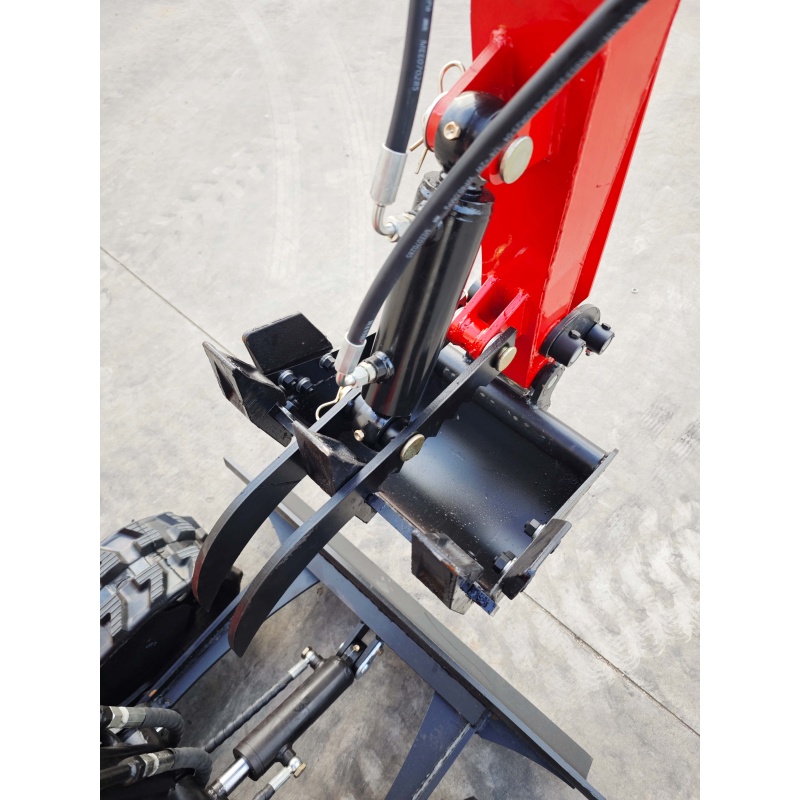
A thumb needs its own hydraulic circuit, so the machine must have the correct valve and hose routing from build. Adding the circuit afterwards is possible but usually more involved than ordering it with the excavator.
The thumb also has to match the bucket it closes against. Buyers should state the bucket widths they intend to run so the thumb travel and pin positions are set correctly at the ordering stage.
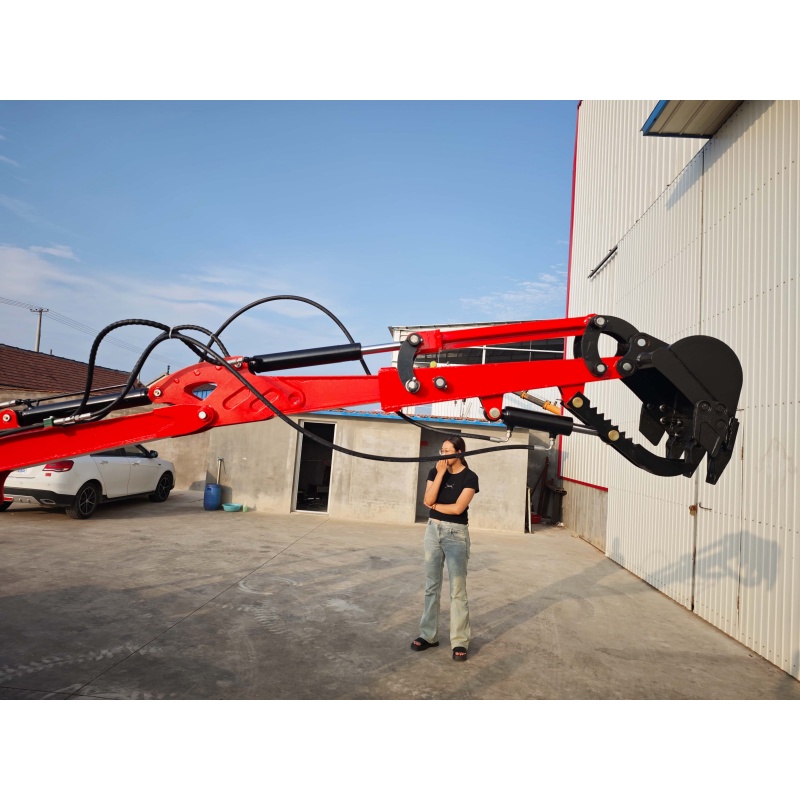
A hydraulic thumb bucket gives a compact excavator a grip as well as a scoop. MINGYI supplies these assemblies built to order as part of the machine specification.
Cold weather and low temperature work with hydraulic thumb bucket attachment Cold changes how a machine starts and how it warms up. Allowing the excavator to reach operating temperature before loading it, and using the correct grade of oil and fuel for the season, prevents most cold-start problems. Low temperatures also make materials behave differently. Ground that is frozen hard in the morning can be soft by midday, and planning the sequence around that is easier than fighting it with this class of machine. Running hydraulic thumb bucket attachment in a mixed fleet Utilisation matters more than the purchase decision over a few years. The unit in daily use that sits idle ties up the same yard space standing still as one that earns, so the buying decision should follow the hours the machine will realistically work. Standardising where possible simplifies everything downstream. When several units of a machine of this size share a service schedule and a parts list, the fleet becomes easier to plan and easier to sell on at replacement time. Ordering, lead time and delivery of hydraulic thumb bucket attachment Lead time is part of the specification. Confirming build time, shipping method and what is included before ordering the equipment on site prevents the common gap between when the machine is needed and when it can arrive. Delivery planning includes the receiving end. Knowing whether the machine itself will be craned, driven or forked off, and whether the site can accept it, is settled before dispatch rather than on the day. Transporting hydraulic thumb bucket attachment to and between sites Moving the machine is part of owning it. Overall length, width and height decide which trailer or container the model in question fits, and a machine that needs a permit or an abnormal load escort is a machine with a delivery delay built in. Shipping dimensions matter as much on export orders as they do locally. Confirming the packed size of the machine in that duty before booking avoids re-booking freight after the machine is built. Dust, mud and abrasive conditions around hydraulic thumb bucket attachment Abrasive conditions shorten service intervals. Air filters, seals and any exposed sliding surface on the unit on the job need attention more often in dusty or muddy work, and the extra checks prevent far more wear than the time they take. Sealed points and guarded areas deserve a look in these conditions. A machine built for the work working in abrasive dust benefits from checked boots, intact guards and clean breathers, all of which are quick to verify. Export packing and shipping of hydraulic thumb bucket attachment Export orders add steps that domestic buyers never see. Packed dimensions, securing points, documentation and any dismantling required are all settled before the equipment in service leaves the factory, and each one affects the freight booking. Container loading is a planning exercise. Confirming how the excavator is packed and how many units fit a container is what turns a per-unit freight estimate into a delivered figure the buyer can actually plan against. Load, ballast and stability on this class of machine Stability follows the load and its position. Knowing the rated capacity of the unit in daily use at the working radius, rather than at its best case, is what keeps handling predictable and the machine upright. Ballast and attachment weight change the machine. Adding a heavy tool to a machine of this size moves the centre of gravity, and the counterweight or configuration should be matched to the tool rather than assumed. Lighting and low light operation of the equipment on site Visibility from the seat is different at night. Reflections, shadows and glare all hide detail, so the machine itself used after dark benefits from clean lenses, working wipers and a slower working pace. Planning helps more than extra lamps. Positioning the model in question so that the work is lit from the machine side, and keeping the route clear, does more for safety than adding light to a badly planned task. Wear items and life of the machine in that duty Wear rate follows conditions far more than hours. The unit on the job working on abrasive ground or in mud will consume undercarriage or tyre life much faster than the same machine on clean ground. Replacing wear items early is usually simpler. Worn components on a machine built for the work load the parts they run against, so a worn part left too long often becomes a major repair. Operator technique and familiarisation Machine output varies more between operators than between brands. Smooth, planned movements put less load on the structure and use less fuel, and that difference is visible on the hour meter and in the service bills for the equipment in service. A short handover pays for itself. Operators who understand why the excavator is set up the way it is will report a change in behaviour early, which is usually the point where a repair is simplest. Handover and documentation for this class of machine Handover should include the documents as well as the keys. Parts list, service schedule and the operator notes for the unit in daily use are what the workshop needs in month six, and they are much harder to obtain later. Keeping the manuals where they can be reached matters. A machine of this size whose documents stay with the machine gets serviced on schedule; one whose paperwork was filed elsewhere tends to run on memory instead. Upgrading and reconfiguring the equipment on site Reconfiguration can extend the useful life of a machine. The machine itself that no longer suits the current work may suit it again with a different attachment, guarding or control arrangement. The decision is economic as well as technical. Comparing the work of reconfiguring the model in question against a different machine is a short calculation that usually gives a clear answer. Attachments and working tools for the machine in that duty Attachment decisions are best made before delivery. Specifying hydraulics and couplers at build time is simpler than adding them later, and it avoids the downtime of a workshop visit in the first month. Most owners find that the second attachment changes how often the machine is used. The unit on the job that was bought for one task often becomes the general machine on site once a second tool is available.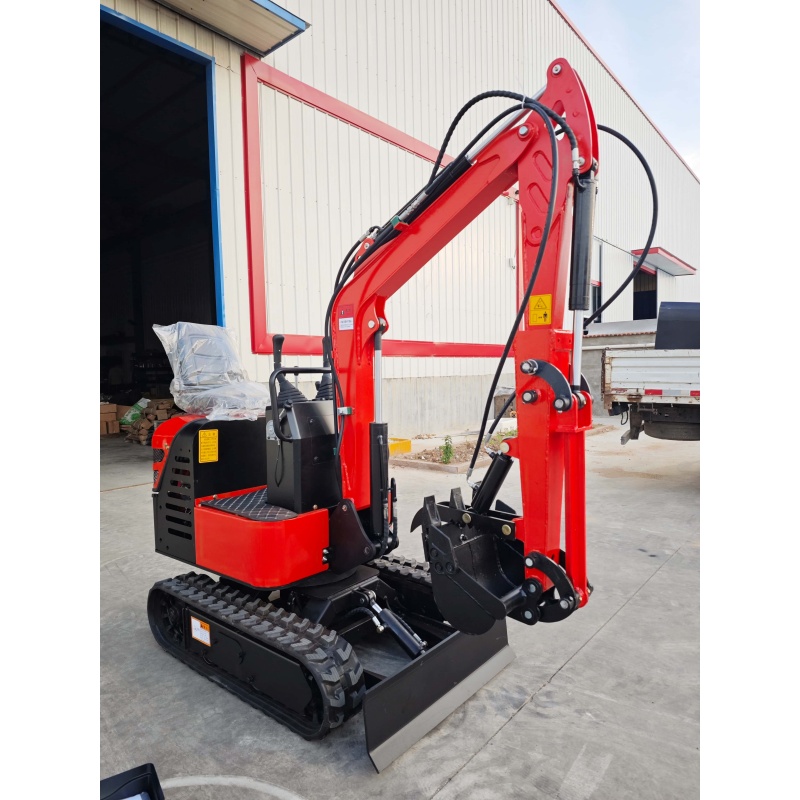
Q. What is a machine built for the work used for?
A. Attachments turn one carrier into several machines: dig on Monday, grade, lift, mow or drill on Tuesday without the machine leaving site. The quick coupler makes the changeover a minute job at the trench edge, and mechanical tools need no hydraulic lines at all. Read the equipment in service together with the engine, track and attachment pages: jobs around the excavator are decided by how those choices line up, not by any single number on the sheet.
Q. How is the attachment fitted and swapped?
A. Through the quick coupler on the dipper: seat the tool, lock it, plug the hydraulics where the design needs them. Mechanical attachments need no lines at all, so a bucket-to-rake change is a minute job at the trench edge.
Q. Can I see the machine before it ships?
A. Inspection is arranged at the factory, in person or by a scheduled video walk-around - the same session covers paint, decals and attachment fitment for the class of machine specification, so the machine inspected is the machine that ships.
A second operator for the unit in daily use
Different operators suit different work. The person who is quickest with a machine of this size on open ground is not always the one who is safest in a confined space, and having both available is a genuine advantage.
Later additions and retrofits on the equipment on site
An added function should pay for itself quickly. Whether the machine itself gains a different bucket, a hydraulic service or a protection package, the test is the number of days a year it is actually used.
Handover and getting familiar with the model in question
The first day with a new machine sets the pattern for the next five years. Handover for the machine in that duty covers the control layout, the daily check points and the limits the operator needs to know before the first real load is lifted or carried.
Cold weather and winter care for the unit on the job
A cold start is easier when the machine is prepared the night before. The routine that keeps a machine built for the work working through winter is mostly a matter of fuel, battery and patience in the first ten minutes of the day.
Reading the early symptoms on the equipment in service
Machines rarely fail without warning. A change in sound, a slower function or a new leak on the excavator is the machine saying something early, and listening then takes a fraction of the time that waiting does.
Planning the season around this class of machine
Workload is rarely even across the year, and the machine should be specified for the busy weeks. The unit in daily use sized only for the average month will be the limiting factor exactly when the work is worth the most.
Storage and long idle periods for a machine of this size
A stored machine should be brought back carefully. Before the equipment on site returns to work the fluids, the brakes and the controls are checked, because months of standing change more than a weekend does.
Pre-delivery inspection before the machine itself leaves the shop
A machine should be inspected while it is still on our floor rather than after it lands. For the model in question that means the engine is run to temperature, the hydraulics are cycled through full travel, and every function is checked against the build sheet before the crate is closed.
Hot, humid and dusty conditions around the machine in that duty
Heat and dust shorten service intervals rather than machine life. In these conditions the filters on the unit on the job need attention more often, and the cooling surfaces need to be kept clear to hold the working temperature.
E-mail : sales@mingycn.com
LINE ( ID ): mingyicn
Heat and hydraulic temperature in hydraulic thumb bucket attachment
Oil that runs hotter than the design range loses its film strength, and the first symptom is usually slower, softer movement rather than a leak.
Cooling cores blocked with dust or seed husks are the common cause in summer, and cleaning them from the inside out works better than washing the face of the radiator.
Related pages
hydraulic thumb bucket for demolition · thumb bucket and extended boom · Wheel Loader for Aggregate Yard: Stockpiles and Haul Cycles · Mini Excavators









