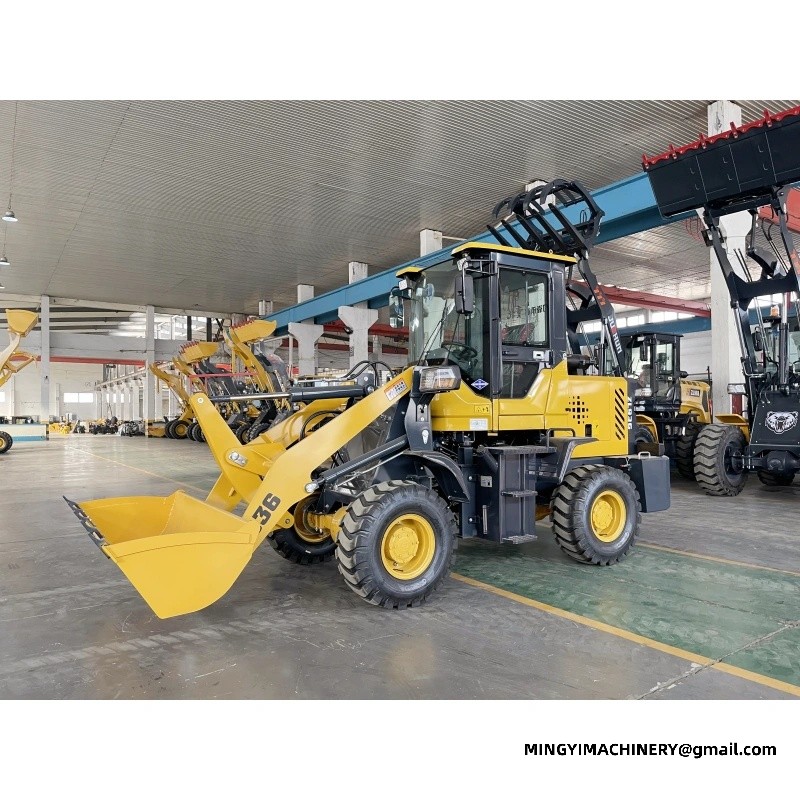
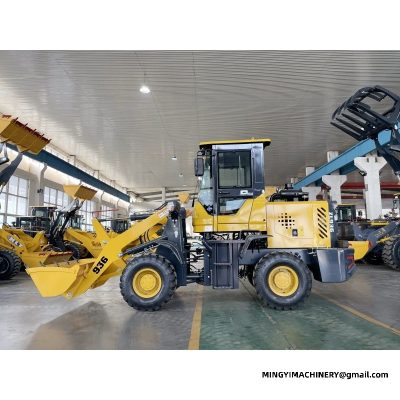
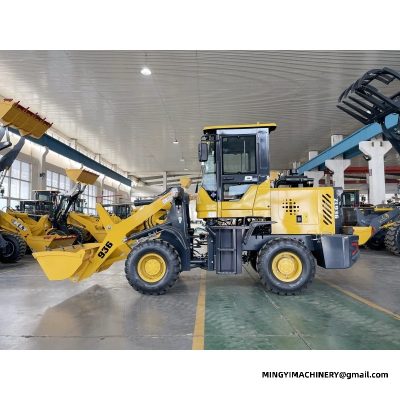
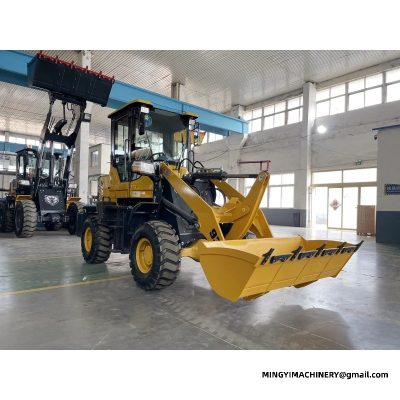
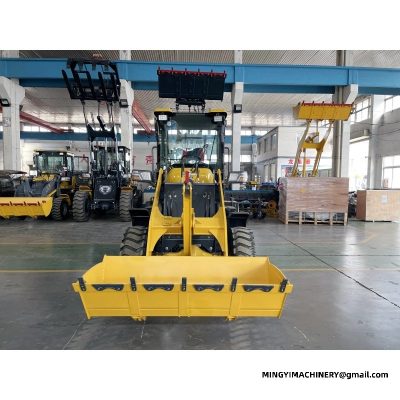
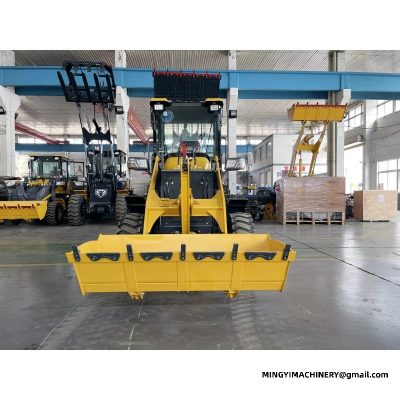
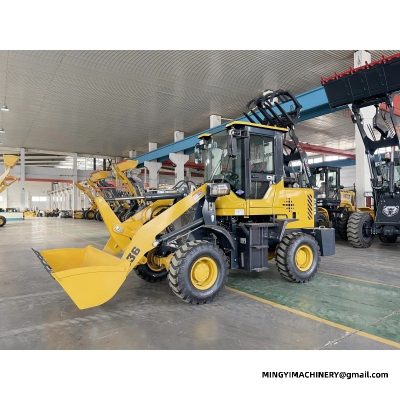
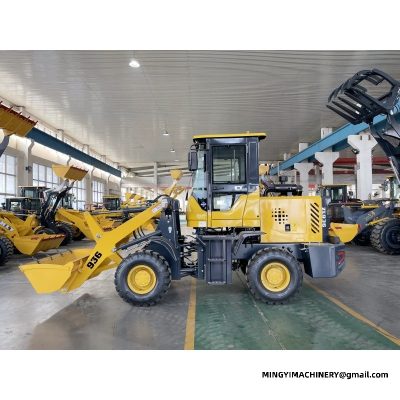
Two loaders can share a name and behave nothing alike. The difference is in the rows nobody reads: cross-member thickness, rear frame section, pump size, tyre fitment. Across this range those rows are published, which makes comparison possible rather than theoretical. Taking the light-duty 3.8 m small-frame wheel-side reduction wheel loader with its 0.38 m³ bucket and 3.8 m of lift against the light-duty 4.2 m small-frame wheel-side reduction wheel loader with 0.38 m³ and 4.2 m, this page sets out which figures change behaviour on site, which change the maintenance burden, and which change nothing at all.
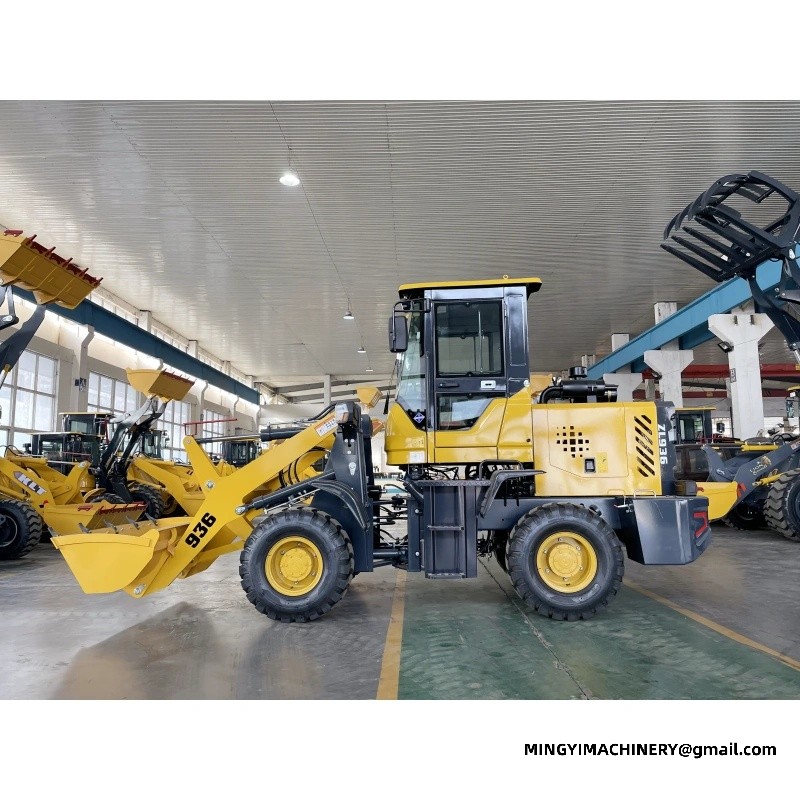
The two axle options on this range are differentiated by track: 1.5 m (wheel-side reduction axle); 1.45 m (Isuzu axle) on the light-duty 3.8 m small-frame wheel-side reduction wheel loader, 1.5 m (wheel-side reduction axle); 1.45 m (Isuzu axle) on the light-duty 4.2 m small-frame wheel-side reduction wheel loader. Behind the number is a different reduction layout. The Isuzu-pattern bridge is lighter, faster on hard ground and simpler to service. The wheel-side reduction bridge puts the final drive at the hub, which lowers the load on the shafts and raises the torque available at the tyre.
Choose by surface and gradient. On compacted hardstanding and long haul roads the Isuzu-pattern axle is the better machine; on a soft lane, a loading ramp or an uncompacted stockyard, hub reduction is what keeps the machine moving when a wheel would otherwise spin. Track width interacts with it: 1.5 m (wheel-side reduction axle); 1.45 m (Isuzu axle) on the light-duty 3.8 m small-frame wheel-side reduction wheel loader and 1.5 m (wheel-side reduction axle); 1.45 m (Isuzu axle) on the light-duty 4.2 m small-frame wheel-side reduction wheel loader are the figures to check against your narrowest gate, door or aisle before anything else on the sheet.
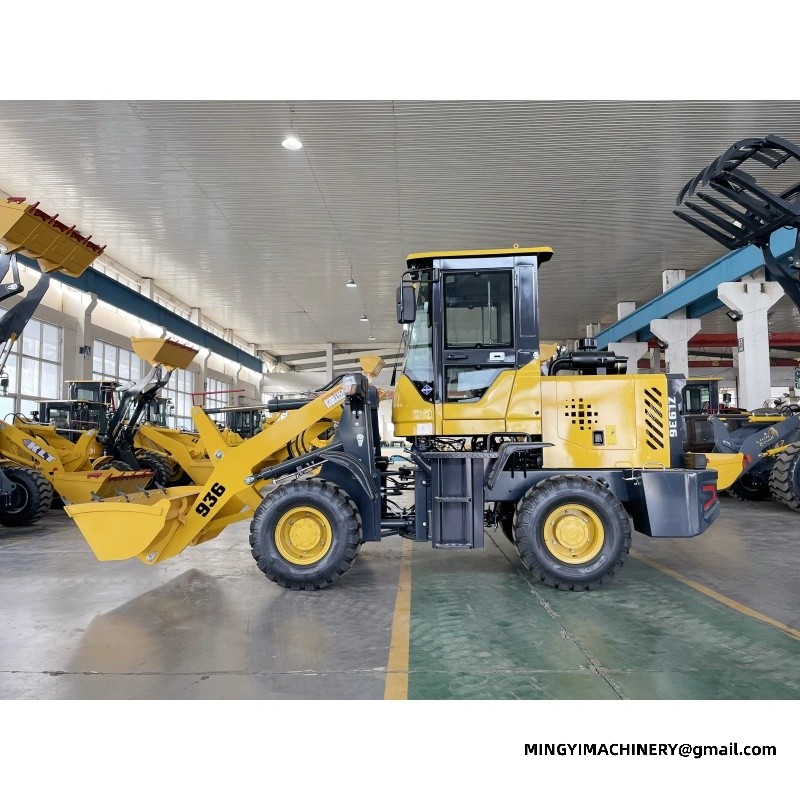
Breakout happens when the bucket is driven into the face and lifted, and it loads the boom in bending. The figures that resist it are wall 25 mm, width 370 mm, and the spacing between the two arms, 890 mm. A wider spacing spreads the load across the pins instead of concentrating it.
Length works against you here. A 2.61 m arm gives reach and height and multiplies the bending moment at the same time, which is why long-arm builds carry thicker walls. On the heavy-duty 4.2 m medium-frame wheel-side reduction wheel loader the same comparison is 3.16 m of length against 30 mm of wall. Where the material is hard to break out, the shorter, thicker combination is usually the better machine.
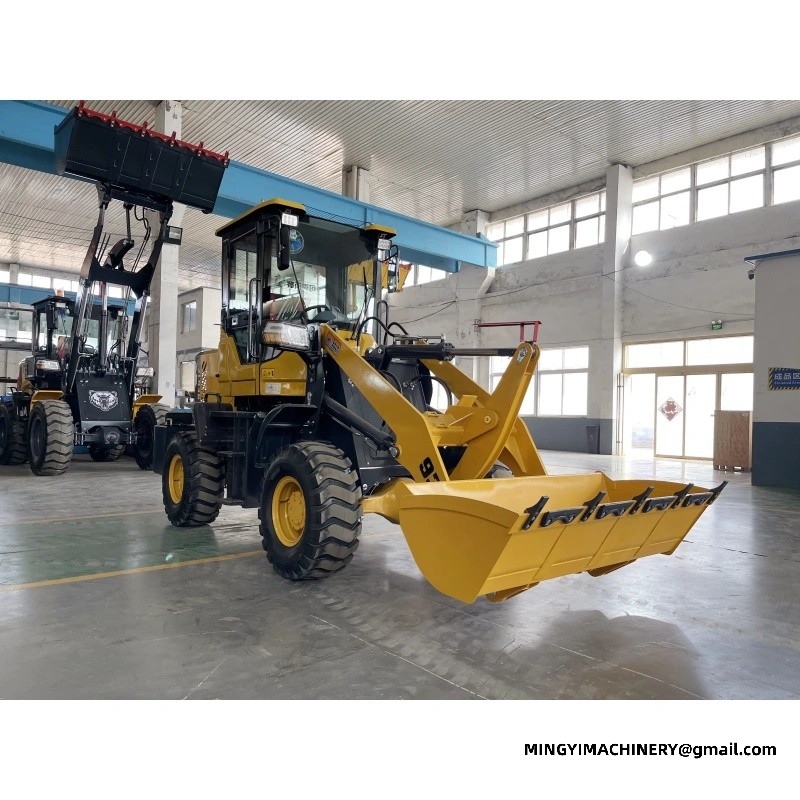
The boom is the part that turns engine power into a loaded bucket at height, and four figures describe it. Length runs 3.15 m on the light-duty 4.2 m small-frame wheel-side reduction wheel loader against 3.15 m on the heavy-duty 3.5 m medium-frame wheel-side reduction wheel loader; wall thickness 25 mm against 30 mm; section width 370 mm against 500 mm; and the mount spacing — boom centre distance — 890 mm against 920 mm. Read together, those four numbers tell you more about how a machine will behave than bucket capacity ever will.
Length buys reach and takes stability, because every extra millimetre moves the load centre further from the front axle. Wall thickness resists bending; section width resists twisting. Centre distance is the one most buyers never ask about, and it is the one that decides whether the arm takes a side load cleanly or twists the pins — which matters the moment an operator digs one corner of the bucket into a heap instead of squaring up to it. On the light-duty 4.2 m small-frame wheel-side reduction wheel loader the combination of a 3.15 m arm, a 25 mm wall and a 890 mm spacing is matched to a 0.38 m³ bucket, and that match is what keeps the frame tight over a full season.
| Sample build from the range — heavy-duty 4.2 m medium-frame wheel-side reduction wheel loader | |
|---|---|
| Bucket capacity | 0.65 m³ |
| Dump height | 4.2 m |
| Track width | 1.6 m |
| Boom arm thickness | 30 mm |
| Boom arm width | 520 mm |
| Boom arm length | 3.16 m |
| Boom arm centre distance | 960 mm |
| Cross-member thickness | 45 mm |
| Front hinge plate thickness | 45 mm |
| Rear hinge plate thickness | 30 mm |
| Rear frame section | 300 mm high x 800 mm wide |
| Hydraulic cylinders | centre cylinder 60 / side cylinder 50 |
| Fuel tank | 70 L (75# large tank) |
| Battery | 80 Ah |
| Front wheel to counterweight | 4.55 m |
| Radiator | 4105 core |
| Work pump | 2063 pump |
| Travel pump | 25 pump |
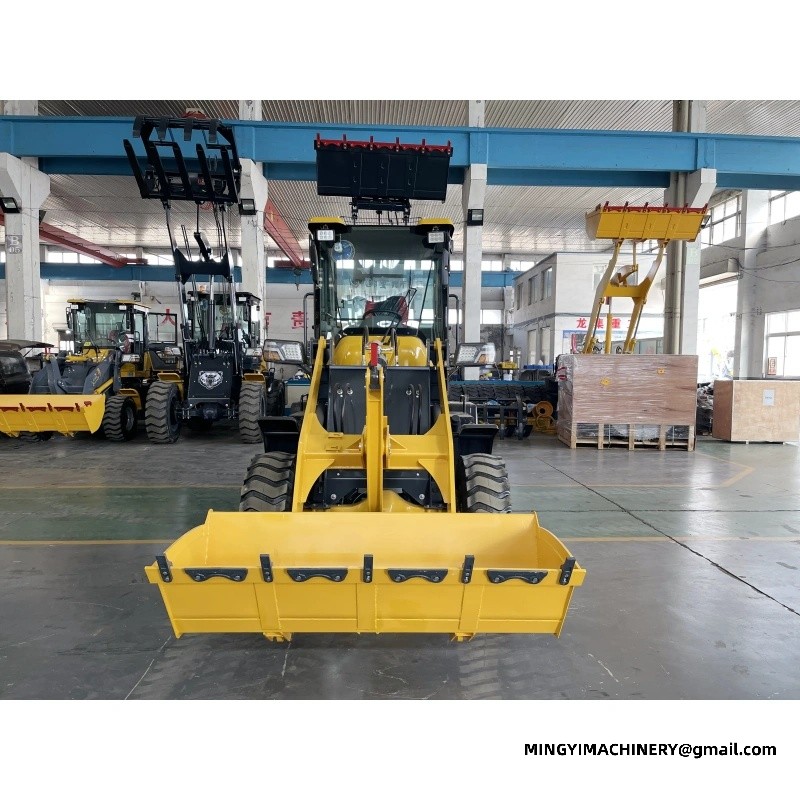
Two figures govern refuelling: tank capacity and consumption per hour, and only the first is published — 64.7 L (75# small tank) on the light-duty 3.8 m small-frame wheel-side reduction wheel loader, 64.7 L (75# small tank) on the light-duty 4.2 m small-frame wheel-side reduction wheel loader. Consumption depends on duty, and the duty differences between a 0.38 m³ bucket at 3.8 m and a 0.38 m³ bucket at 4.2 m are mostly about how hard the engine works per cycle.
What you can plan on: a machine working a short, level cycle will finish a shift on one tank; the same machine ripping from a face or loading up a ramp will not. If your site has no refuelling point, size the tank to the worst day rather than the average one, and specify the larger option where a build offers it. The cooling package is the other half of the same calculation — 4100 core (490 engine); 4105 core (4102T engine) on the light-duty 3.8 m small-frame wheel-side reduction wheel loader and 4100 core (490 engine); 4105 core (4102T engine) on the light-duty 4.2 m small-frame wheel-side reduction wheel loader — because a machine that stops for temperature stops wherever it is.
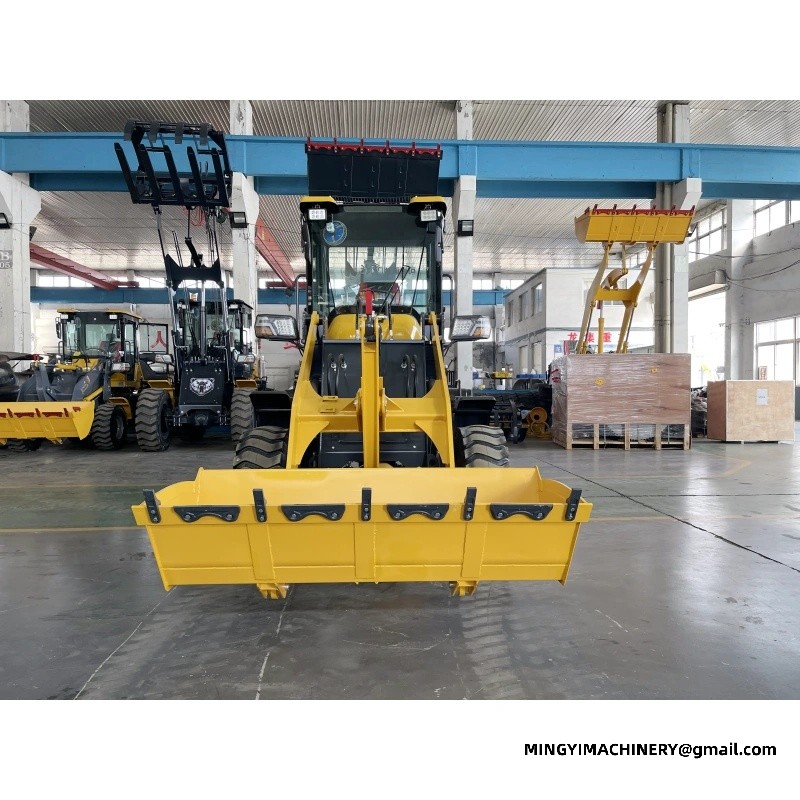
Daily: walk the machine, look at the ground under it, check the coolant level in the 4100 core (490 engine); 4105 core (4102T engine) package, and grease the hinge pins. The hinge is where wear starts, and on the light-duty 3.8 m small-frame wheel-side reduction wheel loader those are 25 mm front and 14 mm rear plates over a 25 mm cross-member — a greasing interval missed there takes pins and bores, not just grease.
Weekly: check the centre cylinder 45 / side cylinder 40 cylinder rods for scoring, the hoses for chafe, and the 40 pump (490 engine); 1045 pump (4102 turbo engine) and 316 pump connections for weeping. Monthly: torque the boom mount pins to the 890 mm spacing and inspect the cutting edge. On the light-duty 4.2 m small-frame wheel-side reduction wheel loader the same schedule applies with 4100 core (490 engine); 4105 core (4102T engine), centre cylinder 45 / side cylinder 40, 40 pump (490 engine); 1045 pump (4102 turbo engine) and 890 mm. None of it is skilled work, and all of it is simpler than the failure it prevents.
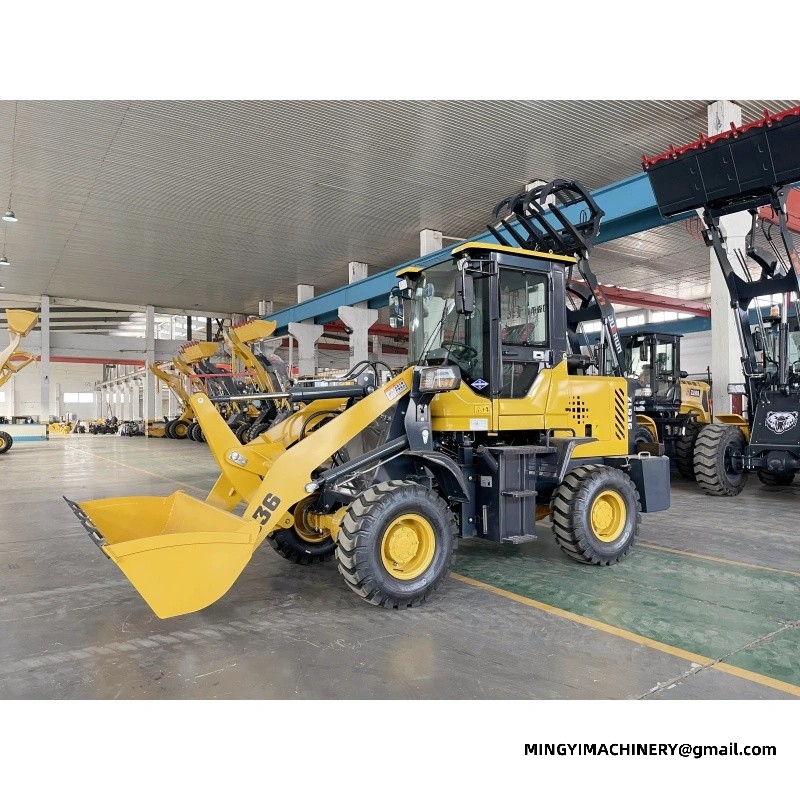
Every unit leaves the factory knock-down: booms and counterweights loose, tanks removed, batteries boxed and disconnected. Because rear frame sections stay within the 280 mm high x 800 mm wide to 280 mm high x 800 mm wide band across the range, two to three loaders ship in one forty-foot container.
What arrives is a machine plus a commissioning job. On the light-duty 3.8 m small-frame wheel-side reduction wheel loader that means fitting the 2.61 m boom to the 890 mm mounts, torquing the 25 mm hinge pins, filling the 64.7 L (75# small tank) tank and the 4100 core (490 engine); 4105 core (4102T engine) cooling system, and connecting the battery. On the light-duty 4.2 m small-frame wheel-side reduction wheel loader the same sequence applies with 3.15 m, 25 mm, 64.7 L (75# small tank) and 4100 core (490 engine); 4105 core (4102T engine). Allow a day per machine, and allow for the fact that the battery will have sat for weeks.
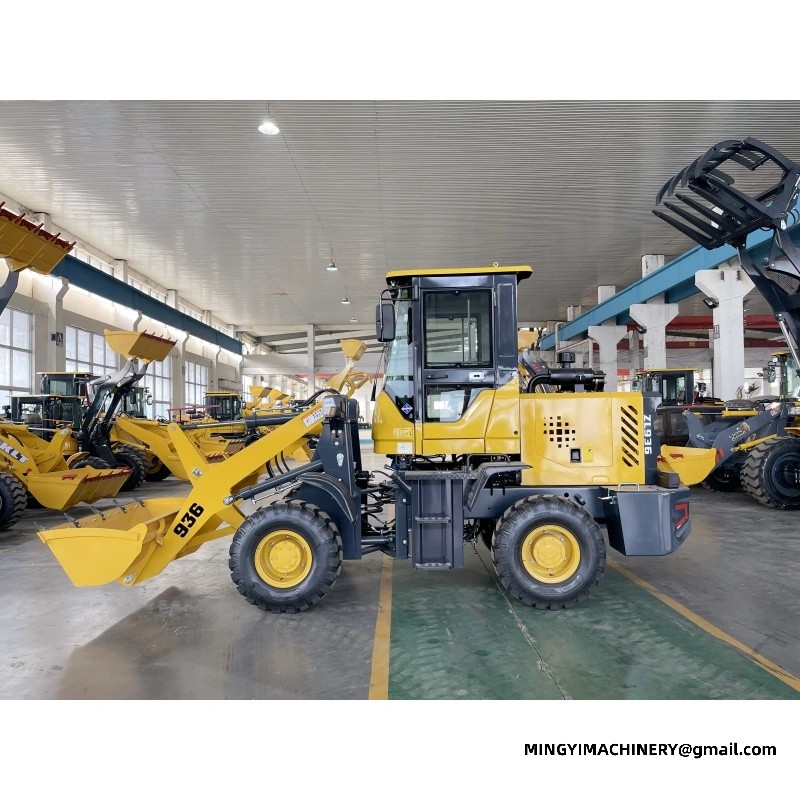
A starter spares box for the light-duty 3.8 m small-frame wheel-side reduction wheel loader is short: filters to match the 4100 core (490 engine); 4105 core (4102T engine) cooling package and the engine, a hose set for the centre cylinder 45 / side cylinder 40 cylinders, a pin and bush kit for the 890 mm boom mounts, and a cutting edge. On the light-duty 4.2 m small-frame wheel-side reduction wheel loader the same list applies with centre cylinder 45 / side cylinder 40, 890 mm and the 4100 core (490 engine); 4105 core (4102T engine) package.
Beyond that, stock by consequence. A failed hose stops the machine for a day; a failed pump stops it for a week; a failed hinge plate stops it for a season. Filters and hoses are simple and universal enough to keep on site. Pumps — 40 pump (490 engine); 1045 pump (4102 turbo engine) and 316 pump on the light-duty 3.8 m small-frame wheel-side reduction wheel loader, 40 pump (490 engine); 1045 pump (4102 turbo engine) and 316 pump on the light-duty 4.2 m small-frame wheel-side reduction wheel loader — are worth one spare per fleet, not per machine.
A machine that wanders on the road and feels vague in the turn has worn hinge pins. The plates are 25 mm front and 14 mm rear over a 25 mm cross-member; when the pin bores ovalise, the geometry the frame was built to hold is gone, and no amount of steering adjustment brings it back.
Check it by loading the bucket, holding the machine on a slope and watching the joint while an operator rocks the steering. Movement there is wear; movement at the rear, over the 280 mm high x 800 mm wide section, is a different and more serious problem. Catching the first case takes a set of pins; missing it takes a frame.
What affects operator fatigue on a front wheel loader?
Seat, visibility and how much the machine has to be corrected. A tight frame wanders less; a loose one behind the 30 mm plate is tiring to hold on the road.
Can a front wheel loader be used with forks?
Yes, and the load centre moves forward, so capacity drops. Check the boom section, 500 mm wide with 890 mm of spacing, before hanging a long carriage off it.
Is a front wheel loader suitable for night work?
With adequate lighting, yes. Electrical capacity is the constraint and the rating is 45 Ah (24 V); extra lamps and beacons come out of the same plan.
Which spares should I hold for a front wheel loader?
Hoses and seals for the centre cylinder 60 / side cylinder 50, filters, belts and a battery to the 80 Ah rating. Do not stock welded items; plates at 45 mm and 30 mm are a repair, not a spare.
Can worn pins on a front wheel loader be repaired?
Yes, if the plates are sound. Re-machining restores geometry for a while; once the 45 mm cross-member and 300 mm high x 800 mm wide rear section have been flexing, it will not hold.
How should a front wheel loader be stored for a season?
Isolate the battery, which is rated 45 Ah (24 V), grease the pins, and protect the cylinder rods on the centre cylinder 45 / side cylinder 40. Machines stored outside suffer at the pins and the electrics.
Why does my front wheel loader wander on the road?
Worn hinge pins. Load the bucket, hold the machine on a slope and watch the joint while the steering is rocked; movement there is wear behind the 30 mm and 20 mm plates.
The range exists so that a front wheel loader can be matched to the work rather than approximated to it. Start with dump height, check the steel, then let bucket volume follow from the material — that order gets it right more often than any other.
Planning the season around Front Wheel Loader: What Operators Notice First
Seasonal work rewards a machine that can change duty. Through the year Front Wheel Loader: What Operators Notice First may move from one task to another, and the attachment list should be chosen for the whole year rather than for the first job.
Reading the early symptoms on Front Wheel Loader: What Operators Notice First
Operators notice things first because they hear the machine every day. Encouraging the person on Front Wheel Loader: What Operators Notice First to report small changes, and acting on them, is the most effective maintenance programme there is.
Contact MINGYI Machinery for the current wheel loader lineup, configuration options and a formal specification for your market. E-mail: sales@mingycn.com | LINE (ID): mingyicn
Loader Machine for Construction: Cycle Work Day to Day · Wheel Loader for Mining: Tyres, Ramps and Haul Roads · Wheel Loader Manufacturer: Five Figures to Ask For · Wheel Loader









