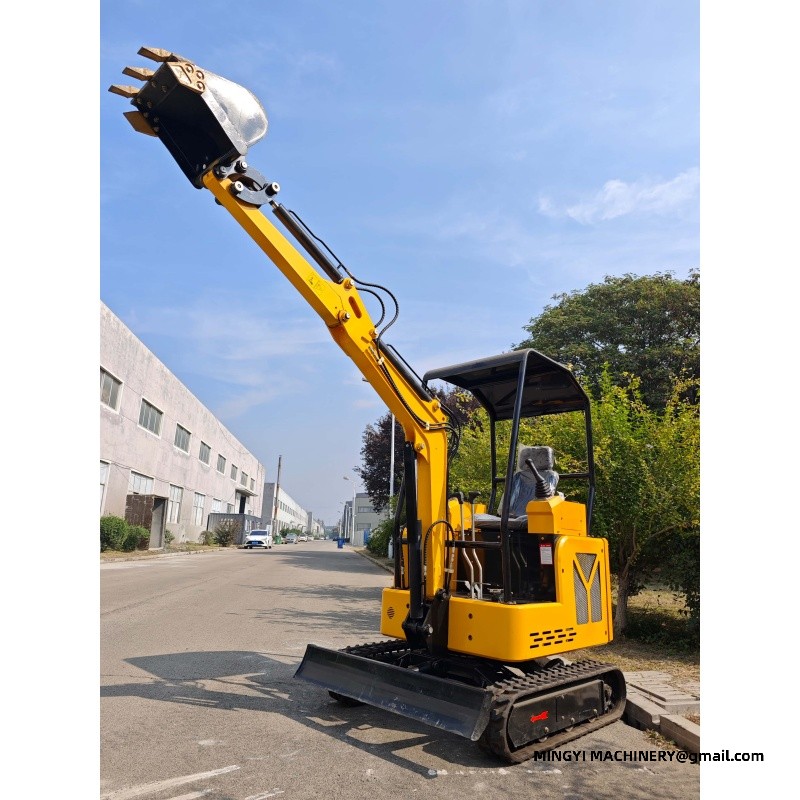
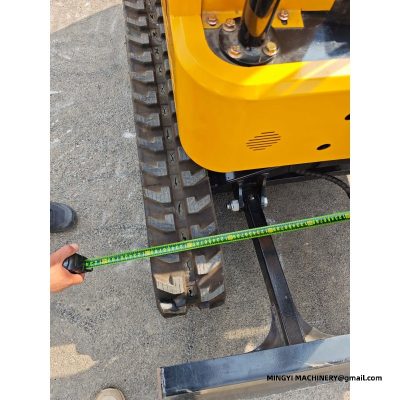
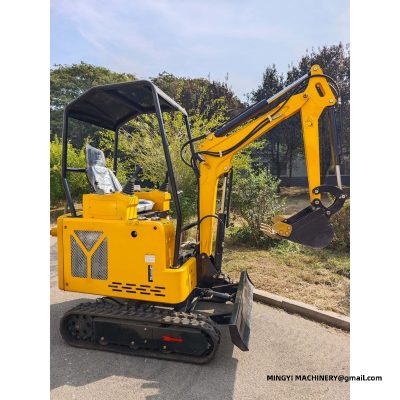
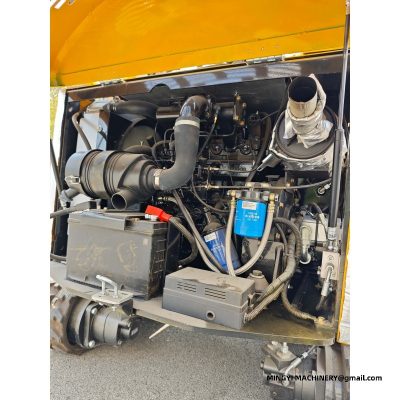
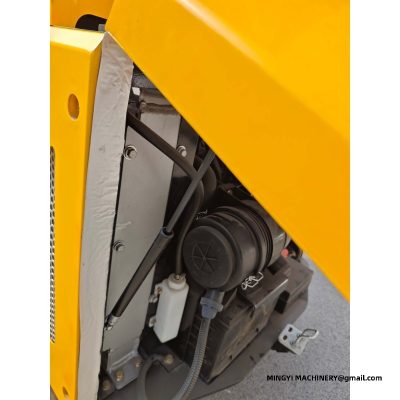
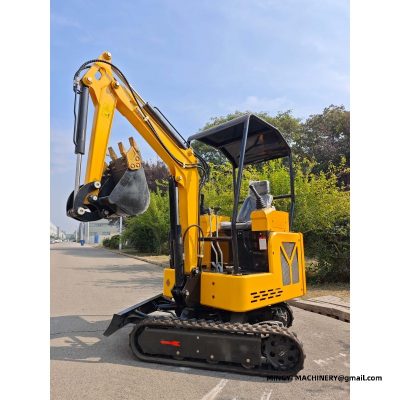
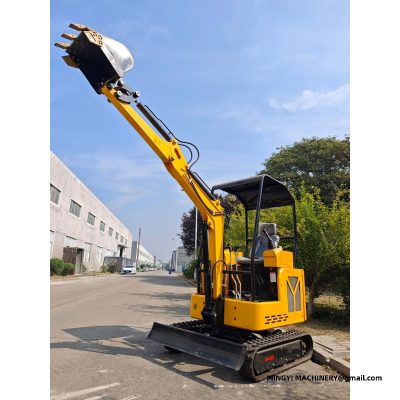
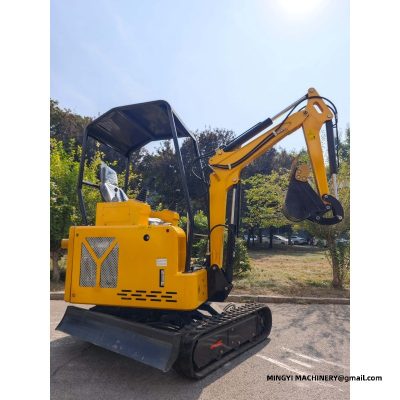
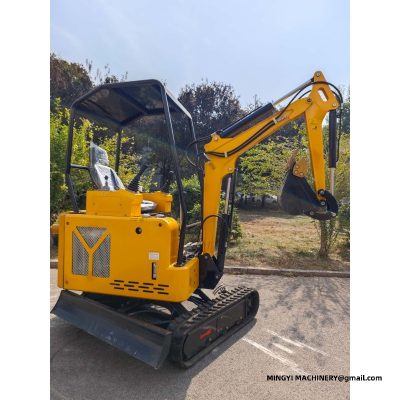
A quick coupler is the difference between an excavator that does one job and an excavator that does the whole site. It allows the bucket, breaker, auger or rake to be changed on the machine in minutes rather than being bolted on for a day.
MINGYI supplies both mechanical and hydraulic quick-change heads on the 08, 12 and 18 model series.
Mechanical versus hydraulic couplers
A mechanical quick coupler is released and locked from the operator platform, which suits machines where the tool changes a few times a day. A hydraulic quick coupler is operated from the cab, so the tool can be swapped without the operator leaving the seat — the right choice when the job alternates between digging and breaking many times a shift.
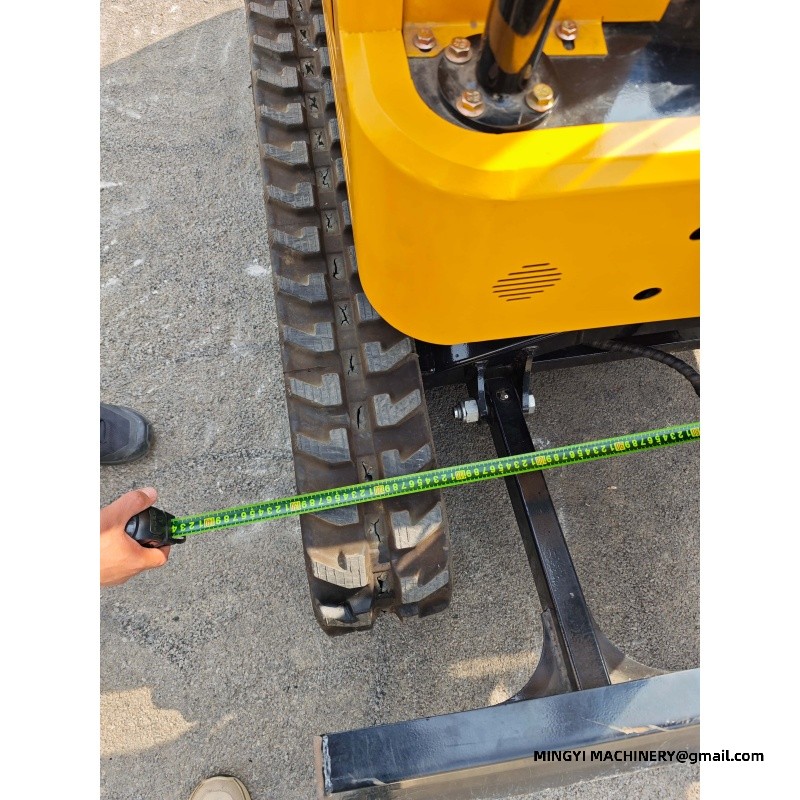
Both types use the same attachment interface, so the same bucket set can be used across the range.
Fitting attachments safely and quickly
A coupler speeds work only if the tool is properly engaged. Our couplers use a positive locking arrangement so the attachment cannot detach under load, and the engagement can be checked visually from the cab before the machine lifts the tool clear.
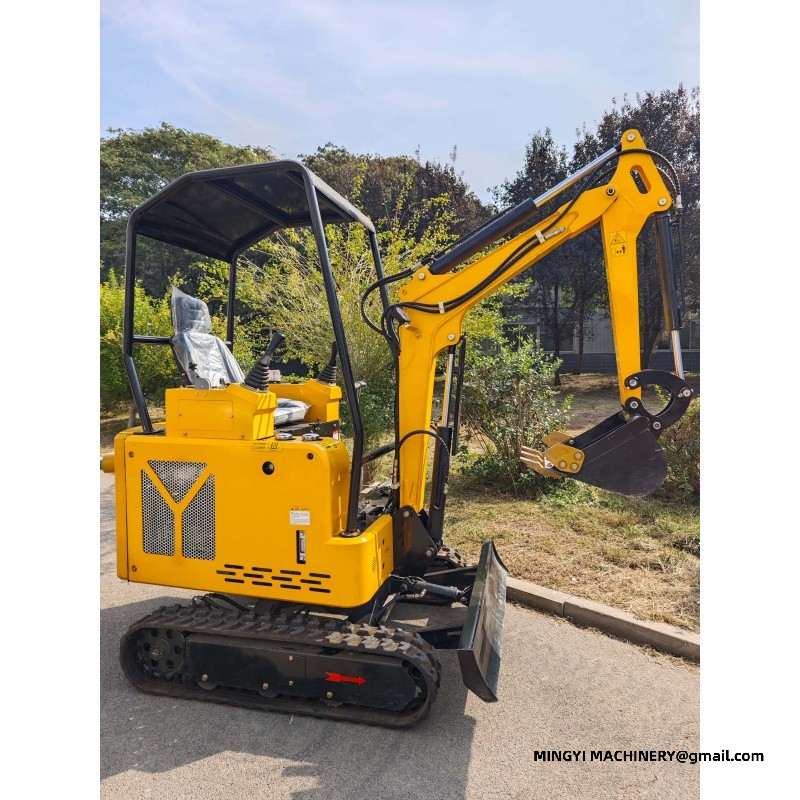
Quick coupler benefits
• Tool changes measured in minutes, not hours
• One machine covers digging, breaking, drilling and raking
• Hydraulic version operated from the cab
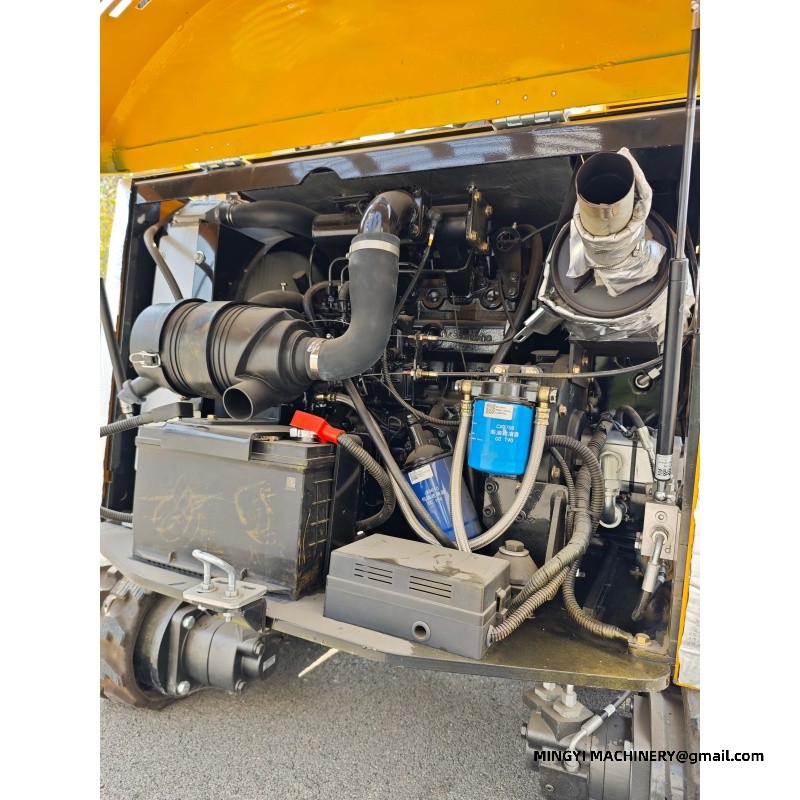
• Positive lock to prevent attachment release under load
• Common interface across the model range
Tell us how often the tool has to change and which attachments you plan to run, and we will advise on the coupler type.
Trailering and moving mini excavator quick coupler Transport weight and width decide whether a machine needs a specialist haulier. This class of machine sized to travel on a standard plant trailer behind a suitable vehicle moves with the crew rather than on a scheduled low loader. Loading practice matters as much as the numbers. The unit in daily use is driven up ramps under its own power with the boom lowered and the tracks aligned, and secured at the points the manufacturer specifies. Working a mini excavator quick coupler in confined spaces Confined sites are decided by dimensions. Overall width, tail swing and the space needed to work the arm are what let a machine of this size operate inside a building, between walls or in a courtyard. Ventilation is the other indoor constraint. Running the equipment on site inside a closed structure needs air movement, and that is a planning item rather than something to discover after the first hour. Specifying mini excavator quick coupler against a job list Buyers who skip this step either over-buy or under-buy. The machine itself specified only from machine size tends to arrive without the coupler, the circuits or the track type the work actually needs. Useful information to send with an enquiry includes working width, required digging depth, ground conditions and the attachment set. Those four items let the factory specify the model in question that fits rather than a generic build. What owners should plan for beyond the mini excavator quick coupler Purchase decision is the visible part of the effort. Fuel, filters, tracks or tyres, the operator and the transport between sites are the items that decide what the machine in that duty actually demands over a few seasons, and they are worth listing before the order. Downtime is the hidden line item. The unit on the job waiting on a part earns nothing while it stands, so parts availability and service access belong in the plan as much as fuel does. Export packing and shipping of mini excavator quick coupler Machines leave the factory prepared for container or flat rack shipment. A machine built for the work is normally shipped with the attachment set and the spare parts list agreed in advance so the container is planned once. Export documentation, decals and paint are settled before packing. Asking for them with the equipment in service order avoids a second handling session and keeps the machine on the booked vessel. Hiring versus owning this class of machine The choice follows the hours. Work that fills a few weeks a year is usually better hired, while the unit in daily use that would be on site most weeks starts to justify ownership once the transport and booking time is counted. Availability is part of the decision. Owning a machine of this size means it is there on the day the ground is ready; hiring means competing for the same machine at the same time as everyone else in the season. Daily checks and maintenance on the equipment on site Daily maintenance on the machine itself is a short list: engine oil level, coolant, track tension, hydraulic oil level and a look at the hoses. Ten minutes at the start of the shift prevents most of the failures that stop a machine. Track tension is the item most often neglected. The model in question run with slack tracks wears the undercarriage and can throw a track on a turn; run too tight, the same components wear from the other direction. Operator technique for the machine in that duty Output on a compact machine comes from placement rather than power. An experienced operator keeps the unit on the job working inside the swing arc, positions once and digs a full run instead of repositioning for every bucket. The second habit is tool discipline. Running a machine built for the work with the right bucket width for the trench means less spoil, less reinstatement and a cleaner job than a wide bucket and a lot of trimming. Running the equipment in service in a rental fleet Rental fleets buy for utilisation, not for a single job. This class of machine with a quick coupler and a common attachment standard is hired more often because it suits more of the calls that come in. The specification that rents best is usually the simplest one to explain at the counter. The unit in daily use with rubber tracks, a canopy and a coupler covers the majority of weekend and short-term hires. Interior and light demolition with a machine of this size Interior demolition is an access and a weight question. The equipment on site that fits through a doorway and works on a suspended floor does jobs that would otherwise be done by hand or by a larger machine that cannot enter. Dust, debris clearance and floor loading all argue for a compact machine indoors. The machine itself spreads its weight over a wider track footprint than a wheeled machine of similar capacity. Attachments that turn the model in question into several machines Attachment lists are best written before delivery. Specifying the machine in that duty with the tools the job list needs avoids the work and delay of adding hydraulics later, and a quick coupler makes the swap a few minutes instead of a workshop job. Most of the daily variety on the unit on the job comes from the attachment rack rather than from the machine itself. Bucket, breaker, auger, ripper, rake and grab cover the large majority of the work a contractor will see. Working on slopes and uneven ground with a machine built for the work Ground that looks level often is not. The equipment in service crossing a filled trench, a soft edge or a hidden void behaves differently from one on undisturbed ground, and those are the places worth walking before driving. Planning the direction of travel helps. Working so that the this class of machine is stable under load and not required to turn on a slope is a decision made before the job starts, not a correction made during it. Working the unit in daily use through the seasons Weather decides which days are productive. Rain turns some ground unusable and cold changes how a machine of this size starts and warms up, so planning the wet months around maintenance is more useful than planning around output. Seasonal planning smooths the workload. Machines that are busy for a few months and idle for the rest benefit from a service slot in the quiet period, and the equipment on site prepared in the off-season starts the busy months reliably. Parts, service and support for the machine itself Support after delivery is a parts question. Filters, belts, hoses and the wearing items specific to the model in question are what a buyer should plan to hold before the first service interval rather than order after a failure. Specification data for the machine in that duty Where the unit on the job is being specified for a job list, the table below gives the factory figures that matter most: what the machine weighs, how deep and how far it works, and what it measures on a trailer. Figures are factory figures and are confirmed on the build sheet for a machine built for the work. Where a job sits between two models, the larger machine usually takes less time than the smaller one spends on rework. Engine parts availability usually drives the engine choice. The equipment in service built with an engine the local network already carries is serviced from stock rather than from an international order. Remote support is handled by video. This class of machine fault can often be diagnosed on a walk-around call with the panel open, which is faster than waiting for a visit and avoids shipping a part that is not needed.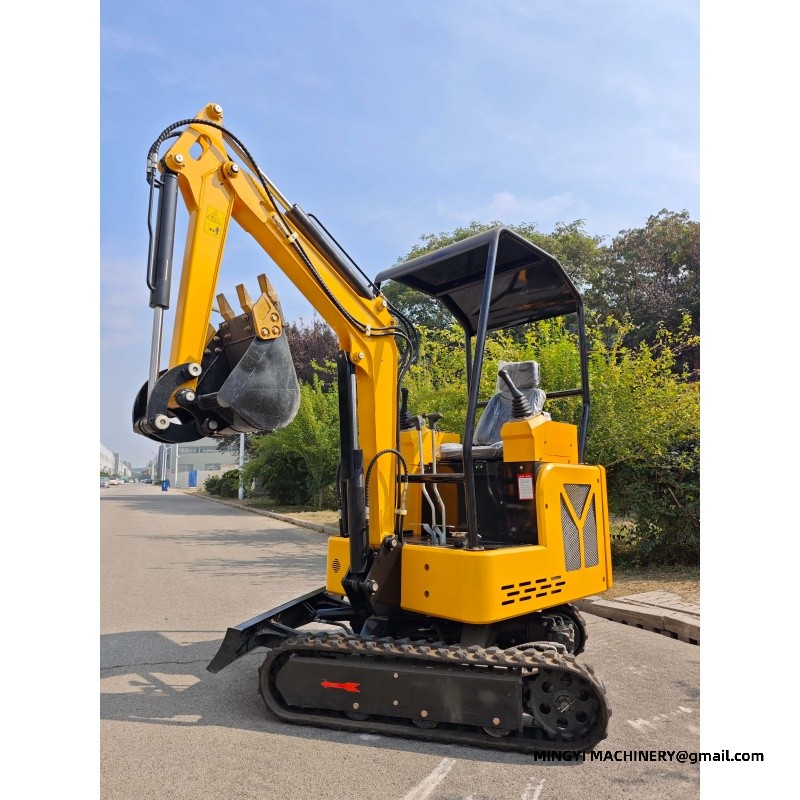
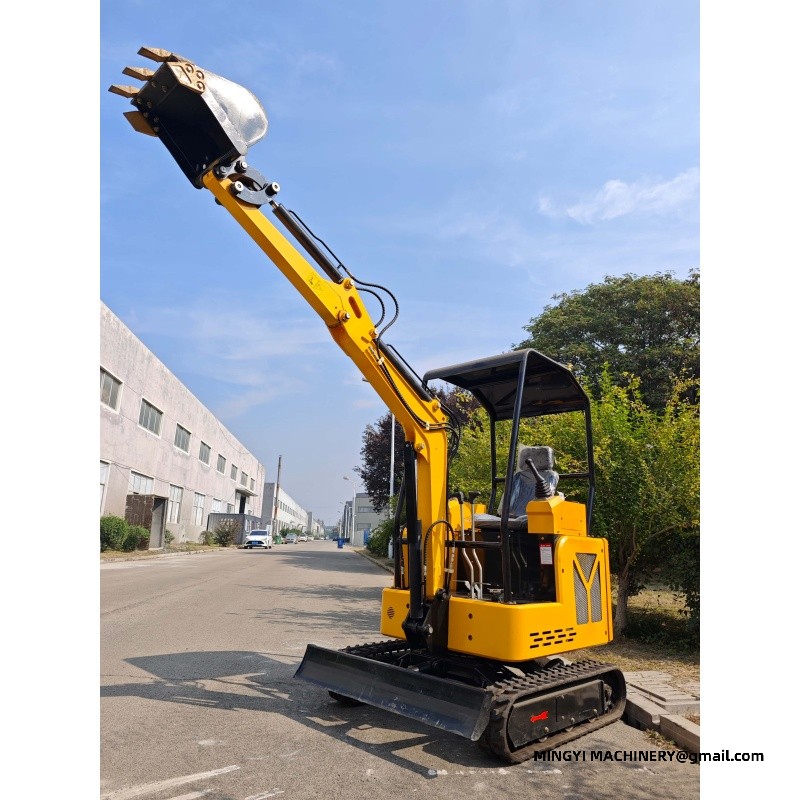
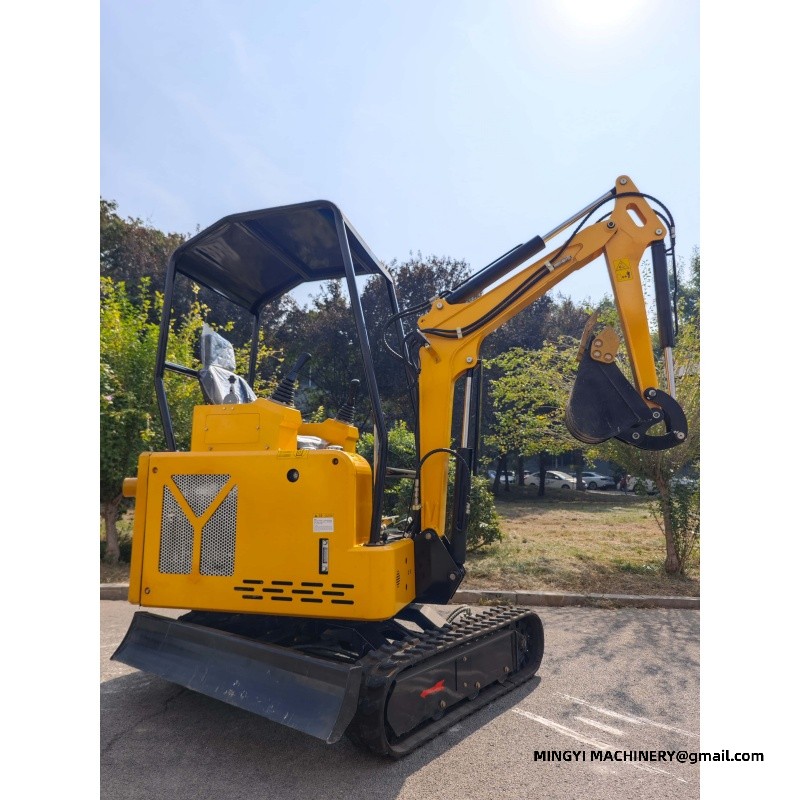
Reference specification — mini excavator range 12W 15W 12L 25L Operating weight 1200 kg (2645.55 lb) 1400 kg (3086.47 lb) 1200 kg (2645.55 lb) 2200 kg (4850.17 lb) Transport size (L×W×H) 2200 × 930 × 2250 mm 2200 × 930 × 2250 mm 2200 × 930 × 2250 mm 3000 × 1300 × 2700 mm Max digging depth 1630 mm (64.17 in) 1630 mm (64.17 in) 1700 mm (66.93 in) 2300 mm (90.55 in) Max digging height 2750 mm (108.27 in) 2750 mm (108.27 in) 2600 mm (102.36 in) 3100 mm (122.05 in) Max dumping height 1960 mm (77.17 in) 1960 mm (77.17 in) 1800 mm (70.87 in) 2050 mm (80.71 in) Max digging radius 2900 mm (114.17 in) 2900 mm (114.17 in) 2900 mm (114.17 in) 3900 mm (153.54 in) Max digging distance 2100 mm (82.68 in) 2100 mm (82.68 in) 2300 mm (90.55 in) 3100 mm (125.05 in) Minimum turning radius 1300 mm (51.18 in) 1300 mm (51.18 in) 1450 mm (57.09 in) 1800 mm (70.87 in) Travel speed 3 km/h (1.86 mph) 3 km/h (1.86 mph) 3 km/h (1.86 mph) 7 km/h (4.35 mph) Gradeability 30° 30° 30° 30° Fuel consumption 1-1.3 L/h (0.264—0.343 gal) 1-1.3 L/h (0.264—0.343 gal) 1-1.3 L/h (0.264—0.343 gal) 2-3 L/h (0.528—0.793 gal) Fuel tank capacity 10 L (2.64 gal) 10 L (2.64 gal) 10 L (2.64 gal) 16 L (4.23 gal) Hydraulic oil tank 16 L (4.23 gal) 16 L (4.23 gal) 16 L (4.23 gal) 18 L (4.76 gal) Dozer blade lift height 180 mm (7.09 in) 180 mm (7.09 in) 180 mm (7.09 in) 230 mm (9.06 in) Dozer blade drop depth 210 mm (8.27 in) 210 mm (8.27 in) 210 mm (8.27 in) 280 mm (11.02 in)
Q. What does a quick coupler do?
A. It lets the operator change attachments on site without leaving the seat, so a machine can move between bucket, breaker and auger in the same shift. It is the option that turns a single purpose machine into a multi purpose one.
Q. Should I order the coupler with the machine?
A. Yes. The coupler and the hydraulic circuit have to suit the attachments, so ordering them together is what guarantees the match. A coupler added later has to be matched to the machine's hydraulics and to the tooling already held.
Q. Which coupler suits which attachment set?
A. The coupler is chosen with the tooling list rather than separately, because buckets, breakers and augers all have to fit it. Tell us the attachments you plan to use and MINGYI will specify the coupler to match.
Pre-delivery inspection before the unit in daily use leaves the shop
Inspection is a list, not a glance. Before a machine of this size is released the fluid levels, belt tension, electrical connections and safety decals are each ticked off, and anything that fails stays in the shop rather than travelling with the machine.
Cold weather and winter care for the equipment on site
A cold start is easier when the machine is prepared the night before. The routine that keeps the machine itself working through winter is mostly a matter of fuel, battery and patience in the first ten minutes of the day.
E-mail : sales@mingycn.com
LINE ( ID ): mingyicn
Related pages
The 12-model mini excavator was the first to arrive. · mini excavator hydraulic hammer · mini excavator for farm use · PRODUCTS









