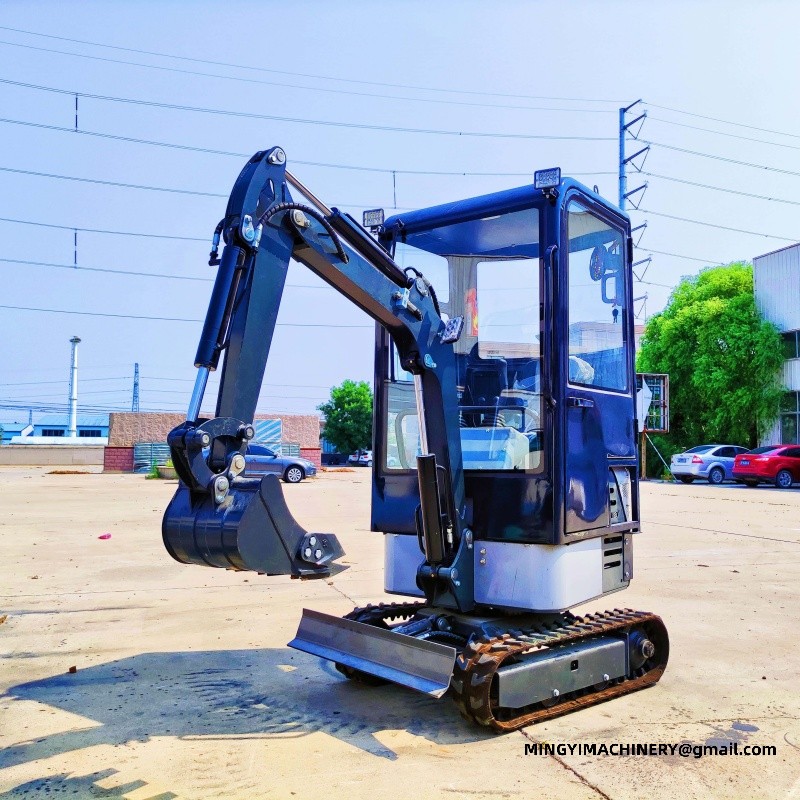
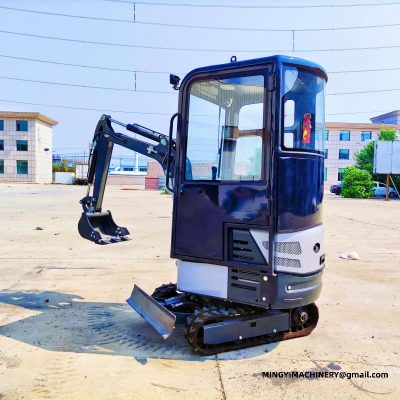
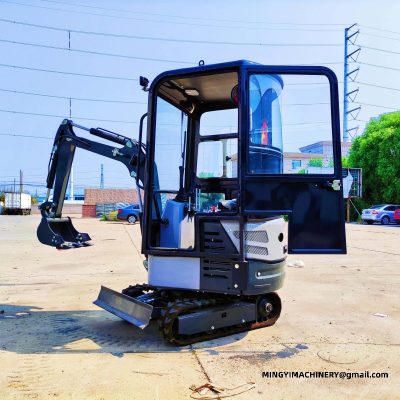
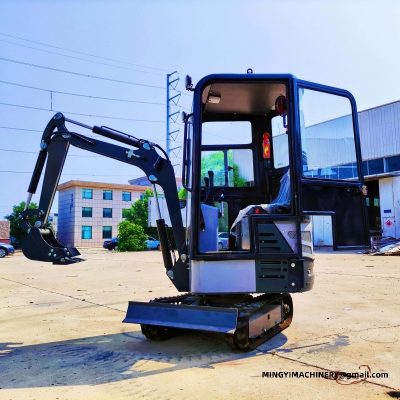
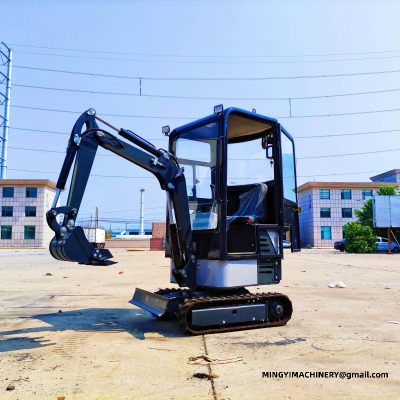
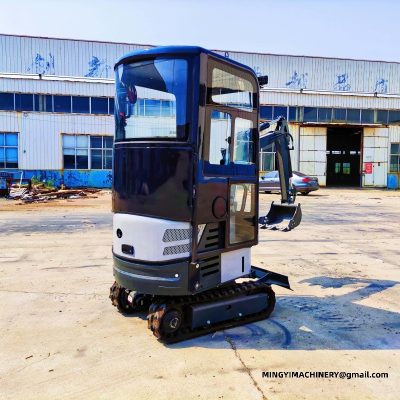
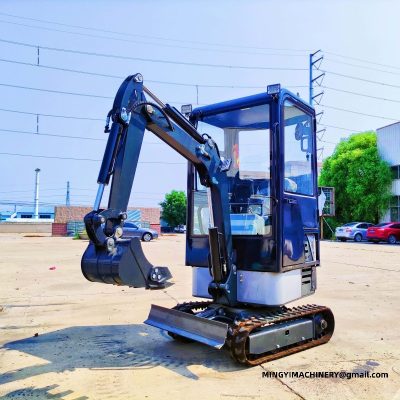
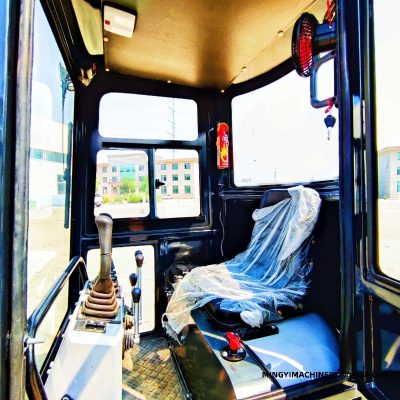
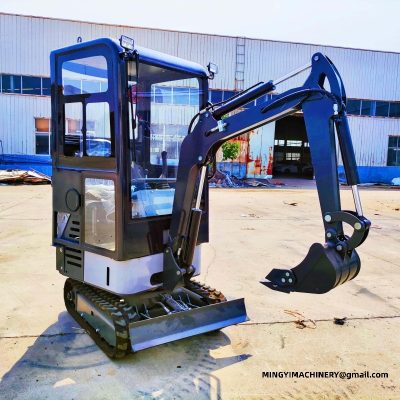
Exporting plant is a logistics exercise as much as a manufacturing one. Machines have to be prepared for sea freight, packed so that they arrive without damage, documented correctly for the destination country and delivered to the port or site on a schedule the buyer can work to.
MINGYI exports mini excavators from China to buyers and distributors in Europe, North America, Australia, the Middle East, Africa, Latin America and Asia.
Export preparation
Machines are prepared for shipment and packed for sea freight, with loading arranged for both container and flat-rack shipments depending on machine size and quantity. Units are consolidated so that several machines and attachment sets travel together where the order allows.
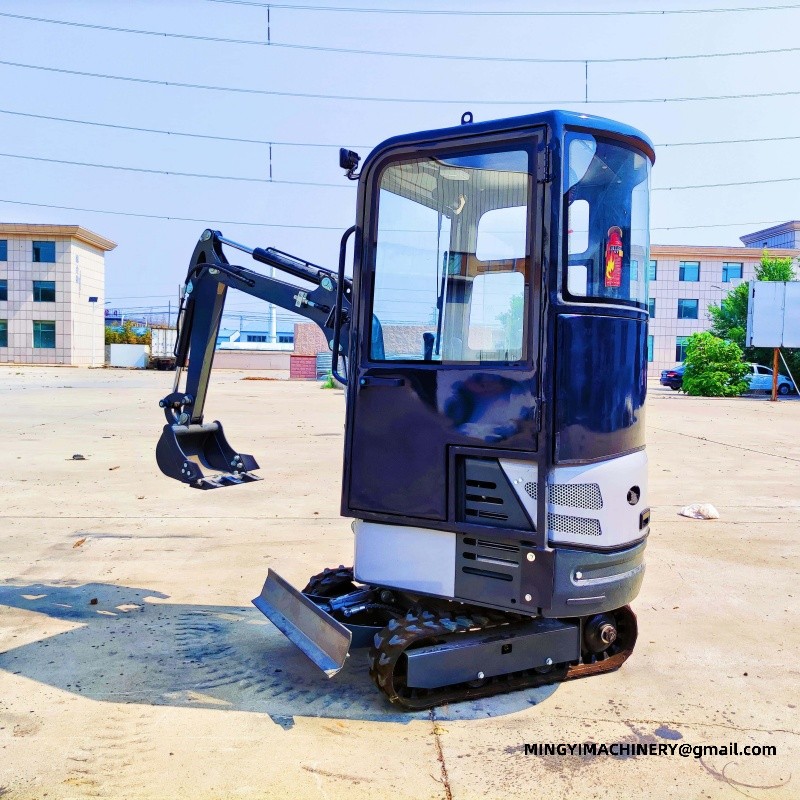
Documentation is prepared for the destination market, and buyers are told in advance what information and paperwork they need to arrange at their end.
Buying across borders
The practical questions for an overseas buyer are delivery time, packing condition, spare parts availability and how to raise a technical query across a time zone. We answer specification and parts questions directly, and specification delivery schedules against the actual order.
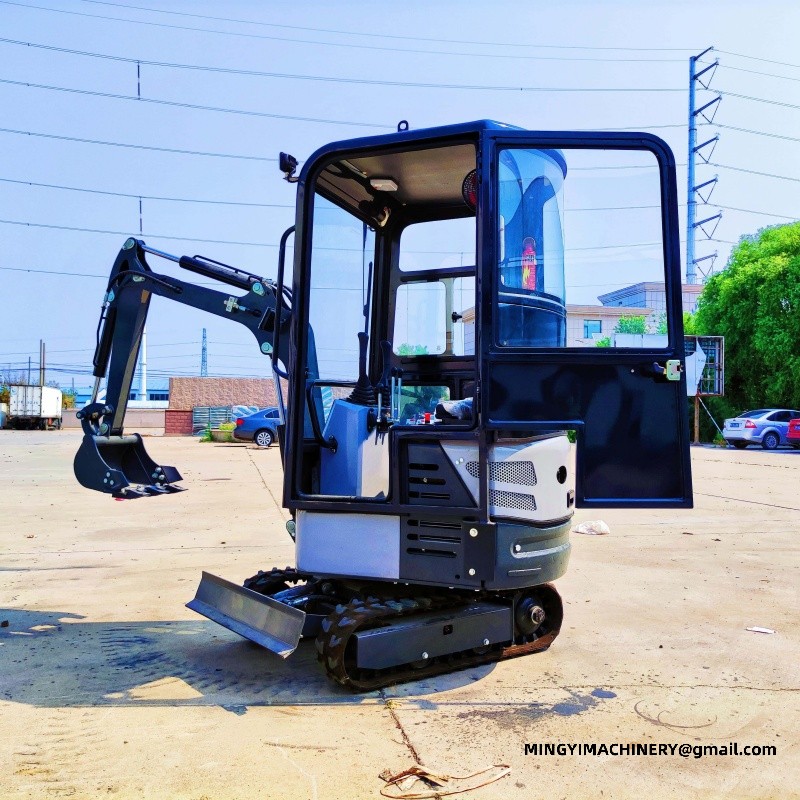
Export support
• Machines prepared and packed for sea freight
• Container and flat-rack loading options
• Consolidated shipments with attachments
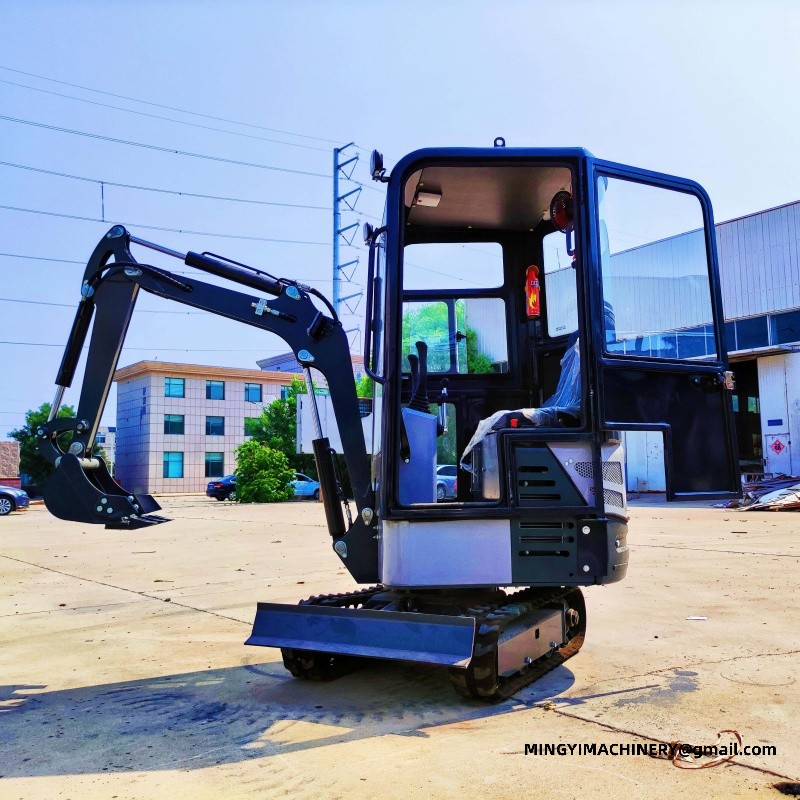
• Export documentation for the destination market
• Direct contact for technical and parts questions
Tell us the destination port, the models and quantities you need and we will specification a delivered schedule.
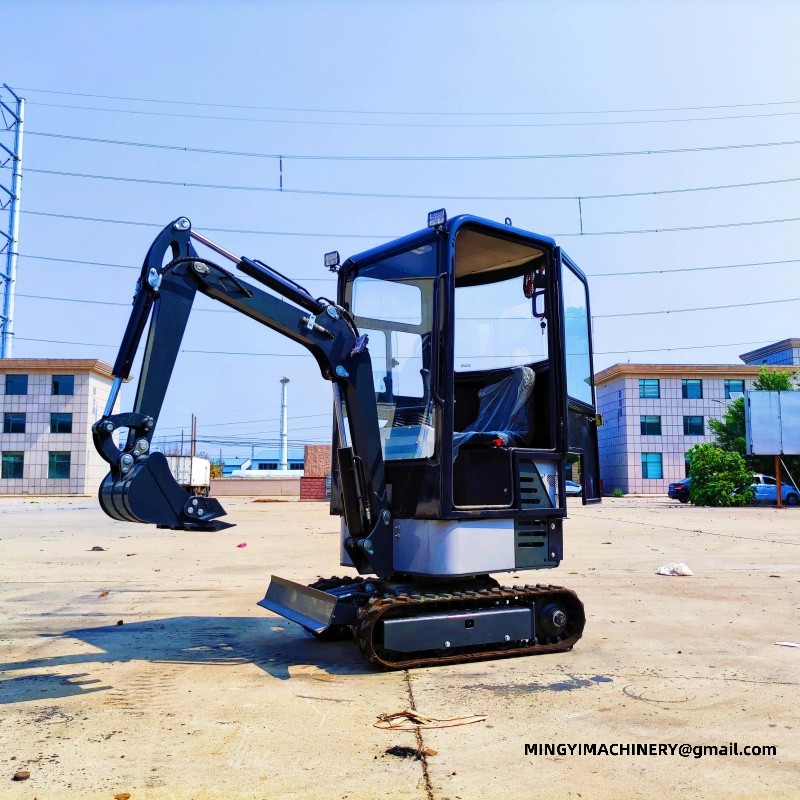
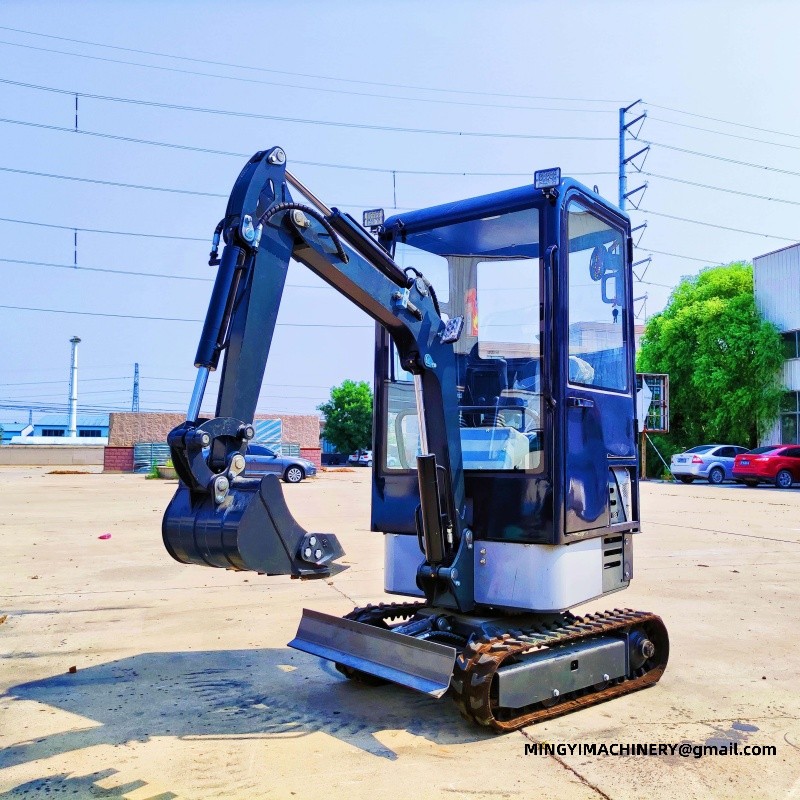
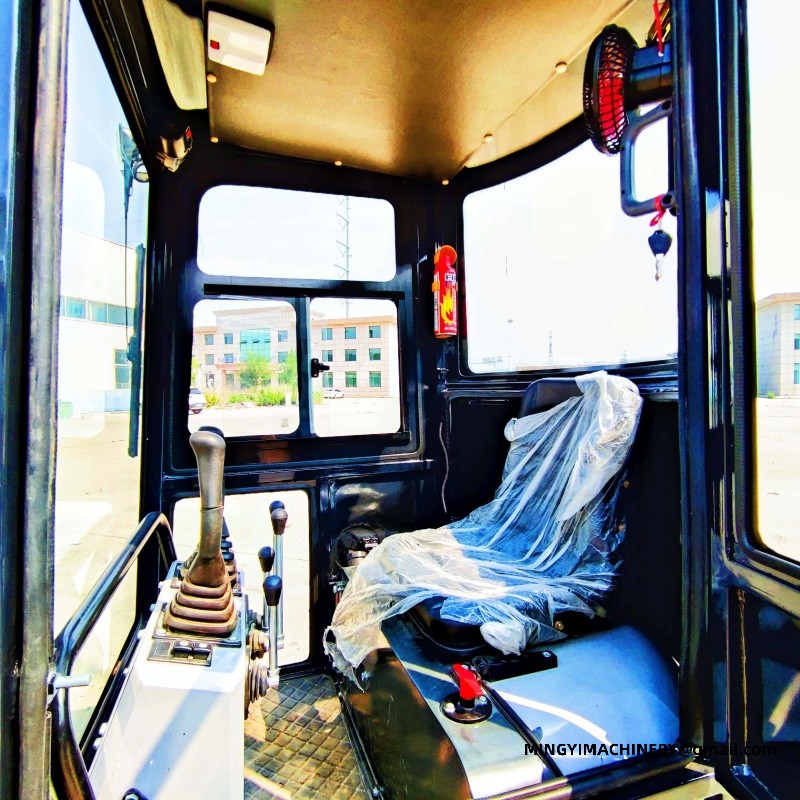
Landscaping and ground care with mini excavator exporter Grass cutting heads, rakes and tillers extend this class of machine into ground care. The same carrier that digs a border in spring can cut and clear the same area later in the season. On soft landscape work the surface is the constraint. The unit in daily use on rubber tracks crosses turf without stripping it, which is why the same jobs are not given to a wheeled machine. Operator technique for mini excavator exporter Output on a compact machine comes from placement rather than power. An experienced operator keeps a machine of this size working inside the swing arc, positions once and digs a full run instead of repositioning for every bucket. Stability is the third. The equipment on site working across the tracks rather than over the corners keeps the machine steady and the undercarriage loaded evenly, which shows up as track life at the end of the season. Boom configuration for mini excavator exporter Extended and offset boom configurations change reach and working range. The machine itself with a longer arm reaches further but lifts less at full extension, so the specification is set against the deepest and furthest point on the job list. Detachable boom sections are used where transport length matters. The model in question that has to travel on a standard trailer can be built so the arm comes off for the road and goes back on at the site. What owners should plan for beyond the mini excavator exporter The useful comparison is demand per working hour, not demand per machine. The machine in that duty that works more hours a year spreads its standing takes over more output, which is why utilisation usually matters more than the invoice figure. Downtime is the hidden line item. The unit on the job waiting on a part earns nothing while it stands, so parts availability and service access belong in the plan as much as fuel does. Track choice for mini excavator exporter Rubber tracks suit paved and landscaped ground because they spread the machine weight and leave the surface intact. Steel tracks with rubber blocks are specified where the ground is rougher or the working day is longer, and the choice can be made per machine rather than accepted as a factory default. Undercarriage selection is a ground question, not a preference question. A machine built for the work running on finished paving needs rubber; the same machine on demolition rubble or rock wears rubber quickly, so steel with rubber blocks becomes the better answer over a full season. Noise, dust and working near occupied buildings Work near housing or occupied premises brings constraints that open sites do not. Start times, exhaust condition and how often the equipment in service needs to reverse are the practical limits that neighbours notice. Dust control is often part of the same conversation. Water, timing and work sequence reduce what leaves the site, and agreeing them in advance keeps this class of machine working rather than stopped after a complaint. Running the unit in daily use in a rental fleet Rental fleets buy for utilisation, not for a single job. A machine of this size with a quick coupler and a common attachment standard is hired more often because it suits more of the calls that come in. The specification that rents best is usually the simplest one to explain at the counter. The equipment on site with rubber tracks, a canopy and a coupler covers the majority of weekend and short-term hires. Export packing and shipping of the machine itself Export documentation, decals and paint are settled before packing. Asking for them with the machine in that duty order avoids a second handling session and keeps the machine on the booked vessel. Buyers who import regularly plan the spare parts with the machine. The model in question ordered with a wearing-parts kit arrives ready to work rather than ready to wait for the first service interval. Interior and light demolition with the unit on the job Interior demolition is an access and a weight question. A machine built for the work that fits through a doorway and works on a suspended floor does jobs that would otherwise be done by hand or by a larger machine that cannot enter. Breaking out a floor slab, a wall footing or a concrete step is routine work for the equipment in service with a breaker. The machine is small enough to work inside and heavy enough to run the tool at a practical rate. Working on slopes and uneven ground with this class of machine Slope work is a stability question before it is a traction question. Knowing the gradient the unit in daily use is rated for, and working across rather than straight up where the ground allows, removes most of the risk. Ground that looks level often is not. A machine of this size crossing a filled trench, a soft edge or a hidden void behaves differently from one on undisturbed ground, and those are the places worth walking before driving. Working near live services with the equipment on site Digging near water, gas and cable is a precision job. The machine itself is used here because the operator can work in short controlled cuts and because the machine can be positioned without driving over the run being exposed. Utility crews specify the model in question with a narrow bucket and good visibility for exactly this reason: the machine has to stop at the service, not at the edge of the operator's view. Canopy or enclosed cab on the machine in that duty A canopy keeps the machine light and the operator aware of the surroundings, which suits short jobs in warm weather. A fully enclosed cab is specified where rain, dust or cold are part of the working year, and it can be added to the unit on the job as a retrofit rather than only at build time. Enclosure also changes noise and dust exposure. A sealed cab on a machine built for the work keeps dust out on dry sites and lets the machine work through weather that would otherwise stop a canopy machine for the day. Matching the equipment in service to ground conditions Hard and abrasive ground reverses the specification. On rock, demolition rubble or sharp gravel, steel tracks with rubber blocks on this class of machine survive conditions that cut a rubber belt quickly. Mixed sites are common and argue for a compromise specification. Most buyers choose rubber for the unit in daily use and accept the wear, unless the majority of the work is on material that will damage it. Specification data for a machine of this size Buyers comparing the equipment on site usually start from four numbers - weight, digging depth, reach and transport width - because those are the ones that decide whether the machine can be delivered and whether it can do the job once it is there. Every value shown is as built for the machine itself; options such as cab, side swing or a telescopic undercarriage change the transport dimensions and are confirmed at order stage. Availability is part of the decision. Owning the model in question means it is there on the day the ground is ready; hiring means competing for the same machine at the same time as everyone else in the season. Ownership brings obligations that hiring does not. Storage, servicing, insurance and an operator are the items to set against the hire rate before deciding which way the machine in that duty should be supplied.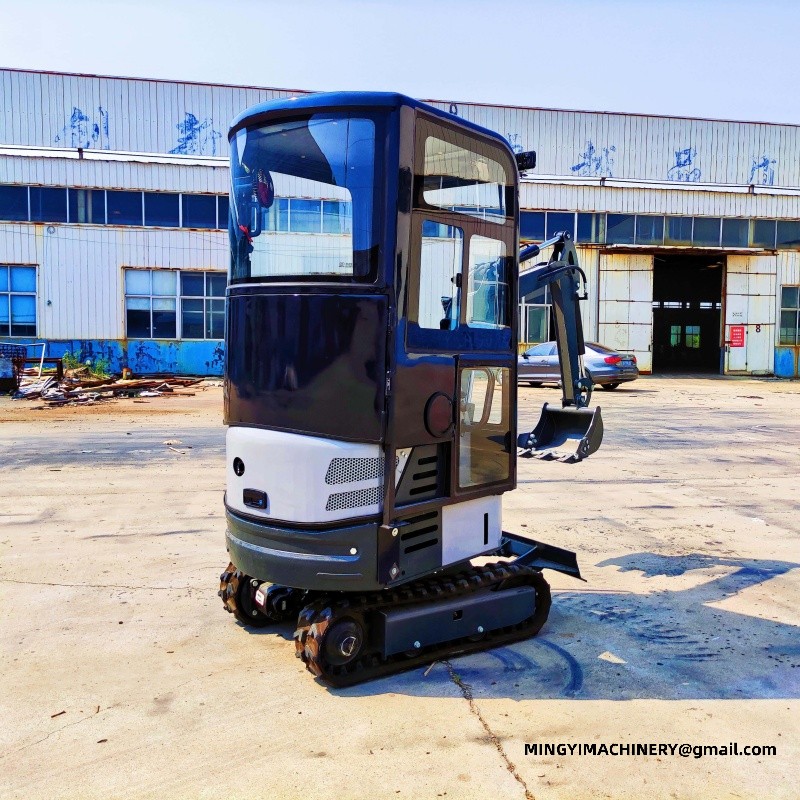
Reference specification — mini excavator range 09W 20-1WL 30-1W 30-2W Operating weight 1100 kg (2425.08 lb) 1900 kg (4188.78 lb) 2900 kg (6393.41 lb) 2700 kg (5952.48 lb) Transport size (L×W×H) 1800 × 750 × 1970 mm 2550 × 1100 × 2200 mm 3000 × 1250 × 2780 mm 3000 × 1100 × 2700 mm Max digging depth 1250 mm (49.21 in) 1800 mm (70.87 in) 2200 mm (86.61 in) 2200 mm (86.61 in) Max digging height 2800 mm (110.24 in) 2820 mm (111.02 in) 3400 mm (133.86 in) 3000 mm (118.11 in) Max dumping height 1700 mm (66.93 in) 2050 mm (80.71 in) 2400 mm (94.49 in) 2000 mm (78.74 in) Max digging radius 2570 mm (101.18 in) 3050 mm (120.08 in) 4000 mm (157.48 in) 3800 mm (149.61 in) Max digging distance 1869 mm (73.58 in) 2300 mm (90.55 in) 2800 mm (110.24 in) 3050 mm (120.08 in) Minimum turning radius 1000 mm (39.37 in) 1450 mm (57.09 in) 2000 mm (78.74 in) 1750 mm (68.9 in) Travel speed 3 km/h (1.86 mph) 5 km/h (3.11 mph) 5 km/h (3.11 mph) 7 km/h (4.35 mph) Gradeability 30° 30° 30° 30° Fuel consumption 1-1.3 L/h (0.264—0.343 gal) 2-3 L/h (0.528—0.793 gal) 2-3 L/h (0.528—0.793 gal) 2-3 L/h (0.528—0.793 gal) Fuel tank capacity 8 L (2.11 gal) 16 L (4.23 gal) 16 L (4.23 gal) 16 L (4.23 gal) Hydraulic oil tank 16 L (4.23 gal) 18 L (4.76 gal) 20 L (5.28 gal) 20 L (5.28 gal) Dozer blade lift height 180 mm (7.09 in) 180 mm (7.09 in) 420 mm (16.54 in) 230 mm (9.06 in) Dozer blade drop depth 210 mm (8.27 in) 210 mm (8.27 in) 210 mm (8.27 in) 280 mm (11.02 in)
Q. Are you the unit on the job?
A. Yes. MINGYI is a China based manufacturer and exporter of compact crawler excavators, supplying the 08, 12 and 18 models into overseas markets directly from its own production.
Q. What does buying from an exporter rather than a reseller change?
A. The allowance layers. A machine bought from the factory comes from one source, and specification questions go back to the people who build the machine rather than through an intermediary, which is faster for anything outside the standard specification.
Q. What documentation do you provide?
A. Export documentation for the shipment, and CE certification for machines built for markets that require it. Tell us the destination market when you request a specification so the correct paperwork goes with the order.
Later additions and retrofits on a machine built for the work
Later changes are easier when they were anticipated. Asking for the extra hydraulic circuit or the heavier mounting plate on the equipment in service at build time adds little and leaves the option open.
Reading the early symptoms on this class of machine
Temperature and pressure are the two things worth watching. The unit in daily use that runs hotter than it used to, or whose pressure has drifted, is reporting a problem that is still simple to fix.
Moving a machine of this size between sites
Loading is where most damage happens. Ramps, angle of approach and the condition of the ground under them matter more than the machine when the equipment on site is being loaded, and a careful driver is worth more than a fast one.
E-mail : sales@mingycn.com
LINE ( ID ): mingyicn
Related pages
Small excavator with a luxurious cab added · Full sealing of cab for small excavator · mini excavator load sensing hydraulics · PRODUCTS









