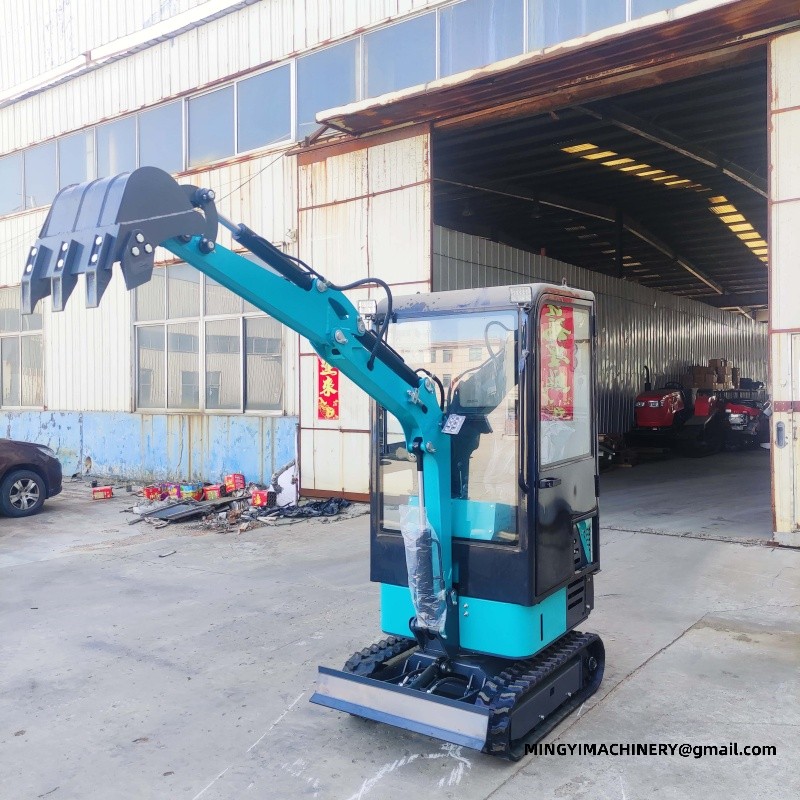
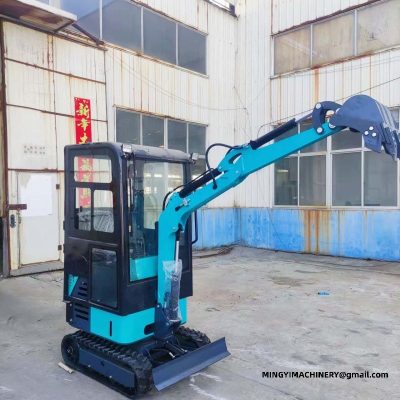
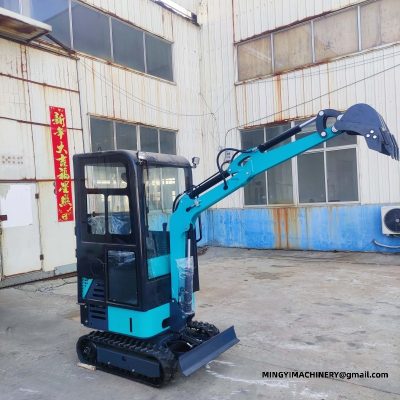
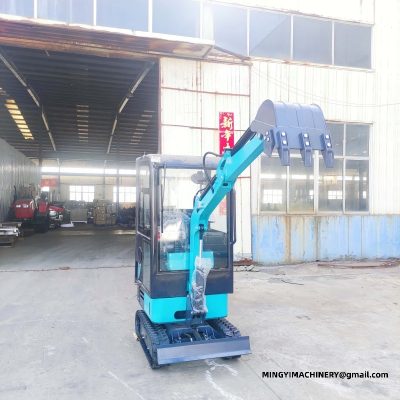
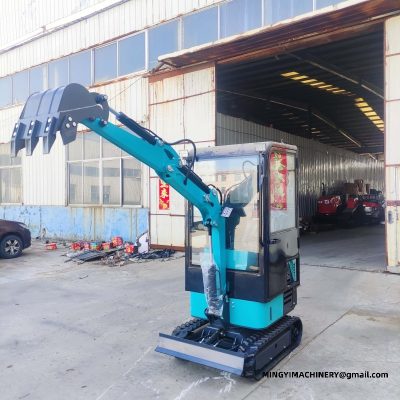
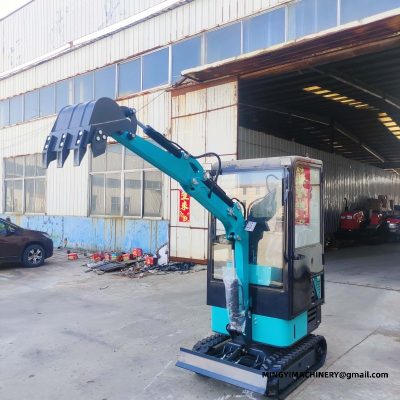
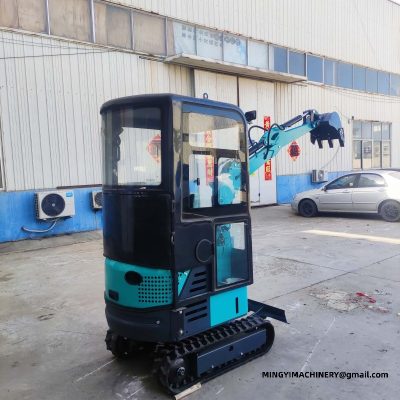
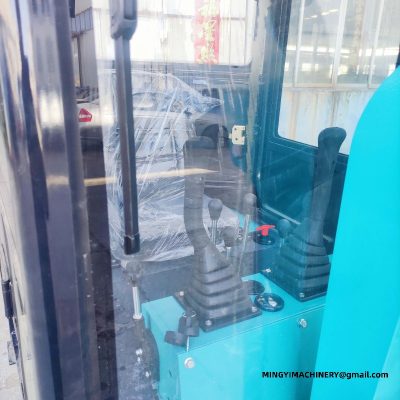
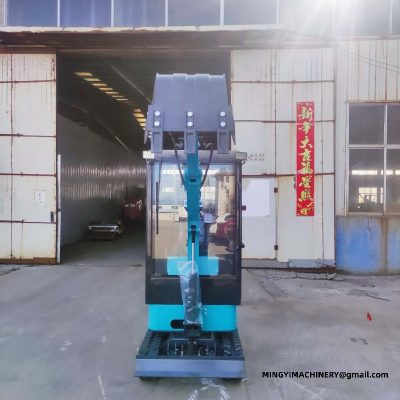
An upgraded operator station is not a luxury in daily plant use; it is a productivity decision. Where an operator spends a full shift on the machine, the condition of the station they sit in affects how accurately they work and how much of the shift is productive.
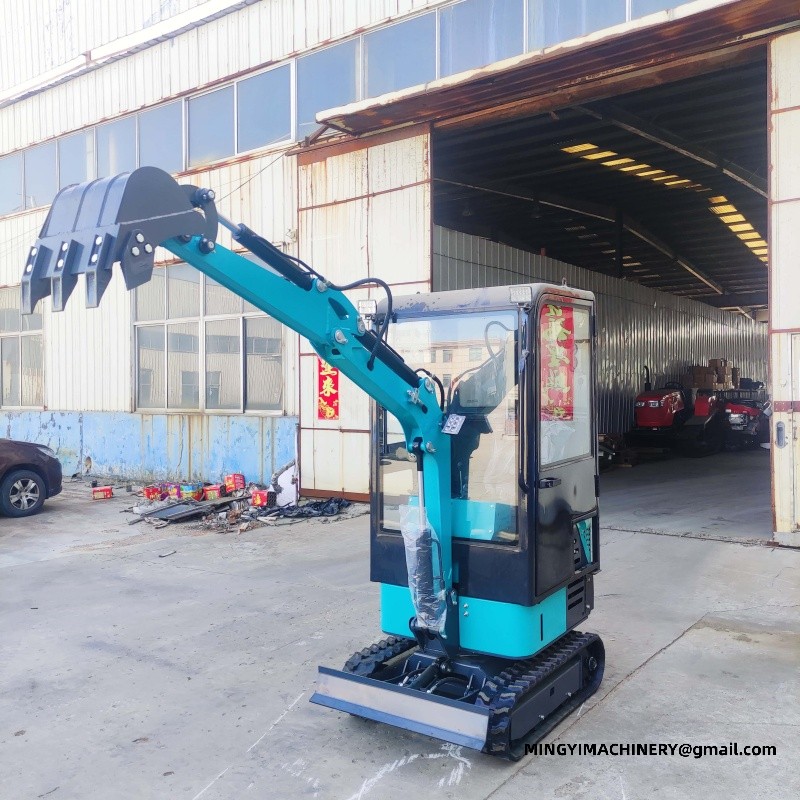
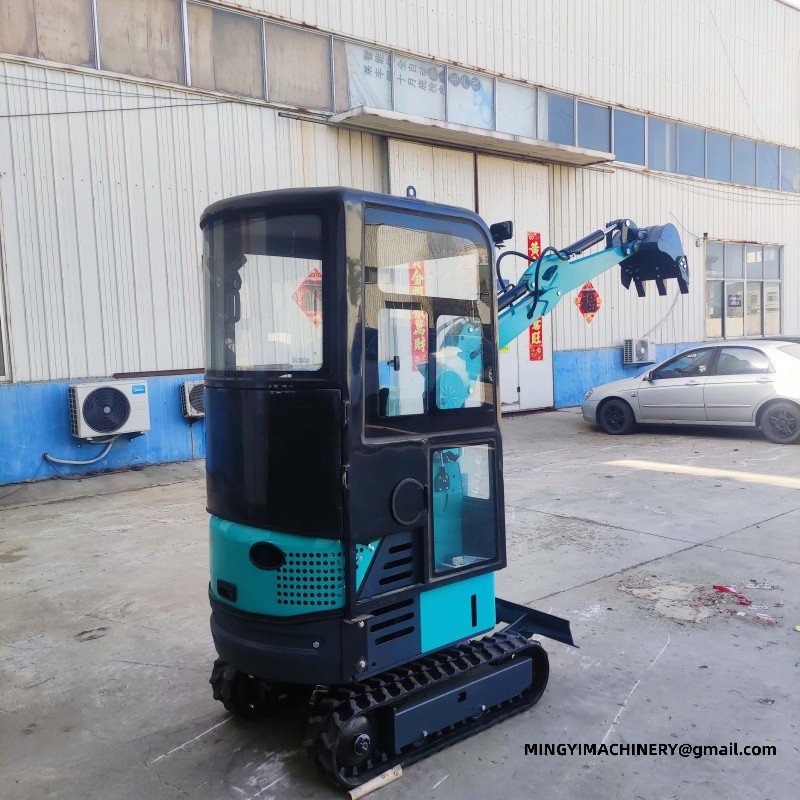
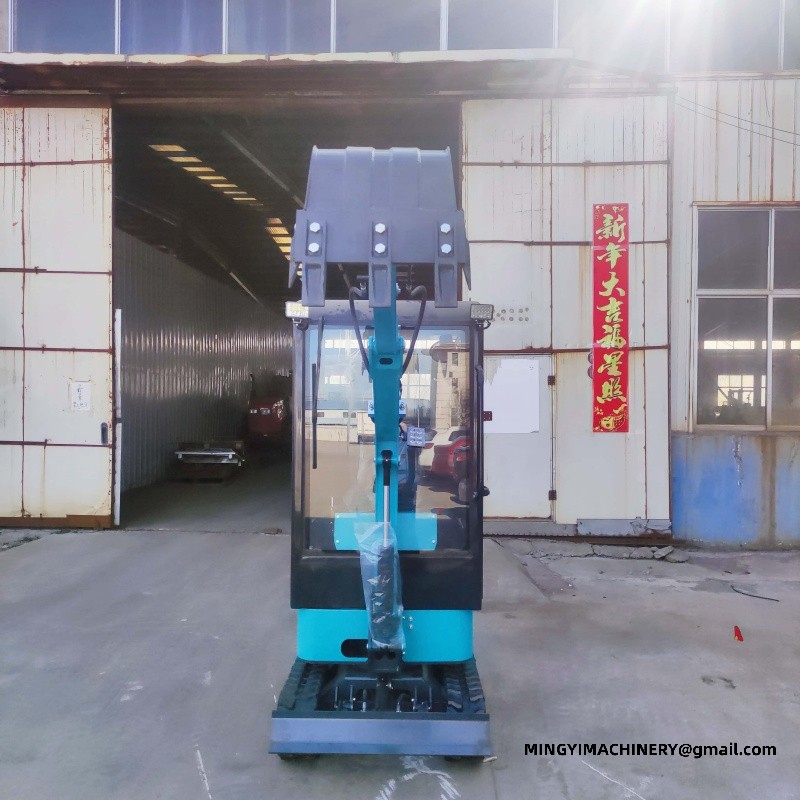
MINGYI mini excavators can be supplied with a fully equipped enclosed operator station.
What an upgraded station means in practice
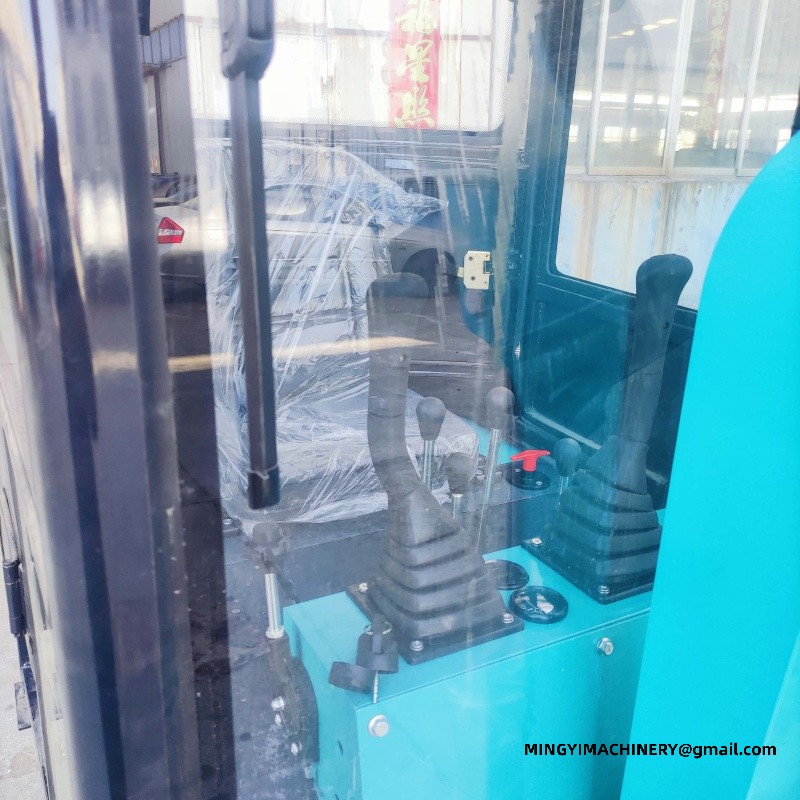
The station has to do three things well: keep the operator out of weather and dust, keep the noise level down to a level that allows concentration over a full shift, and keep the controls and sight lines positioned so that the operator can see the bucket working at the trench edge.
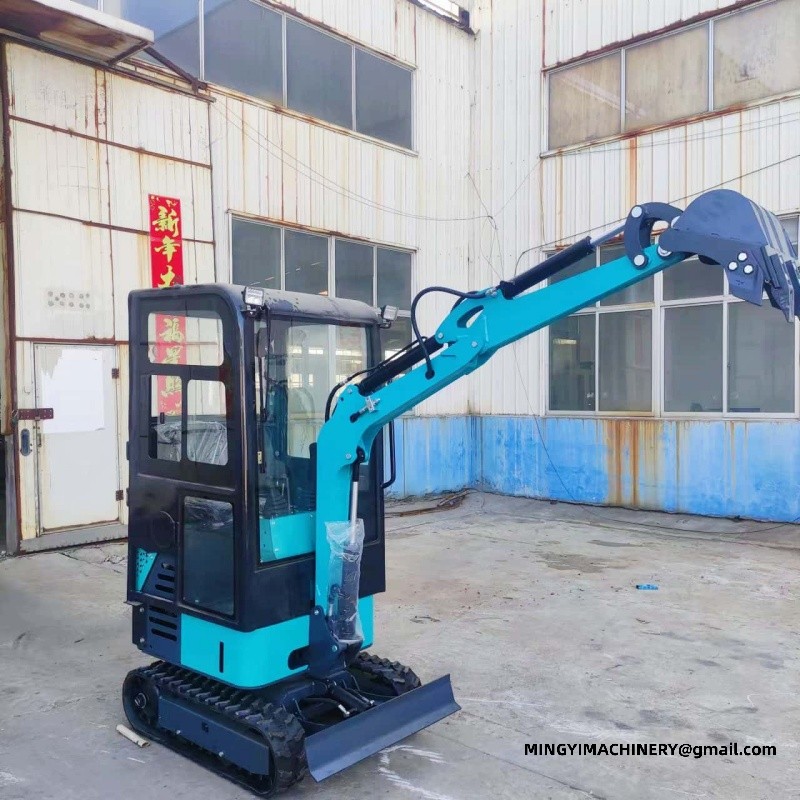
A better-equipped station is usually specified on machines working long trenching or demolition shifts, where the operator is on the machine continuously rather than working short cycles around a site.
Choosing specification
Buyers can specify the operator station against the climate and the working conditions: a fully enclosed and sealed cab for dusty and wet sites, or a canopy version where visibility and low transport height take priority.
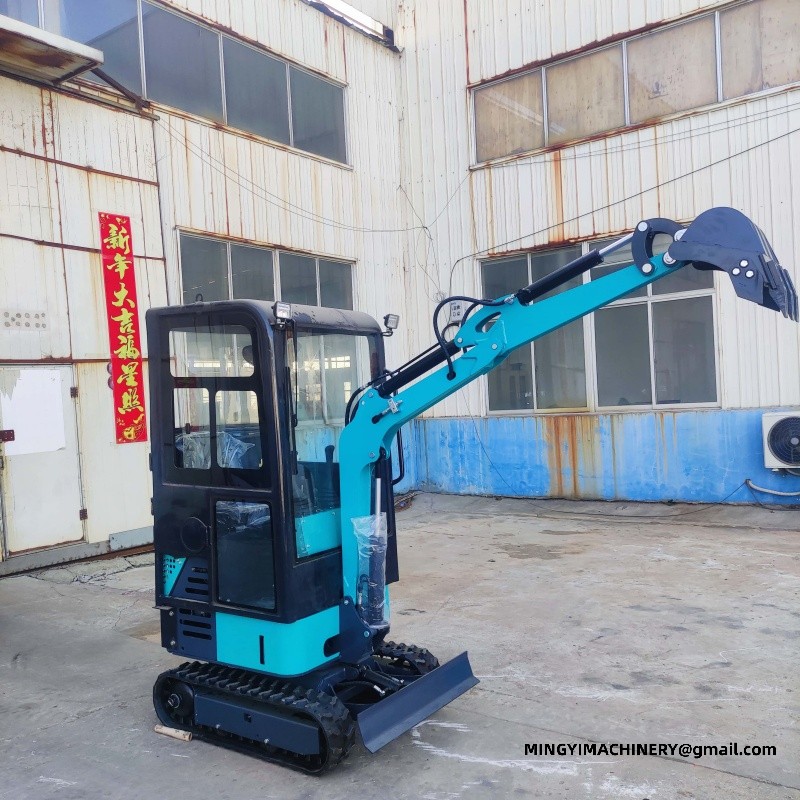
Operator station considerations
• Weather and dust protection for full shifts
• Noise level suited to sustained concentration
• Control layout and sight lines to the bucket
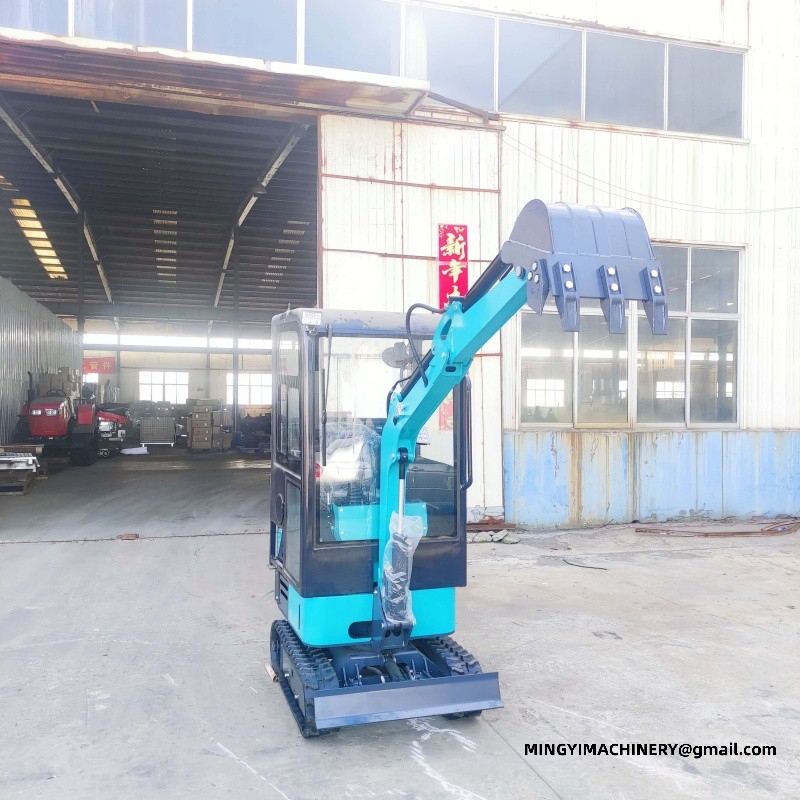
• Sealed specification for dusty environments
• Canopy alternative where height and visibility matter more
Tell us the conditions the operator works in and the shift length and we will advise on the station specification.
Operator technique for Small excavator with a luxurious cab added The second habit is tool discipline. Running this class of machine with the right bucket width for the trench means less spoil, less reinstatement and a cleaner job than a wide bucket and a lot of trimming. Stability is the third. The unit in daily use working across the tracks rather than over the corners keeps the machine steady and the undercarriage loaded evenly, which shows up as track life at the end of the season. Working a Small excavator with a luxurious cab added through the seasons Seasonal planning smooths the workload. Machines that are busy for a few months and idle for the rest benefit from a service slot in the quiet period, and a machine of this size prepared in the off-season starts the busy months reliably. Heat and dust are as limiting as rain. Air intake condition and cooling cleanliness decide how the equipment on site behaves in a dry season, and both are checked in a minute rather than repaired later. Specifying Small excavator with a luxurious cab added against a job list The practical way to specify is to write the job list first: the narrowest access, the deepest trench, the heaviest tool and the surfaces the machine must cross. The machine itself is then matched to those four numbers. Useful information to send with an enquiry includes working width, required digging depth, ground conditions and the attachment set. Those four items let the factory specify the model in question that fits rather than a generic build. Landscaping and ground care with Small excavator with a luxurious cab added Landscape contractors use the machine in that duty for planting holes, pond excavation, grading and retaining work. The machine is light enough to cross finished lawn and narrow enough to work between established trees. Grass cutting heads, rakes and tillers extend the unit on the job into ground care. The same carrier that digs a border in spring can cut and clear the same area later in the season. Trailering and moving Small excavator with a luxurious cab added Transport weight and width decide whether a machine needs a specialist haulier. A machine built for the work sized to travel on a standard plant trailer behind a suitable vehicle moves with the crew rather than on a scheduled low loader. Detachable components reduce transport length. The equipment in service built with a removable arm section or a folding step fits a shorter trailer and may avoid an oversize movement permit. Trenching work with this class of machine Service trenches are the most common reason the unit in daily use is hired. Water, sewage, cable and gas runs are narrow, shallow and often close to existing services, which is exactly the work a full-size machine cannot do safely. Depth control matters more on service work than speed. A machine of this size working beside live services is chosen because it can be placed precisely and stopped instantly, which is what the job actually requires. Getting the equipment on site through a narrow gap The first question on most job lists is whether the machine can reach the work at all. The machine itself is chosen against the narrowest point on the route - a garden gate, a doorway, a gap between two walls - because a machine that arrives and then cannot pass loses a day, not an hour. Contractors who buy the model in question normally have one job in mind that nothing else reaches. The purchase order follows the access measurement, not the other way round, and the build sheet is then settled around it. What owners should plan for beyond the machine in that duty Purchase decision is the visible part of the effort. Fuel, filters, tracks or tyres, the operator and the transport between sites are the items that decide what the unit on the job actually demands over a few seasons, and they are worth listing before the order. Downtime is the hidden line item. A machine built for the work waiting on a part earns nothing while it stands, so parts availability and service access belong in the plan as much as fuel does. Attachments that turn the equipment in service into several machines The base machine is a carrier; the tool on the end of the arm decides the task. This class of machine fitted with a toothed bucket digs, and the same machine with a breaker, an auger or a grab does work that would otherwise need a second unit on site. Attachment lists are best written before delivery. Specifying the unit in daily use with the tools the job list needs avoids the work and delay of adding hydraulics later, and a quick coupler makes the swap a few minutes instead of a workshop job. OEM and fleet customisation of a machine of this size Distributors and rental fleets usually need the machine to look like theirs. Paint, decals, seat colour and attachment branding can be specified on the equipment on site at build time rather than applied after import. Documentation can be prepared to suit the importer. Manuals, parts books and decal sets for the machine itself can be supplied with the buyer's own branding where the order size justifies it. Road and paving work for the model in question Road repair generates short, interrupted jobs - a patch, a drainage connection, a kerb line. The machine in that duty is economical here because it travels on a small trailer and starts working minutes after arriving. Patching and reinstatement favour a machine that can work in a lane closure. The unit on the job occupies less road than a full-size excavator, which reduces the traffic management needed and the length of the closure. Specification data for a machine built for the work Where the equipment in service is being specified for a job list, the table below gives the factory figures that matter most: what the machine weighs, how deep and how far it works, and what it measures on a trailer. These are the reference figures for this class of machine. MINGYI confirms the final build sheet, including engine and attachment choices, against the destination and the job list before production. Rubber tracks suit paved and landscaped ground because they spread the machine weight and leave the surface intact. Steel tracks with rubber blocks are specified where the ground is rougher or the working day is longer, and the choice can be made per machine rather than accepted as a factory default. Track type changes what the machine can cross and what it leaves behind. Buyers specify rubber for lawns, driveways and municipal work, and steel with rubber blocks for sites where sharp material would cut a rubber belt in a week.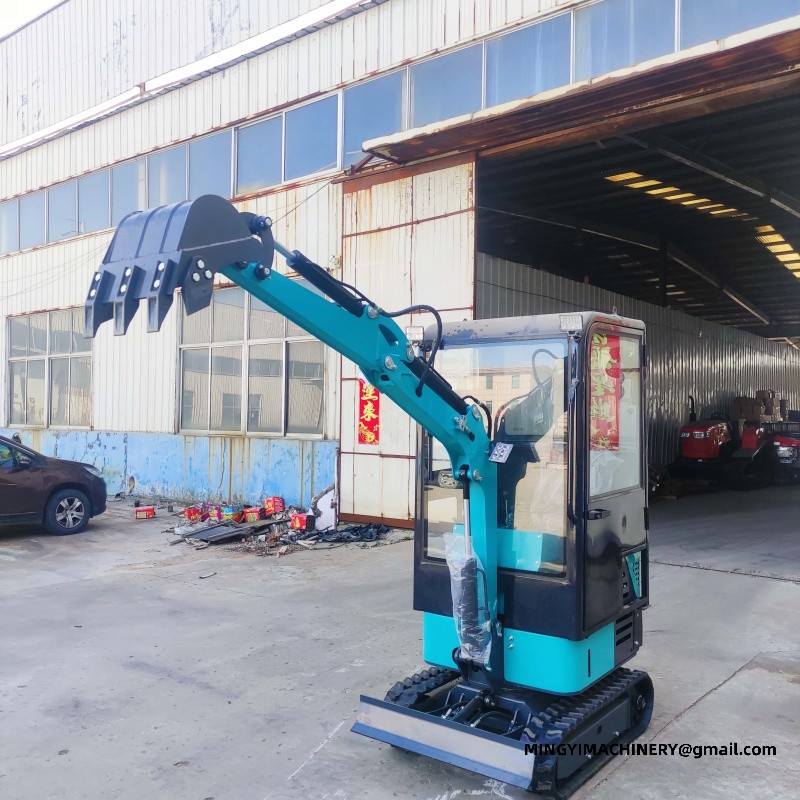
Reference specification — mini excavator range 13W 20-1W 12L 20-2L Operating weight 1300 kg (2866.01 lb) 1800 kg (3968.32 lb) 1200 kg (2645.55 lb) 1900 kg (4188.78 lb) Transport size (L×W×H) 2200 × 930 × 2250 mm 2550 × 1100 × 2200 mm 2200 × 930 × 2250 mm 2600 × 1300 × 2344 mm Max digging depth 1630 mm (64.17 in) 1800 mm (70.87 in) 1700 mm (66.93 in) 2100 mm (82.68 in) Max digging height 2750 mm (108.27 in) 2820 mm (111.02 in) 2600 mm (102.36 in) 2880 mm (113.39 in) Max dumping height 1960 mm (77.17 in) 2050 mm (80.71 in) 1800 mm (70.87 in) 2100 mm (82.68 in) Max digging radius 2900 mm (114.17 in) 3050 mm (120.08 in) 2900 mm (114.17 in) 3215 mm (126.57 in) Max digging distance 2100 mm (82.68 in) 2300 mm (90.55 in) 2300 mm (90.55 in) 2460 mm (96.85 in) Minimum turning radius 1300 mm (51.18 in) 1450 mm (57.09 in) 1450 mm (57.09 in) 1587 mm (62.48 in) Travel speed 3 km/h (1.86 mph) 5 km/h (3.11 mph) 3 km/h (1.86 mph) 5 km/h (3.11 mph) Gradeability 30° 30° 30° 30° Fuel consumption 1-1.3 L/h (0.264—0.343 gal) 2-3 L/h (0.528—0.793 gal) 1-1.3 L/h (0.264—0.343 gal) 2-3 L/h (0.528—0.793 gal) Fuel tank capacity 10 L (2.64 gal) 16 L (4.23 gal) 10 L (2.64 gal) 16 L (4.23 gal) Hydraulic oil tank 16 L (4.23 gal) 18 L (4.76 gal) 16 L (4.23 gal) 18 L (4.76 gal) Dozer blade lift height 180 mm (7.09 in) 180 mm (7.09 in) 180 mm (7.09 in) 180 mm (7.09 in) Dozer blade drop depth 210 mm (8.27 in) 210 mm (8.27 in) 210 mm (8.27 in) 210 mm (8.27 in)
Q. What does an upgraded cab give the operator?
A. Comfort across a full shift, which shows up as output rather than as an expense. A sealed operator station with proper seating and controls keeps the operator working in rain, cold and dust where an open platform would slow the work down.
Q. Is an upgraded cab worth the extra effort?
A. It depends on how much of the work is outdoors in poor conditions. Where the machine works outside all year, the cab is usually repaid in operator hours. Where the machine mostly works indoors or in hot dry climate, the canopy build is the better fit.
Q. Can the cab be specified with the machine?
A. Yes. The operator station is part of the build, so the cab specification is confirmed with the order rather than fitted afterward. Tell us the climate and the conditions when you request the specification.
Hot, humid and dusty conditions around the unit in daily use
Heat and dust shorten service intervals rather than machine life. In these conditions the filters on a machine of this size need attention more often, and the cooling surfaces need to be kept clear to hold the working temperature.
Commissioning the equipment on site on site
Commissioning is where the specification meets the ground. The settings chosen for the machine itself are confirmed against the actual site, and the working pattern is adjusted before the machine is asked for a full day.
Storage and long idle periods for the model in question
Rubber, seals and hoses age whether the machine works or not. Keeping the machine in that duty out of direct sun and off damp ground slows that, and running it briefly at intervals keeps everything moving.
E-mail : sales@mingycn.com
LINE ( ID ): mingyicn
Visibility and blind spots around Small excavator with a luxurious cab added
Mirrors, cameras and a signal person cover what the seat cannot. Walk the route before the first load and mark the corners where sight is lost.
Glass, wipers and mirrors are safety items rather than comfort items, and they belong on the daily walk-around with the lights and the horn.
The seat position, the mirror setting and the camera angle are worth recording once the operator is settled, so a change of driver does not undo them.
Related pages
Full sealing of cab for small excavator · A small excavator with a enclosed cab can be used. · hydraulic pilot mini excavator · PRODUCTS









