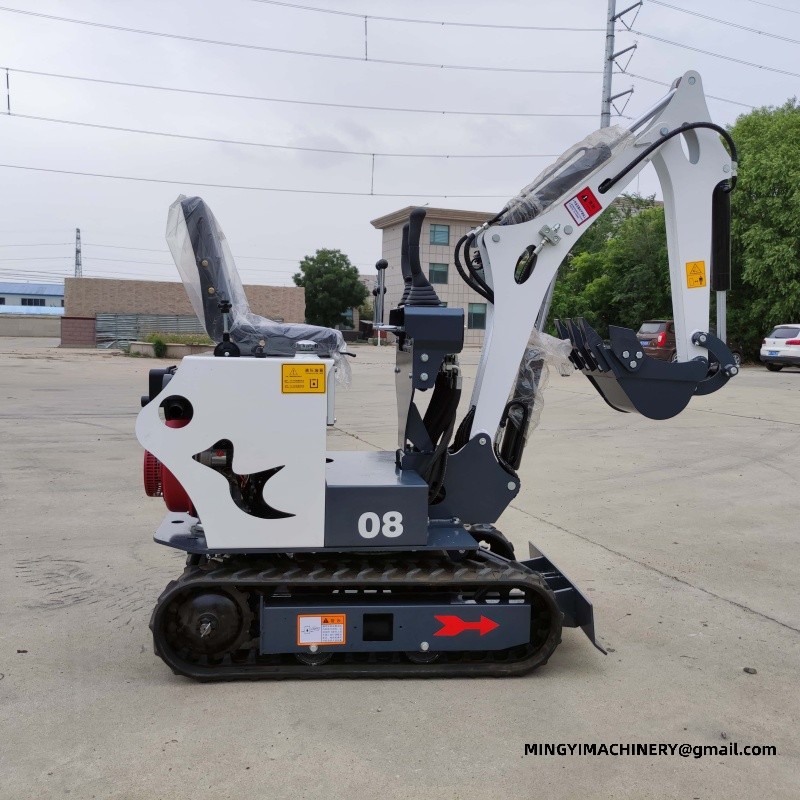
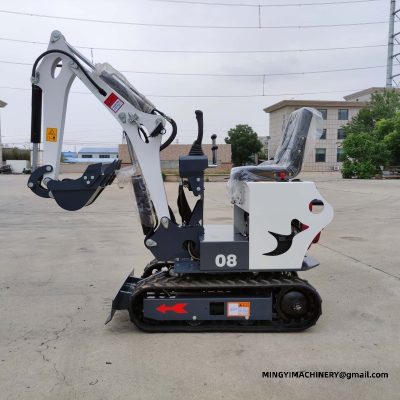
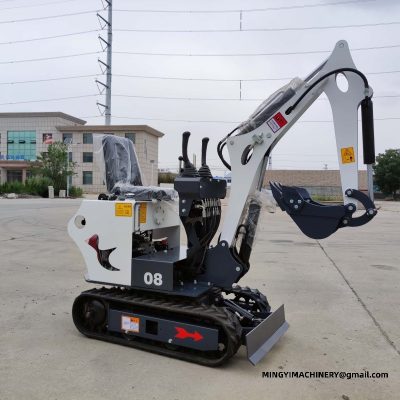
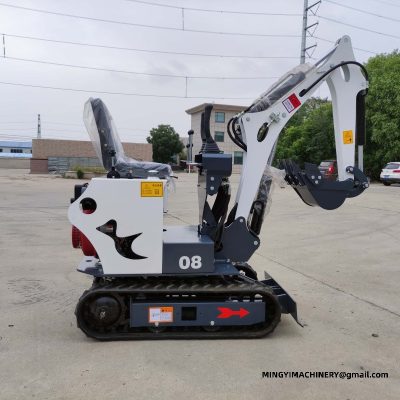
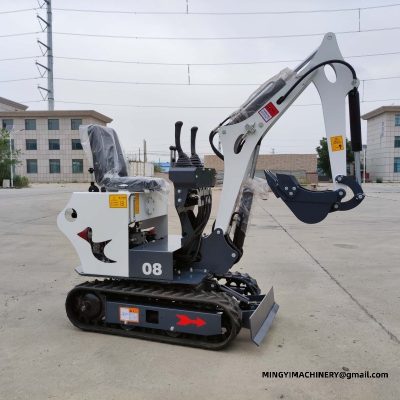
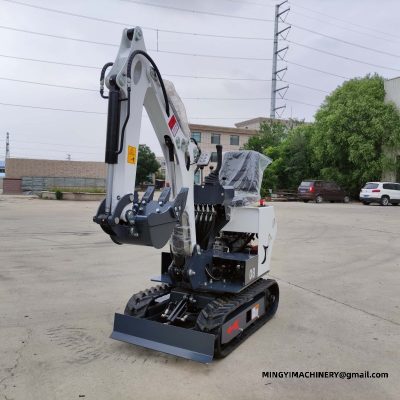
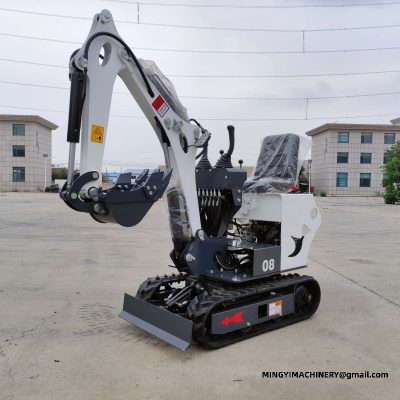
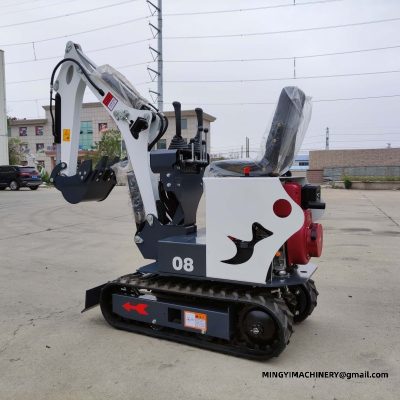
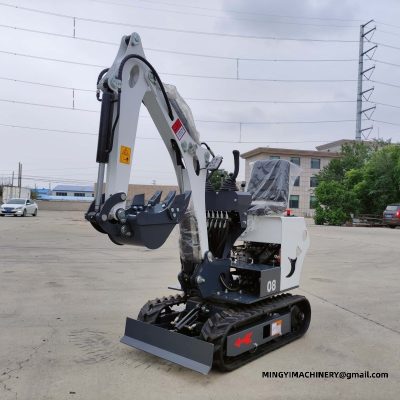
Wholesale buying changes the economics of an excavator order. When several machines and attachment sets are purchased together and shipped in one consignment, the effort per unit falls and the logistics become simpler than placing separate orders.
MINGYI supplies mini excavators wholesale to dealers, distributors and rental fleets, with machines built to the specification each buyer requires.
What wholesale ordering allows
Mixed orders are usually the most useful. A dealer may want a spread of machine sizes, a mix of canopy and cab versions, and a set of attachments, all in one shipment. Because the machine specification is set at the order, the mix is not constrained by what is held in stock.
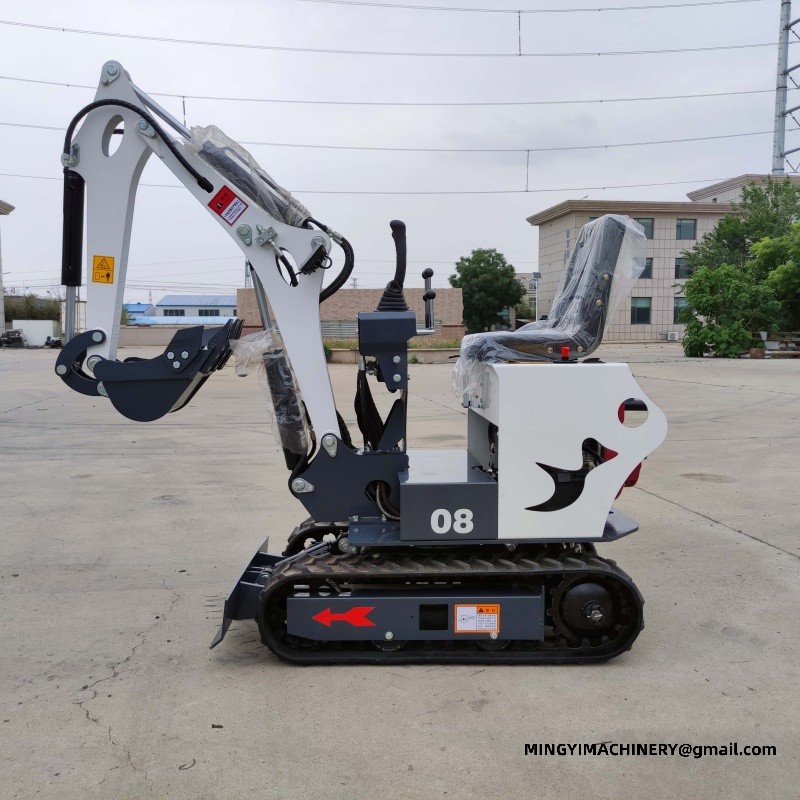
Consolidating a shipment also reduces per-machine freight effort, simplifies documentation and means a dealer can put a complete product line on the ground at once rather than building it up order by order.
Supporting a dealer network
For dealers, wholesale supply has to include more than machines. Spare parts, wear items, attachment supply and technical information have to keep arriving as the fleet grows, and build-to-order specification keeps the product line consistent.
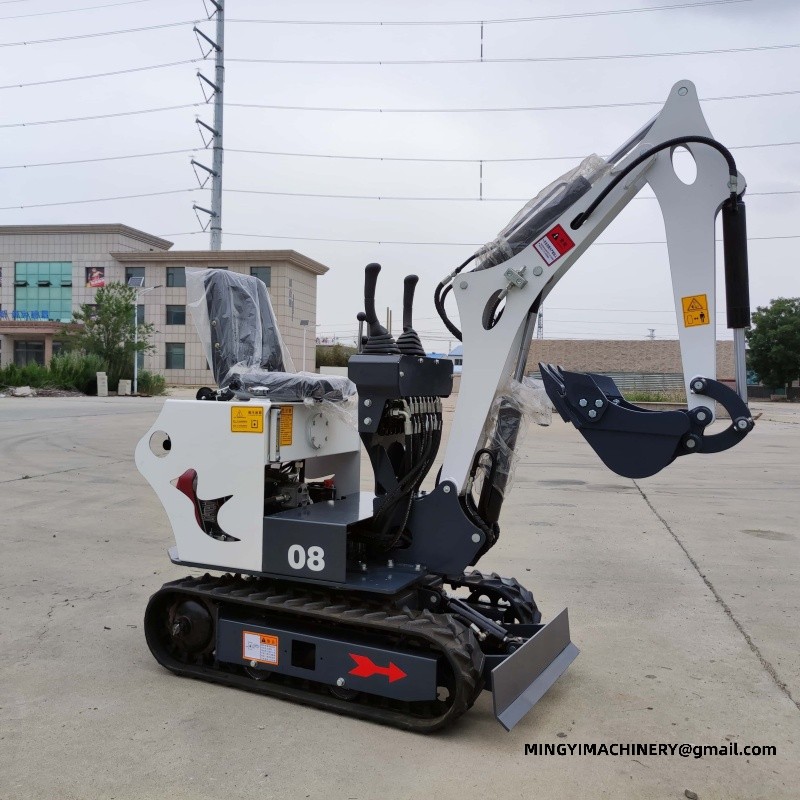
Wholesale supply
• Mixed orders of machine sizes and configurations
• Consolidated shipments to reduce freight effort
• Build-to-order specification for each unit
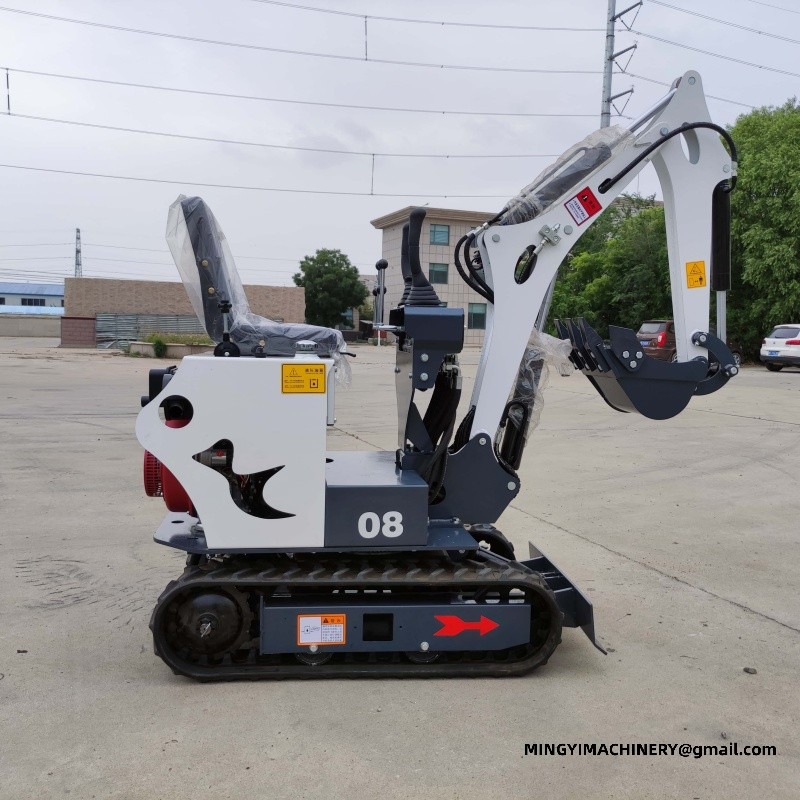
• Attachments and wear parts supplied alongside
• Ongoing parts support as the fleet grows
Tell us the mix of models, configurations and quantities you plan and we will specification a wholesale consignment.
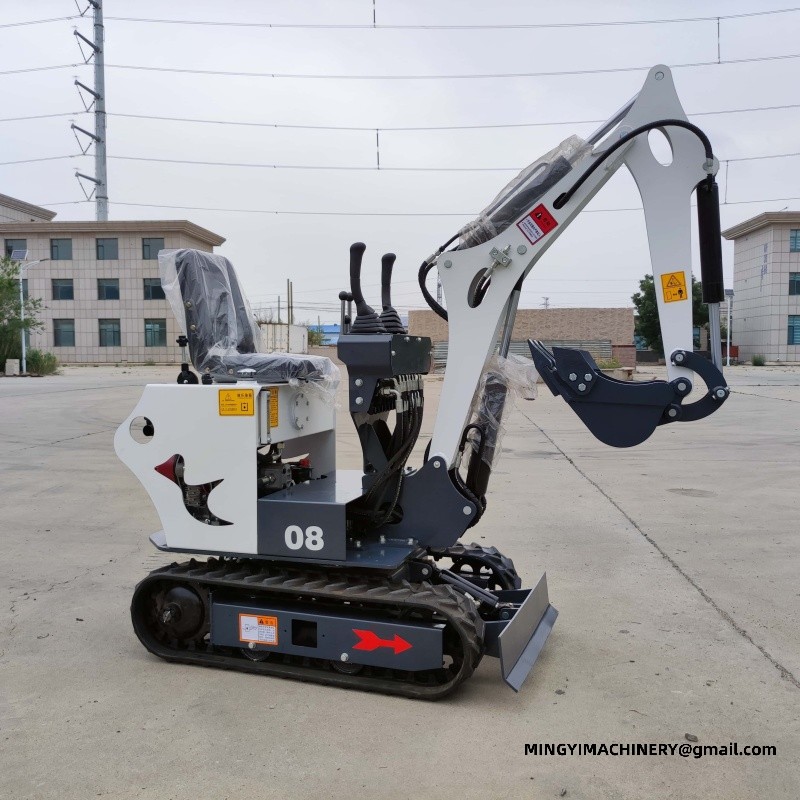
Daily checks and maintenance on mini excavator wholesale Daily maintenance on this class of machine is a short list: engine oil level, coolant, track tension, hydraulic oil level and a look at the hoses. Ten minutes at the start of the shift prevents most of the failures that stop a machine. Greasing is the second item. The slew ring, the boom and arm pins and the bucket linkage on the unit in daily use take grease daily in dusty work, and the intervals shorten further when the machine is used in water or mud. Working a mini excavator wholesale through the seasons Seasonal planning smooths the workload. Machines that are busy for a few months and idle for the rest benefit from a service slot in the quiet period, and a machine of this size prepared in the off-season starts the busy months reliably. Heat and dust are as limiting as rain. Air intake condition and cooling cleanliness decide how the equipment on site behaves in a dry season, and both are checked in a minute rather than repaired later. Quick coupler practice on mini excavator wholesale A quick coupler is the single option that changes how a machine is used day to day. Fitted to the machine itself, it turns an attachment change from a two-person workshop job into a task the operator does alone in minutes. Couplers are specified early because they affect the arm and the hydraulic kit. Adding one to the model in question after delivery means new pins, new hoses and a fitment session; adding it at build time is a line on the sheet. Attachments that turn mini excavator wholesale into several machines The base machine is a carrier; the tool on the end of the arm decides the task. The machine in that duty fitted with a toothed bucket digs, and the same machine with a breaker, an auger or a grab does work that would otherwise need a second unit on site. Attachment lists are best written before delivery. Specifying the unit on the job with the tools the job list needs avoids the work and delay of adding hydraulics later, and a quick coupler makes the swap a few minutes instead of a workshop job. Municipal and public works with mini excavator wholesale Drainage repair, tree planting, footway reconstruction and cemetery work are all within the range of a machine built for the work. The jobs are small individually and continuous across the year. Noise and surface protection matter on public work. The equipment in service on rubber tracks across paving, with a sealed cab for the operator, suits the conditions better than a larger tracked machine. Road and paving work for this class of machine Road repair generates short, interrupted jobs - a patch, a drainage connection, a kerb line. The unit in daily use is economical here because it travels on a small trailer and starts working minutes after arriving. Patching and reinstatement favour a machine that can work in a lane closure. A machine of this size occupies less road than a full-size excavator, which reduces the traffic management needed and the length of the closure. Export packing and shipping of the equipment on site Export documentation, decals and paint are settled before packing. Asking for them with the model in question order avoids a second handling session and keeps the machine on the booked vessel. Buyers who import regularly plan the spare parts with the machine. The machine itself ordered with a wearing-parts kit arrives ready to work rather than ready to wait for the first service interval. Running the machine in that duty in a rental fleet Rental fleets buy for utilisation, not for a single job. The unit on the job with a quick coupler and a common attachment standard is hired more often because it suits more of the calls that come in. The specification that rents best is usually the simplest one to explain at the counter. A machine built for the work with rubber tracks, a canopy and a coupler covers the majority of weekend and short-term hires. OEM and fleet customisation of the equipment in service Distributors and rental fleets usually need the machine to look like theirs. Paint, decals, seat colour and attachment branding can be specified on this class of machine at build time rather than applied after import. Documentation can be prepared to suit the importer. Manuals, parts books and decal sets for the unit in daily use can be supplied with the buyer's own branding where the order size justifies it. Working near live services with a machine of this size Digging near water, gas and cable is a precision job. The equipment on site is used here because the operator can work in short controlled cuts and because the machine can be positioned without driving over the run being exposed. Utility crews specify the machine itself with a narrow bucket and good visibility for exactly this reason: the machine has to stop at the service, not at the edge of the operator's view. Hiring versus owning the model in question The choice follows the hours. Work that fills a few weeks a year is usually better hired, while the machine in that duty that would be on site most weeks starts to justify ownership once the transport and booking time is counted. Ownership brings obligations that hiring does not. Storage, servicing, insurance and an operator are the items to set against the hire rate before deciding which way the unit on the job should be supplied. Lifting and material handling with a machine built for the work Lifting with a machine built to dig needs a plan. The load, the radius and the ground under the class of machine all matter, and the safe figure is the one on the chart rather than the one that looks possible. Stability changes with reach. A load the equipment in service handles close in becomes a different proposition at full extension, so the working radius belongs in the plan before the lift rather than during it. Parts, service and support for the unit in daily use Support after delivery is a parts question. Wearing items for a machine of this size - filters, belts, track components, bucket teeth and pins - are the items a buyer should plan to hold before the first service interval. Engine parts availability usually drives the engine choice. The equipment on site built with an engine the local network already carries is serviced from stock rather than from an international order. Orchard, vineyard and farm use of the machine itself Orchard and vineyard work is carried out between rows. The model in question with a narrow chassis and a swing boom works down the row without damaging the trees, which is the reason a full-size machine is not used at all. Farms also use the machine in that duty for general maintenance - clearing a watercourse, repairing a track, loading a spreader. One carrier with a few attachments covers most of the jobs that would otherwise wait for a contractor. Specification data for the unit on the job The figures below are the factory figures for the models most often matched to a machine built for the work. They are the numbers to check against the site: the depth the work needs, the reach from one position, and the width of the narrowest point on the route in. These are the reference figures for the equipment in service. MINGYI confirms the final build sheet, including engine and attachment choices, against the destination and the job list before production. Breaking out a floor slab, a wall footing or a concrete step is routine work for this class of machine with a breaker. The machine is small enough to work inside and heavy enough to run the tool at a practical rate. Dust, debris clearance and floor loading all argue for a compact machine indoors. The unit in daily use spreads its weight over a wider track footprint than a wheeled machine of similar capacity.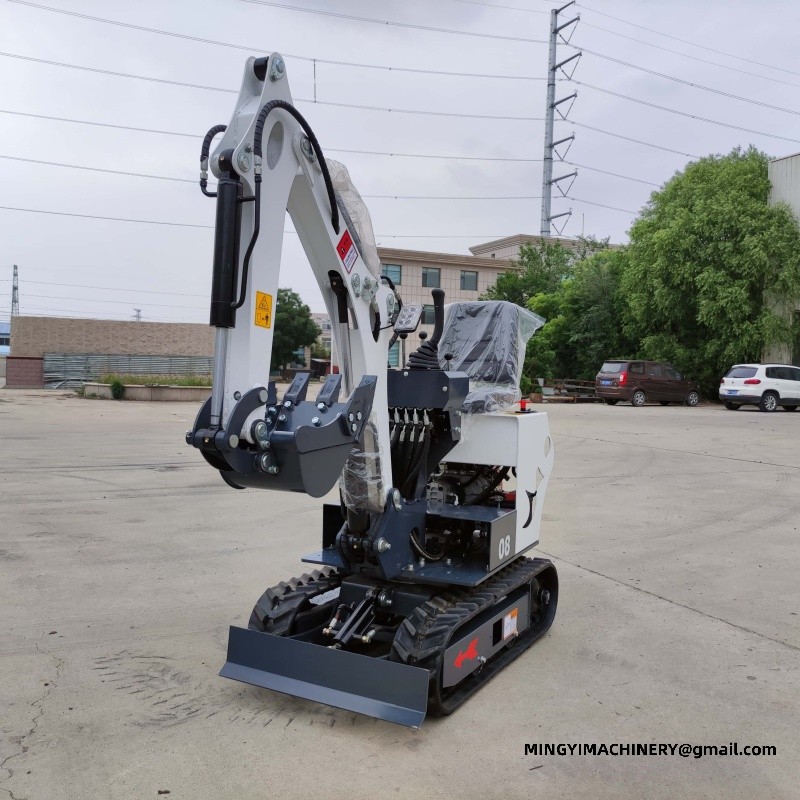
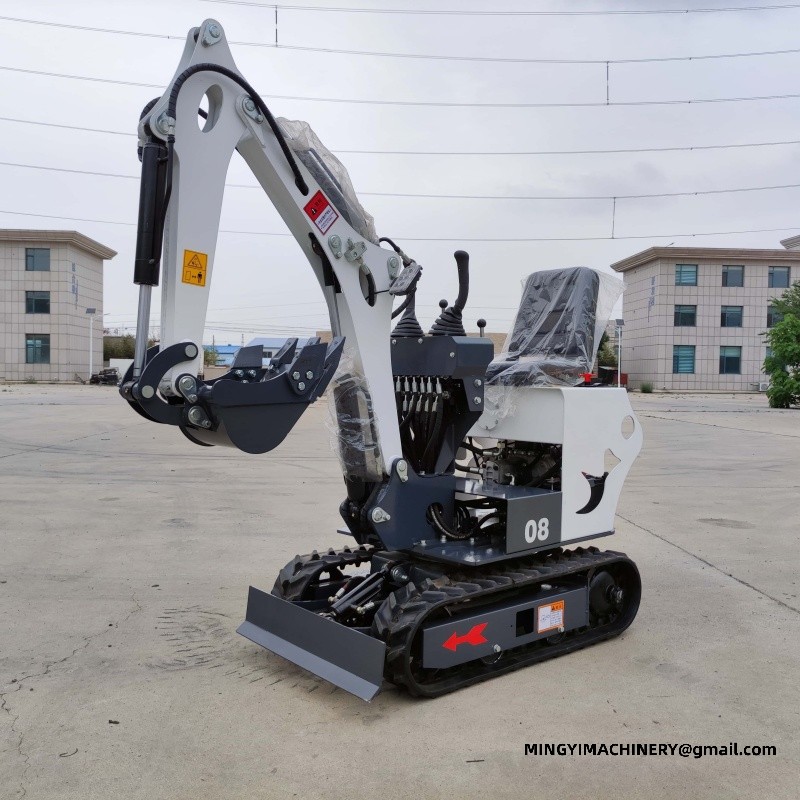
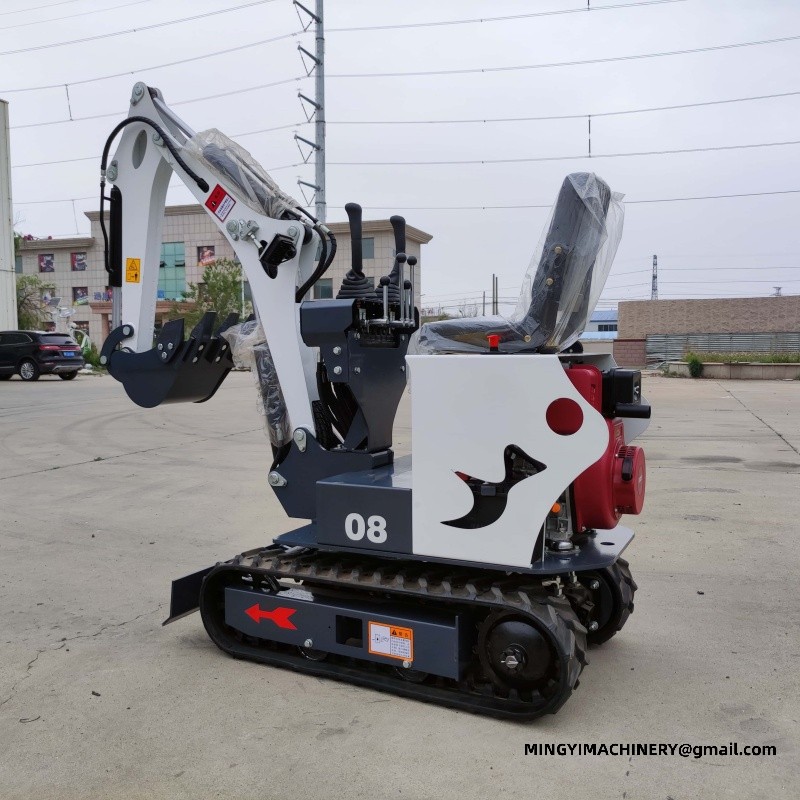
Reference specification — mini excavator range 12W 13W 20-1W 25L Operating weight 1200 kg (2645.55 lb) 1300 kg (2866.01 lb) 1800 kg (3968.32 lb) 2200 kg (4850.17 lb) Transport size (L×W×H) 2200 × 930 × 2250 mm 2200 × 930 × 2250 mm 2550 × 1100 × 2200 mm 3000 × 1300 × 2700 mm Max digging depth 1630 mm (64.17 in) 1630 mm (64.17 in) 1800 mm (70.87 in) 2300 mm (90.55 in) Max digging height 2750 mm (108.27 in) 2750 mm (108.27 in) 2820 mm (111.02 in) 3100 mm (122.05 in) Max dumping height 1960 mm (77.17 in) 1960 mm (77.17 in) 2050 mm (80.71 in) 2050 mm (80.71 in) Max digging radius 2900 mm (114.17 in) 2900 mm (114.17 in) 3050 mm (120.08 in) 3900 mm (153.54 in) Max digging distance 2100 mm (82.68 in) 2100 mm (82.68 in) 2300 mm (90.55 in) 3100 mm (125.05 in) Minimum turning radius 1300 mm (51.18 in) 1300 mm (51.18 in) 1450 mm (57.09 in) 1800 mm (70.87 in) Travel speed 3 km/h (1.86 mph) 3 km/h (1.86 mph) 5 km/h (3.11 mph) 7 km/h (4.35 mph) Gradeability 30° 30° 30° 30° Fuel consumption 1-1.3 L/h (0.264—0.343 gal) 1-1.3 L/h (0.264—0.343 gal) 2-3 L/h (0.528—0.793 gal) 2-3 L/h (0.528—0.793 gal) Fuel tank capacity 10 L (2.64 gal) 10 L (2.64 gal) 16 L (4.23 gal) 16 L (4.23 gal) Hydraulic oil tank 16 L (4.23 gal) 16 L (4.23 gal) 18 L (4.76 gal) 18 L (4.76 gal) Dozer blade lift height 180 mm (7.09 in) 180 mm (7.09 in) 180 mm (7.09 in) 230 mm (9.06 in) Dozer blade drop depth 210 mm (8.27 in) 210 mm (8.27 in) 210 mm (8.27 in) 280 mm (11.02 in)
Q. Do you sell mini excavators wholesale?
A. Yes. MINGYI sells wholesale direct from its own factory, so dealers and rental fleets buy at factory specification without an importer layer in between. Orders are normally organised as a mixed container.
Q. What order size suits a wholesale purchase?
A. Wholesale orders are usually built around a container so several sizes travel together with a parts allowance. Tell us the sizes you intend to carry and MINGYI will set out a model mix and a loading plan.
Q. Can wholesale machines carry our own brand?
A. Yes. Colour and decals can follow the buyer's own identity, and because machines are built to order rather than taken from stock, the specification can be set for your market before production.
Commissioning a machine of this size on site
The first hour on site should be slow. Before the equipment on site is put to work the fluid levels are rechecked after transport, the fasteners are gone over and the machine is run light so that anything loosened in transit shows up early.
Packing, loading and shipment of the machine itself
The paperwork matters as much as the packing. Serial numbers, dimensions and weights recorded for the model in question at loading are the same figures the destination needs, and a mismatch here loses more days than the voyage itself.
E-mail : sales@mingycn.com
LINE ( ID ): mingyicn
Related pages
mini excavator supply for importers · buy mini excavator · diesel powered mini excavator · PRODUCTS









