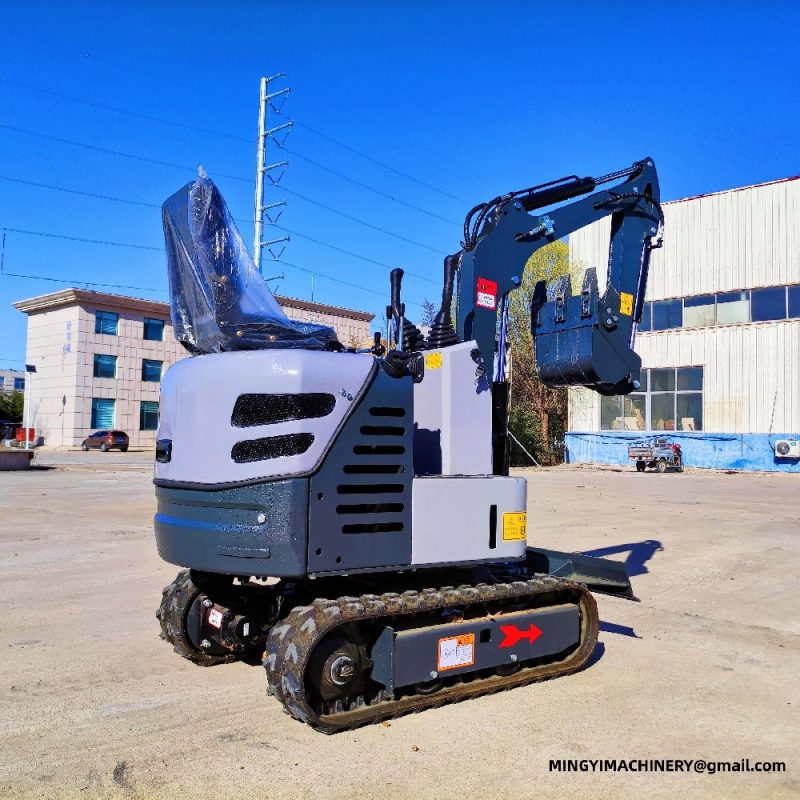
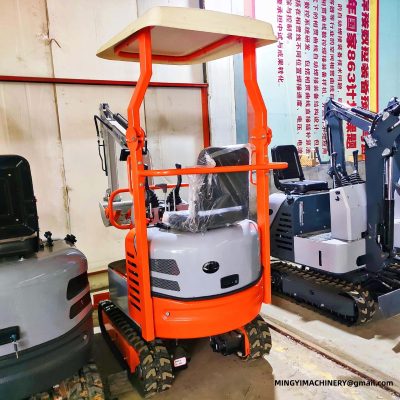
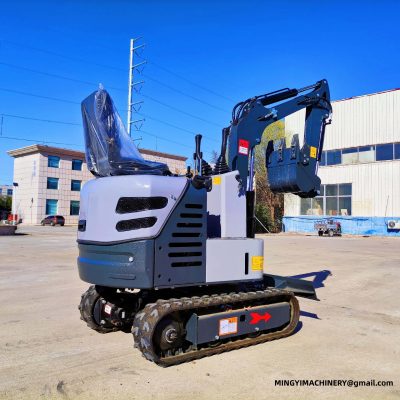
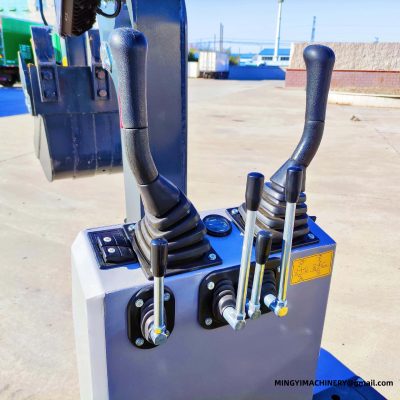
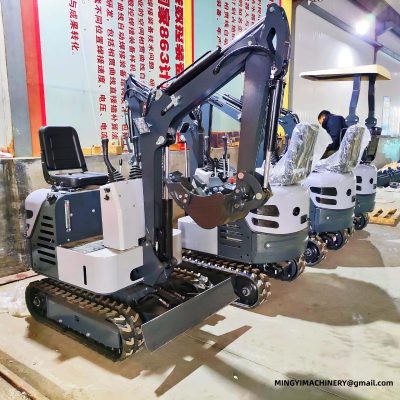
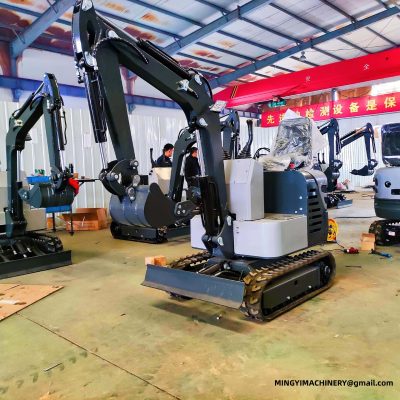
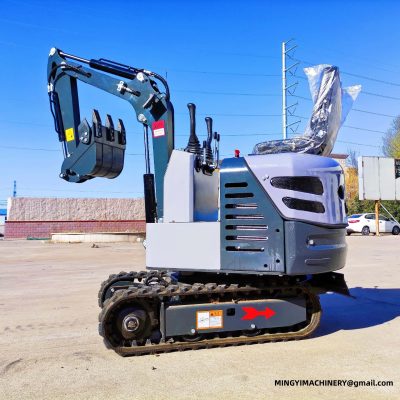
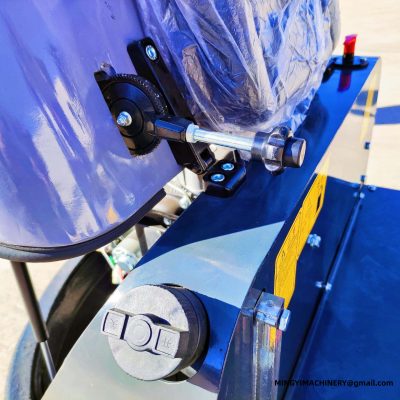
Utility work in towns and cities is mostly a problem of space. The trench itself may be straightforward, but the way in is narrow, the surface is finished, and there is rarely room to swing a full-size machine.
A compact mini excavator solves the access side of the job, and MINGYI builds these machines in widths that pass through domestic openings and along footpaths without a second machine to prepare the route. Tight access is usually the deciding factor on this work, not digging force.
Why compact dimensions matter more than raw power
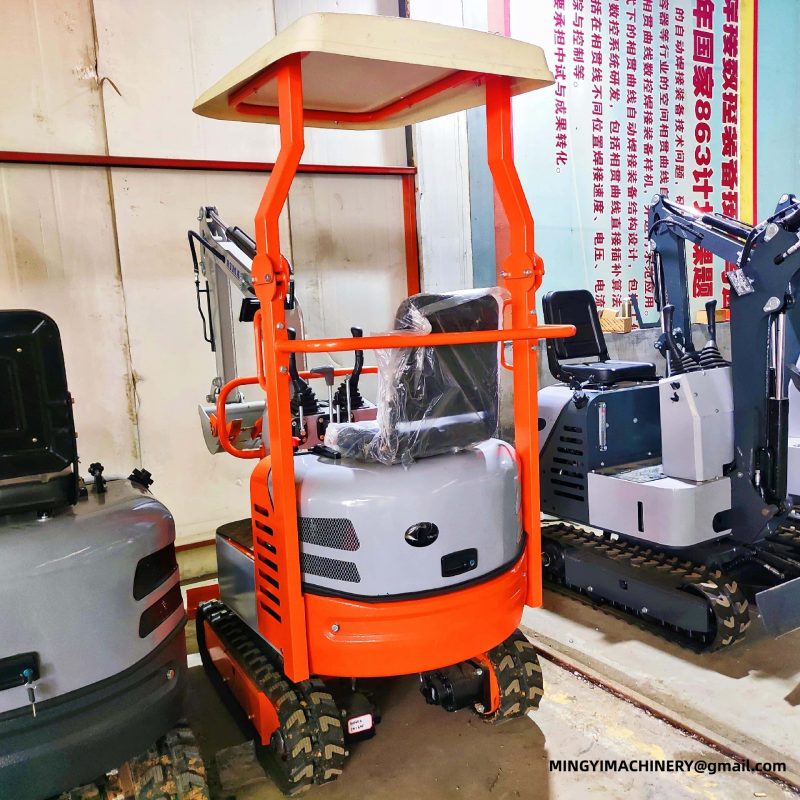
For utility trenching the limiting factor is almost never digging force. It is whether the machine can reach the trench, stand safely, and work without damaging what is already there.
A short tail swing keeps the rear of the machine inside its own footprint, which matters when it is working against a wall, a fence line or parked vehicles.
Working a narrow trench properly
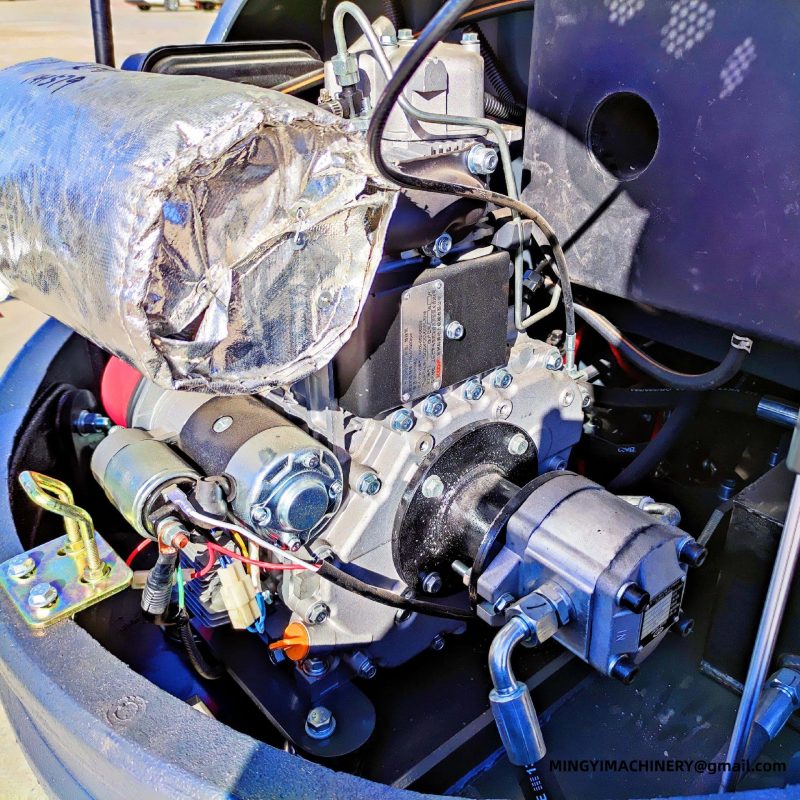
Compact machines cut narrow trenches efficiently because bucket width can be matched to the pipe or duct being laid, keeping spoil volume low and reducing how much material has to be brought back in.
For deeper runs the same machine can be fitted with an extended dipper or a longer boom, so a compact excavator is not confined to shallow work.
MINGYI can advise on the compact size and track type that suits the utility work you do; send the trench dimensions and the access width and we will confirm the match.
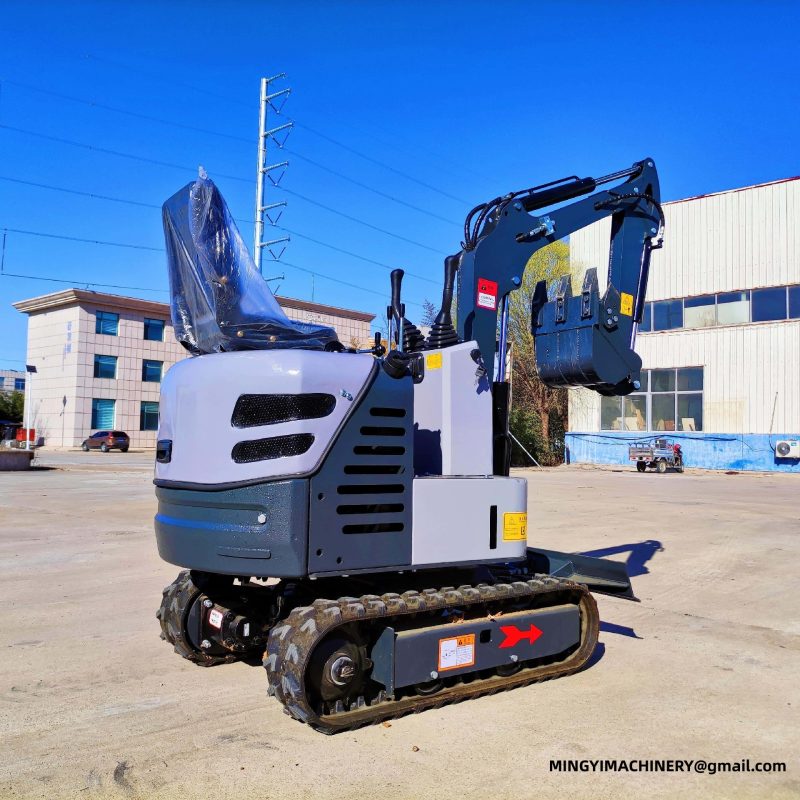
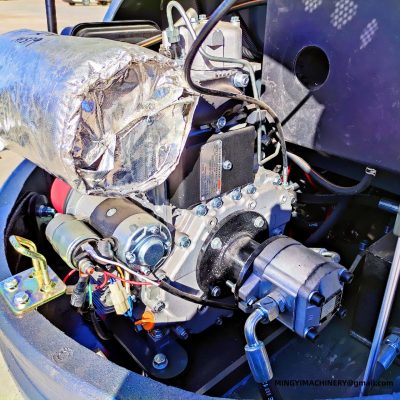
E-mail : Matching this class of machine to ground conditions Soft ground is a flotation problem, not a power problem. The unit in daily use on wide rubber tracks crosses lawn, sand and cultivated soil that would stop a narrower machine or a wheeled unit of the same capacity. Hard and abrasive ground reverses the specification. On rock, demolition rubble or sharp gravel, steel tracks with rubber blocks on a machine of this size survive conditions that cut a rubber belt quickly. Working a compact mini excavator for tight access through the seasons Weather decides which days are productive. Rain turns some ground unusable and cold changes how the equipment on site starts and warms up, so planning the wet months around maintenance is more useful than planning around output. Seasonal planning smooths the workload. Machines that are busy for a few months and idle for the rest benefit from a service slot in the quiet period, and the machine itself prepared in the off-season starts the busy months reliably. Acceptance checks when a compact mini excavator for tight access arrives Delivery day is the best time to find a problem. Checking the specification against the order, the fluid levels, the fasteners and any transport damage while the machine in that duty is still on the trailer is faster than claiming later. A function check before the machine goes to work is worth the hour. Running through the controls, the travel and the attachment circuit on the model in question confirms it is set up as specified and ready for the site. What owners should plan for beyond the compact mini excavator for tight access Purchase decision is the visible part of the effort. Fuel, filters, tracks or tyres, the operator and the transport between sites are the items that decide what the unit on the job actually demands over a few seasons, and they are worth listing before the order. Downtime is the hidden line item. A machine built for the work waiting on a part earns nothing while it stands, so parts availability and service access belong in the plan as much as fuel does. Road and paving work for compact mini excavator for tight access Patching and reinstatement favour a machine that can work in a lane closure. The equipment in service occupies less road than a full-size excavator, which reduces the traffic management needed and the length of the closure. Breaking out a failed slab and backfilling the same hole in one visit is normal work for this class of machine. The breaker and the bucket come off the same coupler, so the road is reopened the same day. Municipal and public works with compact mini excavator for tight access Municipal crews work on streets, footpaths and parks where the public is present. The unit in daily use is specified because it occupies little space, works inside a small exclusion zone and can be moved on a standard trailer. Drainage repair, tree planting, footway reconstruction and cemetery work are all within the range of a machine of this size. The jobs are small individually and continuous across the year. Engine options behind compact mini excavator for tight access Power unit selection is settled against the service network the buyer already uses. MINGYI offers Kubota D722, Kubota D902, YANMAR, Changchai, Laidong, Runtong, YARMAX, Youpu 2V80 and Youpu 195, so a fleet running one brand of engine can keep the same filters, the same parts supplier and the same mechanic. Two buyers can order the same the equipment on site and receive different engines. The decision is rarely about peak power; it is about which parts counter is closest to the site and which engine the local mechanic already knows. Working on slopes and uneven ground with the machine itself Ground that looks level often is not. The model in question crossing a filled trench, a soft edge or a hidden void behaves differently from one on undisturbed ground, and those are the places worth walking before driving. Planning the direction of travel helps. Working so that the machine in that duty is stable under load and not required to turn on a slope is a decision made before the job starts, not a correction made during it. Hiring versus owning the unit on the job The choice follows the hours. Work that fills a few weeks a year is usually better hired, while a machine built for the work that would be on site most weeks starts to justify ownership once the transport and booking time is counted. Availability is part of the decision. Owning the equipment in service means it is there on the day the ground is ready; hiring means competing for the same machine at the same time as everyone else in the season. Attachments that turn this class of machine into several machines Attachment lists are best written before delivery. Specifying the unit in daily use with the tools the job list needs avoids the work and delay of adding hydraulics later, and a quick coupler makes the swap a few minutes instead of a workshop job. Most of the daily variety on a machine of this size comes from the attachment rack rather than from the machine itself. Bucket, breaker, auger, ripper, rake and grab cover the large majority of the work a contractor will see. Working near live services with the equipment on site Digging near water, gas and cable is a precision job. The machine itself is used here because the operator can work in short controlled cuts and because the machine can be positioned without driving over the run being exposed. The risk on utility work is not machine power but machine placement. The model in question that fits the working width leaves the surrounding ground undisturbed, which keeps the trench stable and the reinstatement small. Orchard, vineyard and farm use of the machine in that duty Orchard and vineyard work is carried out between rows. The unit on the job with a narrow chassis and a swing boom works down the row without damaging the trees, which is the reason a full-size machine is not used at all. Farms also use a machine built for the work for general maintenance - clearing a watercourse, repairing a track, loading a spreader. One carrier with a few attachments covers most of the jobs that would otherwise wait for a contractor. Landscaping and ground care with the equipment in service Landscape contractors use this class of machine for planting holes, pond excavation, grading and retaining work. The machine is light enough to cross finished lawn and narrow enough to work between established trees. Grass cutting heads, rakes and tillers extend the unit in daily use into ground care. The same carrier that digs a border in spring can cut and clear the same area later in the season. Specification data for a machine of this size Where the equipment on site is being specified for a job list, the table below gives the factory figures that matter most: what the machine weighs, how deep and how far it works, and what it measures on a trailer. Every value shown is as built for the machine itself; options such as cab, side swing or a telescopic undercarriage change the transport dimensions and are confirmed at order stage. Later additions and retrofits on the model in question An added function should pay for itself quickly. Whether the machine in that duty gains a different bucket, a hydraulic service or a protection package, the test is the number of days a year it is actually used. Wear items and spares worth holding for the unit on the job The parts that stop a machine are rarely the parts that are hardest to find. Filters, belts, seals and the ground engaging tools on a machine built for the work are easy to hold and slow to replace, which is why they belong on the shelf rather than on an order. Storage and long idle periods for the equipment in service The battery and the fuel are the first things to suffer in storage. Preparing this class of machine properly at the start of the idle period avoids the flat battery and the contaminated tank that greet an unprepared machine. A swing boom lets the machine dig parallel to its tracks without repositioning, which is what makes trenching beside a wall or a fence practical. On the unit in daily use this is often the option that decides whether a job is possible at all. Extended and offset boom configurations change reach and working range. A machine of this size with a longer arm reaches further but lifts less at full extension, so the specification is set against the deepest and furthest point on the job list.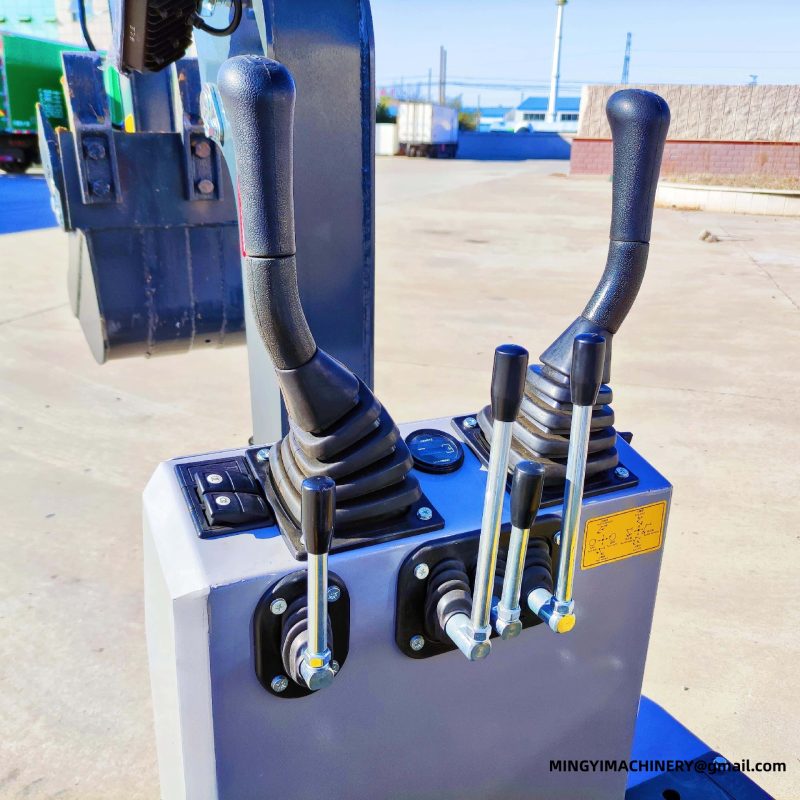
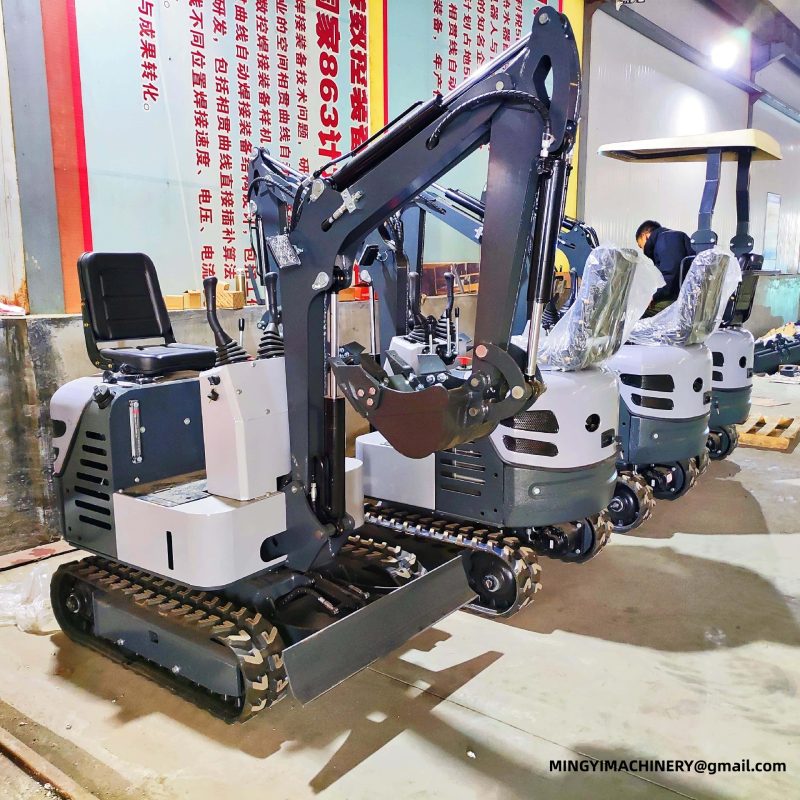
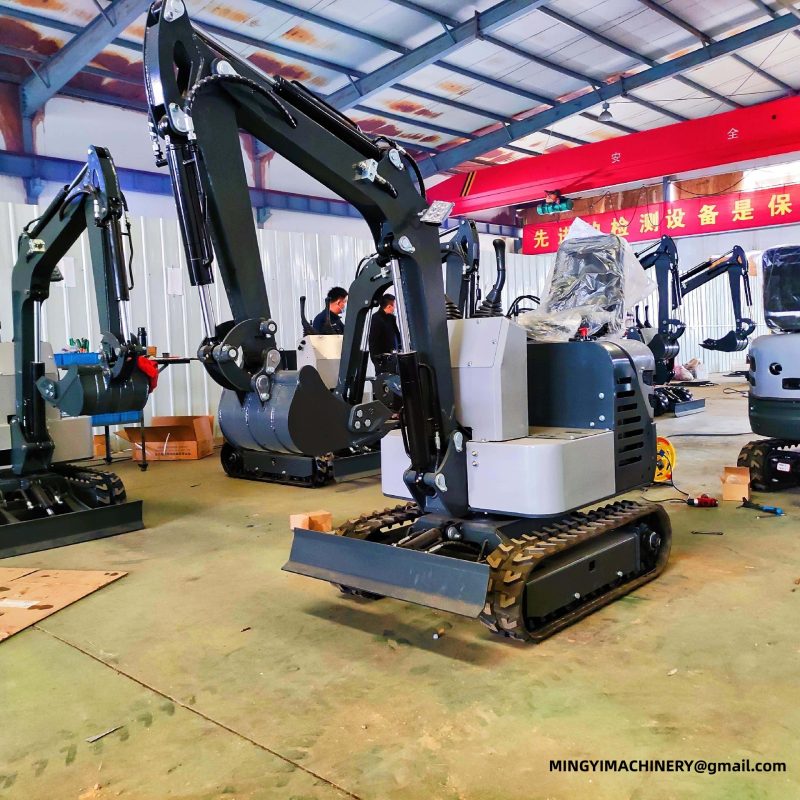
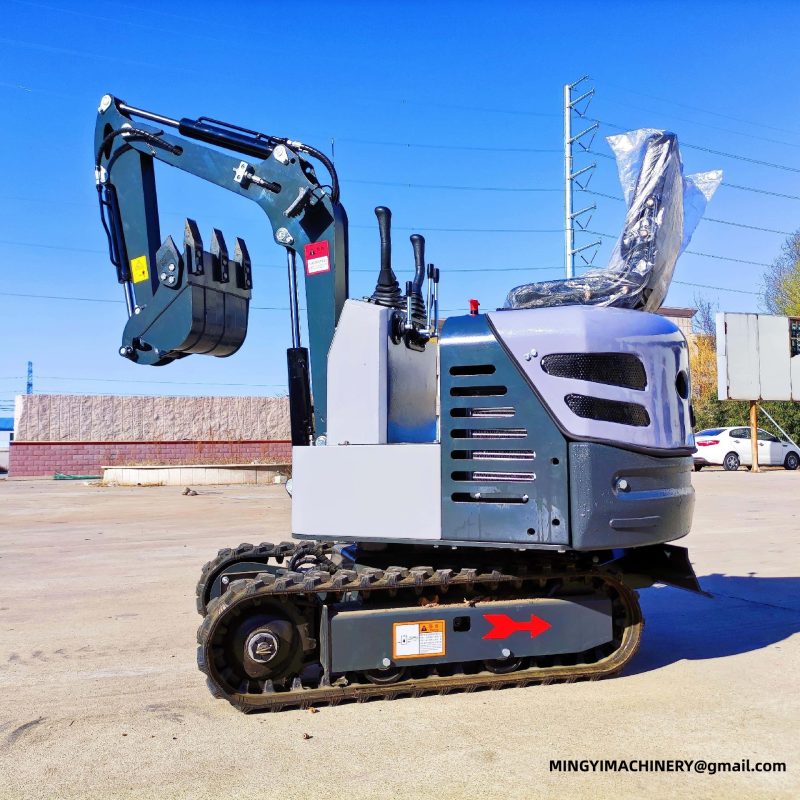
Reference specification — mini excavator range 13W 15W 20-1W 15L Operating weight 1300 kg (2866.01 lb) 1400 kg (3086.47 lb) 1800 kg (3968.32 lb) 1400 kg (3086.47 lb) Transport size (L×W×H) 2200 × 930 × 2250 mm 2200 × 930 × 2250 mm 2550 × 1100 × 2200 mm 2200 × 930 × 2250 mm Max digging depth 1630 mm (64.17 in) 1630 mm (64.17 in) 1800 mm (70.87 in) 1700 mm (66.93 in) Max digging height 2750 mm (108.27 in) 2750 mm (108.27 in) 2820 mm (111.02 in) 2750 mm (108.27 in) Max dumping height 1960 mm (77.17 in) 1960 mm (77.17 in) 2050 mm (80.71 in) 1960 mm (77.17 in) Max digging radius 2900 mm (114.17 in) 2900 mm (114.17 in) 3050 mm (120.08 in) 2900 mm (114.17 in) Max digging distance 2100 mm (82.68 in) 2100 mm (82.68 in) 2300 mm (90.55 in) 2300 mm (90.55 in) Minimum turning radius 1300 mm (51.18 in) 1300 mm (51.18 in) 1450 mm (57.09 in) 1450 mm (57.09 in) Travel speed 3 km/h (1.86 mph) 3 km/h (1.86 mph) 5 km/h (3.11 mph) 3 km/h (1.86 mph) Gradeability 30° 30° 30° 30° Fuel consumption 1-1.3 L/h (0.264—0.343 gal) 1-1.3 L/h (0.264—0.343 gal) 2-3 L/h (0.528—0.793 gal) 1-1.3 L/h (0.264—0.343 gal) Fuel tank capacity 10 L (2.64 gal) 10 L (2.64 gal) 16 L (4.23 gal) 10 L (2.64 gal) Hydraulic oil tank 16 L (4.23 gal) 16 L (4.23 gal) 18 L (4.76 gal) 16 L (4.23 gal) Dozer blade lift height 180 mm (7.09 in) 180 mm (7.09 in) 180 mm (7.09 in) 180 mm (7.09 in) Dozer blade drop depth 210 mm (8.27 in) 210 mm (8.27 in) 210 mm (8.27 in) 210 mm (8.27 in)
LINE ( ID ): mingyicn
Related pages
mini excavator for kerb and edge repair · mini excavator for small groundwork jobs · mini excavator for fencing posts · PRODUCTS









