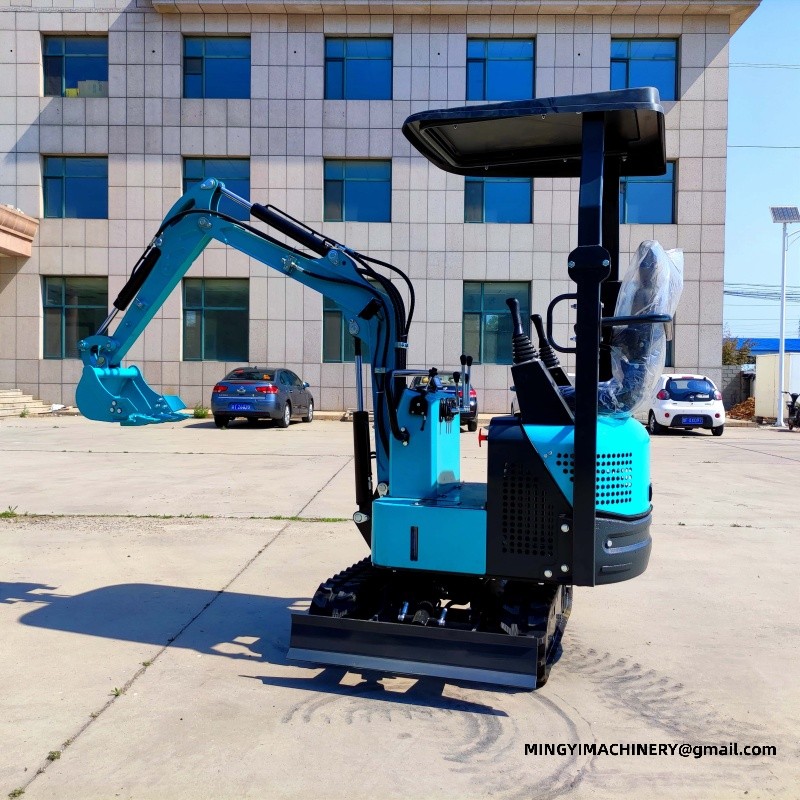
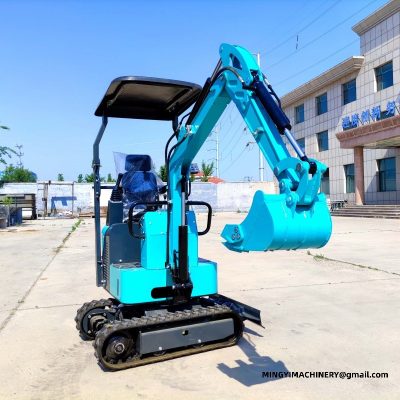
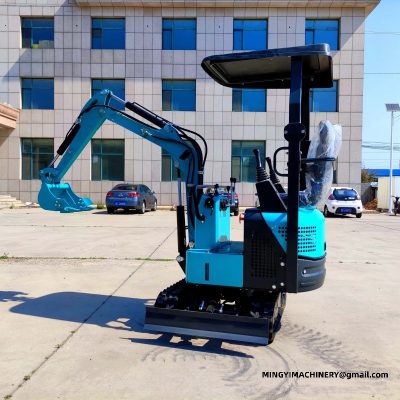
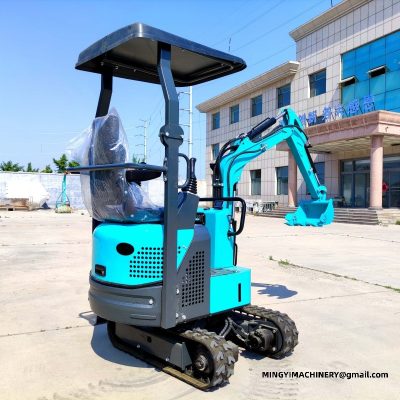
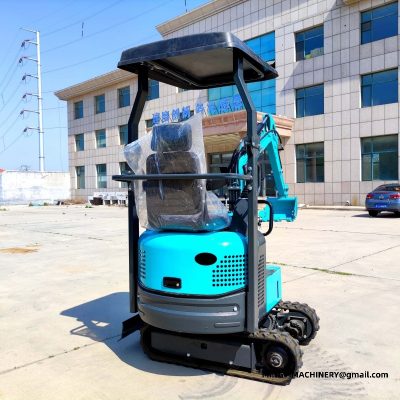
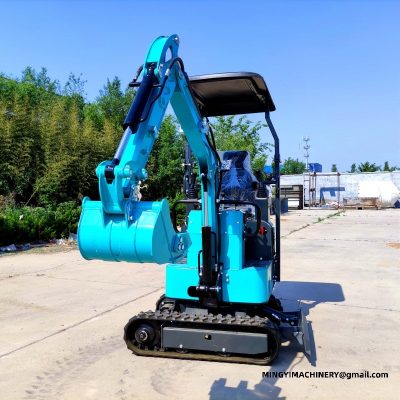
An auger turns a compact excavator into a drilling machine. Instead of excavating a hole and backfilling around a post, the operator drills a clean hole to the required depth and sets the post into it.
The attachment runs from the excavator's auxiliary hydraulic circuit, and on a MINGYI machine it can be changed on and off like any other tool.
What an auger is used for
Fence and gate posts are the most common use, followed by sign posts, small piles and tree planting.
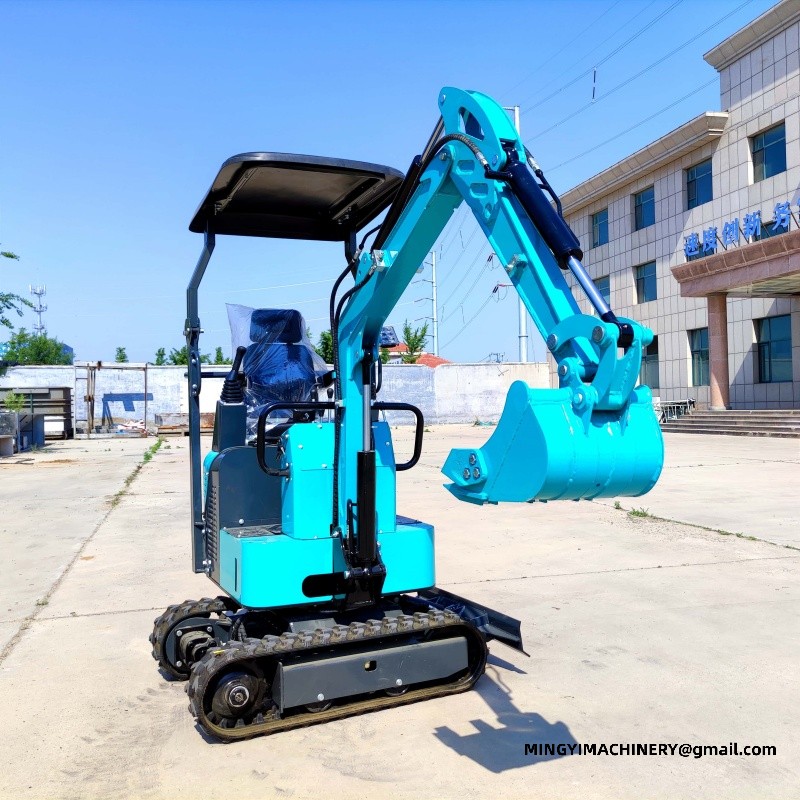
Because the hole is drilled rather than dug, the ground around it is left undisturbed and the finish is far tidier than a dug excavation.
Drilling with a compact excavator
The machine provides both the rotation and the downward force through the boom, which is why an excavator-mounted auger drills faster than a handheld one in firm ground.
Auger diameter is chosen to suit the post or pile being set, and the machine's flow rate determines how quickly it will drill.
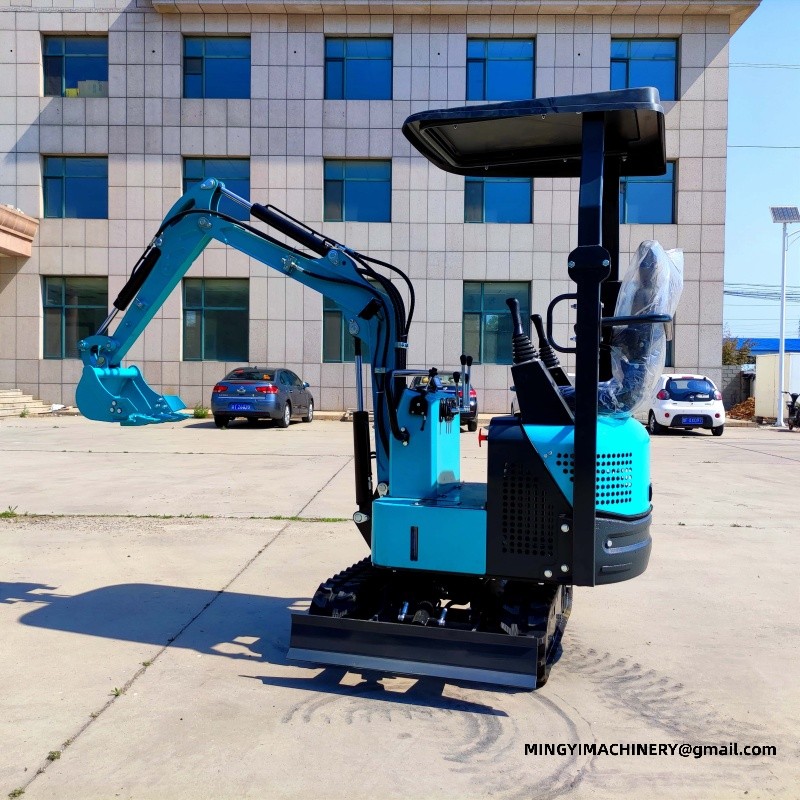
Tell MINGYI the hole diameter and depth you need and the model you run, and we will confirm the auger that matches it.
E-mail : Specifying this class of machine against a job list The practical way to specify is to write the job list first: the narrowest access, the deepest trench, the heaviest tool and the surfaces the machine must cross. The unit in daily use is then matched to those four numbers. Buyers who skip this step either over-buy or under-buy. A machine of this size specified only from machine size tends to arrive without the coupler, the circuits or the track type the work actually needs. Track choice for hydraulic auger for mini excavator Undercarriage selection is a ground question, not a preference question. The equipment on site running on finished paving needs rubber; the same machine on demolition rubble or rock wears rubber quickly, so steel with rubber blocks becomes the better answer over a full season. Track type changes what the machine can cross and what it leaves behind. Buyers specify rubber for lawns, driveways and municipal work, and steel with rubber blocks for sites where sharp material would cut a rubber belt in a week. Acceptance checks when a hydraulic auger for mini excavator arrives Delivery day is the best time to find a problem. Checking the specification against the order, the fluid levels, the fasteners and any transport damage while the model in question is still on the trailer is faster than claiming later. Documentation should arrive with the machine. Parts list, service schedule and any certificates for the machine itself are what the workshop needs later, and they are much easier to obtain at delivery than in month six. Working on slopes and uneven ground with hydraulic auger for mini excavator Slope work is a stability question before it is a traction question. Knowing the gradient the machine in that duty is rated for, and working across rather than straight up where the ground allows, removes most of the risk. Planning the direction of travel helps. Working so that the unit on the job is stable under load and not required to turn on a slope is a decision made before the job starts, not a correction made during it. Matching hydraulic auger for mini excavator to ground conditions Soft ground is a flotation problem, not a power problem. A machine built for the work on wide rubber tracks crosses lawn, sand and cultivated soil that would stop a narrower machine or a wheeled unit of the same capacity. Mixed sites are common and argue for a compromise specification. Most buyers choose rubber for the equipment in service and accept the wear, unless the majority of the work is on material that will damage it. Parts, service and support for hydraulic auger for mini excavator Support after delivery is a parts question. Wearing items for this class of machine - filters, belts, track components, bucket teeth and pins - are the items a buyer should plan to hold before the first service interval. Remote support is handled by video. The unit in daily use fault can often be diagnosed on a walk-around call with the panel open, which is faster than waiting for a visit and avoids shipping a part that is not needed. Working near live services with hydraulic auger for mini excavator The risk on utility work is not machine power but machine placement. A machine of this size that fits the working width leaves the surrounding ground undisturbed, which keeps the trench stable and the reinstatement small. Utility crews specify the equipment on site with a narrow bucket and good visibility for exactly this reason: the machine has to stop at the service, not at the edge of the operator's view. Orchard, vineyard and farm use of the machine itself Orchard and vineyard work is carried out between rows. The model in question with a narrow chassis and a swing boom works down the row without damaging the trees, which is the reason a full-size machine is not used at all. Ditching, fertilising and drainage on farmland suit the machine in that duty because the work is spread over a large area in short bursts. The machine travels behind a pickup and works where it stops. Operator technique for the unit on the job Output on a compact machine comes from placement rather than power. An experienced operator keeps a machine built for the work working inside the swing arc, positions once and digs a full run instead of repositioning for every bucket. Stability is the third. The equipment in service working across the tracks rather than over the corners keeps the machine steady and the undercarriage loaded evenly, which shows up as track life at the end of the season. Canopy or enclosed cab on this class of machine A canopy keeps the machine light and the operator aware of the surroundings, which suits short jobs in warm weather. A fully enclosed cab is specified where rain, dust or cold are part of the working year, and it can be added to the unit in daily use as a retrofit rather than only at build time. The cab decision follows the climate and the hours. Operators working a full shift in a machine of this size benefit from a sealed cab with wipers and heating; operators stepping on and off every few minutes usually prefer the canopy for the visibility and the quick exit. Engine options behind the equipment on site Two buyers can order the same the model in question and receive different engines. The decision is rarely about peak power; it is about which parts counter is closest to the site and which engine the local mechanic already knows. Engine choice is also an emissions and documentation question for some markets. Listing the available units with the machine itself enquiry lets the factory confirm what can be supplied and documented for the destination country. Hydraulic circuits on the machine in that duty Auxiliary hydraulic lines are what let a machine drive a tool rather than only a bucket. The unit on the job specified with the right circuits and flow runs a breaker or an auger without an add-on power pack bolted to the frame. Flow and pressure are matched to the tool, not to the machine size. Asking for the attachment list first means a machine built for the work leaves the factory with circuits that suit the heaviest tool the buyer intends to run. Quick coupler practice on the equipment in service A quick coupler is the single option that changes how a machine is used day to day. Fitted to this class of machine, it turns an attachment change from a two-person workshop job into a task the operator does alone in minutes. For a fleet that shares attachments between machines, a common coupler standard matters more than the coupler brand. The unit in daily use that picks up the same tools as the larger machines keeps the rack usable across the yard. Landscaping and ground care with a machine of this size Grass cutting heads, rakes and tillers extend the equipment on site into ground care. The same carrier that digs a border in spring can cut and clear the same area later in the season. On soft landscape work the surface is the constraint. The machine itself on rubber tracks crosses turf without stripping it, which is why the same jobs are not given to a wheeled machine. Boom configuration for the model in question A swing boom lets the machine dig parallel to its tracks without repositioning, which is what makes trenching beside a wall or a fence practical. On the machine in that duty this is often the option that decides whether a job is possible at all. Detachable boom sections are used where transport length matters. The unit on the job that has to travel on a standard trailer can be built so the arm comes off for the road and goes back on at the site. Hiring versus owning a machine built for the work Availability is part of the decision. Owning the equipment in service means it is there on the day the ground is ready; hiring means competing for the same machine at the same time as everyone else in the season. Ownership brings obligations that hiring does not. Storage, servicing, insurance and an operator are the items to set against the hire rate before deciding which way this class of machine should be supplied. Specification data for the unit in daily use Where a machine of this size is being specified for a job list, the table below gives the factory figures that matter most: what the machine weighs, how deep and how far it works, and what it measures on a trailer. Figures are factory figures and are confirmed on the build sheet for the equipment on site. Where a job sits between two models, the larger machine usually takes less time than the smaller one spends on rework. Machines leave the factory prepared for container or flat rack shipment. The machine itself is normally shipped with the attachment set and the spare parts list agreed in advance so the container is planned once. Buyers who import regularly plan the spare parts with the machine. The model in question ordered with a wearing-parts kit arrives ready to work rather than ready to wait for the first service interval.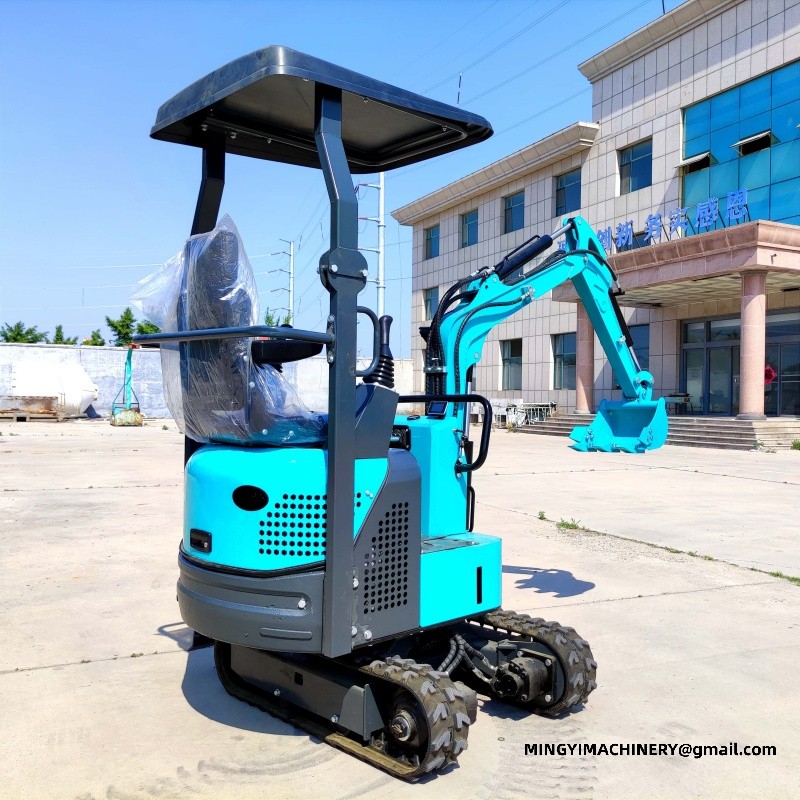
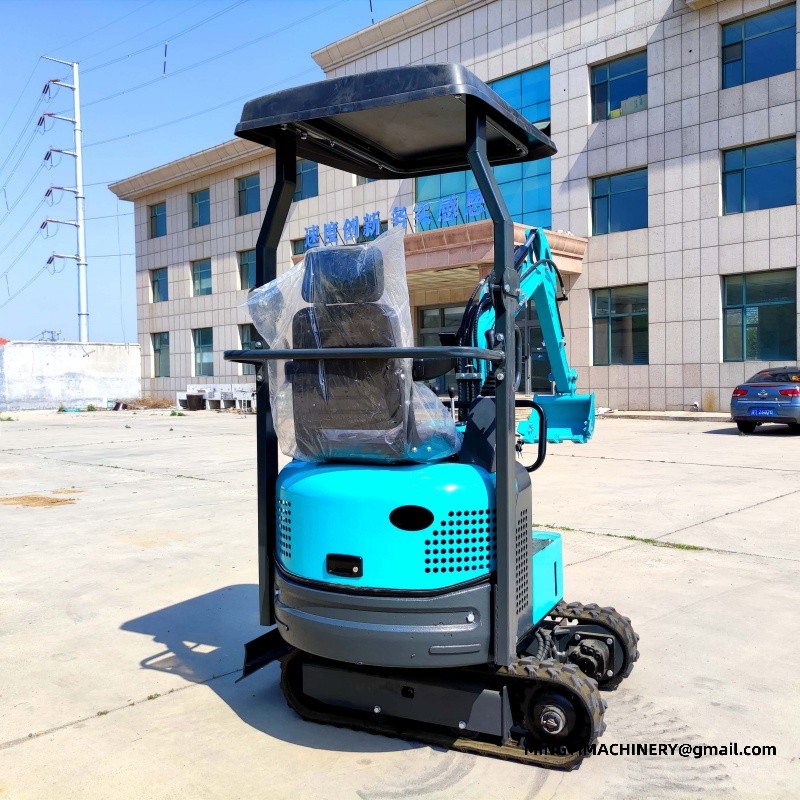
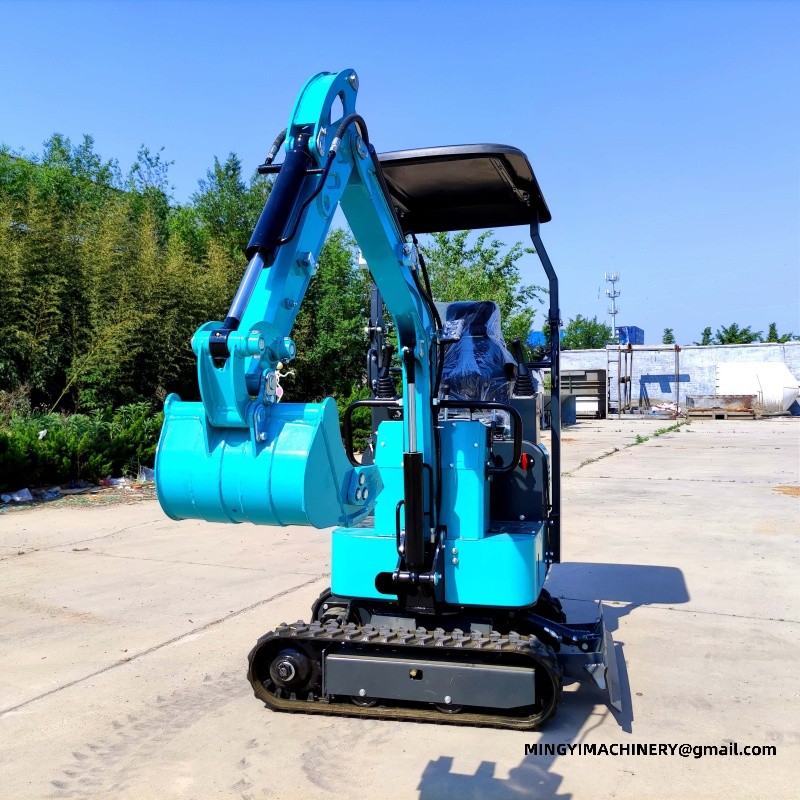
Reference specification — mini excavator range 09W 15W 20-3W 15L Operating weight 1100 kg (2425.08 lb) 1400 kg (3086.47 lb) 1900 kg (4188.78 lb) 1400 kg (3086.47 lb) Transport size (L×W×H) 1800 × 750 × 1970 mm 2200 × 930 × 2250 mm 2550 × 1100 × 2200 mm 2200 × 930 × 2250 mm Max digging depth 1250 mm (49.21 in) 1630 mm (64.17 in) 1800 mm (70.87 in) 1700 mm (66.93 in) Max digging height 2800 mm (110.24 in) 2750 mm (108.27 in) 2820 mm (111.02 in) 2750 mm (108.27 in) Max dumping height 1700 mm (66.93 in) 1960 mm (77.17 in) 2050 mm (80.71 in) 1960 mm (77.17 in) Max digging radius 2570 mm (101.18 in) 2900 mm (114.17 in) 3050 mm (120.08 in) 2900 mm (114.17 in) Max digging distance 1869 mm (73.58 in) 2100 mm (82.68 in) 2300 mm (90.55 in) 2300 mm (90.55 in) Minimum turning radius 1000 mm (39.37 in) 1300 mm (51.18 in) 1450 mm (57.09 in) 1450 mm (57.09 in) Travel speed 3 km/h (1.86 mph) 3 km/h (1.86 mph) 5 km/h (3.11 mph) 3 km/h (1.86 mph) Gradeability 30° 30° 30° 30° Fuel consumption 1-1.3 L/h (0.264—0.343 gal) 1-1.3 L/h (0.264—0.343 gal) 2-3 L/h (0.528—0.793 gal) 1-1.3 L/h (0.264—0.343 gal) Fuel tank capacity 8 L (2.11 gal) 10 L (2.64 gal) 16 L (4.23 gal) 10 L (2.64 gal) Hydraulic oil tank 16 L (4.23 gal) 16 L (4.23 gal) 18 L (4.76 gal) 16 L (4.23 gal) Dozer blade lift height 180 mm (7.09 in) 180 mm (7.09 in) 180 mm (7.09 in) 180 mm (7.09 in) Dozer blade drop depth 210 mm (8.27 in) 210 mm (8.27 in) 210 mm (8.27 in) 210 mm (8.27 in)
LINE ( ID ): mingyicn
Related pages
breaker hammer for mini excavator · 1.5 ton mini excavator digging depth · mini excavator dealer and bulk supply · PRODUCTS









