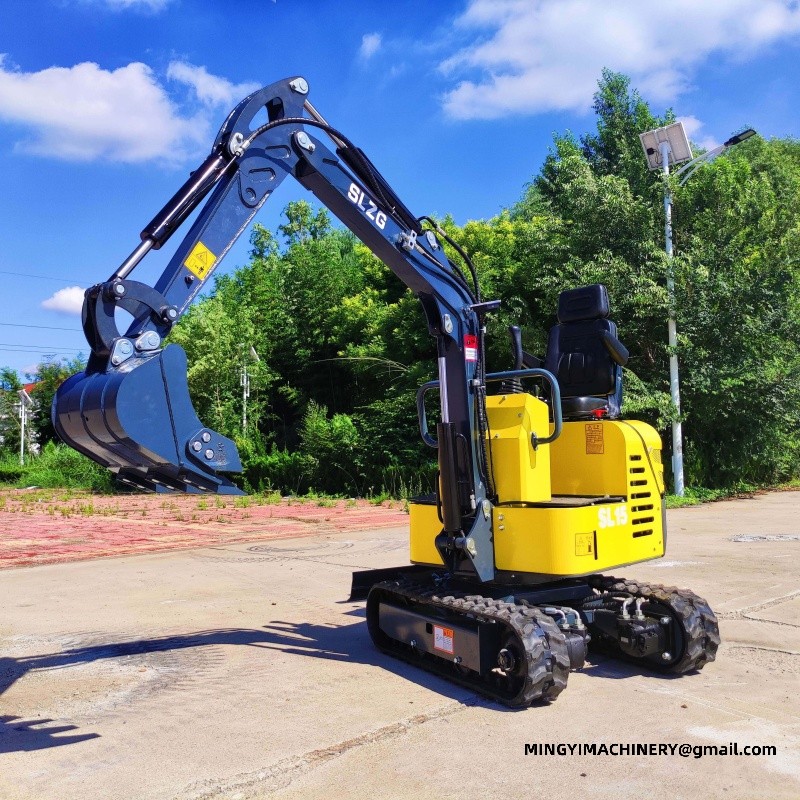
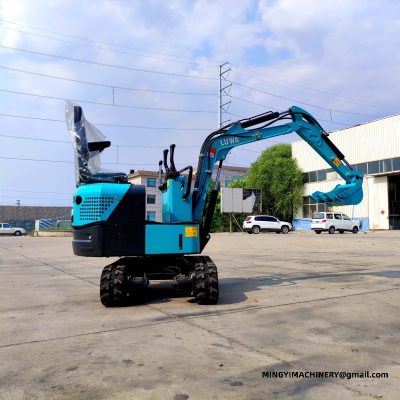
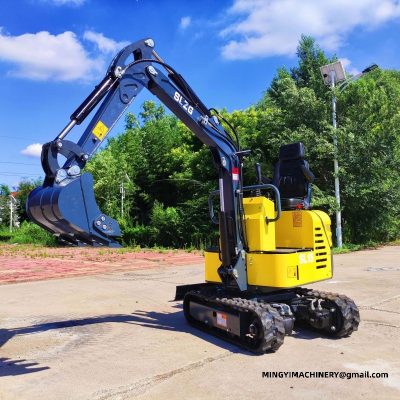
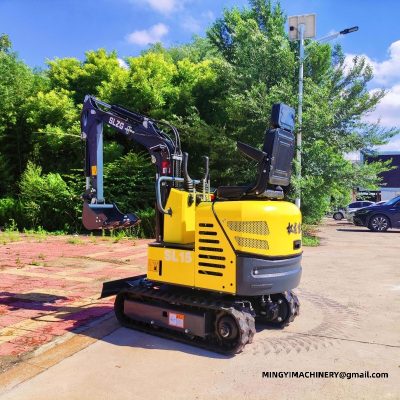
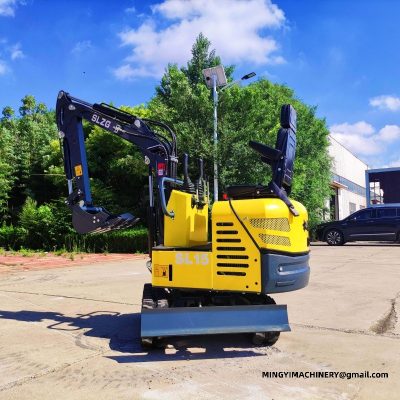
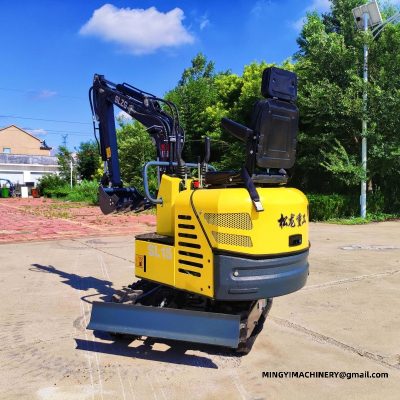
At around the two tonne mark a compact excavator stops being a garden machine and starts being a small site machine, with the reach and stability to match.
MINGYI builds excavators in this class for contractors whose work has outgrown the smallest machines but does not justify larger plant.
What the class is capable of
Deeper service and drainage trenches, larger footings, and the general earthworks around a small commercial or multi-unit residential project.
The extra weight gives the machine stability when working at reach and when handling material with a grab or a breaker.
Specifying for the work
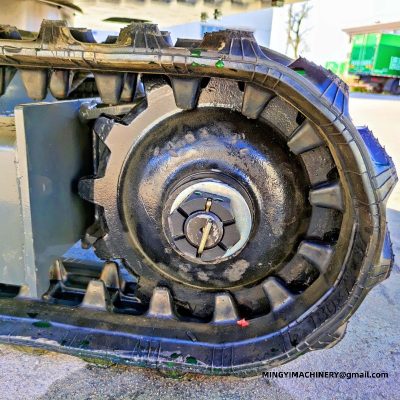
Steel tracks or steel with rubber pads are more common in this class than in the smallest, because the ground worked is often rougher.
The attachment set tends to be broader, since machines of this size take on breaking, drilling and handling as well as digging.
Tell MINGYI the work and ground conditions and we will confirm the machine and attachment specification.
E-mail : OEM and fleet customisation of this class of machine Distributors and rental fleets usually need the machine to look like theirs. Paint, decals, seat colour and attachment branding can be specified on the unit in daily use at build time rather than applied after import. Customisation also covers the specification sheet. A fleet buyer may want every machine of this size delivered with the same coupler, the same engine and the same tool kit so training and parts stock stay simple. Matching 2 ton mini excavator for contractors to ground conditions Soft ground is a flotation problem, not a power problem. The equipment on site on wide rubber tracks crosses lawn, sand and cultivated soil that would stop a narrower machine or a wheeled unit of the same capacity. Mixed sites are common and argue for a compromise specification. Most buyers choose rubber for the machine itself and accept the wear, unless the majority of the work is on material that will damage it. Road and paving work for 2 ton mini excavator for contractors Road repair generates short, interrupted jobs - a patch, a drainage connection, a kerb line. The model in question is economical here because it travels on a small trailer and starts working minutes after arriving. Breaking out a failed slab and backfilling the same hole in one visit is normal work for the machine in that duty. The breaker and the bucket come off the same coupler, so the road is reopened the same day. Hydraulic circuits on a 2 ton mini excavator for contractors Auxiliary hydraulic lines are what let a machine drive a tool rather than only a bucket. The unit on the job specified with the right circuits and flow runs a breaker or an auger without an add-on power pack bolted to the frame. Flow and pressure are matched to the tool, not to the machine size. Asking for the attachment list first means a machine built for the work leaves the factory with circuits that suit the heaviest tool the buyer intends to run. Landscaping and ground care with 2 ton mini excavator for contractors Landscape contractors use the equipment in service for planting holes, pond excavation, grading and retaining work. The machine is light enough to cross finished lawn and narrow enough to work between established trees. On soft landscape work the surface is the constraint. This class of machine on rubber tracks crosses turf without stripping it, which is why the same jobs are not given to a wheeled machine. Quick coupler practice on 2 ton mini excavator for contractors A quick coupler is the single option that changes how a machine is used day to day. Fitted to the unit in daily use, it turns an attachment change from a two-person workshop job into a task the operator does alone in minutes. For a fleet that shares attachments between machines, a common coupler standard matters more than the coupler brand. A machine of this size that picks up the same tools as the larger machines keeps the rack usable across the yard. Running 2 ton mini excavator for contractors in a rental fleet Rental fleets buy for utilisation, not for a single job. The equipment on site with a quick coupler and a common attachment standard is hired more often because it suits more of the calls that come in. Fleet buyers also weigh transport. The machine itself that a customer can tow on a normal licence and a standard trailer is a hire that does not need a delivery truck, which changes how often it goes out. Working on slopes and uneven ground with the model in question Slope work is a stability question before it is a traction question. Knowing the gradient the machine in that duty is rated for, and working across rather than straight up where the ground allows, removes most of the risk. Planning the direction of travel helps. Working so that the unit on the job is stable under load and not required to turn on a slope is a decision made before the job starts, not a correction made during it. Boom configuration for a machine built for the work A swing boom lets the machine dig parallel to its tracks without repositioning, which is what makes trenching beside a wall or a fence practical. On the equipment in service this is often the option that decides whether a job is possible at all. Detachable boom sections are used where transport length matters. This class of machine that has to travel on a standard trailer can be built so the arm comes off for the road and goes back on at the site. Orchard, vineyard and farm use of the unit in daily use Orchard and vineyard work is carried out between rows. A machine of this size with a narrow chassis and a swing boom works down the row without damaging the trees, which is the reason a full-size machine is not used at all. Ditching, fertilising and drainage on farmland suit the equipment on site because the work is spread over a large area in short bursts. The machine travels behind a pickup and works where it stops. Hiring versus owning the machine itself Availability is part of the decision. Owning the model in question means it is there on the day the ground is ready; hiring means competing for the same machine at the same time as everyone else in the season. Ownership brings obligations that hiring does not. Storage, servicing, insurance and an operator are the items to set against the hire rate before deciding which way the machine in that duty should be supplied. What owners should plan for beyond the unit on the job Purchase decision is the visible part of the effort. Fuel, filters, tracks or tyres, the operator and the transport between sites are the items that decide what a machine built for the work actually demands over a few seasons, and they are worth listing before the order. The useful comparison is demand per working hour, not demand per machine. The equipment in service that works more hours a year spreads its standing takes over more output, which is why utilisation usually matters more than the invoice figure. Acceptance checks when this class of machine arrives Delivery day is the best time to find a problem. Checking the specification against the order, the fluid levels, the fasteners and any transport damage while the machine of this size is still on the trailer is faster than claiming later. A function check before the machine goes to work is worth the hour. Running through the controls, the travel and the attachment circuit on the unit in daily use confirms it is set up as specified and ready for the site. Getting the equipment on site through a narrow gap Access decides the machine before output does. With the machine itself the limiting dimension is usually the widest point on the way in, so measuring the gate, the corridor and the turning space first saves a wasted delivery and a second visit. Contractors who buy the model in question normally have one job in mind that nothing else reaches. The purchase order follows the access measurement, not the other way round, and the build sheet is then settled around it. Specification data for the machine in that duty The figures below are the factory figures for the models most often matched to the unit on the job. They are the numbers to check against the site: the depth the work needs, the reach from one position, and the width of the narrowest point on the route in. Figures are factory figures and are confirmed on the build sheet for a machine built for the work. Where a job sits between two models, the larger machine usually takes less time than the smaller one spends on rework. Planning the season around the equipment in service The calendar decides more than the specification does. Planning when this class of machine will be working, when it will be serviced and when it can be spared keeps the maintenance out of the weeks that matter. Reading the early symptoms on the unit in daily use The symptom is usually not at the fault. A hydraulic function that has become sluggish on a machine of this size may point to a filter, a relief setting or a pump, and starting with the simple checks avoids the wrong guess. The base machine is a carrier; the tool on the end of the arm decides the task. The equipment on site fitted with a toothed bucket digs, and the same machine with a breaker, an auger or a grab does work that would otherwise need a second unit on site. Most of the daily variety on the machine itself comes from the attachment rack rather than from the machine itself. Bucket, breaker, auger, ripper, rake and grab cover the large majority of the work a contractor will see.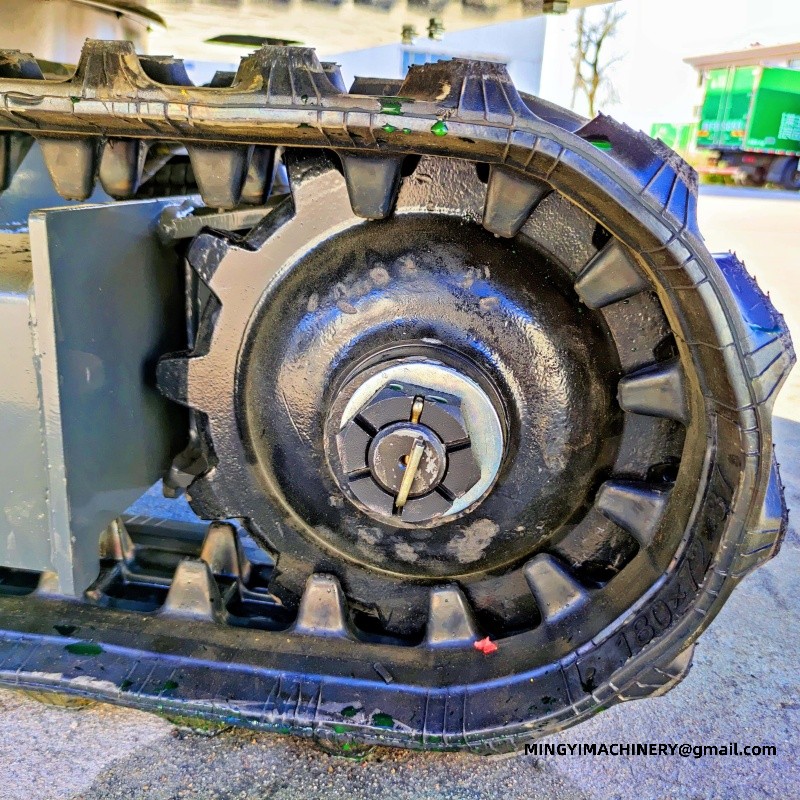
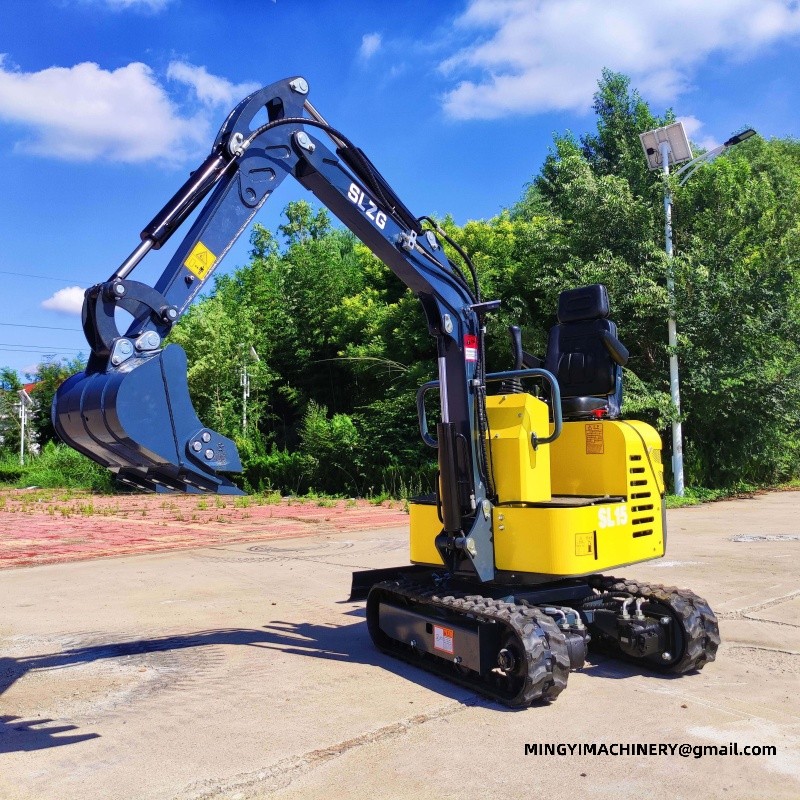
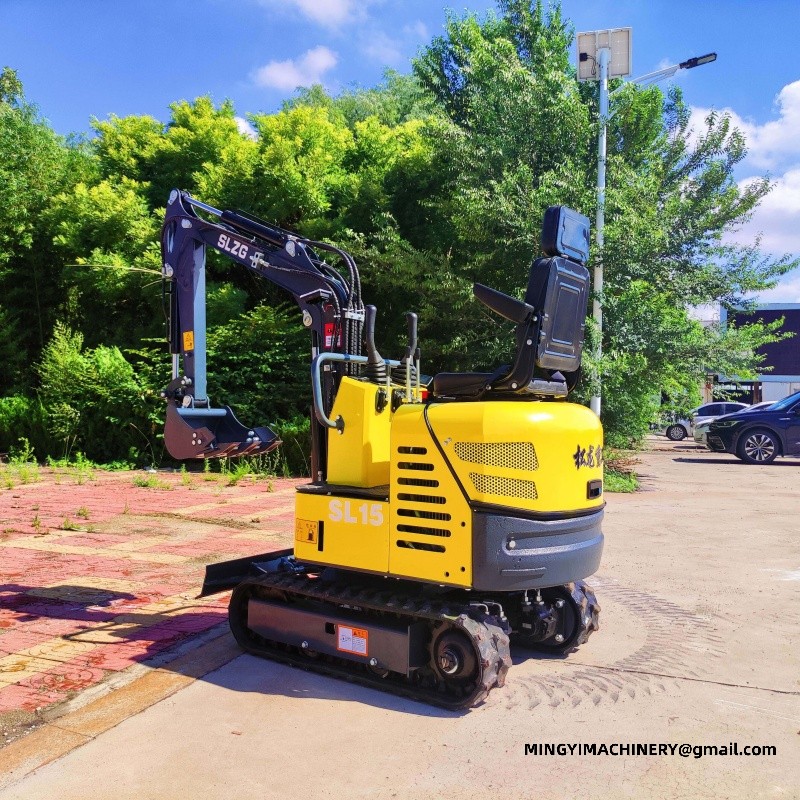
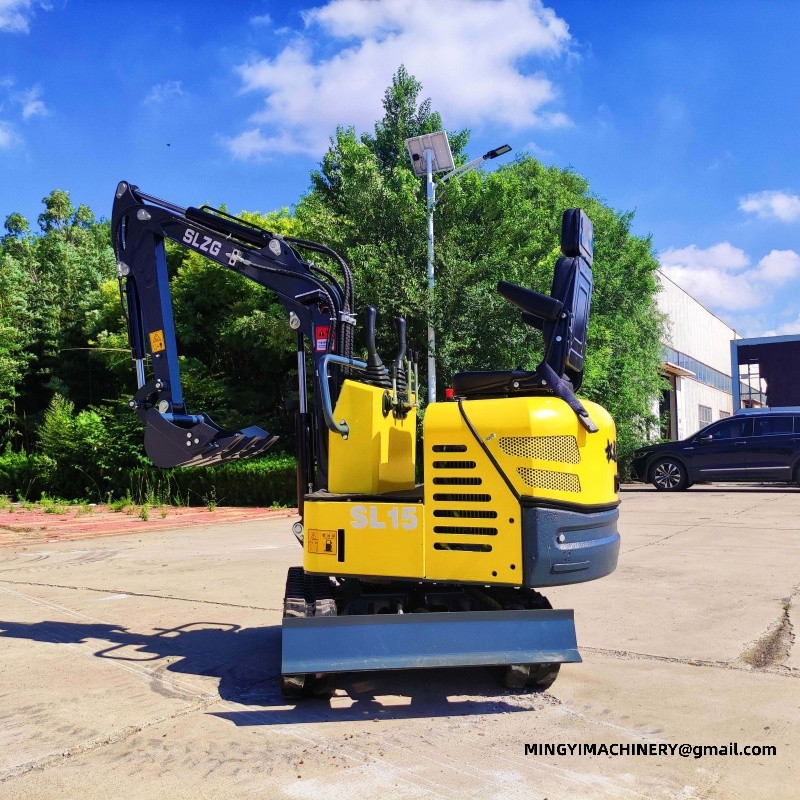
Reference specification — mini excavator range 09W 13W 20-2L 30-2L Operating weight 1100 kg (2425.08 lb) 1300 kg (2866.01 lb) 1900 kg (4188.78 lb) 2400 kg (5291 lb) Transport size (L×W×H) 1800 × 750 × 1970 mm 2200 × 930 × 2250 mm 2600 × 1300 × 2344 mm 2800 × 1500 × 2500 mm Max digging depth 1250 mm (49.21 in) 1630 mm (64.17 in) 2100 mm (82.68 in) 2200 mm (86.61 in) Max digging height 2800 mm (110.24 in) 2750 mm (108.27 in) 2880 mm (113.39 in) 2900 mm (114.17 in) Max dumping height 1700 mm (66.93 in) 1960 mm (77.17 in) 2100 mm (82.68 in) 2100 mm (82.68 in) Max digging radius 2570 mm (101.18 in) 2900 mm (114.17 in) 3215 mm (126.57 in) 3330 mm (131.1 in) Max digging distance 1869 mm (73.58 in) 2100 mm (82.68 in) 2460 mm (96.85 in) 2700 mm (106.3 in) Minimum turning radius 1000 mm (39.37 in) 1300 mm (51.18 in) 1587 mm (62.48 in) 1555 mm (61.22 in) Travel speed 3 km/h (1.86 mph) 3 km/h (1.86 mph) 5 km/h (3.11 mph) 7 km/h (4.35 mph) Gradeability 30° 30° 30° 30° Fuel consumption 1-1.3 L/h (0.264—0.343 gal) 1-1.3 L/h (0.264—0.343 gal) 2-3 L/h (0.528—0.793 gal) 2-3 L/h (0.528—0.793 gal) Fuel tank capacity 8 L (2.11 gal) 10 L (2.64 gal) 16 L (4.23 gal) 16 L (4.23 gal) Hydraulic oil tank 16 L (4.23 gal) 16 L (4.23 gal) 18 L (4.76 gal) 18 L (4.76 gal) Dozer blade lift height 180 mm (7.09 in) 180 mm (7.09 in) 180 mm (7.09 in) 230 mm (9.06 in) Dozer blade drop depth 210 mm (8.27 in) 210 mm (8.27 in) 210 mm (8.27 in) 280 mm (11.02 in)
LINE ( ID ): mingyicn
Common operator mistakes with 2 ton mini excavator for contractors
Ignoring a small change in sound or feel is the mistake that turns a service item into a repair, and reporting it early is the habit worth building.
Filling the tank at the end of the shift rather than the start reduces condensation in the tank overnight.
Leaving the machine idling for long periods adds hours without adding output, and it is the easiest waste to remove.
Related pages
mini excavator ready to ship · buy mini excavator direct from China · mini excavator for backyard pools · PRODUCTS









