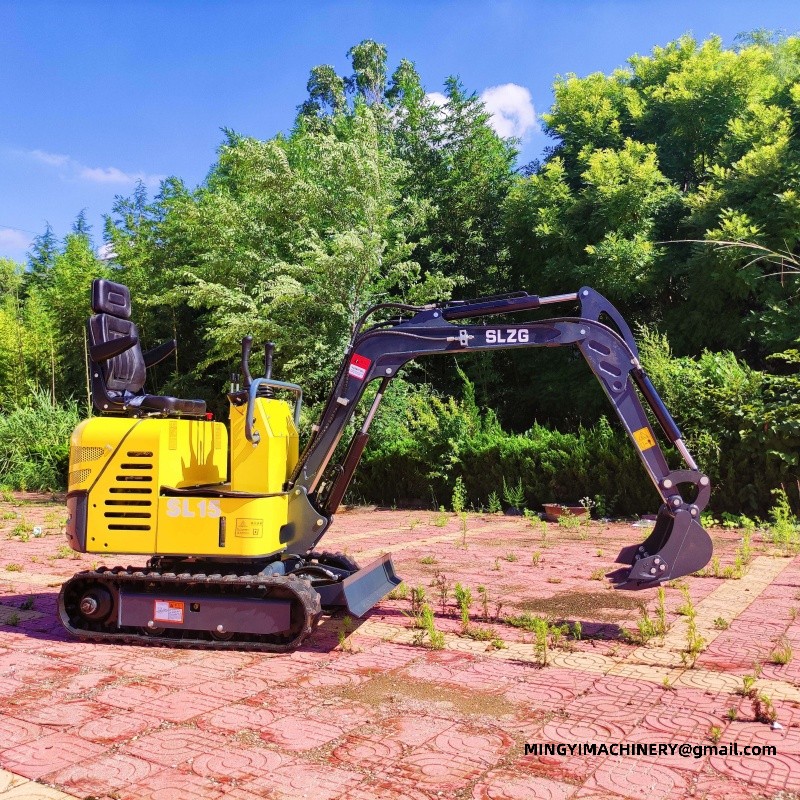
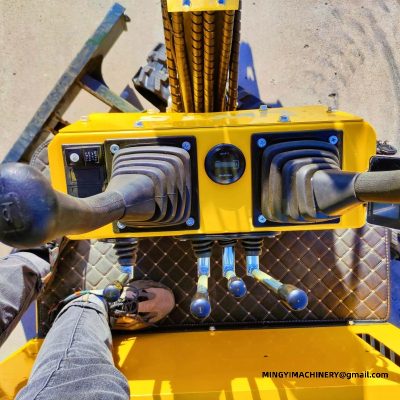
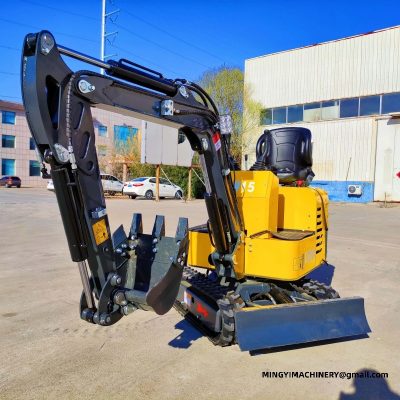
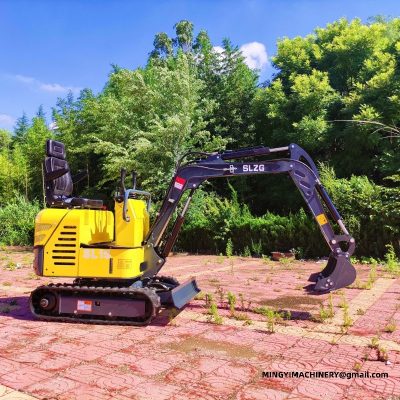
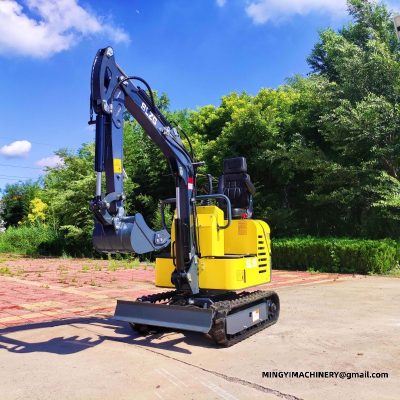
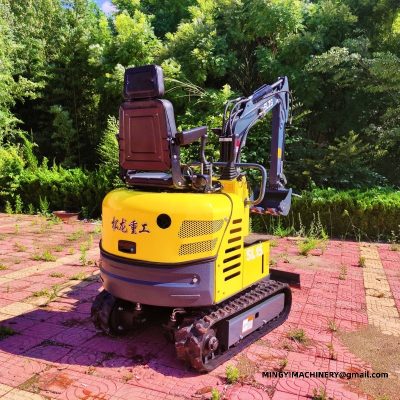
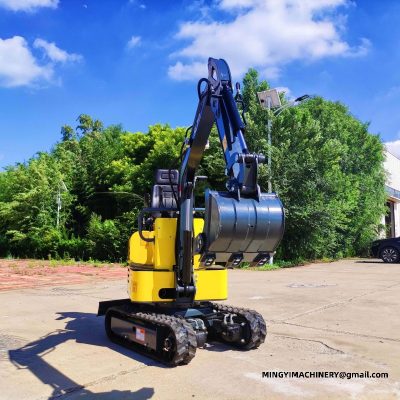
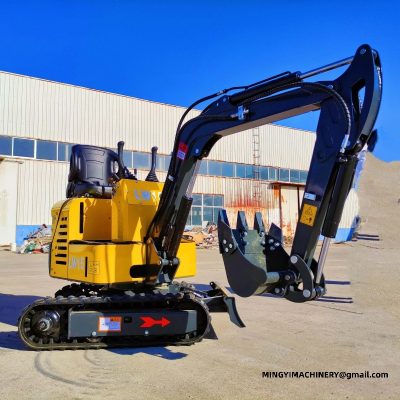
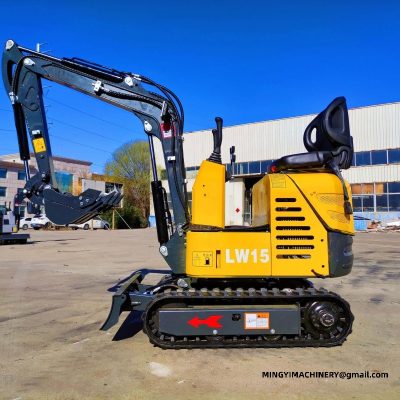
For a buyer with work waiting, the question is not which machine is best but which machine can be on site soonest.
MINGYI holds compact excavators in stock in the models and configurations that move most often, so an order can be despatched without waiting on a full production cycle.
What stock availability changes
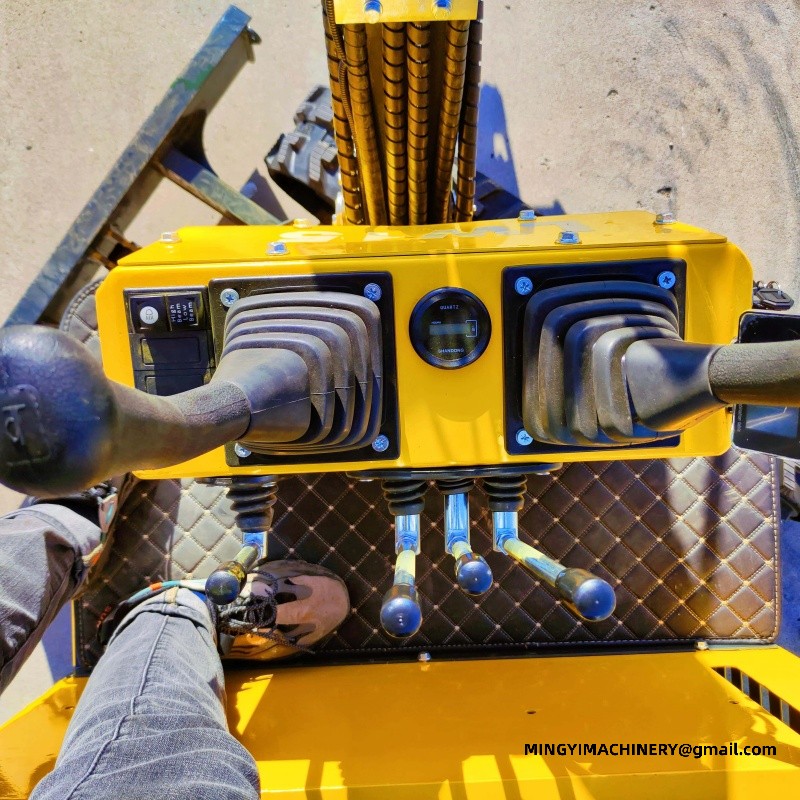
It shortens the gap between placing an order and starting work, which matters when a contract is already running.
It also lets a buyer take a machine in the specification that is available rather than waiting for a bespoke build.
Confirming availability
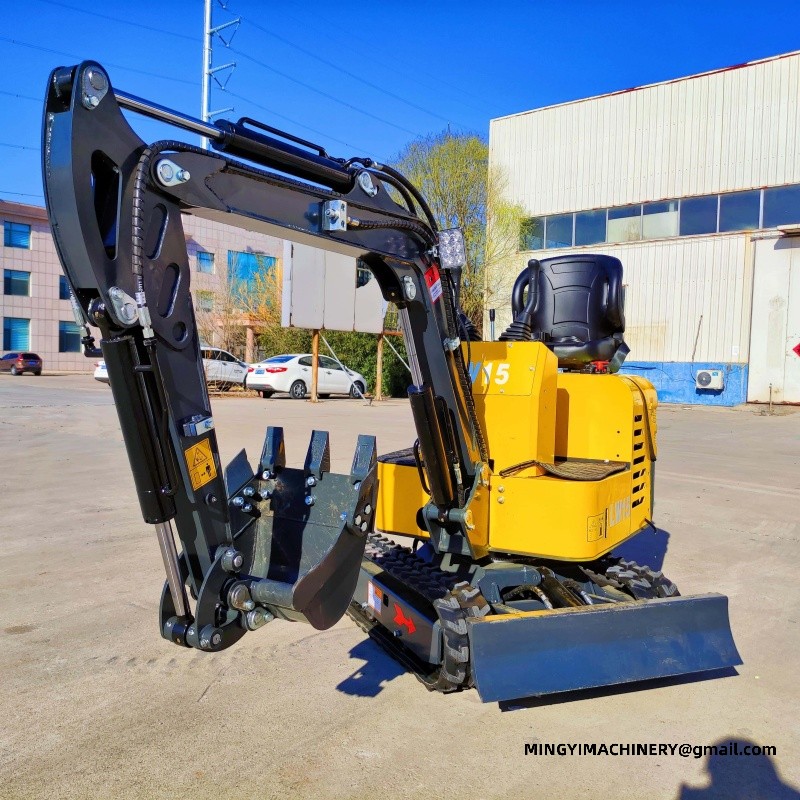
Model, engine option, undercarriage and cab or canopy all affect what is on the shelf, so the fastest route is to send the specification and let MINGYI confirm.
Shipping method and destination then determine the transit time on top of the despatch date.
Send MINGYI the model and specification you need and we will confirm what can be despatched and when.
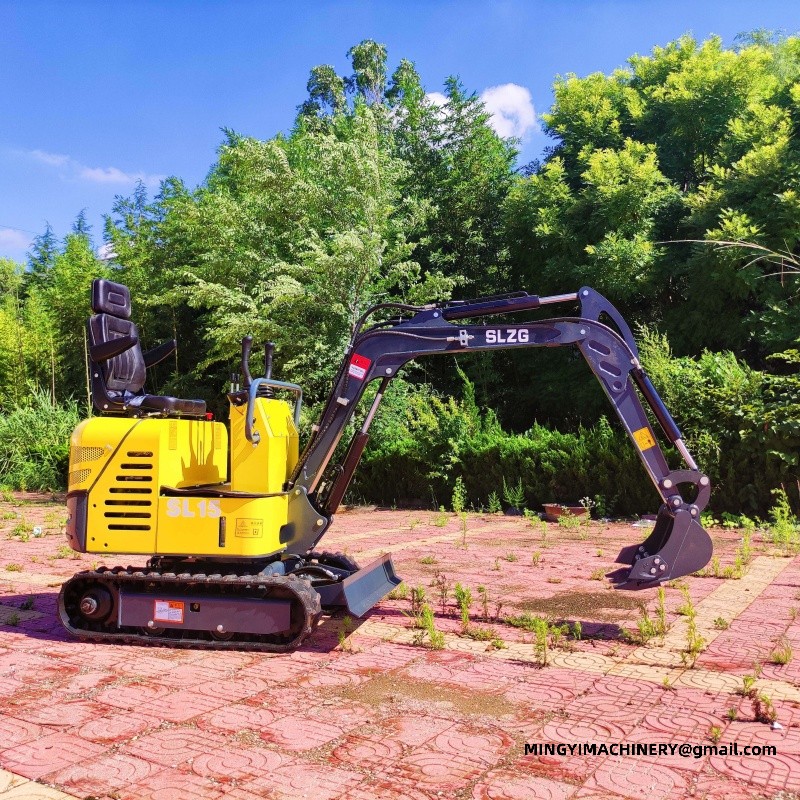
E-mail : Working this class of machine through the seasons Weather decides which days are productive. Rain turns some ground unusable and cold changes how the unit in daily use starts and warms up, so planning the wet months around maintenance is more useful than planning around output. Heat and dust are as limiting as rain. Air intake condition and cooling cleanliness decide how a machine of this size behaves in a dry season, and both are checked in a minute rather than repaired later. Track choice for mini excavator ready to ship Undercarriage selection is a ground question, not a preference question. The equipment on site running on finished paving needs rubber; the same machine on demolition rubble or rock wears rubber quickly, so steel with rubber blocks becomes the better answer over a full season. Track type changes what the machine can cross and what it leaves behind. Buyers specify rubber for lawns, driveways and municipal work, and steel with rubber blocks for sites where sharp material would cut a rubber belt in a week. Working a mini excavator ready to ship in confined spaces Confined sites are decided by dimensions. Overall width, tail swing and the space needed to work the arm are what let the machine itself operate inside a building, between walls or in a courtyard. Clearance above matters as much as around. Door heights, pipework and overhead services set the limit for the model in question indoors, and measuring them first avoids a machine that arrives and cannot be used. Getting mini excavator ready to ship through a narrow gap The first question on most job lists is whether the machine can reach the work at all. The machine in that duty is chosen against the narrowest point on the route - a garden gate, a doorway, a gap between two walls - because a machine that arrives and then cannot pass loses a day, not an hour. Access decides the machine before output does. With the unit on the job the limiting dimension is usually the widest point on the way in, so measuring the gate, the corridor and the turning space first saves a wasted delivery and a second visit. Lifting and material handling with a mini excavator ready to ship Stability changes with reach. A load a machine built for the work handles close in becomes a different proposition at full extension, so the working radius belongs in the plan before the lift rather than during it. Ground condition under the machine is part of every lift. Soft or uneven support is the common factor in handling incidents, and checking it takes less time than recovering the equipment in service that has settled. Parts, service and support for mini excavator ready to ship Support after delivery is a parts question. Wearing items for this class of machine - filters, belts, track components, bucket teeth and pins - are the items a buyer should plan to hold before the first service interval. Remote support is handled by video. The unit in daily use fault can often be diagnosed on a walk-around call with the panel open, which is faster than waiting for a visit and avoids shipping a part that is not needed. Landscaping and ground care with mini excavator ready to ship Grass cutting heads, rakes and tillers extend a machine of this size into ground care. The same carrier that digs a border in spring can cut and clear the same area later in the season. On soft landscape work the surface is the constraint. The equipment on site on rubber tracks crosses turf without stripping it, which is why the same jobs are not given to a wheeled machine. Interior and light demolition with the machine itself Interior demolition is an access and a weight question. The model in question that fits through a doorway and works on a suspended floor does jobs that would otherwise be done by hand or by a larger machine that cannot enter. Breaking out a floor slab, a wall footing or a concrete step is routine work for the machine in that duty with a breaker. The machine is small enough to work inside and heavy enough to run the tool at a practical rate. Boom configuration for the unit on the job Extended and offset boom configurations change reach and working range. A machine built for the work with a longer arm reaches further but lifts less at full extension, so the specification is set against the deepest and furthest point on the job list. Detachable boom sections are used where transport length matters. The equipment in service that has to travel on a standard trailer can be built so the arm comes off for the road and goes back on at the site. Noise, dust and working near occupied buildings Work near housing or occupied premises brings constraints that open sites do not. Start times, exhaust condition and how often this class of machine needs to reverse are the practical limits that neighbours notice. Enclosure and machine condition both reduce noise. The unit in daily use with intact panels, sound mounts and a maintained exhaust is measurably quieter than the same machine with loose guards, and the difference matters on restricted sites. Acceptance checks when a machine of this size arrives Delivery day is the best time to find a problem. Checking the specification against the order, the fluid levels, the fasteners and any transport damage while the machine itself is still on the trailer is faster than claiming later. Documentation should arrive with the machine. Parts list, service schedule and any certificates for the equipment on site are what the workshop needs later, and they are much easier to obtain at delivery than in month six. Canopy or enclosed cab on the model in question A canopy keeps the machine light and the operator aware of the surroundings, which suits short jobs in warm weather. A fully enclosed cab is specified where rain, dust or cold are part of the working year, and it can be added to the machine in that duty as a retrofit rather than only at build time. The cab decision follows the climate and the hours. Operators working a full shift in the unit on the job benefit from a sealed cab with wipers and heating; operators stepping on and off every few minutes usually prefer the canopy for the visibility and the quick exit. Daily checks and maintenance on a machine built for the work Track tension is the item most often neglected. The equipment in service run with slack tracks wears the undercarriage and can throw a track on a turn; run too tight, the same components wear from the other direction. Greasing is the second item. The slew ring, the boom and arm pins and the bucket linkage on this class of machine take grease daily in dusty work, and the intervals shorten further when the machine is used in water or mud. Trenching work with the unit in daily use Service trenches are the most common reason a machine of this size is hired. Water, sewage, cable and gas runs are narrow, shallow and often close to existing services, which is exactly the work a full-size machine cannot do safely. Trench quality depends on the bucket width and the operator, not on machine size. The equipment on site with a narrow bucket and a swing boom cuts a clean run along a boundary without disturbing the ground either side of it. Municipal and public works with the machine itself Municipal crews work on streets, footpaths and parks where the public is present. The model in question is specified because it occupies little space, works inside a small exclusion zone and can be moved on a standard trailer. Noise and surface protection matter on public work. The machine in that duty on rubber tracks across paving, with a sealed cab for the operator, suits the conditions better than a larger tracked machine. Specification data for the unit on the job Buyers comparing a machine built for the work usually start from four numbers - weight, digging depth, reach and transport width - because those are the ones that decide whether the machine can be delivered and whether it can do the job once it is there. Every value shown is as built for the equipment in service; options such as cab, side swing or a telescopic undercarriage change the transport dimensions and are confirmed at order stage. Later additions and retrofits on this class of machine Most additions are easier to plan than to add. Hydraulic services, mounting brackets and electrical capacity on the unit in daily use are build items, and deciding them at the specification stage is far easier than doing it later. Wear items and spares worth holding for a machine of this size Wear items are predictable once the machine has settled in. After the first service interval the pattern on the equipment on site is visible, and the parts that were replaced become the parts that are kept. Auxiliary hydraulic lines are what let a machine drive a tool rather than only a bucket. The machine itself specified with the right circuits and flow runs a breaker or an auger without an add-on power pack bolted to the frame. Hydraulic specification is easier to settle at build time than to correct later. The model in question delivered without auxiliary lines can still dig, but every additional tool becomes a retrofit project.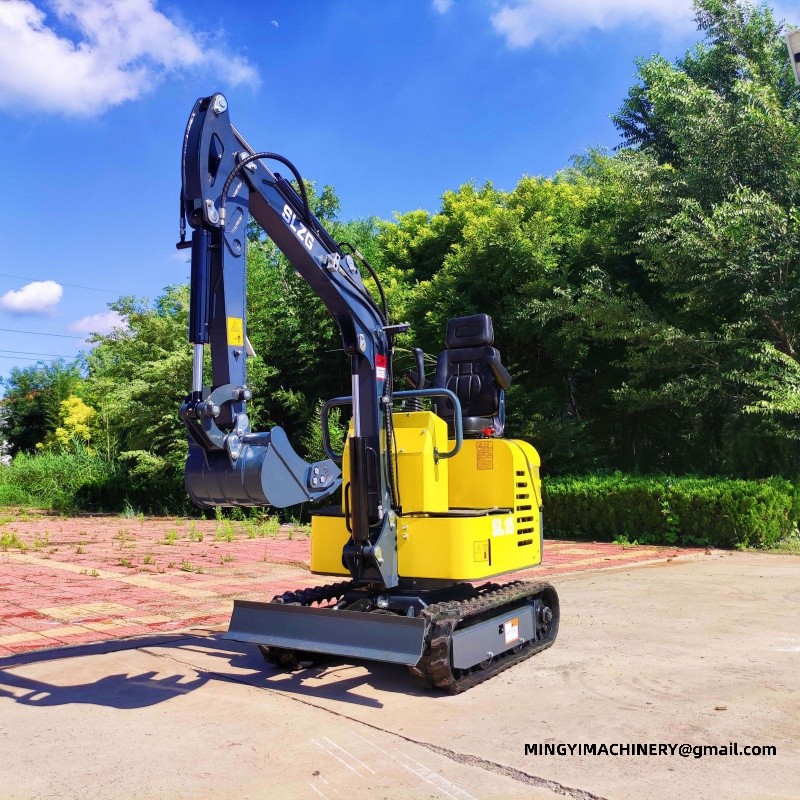
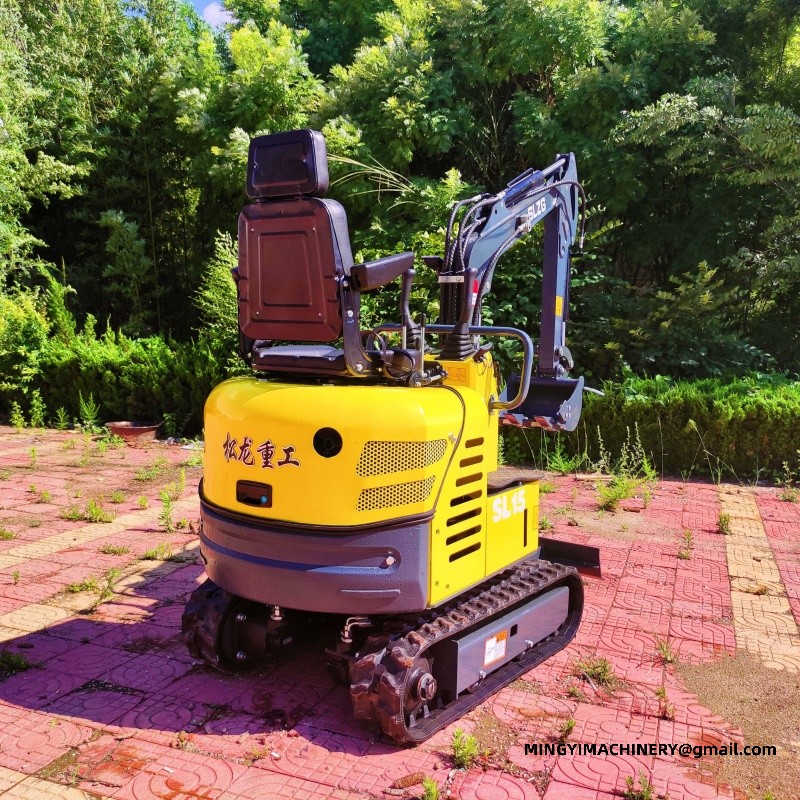
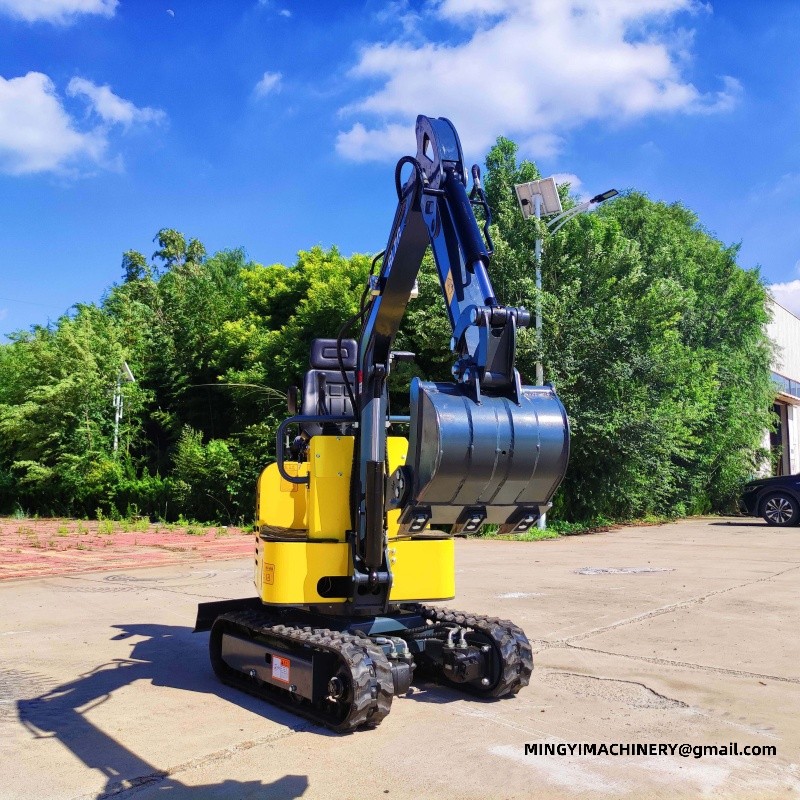
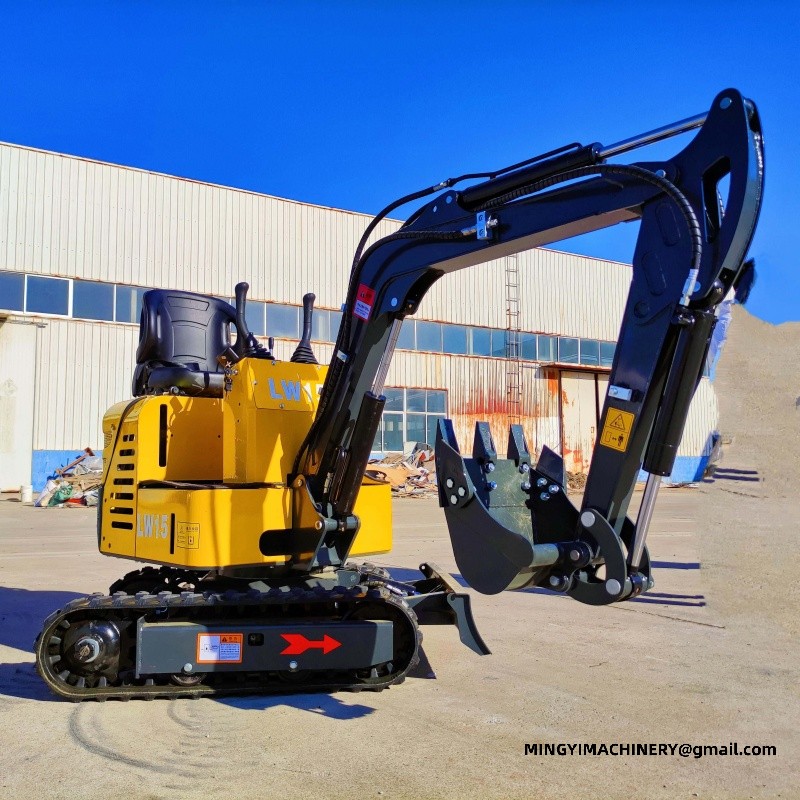
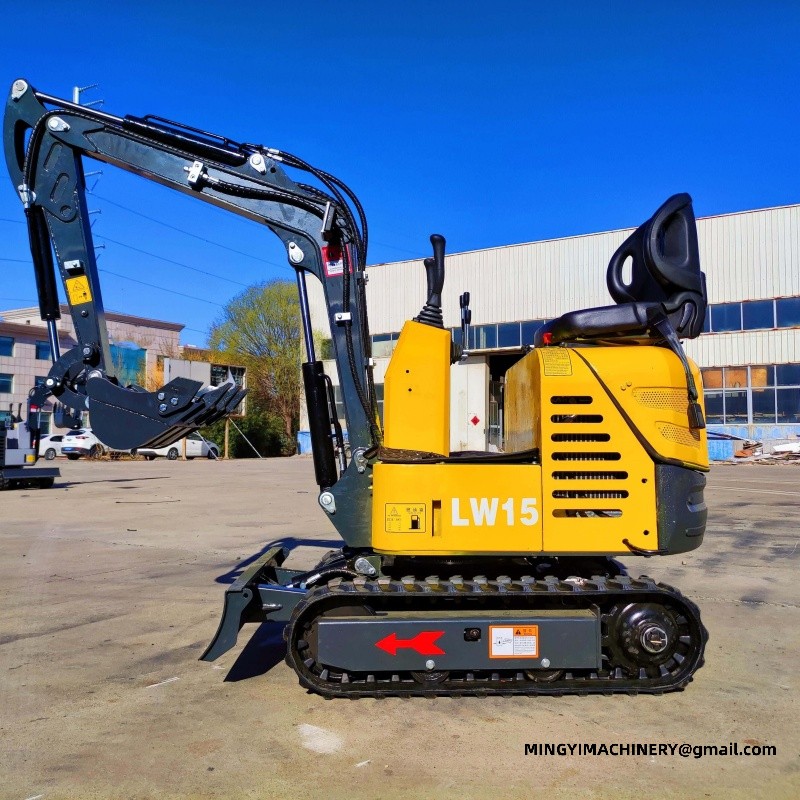
Reference specification — mini excavator range 09W 20-1W 30-2W 12L Operating weight 1100 kg (2425.08 lb) 1800 kg (3968.32 lb) 2700 kg (5952.48 lb) 1200 kg (2645.55 lb) Transport size (L×W×H) 1800 × 750 × 1970 mm 2550 × 1100 × 2200 mm 3000 × 1100 × 2700 mm 2200 × 930 × 2250 mm Max digging depth 1250 mm (49.21 in) 1800 mm (70.87 in) 2200 mm (86.61 in) 1700 mm (66.93 in) Max digging height 2800 mm (110.24 in) 2820 mm (111.02 in) 3000 mm (118.11 in) 2600 mm (102.36 in) Max dumping height 1700 mm (66.93 in) 2050 mm (80.71 in) 2000 mm (78.74 in) 1800 mm (70.87 in) Max digging radius 2570 mm (101.18 in) 3050 mm (120.08 in) 3800 mm (149.61 in) 2900 mm (114.17 in) Max digging distance 1869 mm (73.58 in) 2300 mm (90.55 in) 3050 mm (120.08 in) 2300 mm (90.55 in) Minimum turning radius 1000 mm (39.37 in) 1450 mm (57.09 in) 1750 mm (68.9 in) 1450 mm (57.09 in) Travel speed 3 km/h (1.86 mph) 5 km/h (3.11 mph) 7 km/h (4.35 mph) 3 km/h (1.86 mph) Gradeability 30° 30° 30° 30° Fuel consumption 1-1.3 L/h (0.264—0.343 gal) 2-3 L/h (0.528—0.793 gal) 2-3 L/h (0.528—0.793 gal) 1-1.3 L/h (0.264—0.343 gal) Fuel tank capacity 8 L (2.11 gal) 16 L (4.23 gal) 16 L (4.23 gal) 10 L (2.64 gal) Hydraulic oil tank 16 L (4.23 gal) 18 L (4.76 gal) 20 L (5.28 gal) 16 L (4.23 gal) Dozer blade lift height 180 mm (7.09 in) 180 mm (7.09 in) 230 mm (9.06 in) 180 mm (7.09 in) Dozer blade drop depth 210 mm (8.27 in) 210 mm (8.27 in) 280 mm (11.02 in) 210 mm (8.27 in)
LINE ( ID ): mingyicn
Related pages
buy mini excavator direct from China · OEM mini excavator manufacturer · mini excavator for pipeline trenches · PRODUCTS









