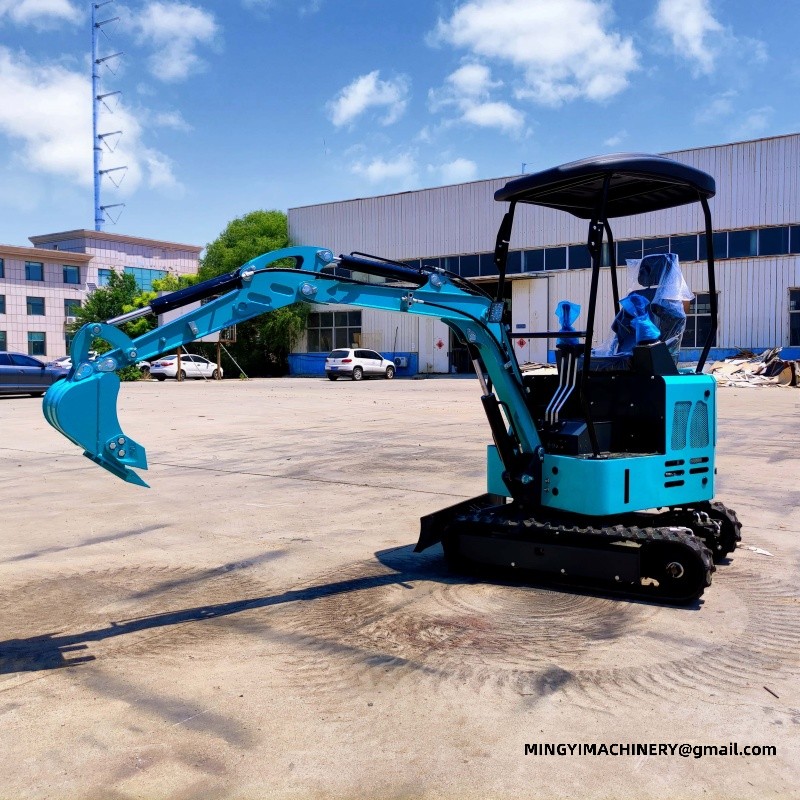
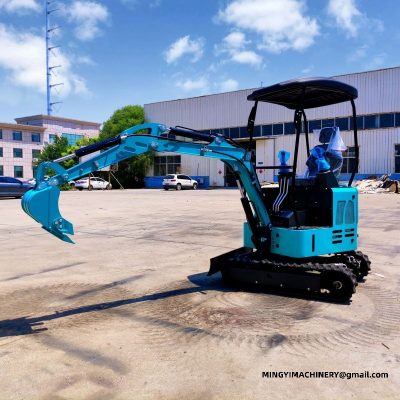
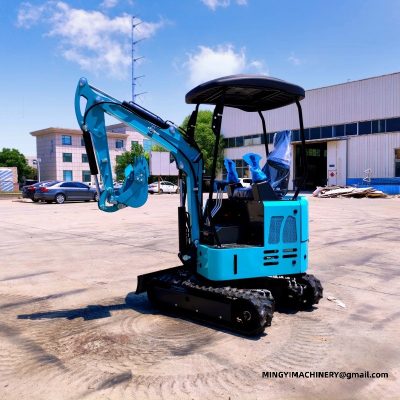
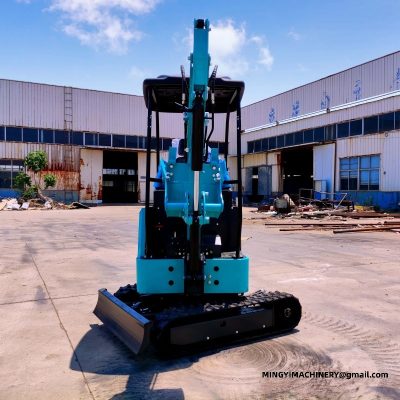
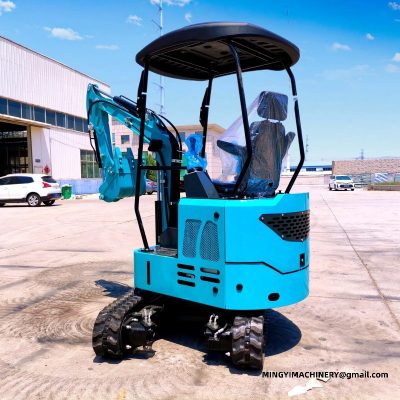
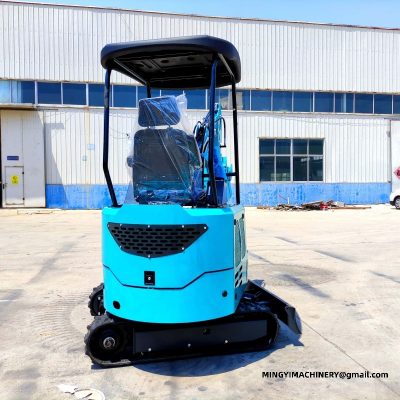
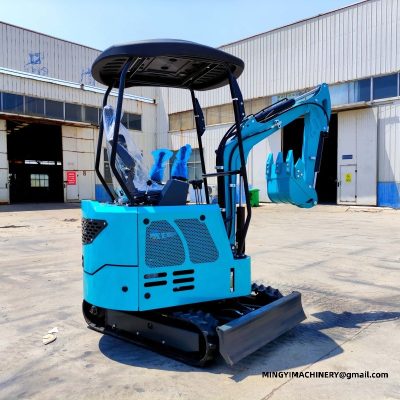
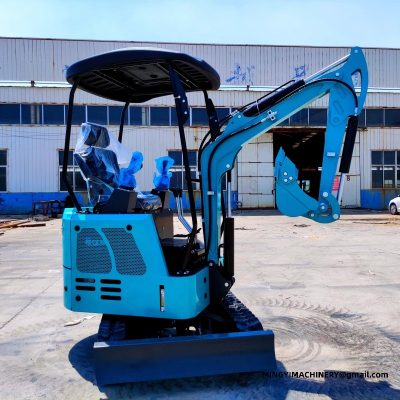
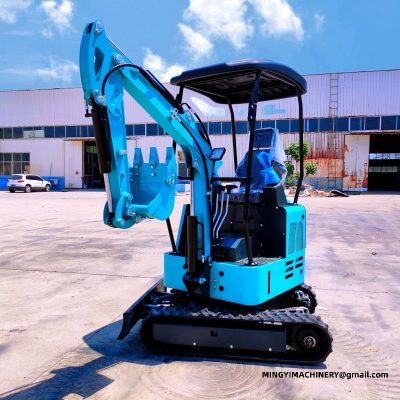
The United States market buys compact excavators in large numbers and expects them to arrive ready to work, with parts support behind them.
MINGYI supplies compact excavators into the US market, with specification options and documentation set up for the market's requirements. Importing a machine into the USA raises three practical questions: shipping, documentation and parts supply.
What US buyers ask for
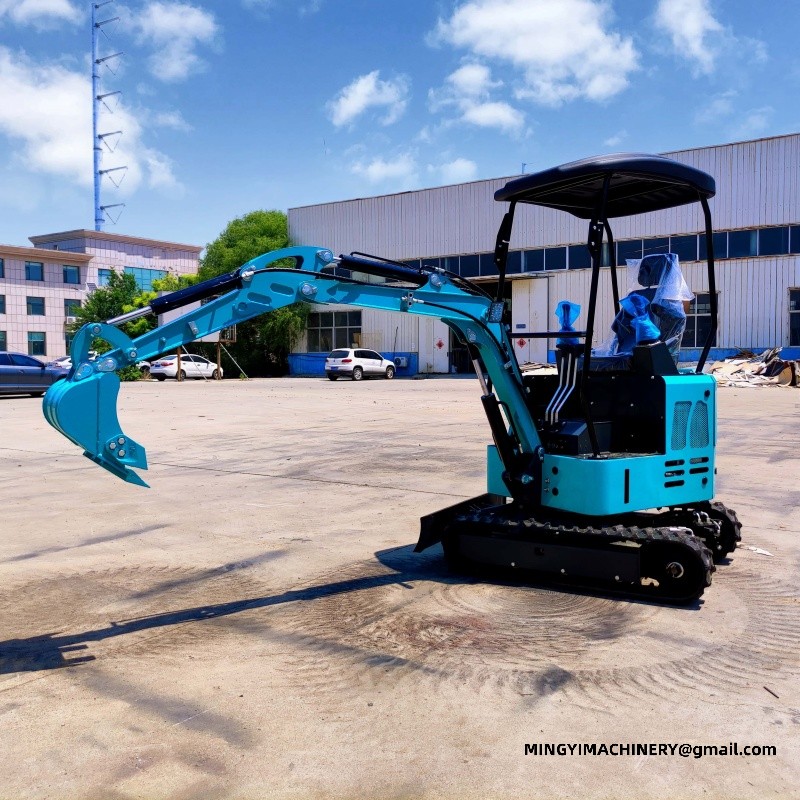
Common requests are the well known Japanese diesel engines, rubber tracks for residential work, and a canopy or cab depending on the climate of the state.
Attachment availability matters as much as the machine, since a compact excavator in the US is expected to cover breaking, drilling and grading as well as digging.
Buying from an overseas manufacturer
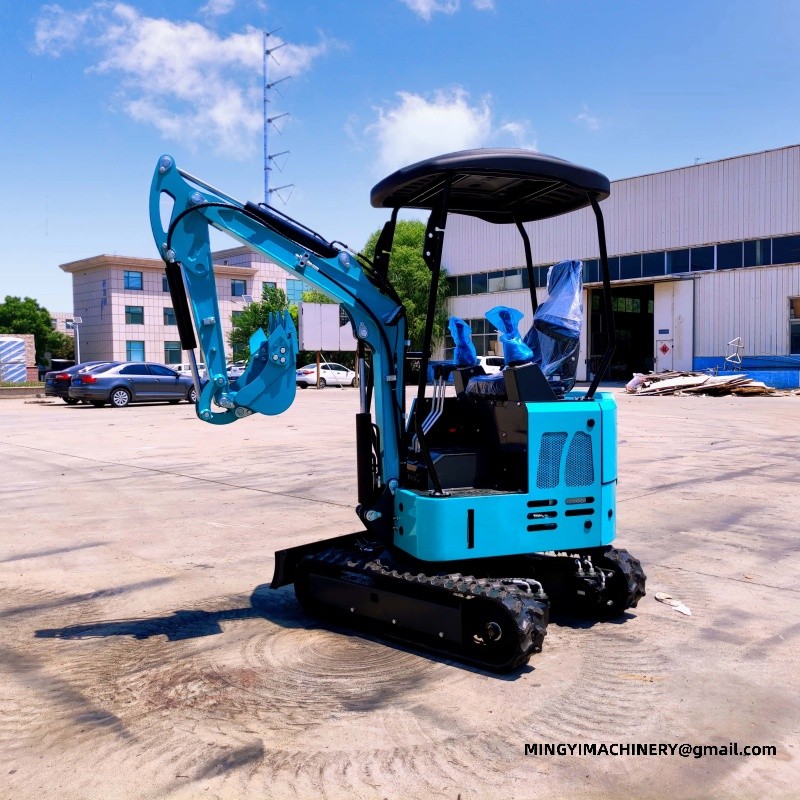
The practical questions are shipping, documentation and parts supply, and all three are settled at the ordering stage rather than afterwards.
Working with a manufacturer that exports regularly means the process is routine rather than exploratory.
Tell MINGYI where in the US you operate and what the machine will do, and we will confirm the specification and shipping.
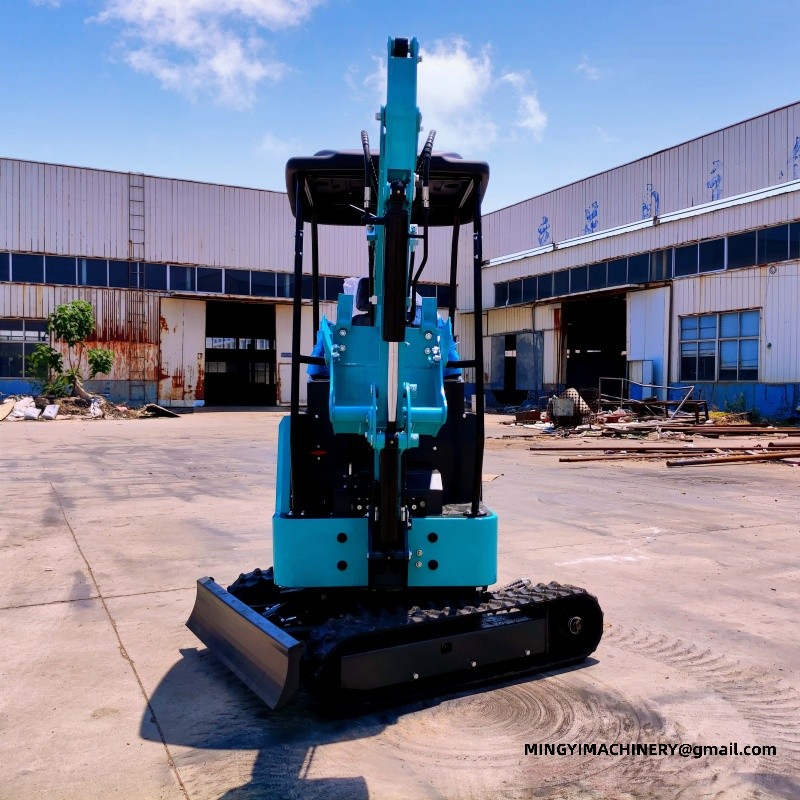
E-mail : Lifting and material handling with this class of machine Lifting with a machine built to dig needs a plan. The load, the radius and the ground under the machine of this size all matter, and the safe figure is the one on the chart rather than the one that looks possible. Stability changes with reach. A load the unit in daily use handles close in becomes a different proposition at full extension, so the working radius belongs in the plan before the lift rather than during it. Working a importing a mini excavator into the USA in confined spaces Confined sites are decided by dimensions. Overall width, tail swing and the space needed to work the arm are what let the equipment on site operate inside a building, between walls or in a courtyard. Clearance above matters as much as around. Door heights, pipework and overhead services set the limit for the machine itself indoors, and measuring them first avoids a machine that arrives and cannot be used. Landscaping and ground care with importing a mini excavator into the USA Grass cutting heads, rakes and tillers extend the model in question into ground care. The same carrier that digs a border in spring can cut and clear the same area later in the season. On soft landscape work the surface is the constraint. The machine in that duty on rubber tracks crosses turf without stripping it, which is why the same jobs are not given to a wheeled machine. Interior and light demolition with importing a mini excavator into the USA Breaking out a floor slab, a wall footing or a concrete step is routine work for the unit on the job with a breaker. The machine is small enough to work inside and heavy enough to run the tool at a practical rate. Dust, debris clearance and floor loading all argue for a compact machine indoors. A machine built for the work spreads its weight over a wider track footprint than a wheeled machine of similar capacity. Hiring versus owning a importing a mini excavator into the USA Availability is part of the decision. Owning the equipment in service means it is there on the day the ground is ready; hiring means competing for the same machine at the same time as everyone else in the season. Ownership brings obligations that hiring does not. Storage, servicing, insurance and an operator are the items to set against the hire rate before deciding which way this class of machine should be supplied. Attachments that turn importing a mini excavator into the USA into several machines The base machine is a carrier; the tool on the end of the arm decides the task. The unit in daily use fitted with a toothed bucket digs, and the same machine with a breaker, an auger or a grab does work that would otherwise need a second unit on site. Attachment lists are best written before delivery. Specifying a machine of this size with the tools the job list needs avoids the work and delay of adding hydraulics later, and a quick coupler makes the swap a few minutes instead of a workshop job. Specifying importing a mini excavator into the USA against a job list The practical way to specify is to write the job list first: the narrowest access, the deepest trench, the heaviest tool and the surfaces the machine must cross. The equipment on site is then matched to those four numbers. Buyers who skip this step either over-buy or under-buy. The machine itself specified only from machine size tends to arrive without the coupler, the circuits or the track type the work actually needs. Canopy or enclosed cab on the model in question A canopy keeps the machine light and the operator aware of the surroundings, which suits short jobs in warm weather. A fully enclosed cab is specified where rain, dust or cold are part of the working year, and it can be added to the machine in that duty as a retrofit rather than only at build time. The cab decision follows the climate and the hours. Operators working a full shift in the unit on the job benefit from a sealed cab with wipers and heating; operators stepping on and off every few minutes usually prefer the canopy for the visibility and the quick exit. Road and paving work for a machine built for the work Road repair generates short, interrupted jobs - a patch, a drainage connection, a kerb line. The equipment in service is economical here because it travels on a small trailer and starts working minutes after arriving. Patching and reinstatement favour a machine that can work in a lane closure. This class of machine occupies less road than a full-size excavator, which reduces the traffic management needed and the length of the closure. Export packing and shipping of the unit in daily use Export documentation, decals and paint are settled before packing. Asking for them with the equipment on site order avoids a second handling session and keeps the machine on the booked vessel. Buyers who import regularly plan the spare parts with the machine. A machine of this size ordered with a wearing-parts kit arrives ready to work rather than ready to wait for the first service interval. Running the machine itself in a rental fleet Rental fleets buy for utilisation, not for a single job. The model in question with a quick coupler and a common attachment standard is hired more often because it suits more of the calls that come in. The specification that rents best is usually the simplest one to explain at the counter. The machine in that duty with rubber tracks, a canopy and a coupler covers the majority of weekend and short-term hires. What owners should plan for beyond the unit on the job Purchase decision is the visible part of the effort. Fuel, filters, tracks or tyres, the operator and the transport between sites are the items that decide what a machine built for the work actually demands over a few seasons, and they are worth listing before the order. The useful comparison is demand per working hour, not demand per machine. The equipment in service that works more hours a year spreads its standing takes over more output, which is why utilisation usually matters more than the invoice figure. Working on slopes and uneven ground with this class of machine Slope work is a stability question before it is a traction question. Knowing the gradient the unit in daily use is rated for, and working across rather than straight up where the ground allows, removes most of the risk. Planning the direction of travel helps. Working so that the A machine of this size is stable under load and not required to turn on a slope is a decision made before the job starts, not a correction made during it. Parts, service and support for the equipment on site Support after delivery is a parts question. Wearing items for the machine itself - filters, belts, track components, bucket teeth and pins - are the items a buyer should plan to hold before the first service interval. Remote support is handled by video. The model in question fault can often be diagnosed on a walk-around call with the panel open, which is faster than waiting for a visit and avoids shipping a part that is not needed. Trenching work with the machine in that duty Depth control matters more on service work than speed. The unit on the job working beside live services is chosen because it can be placed precisely and stopped instantly, which is what the job actually requires. Specification data for a machine built for the work The figures below are the factory figures for the models most often matched to the equipment in service. They are the numbers to check against the site: the depth the work needs, the reach from one position, and the width of the narrowest point on the route in. Every value shown is as built for this class of machine; options such as cab, side swing or a telescopic undercarriage change the transport dimensions and are confirmed at order stage. Pre-delivery inspection before the unit in daily use leaves the shop A machine should be inspected while it is still on our floor rather than after it lands. For a machine of this size that means the engine is run to temperature, the hydraulics are cycled through full travel, and every function is checked against the build sheet before the crate is closed. Cold weather and winter care for the equipment on site Starting is only the first problem. Until the machine itself reaches working temperature the hydraulic response is slower and the seals are stiffer, and warming the machine before asking for full output avoids unnecessary strain. Service trenches are the most common reason the model in question is hired. Water, sewage, cable and gas runs are narrow, shallow and often close to existing services, which is exactly the work a full-size machine cannot do safely. Trench quality depends on the bucket width and the operator, not on machine size. The machine in that duty with a narrow bucket and a swing boom cuts a clean run along a boundary without disturbing the ground either side of it.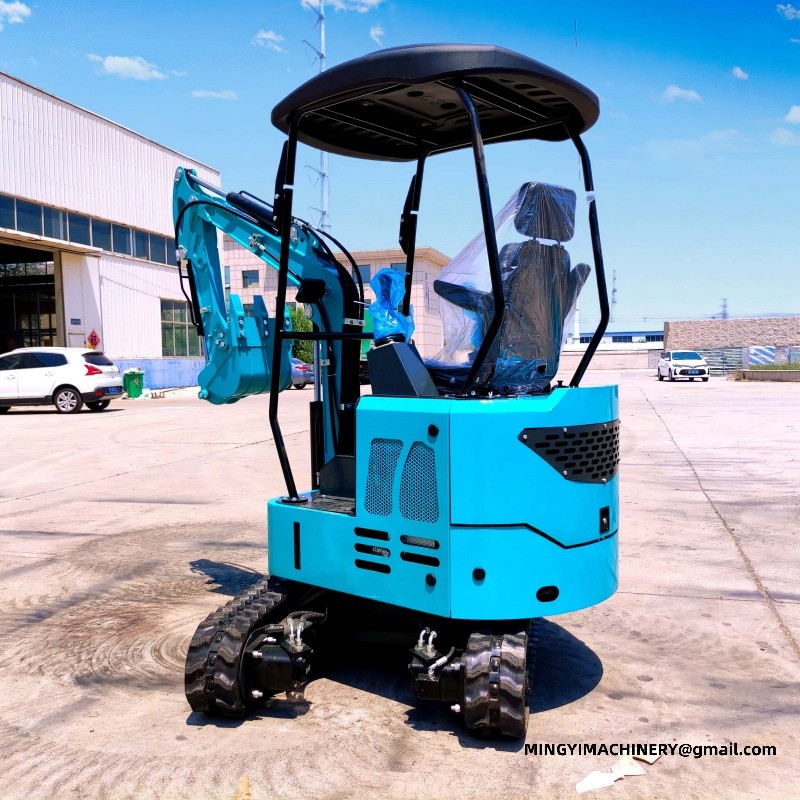
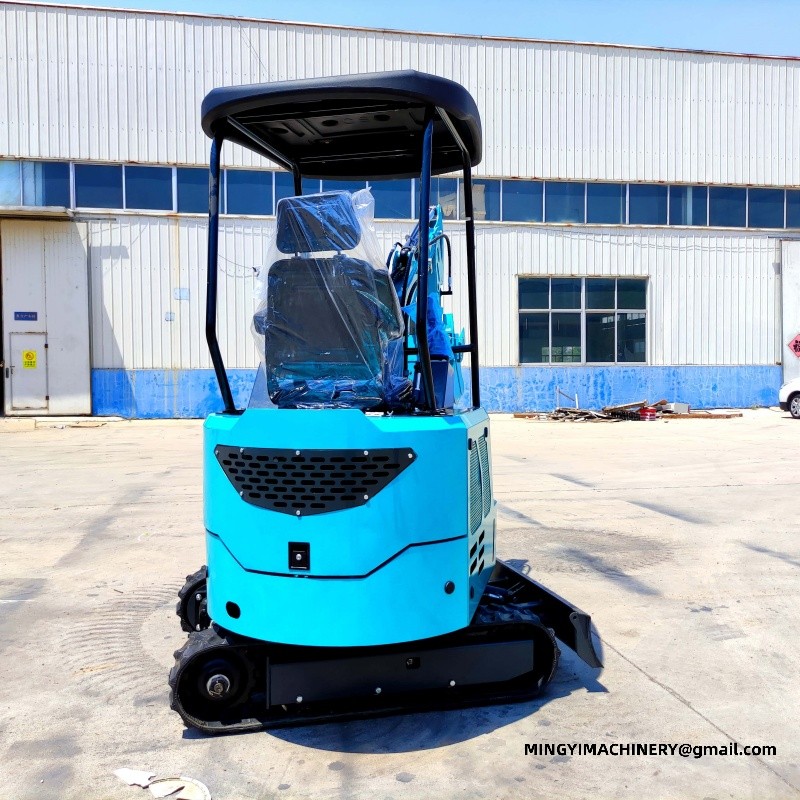
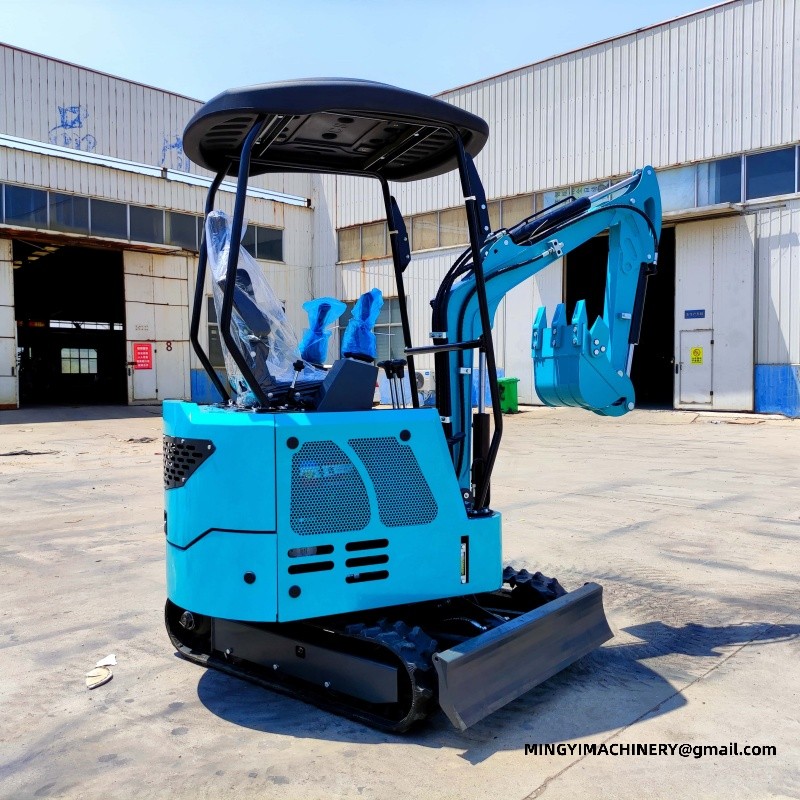
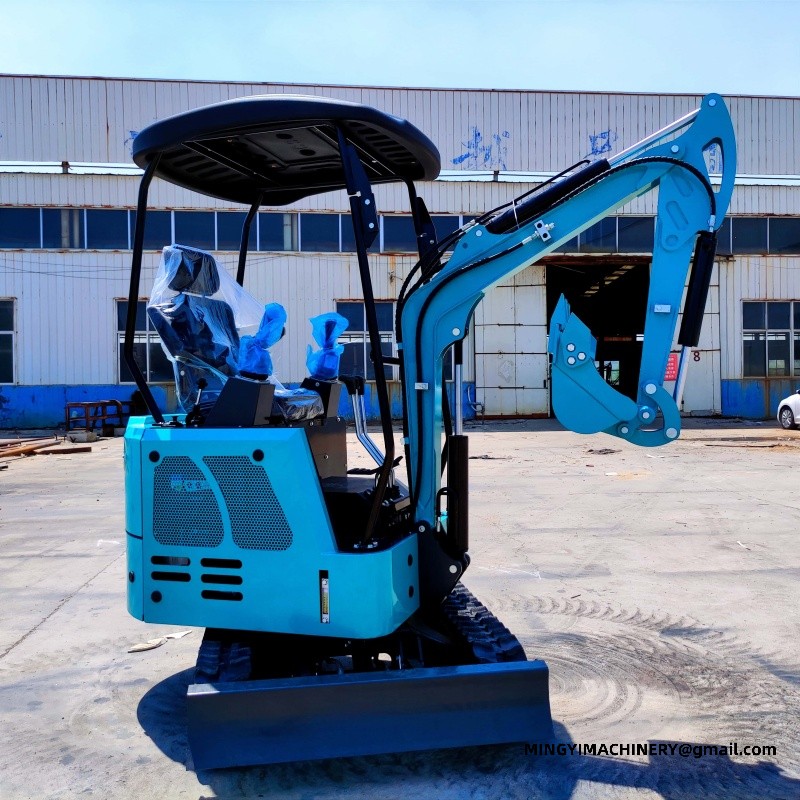
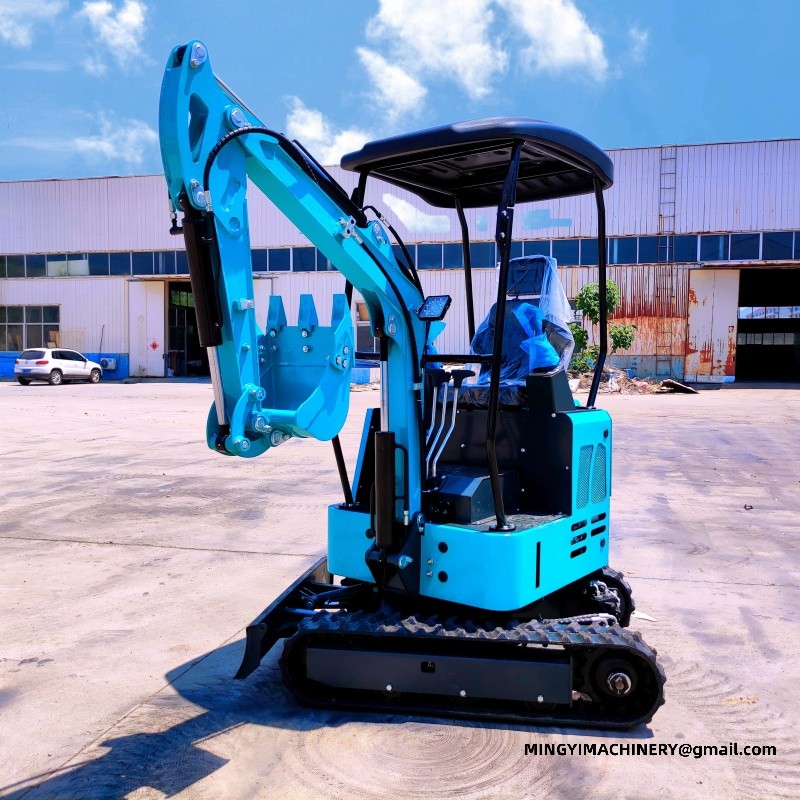
Reference specification — mini excavator range 12W 15W 30-2W 15L Operating weight 1200 kg (2645.55 lb) 1400 kg (3086.47 lb) 2700 kg (5952.48 lb) 1400 kg (3086.47 lb) Transport size (L×W×H) 2200 × 930 × 2250 mm 2200 × 930 × 2250 mm 3000 × 1100 × 2700 mm 2200 × 930 × 2250 mm Max digging depth 1630 mm (64.17 in) 1630 mm (64.17 in) 2200 mm (86.61 in) 1700 mm (66.93 in) Max digging height 2750 mm (108.27 in) 2750 mm (108.27 in) 3000 mm (118.11 in) 2750 mm (108.27 in) Max dumping height 1960 mm (77.17 in) 1960 mm (77.17 in) 2000 mm (78.74 in) 1960 mm (77.17 in) Max digging radius 2900 mm (114.17 in) 2900 mm (114.17 in) 3800 mm (149.61 in) 2900 mm (114.17 in) Max digging distance 2100 mm (82.68 in) 2100 mm (82.68 in) 3050 mm (120.08 in) 2300 mm (90.55 in) Minimum turning radius 1300 mm (51.18 in) 1300 mm (51.18 in) 1750 mm (68.9 in) 1450 mm (57.09 in) Travel speed 3 km/h (1.86 mph) 3 km/h (1.86 mph) 7 km/h (4.35 mph) 3 km/h (1.86 mph) Gradeability 30° 30° 30° 30° Fuel consumption 1-1.3 L/h (0.264—0.343 gal) 1-1.3 L/h (0.264—0.343 gal) 2-3 L/h (0.528—0.793 gal) 1-1.3 L/h (0.264—0.343 gal) Fuel tank capacity 10 L (2.64 gal) 10 L (2.64 gal) 16 L (4.23 gal) 10 L (2.64 gal) Hydraulic oil tank 16 L (4.23 gal) 16 L (4.23 gal) 20 L (5.28 gal) 16 L (4.23 gal) Dozer blade lift height 180 mm (7.09 in) 180 mm (7.09 in) 230 mm (9.06 in) 180 mm (7.09 in) Dozer blade drop depth 210 mm (8.27 in) 210 mm (8.27 in) 280 mm (11.02 in) 210 mm (8.27 in)
LINE ( ID ): mingyicn
Related pages
CE marked mini excavator for Europe · mini excavator for Australian conditions · mini excavator for vineyard trenching · PRODUCTS









