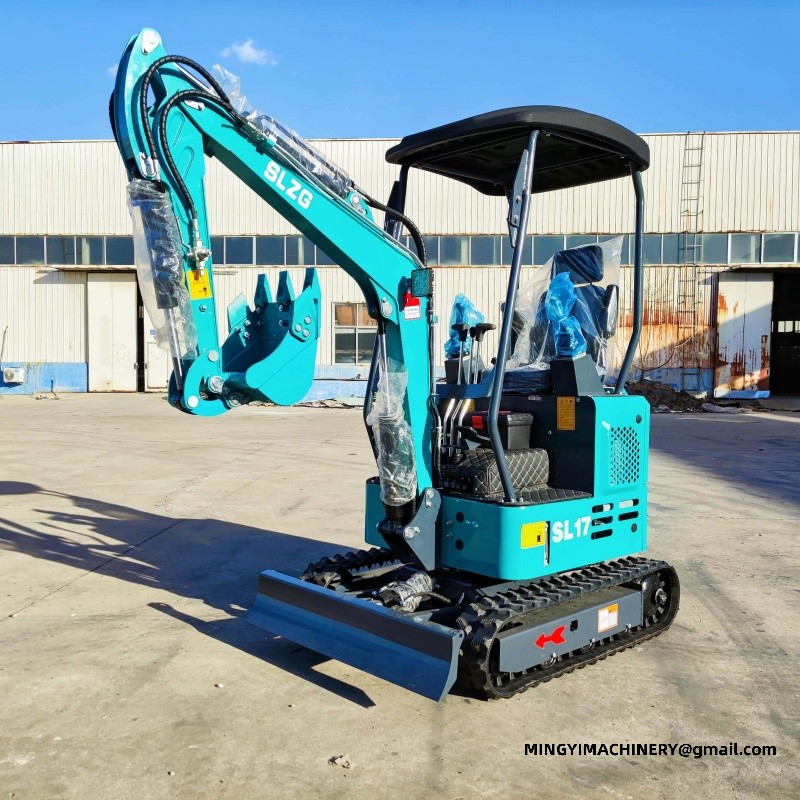
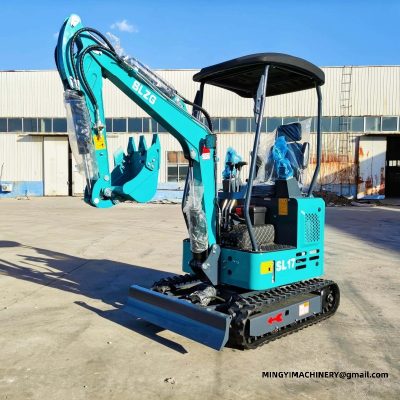
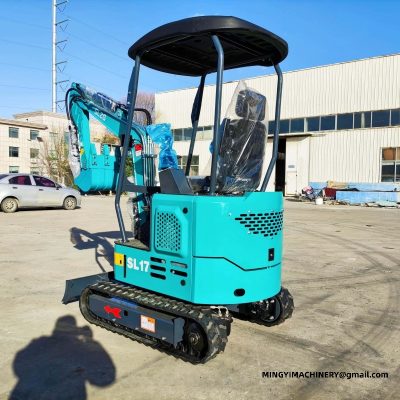
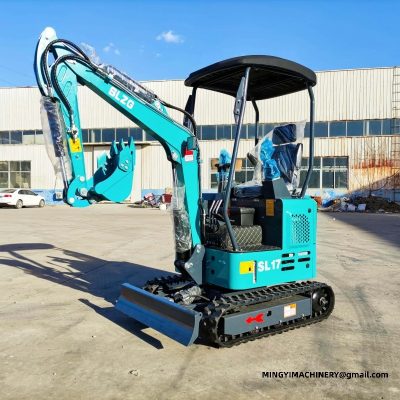
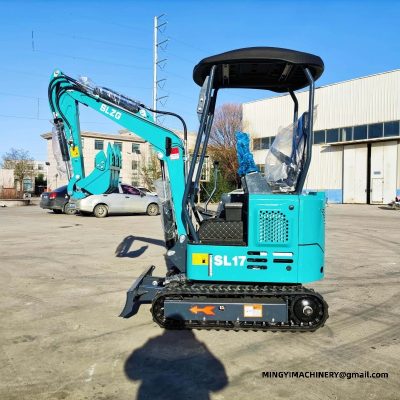
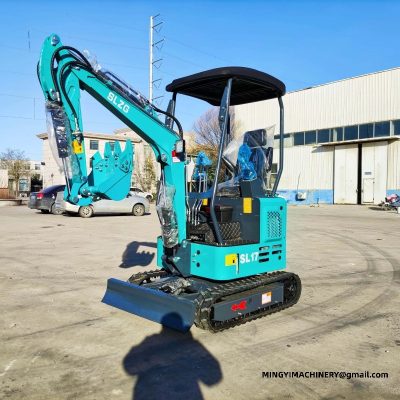
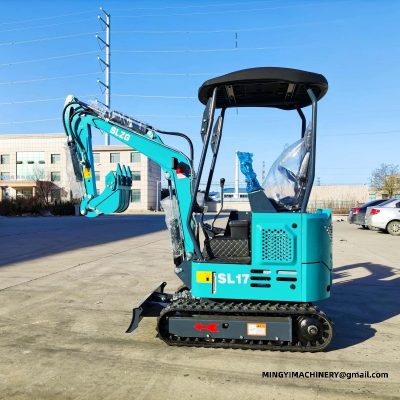
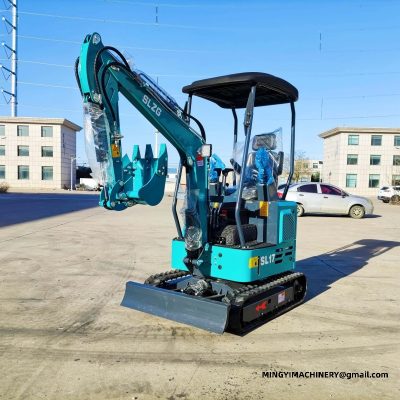
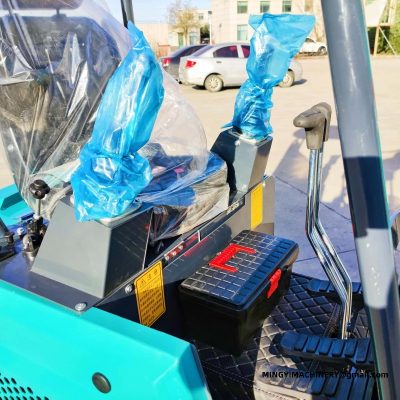
Australian conditions call for machines that can take heat in one season and mud in another, and distances mean a distributor has to be confident in the parts chain behind them.
MINGYI supplies compact excavators into the Australian market through distributors, and works with them on specification for local conditions.
Machines that suit the market
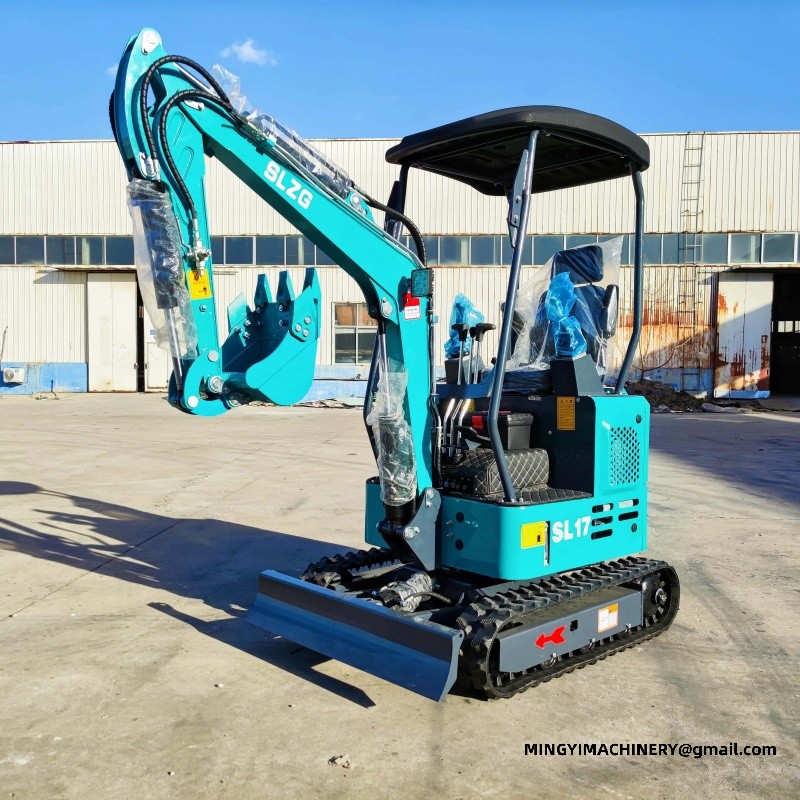
The compact classes are widely used for residential and civil work, with rubber tracks for urban sites and steel tracks for the rougher ground.
A cab is a common specification for the hotter inland regions, while canopy machines suit short-duration hire work.
What a distributor needs from a supplier
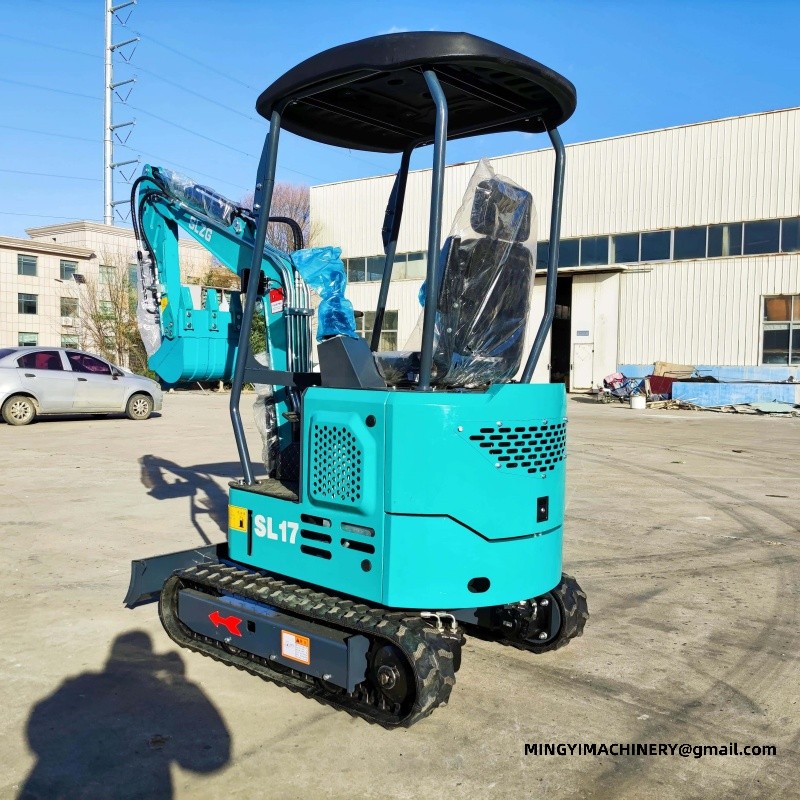
A consistent specification between shipments, so the range the distributor advertises matches what arrives.
Parts availability to match the units in the field, which is the part of the arrangement that decides whether a dealership keeps its customers.
Tell MINGYI your region and the models you plan to carry and we will discuss the distribution arrangement.
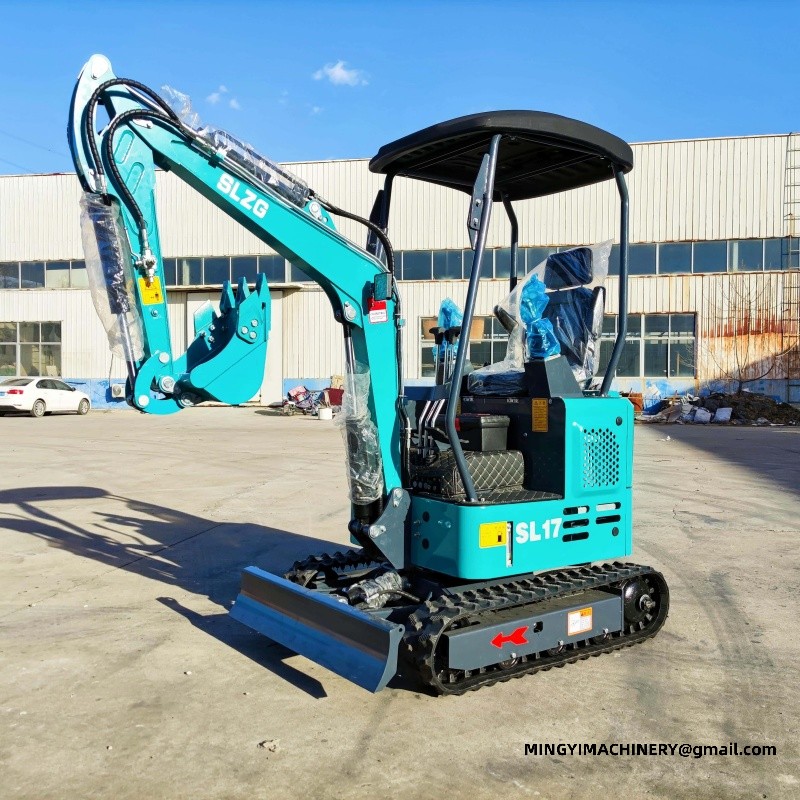
E-mail : Boom configuration for this class of machine Extended and offset boom configurations change reach and working range. The unit in daily use with a longer arm reaches further but lifts less at full extension, so the specification is set against the deepest and furthest point on the job list. Detachable boom sections are used where transport length matters. A machine of this size that has to travel on a standard trailer can be built so the arm comes off for the road and goes back on at the site. Landscaping and ground care with mini excavator for Australian conditions Landscape contractors use the equipment on site for planting holes, pond excavation, grading and retaining work. The machine is light enough to cross finished lawn and narrow enough to work between established trees. On soft landscape work the surface is the constraint. The machine itself on rubber tracks crosses turf without stripping it, which is why the same jobs are not given to a wheeled machine. Noise, dust and working near occupied buildings Enclosure and machine condition both reduce noise. The model in question with intact panels, sound mounts and a maintained exhaust is measurably quieter than the same machine with loose guards, and the difference matters on restricted sites. Dust control is often part of the same conversation. Water, timing and work sequence reduce what leaves the site, and agreeing them in advance keeps the machine in that duty working rather than stopped after a complaint. Hiring versus owning a mini excavator for Australian conditions The choice follows the hours. Work that fills a few weeks a year is usually better hired, while the unit on the job that would be on site most weeks starts to justify ownership once the transport and booking time is counted. Availability is part of the decision. Owning a machine built for the work means it is there on the day the ground is ready; hiring means competing for the same machine at the same time as everyone else in the season. Engine options behind mini excavator for Australian conditions Power unit selection is settled against the service network the buyer already uses. MINGYI offers Kubota D722, Kubota D902, YANMAR, Changchai, Laidong, Runtong, YARMAX, Youpu 2V80 and Youpu 195, so a fleet running one brand of engine can keep the same filters, the same parts supplier and the same mechanic. Engine choice is also an emissions and documentation question for some markets. Listing the available units with the equipment in service enquiry lets the factory confirm what can be supplied and documented for the destination country. Working a mini excavator for Australian conditions in confined spaces Clearance above matters as much as around. Door heights, pipework and overhead services set the limit for this class of machine indoors, and measuring them first avoids a machine that arrives and cannot be used. Ventilation is the other indoor constraint. Running the unit in daily use inside a closed structure needs air movement, and that is a planning item rather than something to discover after the first hour. Road and paving work for mini excavator for Australian conditions Patching and reinstatement favour a machine that can work in a lane closure. A machine of this size occupies less road than a full-size excavator, which reduces the traffic management needed and the length of the closure. Breaking out a failed slab and backfilling the same hole in one visit is normal work for the equipment on site. The breaker and the bucket come off the same coupler, so the road is reopened the same day. Track choice for the machine itself Rubber tracks suit paved and landscaped ground because they spread the machine weight and leave the surface intact. Steel tracks with rubber blocks are specified where the ground is rougher or the working day is longer, and the choice can be made per machine rather than accepted as a factory default. Track type changes what the machine can cross and what it leaves behind. Buyers specify rubber for lawns, driveways and municipal work, and steel with rubber blocks for sites where sharp material would cut a rubber belt in a week. Matching the model in question to ground conditions Soft ground is a flotation problem, not a power problem. The machine in that duty on wide rubber tracks crosses lawn, sand and cultivated soil that would stop a narrower machine or a wheeled unit of the same capacity. Hard and abrasive ground reverses the specification. On rock, demolition rubble or sharp gravel, steel tracks with rubber blocks on the unit on the job survive conditions that cut a rubber belt quickly. Operator technique for a machine built for the work Output on a compact machine comes from placement rather than power. An experienced operator keeps the equipment in service working inside the swing arc, positions once and digs a full run instead of repositioning for every bucket. The second habit is tool discipline. Running this class of machine with the right bucket width for the trench means less spoil, less reinstatement and a cleaner job than a wide bucket and a lot of trimming. Export packing and shipping of the unit in daily use Machines leave the factory prepared for container or flat rack shipment. A machine of this size is normally shipped with the attachment set and the spare parts list agreed in advance so the container is planned once. Export documentation, decals and paint are settled before packing. Asking for them with the equipment on site order avoids a second handling session and keeps the machine on the booked vessel. Quick coupler practice on the machine itself Couplers are specified early because they affect the arm and the hydraulic kit. Adding one to the model in question after delivery means new pins, new hoses and a fitment session; adding it at build time is a line on the sheet. For a fleet that shares attachments between machines, a common coupler standard matters more than the coupler brand. The machine in that duty that picks up the same tools as the larger machines keeps the rack usable across the yard. Municipal and public works with the unit on the job Municipal crews work on streets, footpaths and parks where the public is present. A machine built for the work is specified because it occupies little space, works inside a small exclusion zone and can be moved on a standard trailer. Drainage repair, tree planting, footway reconstruction and cemetery work are all within the range of the equipment in service. The jobs are small individually and continuous across the year. Canopy or enclosed cab on this class of machine The cab decision follows the climate and the hours. Operators working a full shift in the unit in daily use benefit from a sealed cab with wipers and heating; operators stepping on and off every few minutes usually prefer the canopy for the visibility and the quick exit. Enclosure also changes noise and dust exposure. A sealed cab on a machine of this size keeps dust out on dry sites and lets the machine work through weather that would otherwise stop a canopy machine for the day. OEM and fleet customisation of the equipment on site Distributors and rental fleets usually need the machine to look like theirs. Paint, decals, seat colour and attachment branding can be specified on the machine itself at build time rather than applied after import. Documentation can be prepared to suit the importer. Manuals, parts books and decal sets for the model in question can be supplied with the buyer's own branding where the order size justifies it. Specification data for the machine in that duty Where the unit on the job is being specified for a job list, the table below gives the factory figures that matter most: what the machine weighs, how deep and how far it works, and what it measures on a trailer. These are the reference figures for a machine built for the work. MINGYI confirms the final build sheet, including engine and attachment choices, against the destination and the job list before production. Commissioning the equipment in service on site Commissioning is where the specification meets the ground. The settings chosen for this class of machine are confirmed against the actual site, and the working pattern is adjusted before the machine is asked for a full day. Keeping a service record for the unit in daily use A written record is worth more than a good memory. Dates, hours and the parts fitted on a machine of this size turn a guess about the next service into a fact, and they are the first thing a buyer asks to see. Purchase decision is the visible part of the effort. Fuel, filters, tracks or tyres, the operator and the transport between sites are the items that decide what the equipment on site actually demands over a few seasons, and they are worth listing before the order. Downtime is the hidden line item. The machine itself waiting on a part earns nothing while it stands, so parts availability and service access belong in the plan as much as fuel does.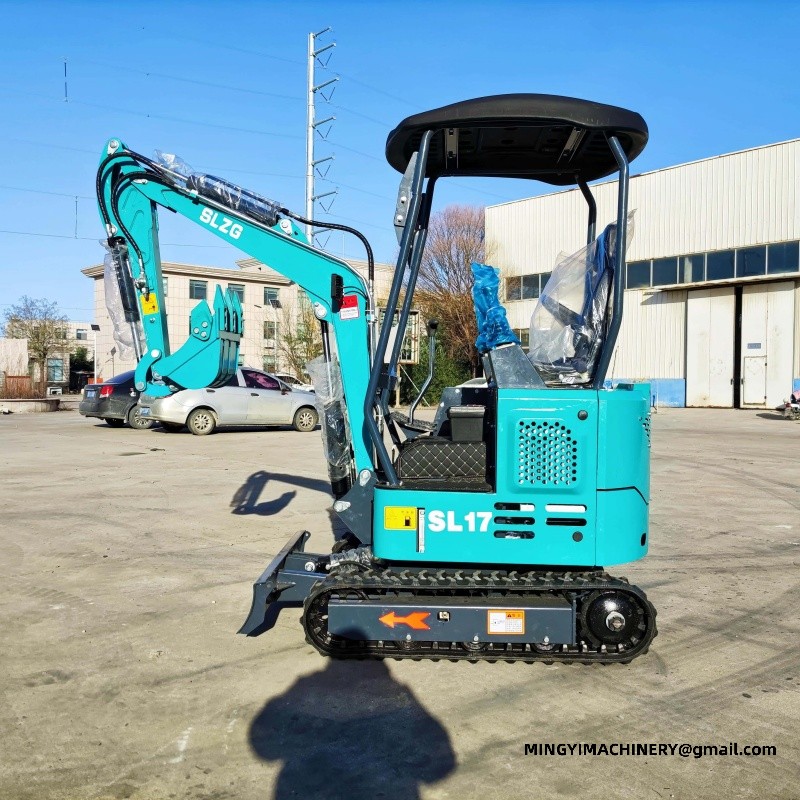
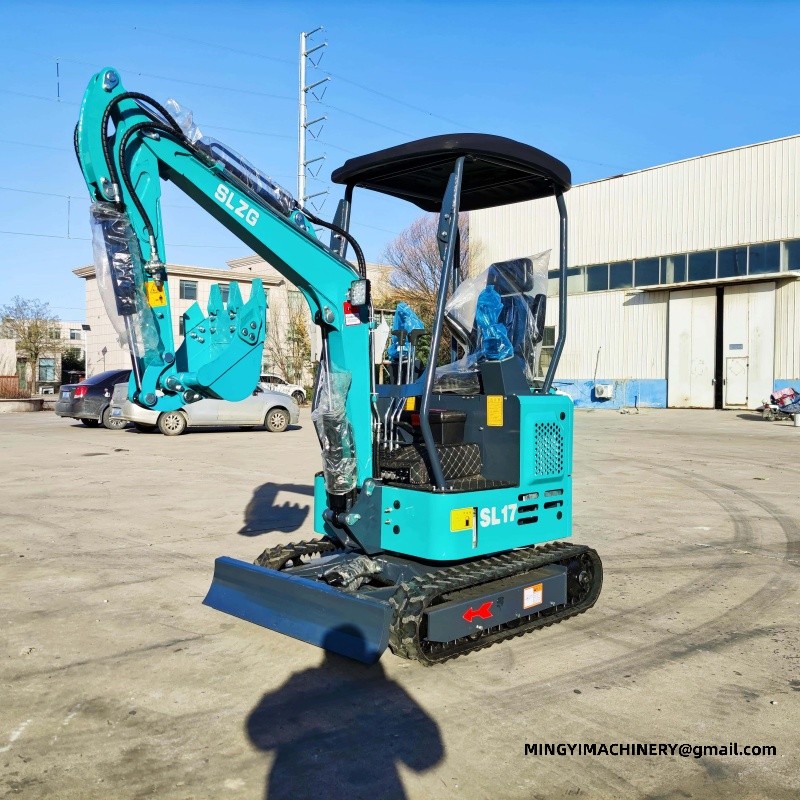
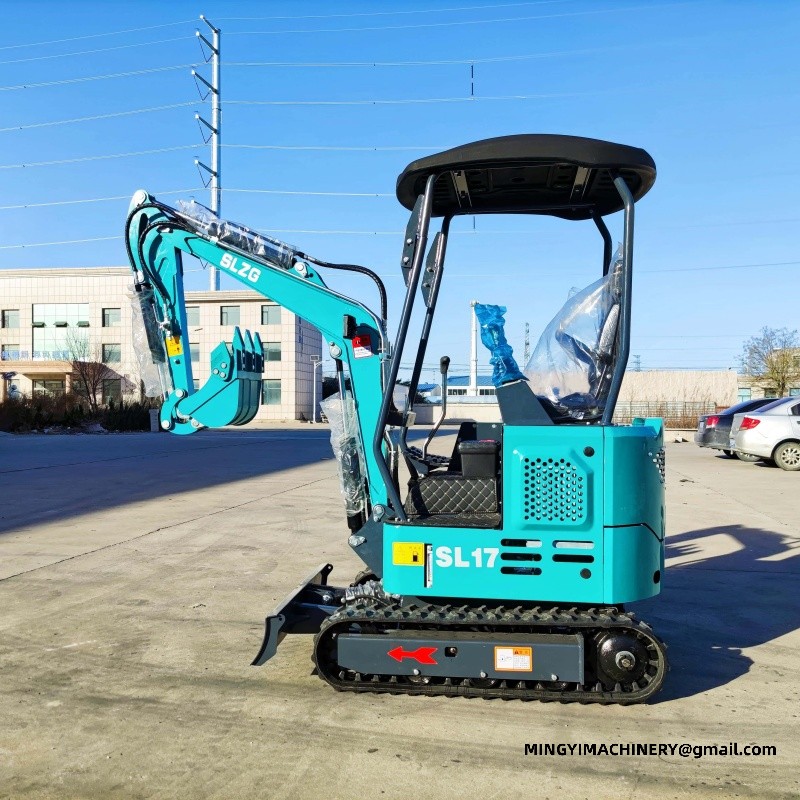
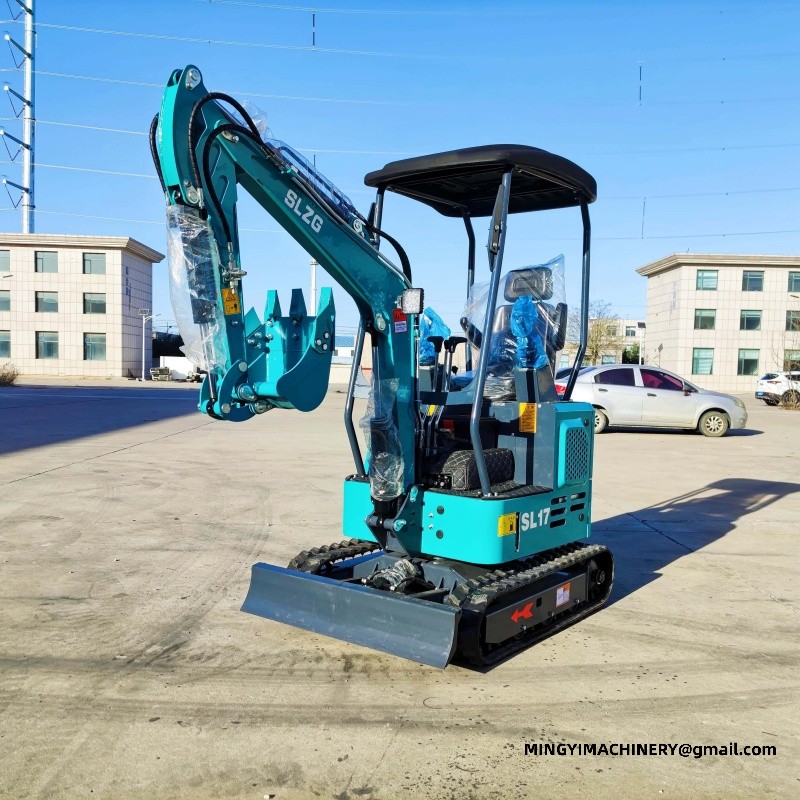
Reference specification — mini excavator range 20-1W 09L 12L 15L Operating weight 1800 kg (3968.32 lb) 1100 kg (2425.08 lb) 1200 kg (2645.55 lb) 1400 kg (3086.47 lb) Transport size (L×W×H) 2550 × 1100 × 2200 mm 2300 × 720 × 1870 mm 2200 × 930 × 2250 mm 2200 × 930 × 2250 mm Max digging depth 1800 mm (70.87 in) 1400 mm (55.12 in) 1700 mm (66.93 in) 1700 mm (66.93 in) Max digging height 2820 mm (111.02 in) 2800 mm (110.24 in) 2600 mm (102.36 in) 2750 mm (108.27 in) Max dumping height 2050 mm (80.71 in) 1880 mm (74.02 in) 1800 mm (70.87 in) 1960 mm (77.17 in) Max digging radius 3050 mm (120.08 in) 2490 mm (98.03 in) 2900 mm (114.17 in) 2900 mm (114.17 in) Max digging distance 2300 mm (90.55 in) 2000 mm (78.74 in) 2300 mm (90.55 in) 2300 mm (90.55 in) Minimum turning radius 1450 mm (57.09 in) 1400 mm (55.12 in) 1450 mm (57.09 in) 1450 mm (57.09 in) Travel speed 5 km/h (3.11 mph) 3 km/h (1.86 mph) 3 km/h (1.86 mph) 3 km/h (1.86 mph) Gradeability 30° 30° 30° 30° Fuel consumption 2-3 L/h (0.528—0.793 gal) 1-1.3 L/h (0.264—0.343 gal) 1-1.3 L/h (0.264—0.343 gal) 1-1.3 L/h (0.264—0.343 gal) Fuel tank capacity 16 L (4.23 gal) 8 L (2.11 gal) 10 L (2.64 gal) 10 L (2.64 gal) Hydraulic oil tank 18 L (4.76 gal) 16 L (4.23 gal) 16 L (4.23 gal) 16 L (4.23 gal) Dozer blade lift height 180 mm (7.09 in) 180 mm (7.09 in) 180 mm (7.09 in) 180 mm (7.09 in) Dozer blade drop depth 210 mm (8.27 in) 210 mm (8.27 in) 210 mm (8.27 in) 210 mm (8.27 in)
LINE ( ID ): mingyicn
Night work and lighting on mini excavator for Australian conditions
A lighting check belongs at the start of every night shift, together with a look at the warning beacon and the brake lights.
Fatigue management matters more after dark, so shorter cycles, a second operator on long runs and a fixed break pattern are part of the plan.
Related pages
Middle East mini excavator supplier · mini excavator for African conditions · indoor demolition mini excavator · PRODUCTS









