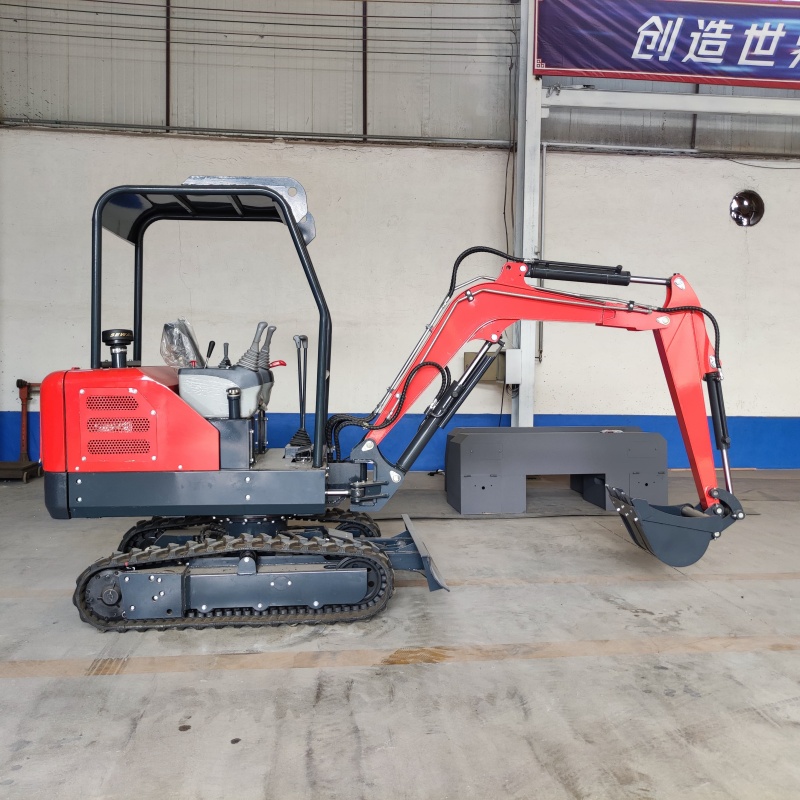
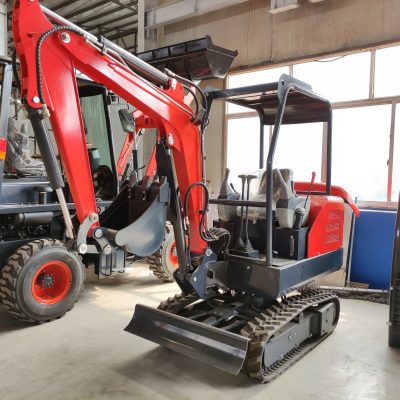
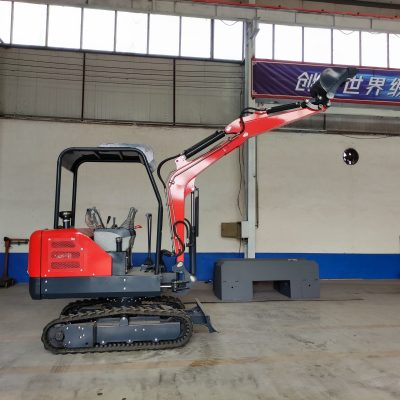
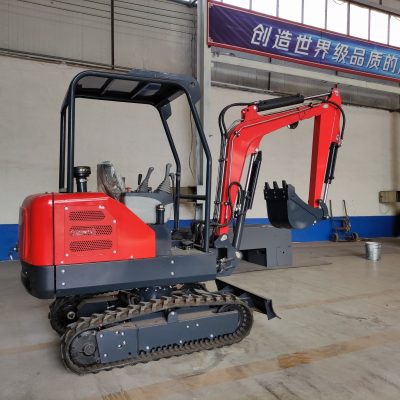
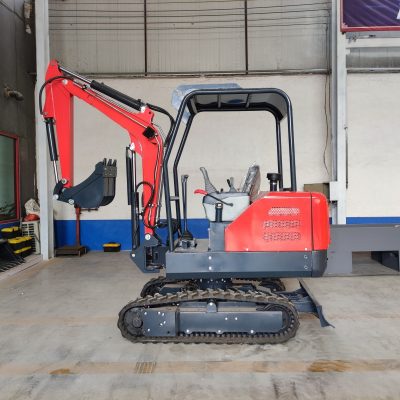
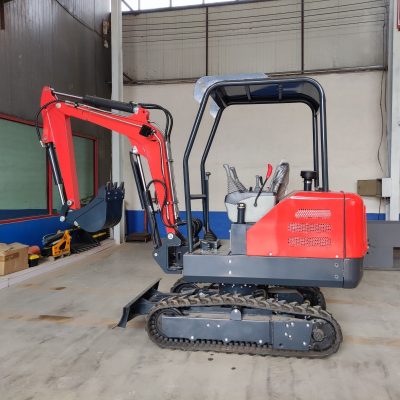
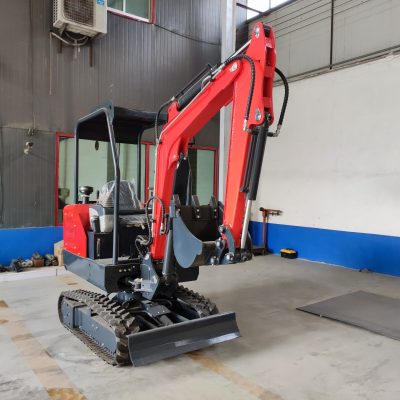
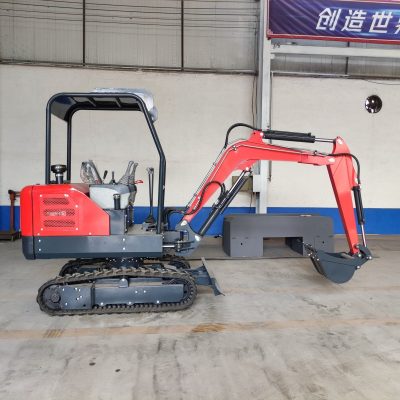
Engineering work asks more of a compact excavator than domestic digging does. Foundation trenches have to hold a line, service trenches have to follow a survey, and the machine may be on a site for weeks rather than days. The MINGYI 08, 12 and 18 model series is built for exactly that duty cycle.
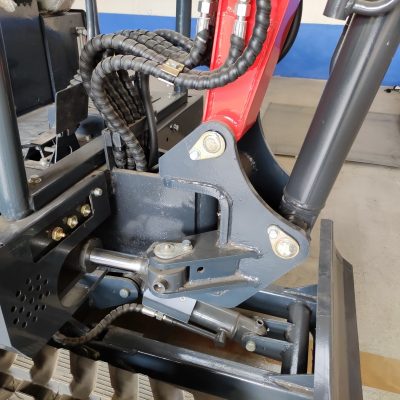
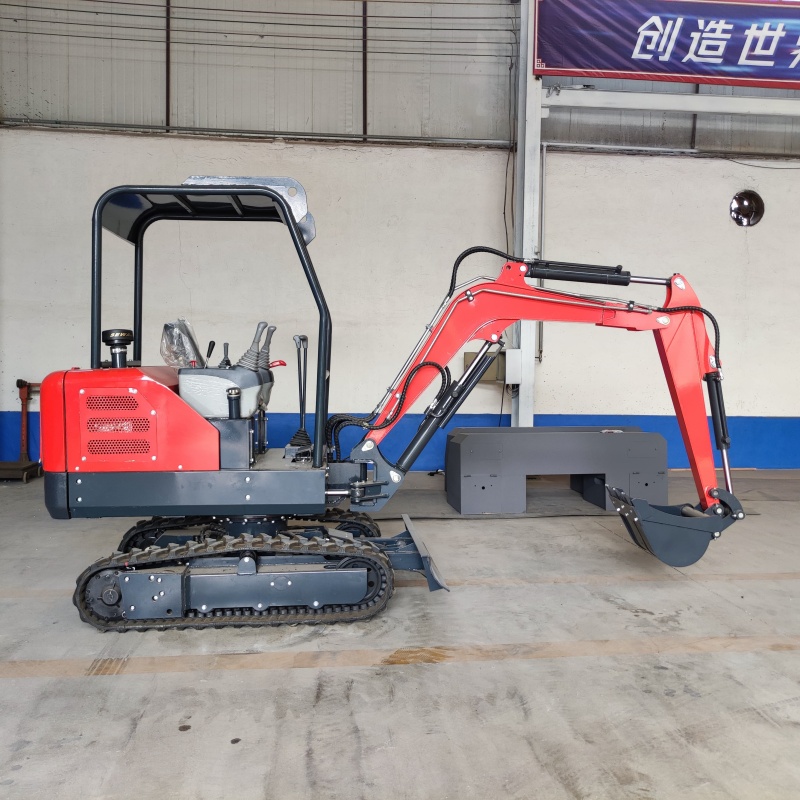
These are crawler machines with reinforced booms and dipper arms, hydraulic quick-change attachment mounts, and a cooling and filtration package designed for dusty site conditions.
Why compact machines suit engineering contracts
On a built-up site the constraint is access, not power. A compact crawler excavator reaches basement excavations, services corridors and courtyards that a 13-tonne machine never enters, and it does so without closing the surrounding area to traffic or damaging finished surfaces.
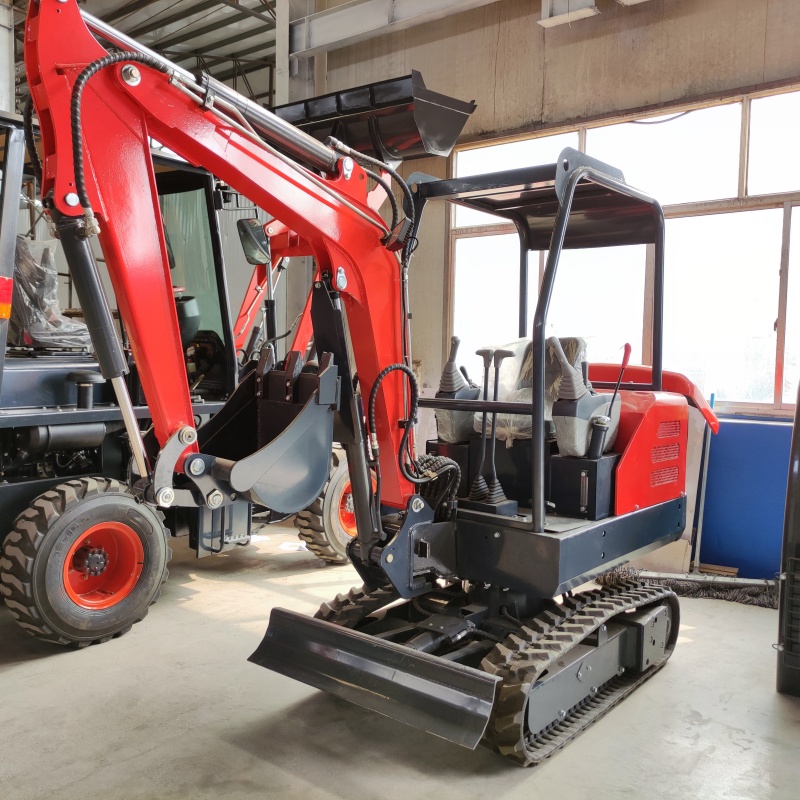
Rubber tracks let the machine cross paved areas and kerbs with minimal marking, while steel tracks with rubber blocks handle demolition rubble and compacted sub-base.
Matching the machine to the task
Narrow trenching buckets keep excavation volumes down on service runs. A tilting bucket gives the operator a batter and a clean trench wall without repositioning. Breaker hammers and augers cover rock, hard asphalt and post-hole work on the same machine.
Engine choices across the range include Kubota D722 and D902, YANMAR, Changchai, Laidong, Runtong, YARMAX and Youpu, which lets engineering contractors standardise service parts across a mixed fleet.
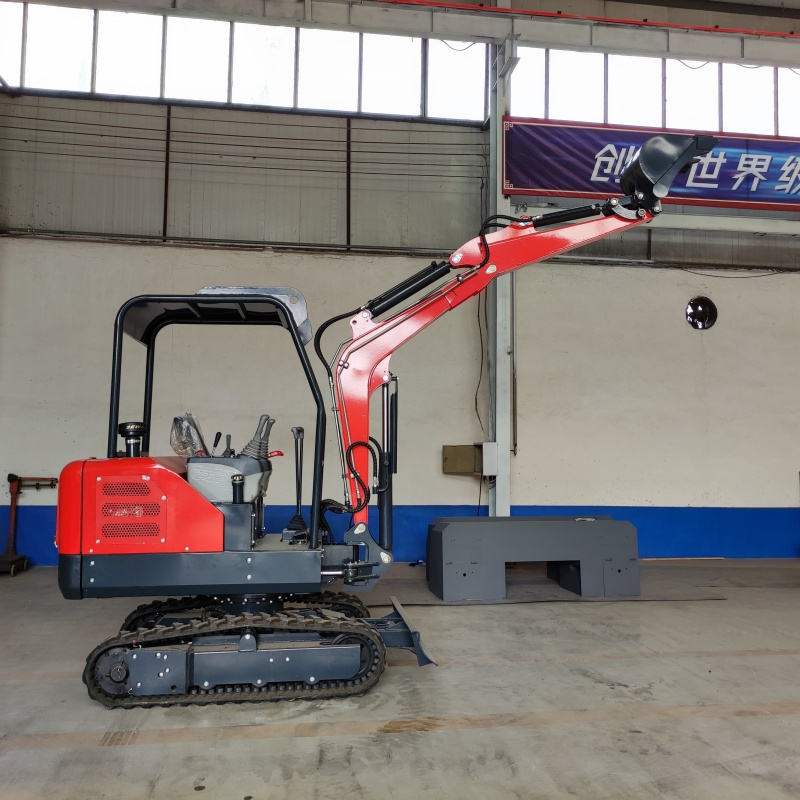
Engineering applications
• Foundation, footing and service trench excavation
• Road and kerb repair where lane closures are restricted
• Utility corridors for water, power, telecom and gas
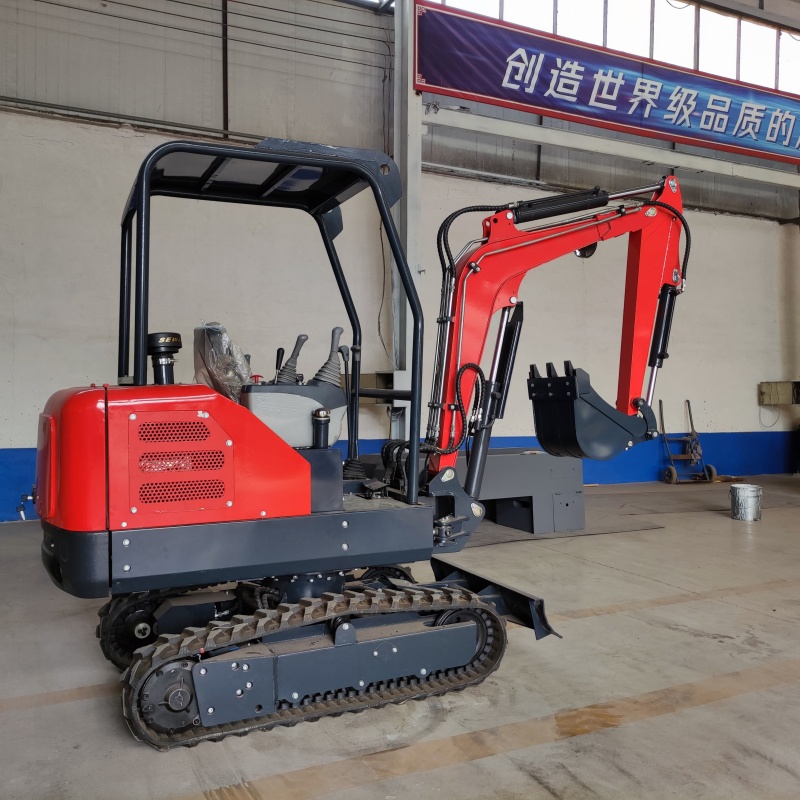
• Demolition and concrete breaking on refurbishment projects
• Site clearance and grading between existing structures
Send us the trench width, depth and ground type for your next contract and we will specify the machine and attachment combination.
Daily checks and maintenance on small excavator for engineering work Daily maintenance on this class of machine is a short list: engine oil level, coolant, track tension, hydraulic oil level and a look at the hoses. Ten minutes at the start of the shift prevents most of the failures that stop a machine. Greasing is the second item. The slew ring, the boom and arm pins and the bucket linkage on the unit in daily use take grease daily in dusty work, and the intervals shorten further when the machine is used in water or mud. Running small excavator for engineering work in a rental fleet Rental fleets buy for utilisation, not for a single job. A machine of this size with a quick coupler and a common attachment standard is hired more often because it suits more of the calls that come in. The specification that rents best is usually the simplest one to explain at the counter. The equipment on site with rubber tracks, a canopy and a coupler covers the majority of weekend and short-term hires. Working a small excavator for engineering work through the seasons Seasonal planning smooths the workload. Machines that are busy for a few months and idle for the rest benefit from a service slot in the quiet period, and the machine itself prepared in the off-season starts the busy months reliably. Heat and dust are as limiting as rain. Air intake condition and cooling cleanliness decide how the model in question behaves in a dry season, and both are checked in a minute rather than repaired later. Hydraulic circuits on a small excavator for engineering work Auxiliary hydraulic lines are what let a machine drive a tool rather than only a bucket. The machine in that duty specified with the right circuits and flow runs a breaker or an auger without an add-on power pack bolted to the frame. Hydraulic specification is easier to settle at build time than to correct later. The unit on the job delivered without auxiliary lines can still dig, but every additional tool becomes a retrofit project. Working a small excavator for engineering work in confined spaces Confined sites are decided by dimensions. Overall width, tail swing and the space needed to work the arm are what let a machine built for the work operate inside a building, between walls or in a courtyard. Ventilation is the other indoor constraint. Running the equipment in service inside a closed structure needs air movement, and that is a planning item rather than something to discover after the first hour. Getting this class of machine through a narrow gap The first question on most job lists is whether the machine can reach the work at all. The unit in daily use is chosen against the narrowest point on the route - a garden gate, a doorway, a gap between two walls - because a machine that arrives and then cannot pass loses a day, not an hour. Contractors who buy a machine of this size normally have one job in mind that nothing else reaches. The purchase order follows the access measurement, not the other way round, and the build sheet is then settled around it. Acceptance checks when the equipment on site arrives A function check before the machine goes to work is worth the hour. Running through the controls, the travel and the attachment circuit on the machine itself confirms it is set up as specified and ready for the site. Documentation should arrive with the machine. Parts list, service schedule and any certificates for the model in question are what the workshop needs later, and they are much easier to obtain at delivery than in month six. Trenching work with the machine in that duty Service trenches are the most common reason the unit on the job is hired. Water, sewage, cable and gas runs are narrow, shallow and often close to existing services, which is exactly the work a full-size machine cannot do safely. Depth control matters more on service work than speed. A machine built for the work working beside live services is chosen because it can be placed precisely and stopped instantly, which is what the job actually requires. Lifting and material handling with the equipment in service Lifting with a machine built to dig needs a plan. The load, the radius and the ground under the unit in daily use all matter, and the safe figure is the one on the chart rather than the one that looks possible. Stability changes with reach. A load this class of machine handles close in becomes a different proposition at full extension, so the working radius belongs in the plan before the lift rather than during it. Canopy or enclosed cab on a machine of this size A canopy keeps the machine light and the operator aware of the surroundings, which suits short jobs in warm weather. A fully enclosed cab is specified where rain, dust or cold are part of the working year, and it can be added to the equipment on site as a retrofit rather than only at build time. Enclosure also changes noise and dust exposure. A sealed cab on the machine itself keeps dust out on dry sites and lets the machine work through weather that would otherwise stop a canopy machine for the day. Matching the model in question to ground conditions Hard and abrasive ground reverses the specification. On rock, demolition rubble or sharp gravel, steel tracks with rubber blocks on the machine in that duty survive conditions that cut a rubber belt quickly. Mixed sites are common and argue for a compromise specification. Most buyers choose rubber for the unit on the job and accept the wear, unless the majority of the work is on material that will damage it. Specifying a machine built for the work against a job list Buyers who skip this step either over-buy or under-buy. The equipment in service specified only from machine size tends to arrive without the coupler, the circuits or the track type the work actually needs. Specification data for this class of machine Buyers comparing the unit in daily use usually start from four numbers - weight, digging depth, reach and transport width - because those are the ones that decide whether the machine can be delivered and whether it can do the job once it is there. Every value shown is as built for a machine of this size; options such as cab, side swing or a telescopic undercarriage change the transport dimensions and are confirmed at order stage. The practical way to specify is to write the job list first: the narrowest access, the deepest trench, the heaviest tool and the surfaces the machine must cross. The equipment on site is then matched to those four numbers. Useful information to send with an enquiry includes working width, required digging depth, ground conditions and the attachment set. Those four items let the factory specify the machine itself that fits rather than a generic build.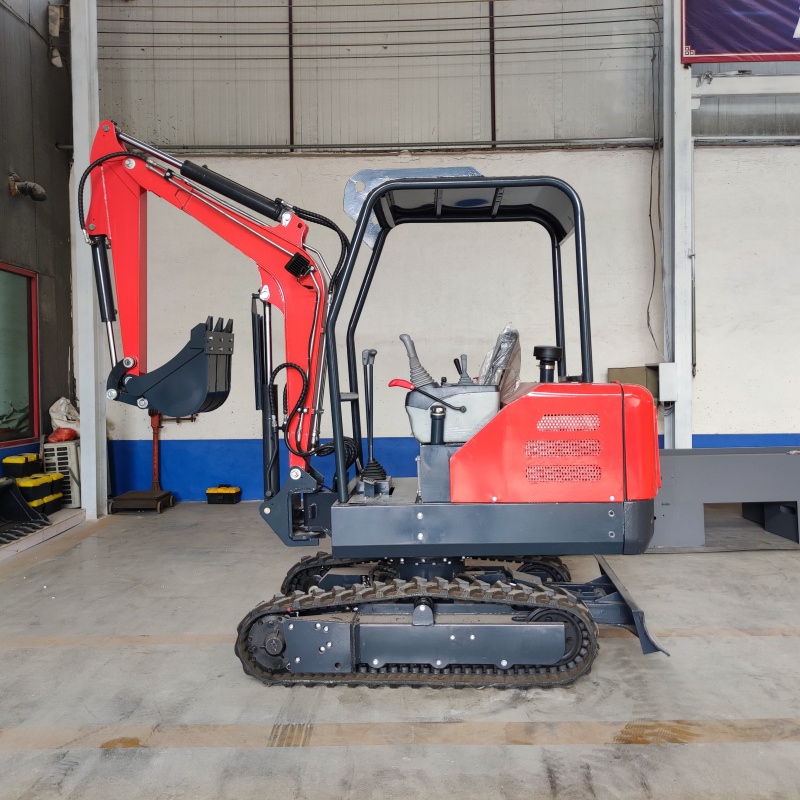
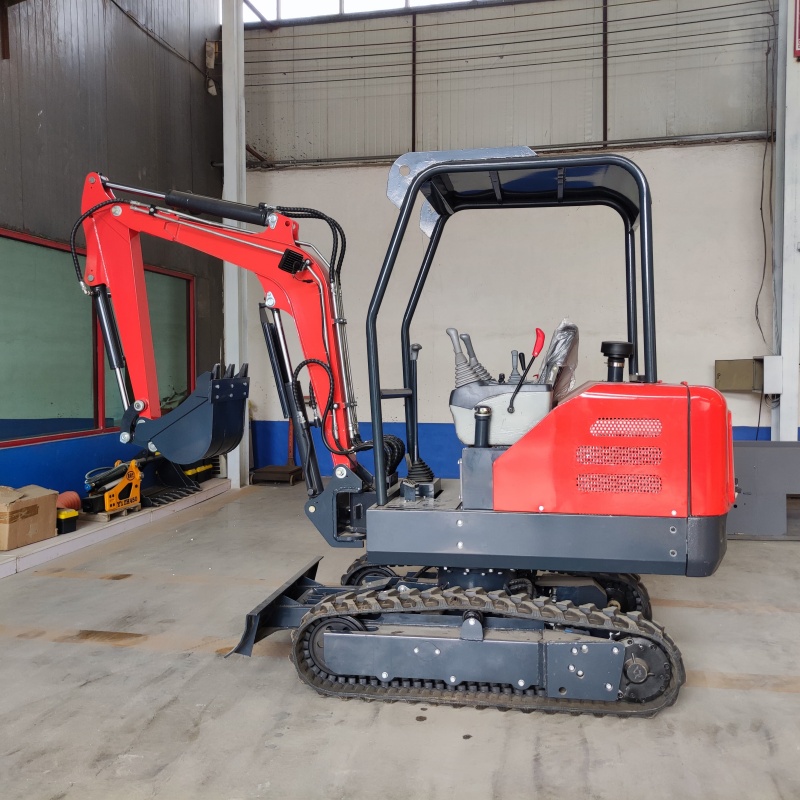
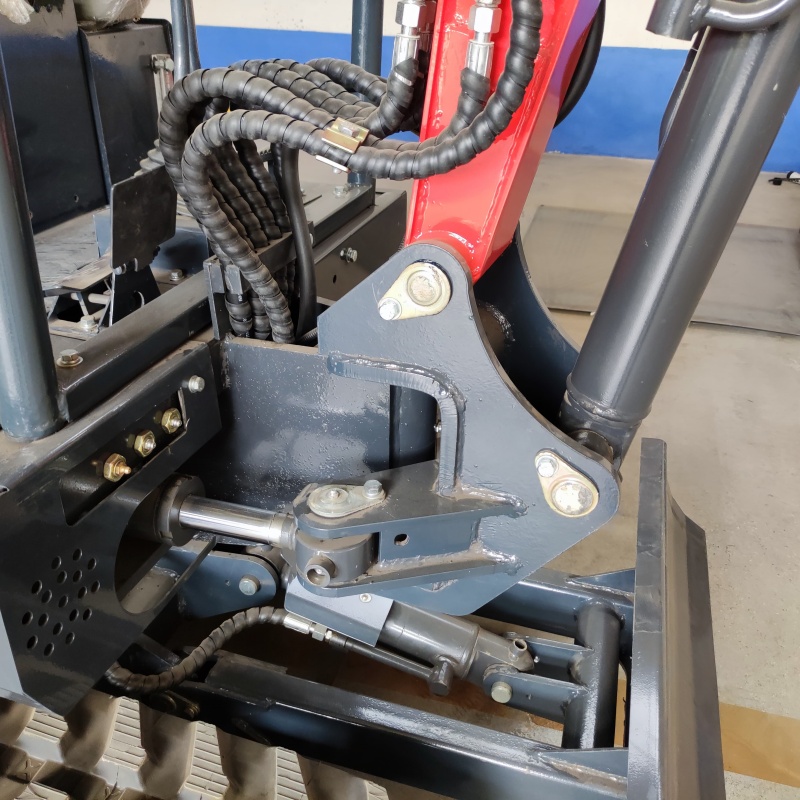
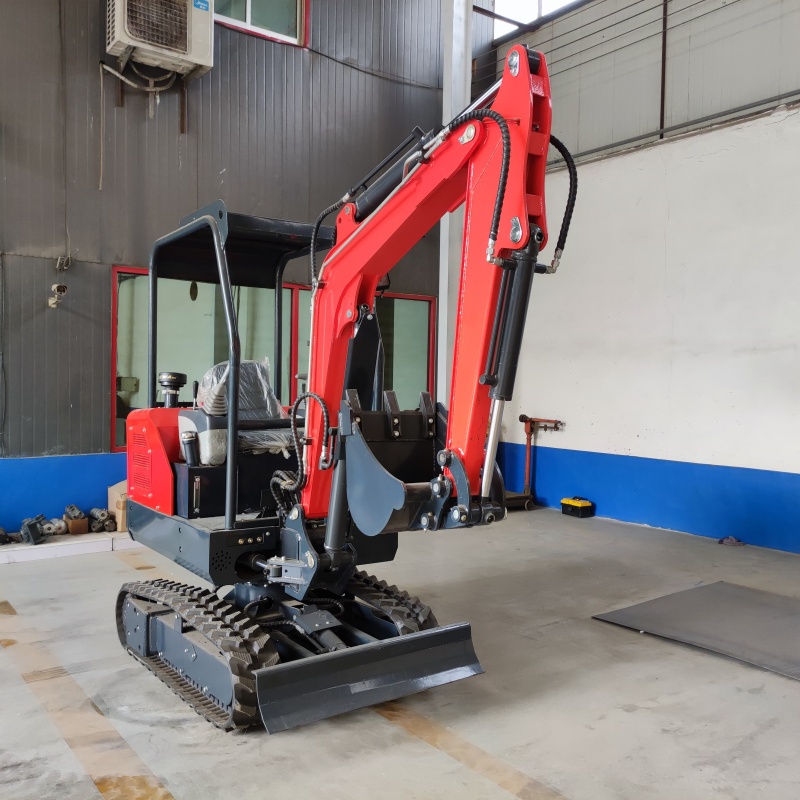
Reference specification — mini excavator range 09W 12W 13W 25L Operating weight 1100 kg (2425.08 lb) 1200 kg (2645.55 lb) 1300 kg (2866.01 lb) 2200 kg (4850.17 lb) Transport size (L×W×H) 1800 × 750 × 1970 mm 2200 × 930 × 2250 mm 2200 × 930 × 2250 mm 3000 × 1300 × 2700 mm Max digging depth 1250 mm (49.21 in) 1630 mm (64.17 in) 1630 mm (64.17 in) 2300 mm (90.55 in) Max digging height 2800 mm (110.24 in) 2750 mm (108.27 in) 2750 mm (108.27 in) 3100 mm (122.05 in) Max dumping height 1700 mm (66.93 in) 1960 mm (77.17 in) 1960 mm (77.17 in) 2050 mm (80.71 in) Max digging radius 2570 mm (101.18 in) 2900 mm (114.17 in) 2900 mm (114.17 in) 3900 mm (153.54 in) Max digging distance 1869 mm (73.58 in) 2100 mm (82.68 in) 2100 mm (82.68 in) 3100 mm (125.05 in) Minimum turning radius 1000 mm (39.37 in) 1300 mm (51.18 in) 1300 mm (51.18 in) 1800 mm (70.87 in) Travel speed 3 km/h (1.86 mph) 3 km/h (1.86 mph) 3 km/h (1.86 mph) 7 km/h (4.35 mph) Gradeability 30° 30° 30° 30° Fuel consumption 1-1.3 L/h (0.264—0.343 gal) 1-1.3 L/h (0.264—0.343 gal) 1-1.3 L/h (0.264—0.343 gal) 2-3 L/h (0.528—0.793 gal) Fuel tank capacity 8 L (2.11 gal) 10 L (2.64 gal) 10 L (2.64 gal) 16 L (4.23 gal) Hydraulic oil tank 16 L (4.23 gal) 16 L (4.23 gal) 16 L (4.23 gal) 18 L (4.76 gal) Dozer blade lift height 180 mm (7.09 in) 180 mm (7.09 in) 180 mm (7.09 in) 230 mm (9.06 in) Dozer blade drop depth 210 mm (8.27 in) 210 mm (8.27 in) 210 mm (8.27 in) 280 mm (11.02 in)
Q. What is a small excavator used for in engineering work?
A. Foundation trenches, service runs and excavation in confined positions, where the machine may be on one site for weeks. Engineering work asks for repeatable depth and line rather than raw capacity, which is why the mid and larger compact models are common on it.
Q. Why not use a full size excavator?
A. Access and surface damage. A compact crawler machine reaches positions between structures, inside existing buildings and behind boundaries that a full size machine cannot enter, and it disturbs less of the surrounding ground.
Q. Which model suits engineering work?
A. The 12 and 18 models carry most of it, with the 08 model for internal and very restricted positions. Tell us the trench specification and the access route and MINGYI will confirm which model and tooling set matches.
E-mail : sales@mingycn.com
LINE ( ID ): mingyicn
Mingyi Machinery mini excavators are trusted by contractors and dealers worldwide.
Hot, humid and dusty conditions around the model in question
Dust is the enemy of every rotating joint. Keeping the radiator and the air intake of the machine in that duty clean, and cleaning them before they are blocked rather than after, is what separates a machine that lasts from one that overheats.
Reading the early symptoms on the unit on the job
Machines rarely fail without warning. A change in sound, a slower function or a new leak on a machine built for the work is the machine saying something early, and listening then takes a fraction of the time that waiting does.
Keeping a service record for the equipment in service
Patterns show up in the record before they show up in the machine. Rising oil consumption or a filter that keeps blocking on this class of machine is obvious on paper long before it becomes a failure on site.
E-mail:sales@mingycn.com
LINE(ID):mingyicn
Related pages
backhoe loader for trenching and backfilling · small digger · changchai engine mini excavator · PRODUCTS









