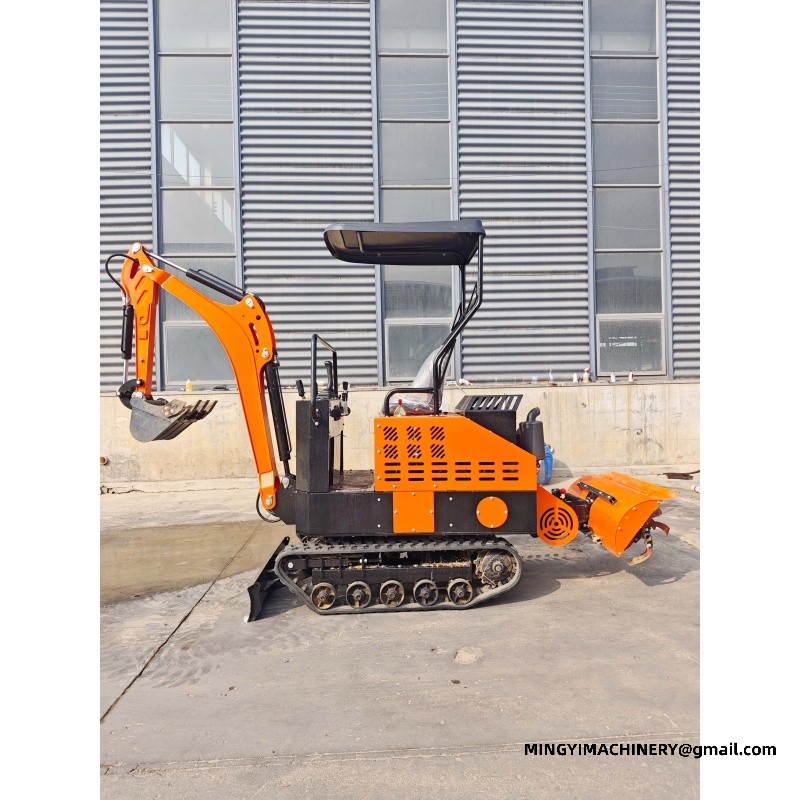
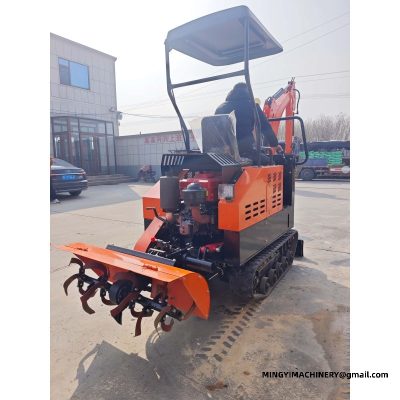
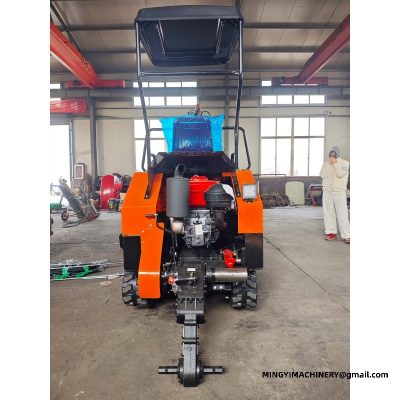
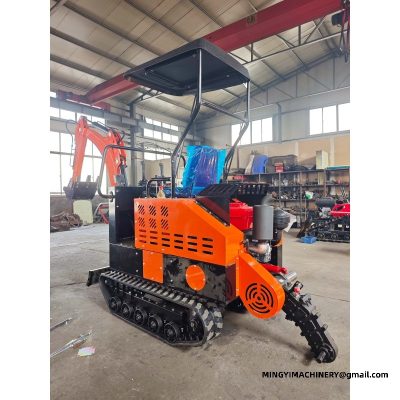
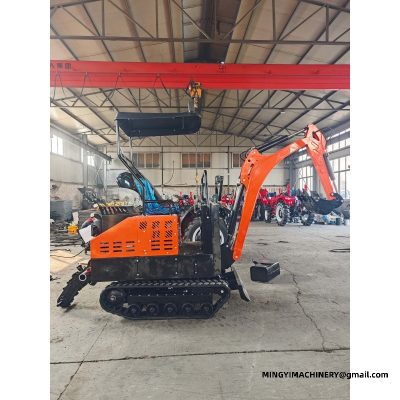
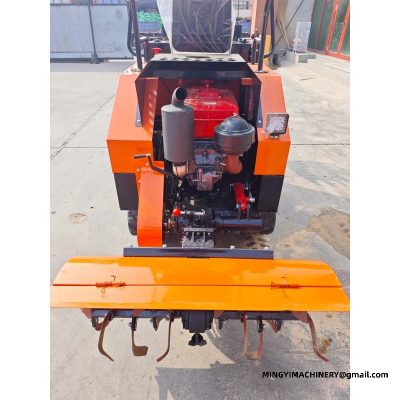
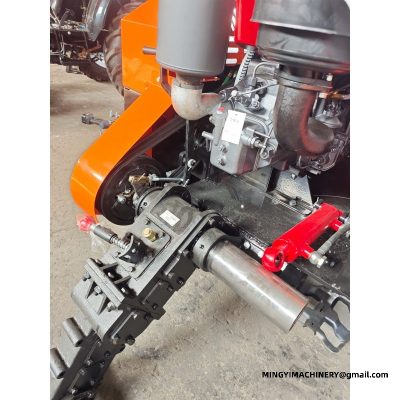
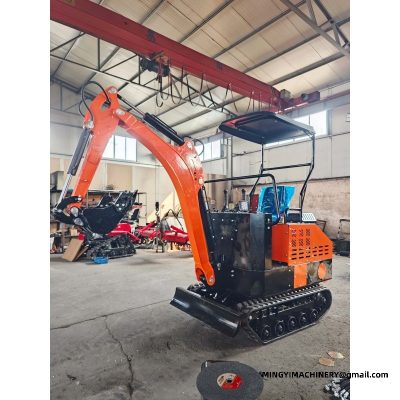
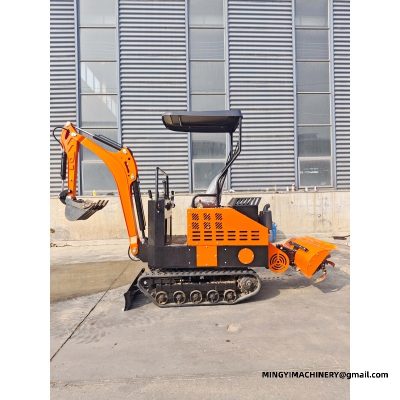
The engine is the part of a mini excavator most often asked about, and for good reason: it sets the fuel effort, the noise level, the service interval and the parts supply.
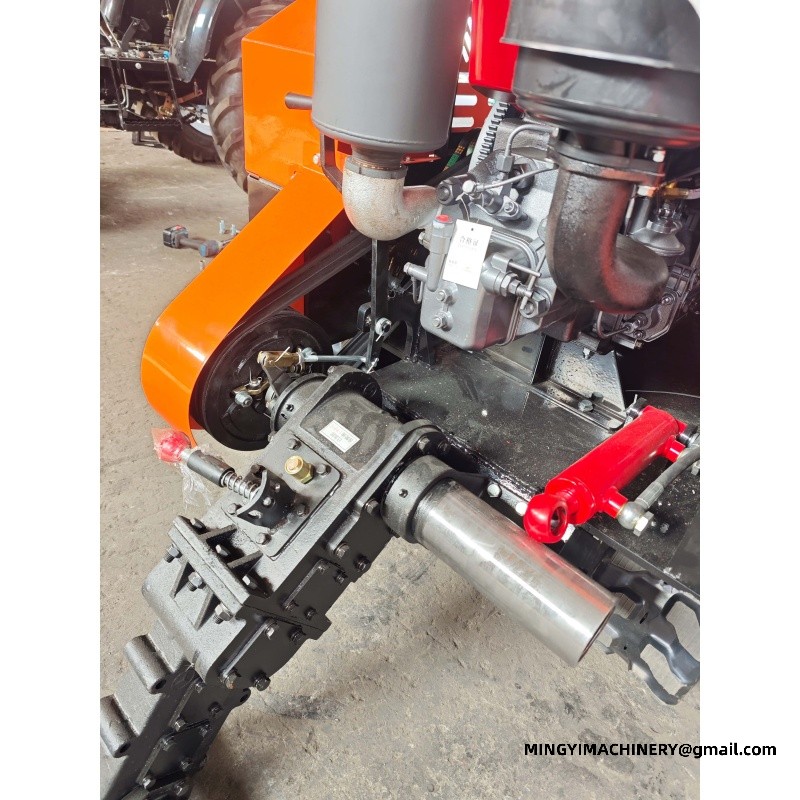
MINGYI mini excavators are offered with the small industrial diesels the compact equipment market has settled on, including the well known Japanese units and their Chinese equivalents.
Engines used in this class
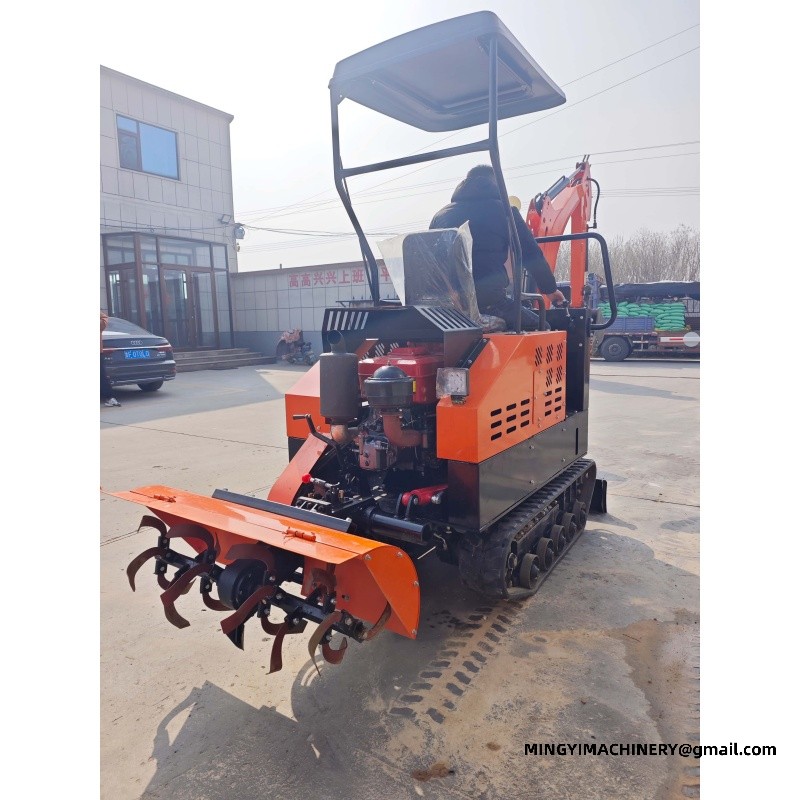
The Kubota and YANMAR ranges are widely used in compact excavators because they are compact, quiet and supported by a global parts network.
Chinese engines from makers such as Changchai, Laidong, Runtong and Youpu cover the same power band at lower effort, and are common on machines sold into markets where service is done locally.
Choosing between them
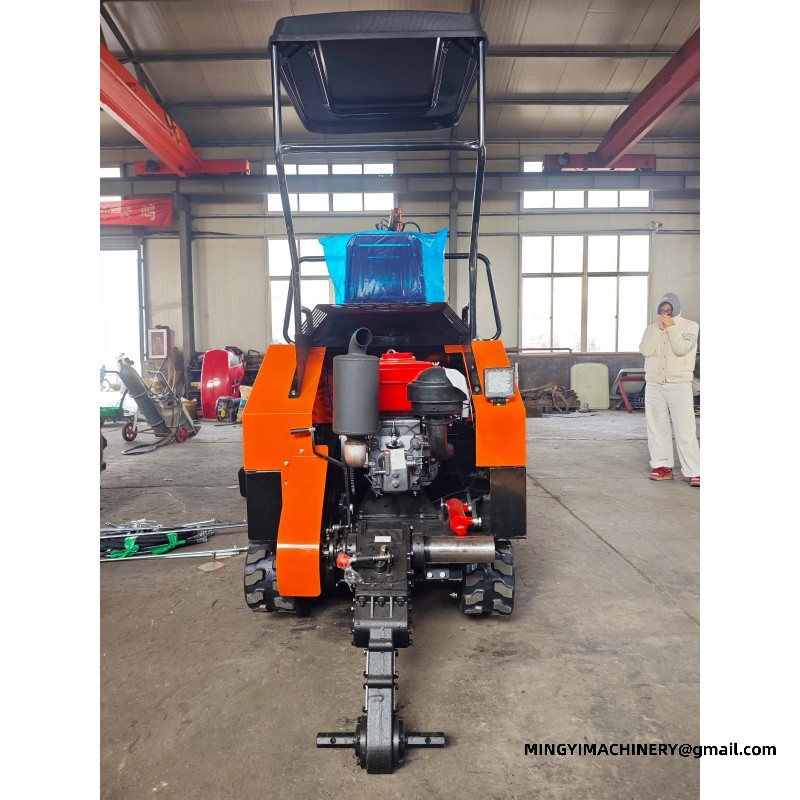
Where the machine will be serviced determines the sensible choice; an engine whose parts are on the shelf locally will be back at work sooner than one that is not.
Power output, exhaust treatment and noise differ between the options, and MINGYI can set out those differences for the markets you serve.
Tell MINGYI the market you supply and your service arrangements, and we will advise on the engine option to order.
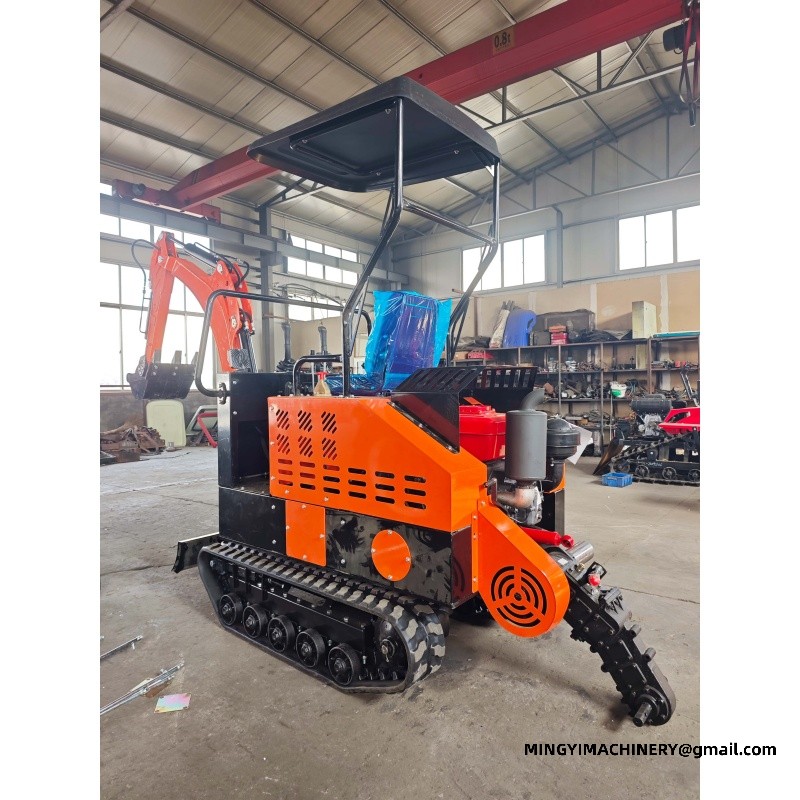
E-mail : Engine options behind this class of machine Power unit selection is settled against the service network the buyer already uses. MINGYI offers Kubota D722, Kubota D902, YANMAR, Changchai, Laidong, Runtong, YARMAX, Youpu 2V80 and Youpu 195, so a fleet running one brand of engine can keep the same filters, the same parts supplier and the same mechanic. Two buyers can order the same the unit in daily use and receive different engines. The decision is rarely about peak power; it is about which parts counter is closest to the site and which engine the local mechanic already knows. Working on slopes and uneven ground with diesel mini excavator engine options Slope work is a stability question before it is a traction question. Knowing the gradient a machine of this size is rated for, and working across rather than straight up where the ground allows, removes most of the risk. Planning the direction of travel helps. Working so that the equipment on site is stable under load and not required to turn on a slope is a decision made before the job starts, not a correction made during it. Matching diesel mini excavator engine options to ground conditions Soft ground is a flotation problem, not a power problem. The machine itself on wide rubber tracks crosses lawn, sand and cultivated soil that would stop a narrower machine or a wheeled unit of the same capacity. Mixed sites are common and argue for a compromise specification. Most buyers choose rubber for the model in question and accept the wear, unless the majority of the work is on material that will damage it. Landscaping and ground care with diesel mini excavator engine options Grass cutting heads, rakes and tillers extend the machine in that duty into ground care. The same carrier that digs a border in spring can cut and clear the same area later in the season. On soft landscape work the surface is the constraint. The unit on the job on rubber tracks crosses turf without stripping it, which is why the same jobs are not given to a wheeled machine. Lifting and material handling with a diesel mini excavator engine options Lifting with a machine built to dig needs a plan. The load, the radius and the ground under the equipment in service all matter, and the safe figure is the one on the chart rather than the one that looks possible. Ground condition under the machine is part of every lift. Soft or uneven support is the common factor in handling incidents, and checking it takes less time than recovering a machine built for the work that has settled. Orchard, vineyard and farm use of diesel mini excavator engine options Ditching, fertilising and drainage on farmland suit this class of machine because the work is spread over a large area in short bursts. The machine travels behind a pickup and works where it stops. Farms also use the unit in daily use for general maintenance - clearing a watercourse, repairing a track, loading a spreader. One carrier with a few attachments covers most of the jobs that would otherwise wait for a contractor. OEM and fleet customisation of diesel mini excavator engine options Distributors and rental fleets usually need the machine to look like theirs. Paint, decals, seat colour and attachment branding can be specified on a machine of this size at build time rather than applied after import. Customisation also covers the specification sheet. A fleet buyer may want every equipment on site delivered with the same coupler, the same engine and the same tool kit so training and parts stock stay simple. Track choice for the machine itself Rubber tracks suit paved and landscaped ground because they spread the machine weight and leave the surface intact. Steel tracks with rubber blocks are specified where the ground is rougher or the working day is longer, and the choice can be made per machine rather than accepted as a factory default. Track type changes what the machine can cross and what it leaves behind. Buyers specify rubber for lawns, driveways and municipal work, and steel with rubber blocks for sites where sharp material would cut a rubber belt in a week. Hydraulic circuits on the model in question Auxiliary hydraulic lines are what let a machine drive a tool rather than only a bucket. The machine in that duty specified with the right circuits and flow runs a breaker or an auger without an add-on power pack bolted to the frame. Flow and pressure are matched to the tool, not to the machine size. Asking for the attachment list first means the unit on the job leaves the factory with circuits that suit the heaviest tool the buyer intends to run. Acceptance checks when a machine built for the work arrives Delivery day is the best time to find a problem. Checking the specification against the order, the fluid levels, the fasteners and any transport damage while the class of machine is still on the trailer is faster than claiming later. A function check before the machine goes to work is worth the hour. Running through the controls, the travel and the attachment circuit on the equipment in service confirms it is set up as specified and ready for the site. Road and paving work for the unit in daily use Patching and reinstatement favour a machine that can work in a lane closure. A machine of this size occupies less road than a full-size excavator, which reduces the traffic management needed and the length of the closure. Breaking out a failed slab and backfilling the same hole in one visit is normal work for the equipment on site. The breaker and the bucket come off the same coupler, so the road is reopened the same day. Trenching work with the machine itself Service trenches are the most common reason the model in question is hired. Water, sewage, cable and gas runs are narrow, shallow and often close to existing services, which is exactly the work a full-size machine cannot do safely. Trench quality depends on the bucket width and the operator, not on machine size. The machine in that duty with a narrow bucket and a swing boom cuts a clean run along a boundary without disturbing the ground either side of it. Trailering and moving the unit on the job Transport weight and width decide whether a machine needs a specialist haulier. A machine built for the work sized to travel on a standard plant trailer behind a suitable vehicle moves with the crew rather than on a scheduled low loader. Loading practice matters as much as the numbers. The equipment in service is driven up ramps under its own power with the boom lowered and the tracks aligned, and secured at the points the manufacturer specifies. Working this class of machine through the seasons Weather decides which days are productive. Rain turns some ground unusable and cold changes how the unit in daily use starts and warms up, so planning the wet months around maintenance is more useful than planning around output. Heat and dust are as limiting as rain. Air intake condition and cooling cleanliness decide how a machine of this size behaves in a dry season, and both are checked in a minute rather than repaired later. Parts, service and support for the equipment on site Support after delivery is a parts question. Wearing items for the machine itself - filters, belts, track components, bucket teeth and pins - are the items a buyer should plan to hold before the first service interval. Remote support is handled by video. The model in question fault can often be diagnosed on a walk-around call with the panel open, which is faster than waiting for a visit and avoids shipping a part that is not needed. Specification data for the machine in that duty Buyers comparing the unit on the job usually start from four numbers - weight, digging depth, reach and transport width - because those are the ones that decide whether the machine can be delivered and whether it can do the job once it is there. Every value shown is as built for a machine built for the work; options such as cab, side swing or a telescopic undercarriage change the transport dimensions and are confirmed at order stage. Moving the equipment in service between sites A machine that works on one site still has to reach the next. The overall dimensions and the operating weight of this class of machine decide what trailer or truck is needed, and that decision belongs before the job is booked. Keeping a service record for the unit in daily use Service history also protects the warranty position. Evidence that a machine of this size was maintained at the specified intervals and with the specified fluids settles questions that would otherwise be argued. Availability is part of the decision. Owning the equipment on site means it is there on the day the ground is ready; hiring means competing for the same machine at the same time as everyone else in the season. Ownership brings obligations that hiring does not. Storage, servicing, insurance and an operator are the items to set against the hire rate before deciding which way the machine itself should be supplied.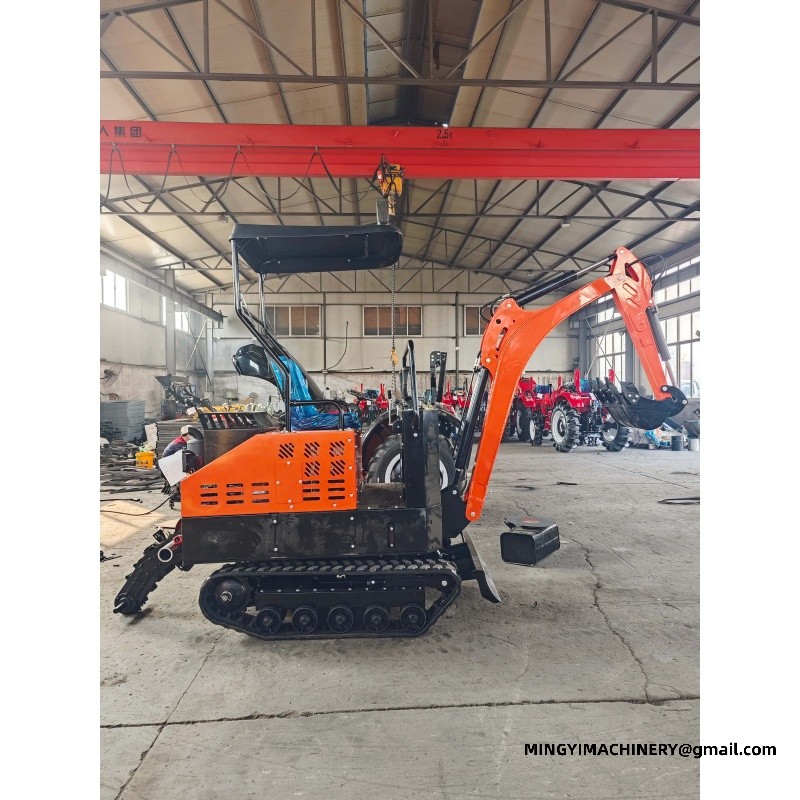
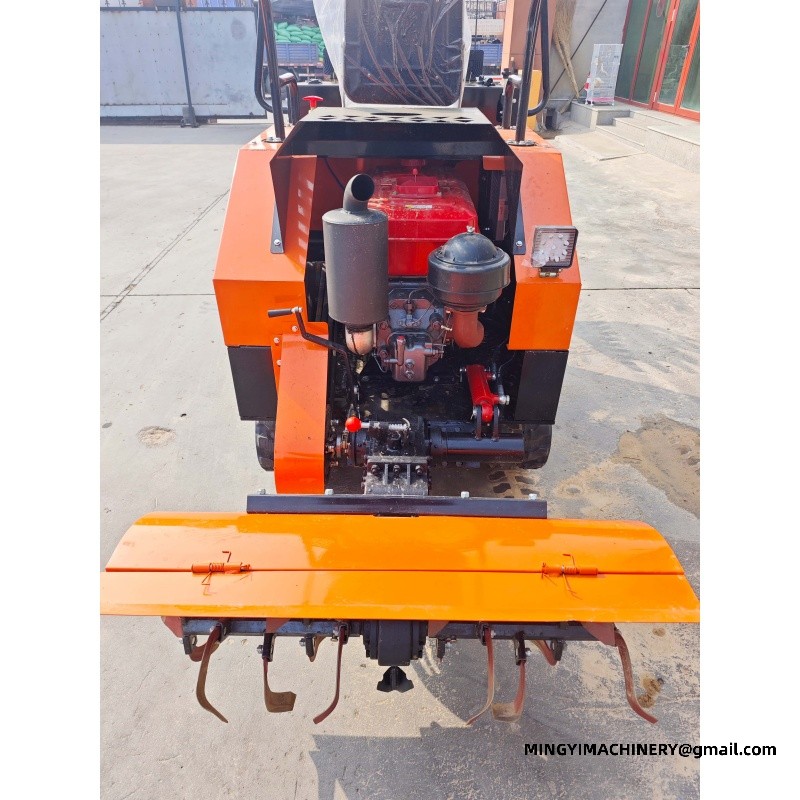
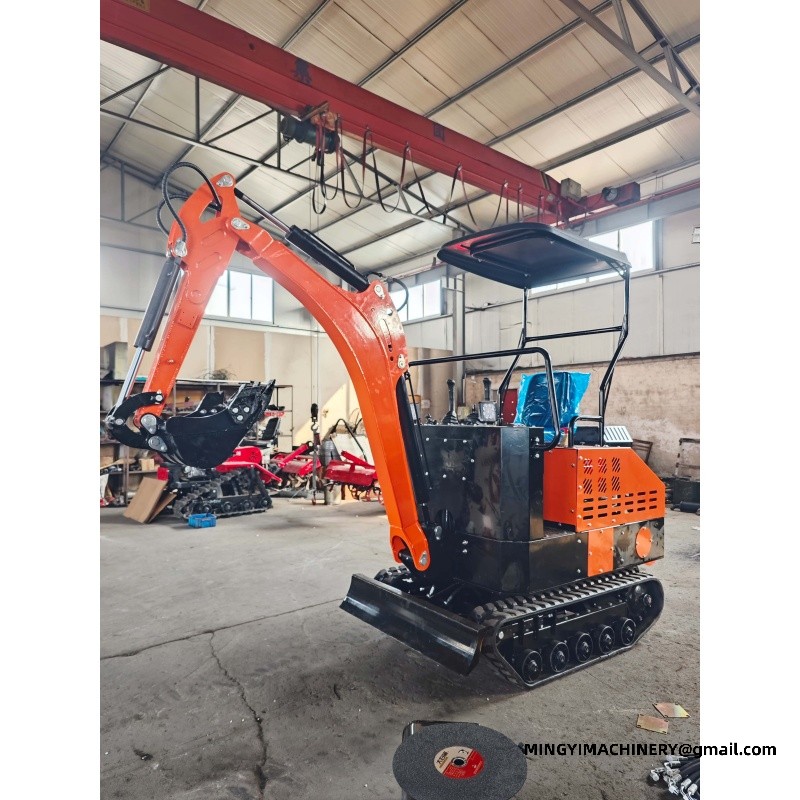
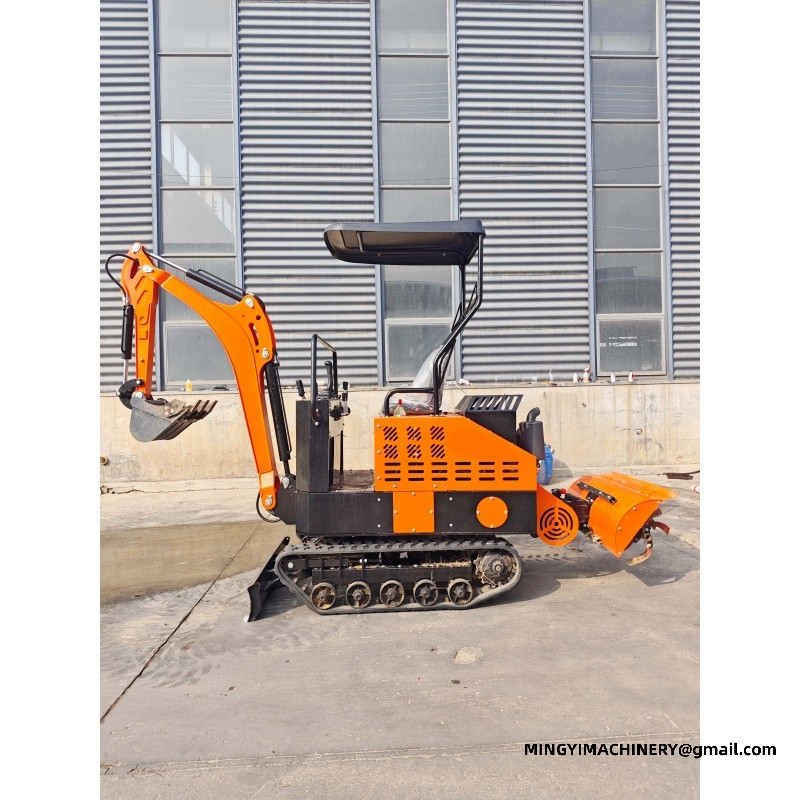
Reference specification — mini excavator range 12W 09L 15L 30-2L Operating weight 1200 kg (2645.55 lb) 1100 kg (2425.08 lb) 1400 kg (3086.47 lb) 2400 kg (5291 lb) Transport size (L×W×H) 2200 × 930 × 2250 mm 2300 × 720 × 1870 mm 2200 × 930 × 2250 mm 2800 × 1500 × 2500 mm Max digging depth 1630 mm (64.17 in) 1400 mm (55.12 in) 1700 mm (66.93 in) 2200 mm (86.61 in) Max digging height 2750 mm (108.27 in) 2800 mm (110.24 in) 2750 mm (108.27 in) 2900 mm (114.17 in) Max dumping height 1960 mm (77.17 in) 1880 mm (74.02 in) 1960 mm (77.17 in) 2100 mm (82.68 in) Max digging radius 2900 mm (114.17 in) 2490 mm (98.03 in) 2900 mm (114.17 in) 3330 mm (131.1 in) Max digging distance 2100 mm (82.68 in) 2000 mm (78.74 in) 2300 mm (90.55 in) 2700 mm (106.3 in) Minimum turning radius 1300 mm (51.18 in) 1400 mm (55.12 in) 1450 mm (57.09 in) 1555 mm (61.22 in) Travel speed 3 km/h (1.86 mph) 3 km/h (1.86 mph) 3 km/h (1.86 mph) 7 km/h (4.35 mph) Gradeability 30° 30° 30° 30° Fuel consumption 1-1.3 L/h (0.264—0.343 gal) 1-1.3 L/h (0.264—0.343 gal) 1-1.3 L/h (0.264—0.343 gal) 2-3 L/h (0.528—0.793 gal) Fuel tank capacity 10 L (2.64 gal) 8 L (2.11 gal) 10 L (2.64 gal) 16 L (4.23 gal) Hydraulic oil tank 16 L (4.23 gal) 16 L (4.23 gal) 16 L (4.23 gal) 18 L (4.76 gal) Dozer blade lift height 180 mm (7.09 in) 180 mm (7.09 in) 180 mm (7.09 in) 230 mm (9.06 in) Dozer blade drop depth 210 mm (8.27 in) 210 mm (8.27 in) 210 mm (8.27 in) 280 mm (11.02 in)
LINE ( ID ): mingyicn
Related pages
mini excavator with open canopy · mini excavator cab conversion · mini excavator for lawn preparation · PRODUCTS









