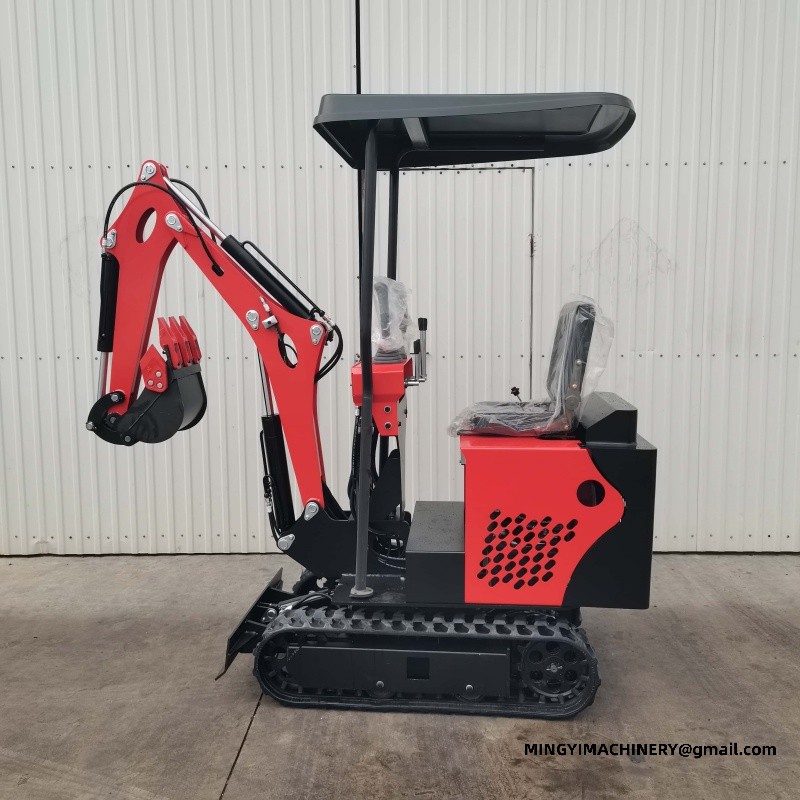
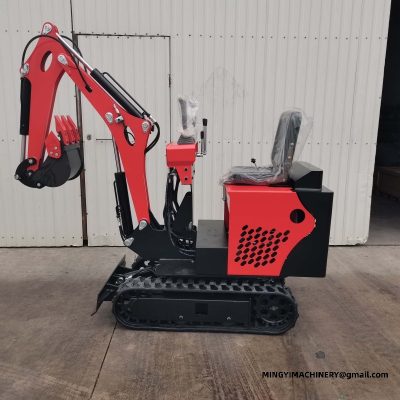
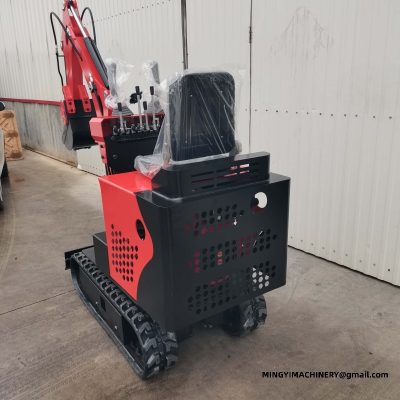
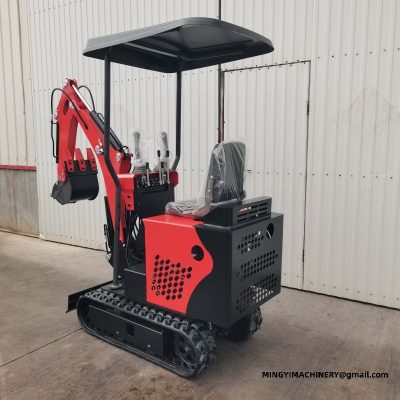
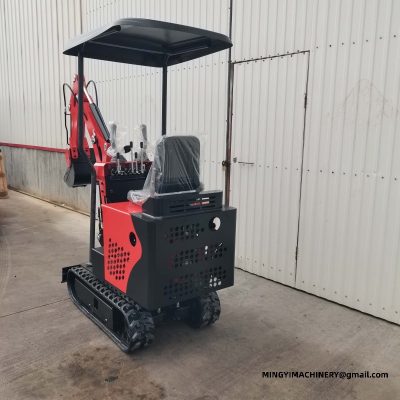
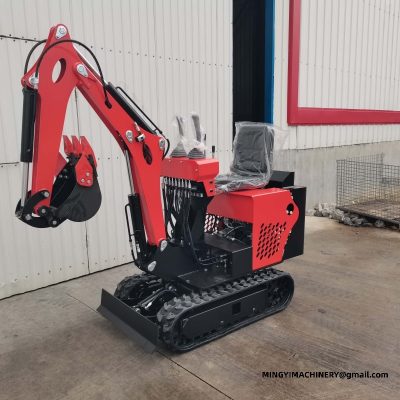
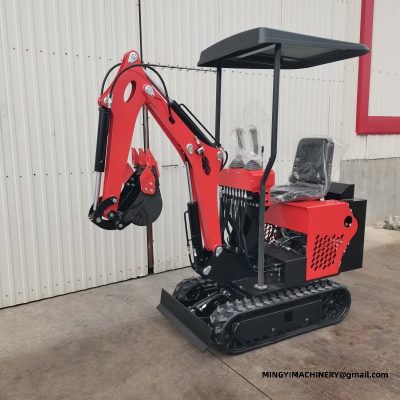
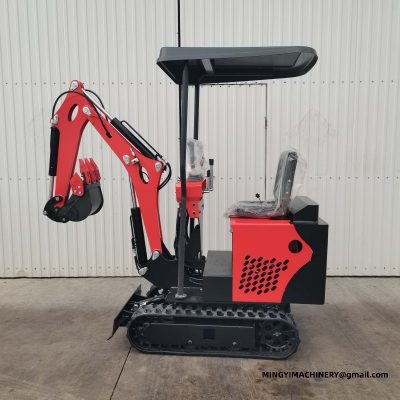
Buyers who start with a canopy machine often come back for a cab on the next one. The reason is simple arithmetic: a cab that extends the working season by two or three months a year pays for itself against a machine that stands idle.
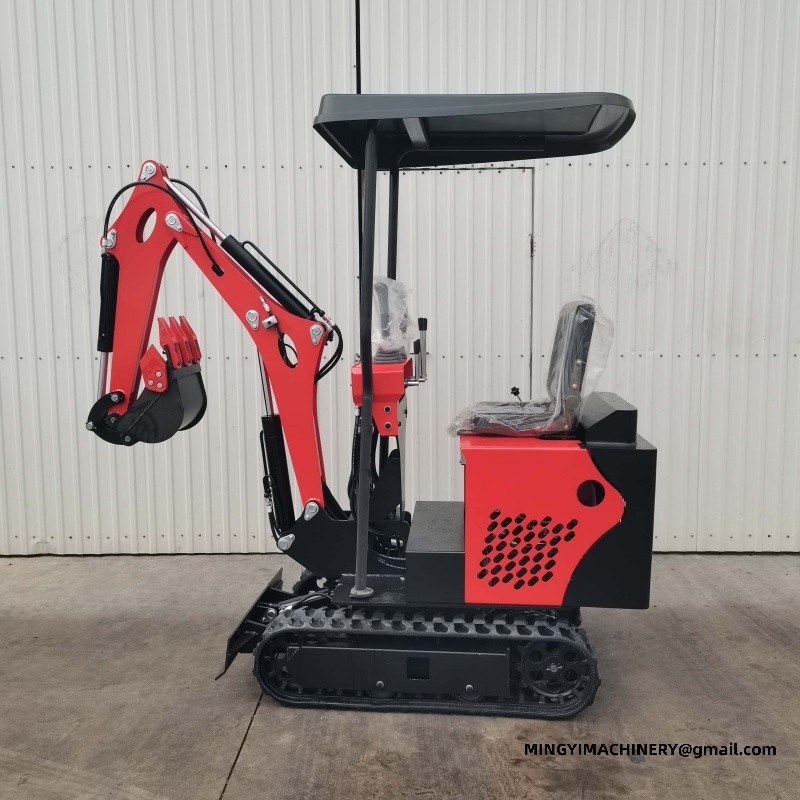
MINGYI can supply its compact excavators with an enclosed cab, and the same machine can also be converted where a cab is added to an existing unit. Conversion is worth considering when a canopy machine is otherwise sound and only the operator station needs to change.
When to specify a cab from new
If the machine will be the main excavator on a site and is expected to work through the winter, ordering it with a cab is the straightforward choice.
It also suits markets where the machine is a long-term asset rather than a short-term hire item, since the operator spends more of the year in it.
Adding a cab to a canopy machine
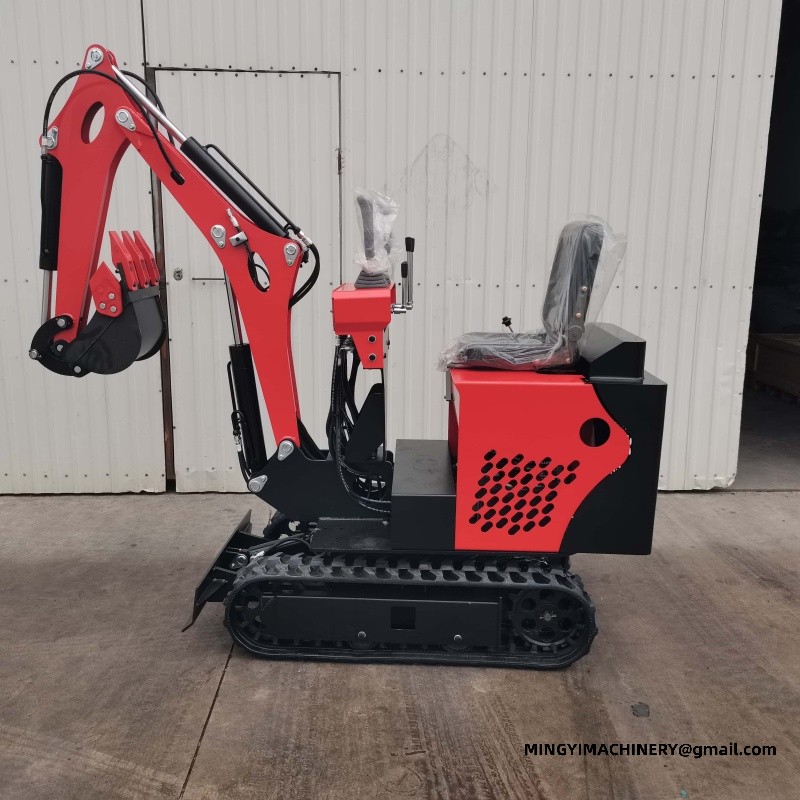
Converting a canopy machine to a fully enclosed cab is a modification MINGYI is able to carry out, with the glazing and sealing brought up to the standard the operator needs.
It is an option worth considering where the machine itself is sound and the only thing missing is weather protection.
MINGYI can advise on specifying a cab from new or converting an existing machine; tell us the model and how the machine is used.
E-mail : Daily checks and maintenance on this class of machine Daily maintenance on the unit in daily use is a short list: engine oil level, coolant, track tension, hydraulic oil level and a look at the hoses. Ten minutes at the start of the shift prevents most of the failures that stop a machine. Greasing is the second item. The slew ring, the boom and arm pins and the bucket linkage on a machine of this size take grease daily in dusty work, and the intervals shorten further when the machine is used in water or mud. Matching mini excavator cab conversion to ground conditions Hard and abrasive ground reverses the specification. On rock, demolition rubble or sharp gravel, steel tracks with rubber blocks on the equipment on site survive conditions that cut a rubber belt quickly. Mixed sites are common and argue for a compromise specification. Most buyers choose rubber for the machine itself and accept the wear, unless the majority of the work is on material that will damage it. Landscaping and ground care with mini excavator cab conversion Landscape contractors use the model in question for planting holes, pond excavation, grading and retaining work. The machine is light enough to cross finished lawn and narrow enough to work between established trees. Grass cutting heads, rakes and tillers extend the machine in that duty into ground care. The same carrier that digs a border in spring can cut and clear the same area later in the season. Track choice for mini excavator cab conversion Rubber tracks suit paved and landscaped ground because they spread the machine weight and leave the surface intact. Steel tracks with rubber blocks are specified where the ground is rougher or the working day is longer, and the choice can be made per machine rather than accepted as a factory default. Undercarriage selection is a ground question, not a preference question. The unit on the job running on finished paving needs rubber; the same machine on demolition rubble or rock wears rubber quickly, so steel with rubber blocks becomes the better answer over a full season. Working near live services with mini excavator cab conversion Digging near water, gas and cable is a precision job. A machine built for the work is used here because the operator can work in short controlled cuts and because the machine can be positioned without driving over the run being exposed. Utility crews specify the equipment in service with a narrow bucket and good visibility for exactly this reason: the machine has to stop at the service, not at the edge of the operator's view. Working a mini excavator cab conversion through the seasons Seasonal planning smooths the workload. Machines that are busy for a few months and idle for the rest benefit from a service slot in the quiet period, and this class of machine prepared in the off-season starts the busy months reliably. Heat and dust are as limiting as rain. Air intake condition and cooling cleanliness decide how the unit in daily use behaves in a dry season, and both are checked in a minute rather than repaired later. OEM and fleet customisation of mini excavator cab conversion Distributors and rental fleets usually need the machine to look like theirs. Paint, decals, seat colour and attachment branding can be specified on a machine of this size at build time rather than applied after import. Documentation can be prepared to suit the importer. Manuals, parts books and decal sets for the equipment on site can be supplied with the buyer's own branding where the order size justifies it. Hiring versus owning the machine itself The choice follows the hours. Work that fills a few weeks a year is usually better hired, while the model in question that would be on site most weeks starts to justify ownership once the transport and booking time is counted. Ownership brings obligations that hiring does not. Storage, servicing, insurance and an operator are the items to set against the hire rate before deciding which way the machine in that duty should be supplied. Road and paving work for the unit on the job Road repair generates short, interrupted jobs - a patch, a drainage connection, a kerb line. A machine built for the work is economical here because it travels on a small trailer and starts working minutes after arriving. Patching and reinstatement favour a machine that can work in a lane closure. The equipment in service occupies less road than a full-size excavator, which reduces the traffic management needed and the length of the closure. Getting this class of machine through a narrow gap The first question on most job lists is whether the machine can reach the work at all. The unit in daily use is chosen against the narrowest point on the route - a garden gate, a doorway, a gap between two walls - because a machine that arrives and then cannot pass loses a day, not an hour. Contractors who buy a machine of this size normally have one job in mind that nothing else reaches. The purchase order follows the access measurement, not the other way round, and the build sheet is then settled around it. Municipal and public works with the equipment on site Drainage repair, tree planting, footway reconstruction and cemetery work are all within the range of the machine itself. The jobs are small individually and continuous across the year. Noise and surface protection matter on public work. The model in question on rubber tracks across paving, with a sealed cab for the operator, suits the conditions better than a larger tracked machine. Operator technique for the machine in that duty The second habit is tool discipline. Running the unit on the job with the right bucket width for the trench means less spoil, less reinstatement and a cleaner job than a wide bucket and a lot of trimming. Stability is the third. A machine built for the work working across the tracks rather than over the corners keeps the machine steady and the undercarriage loaded evenly, which shows up as track life at the end of the season. Lifting and material handling with the equipment in service Lifting with a machine built to dig needs a plan. The load, the radius and the ground under the unit in daily use all matter, and the safe figure is the one on the chart rather than the one that looks possible. Stability changes with reach. A load this class of machine handles close in becomes a different proposition at full extension, so the working radius belongs in the plan before the lift rather than during it. Trenching work with a machine of this size Service trenches are the most common reason the equipment on site is hired. Water, sewage, cable and gas runs are narrow, shallow and often close to existing services, which is exactly the work a full-size machine cannot do safely. Depth control matters more on service work than speed. The machine itself working beside live services is chosen because it can be placed precisely and stopped instantly, which is what the job actually requires. Acceptance checks when the model in question arrives A function check before the machine goes to work is worth the hour. Running through the controls, the travel and the attachment circuit on the machine in that duty confirms it is set up as specified and ready for the site. Documentation should arrive with the machine. Parts list, service schedule and any certificates for the unit on the job are what the workshop needs later, and they are much easier to obtain at delivery than in month six. Specification data for a machine built for the work The figures below are the factory figures for the models most often matched to the equipment in service. They are the numbers to check against the site: the depth the work needs, the reach from one position, and the width of the narrowest point on the route in. Every value shown is as built for this class of machine; options such as cab, side swing or a telescopic undercarriage change the transport dimensions and are confirmed at order stage. Moving the unit in daily use between sites Loading is where most damage happens. Ramps, angle of approach and the condition of the ground under them matter more than the machine when a machine of this size is being loaded, and a careful driver is worth more than a fast one. Fuel, oil and fluid quality for the equipment on site Contamination is easier to prevent than to cure. Keeping the filler caps sealed, the funnels clean and the containers closed around the machine itself is unglamorous work that shows up as reliability later. Rental fleets buy for utilisation, not for a single job. The model in question with a quick coupler and a common attachment standard is hired more often because it suits more of the calls that come in. The specification that rents best is usually the simplest one to explain at the counter. The machine in that duty with rubber tracks, a canopy and a coupler covers the majority of weekend and short-term hires.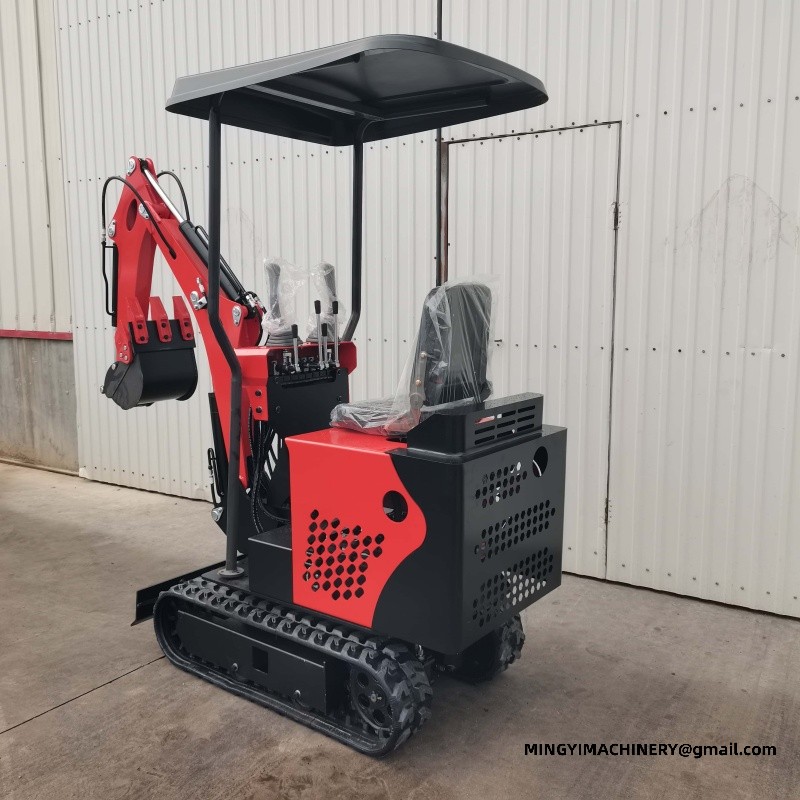
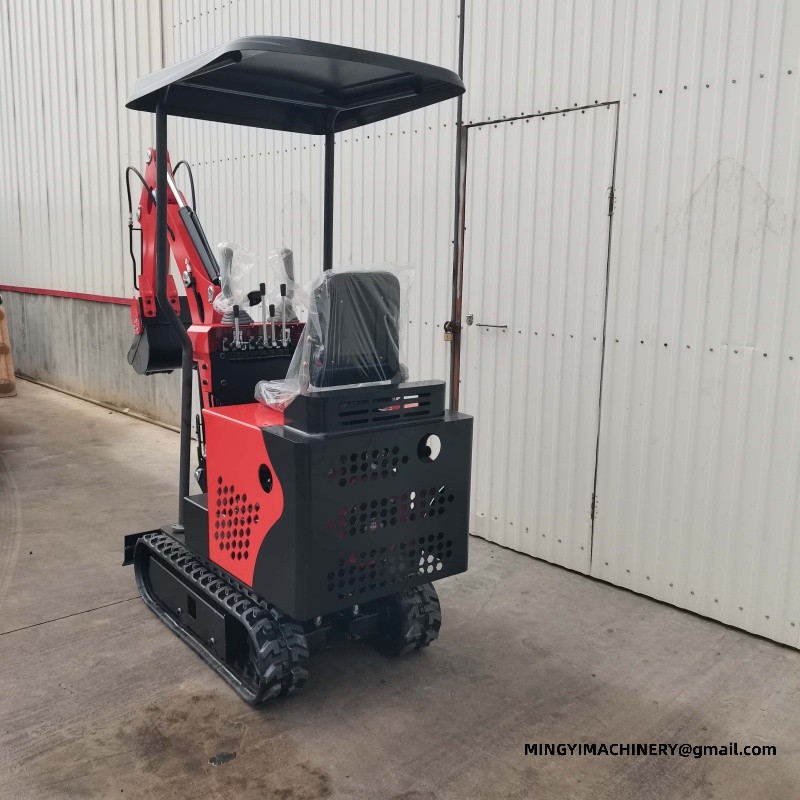
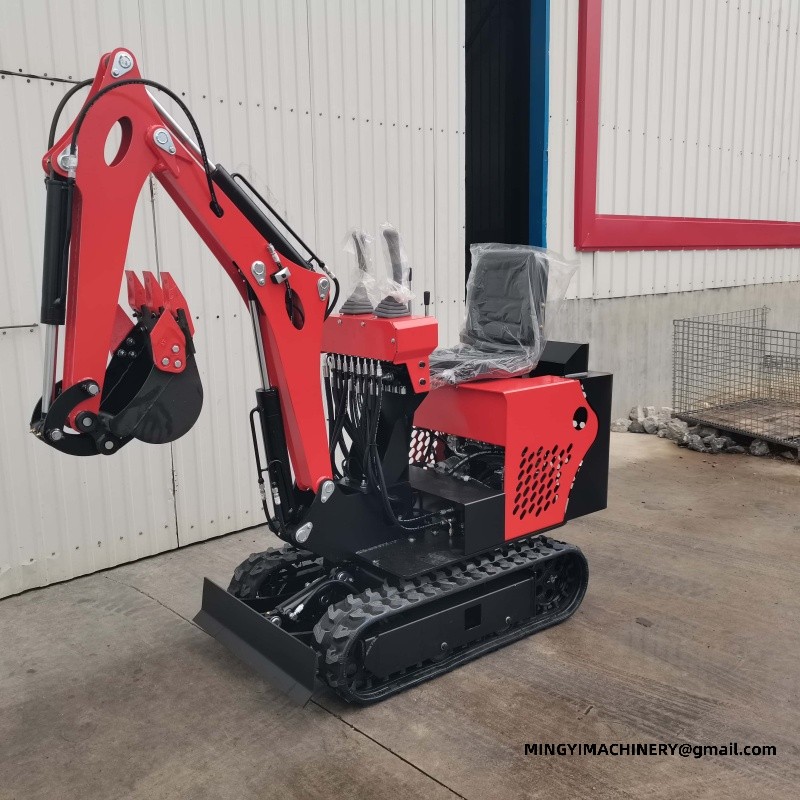
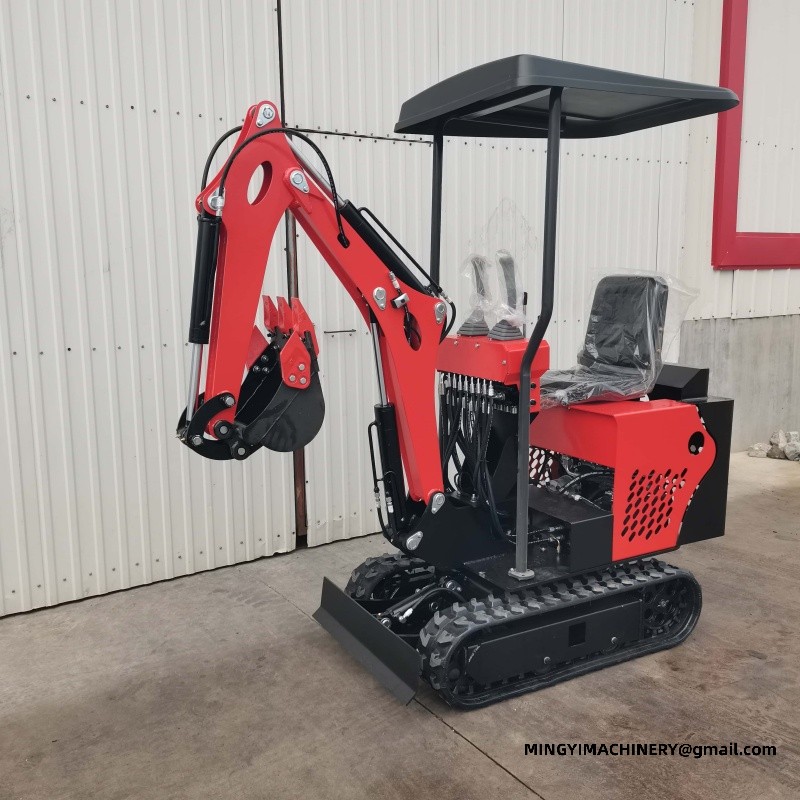
Reference specification — mini excavator range 13W 30-1W 30-2W 30-2L Operating weight 1300 kg (2866.01 lb) 2900 kg (6393.41 lb) 2700 kg (5952.48 lb) 2400 kg (5291 lb) Transport size (L×W×H) 2200 × 930 × 2250 mm 3000 × 1250 × 2780 mm 3000 × 1100 × 2700 mm 2800 × 1500 × 2500 mm Max digging depth 1630 mm (64.17 in) 2200 mm (86.61 in) 2200 mm (86.61 in) 2200 mm (86.61 in) Max digging height 2750 mm (108.27 in) 3400 mm (133.86 in) 3000 mm (118.11 in) 2900 mm (114.17 in) Max dumping height 1960 mm (77.17 in) 2400 mm (94.49 in) 2000 mm (78.74 in) 2100 mm (82.68 in) Max digging radius 2900 mm (114.17 in) 4000 mm (157.48 in) 3800 mm (149.61 in) 3330 mm (131.1 in) Max digging distance 2100 mm (82.68 in) 2800 mm (110.24 in) 3050 mm (120.08 in) 2700 mm (106.3 in) Minimum turning radius 1300 mm (51.18 in) 2000 mm (78.74 in) 1750 mm (68.9 in) 1555 mm (61.22 in) Travel speed 3 km/h (1.86 mph) 5 km/h (3.11 mph) 7 km/h (4.35 mph) 7 km/h (4.35 mph) Gradeability 30° 30° 30° 30° Fuel consumption 1-1.3 L/h (0.264—0.343 gal) 2-3 L/h (0.528—0.793 gal) 2-3 L/h (0.528—0.793 gal) 2-3 L/h (0.528—0.793 gal) Fuel tank capacity 10 L (2.64 gal) 16 L (4.23 gal) 16 L (4.23 gal) 16 L (4.23 gal) Hydraulic oil tank 16 L (4.23 gal) 20 L (5.28 gal) 20 L (5.28 gal) 18 L (4.76 gal) Dozer blade lift height 180 mm (7.09 in) 420 mm (16.54 in) 230 mm (9.06 in) 230 mm (9.06 in) Dozer blade drop depth 210 mm (8.27 in) 210 mm (8.27 in) 280 mm (11.02 in) 280 mm (11.02 in)
LINE ( ID ): mingyicn
Related pages
mini excavator for digging along walls · offset boom mini excavator · mini excavator for greenhouse work · PRODUCTS









