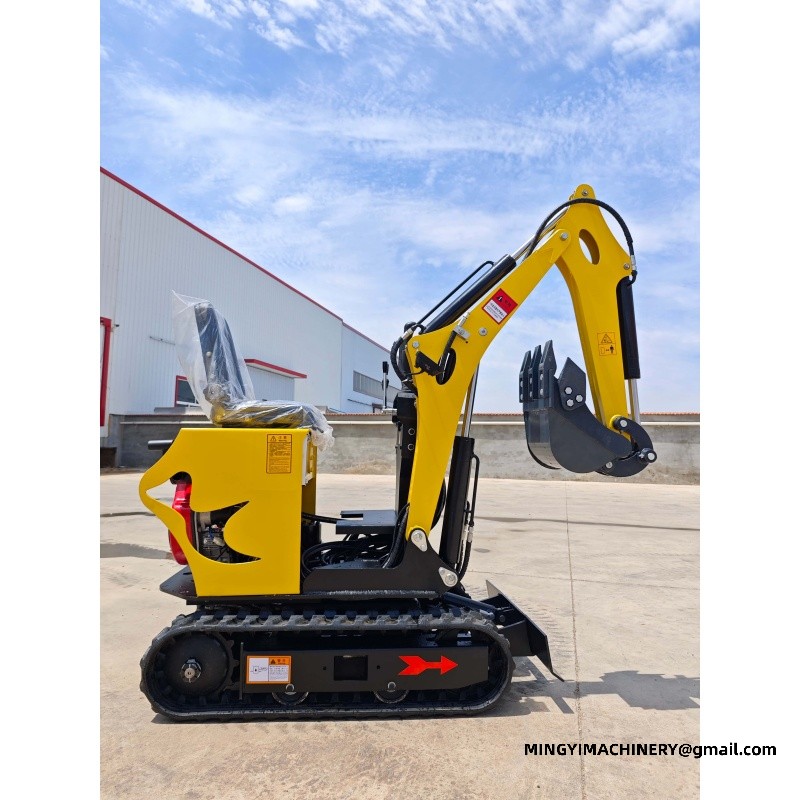
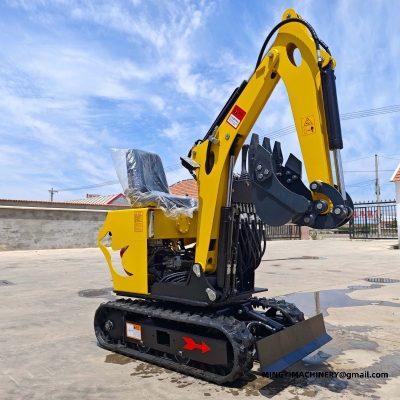
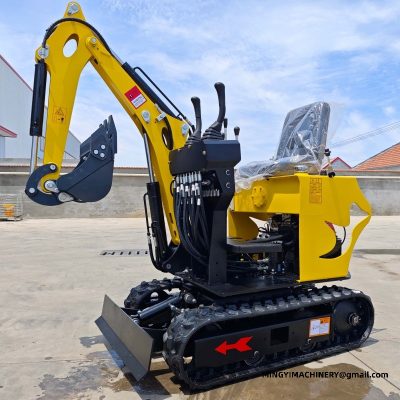
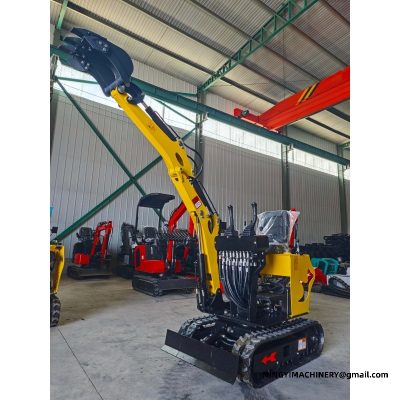
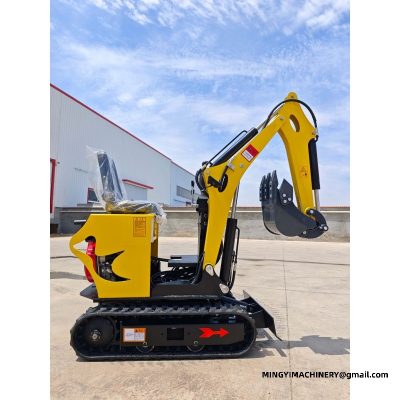
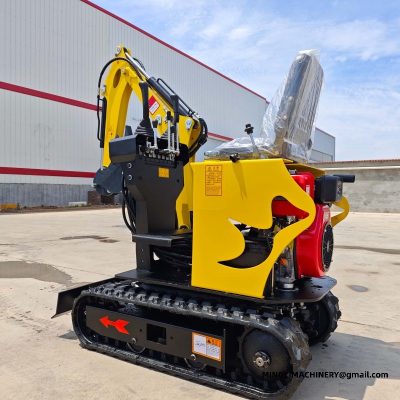
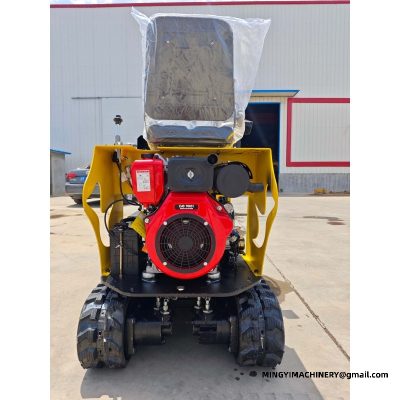
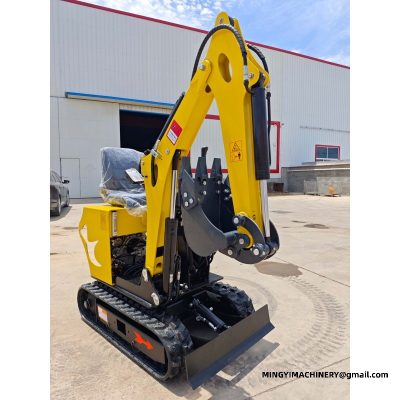
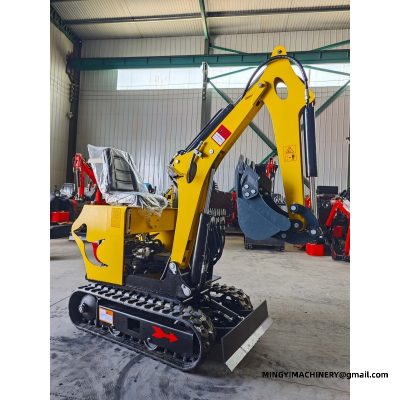
Service life on a compact excavator is decided by three things: how the structure is built, how the machine is specified for its work, and whether routine maintenance actually happens. Get those three right and a compact machine will run for many years of daily work.
MINGYI mini excavators are fabricated and assembled with those three factors in mind.
Structure and wear parts
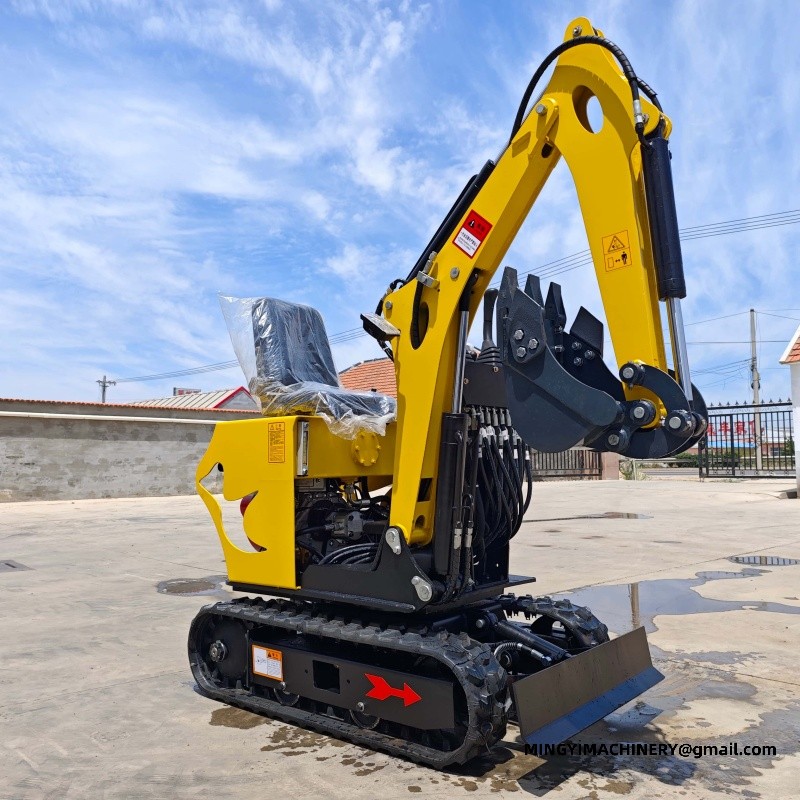
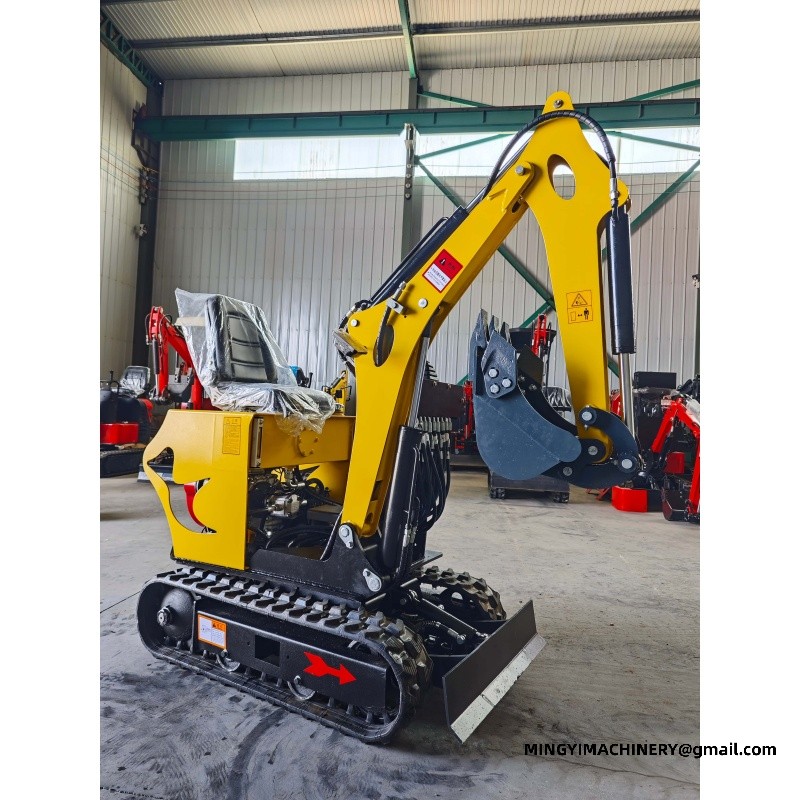
Boom, arm, chassis and operator platform are fabricated and welded in house, because those are the structures that carry continuous load on breaking and heavy digging work. Pins, bushes and the bucket linkage are the components that take the daily punishment, and their condition determines how long the machine stays tight and accurate.
Tracks are the largest wear item. Rubber tracks suit paved and landscaped work; steel tracks with rubber blocks last longer on abrasive ground and are the better choice where track life is the priority.
Specification as a life-extending decision
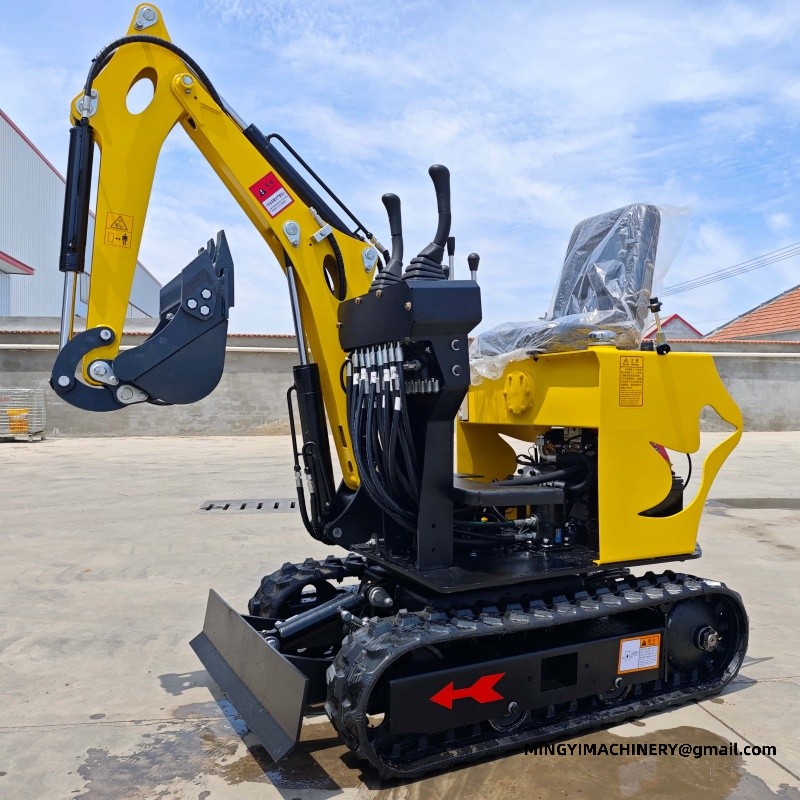
A machine specified for its actual work lasts longer than one working outside its intended duty. Matching the class to the excavation, the track type to the ground, and the attachment to the task prevents the overload that shortens component life.
Maintenance and parts continuity
Daily fluid checks, correct track tension, greasing and prompt replacement of worn teeth and hoses are what carry a machine past the point where neglect would have stopped it. Continued parts availability is what makes that practical over the life of the machine.
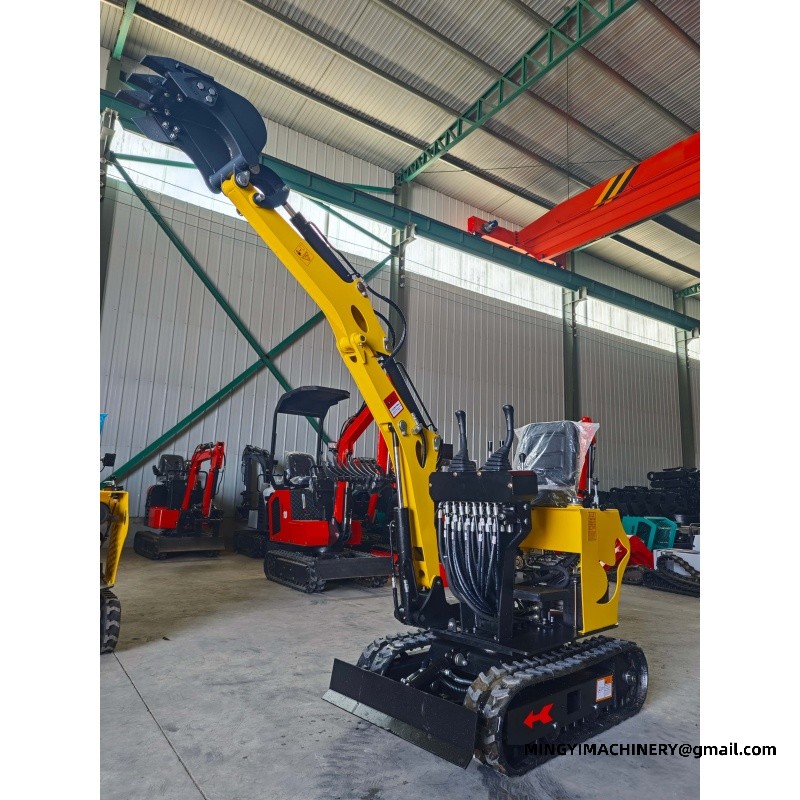
Tell us the duty cycle you expect and how long you intend to keep the machine and we will advise on the specification for it.
Trenching work with mini excavator long service life Trench quality depends on the bucket width and the operator, not on machine size. This class of machine with a narrow bucket and a swing boom cuts a clean run along a boundary without disturbing the ground either side of it. Depth control matters more on service work than speed. The unit in daily use working beside live services is chosen because it can be placed precisely and stopped instantly, which is what the job actually requires. What owners should plan for beyond the mini excavator long service life Purchase decision is the visible part of the effort. Fuel, filters, tracks or tyres, the operator and the transport between sites are the items that decide what a machine of this size actually demands over a few seasons, and they are worth listing before the order. Downtime is the hidden line item. The equipment on site waiting on a part earns nothing while it stands, so parts availability and service access belong in the plan as much as fuel does. Working a mini excavator long service life through the seasons Weather decides which days are productive. Rain turns some ground unusable and cold changes how the machine itself starts and warms up, so planning the wet months around maintenance is more useful than planning around output. Seasonal planning smooths the workload. Machines that are busy for a few months and idle for the rest benefit from a service slot in the quiet period, and the model in question prepared in the off-season starts the busy months reliably. OEM and fleet customisation of mini excavator long service life Distributors and rental fleets usually need the machine to look like theirs. Paint, decals, seat colour and attachment branding can be specified on the machine in that duty at build time rather than applied after import. Customisation also covers the specification sheet. A fleet buyer may want every unit on the job delivered with the same coupler, the same engine and the same tool kit so training and parts stock stay simple. Acceptance checks when a mini excavator long service life arrives Delivery day is the best time to find a problem. Checking the specification against the order, the fluid levels, the fasteners and any transport damage while the equipment in service is still on the trailer is faster than claiming later. Documentation should arrive with the machine. Parts list, service schedule and any certificates for a machine built for the work are what the workshop needs later, and they are much easier to obtain at delivery than in month six. Canopy or enclosed cab on this class of machine A canopy keeps the machine light and the operator aware of the surroundings, which suits short jobs in warm weather. A fully enclosed cab is specified where rain, dust or cold are part of the working year, and it can be added to the unit in daily use as a retrofit rather than only at build time. The cab decision follows the climate and the hours. Operators working a full shift in a machine of this size benefit from a sealed cab with wipers and heating; operators stepping on and off every few minutes usually prefer the canopy for the visibility and the quick exit. Boom configuration for the equipment on site A swing boom lets the machine dig parallel to its tracks without repositioning, which is what makes trenching beside a wall or a fence practical. On the machine itself this is often the option that decides whether a job is possible at all. Extended and offset boom configurations change reach and working range. The model in question with a longer arm reaches further but lifts less at full extension, so the specification is set against the deepest and furthest point on the job list. Road and paving work for the machine in that duty Patching and reinstatement favour a machine that can work in a lane closure. The unit on the job occupies less road than a full-size excavator, which reduces the traffic management needed and the length of the closure. Breaking out a failed slab and backfilling the same hole in one visit is normal work for a machine built for the work. The breaker and the bucket come off the same coupler, so the road is reopened the same day. Running the equipment in service in a rental fleet The specification that rents best is usually the simplest one to explain at the counter. This class of machine with rubber tracks, a canopy and a coupler covers the majority of weekend and short-term hires. Fleet buyers also weigh transport. The unit in daily use that a customer can tow on a normal licence and a standard trailer is a hire that does not need a delivery truck, which changes how often it goes out. Daily checks and maintenance on a machine of this size Daily maintenance on the equipment on site is a short list: engine oil level, coolant, track tension, hydraulic oil level and a look at the hoses. Ten minutes at the start of the shift prevents most of the failures that stop a machine. Track tension is the item most often neglected. The machine itself run with slack tracks wears the undercarriage and can throw a track on a turn; run too tight, the same components wear from the other direction. Orchard, vineyard and farm use of the model in question Ditching, fertilising and drainage on farmland suit the machine in that duty because the work is spread over a large area in short bursts. The machine travels behind a pickup and works where it stops. Farms also use the unit on the job for general maintenance - clearing a watercourse, repairing a track, loading a spreader. One carrier with a few attachments covers most of the jobs that would otherwise wait for a contractor. Specification data for a machine built for the work The figures below are the factory figures for the models most often matched to the equipment in service. They are the numbers to check against the site: the depth the work needs, the reach from one position, and the width of the narrowest point on the route in. Figures are factory figures and are confirmed on the build sheet for this class of machine. Where a job sits between two models, the larger machine usually takes less time than the smaller one spends on rework. Engine parts availability usually drives the engine choice. The unit in daily use built with an engine the local network already carries is serviced from stock rather than from an international order. Remote support is handled by video. A machine of this size fault can often be diagnosed on a walk-around call with the panel open, which is faster than waiting for a visit and avoids shipping a part that is not needed.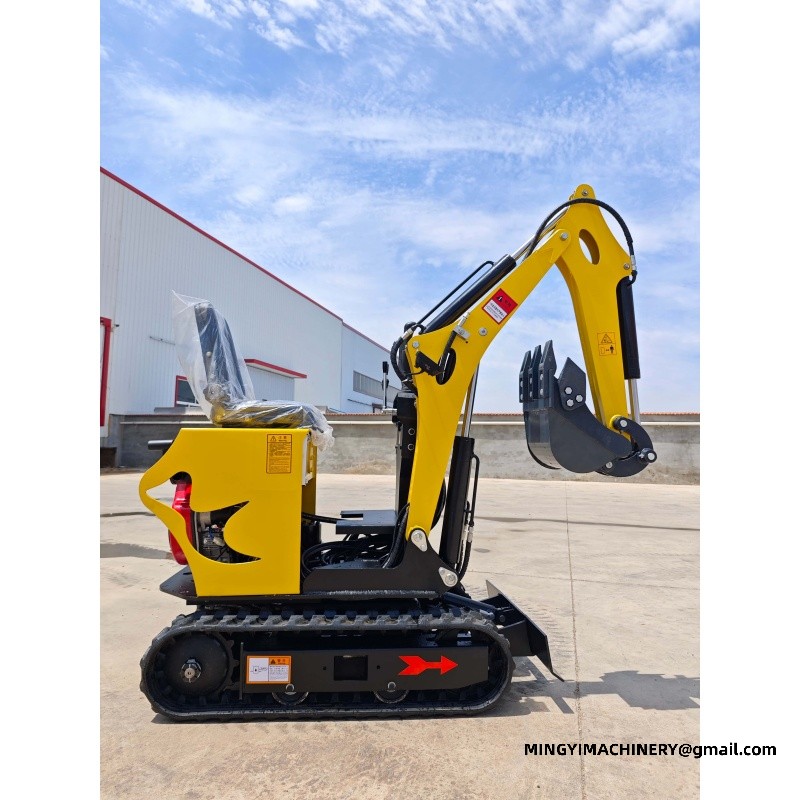
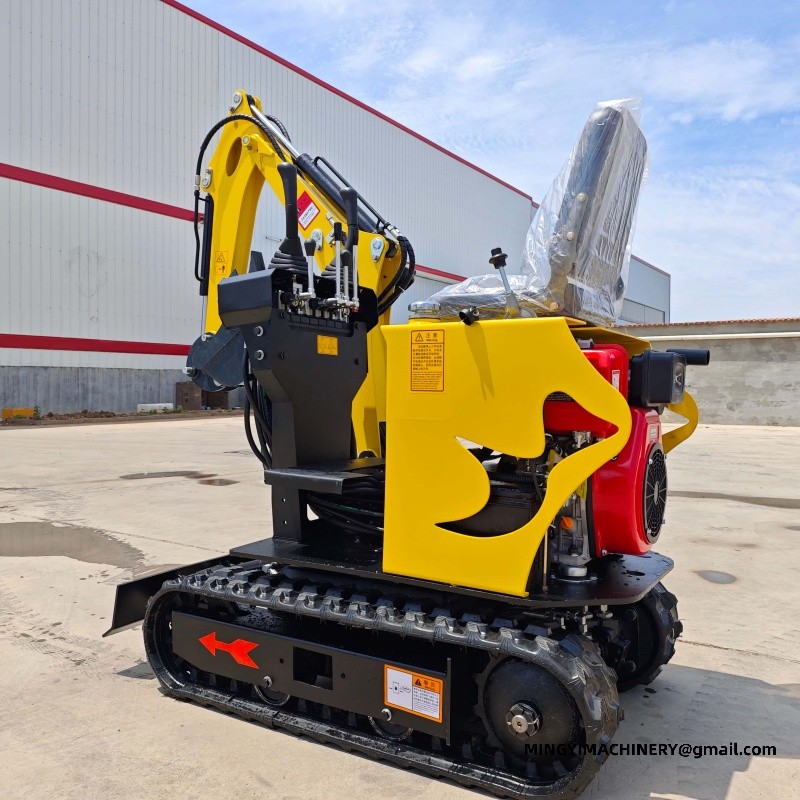
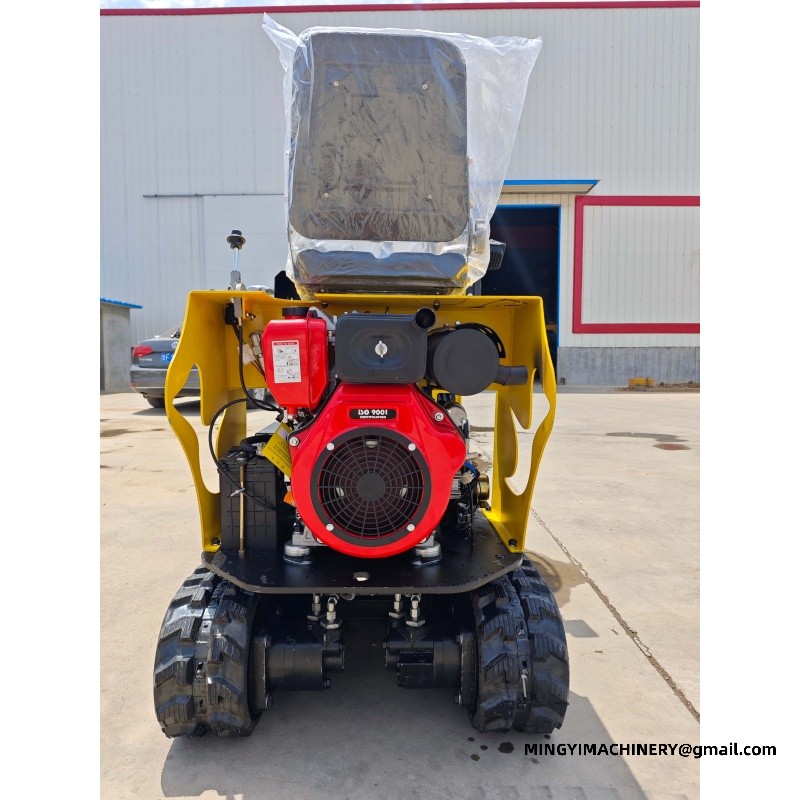
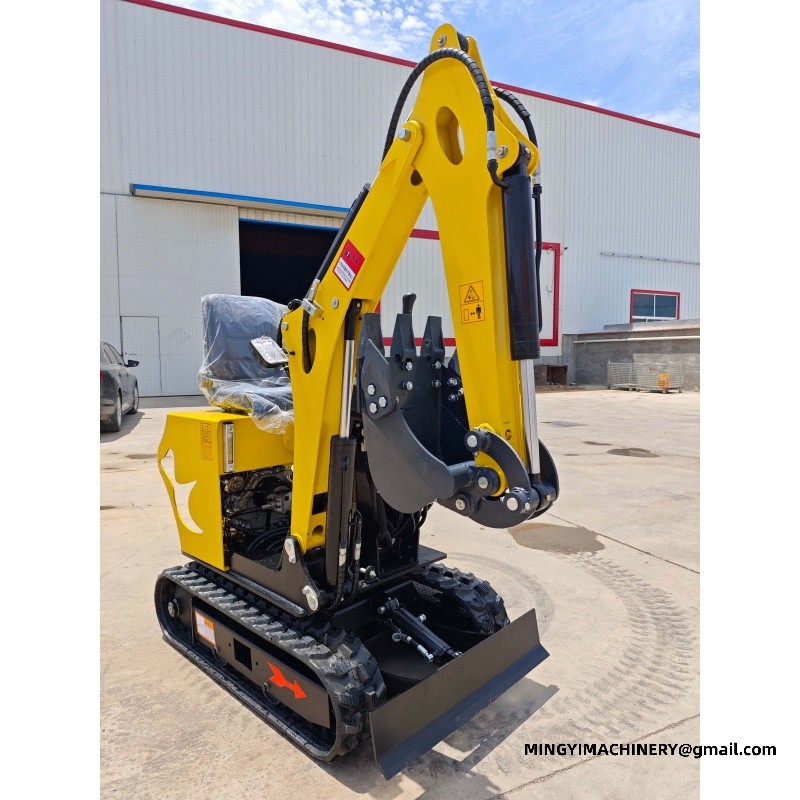
Reference specification — mini excavator range 15W 20-1WL 20-2L 30-2L Operating weight 1400 kg (3086.47 lb) 1900 kg (4188.78 lb) 1900 kg (4188.78 lb) 2400 kg (5291 lb) Transport size (L×W×H) 2200 × 930 × 2250 mm 2550 × 1100 × 2200 mm 2600 × 1300 × 2344 mm 2800 × 1500 × 2500 mm Max digging depth 1630 mm (64.17 in) 1800 mm (70.87 in) 2100 mm (82.68 in) 2200 mm (86.61 in) Max digging height 2750 mm (108.27 in) 2820 mm (111.02 in) 2880 mm (113.39 in) 2900 mm (114.17 in) Max dumping height 1960 mm (77.17 in) 2050 mm (80.71 in) 2100 mm (82.68 in) 2100 mm (82.68 in) Max digging radius 2900 mm (114.17 in) 3050 mm (120.08 in) 3215 mm (126.57 in) 3330 mm (131.1 in) Max digging distance 2100 mm (82.68 in) 2300 mm (90.55 in) 2460 mm (96.85 in) 2700 mm (106.3 in) Minimum turning radius 1300 mm (51.18 in) 1450 mm (57.09 in) 1587 mm (62.48 in) 1555 mm (61.22 in) Travel speed 3 km/h (1.86 mph) 5 km/h (3.11 mph) 5 km/h (3.11 mph) 7 km/h (4.35 mph) Gradeability 30° 30° 30° 30° Fuel consumption 1-1.3 L/h (0.264—0.343 gal) 2-3 L/h (0.528—0.793 gal) 2-3 L/h (0.528—0.793 gal) 2-3 L/h (0.528—0.793 gal) Fuel tank capacity 10 L (2.64 gal) 16 L (4.23 gal) 16 L (4.23 gal) 16 L (4.23 gal) Hydraulic oil tank 16 L (4.23 gal) 18 L (4.76 gal) 18 L (4.76 gal) 18 L (4.76 gal) Dozer blade lift height 180 mm (7.09 in) 180 mm (7.09 in) 180 mm (7.09 in) 230 mm (9.06 in) Dozer blade drop depth 210 mm (8.27 in) 210 mm (8.27 in) 210 mm (8.27 in) 280 mm (11.02 in)
Q. What gives a mini excavator a long service life?
A. The engine family, the undercarriage and how well the machine is matched to the work. A machine that is worked within its size, serviced on schedule and fitted with tooling that suits the job lasts far longer than one that is consistently overloaded.
Q. Which parts decide how long the machine lasts?
A. Undercarriage, hydraulic components and the boom and arm structure, together with the engine. Those are the items where build quality shows, and they are the items worth asking about before ordering rather than after delivery.
Q. How do I protect the machine in daily use?
A. Keep to the engine maker's service schedule, use the correct track type for the ground, and fit attachments matched to the machine's hydraulics. Consumables like filters, seals and bucket teeth are simple compared with the parts they protect.
Reading the early symptoms on the equipment on site
Operators notice things first because they hear the machine every day. Encouraging the person on the machine itself to report small changes, and acting on them, is the most effective maintenance programme there is.
Keeping a service record for the model in question
A written record is worth more than a good memory. Dates, hours and the parts fitted on the machine in that duty turn a guess about the next service into a fact, and they are the first thing a buyer asks to see.
Handover and getting familiar with the unit on the job
The first day with a new machine sets the pattern for the next five years. Handover for a machine built for the work covers the control layout, the daily check points and the limits the operator needs to know before the first real load is lifted or carried.
E-mail : sales@mingycn.com
LINE ( ID ): mingyicn
Related pages
mini excavator easy maintenance · mini excavator service support · mini excavator for pile and auger work · PRODUCTS









