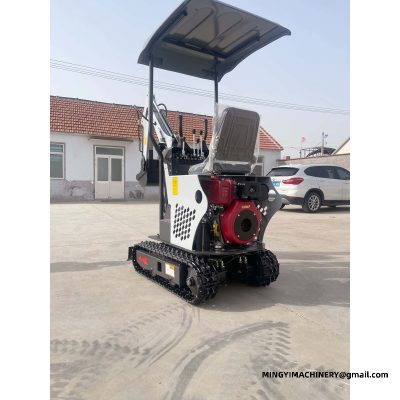
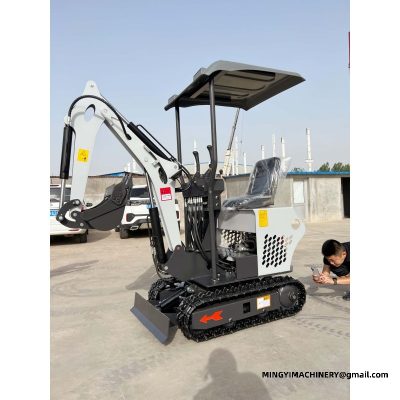
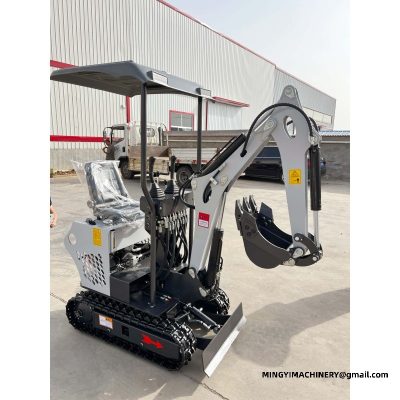
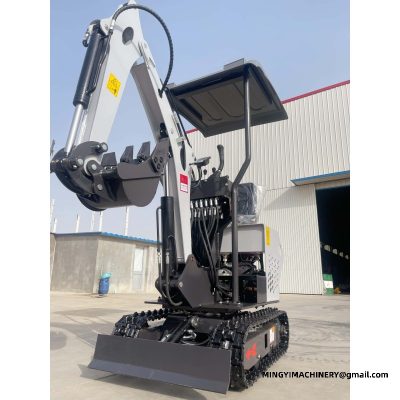
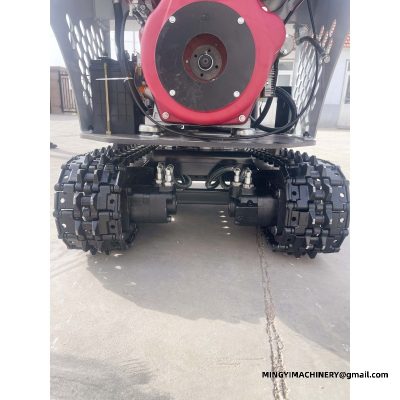
Downtime is lengthy and almost always caused by a small part. Keeping the right spares on the shelf is what turns a two-day repair into a two-hour one.
MINGYI supplies spare parts for its mini excavators across the wearing and service items, so a machine can be maintained to schedule rather than repaired in an emergency.
The parts that wear and the parts that fail
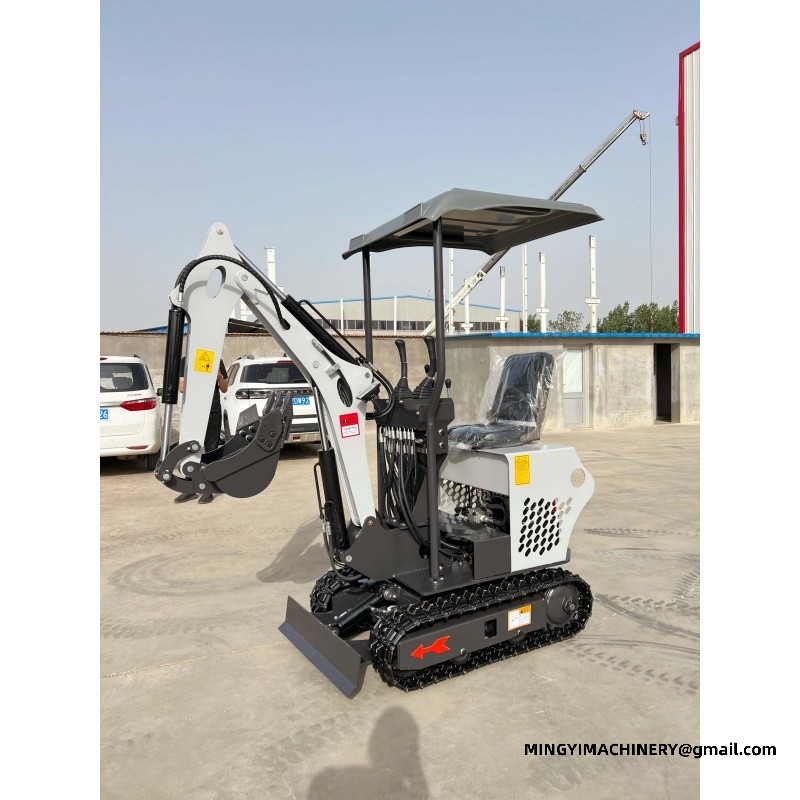
Under normal use the consumables come first: filters, belts, hydraulic oil and grease. These are the items a scheduled service consumes.
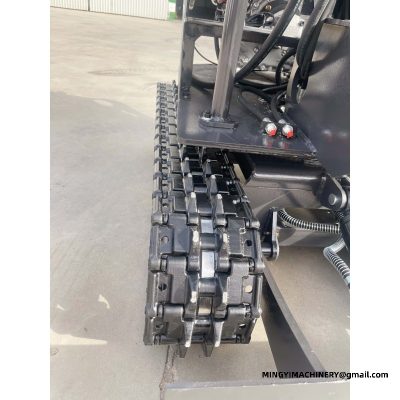
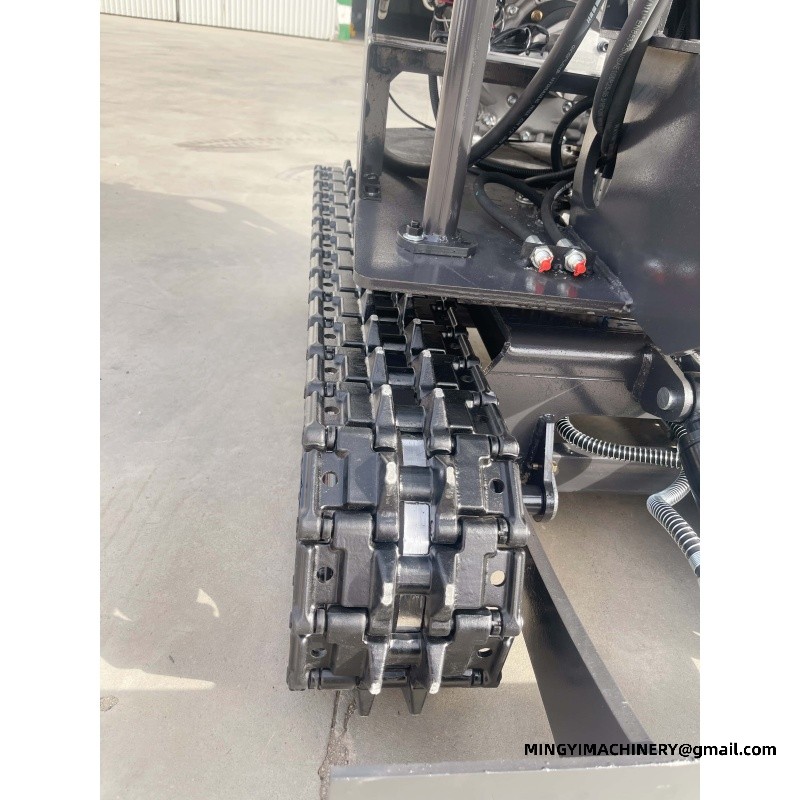
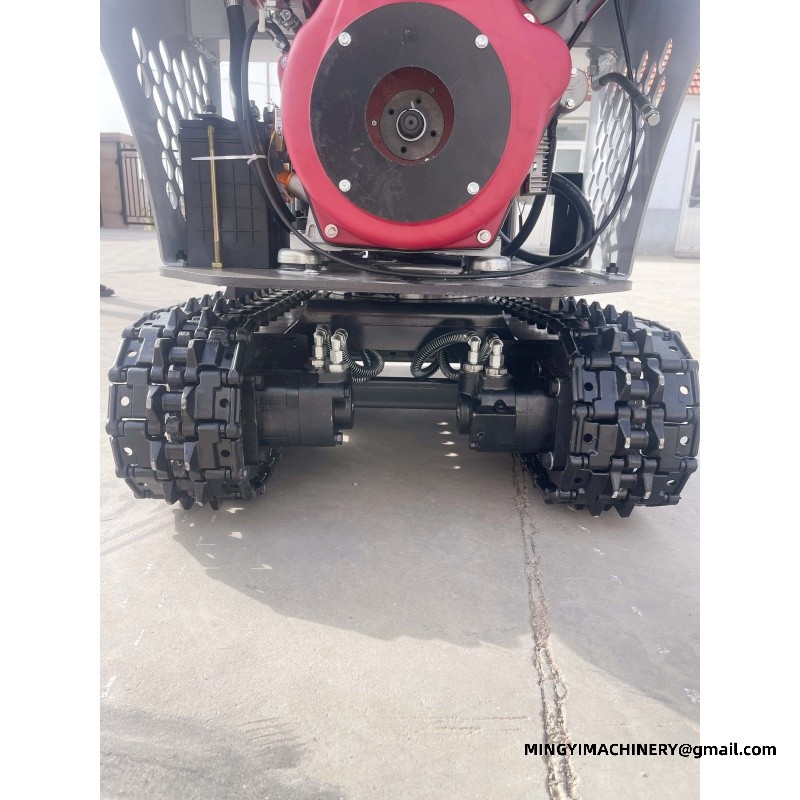
Then come the wear items: bucket teeth, cutting edges, rubber tracks, track rollers and sprockets, all of which have a life measured against hours worked.
Keeping a sensible stock
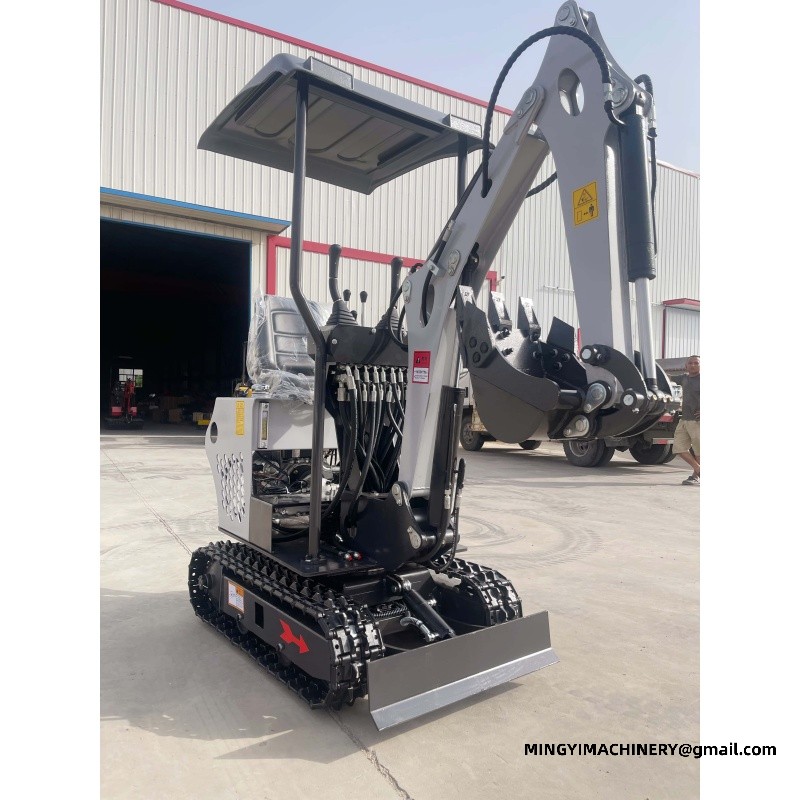
A spares kit worth holding covers the consumables for a full service interval plus the wear parts that end a machine's day.
Ordering parts with the machine is usually simpler and faster than ordering them later, and avoids a machine standing while a component is sourced.
Tell MINGYI the model you run and we will set out the parts worth holding for the work you do.
E-mail : Hydraulic circuits on this class of machine Flow and pressure are matched to the tool, not to the machine size. Asking for the attachment list first means the unit in daily use leaves the factory with circuits that suit the heaviest tool the buyer intends to run. Hydraulic specification is easier to settle at build time than to correct later. A machine of this size delivered without auxiliary lines can still dig, but every additional tool becomes a retrofit project. Daily checks and maintenance on mini excavator spare parts kit Daily maintenance on the equipment on site is a short list: engine oil level, coolant, track tension, hydraulic oil level and a look at the hoses. Ten minutes at the start of the shift prevents most of the failures that stop a machine. Track tension is the item most often neglected. The machine itself run with slack tracks wears the undercarriage and can throw a track on a turn; run too tight, the same components wear from the other direction. Working a mini excavator spare parts kit in confined spaces Clearance above matters as much as around. Door heights, pipework and overhead services set the limit for the model in question indoors, and measuring them first avoids a machine that arrives and cannot be used. Ventilation is the other indoor constraint. Running the machine in that duty inside a closed structure needs air movement, and that is a planning item rather than something to discover after the first hour. Working near live services with mini excavator spare parts kit Digging near water, gas and cable is a precision job. The unit on the job is used here because the operator can work in short controlled cuts and because the machine can be positioned without driving over the run being exposed. The risk on utility work is not machine power but machine placement. A machine built for the work that fits the working width leaves the surrounding ground undisturbed, which keeps the trench stable and the reinstatement small. Specifying mini excavator spare parts kit against a job list Buyers who skip this step either over-buy or under-buy. The equipment in service specified only from machine size tends to arrive without the coupler, the circuits or the track type the work actually needs. Useful information to send with an enquiry includes working width, required digging depth, ground conditions and the attachment set. Those four items let the factory specify this class of machine that fits rather than a generic build. Export packing and shipping of mini excavator spare parts kit Machines leave the factory prepared for container or flat rack shipment. The unit in daily use is normally shipped with the attachment set and the spare parts list agreed in advance so the container is planned once. Export documentation, decals and paint are settled before packing. Asking for them with the a machine of this size order avoids a second handling session and keeps the machine on the booked vessel. Canopy or enclosed cab on a mini excavator spare parts kit The cab decision follows the climate and the hours. Operators working a full shift in the equipment on site benefit from a sealed cab with wipers and heating; operators stepping on and off every few minutes usually prefer the canopy for the visibility and the quick exit. Enclosure also changes noise and dust exposure. A sealed cab on the machine itself keeps dust out on dry sites and lets the machine work through weather that would otherwise stop a canopy machine for the day. Hiring versus owning the model in question The choice follows the hours. Work that fills a few weeks a year is usually better hired, while the machine in that duty that would be on site most weeks starts to justify ownership once the transport and booking time is counted. Availability is part of the decision. Owning the unit on the job means it is there on the day the ground is ready; hiring means competing for the same machine at the same time as everyone else in the season. OEM and fleet customisation of a machine built for the work Customisation also covers the specification sheet. A fleet buyer may want every this class of machine delivered with the same coupler, the same engine and the same tool kit so training and parts stock stay simple. Documentation can be prepared to suit the importer. Manuals, parts books and decal sets for the equipment in service can be supplied with the buyer's own branding where the order size justifies it. Orchard, vineyard and farm use of the unit in daily use Ditching, fertilising and drainage on farmland suit a machine of this size because the work is spread over a large area in short bursts. The machine travels behind a pickup and works where it stops. Farms also use the equipment on site for general maintenance - clearing a watercourse, repairing a track, loading a spreader. One carrier with a few attachments covers most of the jobs that would otherwise wait for a contractor. What owners should plan for beyond the machine itself Purchase decision is the visible part of the effort. Fuel, filters, tracks or tyres, the operator and the transport between sites are the items that decide what the model in question actually demands over a few seasons, and they are worth listing before the order. Downtime is the hidden line item. The machine in that duty waiting on a part earns nothing while it stands, so parts availability and service access belong in the plan as much as fuel does. Landscaping and ground care with the unit on the job Landscape contractors use a machine built for the work for planting holes, pond excavation, grading and retaining work. The machine is light enough to cross finished lawn and narrow enough to work between established trees. On soft landscape work the surface is the constraint. The equipment in service on rubber tracks crosses turf without stripping it, which is why the same jobs are not given to a wheeled machine. Engine options behind this class of machine Power unit selection is settled against the service network the buyer already uses. MINGYI offers Kubota D722, Kubota D902, YANMAR, Changchai, Laidong, Runtong, YARMAX, Youpu 2V80 and Youpu 195, so a fleet running one brand of engine can keep the same filters, the same parts supplier and the same mechanic. Two buyers can order the same the unit in daily use and receive different engines. The decision is rarely about peak power; it is about which parts counter is closest to the site and which engine the local mechanic already knows. Road and paving work for a machine of this size Patching and reinstatement favour a machine that can work in a lane closure. The equipment on site occupies less road than a full-size excavator, which reduces the traffic management needed and the length of the closure. Breaking out a failed slab and backfilling the same hole in one visit is normal work for the machine itself. The breaker and the bucket come off the same coupler, so the road is reopened the same day. Noise, dust and working near occupied buildings Enclosure and machine condition both reduce noise. The model in question with intact panels, sound mounts and a maintained exhaust is measurably quieter than the same machine with loose guards, and the difference matters on restricted sites. Dust control is often part of the same conversation. Water, timing and work sequence reduce what leaves the site, and agreeing them in advance keeps the machine in that duty working rather than stopped after a complaint. Specification data for the unit on the job Buyers comparing a machine built for the work usually start from four numbers - weight, digging depth, reach and transport width - because those are the ones that decide whether the machine can be delivered and whether it can do the job once it is there. Figures are factory figures and are confirmed on the build sheet for the equipment in service. Where a job sits between two models, the larger machine usually takes less time than the smaller one spends on rework. Keeping a service record for this class of machine Service history also protects the warranty position. Evidence that the unit in daily use was maintained at the specified intervals and with the specified fluids settles questions that would otherwise be argued. A second operator for a machine of this size A machine that only one person can use is a single point of failure. Training a second operator on the equipment on site takes a day and removes the dependency that otherwise governs holidays, illness and busy weeks. Trench quality depends on the bucket width and the operator, not on machine size. The machine itself with a narrow bucket and a swing boom cuts a clean run along a boundary without disturbing the ground either side of it. Depth control matters more on service work than speed. The model in question working beside live services is chosen because it can be placed precisely and stopped instantly, which is what the job actually requires.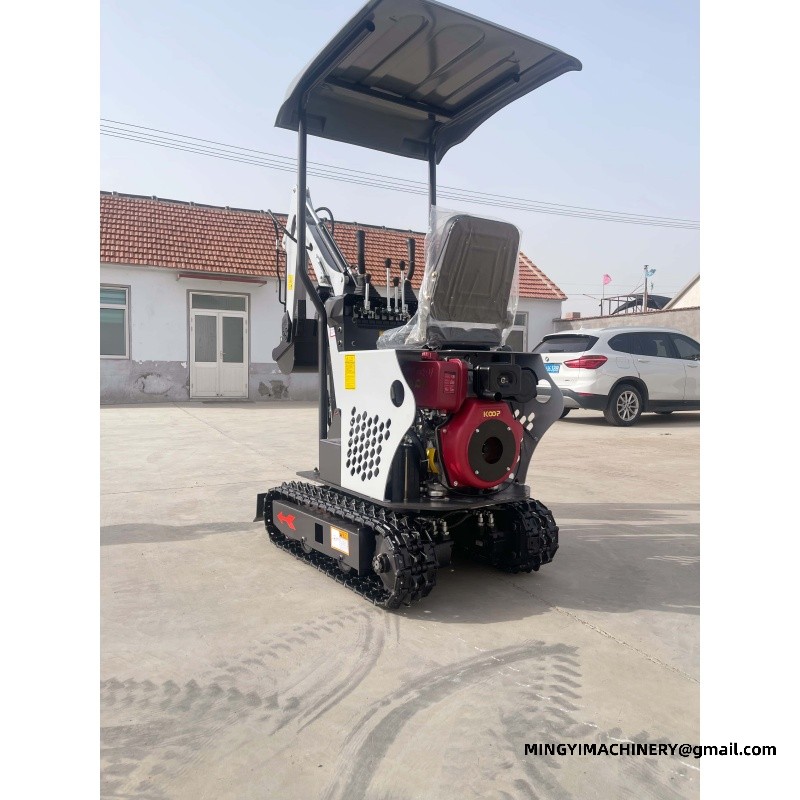
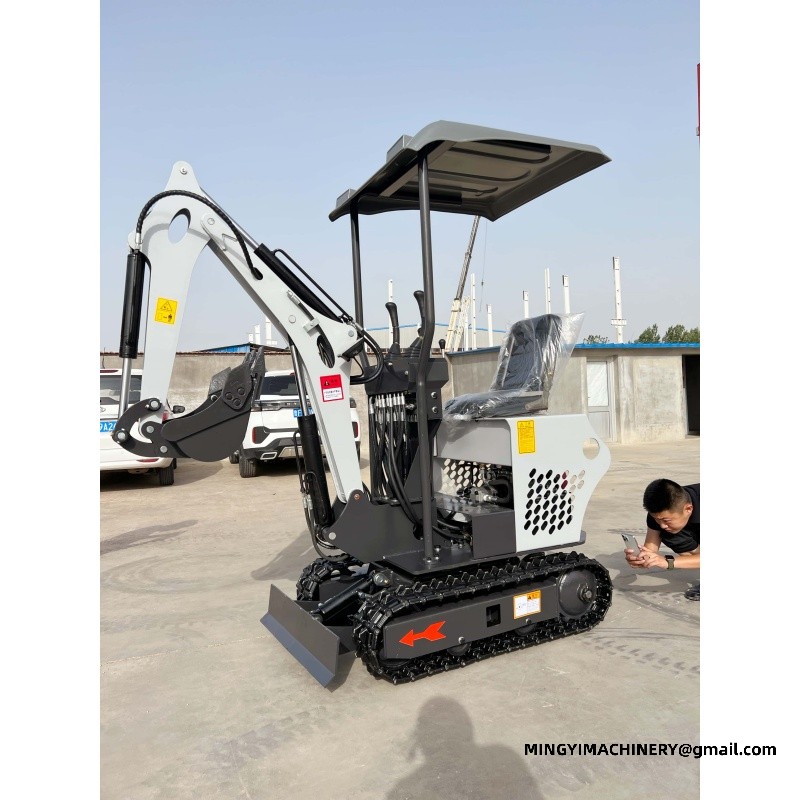
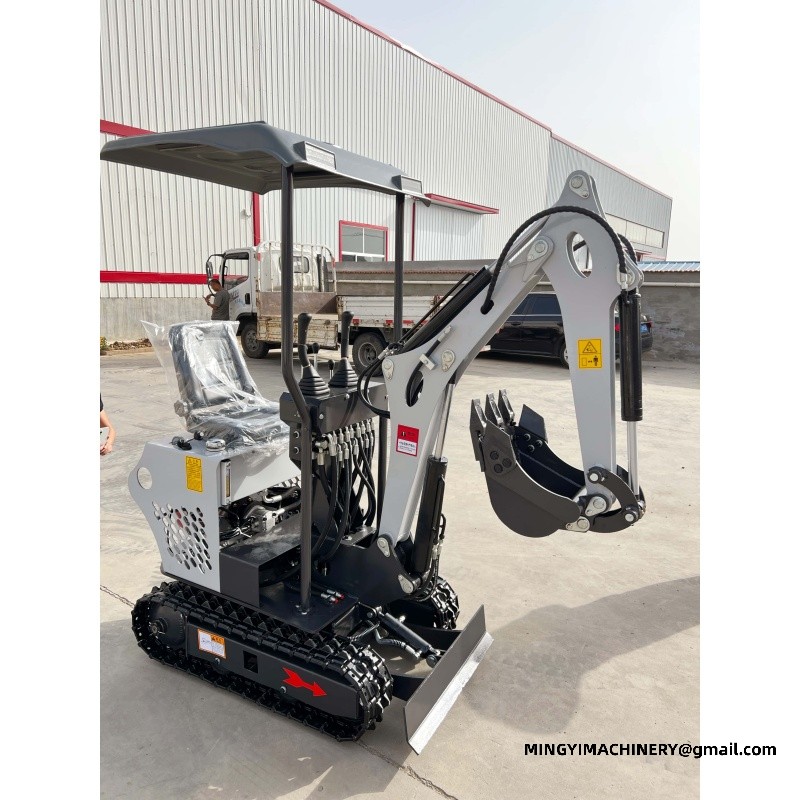
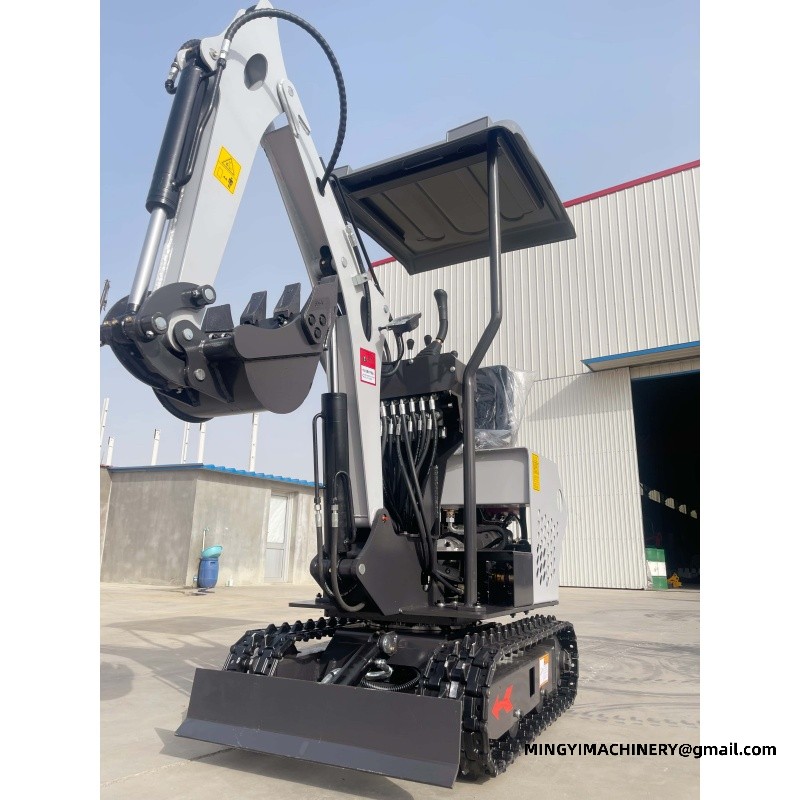
Reference specification — mini excavator range 20-3W 30-1W 12L 30-2L Operating weight 1900 kg (4188.78 lb) 2900 kg (6393.41 lb) 1200 kg (2645.55 lb) 2400 kg (5291 lb) Transport size (L×W×H) 2550 × 1100 × 2200 mm 3000 × 1250 × 2780 mm 2200 × 930 × 2250 mm 2800 × 1500 × 2500 mm Max digging depth 1800 mm (70.87 in) 2200 mm (86.61 in) 1700 mm (66.93 in) 2200 mm (86.61 in) Max digging height 2820 mm (111.02 in) 3400 mm (133.86 in) 2600 mm (102.36 in) 2900 mm (114.17 in) Max dumping height 2050 mm (80.71 in) 2400 mm (94.49 in) 1800 mm (70.87 in) 2100 mm (82.68 in) Max digging radius 3050 mm (120.08 in) 4000 mm (157.48 in) 2900 mm (114.17 in) 3330 mm (131.1 in) Max digging distance 2300 mm (90.55 in) 2800 mm (110.24 in) 2300 mm (90.55 in) 2700 mm (106.3 in) Minimum turning radius 1450 mm (57.09 in) 2000 mm (78.74 in) 1450 mm (57.09 in) 1555 mm (61.22 in) Travel speed 5 km/h (3.11 mph) 5 km/h (3.11 mph) 3 km/h (1.86 mph) 7 km/h (4.35 mph) Gradeability 30° 30° 30° 30° Fuel consumption 2-3 L/h (0.528—0.793 gal) 2-3 L/h (0.528—0.793 gal) 1-1.3 L/h (0.264—0.343 gal) 2-3 L/h (0.528—0.793 gal) Fuel tank capacity 16 L (4.23 gal) 16 L (4.23 gal) 10 L (2.64 gal) 16 L (4.23 gal) Hydraulic oil tank 18 L (4.76 gal) 20 L (5.28 gal) 16 L (4.23 gal) 18 L (4.76 gal) Dozer blade lift height 180 mm (7.09 in) 420 mm (16.54 in) 180 mm (7.09 in) 230 mm (9.06 in) Dozer blade drop depth 210 mm (8.27 in) 210 mm (8.27 in) 210 mm (8.27 in) 280 mm (11.02 in)
LINE ( ID ): mingyicn
Wear limits and replacement points on mini excavator spare parts kit
Every wearing part has a measurable point where it should come off rather than be watched, and that point is published by the manufacturer.
Uneven wear usually points at alignment, pressure or a driving habit rather than at the part itself.
Related pages
mini excavator spare parts supplier · mini excavator buying guide · mini excavator for drainage ditching · PRODUCTS









